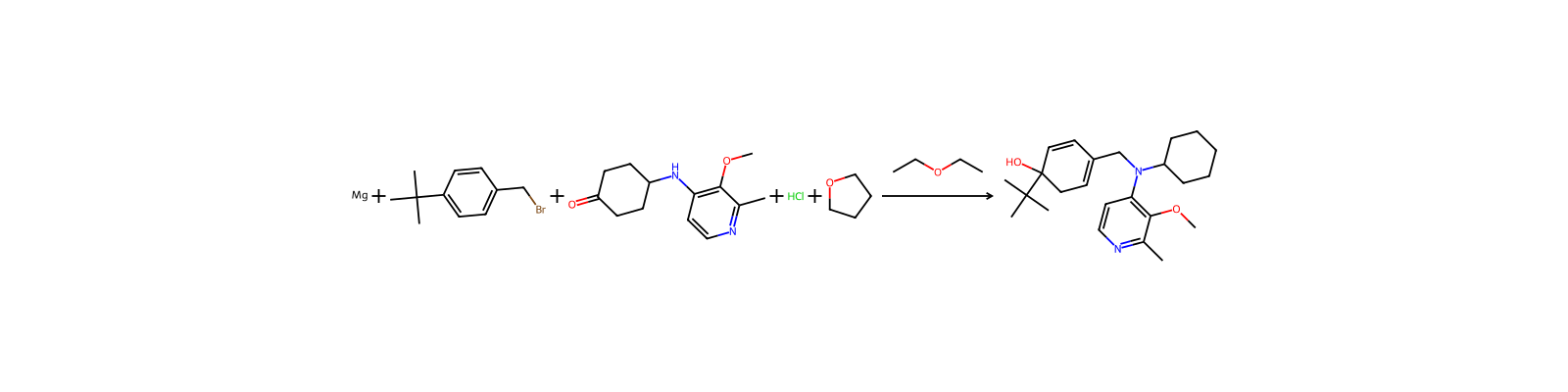

Basic information
- Standard SMILES
[Mg]- InChIKey
FYYHWMGAXLPEAU-UHFFFAOYSA-N- Molecular formula
- Mg
- Average molar mass
- 24.305 g/mol
- Monoisotopic mass
- 23.9850417
Overview
Magnesium appears as a light silvery metal. The more finely divided material reacts with water to liberate hydrogen, a flammable gas, though this reaction is not as vigorous as that of sodium or lithium with water. In finely divided forms is easily ignited. Burns with an intense white flame. Can be wax coated to render magnesium as nonreactive.
Names & identifiers
- Preferred name
- Magnesium
- IUPAC
- magnesium
Names & synonyms
MAGNESIUM7439-95-4Magnesium sheetMagnesium powderedMagnesium metallicumMagnesium powderRieke's active magnesiumMGDTXSID0049658I38ZP9992ACHEBI:25107Minaral mi tea
Show more names
Bye ZeroDietary MagnesiumRefChem:5969Nmc Magma Mineral PackGiftpeak Magnesium Sleep CreamDTXCID70876310MAGNESIUM POWDER (pyrophoric)231-104-6
Database identifiers
- CAS
7439-95-4- PubChem CID
- 5462224
- DTXSID
DTXSID0049658- ChEMBL
CHEMBL1201230- ChEBI
CHEBI:25107- UNII
- I38ZP9992A
- EC Number
- 231-104-6
Properties
Computed structural properties
- Topological polar surface area
- 0 Ų
- Hydrogen bond donors
- 0
- Hydrogen bond acceptors
- 0
- Rotatable bonds
- 0
- Heavy atoms
- 1
- Formal charge
- 0
- Complexity
- 0
Experimental & physicochemical properties
Chemical Classes
Metals -> Elements, Metallic
Reactive agents - 1st degree
Major ion
SpringerMaterials Propertiesthermal expansion coefficient
Odornone
Density
1.74 at 68 °F (USCG, 1999) - Denser than water; will sink
1.738 @ 20 °C
1.7 g/cm³
1.7 g/cm³
1.74 @25 °C
Viscosity1.25 cP @ melting point
Color/Form
Silvery-white metal
Hexagonal crystal structure
Solubility
insoluble in cold water
INSOL IN COLD WATER, CHROMIUM TRIOXIDES; SOLUBLE IN MINERAL ACIDS
Insoluble but reactive in water, liberating hydrogen gas
Solubility in water: reaction
Solubility in water: reaction
CorrosivityHighly resistant
Flash Point500 °C
Boiling Point
2012 °F at 760 mmHg (USCG, 1999)
1100C (2012F)
1100 °C
1100 °C
1100 °C
DecompositionViolent decomposition with evolution of hydrogen chloride can occur when 1,1,1-trichloroethane comes into contact with magnesium or its alloys with aluminum.
Melting Point
1202 °F (USCG, 1999)
649C (1200F)
651 °C
649 °C
649 °C
Safety & regulation
GHS classification
GHS Classification
Danger
H250: Catches fire spontaneously if exposed to air [Danger Pyrophoric liquids]
P210, P222, P223, P231, P231+P232, P233, P280, P302+P335+P334, P370+P378, P402+P404, and P501 (click each P-code to see the statement)
This chemical does not meet GHS hazard criteria for 18.4% (405 of 2205) of reports.
Danger
H228 (44.9%): Flammable solid [Danger Flammable solids]
Hazard information
Regulatory Information
Chemical: Magnesium
Magnesium is listed on the EPA's Chemical Data Reporting (CDR) system. Manufacturers and importers of Magnesium are required to report information about their production and use of this chemical to the EPA under the Toxic Substances Control Act (TSCA). (40 eCFR Part 711)
Status: Active Update: 12-05-2023 https://echa.europa.eu/registration-dossier/-/registered-dossier/15545
Magnesium pellets, turnings, ribbon, alloys > 50%: Does not have an individual approval but may be used under an appropriate group standard
The New Jersey Worker and Community Right to Know Act requires public and private employers to provide information about hazardous substances at their workplaces. (N.J.S.A. 34:5A-1 et. seq.)
Other Safety InformationIMAP assessments - Magnesium: Human health tier I assessment
DOT Label
Flammable Solid
Dangerous When Wet Spontaneously Combustible
Fire Hazards
Behavior in Fire: Forms dense white smoke. Flame is very bright. (USCG, 1999)
Excerpt from ERG Guide 138 [Substances - Water-Reactive (Emitting Flammable Gases)]:
· Produce flammable gases on contact with water.
· Produce flammable gases on contact with water.
Highly flammable. Gives off irritating or toxic fumes (or gases) in a fire. May ignite spontaneously on contact with air. Finely dispersed particles form explosive mixtures in air.
Highly flammable when finely divided. Gives off irritating or toxic fumes (or gases) in a fire.
Fire Potential
MAGNESIUM FIRE: DO NOT FLARE UP VIOLENTLY UNLESS...MOISTURE PRESENT. DANGEROUS IN FORM OF DUST OR FLAKES, WHEN EXPOSED TO FLAME OR BY VIOLENT CHEM REACTION WITH OXIDIZING AGENTS. ...SOLID FORM IS DIFFICULT TO IGNITE...IT MUST BE HEATED ABOVE ITS MELTING POINT... FINELY DIVIDED FORM...MAY BE IGNITED BY SPARK OR FLAME...OR EVEN SPONTANEOUSLY WHEN...DAMP, PARTICULARLY WITH WATER-OIL EMULSION. DURING MACHINING, MAGNESIUM FIRES RESULT FROM USE OF DULL CUTTING TOOLS, MACHINING WITH LIGHT CUT AT HIGH SPEEDS OR RUBBING OF TOOL ON WORK AFTER CUTTING OPERATION IS FINISHED.
Burns in air; continues to burn in a current of steam.
...FRAGMENTS OF METAL.../RESULTING/ FROM GRINDING, POLISHING OR MACHINING CAN...BE IGNITED BY...SPARK OR FLAME...BURN AT...1250 °C... ACCIDENTS OF THIS TYPE HAVE OCCURRED WHEN TOOL WAS SHARPENED ON WHEEL...PREVIOUSLY USED TO GRIND MG ALLOY CASTINGS.
The temp at which massive magnesium & its alloys will ignite in air or carbon dioxide at 1 bar or 15 bar pressure depends on the heating program & the presence or absence of moisture. Steady progressive heating caused ignition in carbon dioxide at 900 °C (780 deg if moist), or at 800 °C after 4 hr (650 deg/ 40 min if moist), combustion being violent.
Health Hazards
Dust irritates eyes in same way as any foreign material. Penetration of skin by fragments of metal is likely to produce local irritation, blisters, and ulcers which may become infected. (USCG, 1999)
Excerpt from ERG Guide 138 [Substances - Water-Reactive (Emitting Flammable Gases)]:
· Inhalation or contact with vapors, substance or decomposition products may cause severe injury or death.
· Inhalation or contact with vapors, substance or decomposition products may cause severe injury or death.
Hazards Summary
Elemental magnesium can cause serious skin burns and magnesium fume may cause metal fume fever; [CHEMINFO MSDS] The normal range of serum magnesium is 1.7-2.4 mg/dL. The therapeutic level for toxemia is 5-7.4 mg/dL Sedation and hypotension occur at levels exceeding 8-12 mg/dL. Arrhythmias and muscular paralysis with respiratory arrest occur at levels exceeding 12 mg/dL. Patients with renal insufficiency taking magnesium-containing antacids or cathartics are at risk. [Olson, p. 301]
DOT ID and Guide
1418 138
1869 138
FDA RequirementsDrug products containing certain active ingredients offered over-the-counter (OTC) for certain uses. Magnesium is included in weight control drug product.
Reactive Group
Metals, Elemental and Powder, Active
Metals, Elemental and Powder, Active
EC Classification
H250; H260
Symbol: F; R: 11-15; S: (2)-7/8-43
UN Classification
UN Hazard Class: 4.3; UN Subsidiary Risks: 4.2; UN Pack Group: I, II, III
UN Hazard Class: 4.1; UN Pack Group: III
Safety & protection
Fire Fighting
Fire Extinguishing Agents Not to Be Used: Water, foam, halogenated agents, carbon dioxide.
Excerpt from ERG Guide 138 [Substances - Water-Reactive (Emitting Flammable Gases)]:
Use dry sand, special powder. NO water. NO other agents.
Use dry sand, special powder. NO hydrous agents, carbon dioxide, other agents.
First Aid Measures
Fresh air, rest.
Remove contaminated clothes. Rinse skin with plenty of water or shower.
First rinse with plenty of water for several minutes (remove contact lenses if easily possible), then refer for medical attention.
Rinse mouth.
Fresh air, rest.
Rinse skin with plenty of water or shower.
Accidental Release Measures
· CALL 911. Then call emergency response telephone number on shipping paper. If shipping paper not available or no answer, refer to appropriate telephone number listed on the inside back cover.
· ELIMINATE all ignition sources (no smoking, flares, sparks or flames) from immediate area.
· CALL 911. Then call emergency response telephone number on shipping paper. If shipping paper not available or no answer, refer to appropriate telephone number listed on the inside back cover.
· ELIMINATE all ignition sources (no smoking, flares, sparks or flames) from immediate area.
First Aid
EYES: flush with water to remove dust.
Excerpt from ERG Guide 138 [Substances - Water-Reactive (Emitting Flammable Gases)]:
General First Aid:
General First Aid:
Safe Storage
Fireproof. Dry. Well closed. Separated from other incompatible materials.
Fireproof. Separated from other incompatible materials. Dry. Well closed.
Exposure Control and Personal Protection
· Wear positive pressure self-contained breathing apparatus (SCBA).
· Wear positive pressure self-contained breathing apparatus (SCBA).
Fire Fighting Procedures
Burning of magnesium cannot be extinguished with water, carbon dioxide, halons or nitrogen ..., and more important, if these agents are used in fire-fighting, the hazardous situation will become even more severe. The only agents that can be applied successfully are the noble gases or in some cases boron trifluoride.
To fight fire, operators & fire fighters can approach a magnesium fire to within a few feet if no moisture is present. Water & ordinary extinguishers, such as carbon dioxide & carbon tetrachloride should not be used on magnesium fires. G-1 powder or powdered talc should be used on open fires.
Use approved Class D extinguishers or smother with dry sand, dry clay, or dry ground limestone and dry graphite. DO NOT use carbon dioxide or halogenated extinguishing agents. DO NOT use water or foam.
Avoid looking at the intense white flame.
For more Fire Fighting Procedures (Complete) data for MAGNESIUM, ELEMENTAL (6 total), please visit the HSDB record page.
Storage Conditions
Detached storage must be used for finely divided materials. Must be stored in a dry location. Isolate from halogens, acids, and oxidizing materials.
Molten magnesium must be protected by an atmosphere of some noncombustible gas such as sulfur dioxide to prevent ignition.
Nonfire Spill Response
Excerpt from ERG Guide 138 [Substances - Water-Reactive (Emitting Flammable Gases)]:
Excerpt from ERG Guide 138 [Substances - Water-Reactive (Emitting Flammable Gases)]:
Disposal Methods
SRP: At the time of review, criteria for land treatment or burial (sanitary landfill) disposal practices are subject to significant revision. Prior to implementing land disposal of waste residue (including waste sludge), consult with environmental regulatory agencies for guidance on acceptable disposal practices.
BUILDINGS IN WHICH MAGNESIUM IS CAST OR MACHINED SHOULD BE CONSTRUCTED, IF POSSIBLE, OF NON-FLAMMABLE MATERIALS AND WITHOUT LEDGES OR PROTRUBERANCES ON WHICH MAGNESIUM DUST MIGHT ACCUMULATE. THE ACCUMULATION OF SHAVINGS AND "SWARF" SHOULD BE PREVENTED, PREFERABLY BY WET SWEEPING. UNTIL FINAL DISPOSAL, THE SCRAPINGS SHOULD BE COLLECTED IN SMALL CONTAINERS AND PLACED APART AT SAFE INTERVALS. SAFEST METHOD FOR DISPOSAL OF MAGNESIUM WASTE IS PROBABLY WETTING & BURYING.
Spillage Disposal
Remove all ignition sources. Consult an expert! Personal protection: particulate filter respirator adapted to the airborne concentration of the substance. Sweep spilled substance into covered dry containers. Carefully collect remainder. Then store and dispose of according to local regulations. Do NOT wash away into sewer.
Remove all ignition sources. Personal protection: particulate filter respirator adapted to the airborne concentration of the substance. Do NOT wash away into sewer. Sweep spilled substance into covered dry containers. Carefully collect remainder. Then store and dispose of according to local regulations.
Preventive Measures
WHERE DUST-IGNITION PROOF ELECTRICIAL EQUIPMENT IS REQUIRED BY NATIONAL ELECTRICAL CODE, IT SHALL BE CLASS II, GROUP E EQUIPMENT.
If material not on fire and not involved in fire: Do not use water. Keep sparks, flames, and other sources of ignition away. Keep material out of water sources and sewers. Keep material dry. Do not attempt to sweep up dry material.
Personnel protection: Wear appropriate chemical protective gloves, boots and goggles. Do not handle broken packages unless wearing appropriate personal protective equipment. Wash away any material which may have contacted the body with copious amounts of water or soap and water.
SRP: The scientific literature for the use of contact lenses in industry is conflicting. The benefit or detrimental effects of wearing contact lenses depend not only upon the substance, but also on factors including the form of the substance, characteristics and duration of the exposure, the uses of other eye protection equipment, and the hygiene of the lenses. However, there may be individual substances whose irritating or corrosive properties are such that the wearing of contact lenses would be harmful to the eye. In those specific cases, contact lenses should not be worn. In any event, the usual eye protection equipment should be worn even when contact lenses are in place.
For more Preventive Measures (Complete) data for MAGNESIUM, ELEMENTAL (6 total), please visit the HSDB record page.
Toxicology
Adverse Effects
Dermatotoxin - Skin burns.
Adverse reactions are associated with magnesium’s effect on the neuromuscular and cardiovascular systems and can vary depending on the formulation. Effects can include the following:
Exposure RoutesThe substance can be absorbed into the body by inhalation of dust.
Toxicity SummaryHypermagnesemia: Serum Magnesium Concentration Greater than 2.6 mg/dL
Signs and Symptoms
Cough. Sore throat. Shortness of breath.
Redness.
Redness. Pain.
Burning sensation in the mouth.
Redness. Pain.
Burning sensation in the mouth and in the chest and stomach.
ICSC Environmental DataEnvironmental effects of the substance have been adequately investigated, but no significant effects have been found.
Natural Pollution Sources
MAGNESIUM DOES NOT EXIST IN A PURE STATE IN NATURE BUT IS GENERALLY FOUND IN ONE OF THE FOLLOWING FORMS: DOLOMITE...MAGNESITE...BRUCITE...PERICLASE...CARNALLITE...KIERSITE. IN ADDITION, IT IS FOUND AS A SILICATE IN ASBESTOS & TALC. ...WIDELY DISTRIBUTED.
ONE OF MOST COMMON ELEMENTS IN EARTH'S CRUST: 27,640 PPM. ... FOUND NATURALLY ONLY IN FORM OF ITS COMPD IN MAGNESITE, CARNALLITE, DOLOMITE [CaMg(CO3)2], EPSOMITE, KIESERITE & OTHER MINERALS; FOUND IN SEA-WATER; UNDERGROUND NATURAL BRINES AND SALT DEPOSISTS. ESSENTIAL NUTRIENT FOR MOST PLANT AND ANIMAL LIFE.
Human Toxicity Excerpts
/HUMAN EXPOSURE STUDIES/ May be irritating to skin, eyes, and respiratory system. Avoid looking at the intense white flame.
/HUMAN EXPOSURE STUDIES/ THE MOST SERIOUS HAZARD PRESENTED BY MAGNESIUM IS THE DANGER FROM BURNS.
/HUMAN EXPOSURE STUDIES/ CONJUNCTIVITIS & NASAL CATARRAH WERE COMPLAINED OF BY SOME OF 96 WORKERS...IN PRODUCTION OF MAGNESIUM FROM MAGNESITE... THERE IS NO EVIDENCE THAT INHALATION OF MAGNESIUM DUST HAS LED TO LUNG INJURY. COMPLAINTS OF COUGHING UP DISCOLORED SPUTUM...MADE BY SOME WORKERS IN PRINTING TRADE WHERE FINE DUST WAS GENERATED.
/HUMAN EXPOSURE STUDIES/ Direct contact may cause irritation of skin, eyes, respiratory system.
For more Human Toxicity Excerpts (Complete) data for MAGNESIUM, ELEMENTAL (9 total), please visit the HSDB record page.
Non-Human Toxicity Excerpts
/LABORATORY ANIMALS: Acute Exposure/ FINELY DIVIDED METALLIC MAGNESIUM INTRODUCED INTO THE LUNGS OF GUINEA PIGS BY INTRATRACHEAL TUBE SHOWED MICROSCOPIC VACUOLES WITHIN CYTOPLASM OF MONONUCLEAR CELLS PROJECTING FROM SURFACES OF ALVEOLAR WALLS; THESE WERE REGARDED AS SPECIFIC EFFECTS OF HYDROGEN. HEALING OCCURRED WITHIN 6 WK WITH NO EVIDENCE OF RESIDUAL FIBROSIS.
/LABORATORY ANIMALS: Acute Exposure/ APPLICATION OF MG POWDER TO ABRADED /skin/ SURFACES GAVE INFLAMMATORY REACTION WITH MUCH MORE EXUDATE & ENCRUSTATION THAN THAT CAUSED BY A LOW-MAGNESIUM ALLOY OR BY ALUMINUM.
/LABORATORY ANIMALS: Acute Exposure/ ...NO DAMAGE TO LUNGS OF CATS & GUINEA PIGS /OBSERVED/ FOLLOWING INHALATION OF FINELY DIVIDED MG METAL.
/LABORATORY ANIMALS: Chronic Exposure or Carcinogenicity/ ...Mg treatment inhibited renal tumor formation by Ni in the rat. Relatively low doses of Mg completely suppressed the tumorigenic effects of Ni and Pb salts towards the lungs of strain A mice.
For more Non-Human Toxicity Excerpts (Complete) data for MAGNESIUM, ELEMENTAL (6 total), please visit the HSDB record page.
Probable Routes of Human Exposure
The incidence of cancer mortality was studied in a cohort of 2391 male workers producing magnesium metal. Exposure to irritative dust or fumes had occurred frequently in the mortality categories. The highest incidence of lung cancer were found in those who were employed at the plant the longest.
... Fine particles of magnesium dispersed in air during trimming, filing, or buffing of castings may cause irritation to mucous membranes.
Antidote and Emergency TreatmentMagnesium toxicity can be counteracted with calcium infusion.
USGS Health-Based Screening Levels for Evaluating Water-Quality
Magnesium
Major ion
Smith, C.D. and Nowell, L.H., 2024. Health-Based Screening Levels for evaluating water-quality data (3rd ed.). DOI:10.5066/F71C1TWP
Regulatory information
FDA RequirementsDrug products containing certain active ingredients offered over-the-counter (OTC) for certain uses. Magnesium is included in weight control drug product.
DHS Chemicals of Interest (COI)
Magnesium (powder)
A Commercial Grade
100
Explosive/Improvised Explosive Device Precursor material that, if stolen or diverted, can be converted into weapons using simple chemistry, equipment, or techniques.
Chemistry & industry
Pharmacology
Protein Binding20% of the magnesium found in human serum is protein bound. Approximately 60-70% of this fraction is bound to albumin while the remainder is bound to globulin proteins. Magnesium has the ability to bind to 3751 human proteins.
Pharmacodynamics
Magnesium is important for many biochemical processes and is therefore quite common in humans. The majority of magnesium is stored in the bones (>50%), while the remainder is stored in muscle, soft tissue, red blood cells and serum. This is functionally important since the bones behave as a magnesium exchange reservoir and help maintain healthy levels of magnesium. Magnesium plays an important role in the regulation of several bodily processes including blood pressure, insulin metabolism, muscular contraction, vasomotor tone, cardiac excitability, nerve transmission and neuromuscular conduction. Disruptions in homeostatic levels of magnesium (often times hypomagnesemia) can impact the nervous system, muscles, or can lead to cardiac abnormalities.
Mechanism of Action
Magnesium is a cofactor for at least 300 enzymes and is important for several functions in the body with some key processes identified below. Enzymes that rely on magnesium to operate help produce energy through oxidative phosphorylation, glycolysis and ATP metabolism. They are also involved in nerve function, muscle contraction, blood glucose control, hormone receptor binding, protein synthesis, cardiac excitability, blood pressure control, gating of calcium channels and transmembrane ion flux. The mitochondrial intracellular space is rich in magnesium, since it is required to produce the active form of ATP (adenosine triphosphate) from ADP (adenosine diphosphate) and inorganic phosphate, and behaves as a counter ion for the energy rich molecule. Additionally, magnesium is essential for ATP metabolism.
Biological Half-LifeMagnesiums biologic half-life is reported to be approximately 1000 hours or 42 days.
Metabolism/MetabolitesMagnesium does not appear to be metabolized.
Absorption, Distribution and Excretion
Approximately 24-76% of ingested magnesium is absorbed in the gastrointestinal tract, primarily via passive paracellular absorption in the small intestine.
The majority of magnesium is excreted renally.
According to a pharmacokinetic review, the volume of distribution of magnesium sulphate when used to manage patients with pre-eclampsia and eclampsia ranged from 13.65 to 49.00 L.
Uses & manufacturing
Uses
Magnesium is important an essential mineral in the body for enzymatic reactions and neuromuscular function. Magnesium is used in antacids and cathartics. It is used to treat toxemia of pregnancy, some cardiac dysrrhymias, and severe bronchospasm. [Olson, p. 300]
Cement Producing [Category: Industry]
In alloys to produce light weight structural metals. In aluminum alloys to improve mechanical properties; used in /the production of/ Grignard reagents; in dry cell batteries; in pyrotechnics. For hot metal desulfurization, esp. molten iron; prodn of ductile iron; metal reduction to produce elemental boron, titanium, zirconium; corrosion protection of steel structures; sacrificial anodes for corrosion protection.
ALLOYS USED IN AIRCRAFT, COMMERCIAL VEHICLES, MACHINERY & TELEVISION SETS; IN RADIO INDUSTRY DEGASSING VALVES /ELECTRON TUBES/; IN VARIOUS HEATING APPLIANCES; MFR OF INCENDIARY BOMBS, TRACER BULLETS & FLASHLIGHT POWDERS; IN NUCLEAR ENERGY PROCESSES, SUCH AS CANNING MATERIAL
METAL IN ALLOYS WITH ALUMINUM & OTHER METALS; STRUCTURAL METAL IN AUTOMOBILES, SCOOTERS, SNOWMOBILES, LAWN MOWERS, CATHODES & ANODES; REDUCING AGENT FOR METALS, CHEM INT FOR MAGNESIUM COMPD
Aluminum alloys for structural parts, die-cast auto parts, missiles, space vehicles; powder for pyrotechnics and flash photography, production of iron, nickel, zinc, titanium, zirconium; antiknock gasoline additives; magnesium compounds and Grignard synthesis; cathodic protection; reducing agent; desulfurizing iron in steel manufacture; precision instruments; optical mirrors; dry and wet batteries.
ImpuritiesCOMMERCIAL MAGNESIUM IS ABOUT 99.9% PURE; CHIEF CONTAMINANTS ARE ALUMINUM, COPPER, IRON, MANGANESE, NICKEL & SILICON. MAGNESIUM OF HIGH PURITY IS OBTAINED BY DISTILLATION OF IMPURE METAL IN VACUO.
U.S. Exports
(1972) 1.52X10+10 GRAMS
(1975) 2.86X10+10 GRAMS
(1985) 4.08X10+10 g
(2000) 24,000 metric tons
U.S. Imports
(1972) 4.1X10+9 GRAMS
(1975) 7.17X10+9 GRAMS
(1985) 8.16X10+9 g
(2000) 91,000 metric tons
U.S. Production
2023: 100,000,000 - <250,000,000 lb
(1972) 1.24X10+11 GRAMS (PRIMARY & SECONDARY)
(1973) 1.27X10+11 G (PRIMARY & SECONDARY)
(1985) 1.81X10+11 g
(2000) 83,000 metric tons (U.S. primary production capacity, yearend)
(2000) 82,000 metric tons (Secondary (new and old scrap))
Consumption Patterns
47% AS A METAL IN ALLOYS, ESPECIALLY WITH ALUMINUM; 21% AS A METAL IN VEHICLES & TOOLS; 8% AS A METAL IN CATHODES; 7% AS A CHEM INT FOR MAGNESIUM COMPOUNDS, 6% AS A REDUCING AGENT FOR METALS; 11% FOR MISCELLANEOUS USES (1974)
(2000) 104,000 metric tons (reported, primary); 160,000 metric tons (apparent)
Consumer UsesOther
Industry UsesReducing agent
Methods of Manufacturing
ELECTROLYSIS OF MAGNESIUM CHLORIDE OBTAINED FROM SEA WATER, LAKE, OR WELL BRINES (PRIMARY); THERMAL REDUCTION OF ORES (PRIMARILY DOLOMITE) WITH FERROSILICON (PRIMARY); RECOVERY FROM OLD & NEW MAGNESIUM & ALUMINUM BASED SCRAP (SECONDARY)
Commercial production by electrolytic reduction of magnesium chloride or thermal reduction of magnesium oxide. First obtained in metallic form by Davy in 1808 by electrolyte reduction of magnesium oxide with mercury cathode. Prepn: Deville et al. in Gmelin's, Magnesium (8th ed.) 27A, 121 (1937).
...EXTRACTED FROM WELL BRINES & SEA WATER, WHICH IS FILTERED & TREATED WITH SLAKED LIME, PRECIPITATING THE METAL AS MAGNESIUM HYDROXIDE. /THIS/...CONVERTED TO THE CHLORIDE BY...HYDROCHLORIC ACID & THE METAL IS EXTRACTED BY ELECTROLYSIS.
Electrolysis of fused magnesium chloride (Dow seawater process); reduction of magnesium oxide with ferrosilicon (Pidgeon process).
... IN PRODUCTION OF MAGNESIUM FROM MAGNESITE
Formulations/Preparations
Commercial primary magnesium has a typical purity of 99.8%, which is sufficient for most chemical and metallurgical uses. A typical analysis might be expected to show about 0.003% each of aluminum and copper, 0.04% iron, 0.08% manganese, 0.001% nickel, and 0.005% silicon. Primary magnesium is available in five grades. Considerably higher purity can be obtained by distillation.
DOW METAL IS THE GENERIC NAME FOR A LARGE GROUP OF ALLOYS CONTAINING OVER 85% Mg
Household ProductsInformation on 2 consumer products that contain Magnesium powder (pyrophoric) in the following categories is provided:
General Manufacturing Information
Pesticide, Fertilizer, and Other Agricultural Chemical Manufacturing
Magnesium: ACTIVE
Available as ingots, bars, fine powder, sheet and plate, rods, tubing, ribbon and flakes.
AVAILABLE AS BARS, RIBBONS, WIRE, CASTINGS, SHEETS & POWDER.
In 1985, about 2.36X10+10 g of the metal consumed was from old scrap.
1992 World production of principle mineral commodities: magnesium, smelter output 382,542 tons. /from table/
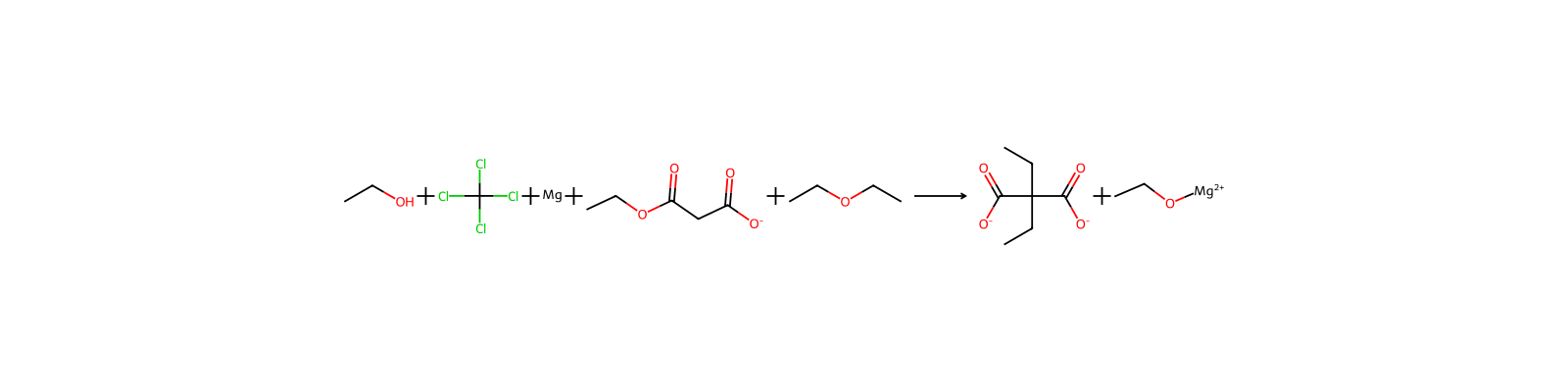
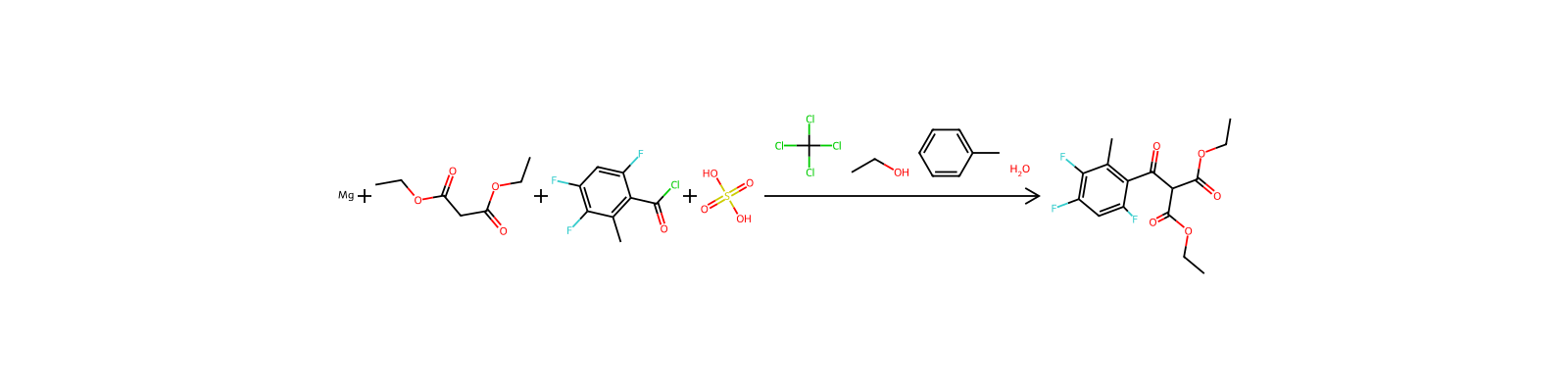
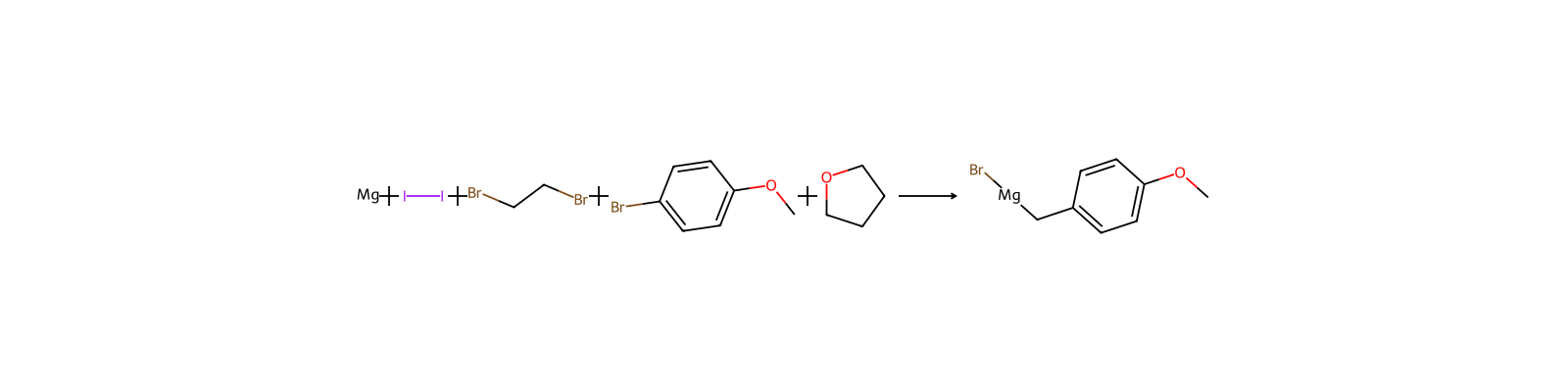
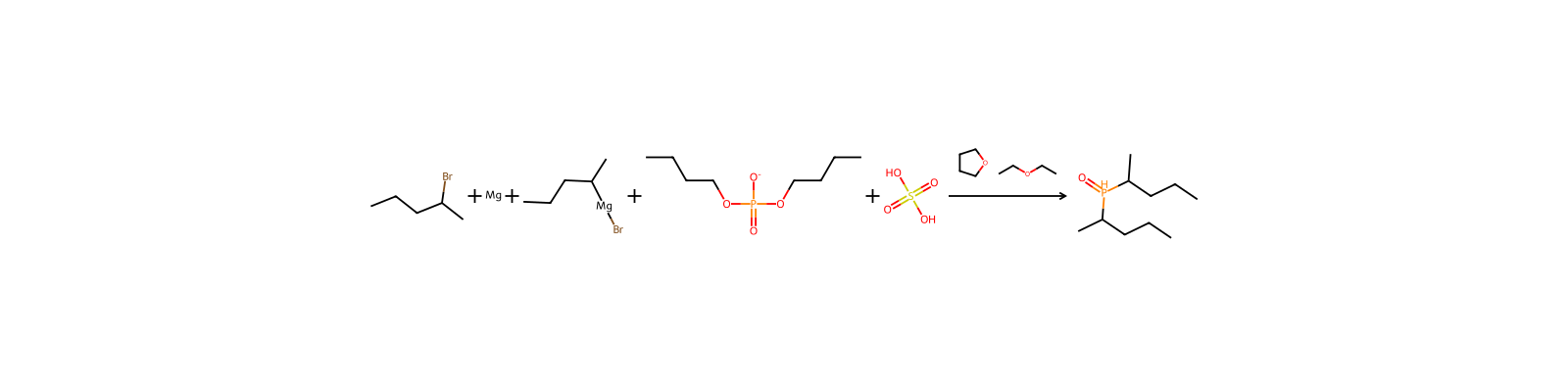
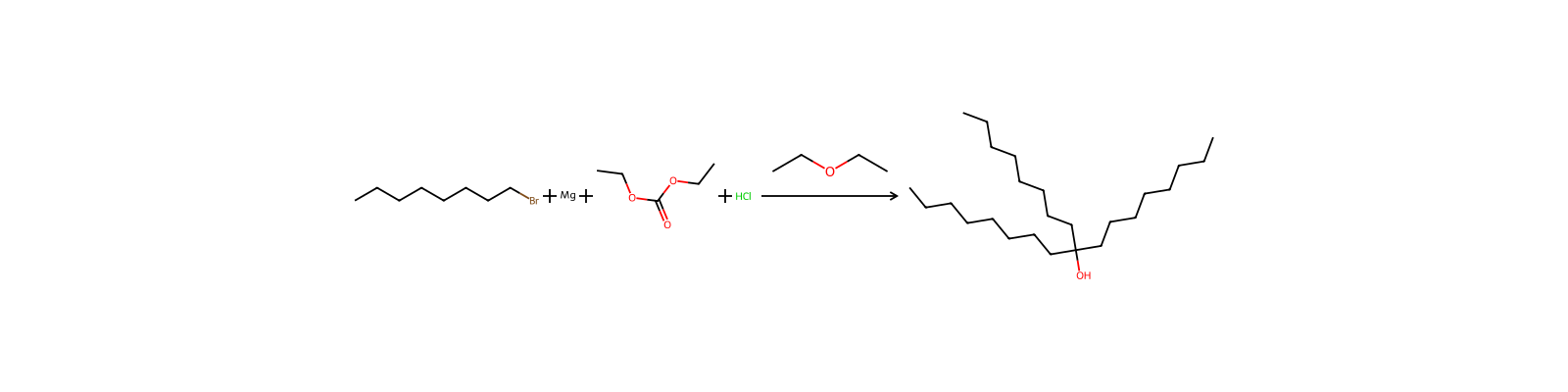
Related reactions
6,589 records


Linked notes
Loading…