
Basic information
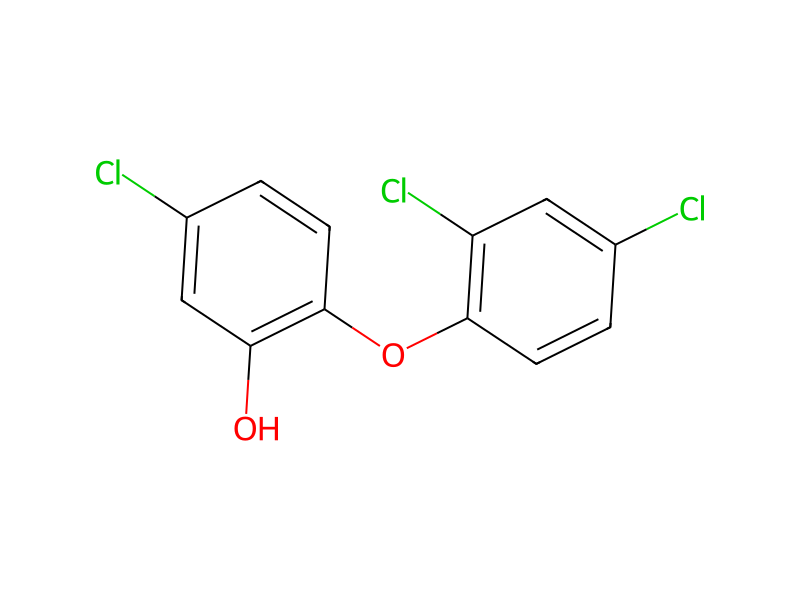
- Standard SMILES
Oc1cc(Cl)ccc1Oc1ccc(Cl)cc1Cl- InChIKey
XEFQLINVKFYRCS-UHFFFAOYSA-N- Molecular formula
- C12H7Cl3O2
- Average molar mass
- 289.5 g/mol
- Monoisotopic mass
- 287.9511625
Overview
Triclosan is an aromatic ether that is phenol which is substituted at C-5 by a chloro group and at C-2 by a 2,4-dichlorophenoxy group. It is widely used as a preservative and antimicrobial agent in personal care products such as soaps, skin creams, toothpaste and deodorants as well as in household items such as plastic chopping boards, sports equipment and shoes. It has a role as an EC 1.3.1.9 [enoyl-[acyl-carrier-protein] reductase (NADH)] inhibitor, a fungicide, an antibacterial agent, a xenobiotic, an antimalarial, an EC 1.5.1.3 (dihydrofolate reductase) inhibitor, a persistent organic pollutant and a drug allergen. It is a dichlorobenzene, a member of phenols, an aromatic ether and a member of monochlorobenzenes.
Names & identifiers
- Preferred name
- Triclosan
- IUPAC
- 5-chloro-2-(2,4-dichlorophenoxy)phenol
- English name
- Triclosan
- Molecular formula
- C12H7Cl3O2
- Molecular weight
- 289.54
Names & synonyms
triclosan3380-34-55-CHLORO-2-(2,4-DICHLOROPHENOXY)PHENOLCloxifenolum2,4,4'-Trichloro-2'-hydroxydiphenyl etherTriclosanumIrgasan DP300Stri-Dex Cleansing BarStri-Dex Face WashCH 3565Phenol, 5-chloro-2-(2,4-dichlorophenoxy)-Lexol 300
Show more names
IRGASANTrichlorosan2’-hydroxy-2,4,4’-trichloro-phenylethech3565TROX-100riclosanYriclosanTRICHLOSAN
5-Chloro-2-(2,4-dichloro-phenoxy)-phenolCH-3565DTXSID5032498Phenyl ether, 2'-hydroxy-2,4,4'-trichloro-NSC-759151CHEBI:1642004NM5039Y5XDNDI1246774
Database identifiers
- CAS
3380-34-5- PubChem CID
- 5564
- DTXSID
DTXSID5032498- ChEMBL
CHEMBL849- ChEBI
CHEBI:164200- UNII
- 4NM5039Y5X
- EC Number
- 222-182-2
- Nikkaji
- J7.727E
Properties
Computed structural properties
- XLogP
- 5
- Topological polar surface area
- 29.5 Ų
- Hydrogen bond donors
- 1
- Hydrogen bond acceptors
- 2
- Rotatable bonds
- 2
- Heavy atoms
- 17
- Formal charge
- 0
- Complexity
- 252
Experimental & physicochemical properties
Chemical ClassesOther Uses -> Biocides/Disinfectants
DrugsPharmaceuticals -> Listed in ZINC15
Cosmetics
Cosmetic ingredients (Triclosan) -> CIR (Cosmetic Ingredient Review)
Preservative
SpringerMaterials Properties13C nuclear magnetic resonance spectrum
Pesticides
Biocide
Pesticide and(or) Waste-water effluent contaminant
LogP
log Kow = 4.76
4.53
OdorSlight, faintly aromatic odor
Color/FormWhite to off-white crystalline powder
Solubility
In water, 10 mg/L at 20 °C
Slightly soluble in water
Readily soluble in alkaline solutions and many organic solvents; soluble in methanol, alcohol, acetone
Readily soluble in organic solvents
Human Drugs
FDA approved drugs -> Active ingredient
FDA approved drugs -> Active ingredient
Endocrine DisruptorsPotential endocrine disrupting compound
Boiling Point280 to 290 °C (decomposes)
Physicochemical properties
- Melting point
- 56 · 56-60 °C(lit.)
- Boiling point
- 290 °C · 290°C(lit.)
- Density
- 1.4214 · 1.4214 (rough estimate)
- vapor pressure
- 0.001 Pa · 0.001Pa at 25℃
- refractive index
- 1.4521 · 1.4521 (estimate)
- storage temp.
- 2 · 2-8°C
- solubility
- 2 O: · H2O: soluble12g/L at 20°C
- form
- Solid
- pka
- 7.9 · 7.9(at 25℃)
- color
- colorless or white
- biological source
- synthetic
- Water Solubility
- Soluble in ethanol, methanol, diethyl ether and sodium hydroxide solution (1M). Slightly soluble in water.
- Merck
- 14 · 14,9657
- BRN
- 2057142 · 2057142
- Henry's Law Constant
- 4.7 · 4.7×102 mol/(m3Pa) at 25℃, HSDB (2015)
- Stability
- Stable. Incompatible with strong oxidizing agents.
- Cosmetics Ingredients Functions
- ANTIMICROBIALPRESERVATIVEDEODORANT
- InChI
- 1S/C12H7Cl3O2/c13-7-1-3-11(9(15)5-7)17-12-4-2-8(14)6-10(12)16/h1-6,16H
- InChIKey
- XEFQLINVKFYRCS-UHFFFAOYSA-N
- SMILES
- Oc1cc(Cl)ccc1Oc2ccc(Cl)cc2Cl
- LogP
- 4.9 at · 4.9 at 20℃
- Toxicology and Carcinogenesis
- Toxicology and Carcinogenesis Study of Triclosan (CASRN 3380-34-5) Administered Dermally to B6C3F1/N Mice
- FDA 21 CFR
- 310.545 · 310.545
- CAS DataBase Reference
- 3380 · 3380-34-5(CAS DataBase Reference)
- EWG's Food Scores
- 4 · 4-7
- FDA UNII
- 4 NM5039Y5X · 4NM5039Y5X
- ATC code
- 8 AE04,D09AA06 · D08AE04,D09AA06
- NIST Chemistry Reference
- Triclosan(3380-34-5)
- EPA Substance Registry System
- Triclosan (3380-34-5)
- Cosmetics Info
- Triclosan
- UNSPSC Code
- 41116107 · 41116107
- NACRES
- 85 · NA.85
- Symbol(GHS)
- 7 · GHS07,GHS09
- Signal word
- Warning
- Hazard statements
- 315 · H315-H319-H410
- Precautionary statements
- 264 · P264-P273-P280-P302+P352-P305+P351+P338-P332+P313
- PPE
- 95 · dust mask type N95 (US), Eyeshields, Gloves
- Hazard Codes
- Xi,N
- Risk Statements
- 36 · 36/38-50/53-36/37/38
- Safety Statements
- 26 · 26-39-46-60-61-24/25-22-36
- RIDADR
- 3077 · UN 3077 9/PG 3
- WGK Germany
- 2 · 2
- RTECS
- 1100000 · KO1100000
- TSCA
- TSCA listed
- HazardClass
- 9 · 9
- PackingGroup
- III
- HS Code
- 29095000 · 29095000
- Storage Class
- 11 · 11 - Combustible Solids
- Hazard Classifications
- 1 Aquatic · Aquatic Acute 1Aquatic Chronic 1Eye Irrit. 2Skin Irrit. 2
- Hazardous Substances Data
- 3380 · 3380-34-5(Hazardous Substances Data)
- Toxicity
- 50 orl-rat: · LD50 orl-rat: 3700 mg/kg 26UZAB 6,245,68/70
- REACH Registrations
- Inactive
- Limited Quantities
- 5 kg · 5.0 kg (11 lbs) (solid)
- Excepted Quantities
- Max Inner Pack (30g or 30ml) and Max Outer Pack (1Kg or 1L)
Safety & regulation
GHS classification
GHS Classification
Warning
H315: Causes skin irritation [Warning Skin corrosion/irritation]
P264, P264+P265, P273, P280, P302+P352, P305+P351+P338, P321, P332+P317, P337+P317, P362+P364, P391, and P501 (click each P-code to see the statement)
Warning
H315 (99.8%): Causes skin irritation [Warning Skin corrosion/irritation]
P264, P264+P265, P273, P280, P302+P352, P305+P351+P338, P321, P332+P317, P337+P317, P362+P364, P391, and P501 (click each P-code to see the statement)
Hazard information
Regulatory Information
Chemical: Phenol, 5-chloro-2-(2,4-dichlorophenoxy)-
Hazard Traits - Dermatotoxicity; Endocrine Toxicity; Immunotoxicity
Council Directive (EEC) No 109/1989 (Repealed by Reg. EC No 1935/2004 (amended))
Triclosan is listed in the dataset of EPA Human Health Benchmarks for Pesticides under the Safe Drinking Water Act (40 eCFR 141)
Status: Cease Manufacture Update: 21-09-2016 https://echa.europa.eu/registration-dossier/-/registered-dossier/12675
Triclosan: Does not have an individual approval but may be used under an appropriate group standard
Other Safety InformationPEC / SN / Other assessments - Triclosan: Health and Environment
Hazards SummaryFrequently used in antibacterial soaps and infrequently reported as a contact allergen and even less often as a photosensitizer; [Marks, p. 235] TLV Basis is hematology effect; [ACGIH]
FDA Requirements
Drug products containing certain active ingredients offered over-the-counter (OTC) for certain uses. A number of active ingredients have been present in OTC drug products for various uses, as described below. However, based on evidence currently available, there are inadequate data to establish general recognition of the safety and effectiveness of these ingredients for the specified uses: triclosan is included in consumer antiseptic hand wash products.
Drug products containing certain active ingredients offered over-the-counter (OTC) for certain uses. A number of active ingredients have been present in OTC drug products for various uses, as described below. However, based on evidence currently available, there are inadequate data to establish general recognition of the safety and effectiveness of these ingredients for the specified uses: triclosan is included in consumer antiseptic body wash products.
The Approved Drug Products with Therapeutic Equivalence Evaluations identifies currently marketed over-the-counter drug products, including triclosan, approved on the basis of safety and effectiveness by FDA under sections 505 of the Federal Food, Drug, and Cosmetic Act.
Special Reports
USEPA/Office of Pesticide Programs; Reregistration Eligibility Decision Document - Triclosan, EPA 739-RO-8009 (September 2008). The RED summarizes the risk assessment conclusions and outlines any risk reduction measures necessary for the pesticide to continue to be registered in the U.S.[Available from, as of November 6, 2017: http://www.epa.gov/pesticides/reregistration/status.htm]
FIFRA Requirements
The Agency completed its assessment of the residential, occupational, indirect dietary and ecological risks associated with the use of pesticide products containing the active ingredient triclosan. The Agency has determined that most triclosan containing products are eligible for reregistration provided that: 1) all risk mitigation measures are implemented; 2) current data gaps and confirmatory data requirements are addressed; and 3) label amendments are made as described in Section V. Use as a materials preservative in paint (inclusive of stains and coatings) has been requested to be voluntarily canceled by the registrants and is not eligible for reregistration. Appendix A summarizes the uses of triclosan that are eligible for reregistration. Appendix B identifies the generic data requirements that the Agency reviewed as part of its determination of reregistration eligibility of triclosan and lists the submitted studies that the Agency found acceptable. Data gaps are identified as generic data requirements that have not been satisfied with acceptable data. The Agency considered the available information and has determined that the uses of triclosan that appear in Appendix A of this document will not pose unreasonable risks to humans or the environment if the conditions and requirements for reregistration outlined in this document are implemented. Unless labeled and used as specified in this document, triclosan would present risks inconsistent with FIFRA. Accordingly, should a registrant fail to implement any of the conditions and requirements for reregistration identified in this document, the Agency may take regulatory action to address the potential risk concerns from the use of triclosan.
As the federal pesticide law FIFRA directs, EPA is conducting a comprehensive review of older pesticides to consider their health and environmental effects and make decisions about their continued use. Under this pesticide reregistration program, EPA examines newer health and safety data for pesticide active ingredients initially registered before November 1, 1984, and determines whether the use of the pesticide does not pose unreasonable risk in accordance to newer saftey standards, such as those described in the Food Quality Protection Act of 1996. Pesticides for which EPA had not issued Registration Standards prior to the effective date of FIFRA '88 were divided into three lists based upon their potential for human exposure and other factors, with List B containing pesticides of greater concern than those on List C, and with List C containing pesticides of greater concern than those on List D. 5-Chloro-2-(2,4-dichlorophenoxy)phenol is found on List B. Case No: 2340; Pesticide type: insecticide, fungicide, antimicrobial; Case Status: OPP is reviewing data from the pesticide's producers regarding its human health and/or environmental effects, or OPP is determining the pesticide's eligibility for reregistration and developing the RED document.; Active ingredient (AI): 5-Chloro-2-(2,4-dichlorophenoxy)phenol; Data Call-in (DCI) Date(s): 06/07/1991, 03/03/1995, 10/13/1995; AI Status: The producers of the pesticide have made commitments to conduct the studies and pay the fees required for reregistration, and are meeting those commitments in a timely manner.
Hazard Classes and Categories
Skin Irrit. 2 (99.8%)
Acute toxicity - category 3
Hazardous to the aquatic environment (Acute) - Category 1
Hazardous to the aquatic environment (Acute) - Category 1
Hazardous to the aquatic environment (Acute) - Category 1
Skin Irrit. 2
Skin, Eye, and Respiratory IrritationsPure triclosan is irritating to skin and eyes, whereas the low concentrations used in personal hygiene products do not pose an irritant hazard.
Hazardous Reactivities and IncompatibilitiesIncompatible materials: Strong oxidizing agents.
Safety & protection
Fire Fighting Procedures
Suitable extinguishing media: Use water spray, alcohol-resistant foam, dry chemical or carbon dioxide.
Advice for firefighters: Wear self contained breathing apparatus for fire fighting if necessary.
Storage ConditionsKeep container tightly closed in a dry and well-ventilated place.
Cleanup Methods
ACCIDENTAL RELEASE MEASURES: Personal precautions, protective equipment and emergency procedures: Use personal protective equipment. Avoid dust formation. Avoid breathing vapors, mist or gas. Ensure adequate ventilation. Avoid breathing dust. Environmental precautions: Prevent further leakage or spillage if safe to do so. Do not let product enter drains. Discharge into the environment must be avoided. Methods and materials for containment and cleaning up: Pick up and arrange disposal without creating dust. Sweep up and shovel. Keep in suitable, closed containers for disposal.
Disposal Methods
SRP: Recycle any unused portion of the material for its approved use or return it to the manufacturer or supplier. Ultimate disposal of the chemical must consider: the material's impact on air quality; potential migration in air, soil or water; effects on animal, aquatic and plant life; and conformance with environmental and public health regulations. If it is possible or reasonable use an alternative chemical product with less inherent propensity for occupational harm/injury/toxicity or environmental contamination.
Product: Offer surplus and non-recyclable solutions to a licensed disposal company. Contact a licensed professional waste disposal service to dispose of this material; Contaminated packaging: Dispose of as unused product.
Preventive Measures
ACCIDENTAL RELEASE MEASURES: Personal precautions, protective equipment and emergency procedures: Use personal protective equipment. Avoid dust formation. Avoid breathing vapors, mist or gas. Ensure adequate ventilation. Avoid breathing dust. Environmental precautions: Prevent further leakage or spillage if safe to do so. Do not let product enter drains. Discharge into the environment must be avoided.
Precautions for safe handling: Avoid contact with skin and eyes. Avoid formation of dust and aerosols. Further processing of solid materials may result in the formation of combustible dusts. The potential for combustible dust formation should be taken into consideration before additional processing occurs. Provide appropriate exhaust ventilation at places where dust is formed.
Appropriate engineering controls: Handle in accordance with good industrial hygiene and safety practice. Wash hands before breaks and at the end of workday.
Gloves must be inspected prior to use. Use proper glove removal technique (without touching glove's outer surface) to avoid skin contact with this product. Dispose of contaminated gloves after use in accordance with applicable laws and good laboratory practices. Wash and dry hands.
SRP: Local exhaust ventilation should be applied wherever there is an incidence of point source emissions or dispersion of regulated contaminants in the work area. Ventilation control of the contaminant as close to its point of generation is both the most economical and safest method to minimize personnel exposure to airborne contaminants. Ensure that the local ventilation moves the contaminant away from the worker.
Threshold Limit Values (TLV)1.0 [mg/m3]
Personal Protective Equipment (PPE)
Eye/face protection: Safety glasses with side-shields conforming to EN166. Use equipment for eye protection tested and approved under appropriate government standards such as NIOSH (US) or EN 166(EU).
Skin protection: Handle with gloves.
Body Protection: Impervious clothing. The type of protective equipment must be selected according to the concentration and amount of the dangerous substance at the specific workplace.
Respiratory protection: For nuisance exposures use type P95 (US) or type P1 (EU EN 143) particle respirator. For higher level protection use type OV/AG/P99 (US) or type ABEK-P2 (EU EN 143) respirator cartridges. Use respirators and components tested and approved under appropriate government standards such as NIOSH (US) or CEN (EU).
Other Standards Regulations and Guidelines
The Canadian government is urging industry to voluntarily remove the antibacterial chemical triclosan from consumer products because of concerns about its toxicity to aquatic organisms. Although triclosan can still be sold and used in Canada in products such as antibacterial soaps, toothpastes, and deodorants, the government plans to work with companies over the next 18 months to better understand usage patterns and to assess alternatives.
Toxicology
Body Burden
Triclosan has been detected, not quantified, in human blood plasma from randomly selected male blood donors in Sweden(1). Triclosan was detected in plasma of nursing mothers approximately 6 weeks after delivery at 0.4-38 and 0.018-4.1 ng/g in exposed and controls, respectively, 12 weeks after delivery respective concentrations were 0.49-38 and 0.010-19 ng/g(2). Triclosan was detected in milk of nursing mothers approximately 6 weeks after delivery at 0.32-0.95 and <0.018-0.35 ng/g in exposed and controls, respectively, 12 weeks after delivery respective concentrations were 0.022-0.84 and <0.018-0.33 ng/g(2). This study was run from Oct 2003 to May 2004 in nursing Swedish women (9 exposed, 26 controls)(2). Triclosan was detected in three of five randomly selected Swedish human milk samples at concentrations of 60-300 ug/kg lipid weight(3). Triclosan was detected at a respective mean and median of 1.3 and 0.26 ng/g fresh weight in 141 of 151 human milk samples collected 2002 to 2005 from primiparous Australian mothers, 100 samples had concentrations of 1.0 ng/g or less(4). Triclosan was detected in adipose, brain and liver tissue of 11 autopsy patients collected in 2002 from University Hospital of Antwerp, Belgium at <0.06-3.92, <0.06-0.23 and <0.06-24.80 ng/g wet weight, respectively(5).
Interactions
Humans are commonly exposed to multiple environmental chemicals, including tetrabromobisphenol A (TBBPA; a flame retardant), triclosan (an antimicrobial agent), and bisphenol A (BPA; polycarbonate plastics). These chemicals are readily absorbed and may interact with each other. We sought to determine whether TBBPA, given alone or in combination with triclosan, can modulate the concentrations of BPA and 17bta-estradiol (E2). Female and male CF-1 mice were each given a subcutaneous injection of 0-27 mg TBBPA, with or without concurrent 0.33 mg triclosan, followed by dietary administration of 50 ug/kg body weight (14)C-BPA. Radioactivity was measured in blood serum and tissues through liquid scintillation counting. In subsequent experiments, female and male CF-1 mice were each given a subcutaneous injection of 0 or 1 mg TBBPA and E2 was measured in urine 2-12 hr after injection. Doses as low as 1mg TBBPA significantly elevated (14)C-BPA concentrations in the uterus and ovaries of females; in the testes, epididymides, vesicular-coagulating glands, and preputial glands of males; and in blood serum, heart, lungs, and kidneys of both sexes; urinary E2 concentrations were also elevated. Lower doses of TBBPA or triclosan that had no effects on their own elevated (14)C-BPA concentrations when the two substances were given concurrently. These data indicate that TBBPA, triclosan, and BPA interact in vivo, consistent with evidence that TBBPA and triclosan inhibit enzymes that are critical for BPA and E2 metabolism.
Atrazine is an herbicide with several known toxicologically relevant effects, including interactions with other chemicals. Atrazine increases the toxicity of several organophosphates and has been shown to reduce the toxicity of triclosan to Daphnia magna in a concentration dependent manner. Atrazine is a potent activator in vitro of the xenobiotic-sensing nuclear receptor, HR96, related to vertebrate constitutive androstane receptor (CAR) and pregnane X-receptor (PXR). RNA sequencing (RNAseq) was performed to determine if atrazine is inducing phase I-III detoxification enzymes in vivo, and estimate its potential for mixture interactions. RNAseq analysis demonstrates induction of glutathione S-transferases (GSTs), cytochrome P450s (CYPs), glucosyltransferases (UDPGTs), and xenobiotic transporters, of which several are verified by qPCR. Pathway analysis demonstrates changes in drug, glutathione, and sphingolipid metabolism, indicative of HR96 activation. Based on our RNAseq data, we hypothesized as to which environmentally relevant chemicals may show altered toxicity with co-exposure to atrazine. Acute toxicity tests were performed to determine individual LC50 and Hillslope values as were toxicity tests with binary mixtures containing atrazine. The observed mixture toxicity was compared with modeled mixture toxicity using the Computational Approach to the Toxicity Assessment of Mixtures (CATAM) to assess whether atrazine is exerting antagonism, additivity, or synergistic toxicity in accordance with our hypothesis. Atrazine-triclosan mixtures showed decreased toxicity as expected; atrazine-parathion, atrazine-endosulfan, and to a lesser extent atrazine-p-nonylphenol mixtures showed increased toxicity. In summary, exposure to atrazine activates HR96, and induces phase I-III detoxification genes that are likely responsible for mixture interactions.
... The aim of the present study was to examine whether triclosan reduces the clinical symptoms on skin after exposure to nickel in an allergic patch test reaction (APR) model. 1% nickel sulfate was used for APR in 10 nickel-allergic females. The results showed that application of triclosan on skin reduced the APR symptoms from nickel in sensitized patients significantly (p<0.05) compared to the saline and alcohol solutions.
... The aim of the present study was to examine whether triclosan has an effect on the inflammation in human skin caused by intradermal administration of histamine. 9 female volunteers participated in a double-blind study, and skin patch tests were performed in 2 series. In the 1st, the skin was pre-treated for 1 hr with triclosan before the histamine was applied. In the 2nd, the histamine reaction was elicited first and triclosan applied subsequently. The effect of triclosan on the wheals formed in the skin after histamine application was measured. It was found that triclosan reduced the size of the wheals markedly when triclosan was applied after the wheals were formed, and that pre-treatment of the skin had only a slight effect.
... The effects of triclosan /were evaulated/ in the female Wistar rat following exposure for 21 days in the Endocrine Disruptor Screening Program pubertal protocol and the weanling uterotrophic assay (3-day exposure). In the pubertal study, triclosan advanced the age of onset of vaginal opening and increased uterine weight at 150 mg/kg, indicative of an estrogenic effect. In the uterotrophic assay, rats received oral doses of triclosan (1.18, 2.35, 4.69, 9.37, 18.75, 37.5, 75, 150, and 300 mg/kg) alone, 3 ug/kg ethinyl estradiol (EE), or triclosan (same doses as above) plus 3 ug/kg EE. Uterine weight was increased in the EE group (positive control) as compared with the control but was not affected by triclosan alone. However, there was a significant dose-dependent increase in the group cotreated with EE and triclosan (> or = 4.69 mg/kg) as compared with EE alone, indicating a potentiation of the estrogen response on uterine weight. This result was well correlated with potentiated estrogen-induced changes in uterine histology. Serum thyroid hormone concentrations were also suppressed by triclosan in this study, similar to other studies in the male and female rat. In conclusion, triclosan affected estrogen-mediated responses in the pubertal and weanling female rat and also suppressed thyroid hormone in both studies. The lowest effective concentrations in the rodent model are approximately 10 (for estrogen) and 40 (for thyroid hormone) times higher than the highest concentrations reported in human plasma.
Ecotoxicity Values
EC50; Species: Dunaliella tertiolecta (Algae); Conditions: static; Concentration: 3.55 ug/L for 96 hr; Effect: decreased population cell density
LC50; Species: Eisenia fetida (Earthworm) juvenile, mixed cultures of 6 species, mites, earthworms and springtails; direct application (natural soil pH 5.8, 1.5% organic matter) 1836 umol/kg dry soil
LC50; Species: Colinus virginianus (Bobwhite quail) age 13 days; diet >5000 ppm for 8 days
LD50; Species: Colinus virginianus (Northern Bobwhite Quail) age 21 weeks; oral via capsule 825 mg/kg (95% confidence interval: 658-1079 mg/kg)
For more Ecotoxicity Values (Complete) data for Triclosan (37 total), please visit the HSDB record page.
Environmental Fate
TERRESTRIAL FATE: Based on a classification scheme(1), Koc values of 3500-20,000(2-3) indicate that triclosan is expected to have slight to no mobility in soil(SRC). The pKa of triclosan is 7.9(4), indicating that this compound will exist partially in anion form in the environment and anions generally do not adsorb more strongly to soils containing organic carbon and clay than their neutral counterparts(5). Volatilization of the anion from moist soil is not expected because anions do not volatilize(SRC). Volatilization of neutral triclosan from moist soil surfaces is not expected(SRC) given an estimated Henry's Law constant of 2.1X10⁻⁸ atm-cu m/mole(SRC), using a fragment constant estimation method(6). Triclosan is not expected to volatilize from dry soil surfaces(SRC) based upon an estimated vapor pressure of 4.6X10⁻⁶ mm Hg at 25 °C(SRC), determined from a fragment constant method(6). Triclosan is persistent in soils with a primary degradation half-life of several months and degradation is a function of soil properties (texture, organic carbon, clay, pH) and incubation conditions; methyl triclosan is the major biodegradation product when it does biodegrade(7). Triclosan had a photodegradation half-life of 17 days on dry loamy soil(8). The half-life of triclosan under field conditions has been reported as 13.2-32.5 days(9).
TERRESTRIAL FATE: In loamy sand soil, after a 10 year simulation of turf grass irrigation using reclaimed water, triclosan was 35.20% degraded, 1.11% evaporated <0.01% leached and 63.51% was absorbed to soil(1). In sandy loam soil the respected percentages were 8.81%, 1.24%, <0.01% and 89.755%. The degradation half-life for triclosan in soil was reported as follows(1):[Table#6812]
AQUATIC FATE: Based on a classification scheme(1), Koc values of 3500-20,000(2-3) indicate that triclosan is expected to adsorb to suspended solids and sediment(SRC). A pKa of 7.9(4) indicates triclosan will exist partially in the anion form at pH values of 5 to 9 and, therefore, volatilization from water surfaces of the anion is not expected. Volatilization of neutral triclosan from water surfaces is not expected(5) based upon an estimated Henry's Law constant of 2.1X10⁻⁸ atm-cu m/mole(SRC), developed using a fragment constant estimation method(6). Triclosan is not expected to undergo hydrolysis in the environment due to the lack of functional groups that hydrolyze under environmental conditions(5). According to a classification scheme(7), BCFs of 2.7-90 measured in carp(8), suggest bioconcentration in aquatic organisms is low to moderate. Photolytic degradation of triclosan was experimentally measured in fresh and sea water with half-lives of 8 and 4 days, respectively(9). Triclosan dissipation in river water was studied in Cibolo Creek, TX; upstream of the municipal treatment plant triclosan concentration was 34 ng/L, effluent concentration was 785 ng/L, concentration 200 m downstream (115 min travel time) was 431 ng/L, concentration 2000 m downstream (585 min travel time) was 223 ng/L, and concentration 8000 m downstream (1485 min travel time) was 104 ng/L(10). Because the source of triclosan is continuous, dissipation is expected to be due to biodegradation, sorption and photolysis, not dilution(10). Triclosan reached 0% of its Theoretical BOD in 4 weeks in the Japanese MITI test, indicating that biodegradation is not an important environmental fate process in water(SRC).
ATMOSPHERIC FATE: According to a model of gas/particle partitioning of semivolatile organic compounds in the atmosphere(1), triclosan, which has an estimated vapor pressure of 4.6X10⁻⁶ mm Hg at 25 °C(SRC), determined from a fragment constant method(2), will exist in both the vapor and particulate phases in the ambient atmosphere. Vapor-phase triclosan is degraded in the atmosphere by reaction with photochemically-produced hydroxyl radicals(SRC); the half-life for this reaction in air is estimated to be 24 hours(SRC), calculated from its rate constant of 1.6X10⁻¹¹ cu cm/molecule-sec at 25 °C(SRC) that was derived using a structure estimation method(2). Particulate-phase triclosan may be removed from the air by wet or dry deposition(SRC). Triclosan does not contain chromophores that absorb at wavelengths >290 nm(3) and, therefore, is not expected to be susceptible to direct photolysis by sunlight(SRC).
Food Survey Values
Triclosan concentration in cow's milk was <20 ug/kg(1). Triclosan was not detected in raw, whole or skim cow's milk purchased from Spain and Morocco; but was detected in one of two semi-skim milk samples at 0.35 ug/kg(2). Triclosan was not detected in whole or half-skim goat's milk or powdered milk(2).
Adverse EffectsDermatotoxin - PACD (photoallergic contact dermatitis).
Exposure Routes
A study conducted in 2000 demonstrated that low amounts of triclosan can be absorbed through skin and can enter the bloodstream. (A7866) Triclosan is rapidly absorbed and distributed in the human body (Sandborgh-Englund et al., 2006). Maximum concentrations are reached within three hours after oral intake. However, the metabolism and excretion of the compound is fast.
Milk Concentrations
Triclosan was detected in three of five randomly selected Swedish human milk samples at concentrations ranging from 60 to 300 ug/kg lipid weight(1). Triclosan was detected at a respective mean and median concentration of 1.3 and 0.26 ng/g fresh weight in 141 of 151 human milk samples collected 2002 to 2005 from primiparous Australian mothers, 100 samples had concentrations of 1.0 ng/g or less(2). Triclosan was detected in milk of nursing mothers approximately 6 weeks after delivery at 0.32-0.95 and <0.018-0.35 ng/g in exposed and controls, respectively, 12 weeks after delivery respective concentrations were 0.022-0.84 and <0.018-0.33 ng/g(3). Triclosan was detected in two of three human breast milk samples at 0.16 and 0.25 ug/kg(4). Triclosan concentration in cow's milk was <20 ug/kg(1). Triclosan was not detected in raw, whole or skim cow's milk purchased from Spain and Morocco; but was detected in one of two semi-skim milk samples at 0.35 ug/kg(4). Triclosan was not detected in whole or half-skim goat's milk or powdered milk(4).
Toxicity Summary
Safe in the present practices of use and concentration. Ingredient, concentration, and use information are available in documents discoverable at https://cir-reports.cir-safety.org
IDENTIFICATION AND USE: Triclosan is a white to off-white crystalline powder. It is used as fungicide and bacteriostat. It is highly active against staphylococci and is used as an active agent in deodorants and antiseptic soaps. It is also used as material preservative for industrial and household plastics and textiles. HUMAN STUDIES: Fifty human subjects were treated with a 0.5% triclosan solution in a 1% soap solution. Triclosan was found not to be a sensitizer and the irritation potential depended on concentration. Tests also showed that triclosan was not a photosensitizing agent. Triclosan exposure might cause spontaneous abortion; probably through inhibition of estrogen sulfotransferase activity to produce placental thrombosis. In terms of estrogenic activity, triclosan displaced (3)H-estradiol from estrogen receptors (ER) of MCF7 human breast cancer cells and from recombinant human ER alpha/ER beta. In children, triclosan exposure was associated with allergic sensitization, especially inhalant and seasonal allergens, rather than food allergens. Current rhinitis was associated with the highest levels of triclosan, whereas no association was seen for current asthma. ANIMAL STUDIES: Triclosan was found to cause slight primary eye irritation when applied to the rabbit eye mucosa. Triclosan had a very low sensitization index in guinea pigs. Mice and rats administered triclosan intravenously at 10, 20 and 30 (rats only) mg/kg bw showed signs of slight cramps, exopthalmos (mice only), mydriasis (rats only), dyspnea, and ventral decubitus, with recovery by 24 to 48 hr after dosing. In an 18-month carcinogenicity bioassay in mice, 5 groups of male and female mice (70 mice/sex/dose) received triclosan in the diet at dose levels of 0, 10, 30, 100, or 200 mg/kg/day. Fifty mice/sex/dose received dietary triclosan for 18 months, while the remaining 20 mice/sex/dose received dietary triclosan for only 6 months, after which time these mice were sacrificed. After 18 months of exposure, a statistically significant increase in the incidence of hepatocellular adenoma and/or carcinoma was observed in male and female mice at 100 mg/kg/day triclosan and above. The incidence was dose-related in both sexes. In a developmental toxicity study in mice, triclosan was administered to 25 female mice/dose via the diet at target dose levels of 0, 10, 25, 75, or 350 mg/kg/day from days 6-15 of gestation. Maternal toxicity was observed at 75 mg/kg/day by increases in absolute and relative liver weight and tan areas in the liver of one dam. Developmental effects were noted at the 75 and 350 mg/kg/day target dose levels as increased incidence of variations (characterized as reversible irregular ossification of the skull at 75 and 350 mg/kg/day, and phalanges at 350 mg/kg/day). Decreased fetal weight was also observed 14 and 18% decrease at 75 and 350 mg/kg/day target dose levels, respectively). Triclosan decreased the synthesis of androgens followed by reduced sperm production in treated male rats. In rats, direct per oral pup exposure from postnatal day 3-16 to 50 or 150 mg triclosan/kg bw/day was performed. This exposure pointed to significant T4 reductions in 16 day old offspring in both dose groups. Triclosan was tested on Salmonella typhimurium strains TA1537, TA100, TA98, TA1535 and TA1538 with or without metabolic activation. There were no treatment-related increases in gene mutation at any dose. Dermal exposure to triclosan induces stimulation of the immune system in a murine model. ECOTOXICITY STUDIES: At environmentally relevant concentrations (<2 ug/L) it could cause a decline in the fish population. Triclosan in the aquatic environment may affect algal growth, chlorophyll synthesis, oxidative stress responses and cause biochemical alterations. Mature male western mosquitofish, Gambusia affinis, were exposed to triclosan concentrations of 100, 200, and 350 nM for 35 days. Vitellogenin mRNA expression was significantly elevated in the 350 nM triclosan treatment. Sperm counts in the same treatment group were significantly decreased. The mean hepatosomatic index in the 350 nM treatment group was significantly increased. This study demonstrates that triclosan has the potential to act as an endocrine disruptor in male mosquitofish. In the North American bullfrog, Rana catesbeiana, exposure to low levels of triclosan disrupts thyroid hormone-associated gene expression and can alter the rate of thyroid hormone-mediated postembryonic anuran development. Triclosan induced systemic toxic effects in C. elegans.
At in-use concentrations, triclosan acts as a biocide, with multiple cytoplasmic and membrane targets. At lower concentrations, however, triclosan appears bacteriostatic and is seen to target bacteria mainly by inhibiting fatty acid synthesis. Triclosan binds to bacterial enoyl-acyl carrier protein reductase enzyme (ENR), which is encoded by the gene FabI. This binding increases the enzyme's affinity for nicotinamide adenine dinucleotide (NAD+). This results in the formation of a stable ternary complex of ENR-NAD+-triclosan, which is unable to participate in fatty acid synthesis. Fatty acids are necessary for reproducing and building cell membranes. Humans do not have an ENR enzyme, and thus are not affected.
Average Daily IntakeThe average daily intake of triclosan via breast milk in infants was calculated to be 1024 and 204 ng/day in Australia, based on the respective mean and median triclosan concentration in breast milk of 1.3 and 0.26 ng/g fresh weight(1).
Ecotoxicity Excerpts
/AQUATIC SPECIES/ Triclosan (TCS) is an emerging contaminant of concern in environmental studies due to its potential adverse effects on fish behavior. Since avoidance has been shown to be a relevant behavioral endpoint, ... aims were: (i) to determine if TCS is able to trigger an avoidance response in Poecilia reticulata /guppy/; (ii) to predict the population immediate decline (PID) caused by TCS exposure, by integrating lethality and avoidance responses; and (iii) to verify the overestimation of risk when mortality is assessed under forced exposure. Fish were exposed to TCS in a forced exposure system, to assess mortality, and to a TCS gradient in a non-forced exposure (NFE) system. Two NFE scenarios were simulated: (#1) a spatially permanent gradient, including low and high concentrations; and (#2) a scenario with high concentrations, simulating a local discharge. The fish avoided TCS concentrations as low as 0.2 ug/L (avoidance of 22%). The AC50 obtained from scenario #1 (8.04 ug/L) was about 15 times more sensitive than that from scenario #2 (118.4 ug/L). In general, up to the highest concentration tested (2000 ug/L), the PID was determined by the avoidance. Mortality from the forced exposure was overestimated (48 hr-LC50 of 1650 mg/L), relative to the NFE. The reduced mortality in a non-forced environment does not imply a lower effect, because part of the population is expected to disappear by moving towards favorable environments. TCS is a potential environmental disturber, since at environmentally relevant concentrations (<2 ug/L) it could cause a decline in the fish population.
/AQUATIC SPECIES/ Pharmaceutical and personal care products (PPCPs) are the environmental pollutants of growing concern. The aim of this study was to indicate the effects of typical PPCPs on the marsh frog Pelophylax ridibundus. We treated male frogs with waterborne ibuprofen (IBU, 250 ng/L), triclosan (TCS, 500 ng/L), or estrone (E1, 100 ng/L) for 14 days. Common vulnerability of the frogs was detected from dramatic decrease of Zn, total and metalated metallothionein (MT) concentrations, Zn/Cu ratio, the elevation of activity of glutathione-S-transferase, cathepsin D and DNA instability in the liver, the depletion of cholinesterase in the brain and cortisol in the blood plasma in all exposures. Nevertheless, lipofuscin concentration in the liver was always decreased. The groups were best distinguished by cytochrome P450 (CYP450) activity determined by ELISA. The exposure to IBU caused lesser damage, but elevated the levels of oxyradicals and glutathione (GSH and GSSG) and lysosomal membrane instability. Exposures to TCS and E1 provoked the endocrine disturbance (increased levels of vitellogenin and thyrotropin in blood plasma), decreased lactate dehydrogenase activity and increased level of pyruvate in the liver. TCS caused the increase of GSSG by 7.3 times and lactate levels. Only E1 lead to decrease of deiodinase activity in the liver, activation of CYP450 and caspase-3 and efflux of cathepsin D from lysosomes. Spectrophotometric and ELISA assays of MTs and CYP450 gave distinct results in E1-group. Broad disruption of the hormonal pathways caused by E1 could be of concern for the health status of frogs in their habitats.
/AQUATIC SPECIES/ Triclosan is a commonly used bactericide that survives several degradation steps in WWTP (wastewater treatment plants) and potentially reaches fluvial ecosystems. In Mediterranean areas, where water scarcity results in low dilution capacity, the potential environmental risk of triclosan is high. A set of experimental channels was used to examine the short-term effects of triclosan (from 0.05 to 500 ug/L) on biofilm algae and bacteria. Environmentally relevant concentrations of triclosan caused an increase of bacterial mortality with a no effect concentration (NEC) of 0.21 ug/L. Dead bacteria accounted for up to 85% of the total bacterial population at the highest concentration tested. The toxicity of triclosan was higher for bacteria than algae. Photosynthetic efficiency was inhibited with increasing triclosan concentrations (NEC=0.42 ug/L), and non-photochemical quenching mechanisms decreased. Diatom cell viability was also affected with increasing concentrations of triclosan. Algal toxicity may be a result of indirect effects on the biofilm toxicity, but the clear and progressive reduction observed in all the algal-related endpoints suggest the existence of direct effects of the bactericide. The toxicity detected on the co-occurring non-target components of the biofilm community, the capacity of triclosan to survive through WWTP processes and the low dilution capacity that characterizes Mediterranean systems extend the relevance of triclosan toxicity beyond bacteria in aquatic habitats.
/AQUATIC SPECIES/ This study exposed marine species to triclosan to examine effects primarily on survival and to investigate the formation of the degradation product, methyl-triclosan, in the estuarine environment. Acute toxicity was assessed using the bacterium Vibrio fischeri, the phytoplankton species Dunaliella tertiolecta, and three life stages of the grass shrimp Palaemonetes pugio. P. pugio larvae were more sensitive to triclosan than adult shrimp or embryos. Acute aqueous toxicity values (96 hr LC50) were 305 ug/L for adult shrimp, 154 ug/L for larvae, and 651 ug/L for embryos. The presence of sediment decreased triclosan toxicity in adult shrimp (24 hr LC50s were 620 ug/L with sediment, and 482 ug/L without sediment). The bacterium was more sensitive to triclosan than the grass shrimp, with a 15 min aqueous IC50 value of 53 ug/L and a 15 min spiked sediment IC50 value of 616 ug/kg. The phytoplankton species was the most sensitive species tested, with a 96 hr EC50 value of 3.55 ug/L. Adult grass shrimp were found to accumulate methyl-triclosan after a 14-day exposure to 100 ug/L triclosan, indicating formation of this metabolite in a seawater environment and its potential to bioaccumulate in higher organisms. Triclosan was detected in limited surface water sampling of Charleston Harbor, SC at a maximum concentration of 0.001 ug/L, substantially lower than the determined toxicity values. These findings suggest triclosan poses low acute toxicity risk to estuarine organisms; however, the potential for chronic, sublethal, and metabolite effects should be investigated.
For more Ecotoxicity Excerpts (Complete) data for Triclosan (37 total), please visit the HSDB record page.
Plant Concentrations
Triclosan was detected in algae from Pecan Creek, TX downstream of a waste water treatment plant at concentrations of 109 to 146 ppb, upstream of the plant triclosan was not detected (detection limit 10 ppb), samples were collected Sept 2-5, 2005(1).
Regulatory information
FDA Requirements
Drug products containing certain active ingredients offered over-the-counter (OTC) for certain uses. A number of active ingredients have been present in OTC drug products for various uses, as described below. However, based on evidence currently available, there are inadequate data to establish general recognition of the safety and effectiveness of these ingredients for the specified uses: triclosan is included in consumer antiseptic hand wash products.
Drug products containing certain active ingredients offered over-the-counter (OTC) for certain uses. A number of active ingredients have been present in OTC drug products for various uses, as described below. However, based on evidence currently available, there are inadequate data to establish general recognition of the safety and effectiveness of these ingredients for the specified uses: triclosan is included in consumer antiseptic body wash products.
The Approved Drug Products with Therapeutic Equivalence Evaluations identifies currently marketed over-the-counter drug products, including triclosan, approved on the basis of safety and effectiveness by FDA under sections 505 of the Federal Food, Drug, and Cosmetic Act.
FIFRA Requirements
The Agency completed its assessment of the residential, occupational, indirect dietary and ecological risks associated with the use of pesticide products containing the active ingredient triclosan. The Agency has determined that most triclosan containing products are eligible for reregistration provided that: 1) all risk mitigation measures are implemented; 2) current data gaps and confirmatory data requirements are addressed; and 3) label amendments are made as described in Section V. Use as a materials preservative in paint (inclusive of stains and coatings) has been requested to be voluntarily canceled by the registrants and is not eligible for reregistration. Appendix A summarizes the uses of triclosan that are eligible for reregistration. Appendix B identifies the generic data requirements that the Agency reviewed as part of its determination of reregistration eligibility of triclosan and lists the submitted studies that the Agency found acceptable. Data gaps are identified as generic data requirements that have not been satisfied with acceptable data. The Agency considered the available information and has determined that the uses of triclosan that appear in Appendix A of this document will not pose unreasonable risks to humans or the environment if the conditions and requirements for reregistration outlined in this document are implemented. Unless labeled and used as specified in this document, triclosan would present risks inconsistent with FIFRA. Accordingly, should a registrant fail to implement any of the conditions and requirements for reregistration identified in this document, the Agency may take regulatory action to address the potential risk concerns from the use of triclosan.
As the federal pesticide law FIFRA directs, EPA is conducting a comprehensive review of older pesticides to consider their health and environmental effects and make decisions about their continued use. Under this pesticide reregistration program, EPA examines newer health and safety data for pesticide active ingredients initially registered before November 1, 1984, and determines whether the use of the pesticide does not pose unreasonable risk in accordance to newer saftey standards, such as those described in the Food Quality Protection Act of 1996. Pesticides for which EPA had not issued Registration Standards prior to the effective date of FIFRA '88 were divided into three lists based upon their potential for human exposure and other factors, with List B containing pesticides of greater concern than those on List C, and with List C containing pesticides of greater concern than those on List D. 5-Chloro-2-(2,4-dichlorophenoxy)phenol is found on List B. Case No: 2340; Pesticide type: insecticide, fungicide, antimicrobial; Case Status: OPP is reviewing data from the pesticide's producers regarding its human health and/or environmental effects, or OPP is determining the pesticide's eligibility for reregistration and developing the RED document.; Active ingredient (AI): 5-Chloro-2-(2,4-dichlorophenoxy)phenol; Data Call-in (DCI) Date(s): 06/07/1991, 03/03/1995, 10/13/1995; AI Status: The producers of the pesticide have made commitments to conduct the studies and pay the fees required for reregistration, and are meeting those commitments in a timely manner.
Safety data
- PPE
- dust mask type N95 (US), Eyeshields, Gloves
- wgk
- 2
- tsca
- TSCA listed
- rtecs
- KO1100000
- ridadr
- UN 3077 9/PG 3
- hs_code
- 29095000
- Toxicity
- LD50 orl-rat: 3700 mg/kg 26UZAB 6,245,68/70
- risk_code
- 36/38-50/53-36/37/38
- Signal word
- Warning
- Symbol(GHS)
- GHS07,GHS09
- hazard_code
- Xi,N
- safety_code
- 26-39-46-60-61-24/25-22-36
- hazard_class
- 9
- Storage Class
- 11 - Combustible Solids
- packing_group
- III
- Hazard statements
- H315-H319-H410
- Limited Quantities
- 5.0 kg (11 lbs) (solid)
- Excepted Quantities
- Max Inner Pack (30g or 30ml) and Max Outer Pack (1Kg or 1L)
- REACH Registrations
- Inactive
- Hazard Classifications
- Aquatic Acute 1Aquatic Chronic 1Eye Irrit. 2Skin Irrit. 2
- Precautionary statements
- P264-P273-P280-P302+P352-P305+P351+P338-P332+P313
- Hazardous Substances Data
- 3380-34-5(Hazardous Substances Data)
Chemistry & industry
Pharmacology
ATC Code
D - Dermatologicals
D - Dermatologicals
QD - Dermatologicals
QD - Dermatologicals
Mechanism of Action
Triclosan is a biocidal compound with multiple targets in the cytoplasm and membrane. At lower concentrations, however, triclosan appears bacteriostatic and is seen to target bacteria mainly by inhibiting fatty acid synthesis. Triclosan binds to enoyl-acyl carrier protein reductase enzyme (ENR). This complex has increased affinity for NAD+ and forms a ternary complex. This complex is unable to participate in fatty acid synthesis, weakening the cell membrane and causing cell death. Humans do not have an ENR enzyme, and thus are not affected.
Triclosan (TCS) exposure has widely adverse biological effects such as influencing biological reproduction and endocrine disorders. While some studies have addressed TCS-induced expression changes of miRNAs and their related down-stream target genes, no data are available concerning how TCS impairs miRNA expression leading us to study up-stream regulating mechanisms. Four miRNAs (miR-125b, miR-205, miR-142a and miR-203a) showed differential expression between TCS-exposure treatments and the control group; their functions mainly involved fatty acid synthesis and metabolism. TCS exposure led to the up-regulation of mature miR-125b that was concomitant with consistent changes in pri-mir-125b-1 and pri-mir-125b-3 among its 3 pri-mir-125bs. Up-regulation of miR-125b originated from direct shear processes involving the two up-regulated precursors, but not pri-mir-125b2. Increased expression of pri-mir-125b-1 and pri-mir-125b-3 resulted from nfe2l2- and c/ebpa-integration with positive control elements of promoters for the two precursors. The overexpression of transcriptional factors, nfe2l2 and c/ebpa, initiated the promoter activity for the miR-125b precursor. CpG islands and Nfe2l2 were involved in constitutive expression of mir-125b-1 and mir-125b-3. The activities of two promoter regions, -487 to -1bp for pri-mir-125b1 and -1327 to +14bp for pri-mir-125b-3 having binding sites for NFE2 and Nfe2l2/MAF:NFE2, were higher than other regions, further demonstrating that the transcriptional factor Nfe2l2 was involved in the regulation of pri-mir-125b1 and pri-mir-125b-3. TCS's estrogen activity resulted from its effects on GPER, a novel membrane receptor, rather than the classical ERa and ERbeta. These results explain, to some extent, the up-stream mechanism for miR-125b up-regulation, and also provide a guidance to future mechanistic study on TCS-exposure.
Biological Half-Life
The terminal plasma half life of triclosan is 21 h.
Measurements of the oral retention and pharmacokinetics of (3)H-triclosan delivered from a toothpaste containing 0.2% (3)H-triclosan were made in 12 human volunteers (aged 19-37 yr). ... After use of a one g quantity of the toothpaste, 36.3+-1.4% of the (3)H-triclosan was retained. ... The saliva decay curve for (3)H-triclosan was consistent with a 2 phase model with half life values of 0.45 hr and 2.42 hr, respectively. ...
... Ten healthy volunteers were exposed to a single oral dose of 4 mg triclosan by swallowing an oral mouthwash solution. Triclosan in plasma and urine was followed before and up to 8 days after exposure. Triclosan levels in plasma increased rapidly, with a maximum concentration within 1 to 3 hr, and the terminal plasma half-life was 21 hr. ...
The blood half-life of (14)C-triclosan during the beta-phase was 8.8 +/- 0.6 hr and the blood clearance rate was 77.5 +/- 11.3 mL/kg/hr /after injection either via the femoral vein, (iv, 5 mg/kg in polyethylene glycol-400) or into the vaginal orifice (ivg, 5 mg/kg in corn oil)/ .
Plasma samples from SD rats collected after the oral administration of 5 mg/kg triclosan were analyzed ... . The pharmacokinetic data of triclosan in the rats were presented including the half time of elimination that was (48.5 +/- 10.5) hr, indicating that the elimination of triclosan in the rat was slow. Two hydroxylated and sulfonated triclosan, one glucuronidated triclosan, and one sulfonated triclosan were identified in the rat plasma samples.
Metabolism/Metabolites
Triclosan is prone to phase II metabolism via sulfotransferase and glucuronosyltransferase enzymes (Wang et al., 2004). In humans the resulting conjugates are excreted primarily in urine.
Oral and dermal routes (humans and rodents): Triclosan absorbed from the gastrointestinal tract undergoes extensive first-pass metabolism, which primarily involves glucuronide and sulfate conjugation. In both humans and rodents, at high triclosan plasma concentrations, metabolism shifts from the generation of predominantly glucuronide conjugates to sulfate-conjugates. The bioavailability of unconjugated triclosan may be limited after oral exposure because of triclosan's extensive first-pass metabolism. Triclosan is also metabolized to its glucuronide and sulfate conjugates by the skin.
Triclosan has been widely used as a disinfectant in human health care products. Although this particular chemical is less toxic, its biotransformation products might have toxicity to human. Therefore, understanding the pharmacokinetics and metabolism of triclosan in animal and human body is important. Plasma samples from SD rats collected after the oral administration of 5 mg/kg triclosan were analyzed ... . The pharmacokinetic data of triclosan in the rats were presented including the half time of elimination that was (48.5 +/- 10.5) hr, indicating that the elimination of triclosan in the rat was slow. Two hydroxylated and sulfonated triclosan, one glucuronidated triclosan, and one sulfonated triclosan were identified in the rat plasma samples.
...Irgasan DP 300 is excreted unchanged in feces and urine (partly conjugated) but is also hydroxylated to five different monohydroxy metabolites which were found in urine; three of these were also present in feces.
Triclosan has known human metabolites that include (2S,3S,4S,5R)-6-[5-chloro-2-(2,4-dichlorophenoxy)phenoxy]-3,4,5-trihydroxyoxane-2-carboxylic acid and Triclosan sulfate.
Triclosan is prone to phase II metabolism via sulfotransferase and glucuronosyltransferase enzymes (Wang et al., 2004). In humans the resulting conjugates are excreted primarily in urine (Sandborgh-Englund et al., 2006). In one study, after in vivo topical application of a 64.5mM alcoholic solution of [(3)H]triclosan to rat skin, 12% radioactivity was recovered in the faeces, 8% in the carcass 1% in the urine, 30% in the stratum corneum and 26% was rinsed from the skin surface at 24 hours after application. (A7866) The terminal plasma half life of triclosan is 21 h (Sandborgh-Englund et al., 2006).
MeSH Pharmacological Classification
Substances used on humans and other animals that destroy harmful microorganisms or inhibit their activity. They are distinguished from DISINFECTANTS, which are used on inanimate objects.
Compounds that interfere with FATTY ACID SYNTHASE resulting in a reduction of FATTY ACIDS. This is a target mechanism in humans of some ANTINEOPLASTIC AGENTS and ANTI-OBESITY AGENTS and of some ANTI-INFECTIVE AGENTS which interfere with CELL WALL and CELL MEMBRANE formation.
Absorption, Distribution and Excretion
A study conducted in 2000 demonstrated that low amounts of triclosan can be absorbed through skin and can enter the bloodstream. Triclosan is rapidly absorbed and distributed in the human body. Maximum concentrations are reached within three hours after oral intake. However, the metabolism and excretion of the compound is fast.
In one study, after in vivo topical application of a 64.5mM alcoholic solution of [(3)H]triclosan to rat skin, 12% radioactivity was recovered in the faeces, 8% in the carcass 1% in the urine, 30% in the stratum corneum and 26% was rinsed from the skin surface at 24 hours after application.
The number of personal hygiene products containing triclosan has increased rapidly during the last decade, and triclosan is one of the most common antibacterial compounds used in dentifrices today. However, the extent of triclosan exposure has not yet been well described. The potential risks of generating triclosan-resistant pathogenic microorganisms or of the selection of resistant strains are some areas of concern. The aim of the present study was to (1) obtain information on baseline levels of triclosan in plasma and urine, and (2) study the pharmacokinetic pattern of triclosan after a single-dose intake. Ten healthy volunteers were exposed to a single oral dose of 4 mg triclosan by swallowing an oral mouthwash solution. Triclosan in plasma and urine was followed before and up to 8 days after exposure. Triclosan levels in plasma increased rapidly, with a maximum concentration within 1 to 3 hr, and the terminal plasma half-life was 21 hr. The major fraction was excreted within the first 24 hr. The accumulated urinary excretion varied between the subjects, with 24 to 83% of the oral dose being excreted during the first 4 d after exposure. In conclusion, triclosan appears to be readily absorbed from the gastrointestinal tract and has a rapid turnover in humans. The high lipid solubility of the substance gives rise to questions regarding distribution properties and accumulation. The findings of the present study form a basis for greater understanding of the toxicokinetic properties of triclosan in humans.
/MILK/ Triclosan amounts in breast milk were reported to range from <20 to 300 ug/kg lipid in one study and <5 to 2100 ug/kg lipid in another. In a study that compared triclosan levels in women who used triclosan-containing products with those who did not, levels in breast milk were 0.022 to 0.95 ug/kg lipid compared to 0.018 to 0.35 ug/kg lipid, respectively.
Oral and dermal routes (humans and rodents): Triclosan glucuronide is predominantly excreted in the urine, and triclosan is predominantly excreted in the feces. Triclosan that is administered orally and dermally is excreted in greater concentrations in the urine than in the feces in humans, hamsters, rabbits, and monkey. In rats, mice, and dog, the reverse is true. Up to 87% of triclosan that is administered to humans (by an unspecified route) is excreted in the urine, most of it within 72 hr after dose.
The percutaneous absorption of unlabeled triclosan was investigated in a pilot study and a 90-day study with infant Rhesus monkeys. In the pilot study, triclosan was detected in all blood samples following a single dermal exposure to a soap solution containing triclosan (1 mg/mL, 0.1%), with blood levels detected up to 24 hours, and peak levels observed at 8 to 12 hours. In the 90-day study, only the glucuronide and sulfate conjugates were detected in blood samples, the glucuronide predominating in the early blood samples (Days 1 to 2), and triclosan sulfate predominating in all subsequent blood samples (samples were taken daily for the 90-day duration of the study). Triclosan was excreted in the urine primarily as the glucuronide conjugate, but was excreted in the feces primarily in the free or unconjugated form. Low levels of triclosan were detected in tissues. The results of this monkey study indicate that triclosan was absorbed percutaneously following 90 days of daily washing with 15 mL of soap (1 mg triclosan/mL) and that the proportion of plasma glucuronide and sulfate conjugates altered following chronic administration.
Uses & manufacturing
Uses
CIR ingredient: Triclosan
A halogenated phenol used in cosmetics and toilet soaps as an antiseptic and disinfectant; [Marks, p. 235]
Using Disinfectants or Biocides [Category: Clean]
For triclosan (USEPA/OPP Pesticide Code: 054901) ACTIVE products with label matches. /SRP: Registered for use in the U.S. but approved pesticide uses may change periodically and so federal, state and local authorities must be consulted for currently approved uses./
Fungicide, bacteriostat.
It is highly active against staphylococci and is used as an active agent in deodorants and antiseptic soaps.
U.S. ProductionProduction volumes for non-confidential chemicals reported under the Inventory Update Rule. [Table#6816]
Methods of ManufacturingTriclosan is produced by treatment of 2,4,4'-trichloro-2'-methoxydiphenyl ether with AlCl3 in benzene under reflux.
Formulations/Preparations
Microban Additive "B" (Microban Products Company): Active ingredient: triclosan 99.0%.
Microban Additive B MUP (Microban Products Company): Active ingredient: triclosan 99.9%.
Aerisguard Bioactive Coil Treatment (Aeris Environmental Ltd.): Active ingredient: triclosan 0.69%.
Sanitized Brand PLA (Sanitized (USA) Inc.): Active ingredient: triclosan 99.9%.
For more Formulations/Preparations (Complete) data for Triclosan (8 total), please visit the HSDB record page.
Household ProductsInformation on 121 consumer products that contain Triclosan in the following categories is provided:
Use ClassificationCosmetics -> Preservative
General Manufacturing InformationPhenol, 5-chloro-2-(2,4-dichlorophenoxy)-: ACTIVE
Applications
Uses1. It can be used as antiseptic and fungicide and applied to cosmetics, emulsions and resins; also can be used for the manufacture of disinfection medicated soap. The LD50 of mice subject to oral administration of this product is 4g/kg. 2. It can be used for the production of top-grade daily chemical product, the disinfectants of medical instrument as well as diet instrument as well as the preparation of the anti-bacterial, deodorant finishing agent of fabric. 3. It can also be applied to biochemical studies. It is a kind of broad-spectrum antimicrobial agents which inhibit the type II fatty acid synthase (FAS-II) of bacteria and parasites, and also inhibits the mammalian fatty acid synthase (FASN), and may also have anticancer activity
DescriptionTriclosan is a broad-spectrum antibacterial agent that inhibits bacterial fatty acid synthesis. It is effective against Gram-negative and Gram-positive bacteria, as well as against Mycobacteria. Triclosan is used in a variety of products, including antiseptic soaps, deodorants, and hand washes.
UsesUsed as bacteriostat and preservative for cosmetic and detergent compositions. Antiseptic, disinfectant.
Usesanticonvulsant
UsesBacteriostat and preservative for cosmetic and detergent preparations.
Usestriclosan is a preservative considered to have a low sensitizing potential in leave-on preparations.
General DescriptionChemical structure: diphenyl ether derivative
Upstream & downstream products
Upstream raw materials
Downstream products
Suppliers50 total
国药集团化学试剂有限公司86-21-63210123 · [email protected]
北京华美互利生物化工010-56205725 · [email protected]
梯希爱(上海)化成工业发展有限公司021-67121386 · [email protected]
上海阿拉丁生化科技股份有限公司400-6206333 13167063860 · [email protected]
上海协瑞实业发展有限公司021-64695700 · [email protected]
泰安环宇化工有限公司13176825516; 13176825516
爱斯特(成都)生物制药股份有限公司+86-28-85122536 85324413 · [email protected]
上海如吉生物科技发展有限公司+86-21-65211385-8001 36031160 · [email protected]
Jai Radhe Sales+(91)-(79)-26431096/65255722 · [email protected]
科瑞迪化学400-821-5857 021-64326257 · [email protected]
南京凯天化工有限公司+86 (25) 5860-8846 · [email protected]
辽宁佳合晟世医药科技股份有限公司13464671885 13032431717 · [email protected]
Syntechem Co.,Ltd[email protected]
天津中信凯泰化工有限公司022-66880623 · [email protected]
大连美仑生物技术有限公司0411-62910999 13889544652 · [email protected]
阿法埃莎(中国)化学有限公司400-6106006 · [email protected]
太原市瑞和丰科贸有限公司+86 351 7031519 · [email protected]
安耐吉化学&3A(安徽泽升科技股份有限公司)400-0056266 · [email protected]
上海瀚鸿科技股份有限公司021-54306202 13764082696 · [email protected]
上海相辉医药科技有限公司13761987713 · [email protected]
Pure Chemistry Scientific Inc.001-857-928-2050 or 1-888-588-9418 · [email protected]
雅帝興業有限公司+86-561-5269788, 5209788
上海隆盛化工有限公司58099637 13585536065 · [email protected]
MedChemexpress LLC021-58955995 · [email protected]
合肥天健化工有限公司551-65418679 15856988503;15837135945 · [email protected]
孝感深远化工有限公司15527621225; 15527621225 · [email protected]
山东西亚化学有限公司13355009207 13355009207 · [email protected]
玛雅试剂+86 (573) 82222445 (0)18006601000 452520369 · [email protected]
四川库利南科技有限公司400-1166-196 18981987031 · [email protected]
天津希恩思生化科技有限公司400 638 7771 · [email protected]
湖南汇百侍生物科技有限公司0731-85526065 13308475853 · [email protected]
斯百全化学(上海)有限公司021-021-021-67601398-809-809-809 15221380277 · [email protected]
北京泰亚杰科技有限公司021-33690831-8001 13552411790;18616022633 · [email protected]
上海源叶生物科技有限公司13636370518 · [email protected]
上海思域化工科技有限公司86-21-34053660 · [email protected]
上海特伯化学科技有限公司+86-21-60341587 · [email protected]
TOKYO CHEMICAL INDUSTRY CO., LTD.03-36680489 · [email protected]
深圳振强药物研发有限公司0755-66853366 13670046396 · [email protected]
南京杜莱生物技术有限公司025-84699383-8003;025-846993838003-8003 18013301590 · [email protected]
Clearsynth Labs Limited+91-22-26355700 · [email protected]
广州爱纯医药科技有限公司020-39119399 18927568969 · [email protected]
深圳市石金谷科技有限公司(0086)755-61930359 (0086)18038192047 · [email protected]
上海倍卓生物科技有限公司021-61119791,13386096464 · [email protected]
重庆卡兰医药有限公司023-62879767 · [email protected]
北京环宇世纪化学科技有限公司hysj_bj.com
湖北鑫源顺医药化工有限公司13971561712, 13995564702, 027-50664929 · [email protected]
湖北省圣宝莱生物科技有限公司027-59105235 13007105135 · [email protected]
上海将来实业股份有限公司400-0066400 13621662912 · [email protected]
上海将来实业股份有限公司021-61552785 · [email protected]
安徽科迪达化工有限公司0554-2106669 · [email protected]
Additional notes
DefinitionChEBI: An aromatic ether that is phenol which is substituted at C-5 by a chloro group and at C-2 by a 2,4-dichlorophenoxy group. It is widely used as a preservative and antimicrobial agent in personal care products such as soaps, skin creams, toothpaste and deodo ants as well as in household items such as plastic chopping boards, sports equipment and shoes.
Related reactions
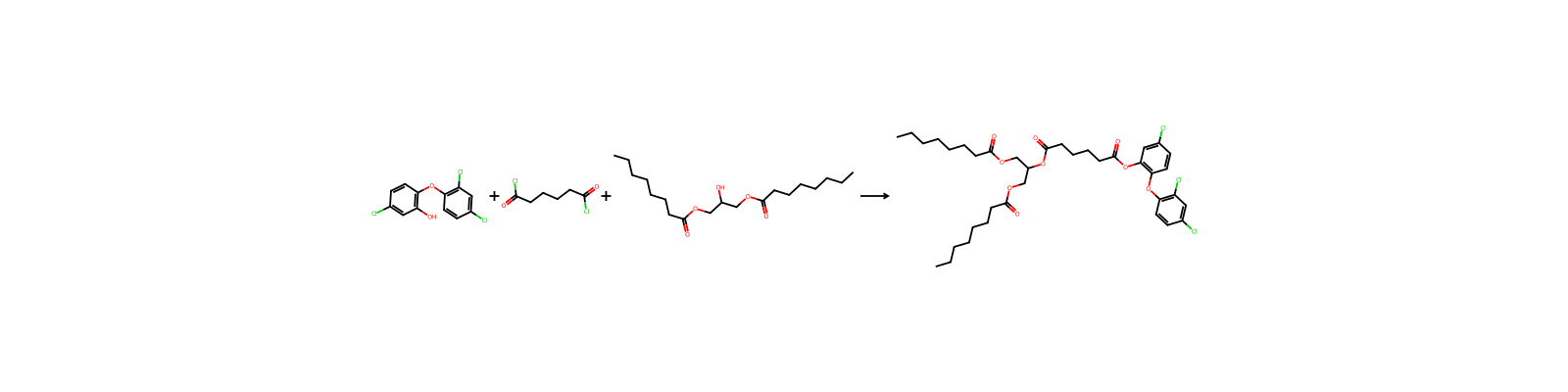
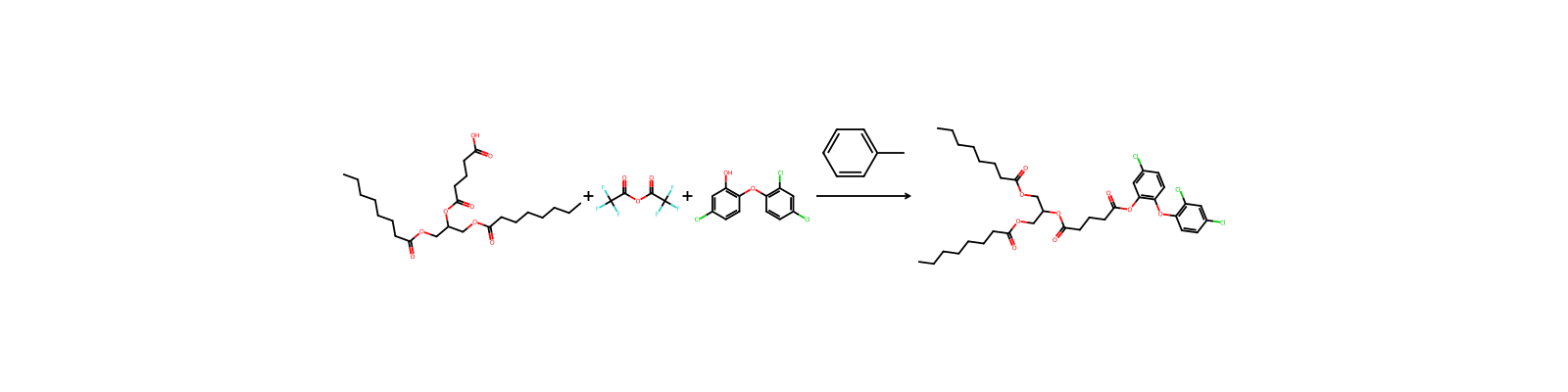
18 records




Linked notes
Loading…