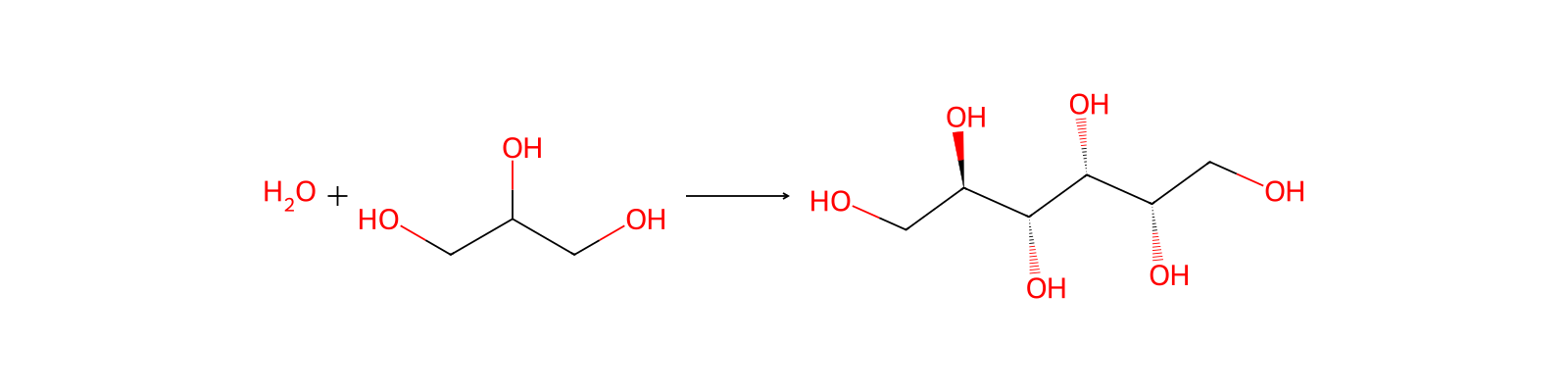
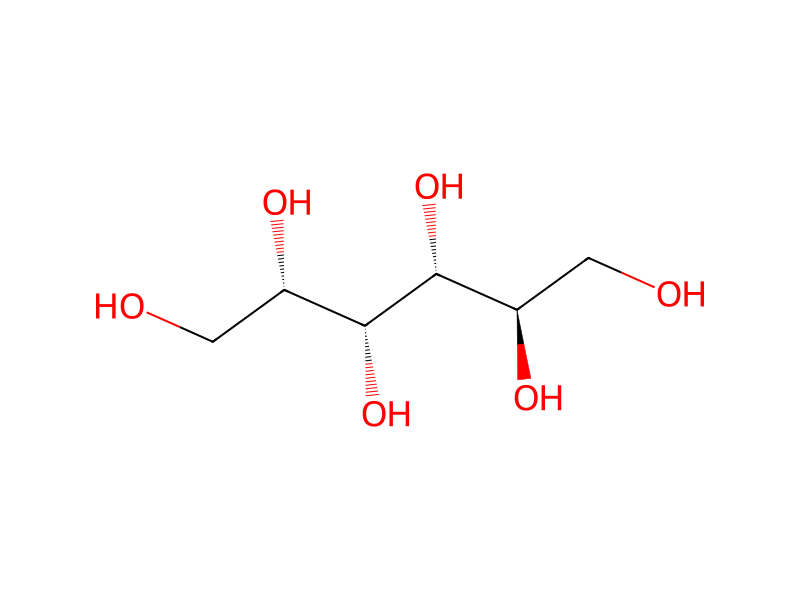
Basic information
- Standard SMILES
OC[C@@H](O)[C@@H](O)[C@H](O)[C@@H](O)CO- InChIKey
FBPFZTCFMRRESA-JGWLITMVSA-N- Molecular formula
- C6H14O6
- Average molar mass
- 182.17 g/mol
- Monoisotopic mass
- 182.07903817
Overview
Sorbitol is an odorless colorless solid. Sinks and mixes with water. (USCG, 1999)
Names & identifiers
- Preferred name
- Sorbitol
- IUPAC
- (2R,3R,4R,5S)-hexane-1,2,3,4,5,6-hexol
- English name
- D-Sorbitol
- Molecular formula
- C6H14O6
- Molecular weight
- 182.17
Names & synonyms
D-SorbitolsorbitolD-Glucitol50-70-4glucitolGlucarine(-)-SorbitolNivitinD-(-)-SorbitolDiakarmonSorbilandeSorbostyl
Show more names
Ai3-19424Ccris 1898Sorbitol impuritiesD-1,2,3,4,5,6-Hexanehexol(2R,3R,4R,5S)-hexane-1,2,3,4,5,6-hexol
EsasorbMultitolNeosorbSorboSorbolCholaxineSionitSionite
Database identifiers
- CAS
50-70-4、69-65-8、98201-93-5- PubChem CID
- 5780
- DTXSID
DTXSID5023588- ChEMBL
CHEMBL1682- ChEBI
CHEBI:17924- UNII
- 506T60A25R
- EC Number
- 200-061-5、619-324-4
- Nikkaji
- J2.299C
Properties
Computed structural properties
- XLogP
- -3.1
- Topological polar surface area
- 121 Ų
- Hydrogen bond donors
- 6
- Hydrogen bond acceptors
- 6
- Rotatable bonds
- 5
- Heavy atoms
- 12
- Formal charge
- 0
- Complexity
- 105
Experimental & physicochemical properties
Chemical ClassesBiological Agents -> Monosaccharides and Derivatives
Drugs
Pharmaceuticals -> Used in Switzerland
Pharmaceuticals -> Metabolite of Isosorbide Dinitrate
Pharmaceuticals -> Listed in ZINC15
Cosmetics
Cosmetic ingredients (Sorbitol) -> CIR (Cosmetic Ingredient Review)
Plasticiser; Skin conditioning; Humectant
pHpH: about 7.0
SpringerMaterials PropertiesCrystal structure
FragrancesFragrance Ingredient (d-Sorbitol) -> IFRA transparency List
LogP
log Kow = -2.20
-2.20
-2.2
OdorOdorless
TasteSweet taste, approx 60% as sweet as sugar (wt/wt)
Food Additives
COLOR OR COLORING ADJUNCT, DRYING AGENT, FLAVORING AGENT OR ADJUVANT, HUMECTANT, NUTRIENT SUPPLEMENT, NUTRITIVE SWEETENER, PH CONTROL AGENT, SOLVENT OR VEHICLE, STABILIZER OR THICKENER, TEXTURIZER -> FDA Substance added to food
Food
Density
1.49 at 59 °F (USCG, 1999) - Denser than water; will sink
1.489 g/cu cm 20 °C
1.5 g/cm³
Color/Form
Needles from water
White powder, as granules, or as crystalline masses
White crystalline powder
WHITE POWDER, GRANULES, OR FLAKES
Physicochemical properties
- Melting point
- 97 · 97 - 100°C
- storage temp.
- Hygroscopic, Room Temperature, under inert atmosphere
- solubility
- DMSO (Sparingly), Water (Slightly)
- form
- Solid
- pka
- 1 · pK1:13.60 (17.5°C)
- color
- White to Off-White
- Stability
- Hygroscopic
- InChI
- InChI=1/C6H14O6/c7-1-3(9)5(11)6(12)4(10)2-8/h3-12H,1-2H2/t3-,4+,5-,6-/s3
- InChIKey
- FBPFZTCFMRRESA-DQCLPXBLNA-N
- SMILES
- OC[C@@H]([C@H]([C@@H]([C@@H](CO)O)O)O)O |&1:2,3,4,5,r|
- EPA Substance Registry System
- D-Glucitol(98201-93-5)
Safety & regulation
GHS classification
GHS Classification
This chemical does not meet GHS hazard criteria for 100% (1338 of 1338) of all reports.
Not Classified
Aggregated GHS information provided per 1338 reports by companies from 2 notifications to the ECHA C&L Inventory.
Hazard information
Regulatory Information
Chemical: D-Glucitol
Regulation (EC) No 178/2002 (amended)
D-Glucitol is listed on the EPA's Chemical Data Reporting (CDR) system. Manufacturers and importers of D-Glucitol are required to report information about their production and use of this chemical to the EPA under the Toxic Substances Control Act (TSCA). (40 eCFR Part 711)
D-Glucitol: Does not have an individual approval but may be used under an appropriate group standard
Other Safety InformationIMAP assessments - D-Glucitol: Environment tier I assessment
Fire HazardsCombustible. Finely dispersed particles form explosive mixtures in air.
Fire PotentialCombustible
Health HazardsHot liquid will burn skin. (USCG, 1999)
Hazards Summary
No adverse effects on reproduction, development, or lactation observed in 3-generation study of rats at doses up to 10% of the diet; [REPROTOX] May cause gastrointestinal tract effects; Health effects of exposure to the substance have been investigated extensively but none have been found. [ICSC] May cause irritation; [Alfa Aesar MSDS] See Mannitol.
FDA Requirements
Substance added directly to human food affirmed as generally recognized as safe (GRAS).
Drug products containing certain active ingredients offered over-the-counter (OTC) for certain uses. A number of active ingredients have been present in OTC drug products for various uses, as described below. However, based on evidence currently available, there are inadequate data to establish general recognition of the safety and effectiveness of these ingredients for the specified uses: sorbitol is included in digestive aid drug products.
Drug products containing certain active ingredients offered over-the-counter (OTC) for certain uses. A number of active ingredients have been present in OTC drug products for various uses, as described below. However, based on evidence currently available, there are inadequate data to establish general recognition of the safety and effectiveness of these ingredients for the specified uses: sorbitol is included in oral health care drug products (nonantimicrobial).
Sorbitol used as a nutrient and/or dietary supplement in animal drugs, feeds, and related products is generally recognized as safe when used in accordance with good manufacturing or feeding practice.
The Approved Drug Products with Therapeutic Equivalence Evaluations List identifies currently marketed prescription drug products, incl sorbitol, approved on the basis of safety and effectiveness by FDA under sections 505 of the Federal Food, Drug, and Cosmetic Act.
Reactive GroupAlcohols and Polyols
Special ReportsIPCS/Commission of the European Communities; International Chemical Safety Card on D-Sorbitol (October 2002).[Available from, as of January 12, 2009: http://www.inchem.org/pages/icsc.html]
EPA Safer ChemicalChemical: Sorbitol
FIFRA Requirements
Unless specifically excluded, residues resulting from the use of the following substances as either an inert or an active ingredient in a pesticide chemical formulation, including antimicrobial pesticide chemicals, are exempted from the requirement of a tolerance under FFDCA section 408, if such use is in accordance with good agricultural or manufacturing practices. D-Sorbitol is included on this list.
Reactivity Profile
SORBITOL is an alcohol. Flammable and/or toxic gases are generated by the combination of alcohols with alkali metals, nitrides, and strong reducing agents. They react with oxoacids and carboxylic acids to form esters plus water. Oxidizing agents convert them to aldehydes or ketones. Alcohols exhibit both weak acid and weak base behavior. They may initiate the polymerization of isocyanates and epoxides.
Safety & protection
Fire Fighting
Fire Extinguishing Agents: Water (USCG, 1999)
In case of fire in the surroundings, use appropriate extinguishing media.
First AidOnly for burns caused by hot liquid. (USCG, 1999)
Fire Fighting Procedures
In case of fire in the surroundings: use appropriate extinguishing media.
Suitable extinguishing media: Use water spray, alcohol-resistant foam, dry chemical or carbon dioxide.
Special protective equipment for fire-fighters: Wear self contained breathing apparatus for fire fighting if necessary.
Storage Conditions
The bulk material is hygroscopic and should be stored in an airtight container in a cool, dry place.
Store in cool place. Keep container tightly closed in a dry and well-ventilated place.
Cleanup Methods
Personal precautions: Avoid dust formation.
Environmental precautions: Do not let product enter drains.
Methods for cleaning up: Sweep up and shovel. Keep in suitable, closed containers for disposal.
Disposal Methods
SRP: Criteria for land treatment or burial (sanitary landfill) disposal practices are subject to significant revision. Prior to implementing land disposal of waste residue (including waste sludge), consult with environmental regulatory agencies for guidance on acceptable disposal practices.
Observe all federal, state, and local environmental regulations.
Spillage DisposalSweep spilled substance into covered containers.
Preventive Measures
NO open flames.
Prevent deposition of dust; closed system, dust explosion-proof electrical equipment and lighting.
Handling: Provide appropriate exhaust ventilation at places where dust is formed. Normal measures for preventive fire protection.
In case of skin contact: Wash off with soap and plenty of water.
For more Preventive Measures (Complete) data for D-Sorbitol (6 total), please visit the HSDB record page.
Eye PreventionWear safety spectacles or eye protection in combination with breathing protection if powder.
Fire PreventionNO open flames. Closed system, dust explosion-proof electrical equipment and lighting. Prevent deposition of dust.
Inhalation RiskA nuisance-causing concentration of airborne particles can be reached quickly when dispersed.
Exposure PreventionPREVENT DISPERSION OF DUST!
Toxicology
Interactions
PURPOSE: To examine the effect of common excipients such as sugars (sorbitol versus sucrose) on bioequivalence between pharmaceutical formulations, using ranitidine and metoprolol as model drugs. METHODS: Two single-dose, replicated, crossover studies were first conducted in healthy volunteers (N=20 each) to compare the effect of 5 Gm of sorbitol and sucrose on bioequivalence of 150 mg ranitidine or 50 mg metoprolol in aqueous solution, followed by a single-dose, nonreplicated, crossover study (N=24) to determine the threshold of sorbitol effect on bioequivalence of 150 mg ranitidine in solution. RESULTS: Ranitidine Cmax and AUC0-infinity were decreased by approximately 50% and 45%, respectively, in the presence of sorbitol versus sucrose. Similarly, sorbitol reduced metoprolol Cmax by 23% but had no significant effect on AUC0-infinity. An appreciable subject-by-formulation interaction was found for ranitidine Cmax and AUC0-infinity, as well as metoprolol Cmax. Sorbitol decreased the systemic exposure of ranitidine in a dose-dependent manner and affected bioequivalence at a level of 1.25 Gm or greater. CONCLUSIONS: As exemplified by sorbitol, some common excipients have unexpected effect on bioavailability/bioequivalence, depending on the pharmacokinetic characteristics of the drug, as well as the type and amount of the excipient present in the formulation. More research is warranted to examine other common excipients that may have unintended influence on bioavailability/bioequivalence.
Environmental Fate
TERRESTRIAL FATE: Based on a classification scheme(1), an estimated Koc value of 10(SRC), determined from a structure estimation method(2), indicates that D-sorbitol is expected to have very high mobility in soil(SRC). Volatilization of D-sorbitol from moist soil surfaces is not expected to be an important fate process(SRC) given an estimated Henry's Law constant of 7.3X10⁻¹³ atm-cu m/mole(SRC), using a fragment constant estimation method(3). D-Sorbitol is not expected to volatilize from dry soil surfaces(SRC) based upon an estimated vapor pressure of 9.9X10⁻⁹ mm Hg(SRC), determined from a fragment constant method(4). Utilizing the Japanese MITI test, 81% of the Theoretical BOD was reached in 2 weeks indicating(5) that biodegradation is an important environmental fate process in soil(SRC).
AQUATIC FATE: Based on a classification scheme(1), an estimated Koc value of 10(SRC), determined from a structure estimation method(2), indicates that D-sorbitol is not expected to adsorb to suspended solids and sediment(SRC). Volatilization from water surfaces is not expected(3) based upon an estimated Henry's Law constant of 7.3X10⁻¹³ atm-cu m/mole(SRC), developed using a fragment constant estimation method(4). According to a classification scheme(5), an estimated BCF of 3(SRC), from its log Kow of -2.20(6) and a regression-derived equation(7), suggests the potential for bioconcentration in aquatic organisms is low(SRC). D-Sorbitol is not expected to undergo hydrolysis in the environment due to the lack of functional groups that hydrolyze under environmental conditions(3). Utilizing the Japanese MITI test, 81% of the Theoretical BOD was reached in 2 weeks(8) indicating that biodegradation is an important environmental fate process in water(SRC).
ATMOSPHERIC FATE: According to a model of gas/particle partitioning of semivolatile organic compounds in the atmosphere(1), D-sorbitol, which has an estimated vapor pressure of 9.9X10⁻⁹ mm Hg at 25 °C(SRC), determined from a fragment constant method(2), is expected to exist solely in the particulate phase in the ambient atmosphere. Particulate-phase D-sorbitol may be removed from the air by wet or dry deposition(SRC). D-Sorbitol does not contain chromophores that absorb at wavelengths >290 nm(3) and therefore is not expected to be susceptible to direct photolysis by sunlight(SRC).
Toxicity SummarySafe in the present practices of use and concentration. Ingredient, concentration, and use information are available in documents discoverable at https://cir-reports.cir-safety.org
Plant ConcentrationsD-Sorbitol occurs naturally in apples, plums, pears, cherries, dates, peaches, apricots and other fruits(1).
Signs and SymptomsAbdominal cramps. Abdominal pain. Diarrhoea.
Soil Adsorption/Mobility
Using a structure estimation method based on molecular connectivity indices(1), the Koc of D-sorbitol can be estimated to be 10(SRC). According to a classification scheme(2), this estimated Koc value suggests that sorbitol is expected to have very high mobility in soil.
Natural Pollution Sources
Occurs in small amounts in various fruits and berries
D-Sorbitol occurs in apples, plums, pears, cherries, dates, peaches, apricots and other fruits(1).
D-Sorbitol, a hexitol, is most widely distributed polyol in nature. It is mainly found in fruits of rosacea.
Human Toxicity Excerpts
/HUMAN EXPOSURE STUDIES/ /Child; Child, preschool; Infant/ Carbohydrate malabsorption after apple juice ingestion may produce abdominal symptoms and diarrhea, especially in children. The carbohydrates suggested to play roles in this process are fructose, as it is present in excess of glucose, and sorbitol. Absorption of the carbohydrates in apple juice was investigated in 17 children and 12 adults by means of the hydrogen breath test. Apple juice was given at a dose of 15 mL/kg body weight, with a maximum of 375 mL. Fructose (0.6 g/kg) and sorbitol (0.06 g/kg), alone and in combination, were administered in amounts similar to their contents in apple juice (fructose as excess over glucose content). Apple juice malabsorption, as judged by a peak breath H2 excretion of > or = 20 ppm, was found in 11 children (65%) and 4 adults (33%). Of those malabsorbing apple juice, 7 of 11 children malabsorbed fructose, 1 of 11 sorbitol, and 4 of 11 the combination; the four adults absorbed all test solutions completely. ... /No/ additive effect of sorbitol on breath H2 excretion after fructose ingestion /was found/. Peak breath H2 concentrations after apple juice ingestion (mean +/- SEM: 43 +/- 7 ppm) were higher than those with fructose (23 +/- 5 ppm; p < 0.05) or the fructose-sorbitol combination (20 +/- 5 ppm; p < 0.05). Fructose, and not sorbitol, is the sugar responsible for the increase in breath H2 after apple juice consumption and therefore for the diarrhea accompanying excessive apple juice consumption in toddlers.
/HUMAN EXPOSURE STUDIES/ The aim of this study was to study sugar maldigestion/malabsorption in patients with functional dyspepsia using H2 breath testing. End-expiratory breath H2 after separate challenges with lactose (25 g), fructose (25 g), and sorbitol (5 g) were used to determine malabsorption, as well as small bowel transit time (SBTT). Five hundred twenty patients with functional dyspepsia received all three challenges. Smaller groups were also tested after lactulose (10 g, N = 36) and glucose (50 g, N = 90) challenges. Fructose and sorbitol were closely linked with respect to absorption and malabsorption status. Only in the case of lactose maldigestion/malabsorption was there a greater than random prevalence of malabsorption (P < 0.001) for fructose and sorbitol. In contrast to lactose, ethnic origin did not influence fructose or sorbitol malabsorption, and females predominated among fructose and sorbitol malabsorbers. In Jews, the prevalence of lactose maldigestion/malabsorption decreased in the age group of 25-55 and subsequently rose after 55, while fructose and sorbitol malabsorption decreased progressively with advancing age. With respect to small bowel transit time (SBTT), in the case of sorbitol and lactulose, it was significantly greater (P < 0.05) than those for fructose and lactose. Multiple sugar malabsorptions are common when lactose maldigestion/malabsorption is present.
/HUMAN EXPOSURE STUDIES/ Normal subjects may incompletely absorb either lactose, fructose, or sorbitol and may therefore have abdominal symptoms. The frequency of coincidental malabsorption of these sugars is not known. This is clinically important, since we often ingest them during the same day and malabsorption may cause abdominal symptoms. To shed light on this issue ...32 normal subjects /were studied/. Volunteers drank in random order the following solutions: 20 g lactulose, 50 g sucrose, 50 and 25 g lactose, 50 and 25 g fructose, 20 and 10 g sorbitol. Semiquantitative carbohydrate malabsorption was estimated with lactulose standards. Frequency of 50-g lactose (69%), 50-g fructose (81%), and 20-g sorbitol (84%) malabsorption was not significantly different (P = 0.3). The estimated median fraction of the ingested high dose malabsorbed was 42, 19, and 68% for lactose, fructose, and sorbitol, respectively. At low challenging doses, 63% of the volunteers absorbed two of three or all three sugars, and 88% were asymptomatic to two or all three sugars. In conclusion, the frequency of coincidental malabsorption of lactose, fructose, and sorbitol and intolerance to these sugars is not common, when normal adults ingest them at low doses.
/HUMAN EXPOSURE STUDIES/ The effects of glucose, sorbitol and xylitol ingestion on calciuria, oxaluria and phosphaturia in healthy black and white males on a standardized diet were investigated. After ingestion, they collected urine hourly for 3 hr. Glucose decreased phosphaturia in blacks. Sorbitol decreased phosphaturia in both groups and increased oxaluria in whites. Xylitol increased oxaluria in blacks. Decreases in phosphaturia are attributed to penetration by phosphate into cells leading to decreases in phosphatemia and the renal filtered load. /The authors/ suggest that this mechanism is more sensitive in blacks, ... speculate that the increase in oxaluria after sorbitol ingestion occurs via its conversion to glyoxylate and that this pathway may be blocked in blacks. For the increase in oxaluria after xylitol ingestion, it is hypothesized that ketohexokinase and aldolase may be more active in blacks...
For more Human Toxicity Excerpts (Complete) data for D-Sorbitol (9 total), please visit the HSDB record page.
Artificial Pollution Sources
D-Sorbitol's production and use as an excipient in pharmaceutical formulations; as a diluent in tablet formulations; as a stabilizer for drug, vitamin, and antacid suspensions(1); and in the manufacture of sorbose, ascorbic acid, propylene glycol, synthetic plasticizers and resins(2) may result in its release to the environment through various waste streams(SRC).
Environmental BiodegradationAEROBIC: D-Sorbitol, present at 100 mg/L, reached 81% of its Theoretical BOD in 2 weeks using an activated sludge inoculum at 30 mg/L and the Japanese MITI test(1).
Drug Induced Liver Injury
Drug Induced Liver Injury Rank (DILIrank 2.0)
Sorbitol
vNo-DILI-concern
0
No match
DOI:10.1016/j.drudis.2016.02.015
Environmental Bioconcentration
An estimated BCF of 3 was calculated in fish for D-sorbitol(SRC), using a log Kow of -2.20(1) and a regression-derived equation(2). According to a classification scheme(3), this BCF suggests the potential for bioconcentration in aquatic organisms is low(SRC).
Regulatory information
FDA Requirements
Substance added directly to human food affirmed as generally recognized as safe (GRAS).
Drug products containing certain active ingredients offered over-the-counter (OTC) for certain uses. A number of active ingredients have been present in OTC drug products for various uses, as described below. However, based on evidence currently available, there are inadequate data to establish general recognition of the safety and effectiveness of these ingredients for the specified uses: sorbitol is included in digestive aid drug products.
Drug products containing certain active ingredients offered over-the-counter (OTC) for certain uses. A number of active ingredients have been present in OTC drug products for various uses, as described below. However, based on evidence currently available, there are inadequate data to establish general recognition of the safety and effectiveness of these ingredients for the specified uses: sorbitol is included in oral health care drug products (nonantimicrobial).
Sorbitol used as a nutrient and/or dietary supplement in animal drugs, feeds, and related products is generally recognized as safe when used in accordance with good manufacturing or feeding practice.
The Approved Drug Products with Therapeutic Equivalence Evaluations List identifies currently marketed prescription drug products, incl sorbitol, approved on the basis of safety and effectiveness by FDA under sections 505 of the Federal Food, Drug, and Cosmetic Act.
FIFRA Requirements
Unless specifically excluded, residues resulting from the use of the following substances as either an inert or an active ingredient in a pesticide chemical formulation, including antimicrobial pesticide chemicals, are exempted from the requirement of a tolerance under FFDCA section 408, if such use is in accordance with good agricultural or manufacturing practices. D-Sorbitol is included on this list.
Chemistry & industry
Pharmacology
ATC Code
A06AD18
A - Alimentary tract and metabolism
B - Blood and blood forming organs
V - Various
A - Alimentary tract and metabolism
QA - Alimentary tract and metabolism
Mechanism of Action
Sorbitol exerts its laxative effect by drawing water into the large intestine, thereby stimulating bowel movements.
... Sorbitol exerts hygroscopic and/or local irritant action, drawing water from tissues into feces and reflexly stimulating evacuation.
The polyol pathway consists of two enzymes aldose reductase (AR) and sorbitol dehydrogenase (SDH); the former is the first enzyme in the polyol pathway, that catalyzes the reduction of glucose to sorbitol, the latter is the second one, that converts sorbitol to fructose using by NAD(+) as a cofactor. ... SDH activity, the second step in the polyol pathway, might make a greater contribution to the etiology of diabetic retinopathy than does the first step involving AR. /This paper proposes/ a novel hypothesis that polymorphisms of SDH gene may be correlated with SDH gene expression levels in diabetic retinas, thus being a valuable genetic marker for diabetic retinopathy.
It has been reported that sorbitol induces apoptosis in several cancer cell lines. ... In /this/ study, the intracellular signaling pathways of sorbitol-induced apoptosis in human K562 cells were investigated using both morphological analysis and DNA fragmentation technique. In this study, we demonstrated that sorbitol-induced apoptosis in human K562 cells is a concentration- and time-dependent manner. This sorbitol-induced apoptosis in human K562 cells was also accompanied by the up-regulation of Bax, and down-regulation of p-Bcl-2, but no effect on the levels of Bcl-X(L). Moreover, the sorbitol treatment resulted in a significant reduction of mitochondria membrane potential, increase in the release of mitochondrial cytochrome c (cyt c), and activation of caspase 3. Furthermore, treatment with caspase 3 inhibitor (z-DEVD-fmk) was capable of preventing the sorbitol-induced caspase 3 activity and cell death. These results clearly demonstrate that the induction of apoptosis by sorbitol involves multiple cellular/molecular pathways and strongly suggest that pro- and anti-apoptotic Bcl-2 family proteins, mitochondrial membrane potential, mitochondrial cyt c, and caspase 3, they all participate in sorbitol-induced apoptotic process in human K562 cells.
Chronic diabetic complications, in particular, nephropathy, peripheral and autonomic neuropathy, "diabetic foot," retinopathy, and cardiovascular disease, remain the major cause of morbidity and mortality in patients with diabetes mellitus. Growing evidence indicates that both increased activity of the sorbitol pathway of glucose metabolism and enhanced oxidative stress are the leading factors in the pathogenesis of diabetic complications. The relation between the two mechanisms remains the area of controversy. One group has reported that increased sorbitol pathway activity has a protective rather than detrimental role in complication-prone tissues because the pathway detoxifies toxic lipid peroxidation products. Others put forward a so-called "unifying hypothesis" suggesting that activation of several major pathways implicated in diabetic complications (eg, sorbitol pathway) occurs due to increased production of superoxide anion radicals in mitochondria and resulting poly(ADP-ribose) polymerase activation. This review (a) presents findings supporting a key role for the sorbitol pathway in oxidative stress and oxidative stress-initiated downstream mechanisms of diabetic complications, and (b) summarizes experimental evidence against a detoxifying role of the sorbitol pathway, as well as the "unifying concept."
Metabolism/Metabolites
Sorbitol is widely used in a number of pharmaceutical products and occurs naturally in many edible fruits and berries. It is absorbed more slowly from the gastrointestinal tract than sucrose and is metabolized in the liver to fructose and glucose ... Sorbitol is better tolerated by diabetics than sucrose and is widely used in many sugar-free liquid vehicles ...
70% of orally ingested sorbitol is converted to carbon dioxide without appearing as glucose in the blood ...
MeSH Pharmacological Classification
Agents that are used to stimulate evacuation of the bowels.
Substances used for the detection, identification, analysis, etc. of chemical, biological, or pathologic processes or conditions. Indicators are substances that change in physical appearance, e.g., color, at or approaching the endpoint of a chemical titration, e.g., on the passage between acidity and alkalinity. Reagents are substances used for the detection or determination of another substance by chemical or microscopical means, especially analysis. Types of reagents are precipitants, solvents, oxidizers, reducers, fluxes, and colorimetric reagents. (From Grant & Hackh's Chemical Dictionary, 5th ed, p301, p499)
Substances that sweeten food, beverages, medications, etc., such as sugar, saccharine or other low-calorie synthetic products. (From Random House Unabridged Dictionary, 2d ed)
Absorption, Distribution and Excretion
Sorbitol will either be excreted in the urine by the kidneys, or metabolized to carbon dioxide and dextrose.
The amounts of sorbitol (SOR) excreted in 24-hr urine were determined on two groups, ie, diabetic and nondiabetic patients, using an improved method in which ion exchange resin column processing was applied, and these levels were compared with SOR levels in whole blood. Urinary SOR concentration was also determined in diabetic and normal rats in the same manner and its relationship to aldose reductase (AR) activity in whole blood was investigated. Changes in SOR levels in urine and whole blood were compared in diabetic rats after administration of an AR inhibitor (ARI). Whole blood SOR levels and urinary SOR excretion were significantly higher in diabetic patients than in nondiabetic patients. The same results were obtained in the animal models. In diabetic rats, the urinary SOR excretion was about five times higher than that in control rats, and the AR activity in whole blood was also significantly higher. The increase in urinary SOR excretion and whole blood SOR levels, as well as AR activity, in blood in the diabetic state was inhibited by ARI administration. The influence of the diabetic state and the efficacy of the ARI were more marked in urinary SOR excretion than in whole blood SOR levels. These data indicate that determinations of urinary SOR excretion and AR activity are easily measurable and of benefit to assessing the diabetic condition.
An accelerated polyol pathway in diabetes contributes to the development of diabetic complications. To elucidate diabetic nephropathy involving also renal tubular damage, ...urinary sorbitol concentrations /were measured/ concomitantly with urinary N-acetyl-D-glucosaminidase (NAG) excretion in WBN-kob diabetic rats.Twenty-four-hour urinary sorbitol concentrations increased in the diabetic rats in parallel with whole blood sorbitol concentrations. An increase in 24-h urinary NAG excretion coincided with the elevated urinary sorbitol levels in the diabetic rats. The administration of epalrestat, an aldose reductase inhibitor, reduced the increased whole blood and urinary sorbitol concentrations and urinary NAG excretion concomitantly with renal aldose reductase inhibition in the diabetic rats. These results indicate that diabetic nephropathy involves distorted cell function of renal tubules, and that treatment with epalrestat may prevent at least the progress of the nephropathy.
The purpose of this study was to determine whether sorbitol concentration is elevated in the cerebrospinal fluid (CSF) of non-medically ill patients with mood disorders. Lumbar punctures were performed on 30 subjects - 10 with bipolar mood disorder, 10 with unipolar mood disorder, and 10 age-matched normal controls, and CSF sorbitol concentrations were measured, using a gas chromatographic-mass spectroscopic technique. The mean+/-standard deviation of CSF sorbitol concentrations differed among the three groups as follows: bipolar (22.9+/-4.6 umoles/L) > unipolar (19.0+/-2.8 umoles/L)>normal control (15. 6+/-1.9 umoles/L). One-way ANOVA showed significant (P=0.0002) differences among the three groups. Post-hoc tests indicated a significant (P<0.05) difference between bipolars and normal controls, bipolars and unipolars, and unipolars and normal controls...
Streptozocin (Str) diabetic rats were obtained by Str iv (35 mg/kg). Glycemia and sorbitol levels from sciatic nerve and lens were measured after 1 d, 2, 5, and 8 months of diabetes. Sorbitol concentrations in serum, heart, diaphragm, small intestine, and kidney after 8 months of diabetes were measured. RESULTS: Diabetic rats after Str injection showed hyperglycemia (> 1.7 g.L-1), hyperphagia, polyuria, polydipsia, and loss of body weight. Sorbitol levels in lens and sciatic nerve increased in normal and diabetic rats; the increase was higher in diabetic rats. No relationship was shown between glycemia and sorbitol levels. An increased sorbitol level after 8 months of diabetes was found in small intestine and kidney...
For more Absorption, Distribution and Excretion (Complete) data for D-Sorbitol (8 total), please visit the HSDB record page.
Tissue LocationsAdipose Tissue
Cellular LocationsExtracellular
Metabolite PathwaysFructose and mannose metabolism
Uses & manufacturing
Uses
CIR ingredient: Sorbitol
Found in many fruits, seaweed, and algae; Used to make sorbose, ascorbic acid, propylene glycol, synthetic plasticizers, and resins; Used as a moisture conditioner on printing rolls, leather, tobacco, writing inks, antifreeze mixtures, and food and beverage manufacturing; Also used as a sugar substitute for diabetics, pharmaceutic aid, and laxative; [Merck Index] Used in cosmetics, as a plasticizer in film formulations, surfactant, in urethane resins and rigid foams, as stabilizer for vinyl resins, in varnishes and lacquers, as a sequestrant for some multivalent metals, and for various other food, pharmaceutical, and medical applications; [HSDB] Used as a flavoring agent, color, nutritional supplement, pH control agent, drying agent, humectant, solvent, texturizer, and stabilizer or thickener for foods; [FDA] Permitted for use as an inert ingredient in non-food pesticide products; [EPA]
Painting (Pigments, Binders, and Biocides) [Category: Paint]
Sorbitol is widely used as an excipient in pharmaceutical formulations. It is also used extensively in cosmetics and food products. Sorbitol is used as a diluent in tablet formulations prepared by either wet granulation or direct compression. It is particularly useful in chewable tablets owing to its pleasant, sweet taste and cooling sensation. In capsule formulations it is used as a plasticizer for gelatin. Sorbitol has been used as a plasticizer in film formulations. In liquid preparations sorbitol is used as a vehicle in sugar-free formulations and as a stabilizer for drug, vitamin, and antacid suspensions. Furthermore, sorbitol is used as an excipient in liquid parenteral biologic formulations to provide effective protein stabilization in the liquid state. It has also been shown to be a suitable carrier to enhance the in vitro dissolution rate of indometacin. In syrups it is effective in preventing crystallization around the cap of bottles. Sorbitol is additionally used in injectable and topical preparations ... Sorbitol may also be used analytically as a marker for assessing liver blood flow.
In the manufacture of sorbose, ascorbic acid, propylene glycol, synthetic plasticizers and resins; as humectant (moisture conditioner) on printing rolls; in leather; in writing inks; in candy mfr; in antifreeze mixture with glycerol or glycols increases absorption of pharmaceutical preparation; pharmaceutic aid (sweetening agent; tablet excipient); sugar substitute for diabetics.
Food uses of polyhydric alcohol, /sorbitol is used in flavor concentrate; confections; chewing gum; dried roasted nuts; meat products; pet foods; icings and toppings; coconut; beverages; special dietary foods/.
Impurities
Arsenic (as As): not more than 3 mg/kg; Chloride: not more than 0.005%; Heavy metals (as Pb): not more than 5 mg/kg; Lead: not more than 1 mg/kg; reducing sugar: Not more than 0.3%; Ash: not more than 0.1%; Sulfate: not more than 0.01%; Total sugars: not more than 1.0%; Water: not more than 1.0%
U.S. Exports
(1984) 6.6 1X 10+9 g
CHEMICAL PROFILE: Sorbitol. US Exports: 1991: 25.2 million pounds.
CHEMICAL PROFILE: Sorbitol. US Exports: 1994: 40 million pounds.
CHEMICAL PROFILE: Sorbitol. US Exports: 1999: 53 million pounds; 2000: 53 million pounds.
For more U.S. Exports (Complete) data for D-Sorbitol (7 total), please visit the HSDB record page.
U.S. Imports
(1975) 2.87 X 10+9 g
(1984) 8.17 X 10+9 g /70% basis/
CHEMICAL PROFILE: Sorbitol. US Imports: 1989: 20 million pounds.
CHEMICAL PROFILE: Sorbitol. US Imports: 1991: 20.7 million pounds.
For more U.S. Imports (Complete) data for D-Sorbitol (8 total), please visit the HSDB record page.
U.S. Production
2023: 55,000,000 - <70,000,000 lb
(1972) 6.31 X 10+10 g
(1975) 6.07 X 10+10 g
(1984) 8.68 X 10+10 g /70% by wt/
(1993) 1.40566 X 10+8 kg
For more U.S. Production (Complete) data for D-Sorbitol (15 total), please visit the HSDB record page.
Consumption Patterns
24% as a chemical intermediate for Vitamin C; 24% as a humectant in tooth paste and as a gel base for pharmaceuticals; 16% as a humectant and sugarless additive to foods; 15% as a chemical intermediate for industrial surfactants, derivatives used in cosmetics and foods, and dispersants and stabilizers in pharmaceuticals; 7% as a liquid vehicle, stabilizer, and sweetener in pharmaceuticals; 2% as a chemical intermediate for polyethers; 12% in miscellaneous applications, including as a substitute for glycerin, chemical intermediate for glycerin substitutes, and a humectant in tobacco, paste polishes, and pet foods (1974)
Toothpaste, 35%; Foods, Candy & confections, 30%; Ascorbic acid & salts, 20%; Surfactants, 5%; Cosmetics & toiletries, 3%; Pharmaceuticals, 2%; Miscellaneous, 5% (1984)
CHEMICAL PROFILE: Sorbitol. US End-use Pattern for Sorbitol in 1986.
CHEMICAL PROFILE: Sorbitol. US End-use Pattern for Sorbitol in 1989.
For more Consumption Patterns (Complete) data for D-Sorbitol (18 total), please visit the HSDB record page.
Consumer UsesHumectant
Industry UsesOther
Methods of Manufacturing
Industrially, sorbitol is prepared by high pressure hydrogenation with a copper-chromium or nickel catalyst, or by electrolytic reduction of glucose and corn syrup. If cane or beet sugar is used as a source, the disaccharide is hydrolyzed to dextrose and fructose prior to hydrogenation.
Sorbitol is produced by the electrolytic reduction, or the transition metal catalytic hydrogenation of sugar solutions containing glucose or fructose.
In the batch process, 3 - 6 % of catalyst (based on glucose) is suspended in a ca. 50 % glucose solution whose pH has been adjusted to 6. The solution is then hydrogenated with hydrogen in an agitated autoclave at 120 - 150 °C and ca. 70 bar. The time of hydrogenation is 2 - 4 hr, depending on the type and amount of catalyst.
In the continuous process, a glucose solution, adjusted to pH 6 and containing the catalyst, is passed continuously under hydrogen pressure through reaction tubes connected in series. A constant pressure of 180 bar and a temperature of 150 °C are maintained for a reaction time of ca. 1 hr. ... Hydrogenation can also be carried out on a fixed-bed catalyst based on copper oxide-nickel oxide or nickel-titanium. ... After the reaction, the raw sorbitol solution is cooled and freed from catalyst by precipitation and filtration. It is then decolorized with filter acids (e.g., activated charcoal) and demineralized by means of mixed-bed ion exchangers to remove gluconate and nickel ions. The commercial water-clear 70% sorbitol solution is obtained by evaporation of water in vacuum. Solid sorbitol is prepared by dehydration until a water-free melt is obtained. This melt is cooled and, at the same time, kneaded intensively. The melt is subsequently seeded, and the crystals are removed continuously from the surface (melt crystallization). Grades of powder with the desired particle size are obtained by grinding.
CHEMICAL PROFILE: Sorbitol. Commercial production is by high-pressure catalytic hydrogenation of glucose sugar derived from cornstarch. Sorbitol can be produced as a coproduct with mannitol if invert sugar (50% glucose, 50% fructose) is used as a raw material.
Formulations/Preparations
Sorbitol solution USP is a water solution containing, in each 100 g, 69-71 g of total solids consisting essentially of d-sorbitol and a small amount of mannitol and other isomeric polyhydric alcohols ... It has been used as replacement for propylene glycol and glycerin.
Grades: Crystals; Technical; 70% aq soln (USP); Resin; Powder; FCC (solid & soln).
Household ProductsInformation on 553 consumer products that contain Sorbitol in the following categories is provided:
Use Classification
EPA Safer Chemical Functional Use Classes -> Processing Aids and Additives
Safer Chemical Classes -> Green circle - The chemical has been verified to be of low concern
Food additives
Fragrance Ingredients
Food Additives -> BULKING_AGENT; HUMECTANT; SEQUESTRANT; STABILIZER; SWEETENER; TEXTURIZER; THICKENER -> JECFA Functional Classes
Food Additives -> BULKING_AGENT; HUMECTANT; SEQUESTRANT; SWEETENER; TEXTURIZER; THICKENER -> JECFA Functional Classes
Applications
UsesD-Sorbitol is a sugar alcohol that is naturally found in Toyon berries. D-Sorbitol is used to increase stability of silver nanoparticles and is also used as a sugar substitute.
Upstream & downstream products
Upstream raw materials
Downstream products
Suppliers50 total
Career Henan Chemica Co+86-0371-86658258 +86-13203830695 · [email protected]
山东泰诚生物科技有限公司18769832557 18769832557 · [email protected]
河南赢创生物科技有限公司16650615803 · [email protected]
湖北云镁科技有限公司027-59206672 18995657604 · [email protected]
江西瑞威尔生物科技有限公司18502728206 · [email protected]
MedBio脉铂医药021-69568360 18916172912 · [email protected]
北京博奥森生物技术有限公司400-901-9800 18611424007 · [email protected]
伊势久(江苏连云港)生物科技有限责任公司18082049515 · [email protected]
泰安鑫润生物科技有限公司15318133072 15318133072 · [email protected]
山东亿来新材料科技发展有限公司13296445501 · [email protected]
湖北成海化工有限公司027-59220433 18327245847 · [email protected]
天津希恩思生化科技有限公司400 638 7771 · [email protected]
湖南汇百侍生物科技有限公司0731-85526065 13308475853 · [email protected]
Wuhu Nuowei chemistry Co., Ltd.+86-0553-2911116-802 +86-18055326116 · [email protected]
Hebei Huanzhou Chemical Products Co., Ltd.+8619133532821 · [email protected]
成都零六生物科技有限公司400-1166-196 13458535857 · [email protected]
上海麦克林生化科技股份有限公司15221275939 15221275939 · [email protected]
池州凯隆进出口贸易有限公司[email protected]
珠海安哲生物科技有限公司13169972583 · [email protected]
芜湖诺威化学技术有限公司0553-8233716 18055326116
郑州九亿时光新材料有限公司+86-15225627621 +86-13213167925 · [email protected]
上海谱振生物科技有限公司4001650900 13817534909 · [email protected]
湖南汇百益新材料有限公司400-0909710 13319523173 · [email protected]
上海玻尔化学试剂有限公司19102157732 · [email protected]
北京华威锐科化工科技有限公司89508211 18501085097 · [email protected]
上海源叶生物科技有限公司13636370518 · [email protected]
上海晗光生物科技有限公司13302171746 13302171746
上海紫一试剂厂4001650900 · [email protected]
Shanghai Acmec Biochemical Technology Co., Ltd.+86-18621343501 · [email protected]
湖北诺纳科技有限公司59209883 17386169806 · [email protected]
广州佳途科技股份有限公司020-81960175-877 18933936954 · [email protected]
上海易恩化学技术有限公司400-400-1332688 18019345275 · [email protected]
career henan chemical co+86-0371-86658258 · [email protected]
上海吉至生化科技有限公司021-4009004166/18616739031 18616739031 · [email protected]
芜湖诺威化学技术有限公司0553-8233716 18055326116 · [email protected]
北京沃凯生物科技有限公司010-62971590 18548936886 · [email protected]
北京迈瑞达科技有限公司010-82387566 · [email protected]
深圳博泰尔生物技术有限公司13316949107 13316968096 · [email protected]
广州市桐晖药业有限公司020-66392521-118 18922260391 · [email protected]
海蔚化学86-21-51086038 · [email protected]
ANHUI WITOP BIOTECH CO., LTD+8618071025641 · [email protected]
上海迈瑞尔生化科技有限公司18621169109 · [email protected]
SHANGHAI KEAN TECHNOLOGY CO., LTD.+8613817748580 · [email protected]
Baoji Guokang Healthchem Co., Ltd.+86-0917-3909592 +86-13892490616 · [email protected]
湖北诺纳科技有限公司027-59209883 17386138556 · [email protected]
湖北云镁科技有限公司59206672 18327059871 · [email protected]
Hefei TNJ Chemical Industry Co.,Ltd.+86-0551-65418684 +86-18949823763 · [email protected]
江苏艾康生物医药研发有限公司025-58859352 18651614124 · [email protected]
上海阿摩尔生物科技有限公司13370042665 18916960931 · [email protected]
Dideu Industries Group Limited+8617392712697 · [email protected]
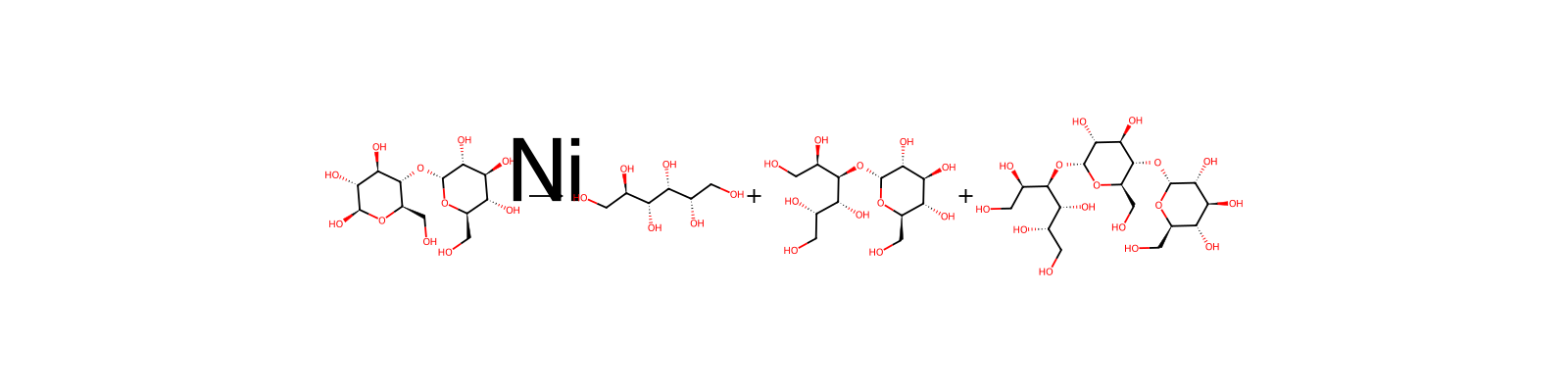
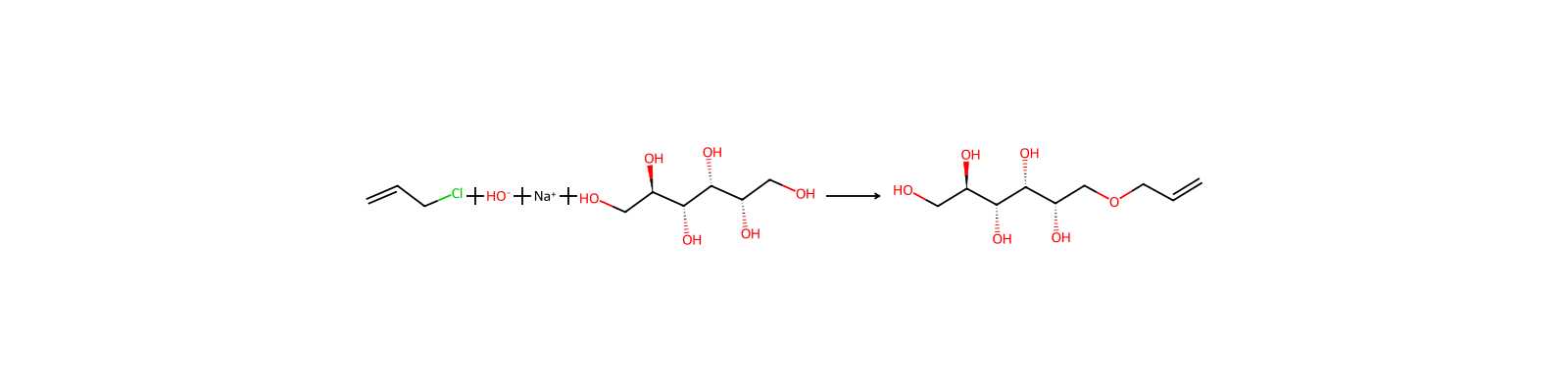
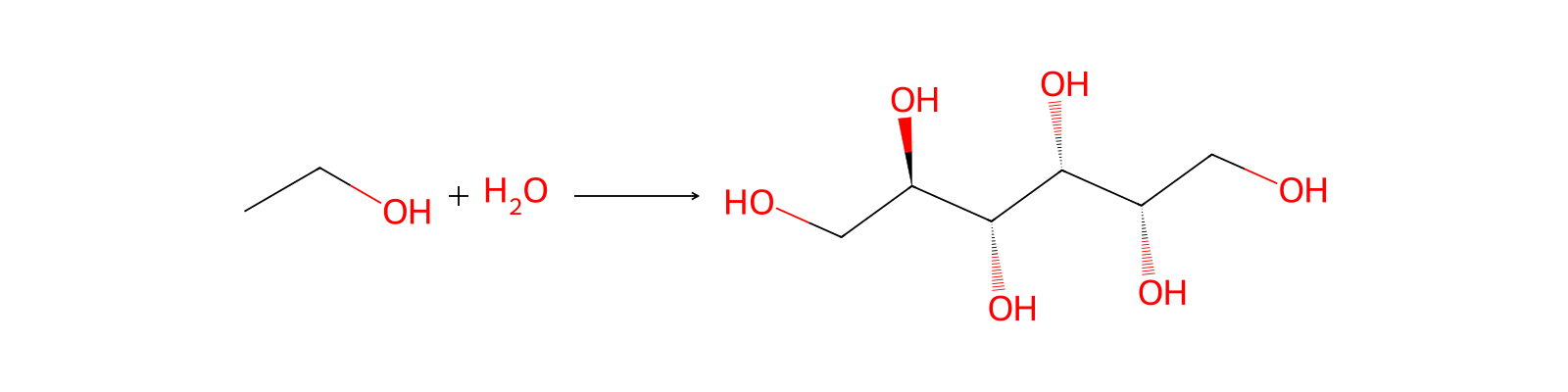
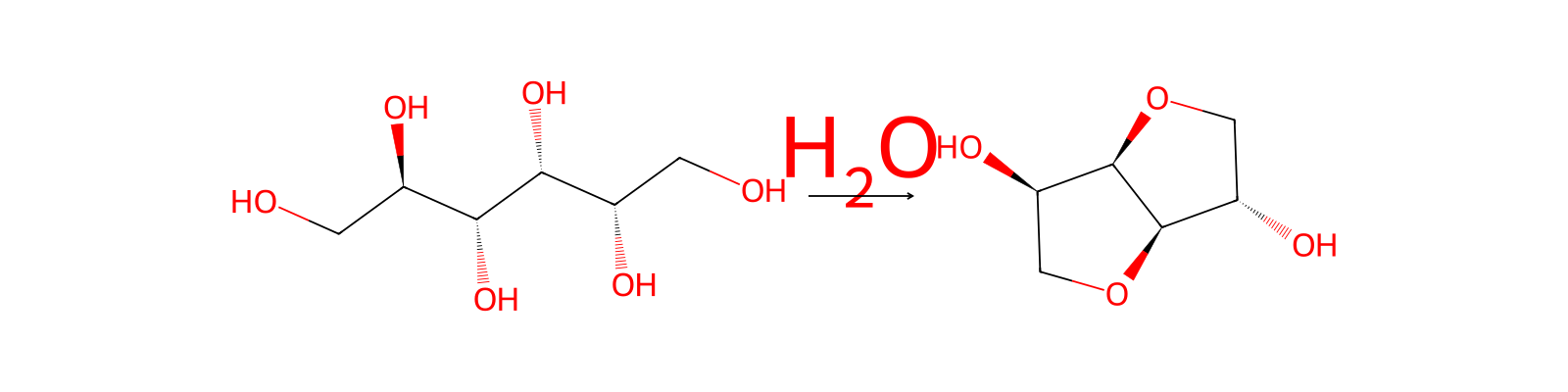
Related reactions
188 records



Linked notes
Loading…