HomeMCPWorkbenchSkills
HomeWorkbenchNotificationsMe
llms.txt · MCP GuidePrivacy Policy · Terms of Service · Supportv1.8.0
  1. Home
  2. /Compound

Dehydroepiandrosterone

HCID 5881
New noteNew reactionRequest quotes
Print preview

Completing data — refresh the page later to see the latest

Basic informationOverviewNames & identifiersPropertiesSafety & regulationChemistry & industryRelated reactionsCompound notes
Substructure searchFind similar structures

Basic information

CAS
53-43-0
Standard SMILES
C[C@]12CC[C@H](O)CC1=CC[C@@H]1[C@@H]2CC[C@]2(C)C(=O)CC[C@@H]12
InChIKey
FMGSKLZLMKYGDP-USOAJAOKSA-N
Molecular formula
C19H28O2
Average molar mass
288.4 g/mol
Monoisotopic mass
288.20893014

Overview

Dehydroepiandrosterone is an androstanoid that is androst-5-ene substituted by a beta-hydroxy group at position 3 and an oxo group at position 17. It is a naturally occurring steroid hormone produced by the adrenal glands. It has a role as an androgen, a mouse metabolite and a human metabolite. It is a 3beta-hydroxy-Delta(5)-steroid, a 17-oxo steroid and an androstanoid.

Names & identifiers

Preferred name
Dehydroepiandrosterone
IUPAC
(3S,8R,9S,10R,13S,14S)-3-hydroxy-10,13-dimethyl-1,2,3,4,7,8,9,11,12,14,15,16-dodecahydrocyclopenta[a]phenanthren-17-one
English name
Dehydroepiandrosterone
Molecular formula
C19H28O2
Molecular weight
288.43

Names & synonyms

DehydroepiandrosteroneDHEAPRASTERONE53-43-0DehydroisoandrosteroneAndrostenoloneDiandron3beta-hydroxyandrost-5-en-17-one17-HormoforinIntrarosaPrasterona3-beta-Hydroxy-5-androsten-17-one
Show more names
TRANS-DEHYDROANDROSTERONEDEHYDROEPIANDOSTERONEDehydroepiandrosterone(DHEA)dehydroepiandrosteron5-Dehydroepiandrosterone3-HYDROXYANDROST-5-EN-17-ONE
PrasteronumVaginorm5,6-DehydroisoandrosteroneBiolaifEM-760DTXSID4020379NSC-9896Androst-5-en-17-one, 3-hydroxy-, (3beta)-

Database identifiers

CAS
53-43-0
PubChem CID
5881
DTXSID
DTXSID4020379
ChEMBL
CHEMBL90593

Properties

Computed structural propertiesFilling in

XLogP
3.2
Topological polar surface area
37.3 Ų
Hydrogen bond donors
1
Hydrogen bond acceptors
2
Rotatable bonds
0
Heavy atoms
21
Formal charge
0
Complexity
508

Experimental & physicochemical properties

Drugs · 2 items

DEA NFLIS-Drug Category -> Steroids

Pharmaceuticals -> Listed in ZINC15

LipidsLipids -> Sterol Lipids [ST] -> Steroids [ST02] -> C19 steroids (androgens) and derivatives [ST0202]
SpringerMaterials PropertiesChemical shift
LogP · 2 items

3.23

3.23

Solubility0.0635 mg/mL
Dietary Ingredients · 2 items

Dehydroepiandrosterone (DHEA)

DHEA

Human Drugs · 4 items

FDA approved drugs -> Active ingredient

EMA approved medicines: Human medicine

FDA approved drugs -> Active ingredient

Pharmaceuticals

Endocrine DisruptorsPotential endocrine disrupting compound
Melting Point · 2 items

Safety & regulation

Safety information is for reference only and does not replace the supplier’s Safety Data Sheet (SDS), applicable regulations, or professional assessment.

GHS classification

GHS Classification · 4 items

Danger

H302 (11.3%): Harmful if swallowed [Warning Acute toxicity, oral]

P203, P260, P261, P263, P264, P264+P265, P270, P271, P273, P280, P301+P317, P302+P352, P304+P340, P305+P351+P338, P317, P318, P319, P321, P330, P332+P317, P337+P317, P362+P364, P391, P403+P233, P405, and P501 (click each P-code to see the statement)

Aggregated GHS information provided per 159 reports by companies from 9 notifications to the ECHA C&L Inventory. Each notification may be associated with multiple companies.

Hazard information

Regulatory Information · 2 items

Status: Active Update: 26-08-2022 https://echa.europa.eu/registration-dossier/-/registered-dossier/13358

Dehydroisoandosterone: Does not have an individual approval but may be used under an appropriate group standard

Other Safety InformationIMAP assessments - Androst-5-en-17-one, 3-hydroxy-, (3.beta.)-: Human health tier I assessment
Hazard Classes and CategoriesAcute Tox. 4 (11.3%)

Toxicology

Drug Induced Liver Injury · 4 items

Drug-Induced Liver Injury Severity and Toxicity (DILIst)

Dehydroepiandrosterone

DILI Positive

DOI:10.1016/j.drudis.2019.09.022

Safety data

PPE
dust mask type N95 (US), Eyeshields, Gloves
wgk
2

Chemistry & industry

Pharmacology

ATC Code · 4 items

A - Alimentary tract and metabolism

G - Genito urinary system and sex hormones

QA - Alimentary tract and metabolism

QG - Genito urinary system and sex hormones

Pharmacodynamics · 1 item

DHEA is naturally produced from cholesterol through two cytochrome P450 enzymes. Cholesterol is converted to pregnenolone by the enzyme P450 scc (side chain cleavage); then another enzyme, CYP17A1, converts pregnenolone to 17α-Hydroxypregnenolone and then to DHEA. DHEA is increased by exercise and calorie restriction. Some theorize that the increase in endogenous DHEA brought about by calorie restriction is partially responsible for the longer life expectancy known to be associated with calorie restriction.

Mechanism of Action · 1 item

DHEA can be understood as a prohormone for the sex steroids. DHEAS may be viewed as buffer and reservoir. As most DHEA is produced by the zona reticularis of the adrenal cortex, it is argued that there is a role in the immune and stress response. DHEAS/DHEA are useful to detect excess adrenal activity as seen in adrenal cancer or hyperplasia, including certain forms of congenital adrenal hyperplasia as it is produced nearly entirely by the adrenal glands. Women with polycystic ovary syndrome tend to have elevated levels of DHEAS.

Biological Half-Life12 hours
Metabolism/Metabolites · 2 items

Hepatic. As shown by their high conversion ratios (in a study involving cynomolgus monkeys), the major circulating metabolites of DHEA are DHEA-S, androsterone glucuronide, and androstane-3 alpha,17 beta-diol-glucuronide. [PMID: 12970301]

Dehydroisoandrosterone has known human metabolites that include Dehydroisoandrosterone 3-glucuronide, 3,7-Dihydroxy-10,13-dimethyl-1,2,3,4,7,8,9,11,12,14,15,16-dodecahydrocyclopenta[a]phenanthren-17-one, and 3,16-Dihydroxyandrost-5-en-17-one.

MeSH Pharmacological Classification · 1 item

Substances that augment, stimulate, activate, potentiate, or modulate the immune response at either the cellular or humoral level. The classical agents (Freund's adjuvant, BCG, Corynebacterium parvum, et al.) contain bacterial antigens. Some are endogenous (e.g., histamine, interferon, transfer factor, tuftsin, interleukin-1). Their mode of action is either non-specific, resulting in increased immune responsiveness to a wide variety of antigens, or antigen-specific, i.e., affecting a restricted type of immune response to a narrow group of antigens. The therapeutic efficacy of many biological response modifiers is related to their antigen-specific immunoadjuvanticity.

Related reactions

92 records
New reaction record
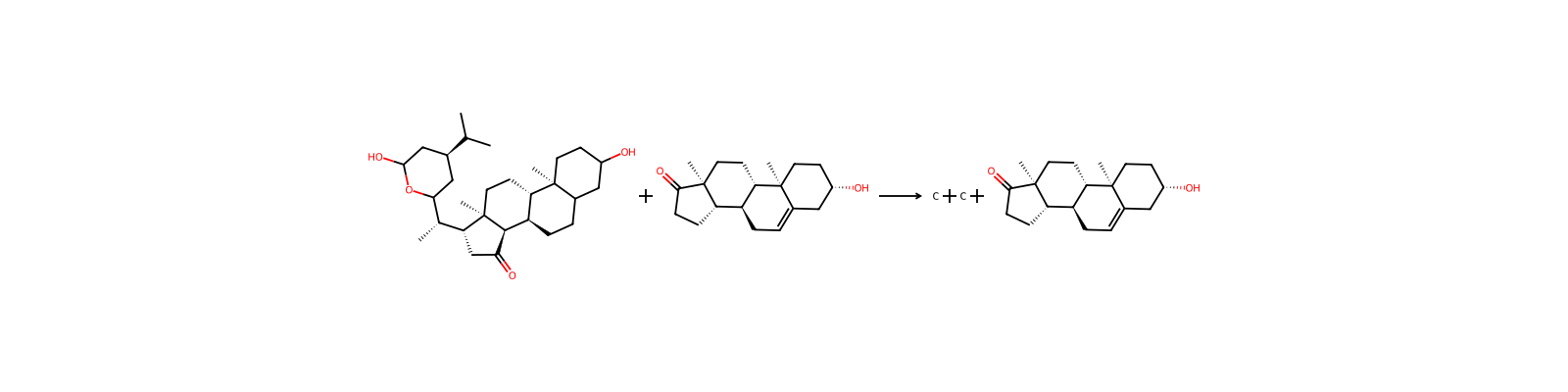
HRID 1982 reaction equation
HRID 1982As reactantuspto-grants-1998_03
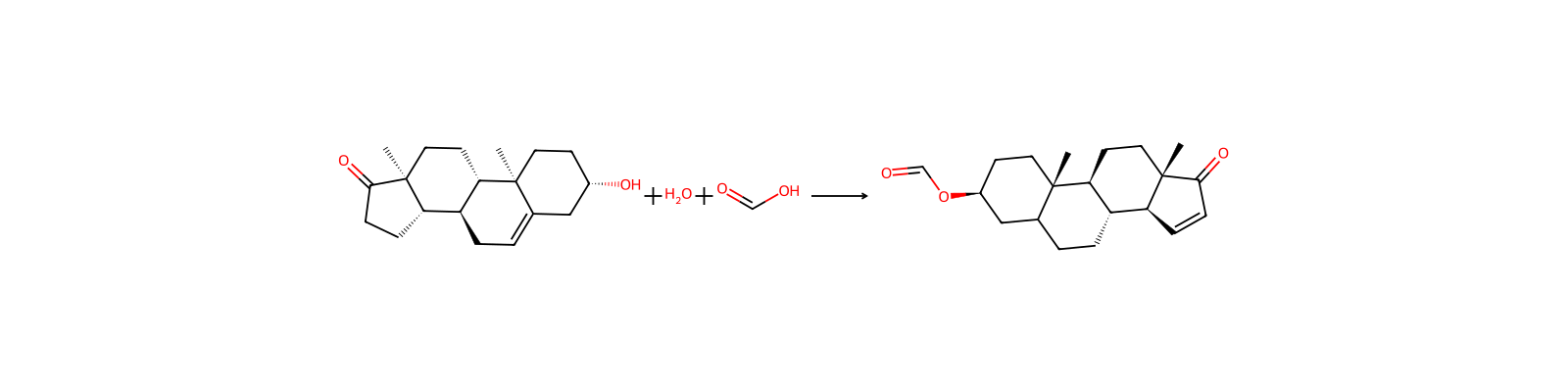
HRID 1983 reaction equation
HRID 1983As reactantuspto-grants-1998_03
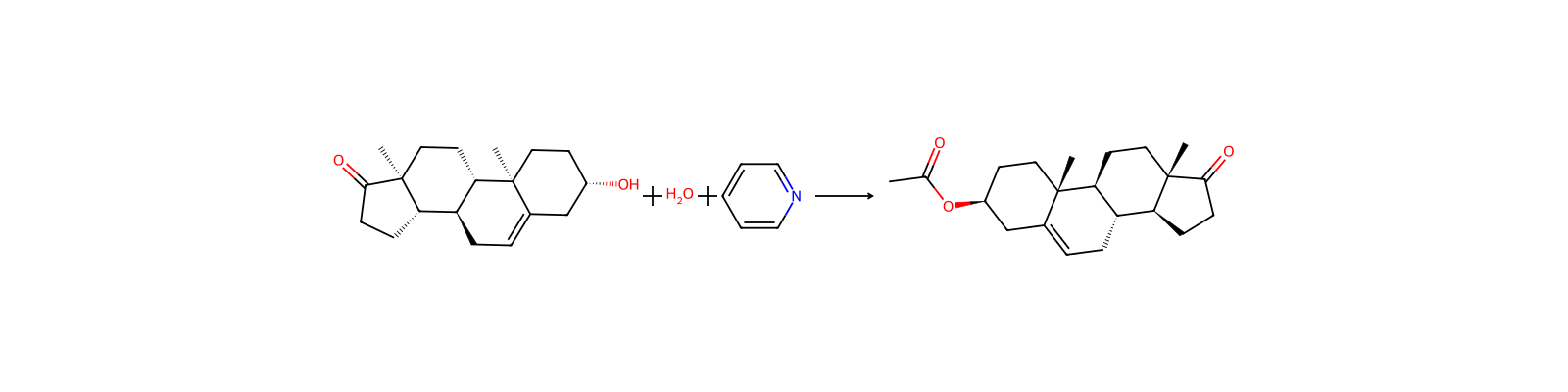
HRID 1984 reaction equation
HRID 1984As reactantuspto-grants-1998_03
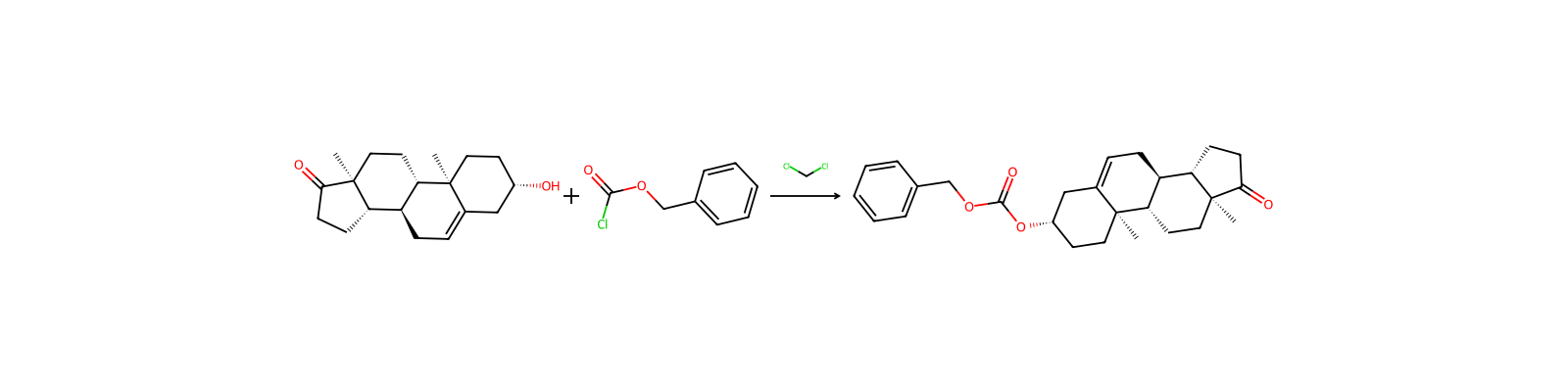
HRID 42101 reaction equation
HRID 42101As reactantuspto-grants-2013_09
HRID 48957 reaction equation
HRID 48957As productAs reactantuspto-grants-2004_03
HRID 329361 reaction equation
HRID 329361As reactantuspto-grants-1990_01
HRID 356587 reaction equation
HRID 356587As reactantuspto-grants-1998_11
HRID 356588 reaction equation
HRID 356588As reactantuspto-grants-1998_11
Page 1 of 12

Compound notes

Loading…

On this pageBasic informationOverviewNames & identifiersPropertiesSafety & regulationChemistry & industryRelated reactionsCompound notes
More actions
New noteNew reactionRequest quotes
ChEBI
CHEBI:28689
UNII
459AG36T1B
EC Number
200-175-5
Nikkaji
J4.147E

140-141 °C

140 - 141 °C

Physical DescriptionSolid
Collision Cross Section · 2 items

166 Ų [M+H-H2O]+ [CCS Type: DT; Method: single field calibrated with Agilent tune mix (Agilent)]

169.58 Ų [M+H]+ [CCS Type: TW; Method: calibrated with polyalanine and drug standards]

Physicochemical properties

Melting point
149 · 149-151 °C(lit.)
alpha
12 · 12 º (c=2, ethanol 96% 25 ºC)
Boiling point
370.65 °C · 370.65°C (rough estimate)
Density
1.0484 · 1.0484 (rough estimate)
refractive index
1.4709 · 1.4709 (estimate)
Flash point
9 ℃ · 9℃
storage temp.
Hormones
solubility
2 O; · insoluble in H2O; ≥13.7 mg/mL in DMSO; ≥58.6 mg/mL in ETOH
pka
15.02 · 15.02±0.60(Predicted)
form
Fine Crystalline Powder
color
White
biological source
synthetic (organic)
optical activity
10.918 · +10.918 (c 1, ethanol)
Water Solubility
21.8 mg/L · 21.8mg/L(23.5 ºC)
Merck
2871 · 2871
BRN
2058110 · 2058110
Cosmetics Ingredients Functions
SKIN CONDITIONING
InChI
1S/C19H28O2/c1-18-9-7-13(20)11-12(18)3-4-14-15-5-6-17(21)19(15,2)10-8-16(14)18/h3,13-16,20H,4-11H2,1-2H3/t13-,14-,15-,16-,18-,19-/m0/s1
InChIKey
FMGSKLZLMKYGDP-USOAJAOKSA-N
SMILES
C[C@]12CC[C@H]3[C@@H](CC=C4C[C@@H](O)CC[C@]34C)[C@@H]1CCC2=O
LogP
3.23 · 3.230
CAS DataBase Reference
53 · 53-43-0
EWG's Food Scores
1 · 1-3
NCI Dictionary of Cancer Terms
dehydroepiandrosterone; DHEA
FDA UNII
459 AG36T1B · 459AG36T1B
NCI Drug Dictionary
prasterone
ATC code
14 AA07,G03XX01 · A14AA07,G03XX01
NIST Chemistry Reference
5 · 5-Androstene-3«beta»-ol-17-one(53-43-0)
EPA Substance Registry System
Prasterone (53-43-0)
UNSPSC Code
51111800 · 51111800
NACRES
77 · NA.77
Symbol(GHS)
8 · GHS08
Signal word
Warning
Hazard statements
361 fd · H361fd
Precautionary statements
201 · P201-P202-P280-P308+P313-P405-P501
PPE
95 · dust mask type N95 (US), Eyeshields, Gloves
Hazard Codes
Xi,T,F
Risk Statements
36 · 36/37/38-39/23/24/25-23/24/25-11
Safety Statements
26 · 26-36-24/25-45-36/37-16-7
RIDADR
1230 · UN1230 - class 3 - PG 2 - Methanol, solution
WGK Germany
2 · 2
RTECS
8396000 · BV8396000
HazardClass
9 · 9
HS Code
29372900 · 29372900
Storage Class
11 · 11 - Combustible Solids
Hazard Classifications
2 · Repr. 2
REACH Registrations
Active
Limited Quantities
5 kg · 5.0 kg (11 lbs) (solid)
Excepted Quantities
Max Inner Pack (30g or 30ml) and Max Outer Pack (1Kg or 1L)
rtecs
BV8396000
ridadr
UN1230 - class 3 - PG 2 - Methanol, solution
hs_code
29372900
risk_code
36/37/38-39/23/24/25-23/24/25-11
Signal word
Warning
Symbol(GHS)
GHS08
hazard_code
Xi,T,F
safety_code
26-36-24/25-45-36/37-16-7
hazard_class
9
Storage Class
11 - Combustible Solids
Hazard statements
H361fd
Limited Quantities
5.0 kg (11 lbs) (solid)
Excepted Quantities
Max Inner Pack (30g or 30ml) and Max Outer Pack (1Kg or 1L)
REACH Registrations
Active
Hazard Classifications
Repr. 2
Precautionary statements
P201-P202-P280-P308+P313-P405-P501
Absorption, Distribution and ExcretionFollowing a 50-mg DHEA PO dose in cynomolgus monkeys, systemic availability was only 3.1 +/- 0.4%. [PMID: 12970301]
Tissue LocationsAdipose Tissue
Cellular LocationsCytoplasm
Metabolite Pathways17-Beta Hydroxysteroid Dehydrogenase III Deficiency

Uses & manufacturing

UsesUse (kg; approx.) in Germany (2009): >75
Use ClassificationPharmaceuticals
Applications · 4 items

DescriptionDehydroepiandrosterone(DHEA) is an endogenous steroid hormone that is secreted primarily by the adrenal gland and is the most abundant sex steroid. It is a neurohormone; small quantities of DHEA are produced in the brain and declines in serum and CSF with age. (Knopman and Henderson, 2003). Metabolites of DHEA include androstenedione , which subsequently may be metabolized to testosterone or estrone which is an estradiol precursor. In addition to serving as an intermediate in the biosynthesis of sex steroids, DHEA directly modulates a number of cellular and nuclear receptors.

OccurrenceDHEA is naturally occurring in yam (see Wild Yam, p. 596-597).

UsesDehydroepiandrosterone (DHEA) is a major C19 steroid produced by the adrenal cortex. It is a major secretory steroidal product of the adrenal gland; secretion progresively declines with aging. May have estrogen-or androgen-like effects depending on the hormonal milieu. Intracellularly converted to androstenedione. It is used in treatment of menopausal syndrome. People living with HIV may be interested in taking DHEA for a variety of reasons, including treatment of depression, increasing bone density, decreasing arterial plaques, improvement of immune function with HIV, increased memory, and increased muscle strength.

General DescriptionDHEA is a major secretory steroidal product of the adrenal gland and is a hormonal precursor to both androgens and estrogens. It can also be synthesized using wild yam or soy, but there is no evidence to show that humans are able to increase DHEA levels by consuming these foods. DHEA and its sulfated metabolite, DHEA-S, are negative modulators of GABAA receptors.

Upstream & downstream products

Upstream raw materials

DioscinStigmasterolCholesteroldipotassium aquapentachloroiridate(2-)Pregn-5-en-20-one, 17-hydroperoxy-3-hydroxy-, (3β)- (9CI)17alpha-Hydroxypregnenolone

Downstream products

Ethisterone5alpha-Androst-16-en-3-one6-Methyleneandrost-4-ene-3,17-dioneAndrosta-1,4,6-triene-3,17-dioneAndrost-5-en-17-one,3-chloro-, (3b)-17-methylandrost-5-ene-(3beta,17beta)-diol diacetate16α-hydroxy-3β-dehydroepiandrosterone5-Androsten-3beta-ol-16alpha-fluoro-17-one
Additional notes · 1 item

DefinitionChEBI: Dehydroepiandrosterone is an androstanoid that is androst-5-ene substituted by a beta-hydroxy group at position 3 and an oxo group at position 17. It is a naturally occurring steroid hormone produced by the adrenal glands. It has a role as an androgen, a human metabolite and a mouse metabolite. It is a 17-oxo steroid, an androstanoid and a 3beta-hydroxy-Delta(5)-steroid.