
Basic information
- Standard SMILES
CN(C)N- InChIKey
RHUYHJGZWVXEHW-UHFFFAOYSA-N- Molecular formula
- C2H8N2
- Average molar mass
- 60.1 g/mol
- Monoisotopic mass
- 60.06874826
Overview
1,1-Dimethylhydrazine (UDMH) can cause cancer according to California Labor Code.
Names & identifiers
- Preferred name
- 1,1-Dimethylhydrazine
- IUPAC
- 1,1-dimethylhydrazine
- English name
- 1,1-Dimethylhydrazine
- Molecular formula
- C2H8N2
- Molecular weight
- 60.1
Names & synonyms
1,1-DIMETHYLHYDRAZINE57-14-7N,N-DimethylhydrazineDimazineUnsymmetrical dimethylhydrazinegem-DimethylhydrazineUDMH1,1-DimethylhydrazinUnsym-dimethylhydrazineHydrazine, 1,1-dimethyl-u-DimethylhydrazineDimazin
Show more names
Dimethylhydrazine1,1-dimethyl(CH3)2NNH2rcrawastenumberu098
uns-Dimethylhydrazineasymmetric Dimethylhydrazineas-Dimethyl hydrazineDTXSID1020516RCRA waste number U098unsymmetrical-Dimethylhydrazineasymmetric-DimethylhydrazineN,N-Dimetilidrazina
Database identifiers
- CAS
57-14-7- PubChem CID
- 5976
- DTXSID
DTXSID1020516- ChEBI
CHEBI:18853- UNII
- 4WPQ90N53J
- EC Number
- 200-316-0
- Nikkaji
- J1.917H
Properties
Computed structural properties
- XLogP
- -0.5
- Topological polar surface area
- 29.3 Ų
- Hydrogen bond donors
- 1
- Hydrogen bond acceptors
- 2
- Rotatable bonds
- 0
- Heavy atoms
- 4
- Formal charge
- 0
- Complexity
- 11.5
Experimental & physicochemical properties
Chemical Classes
Hazardous Air Pollutants (HAPs)
Nitrogen Compounds -> Hydrazines
Carcinogens
pHSTRONGLY ALKALINE LIQ
SpringerMaterials PropertiesCoriolis coupling
LogP
log Kow = -1.19 /Estimated/
-1.19
OdorCharacteristic ammonia like fishy odor of aliphatic hydrazines
Density
0.7914 at 71.6 °F (EPA, 1998) - Less dense than water; will float
0.782 at 25 °C/25 °C; 0.791 at 22 °C/4 °C
Relative density (water = 1): 0.8
0.79
0.791 @ 22°C
0.79
Viscosity
0.492 millipascal second @ 25 °C
0.6 mm²/s at 25 °C
Color/Form
CLEAR, COLORLESS LIQUID
Colorless liquid
Solubility
Decomposes (NTP, 1992)
Very sol in methanol and ethanol
>10% in water
Miscible with dimethylformamide, hydrocarbons, alcohol, ether
Miscible in water at 25 °C
Solubility in water: very good
CorrosivityHighly corrosive.
Flash Point
5 °F (EPA, 1998)
-15 °C, 5 °F (closed cup)
-15 °C c.c.
5 °F
5 °F
Boiling Point
147 °F at 760 mmHg (EPA, 1998)
63.9 °C at 760 mm Hg
64 °C
147 °F
63.9 °C @760 [mm Hg]
147 °F
Physicochemical properties
- Melting point
- -57.2 °C · -57.2 °C
- Boiling point
- 60 · 60-62 °C(lit.)
- Density
- 0.79 g/mL · 0.79 g/mL at 20 °C(lit.)
- vapor density
- 1.94 · 1.94 (vs air)
- vapor pressure
- 103 mm · 103 mm Hg ( 20 °C)
- refractive index
- 20 · n20/D 1.4075(lit.)
- Flash point
- 34 °F · 34 °F
- storage temp.
- 2 · 2-8°C
- solubility
- Miscible with alcohol, N,N-dimethylformamide, ether, hydrocarbons (Windholz et al., 1983), and many other polar solvents.
- pka
- 8.19 · 8.19±0.18(Predicted)
- form
- Colorless liquid
- explosive limit
- 95 % · 95%
- Water Solubility
- miscible
- Specific Heat Capacity
- 2.73 J/ · Cp(liquid): 2.73 J/(g·K), at 25℃
- Sensitive
- Hygroscopic
- Merck
- 14 · 14,3247
- BRN
- 605261 · 605261
- Henry's Law Constant
- 2.45 · 2.45(x 10-9 atmm3/mol) at 25 °C (quoted, Mercer et al., 1990)
- Exposure limits
- 0.01 ppm · ACGIH:TLV-TWA 0.01 ppm (0.025 mg/m3)OSHA:PEL-TWA 0.5 ppm (1 mg/m3)NIOSH:REL-Ceiling 0.06 ppm [2-hr]
- CAS DataBase Reference
- 57 · 57-14-7(CAS DataBase Reference)
- EWG's Food Scores
- 6 · 6
- FDA UNII
- 4 WPQ90N53J · 4WPQ90N53J
- Proposition 65 List
- 1 · 1,1-Dimethylhydrazine (UDMH)
- IARC
- 2 B · 2B (Vol. 4, Sup 7, 71) 1999
- NIST Chemistry Reference
- 1 · Hydrazine, 1,1-dimethyl-(57-14-7)
- EPA Substance Registry System
- 1 · 1,1-Dimethylhydrazine (57-14-7)
- Toxicological Profile|ATSDR
- 1 · 1,1-Dimethylhydrazine|Toxicological Profile|ATSDR
- UNSPSC Code
- 41116105 · 41116105
- NACRES
- 22 · NA.22
- Symbol(GHS)
- 2 · GHS02,GHS05,GHS06,GHS08,GHS09
- Signal word
- Danger
- Hazard statements
- 225 · H225-H301+H311+H331-H314-H335-H350-H411
- Precautionary statements
- 210 · P210-P273-P280-P303+P361+P353-P304+P340+P310-P305+P351+P338
- target organs
- Respiratory system
- Hazard Codes
- F,T,N
- Risk Statements
- 45 · 45-11-23/25-34-51/53-37-23/24/25
- Safety Statements
- 53 · 53-45-61-36/37
- RIDADR
- 1163 · UN 1163
- OEL
- 0.06 ppm · Ceiling: 0.06 ppm (0.15 mg/m3) [2-hr]
- WGK Germany
- 3 · 3
- RTECS
- 2450000 · MV2450000
- Autoignition Temperature
- 478 °F · 478 °F
- TSCA
- TSCA listed
- HazardClass
- 6.1 · 6.1
- PackingGroup
- I
- HS Code
- 29280090 · 29280090
- Storage Class
- 3 · 3 - Flammable liquids
- Hazard Classifications
- 3 DermalAcute · Acute Tox. 3 DermalAcute Tox. 3 InhalationAcute Tox. 3 OralAquatic Chronic 2Carc. 1BEye Dam. 1Flam. Liq. 2Skin Corr. 1BSTOT SE 3
- Hazardous Substances Data
- 57 · 57-14-7(Hazardous Substances Data)
- Toxicity
- 50 for · Acute oral LD50 for rats 122 mg/kg, mice 265 mg/kg (quoted, RTECS, 1985).
- IDLA
- 15 ppm · 15 ppm
- REACH Registrations
- Active
- Excepted Quantities
- Forbidden
Safety & regulation
GHS classification
GHS Classification
Danger
H225: Highly Flammable liquid and vapor [Danger Flammable liquids]
P203, P210, P233, P240, P241, P242, P243, P260, P261, P264, P270, P271, P273, P280, P301+P316, P301+P330+P331, P302+P361+P354, P303+P361+P353, P304+P340, P305+P354+P338, P316, P318, P321, P330, P363, P370+P378, P391, P403+P233, P403+P235, P405, and P501 (click each P-code to see the statement)
Danger
H225 (100%): Highly Flammable liquid and vapor [Danger Flammable liquids]
P203, P210, P233, P240, P241, P242, P243, P260, P261, P262, P264, P270, P271, P273, P280, P301+P316, P301+P330+P331, P302+P352, P302+P361+P354, P303+P361+P353, P304+P340, P305+P354+P338, P316, P318, P319, P321, P330, P361+P364, P363, P370+P378, P391, P403+P233, P403+P235, P405, and P501 (click each P-code to see the statement)
Hazard information
Regulatory Information
Chemical: Hydrazine, 1,1-dimethyl-
Hazard Traits - Carcinogenicity; Hepatotoxicity and Digestive System Toxicity; Neurotoxicity; Respiratory Toxicity
Status: Active Update: 12-12-2018 https://echa.europa.eu/registration-dossier/-/registered-dossier/13787
Dimazine: HSNO Approval: HSR002975 Approved with controls
The New Jersey Worker and Community Right to Know Act requires public and private employers to provide information about hazardous substances at their workplaces. (N.J.S.A. 34:5A-1 et. seq.)
Other Safety InformationIMAP assessments - Hydrazine, 1,1-dimethyl-: Human health tier II assessment
DOT LabelPoison Inhalation Hazard Flammable Liquid Corrosive
Fire Hazards
Vapor may explode if ignited in an enclosed area. Vapors may travel to a source of ignition and flashback. Runoff to sewer may create fire or explosion hazard. When it decomposes, 1,1-dimethylhydrazine gives off toxic nitrogen compound fumes. Dissolves, swells, and disintegrates many plastics. Dangerous when exposed to heat, flame, or oxidizers. Hazardous polymerization may not occur. (EPA, 1998)
Highly flammable. Gives off irritating or toxic fumes (or gases) in a fire. Vapour/air mixtures are explosive. Risk of fire and explosion on contact with oxidants.
Fire PotentialIt is flammable over a wide range of vapor air concentrations.
Health Hazards
This compound exhibits high acute toxicity as a result of exposure by all routes. Death or permanent injury may result after very short exposure to small quantities. Chronic exposure may cause pneumonia, liver damage, and kidney damage. (EPA, 1998)
Hazards Summary
1,1-Dimethylhydrazine is primarily used as a high-energy fuel in military applications and as a rocket propellant and fuel for thrusters. Acute (short-term) inhalation exposure of humans to 1,1- dimethylhydrazine results in nose and throat irritation, mild conjunctivitis, nausea, and vomiting. It is also highly corrosive and irritating to the skin, eyes, and mucous membranes. Liver damage in humans may occur from chronic (long-term) exposure to 1,1-dimethylhydrazine. No information is available on the reproductive, developmental, or carcinogenic effects of 1,1-dimethylhydrazine in humans. Carcinogenic effects have been observed in animals exposed to 1,1-dimethylhydrazine by inhalation and orally, predominantly to the lung and liver. EPA has not classified 1,1-dimethylhydrazine for potential carcinogenicity. The International Agency for Research on Cancer (IARC) has classified 1,1- dimethylhydrazine as a Group 2B, the chemical is possibly carcinogenic to humans.
Liquid causes second or third degree burns after short contact; [CHRIS] Corrosive to skin; [Quick CPC] In animal experiments at 5 ppm, 6 hours/day, 5 days a week, 1,1-dimethylhydrazine causes neurological injury and hemolytic anemia. In several reported cases following industrial accidents, observed effects included neurological symptoms, pulmonary edema, and elevated liver enzymes. [ACGIH] Patients poisoned by hydrazines may develop methemoglobinemia and liver injury. [HSDB] In high-dose reproductive studies of animals, hydrazine derivatives (hydrazine, MMH, and UDMH) cause testicular damage and fetal loss, and hydrazine causes birth defects. [Frazier, p. 341-2] Danger of skin sensitization; [MAK]
DOT ID and Guide1163 131
Reactive GroupAzo, Diazo, Azido, Hydrazine, and Azide Compounds
EC ClassificationSymbol: F, T, N; R: 45-11-23/25-34-51/53; S: 53-45-61; Note: E
UN ClassificationUN Hazard Class: 6.1; UN Subsidiary Risks: 3 and 8; UN Pack Group: I
Special Reports
Toth B; Teratogenic hydrazines: a review; In Vivo Jan-Feb 7 (1): 101-10 (1993). The review summarizes the results of 30 hydrazines, which were studied in humans and in six animal species for teratogenic activities.
National Toxicology Program. Eleventh Report on Carcinogens (2005). The Report on Carcinogens is an informational scientific and public health document that identifies and discusses substances (including agents, mixtures, or exposure circumstances) that may pose a carcinogenic hazard to human health. 1,1-Dimethylhydrazine (57-14-7) is listed as reasonably anticipated to be a human carcinogen.[Available from, as of July 31, 2009: http://ntp.niehs.nih.gov/ntp/roc/eleventh/profiles/s077umdh.pdf]
DHHS/ATSDR; Toxicological Profile for Hydrazine PB/98/101025/AS (September 1997). Available at http://www.atsdr.cdc.gov/toxprofiles/tp100.html as of July 1, 2004.
Safety & protection
Fire Fighting
Move containers from fire area if it can be done without risk. Dike fire control water for later disposal, do not scatter the material. Cool containers that are exposed to flames with water until well after fire is out, wear positive pressure breathing apparatus and special protective clothing. Isolate for one-half mile in all directions if tank car or truck is involved in fire.
Use powder, alcohol-resistant foam, water in large amounts, carbon dioxide. In case of fire: keep drums, etc., cool by spraying with water.
First Aid Measures
Fresh air, rest. Half-upright position. Refer immediately for medical attention.
First rinse with plenty of water for at least 15 minutes, then remove contaminated clothes and rinse again. Refer for medical attention .
Rinse with plenty of water (remove contact lenses if easily possible).
Rinse mouth. Rest. Do NOT induce vomiting. Refer immediately for medical attention.
First Aid
Warning: Effects may be delayed for hours to days. Caution is advised.
(General first aid procedures)
Safe Storage
Fireproof. Provision to contain effluent from fire extinguishing. Separated from strong oxidants and strong acids. Dry. Well closed. Keep in a well-ventilated room. Do NOT store or transport in containers made from plastic. Store in an area without drain or sewer access.
Firefighting Hazards
Prolonged exposure of containers of the material to fire or heat may result in their violent rupturing and rocketing due to the decomposition of the material. ... Vapors may travel to a source of ignition and a flame can flash back to the source of vapors.
Exposure Control and Personal Protection
TIH (Toxic Inhalation Hazard) - Term used to describe gases and volatile liquids that are toxic when inhaled. Some are TIH materials themselves, e.g., chlorine, and some release TIH gases when spilled in water, e.g., chlorosilanes. [ERG 2016].
Fire Fighting Procedures
If material on fire or involved in fire: Do not extinguish fire unless flow can be stopped or safely confined. Use water in flooding quantities as fog. Solid streams of water may be ineffective. Cool all affected containers with flooding quantities of water. Apply water from as far a distance as possible. Use "alcohol" foam, dry chemical or carbon dioxide.
Evacuation: If fire becomes uncontrollable or container is exposed to direct flame--consider evacuation of one (1) mile radius.
To fight fire use alcohol foam, carbon dioxide or dry chemical.
Storage Conditions
PRECAUTIONS FOR "CARCINOGENS": Storage site should be as close as practicable to lab in which carcinogens are to be used, so that only small quantities required for ... expt need to be carried. Carcinogens should be kept in only one section of cupboard, an explosion proof refrigerator or freezer (depending on chemicophysical properties ...) that bears appropriate label. An inventory ... should be kept, showing quantity of carcinogen & date it was acquired ... Facilities for dispensing ... should be contiguous to storage area. /Chemical Carcinogens/
Cleanup Methods
Activated carbon, polyurethane foam and polypropylene fibers are the most advantageous agents for cleanup of 1,1-dimethylhydrazine. Also Amberlite XAD resins and Dowex 50WX8 or Amberlite IRA 900 may be used.
Wear butyl rubber gloves, laboratory coat, eye protection and self-contained breathing apparatus. Impervious clothing recommended. Eliminate all sources of ignition and flammables. On skin or clothing. Wash skin immediately. Remove contaminated clothing at once. Spills. Cover spill with a 1:1:1 mixture by weight of sodium carbonate or calcium carbonate, clay cat litter (bentonite) and sand. Scoop the solid into a container, transport to the fume hood and slowly add to water, allowing 20 ml of water for each 1 g of dimethylhydrazine. Filter off the clay and sand. For each 1 g of dimethylhydrazine, place 32 ml (approximately 25% excess) of commercial laundry bleach (containing approximately 5% sodium hypochlorite) into a 3-necked round-bottom flask equipped with a stirrer, thermometer and dropping funnel. Add the aqueous dimethylhydrazine dropwise to the stirred hypochlorite solution, monitoring the rate of addition by rise in temperature. The temperature is maintained at 45-50 °C and addition takes about 1 hour. Stirring continues for 2 hr until the temperature gradually falls to room temperature.
PRECAUTIONS FOR "CARCINOGENS": A high-efficiency particulate arrestor (HEPA) or charcoal filters can be used to minimize amt of carcinogen in exhausted air ventilated safety cabinets, lab hoods, glove boxes or animal rooms ... Filter housing that is designed so that used filters can be transferred into plastic bag without contaminating maintenance staff is available commercially. Filters should be placed in plastic bags immediately after removal ... The plastic bag should be sealed immediately ... The sealed bag should be labelled properly ... Waste liquids ... should be placed or collected in proper containers for disposal. The lid should be secured & the bottles properly labelled. Once filled, bottles should be placed in plastic bag, so that outer surface ... is not contaminated ... The plastic bag should also be sealed & labelled. ... Broken glassware ... should be decontaminated by solvent extraction, by chemical destruction, or in specially designed incinerators. /Chemical Carcinogens/
Nonfire Spill ResponseExcerpt from ERG Guide 131 [Flammable Liquids - Toxic]:
Disposal Methods
Generators of waste (equal to or greater than 100 kg/mo) containing this contaminant, EPA hazardous waste number U098, must conform with USEPA regulations in storage, transportation, treatment and disposal of waste.
Catalytic reductive destruction of hydrazines, including 1,1-dimethylhydrazine, as an approach to waste hazard control is discussed.
Controlled incineration (oxides of nitrogen are removed from the effluent gas by scrubbers and/or thermal devices).
PRECAUTIONS FOR "CARCINOGENS": There is no universal method of disposal that has been proved satisfactory for all carcinogenic compounds & specific methods of chem destruction ... published have not been tested on all kinds of carcinogen-containing waste. ... summary of avail methods & recommendations ... /given/ must be treated as guide only. /Chemical Carcinogens/
For more Disposal Methods (Complete) data for 1,1-DIMETHYLHYDRAZINE (11 total), please visit the HSDB record page.
Spillage Disposal
Remove all ignition sources. Evacuate danger area! Consult an expert! Personal protection: complete protective clothing including self-contained breathing apparatus. Do NOT let this chemical enter the environment. Collect leaking liquid in sealable non-plastic containers. Do NOT absorb in saw-dust or other combustible absorbents. Absorb remaining liquid in sand or inert absorbent. Then store and dispose of according to local regulations.
Toxicology
Cancer Sites[in animals: tumors of the lungs, liver, blood vessels & intestines]
Interactions
This study investigates the influence of two formula diets containing 20 g/100 g diet of either whey protein concentrate or casein or Purina mouse chow, on the humoral immune responsiveness and dimethylhydrazine induced colon carcinogenesis in A/J mice. After 20 weeks of dimethylhydrazine treatment, the number of plaque forming cells per spleen, following intravenous inoculation with 5 cells, was nearly three times greater in the whey protein-fed group than in the casein-fed mice although both values were substantially below normal. After 24 weeks of dimethylhydrazine treatment the incidence of tumors in the whey protein-fed mice was substantially lower than that in mice fed either the casein or Purina diet. Similarly, the tumor area was less in the whey protein group in comparison to either the casein or Purina groups, with some difference between casein and Purina groups. Body weight curves were similar in all dietary groups. In conclusion, a whey protein diet appears to significantly inhibit the incidence and growth of chemically induced colon tumors in mice.
The effects of multiple dietary influences of 1,2-dimethylhydrazine induced colon cancer in rats were studied. A 24 factorial experimental design was used to examine the main and interactive effects of 15% wheat bran (WB), 1% cholesterol (CH) with cholic acid, 20% beef tallow (BT), and 0.1% indole-3-carbinol (IC) on 160 male F344 rats treated ip with DMH (10 mg/kg) weekly for 16 weeks. The test diets were fed for 3 weeks before, 16 weeks during, and 12 weeks after DMH administration. At necropsy, total weight gain, liver and spleen weights, serum cholestrol levels, liver aryl hydrocarbon hydroxylase (AHH) activity, and the size, number, incidence, and location of intestinal tumors were analyzed for dietary factor effects. The most significant inducer to tumors was the combination of cholesterol+beef tallow+indole-3-carbinol acting in synergism. The single main effect most responsible for tumor morbidity was indole-3-carbinol, which appeared to enhance tumorigenesis via its role as an inducer of aryl hydrocarbon hydroxylase activity. The wheat bran decreased tumor incidence and burden when added to diets also containing cholesterol, but it otherwise increased tumor burden per tumor-bearing animal and incidence in all other diets. This study demonstrated the need for examining synergistic and antagonist interactions among dietary initiators and/or promoters of colon carcinogenesis, as well as implicating indole-3-carbinol as a significant factor in the development of DMH-induced tumors in rats.
DNA damage induced by methylhydrazines (monomethylhydrazine, l,l-dimethylhydrazine, and 1,2-dimethylhydrazine) in the presence of metal ions was investigated by a DNA sequencing technique. 1,2-Dimethylhydrazine plus manganese(III) caused DNA cleavage at every nucleotide without marked site specificity. ...In the presence of copper(II), DNA cleavage was caused by the three methylhydrazines frequently at thymine residues, especially of the GTC sequence. The order of copper(II)-mediated DNA damage (1,2-dimethylhydrazine greater than monomethylhydrazine approximately l,l-dimethylhydrazine) was not correlated with the order of methyl free radical (.CH3) generation during copper(II)-catalyzed autoxidation (monomethylhydrazine greater than l,l-dimethylhydrazine much greater than 1,2-dimethylhydrazine). Catalase and bathocuproine, a Cu(I)-specific chelating agent, inhibited DNA damage while catalase did not inhibit the methyl free radical generation. The order of DNA damage was correlated with the order of ratio of H202 production to 02 consumption observed during copper(II)-catalyzed autoxidation of methylhydrazines. These results suggest that the copper(I)-peroxide complex rather than the methyl free radical plays a more important role in methylhydrazine plus copper(II)-induced DNA damage.
Iron-enriched diets caused an increase of tumor rate in two models of dimethylhydrazine (DMH)-induced colon tumorigenesis in mice. The effect was independent of the time the iron-diet was fed, ie, during dimethylhydrazine-treatment or following the dimethylhydrazine-treatment period. The increase of tumor rate depended on the iron concentration in the diet (0.5-3.5%). The concentration-dependent iron accumulation in the colonic mucosa of mice was paralleled by increments of malonaldehyde contents indicating lipid peroxidation, another factor known to be involved in tumor development. It is suggested that iron exerts cocarcinogenic activity in the dimethylhydrazine-model by stimulating cell proliferation and inducing oxidative stress in the colonic mucosa. This effect of iron is independent of the time of tumor-initiation by dimethylhydrazine, as it is also observed in the period of tumor-promotion/progression after dimethylhydrazine-treatment.
For more Interactions (Complete) data for 1,1-DIMETHYLHYDRAZINE (8 total), please visit the HSDB record page.
Target Organscentral nervous system, liver, gastrointestinal tract, blood, respiratory system, eyes, skin
Ecotoxicity Values
LC50 Daphnia 38 mg/L/24 hr /Conditions of bioassay not specified/
LC50 Ictalurus punctatus (Channel catfish) 11.35 mg/L/96 hr /Conditions of bioassay not specified/
LC50 Poecilia reticulata (Guppy) 78 mg/L/24 hr; 30 mg/L/48 hr; 17 mg/L/72 hr; 10 mg/L/96 hr; in hard water /Conditions of bioassay not specified in source examined/
LC50 Poecilia reticulata (Guppy) 82 mg/L/24 hr; 45 mg/L/48 hr; 32 mg/L/72 hr; 26 mg/L/96 hr; in soft water /Conditions of bioassay not specified in source examined/
For more Ecotoxicity Values (Complete) data for 1,1-DIMETHYLHYDRAZINE (9 total), please visit the HSDB record page.
Environmental Fate
TERRESTRIAL FATE: Based on a classification scheme(1), an estimated Koc value of 20(SRC), determined from a structure estimation method(2), indicates that 1,1-dimethylhydrazine is expected to have very high mobility in soil(SRC). 1,1-Dimethylhydrazine is a weak base with a pKa of 7.21(3), which indicates that this compound will partially exist as a cation in moist soils, and cations may adsorb to soil more than neutral compounds(SRC). Volatilization of the protonated species from moist soils will not occur since cations do not volatilize. Volatilization of the free base may occur, based on an estimated Henry's Law constant of 1.3X10⁻⁵ atm-cu m/mole(SRC), calculated from its vapor pressure, 167 mm Hg(4), and water solubility, 1X10+6 mg/L(5). Volatilization from dry soils may occur based on the vapor pressure of this compound(4). 1,1-Dimethylhydrazine degrades in soils through a combination of biotic and abiotic processes. 1,1-Dimethylhydrazine was degraded 0, 11, 11, and 50% in cleaned sand (100% sand), Vandenburg Air Force Base soil (99.1% sand, 0.4% clay, pH 6.1), organic soil (96% sand, 1% clay, 1% carbon, pH 6.4), and clay (69.3% sand, 27.95% clay, pH 3.7), respectively(3).
AQUATIC FATE: Based on a classification scheme(1), an estimated Koc value of 20(SRC), determined from a structure estimation method(2), indicates that 1,1-dimethylhydrazine is not expected to adsorb to suspended solids and sediment(SRC). 1,1-Dimethylhydrazine is a weak base with pKa of 7.21(3), which indicates that this compound will partially exist as a cation in water, and cations may adsorb to suspended solids and sediment more than neutral compounds(SRC). Volatilization of the protonated species will not occur since cations do not volatilize. Volatilization of the free base may occur(4), based on an estimated Henry's Law constant of 1.3X10⁻⁵ atm-cu m/mole(SRC), calculated from its vapor pressure, 167 mm Hg(5), and water solubility, 1X10+6 mg/L(6). Based on this Henry's Law constant, the volatilization half-life from a model river (1 m deep, flowing 1 m/sec, wind velocity of 3 m/sec)(3) is estimated as 36 hours(SRC). The volatilization half-life from a model lake (1 m deep, flowing 0.05 m/sec, wind velocity of 0.5 m/sec)(3) is estimated as 19 days(SRC). According to a classification scheme(7), an estimated BCF of 3(SRC), from an estimated log Kow of -1.19(8) and a regression-derived equation(9), suggests the potential for bioconcentration in aquatic organisms is low(SRC). The estimated half lives of 1,1-dimethylhydrazine, initially present in pond water at 6.5 and 13.1 mM, are 16.3 and 22.2 days, respectively, and in sea water at the same concentrations are both 12.6 days(3).
ATMOSPHERIC FATE: According to a model of gas/particle partitioning of semivolatile organic compounds in the atmosphere(1), 1,1-dimethylhydrazine, which has a measured vapor pressure of 167 mm Hg at 25 °C(2), will exist solely as a vapor in the ambient atmosphere. 1,1-Dimethylhydrazine is expected to react very quickly with ozone in the troposphere; assuming an ozone concentration of 7X10+11 molecules/cu cm, a minimum rate constant of 1X10-15 cu cm/molecule sec(3) translates into a half-life of about 16.5 min for the reaction between vapor phase 1,1-dimethylhydrazine and ozone(SRC). Vapor-phase 1,1-dimethylhydrazine is also degraded in the atmosphere by reaction with photochemically-produced hydroxyl radicals(SRC). The rate constant for the vapor-phase reaction of 1,1-dimethylhydrazine with photochemically-produced hydroxyl radicals has been estimated as 2.5X10⁻¹² cu cm/molecule-sec at 25 °C(SRC) using a structure estimation method(4). This corresponds to an atmospheric half-life of about 6 days at an atmospheric concentration of 5X10+5 hydroxyl radicals per cu cm. 1,1-Dimethylhydrazine is not expected to undergo direct photolysis since it does not absorb UV light in the environmentally significant range (> 290 nm)(SRC).
Food Survey Values
Maximum 1,1-dimethylhydrazine concentrations of 0.062 ppm in applesauce, 0.041 ppm in apple juice, 0.007 ppm in frozen cherries, and 0.60 ppm in the canned sour cherries. 1,1-Dimethylhydrazine was not detected in stored, fresh apples or grape juice products (detection limit= 0.1 ppm for all products except for grape juice which was 0.2 ppm)(1).
Adverse EffectsNeurotoxin - Other CNS neurotoxin
Exposure Routes
The substance can be absorbed into the body by inhalation, through the skin and by ingestion.
inhalation, skin absorption, ingestion, skin and/or eye contact
Signs and Symptoms
Cough. Sore throat. Burning sensation. Nausea. Headache. Vomiting. Laboured breathing. Convulsions.
MAY BE ABSORBED! Redness. Pain. Further see Inhalation.
Redness. Pain.
Sore throat. Further see Inhalation.
irritation eyes, skin; choking, chest pain, dyspnea (breathing difficulty); drowsiness; nausea; anoxia; convulsions; liver injury; [potential occupational carcinogen]
Ongoing Test Status
The following link will take the user to the National Toxicology Program (NTP) Test Agent Search Results page, which tabulates all of the "Standard Toxicology & Carcinogenesis Studies", "Developmental Studies", and "Genetic Toxicity Studies" performed with this chemical. Clicking on the "Testing Status" link will take the user to the status (i.e., in review, in progress, in preparation, on test, completed, etc.) and results of all the studies that the NTP has done on this chemical. [http://ntp-apps.niehs.nih.gov/ntp_tox/index.cfm?fuseaction=ntpsearch.searchresults&searchterm=57-14-7]
Effluent ConcentrationsMethylhydrazine and 1,1-dimethylhydrazine were identified, not quantified, in wastewater from the NASA Kennedy Space Station in Florida(1,2).
ICSC Environmental DataThe substance is toxic to aquatic organisms. It is strongly advised not to let the chemical enter into the environment.
Regulatory information
RCRA Requirements
U098; As stipulated in 40 CFR 261.33, when 1,1-dimethylhydrazine, as a commercial chemical product or manufacturing chemical intermediate or an off-specification commercial chemical product or a manufacturing chemical intermediate, becomes a waste, it must be managed according to Federal and/or State hazardous waste regulations. Also defined as a hazardous waste is any residue, contaminated soil, water, or other debris resulting from the cleanup of a spill, into water or on dry land, of this waste. Generators of small quantities of this waste may qualify for partial exclusion from hazardous waste regulations (40 CFR 261.5).
Atmospheric Standards
This action promulgates standards of performance for equipment leaks of Volatile Organic Compounds (VOC) in the Synthetic Organic Chemical Manufacturing Industry (SOCMI). The intended effect of these standards is to require all newly constructed, modified, and reconstructed SOCMI process units to use the best demonstrated system of continuous emission reduction for equipment leaks of VOC, considering costs, non air quality health and environmental impact and energy requirements. 1,1-Dimethylhydrazine is produced, as an intermediate or a final product, by process units covered under this subpart.
Listed as a hazardous air pollutant (HAP) generally known or suspected to cause serious health problems. The Clean Air Act, as amended in 1990, directs EPA to set standards requiring major sources to sharply reduce routine emissions of toxic pollutants. EPA is required to establish and phase in specific performance based standards for all air emission sources that emit one or more of the listed pollutants. 1,1-Dimethylhydrazine is included on this list.
CERCLA Reportable Quantities
Persons in charge of vessels or facilities are required to notify the National Response Center (NRC) immediately, when there is a release of this designated hazardous substance, in an amount equal to or greater than its reportable quantity of 10 lb or 4.54 kg. The toll free number of the NRC is (800) 424-8802; In the Washington D.C. metropolitan area (202) 426-2675. The rule for determining when notification is required is stated in 40 CFR 302.4 (section IV. D.3.b).
Releases of CERCLA hazardous substances are subject to the release reporting requirement of CERCLA section 103, codified at 40 CFR part 302, in addition to the requirements of 40 CFR part 355. 1,1-Dimethylhydrazine is an extremely hazardous substance (EHS) subject to reporting requirements when stored in amounts in excess of its threshold planning quantity (TPQ) of 1,000 lbs.
DHS Chemicals of Interest (COI)
1,1-Dimethylhydrazine
1
10000
Flammable chemical that can be released at a facility.
Safety data
- OEL
- Ceiling: 0.06 ppm (0.15 mg/m3) [2-hr]
- wgk
- 3
- IDLA
- 15 ppm
- tsca
- TSCA listed
- rtecs
- MV2450000
- ridadr
- UN 1163
- hs_code
- 29280090
- Toxicity
- Acute oral LD50 for rats 122 mg/kg, mice 265 mg/kg (quoted, RTECS, 1985).
- risk_code
- 45-11-23/25-34-51/53-37-23/24/25
- Signal word
- Danger
- Symbol(GHS)
- GHS02,GHS05,GHS06,GHS08,GHS09
- hazard_code
- F,T,N
- safety_code
- 53-45-61-36/37
- hazard_class
- 6.1
- Storage Class
- 3 - Flammable liquids
- packing_group
- I
- target organs
- Respiratory system
- Hazard statements
- H225-H301+H311+H331-H314-H335-H350-H411
- Excepted Quantities
- Forbidden
- REACH Registrations
- Active
- Hazard Classifications
- Acute Tox. 3 DermalAcute Tox. 3 InhalationAcute Tox. 3 OralAquatic Chronic 2Carc. 1BEye Dam. 1Flam. Liq. 2Skin Corr. 1BSTOT SE 3
- Autoignition Temperature
- 478 °F
- Precautionary statements
- P210-P273-P280-P303+P361+P353-P304+P340+P310-P305+P351+P338
- Hazardous Substances Data
- 57-14-7(Hazardous Substances Data)
Chemistry & industry
Pharmacology
Mechanism of Action
The precise mechanism of dimethylhydrazine toxicity is uncertain. In addition to the contact irritant effects, the acute effects of dimethylhydrazine exposure may involve the central nervous system as exemplified by tremors and convulsions and behavioral changes at sublethal doses. /It was/... noted that the deaths probably involve respiratory arrest and cardiovascular collapse. The central nervous system as a target is consistent with the delayed latency in response reported for dimethylhydrazine. There is some evidence that 1,1-dimethylhydrazine may act as an inhibitor of glutamic acid decarboxylase, thereby adversely affecting the aminobutyric acid shunt, and could explain the latency of CNS effects. Furthermore, vitamin B6 analogues that act as coenzymes in the aminobutyric acid shunt have been shown to be effective antagonists to 1,1-dimethylhydrazine toxicity.
Biological Half-LifeElimination of dimethylhydrazine was rapid, and the terminal elimination half-life was 0.3-1.5 hours.
Metabolism/Metabolites
Formaldehyde was formed by oxidative demethylation of 1,1-dimethylhydrazine by rat liver microsomes. Phenobarbital or 3-methylcholanthrene pretreatment enhanced demethylase activity.
Rats admin low dose of (14)C 1,1-dimethylhydrazine metabolized approx 30% to (14)C labeled carbon dioxide in 10 hr. Conversion of convulsive dose to carbon dioxide amounted to slightly more than 13% at end of 20 hr. At least 50% of administered radioactivity appeared in urine in 2-day period.
N-oxidation of alkylhydrazines was catalyzed by mouse liver microsomal mixed function oxidase. At pH 7.7 and 25 °C, methylhydrazine and 1,1-dimethylhydrazine have nearly the same maximal n-oxidation rate as dimethylaniline.
1,1-Dimethylhydrazine when added to suspension of rat liver microsomes exhibited binding spectra like those seen for nitrogenous ligands to cytochrome P450.
For more Metabolism/Metabolites (Complete) data for 1,1-DIMETHYLHYDRAZINE (6 total), please visit the HSDB record page.
Absorption, Distribution and Excretion
Dimethylhydrazine administered by injection to a variety of species, including rat, rabbit, cat, dog, and monkey was rapidly absorbed into the blood and quite rapidly excreted via the kidneys. No preferential organ of storage was seen, and the urinary concentration was considered a more sensitive indication of exposure than blood levels. In rats given low doses (0.78 mg/kg), 30% of the injected radioactivity appeared as respiratory CO2 in 10 hr. Again, urine was the major excretory route. The urinary product was unchanged dimethylhydrazine. Other compounds identified in the urine of both rats and dogs following injections of dimethylhydrazine include a glucose hydrazine of dimethylhydrazine (3-10%) and an undetermined hydrazine (20-25%), and dimethylhydrazine accounted for 50-60%. Dogs and rats showed the same absorption and excretion patterns.
Dimethylhydrazine showed first order absorption processes when applied /dermally/. Subcutaneous administration resulted in much higher blood levels and almost complete absorption. In vitro application to rabbit skin showed evaporation of 85% of the dose, thus accounting for the low observed absorption. Elimination of dimethylhydrazine was rapid, and the terminal elimination half-life was 0.3-1.5 hours. From 3-19% of the dose was eliminated in urine.
Approximately 50% of the absorbed dose is excreted in 24 hr.
Unsymmetrical dimethylhydrazine is /biotransformed/ ...to carbon dioxide and unknown metabolites which are excreted with free... /1,1-dimethylhydrazine/ into the urine.
For more Absorption, Distribution and Excretion (Complete) data for 1,1-DIMETHYLHYDRAZINE (8 total), please visit the HSDB record page.
Uses & manufacturing
Uses
1,1-Dimethylhydrazine is primarily used as a high-energy fuel in military applications, as a rocket propellant and fuel for thrusters, and small electrical power generating units.
Used in jet and rocket fuels, photography, and organic synthesis; also used to control plant growth and to absorb acid gases; [ACGIH]
Photographic Processing [Category: Other]
For 1,1-dimethylhydrazine (USEPA/OPP Pesticide Code: 600018) there are 0 labels match. /SRP: Not registered for current use in the U.S., but approved pesticide uses may change periodically and so federal, state and local authorities must be consulted for currently approved uses./
The base in rocket fuel formulations
Stabilizer for organic peroxide fuel additives; absorbent for acid gases; in photography; component of jet and rocket fuel; plant growth control agent
U.S. Production
(1977) 1,1-Dimethylhydrazine production volume was estimated to be at least 45 metric tons (99,000 pounds).
(1982) /Estimated to be/ more than 4.5 metric tons (9,900 pounds).
Methods of Manufacturing
Prepared industrially by the reaction of dimethylamine and chloramine; by reduction of nitrosodimethylamine (obtained by treating dimethylamine salt with sodium nitrite).
... By reductive catalytic alkylation of a hydrazide, probably acetic acid hydrazide, with formaldehyde & hydrogen, followed by basic hydrolysis of acetic acid dimethylhydrazide to remove the acetyl qroup ... .
Catalytic oxidation of dimethylamine and ammonia.
Hydrazine + acetic anhydride + formaldehyde + hydrogen (amide formation/reductive methylation/amide hydrolysis).
Formulations/Preparations
Aerozine-50 (50:50 blend of hydrazine and unsymmetrical dimethyl hydrazine)
1,1-dimethylhydrazine is available in the United States as a single grade containing 98% (minimum) active ingredient and normally having 1.9% (max) dimethylamine and 0.3% (max) water content.
General Manufacturing Information
Hydrazine, 1,1-dimethyl-: ACTIVE
N,N'-(methyl-(14)C)-dimethylhydrazine dihydrochloride having a specific activity of 112.5 microcurie/mmol was prepared in 2 steps from ethyl hydrazinedicarboxylate in dry 1,1-dimethylhydrazine and (14)C-methyl iodide with a specific activity of approx 58 microcurie/mmol.
Applications
DescriptionUDMH is a fuming colorless liquid that turnsyellow on contact with air, with a fishy, amine-like odor.The odor threshold is 6.114 ppm. Molecularweight= 60.12; Boiling point = 63.9℃; Freezing/Meltingpoint = 257.7℃; Vapor pressure= 103 mmHg at 20℃;Flash point = 215℃; Autoignition temperature= 249℃.Explosive limits: LEL = 2.0%; UEL= 95%. HazardIdentification (based on NFPA-704 M Rating System):Health 4, Flammability 3, Reactivity 1. Highly soluble inwater.
Uses1,1-Dimethylhydrazine is used in rocket fuel.
UsesBase in rocket fuel formulations; intermediate in organic synthesis
UsesN,N-Dimethylhydrazine is used as a reagent in the synthesis of novel substituted pyridinylbenzenesulfonamide derivatives which have herbicidal activity. N,N-Dimethylhydrazine is also used in the preparation of the antibacterial agent, (-)-Platencin.
General DescriptionA clear colorless liquid with an ammonia-like odor. Flash point 0°F. Corrosive to the skin. Less dense than water and soluble in water. Vapors are heavier than air and very toxic by inhalation, attacking the eyes and respiratory system. Prolonged exposure of containers to heat may result in their violent rupturing and rocketing due to decomposition. Generates toxic oxides of nitrogen when burned. Vapors may travel to a source of ignition and a flame can flashback to the source of vapors. Used as a rocket propellant and to make other chemicals.
Upstream & downstream products
Upstream raw materials
Downstream products
Additional notes
DefinitionChEBI: A member of the class of hydrazines that is hydrazine substituted by two methyl groups at position 1.
Related reactions
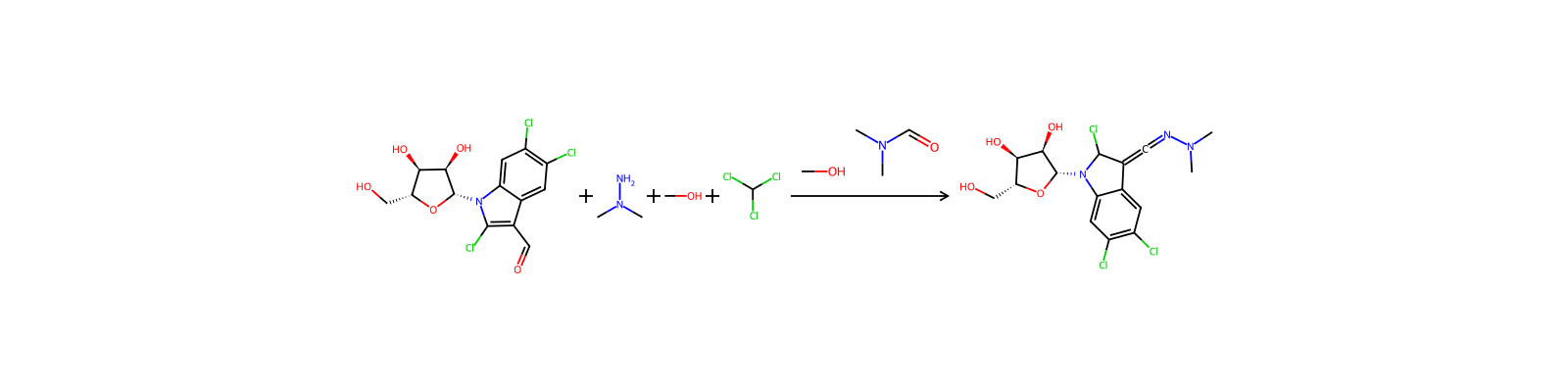
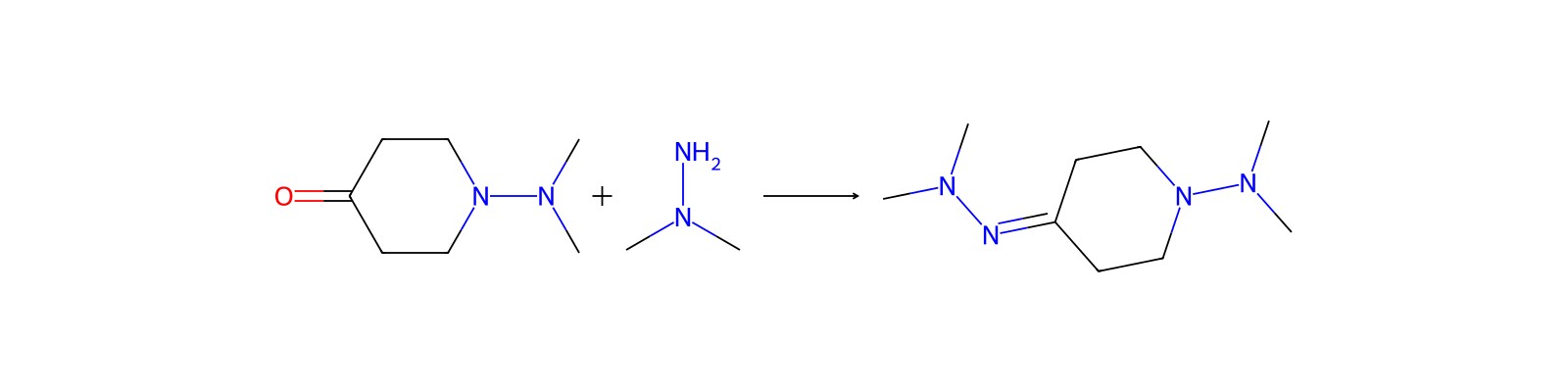
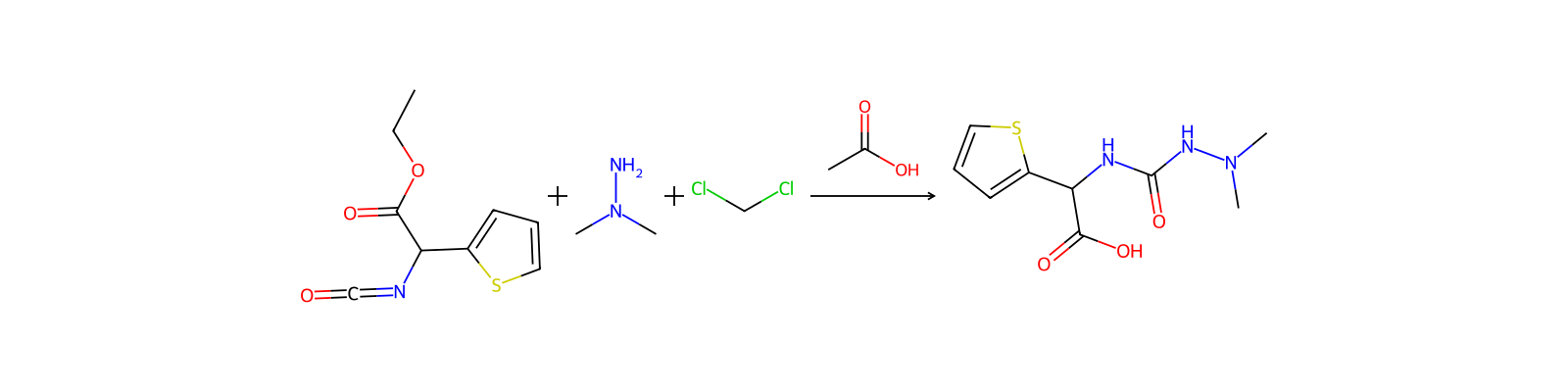
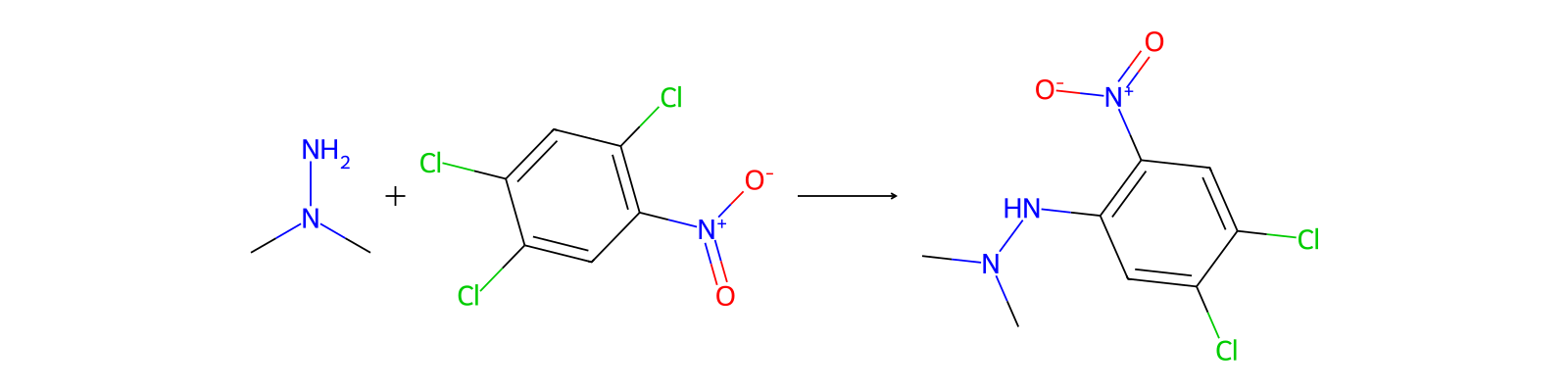
281 records


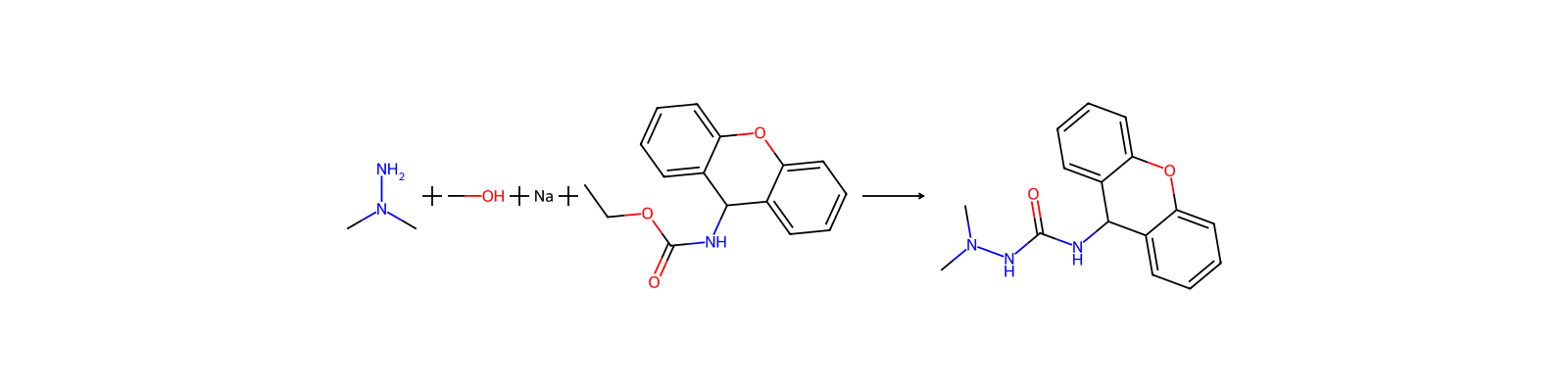

Linked notes
Loading…