
Progesterone
Completing data — refresh the page later to see the latest
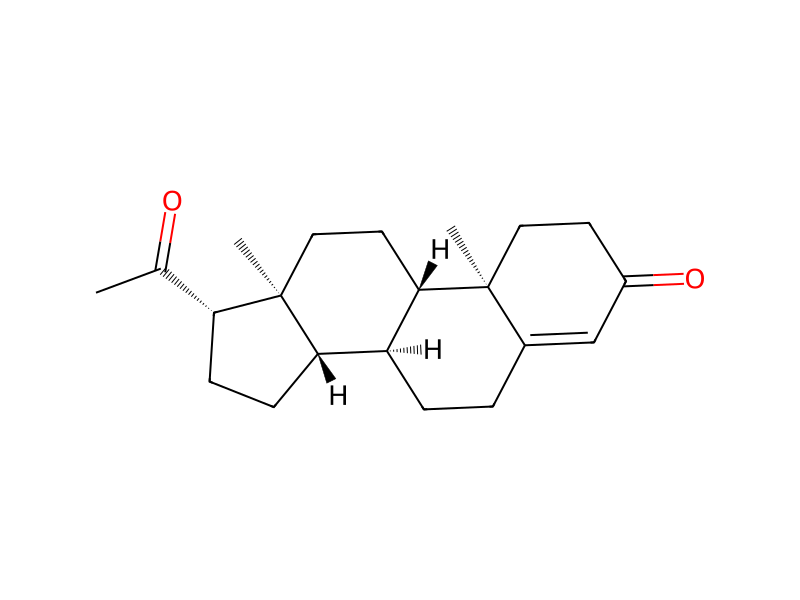
Basic information
- CAS
57-83-0- Standard SMILES
CC(=O)[C@H]1CC[C@H]2[C@@H]3CCC4=CC(=O)CC[C@]4(C)[C@H]3CC[C@]12C- InChIKey
RJKFOVLPORLFTN-LEKSSAKUSA-N- Molecular formula
- C21H30O2
- Average molar mass
- 314.5 g/mol
- Monoisotopic mass
- 314.2245802
Overview
Progesterone can cause cancer according to an independent committee of scientific and health experts.
Names & identifiers
- Preferred name
- Progesterone
- IUPAC
- (8S,9S,10R,13S,14S,17S)-17-acetyl-10,13-dimethyl-1,2,6,7,8,9,11,12,14,15,16,17-dodecahydrocyclopenta[a]phenanthren-3-one
- English name
- Progesterone
- Molecular formula
- C21H30O2
- Molecular weight
- 314.46
Names & synonyms
progesterone57-83-0Pregn-4-ene-3,20-dioneAgolutinProgestinCrinoneUtrogestanLuteolGestormoneGlanducorpinSyngesteroneCyclogest
Show more names
LuteinProgesteronPROCYANIDINSProgestroneLutinLuteineProgProgestone
Gestone4-Pregnene-3,20-dioneCorlutinaCorluviteFlavolutanFologenonGynolutoneHormoflaveine
Database identifiers
- CAS
57-83-0- PubChem CID
- 5994
- DTXSID
DTXSID3022370- ChEMBL
CHEMBL103- ChEBI
CHEBI:17026- UNII
- 4G7DS2Q64Y
- EC Number
- 200-350-6
- Nikkaji
- J2.329I
Properties
Computed structural propertiesFilling in
- XLogP
- 3.9
- Topological polar surface area
- 34.1 Ų
- Hydrogen bond donors
- 0
- Hydrogen bond acceptors
- 2
- Rotatable bonds
- 1
- Heavy atoms
- 23
- Formal charge
- 0
- Complexity
- 589
Experimental & physicochemical properties
Chemical Classes
Carcinogens
Hormone
Drugs
Pharmaceuticals -> Listed in ZINC15
Pharmaceuticals -> Steroids
LipidsLipids -> Sterol Lipids [ST] -> Steroids [ST02] -> C21 steroids (gluco/mineralocorticoids, progestogins) and derivatives [ST0203]
CosmeticsCosmetics ingredient -> Other (Specify)
SpringerMaterials PropertiesChemical shift
LogP
log Kow = 3.87
3.87
OdorOdorless
Density
1.171 at 68 °F (NTP, 1992) - Denser than water; will sink
1.166 g/cu cm at 23 °C
1.171
Color/Form
Prisms
White crystalline powder
Exists in two crystalline forms
Solubility
less than 1 mg/mL at 66 °F (NTP, 1992)
<0.1 g/100 mL at 19 ºC
Sol in alcohol, acetone, dioxane /beta-Progesterone/
Soluble in alcohol, acetone, dioxane, concentrated sulfuric acid; sparingly soluble in vegetable oils
In double-distilled water, 9.12 mg/L
In water, 8.81 mg/L at 25 °C
Human Drugs
Breast Feeding; Lactation; Milk, Human; Hormones; Progesterone Congeners
FDA approved drugs -> Active ingredient
FDA approved drugs -> Active ingredient
Animal Drugs
Active Ingredients (Progesterone) -> FDA Greenbook
Pharmaceuticals -> UK Veterinary Medicines Directorate List
Pharmaceuticals -> Animal Drugs -> Approved in Taiwan
Physicochemical properties
- Melting point
- 128 · 128-132 °C (lit.)
- alpha
- 186 · 186 º (c=1, ethanol)
- Boiling point
- 394.13 °C · 394.13°C (rough estimate)
- Density
- 23 · d23 1.166; d20 1.171
- refractive index
- 182 ° · 182 ° (C=2, Dioxane)
- Flash point
- 2 ℃ · 2℃
- storage temp.
- room temp
- solubility
- 2 O: · H2O: 25 mg/mL, may be clear to slightly hazy
- form
- powder
- color
- Yellow to yellow-brown
- biological source
- synthetic (organic)
- Water Solubility
- 0.1 g/100 · <0.1 g/100 mL at 19 ºC
- Merck
- 7773 · 7773
- BRN
- 1915950 · 1915950
- Henry's Law Constant
- 1.5 · 1.5×102 mol/(m3Pa) at 25℃, HSDB (2015)
- BCS Class
- 4 · 4
- Stability
- Stable. Incompatible with strong oxidizing agents.
- Major Application
- pharmaceutical (small molecule)
- Cosmetics Ingredients Functions
- SKIN CONDITIONING
- InChI
- 1S/C21H30O2/c1-13(22)17-6-7-18-16-5-4-14-12-15(23)8-10-20(14,2)19(16)9-11-21(17,18)3/h12,16-19H,4-11H2,1-3H3/t16-,17+,18-,19-,20-,21+/m0/s1
- InChIKey
- RJKFOVLPORLFTN-LEKSSAKUSA-N
- SMILES
- CC(=O)[C@H]1CC[C@H]2[C@@H]3CCC4=CC(=O)CC[C@]4(C)[C@H]3CC[C@]12C
- LogP
- 3.87 · 3.870
- CAS DataBase Reference
- 57 · 57-83-0(CAS DataBase Reference)
- FDA 21 CFR
- 556.54 · 556.540
- EWG's Food Scores
- 4 · 4-7
- NCI Dictionary of Cancer Terms
- progesterone; progestin
- FDA UNII
- 4 G7DS2Q64Y · 4G7DS2Q64Y
- NCI Drug Dictionary
- Lutex
- ATC code
- 3 DA04 · G03DA04
- Proposition 65 List
- Progesterone
- NIST Chemistry Reference
- Progesterone(57-83-0)
- EPA Substance Registry System
- Progesterone (57-83-0)
- UNSPSC Code
- 51111800 · 51111800
- NACRES
- 77 · NA.77
- Symbol(GHS)
- 8 · GHS08
- Signal word
- Danger
- Hazard statements
- 351 · H351-H360FD-H362
- Precautionary statements
- 202 · P202-P260-P263-P264-P270-P308+P313
- PPE
- 3 · Eyeshields, Gloves, type P3 (EN 143) respirator cartridges
- Hazard Codes
- Xn,T,F
- Risk Statements
- 40 · 40-45-62-36-20/21/22-11
- Safety Statements
- 36 · 36/37-45-53-16
- RIDADR
- 1648 · UN 1648 3 / PGII
- WGK Germany
- 3 · 3
- RTECS
- 175000 · TW0175000
- TSCA
- TSCA listed
- HS Code
- 29372390 · 29372390
- Storage Class
- 6.1 C · 6.1C - Combustible acute toxic Cat.3toxic compounds or compounds which causing chronic effects
- Hazard Classifications
- 2 Lact.Repr · Carc. 2Lact.Repr. 1A
- Hazardous Substances Data
- 57 · 57-83-0(Hazardous Substances Data)
- Toxicity
- 50 intraperitoneal · LD50 intraperitoneal in rat: 327mg/kg
- REACH Registrations
- Inactive
Safety & regulation
Safety information is for reference only and does not replace the supplier’s Safety Data Sheet (SDS), applicable regulations, or professional assessment.
GHS classification
GHS Classification
Danger
H350 (12.2%): May cause cancer [Danger Carcinogenicity]
P203, P260, P263, P264, P270, P273, P280, P318, P391, P405, and P501 (click each P-code to see the statement)
Aggregated GHS information provided per 271 reports by companies from 18 notifications to the ECHA C&L Inventory. Each notification may be associated with multiple companies.
Hazard information
Regulatory Information
Hazard Traits - Carcinogenicity
Directive (EC) No 74/2003
Status: Cease Manufacture Update: 21-07-2010 https://echa.europa.eu/registration-dossier/-/registered-dossier/12218
Progesterone: Does not have an individual approval but may be used under an appropriate group standard
The New Jersey Worker and Community Right to Know Act requires public and private employers to provide information about hazardous substances at their workplaces. (N.J.S.A. 34:5A-1 et. seq.)
Other Safety InformationIMAP assessments - Pregn-4-ene-3,20-dione: Human health tier I assessment
Fire HazardsFlash point data for this compound are not available; however, it is probably combustible. (NTP, 1992)
Health HazardsACUTE/CHRONIC HAZARDS: This chemical may be absorbed through the skin. (NTP, 1992)
FDA Requirements
No residues of progesterone are permitted in excess of the following increments above the concentrations of progesterone naturally present in untreated animals: (a) In uncooked edible tissues of steers and calves: (1) 3 parts per billion for muscle. (2) 12 parts per billion for fat. (3) 9 parts per billion for kidney. (4) 6 parts per billion for liver. (b) In uncooked edible tissues of lambs: (1) 3 parts per billion for muscle. (2) 15 parts per billion for fat, kidney, and liver.
Progesterone and estradiol benzoate. Conditions of use in cattle. It is used for implantation as follows: (1) Suckling beef calves ... For increased rate of weight gain ... (2) Steers ... For increased rate of weight gain and improved feed efficiency ... (3) Steers fed in confinement for slaughter ... For additional improvement in rate of weight gain.
Progesterone intravaginal inserts. ... (1) Cows ... (A) For synchronization of estrus in suckled beef cows and replacement beef and dairy heifers; for advancement of first postpartum estrus in suckled beef cows; and for advancement of first pubertal estrus in replacement beef heifers. (B) For synchronization of estrus in lactating dairy cows. (C) For synchronization of the return to estrus in lactating dairy cows inseminated at the immediately preceding estrus. ... (2) Ewes ... For induction of estrus in ewes (sheep) during seasonal anestrus.
The Approved Drug Products with Therapeutic Equivalence Evaluations identifies currently marketed prescription drug products, including progesterone, approved on the basis of safety and effectiveness by FDA under sections 505 of the Federal Food, Drug, and Cosmetic Act.
The Generic Animal Drug and Patent Restoration act requires that each sponsor of an approved animal drug must submit to the FDA certain information regarding patents held for the animal drug or its method of use. The Act requires that this information, as well as a list of all animal drug products approved for safety and effectiveness, be made available to the public. Progesterone is included on this list.
Reactive GroupKetones
Special Reports
National Toxicology Program. Eleventh Report on Carcinogens (2005). The Report on Carcinogens is an informational scientific and public health document that identifies and discusses substances (including agents, mixtures, or exposure circumstances) that may pose a carcinogenic hazard to human health. Progesterone (57-83-0) is listed as reasonably anticipated to be a human carcinogen.[Available from, as of July 31, 2009: http://ntp.niehs.nih.gov/ntp/roc/eleventh/profiles/s152prog.pdf]
Reactivity ProfilePROGESTERONE is sensitive to light (NTP, 1992).
Air and Water ReactionsInsoluble in water.
Hazard Classes and Categories
Carc. 1B (12.2%)
Carcinogens
Hazardous Reactivities and IncompatibilitiesA carcinogen.
Safety & protection
Fire FightingFires involving this material can be extinguished with a foam, carbon dioxide or Halon extinguisher. (NTP, 1992)
First Aid
EYES: First check the victim for contact lenses and remove if present. Flush victim's eyes with water or normal saline solution for 20 to 30 minutes while simultaneously calling a hospital or poison control center. Do not put any ointments, oils, or medication in the victim's eyes without specific instructions from a physician. IMMEDIATELY transport the victim after flushing eyes to a hospital even if no symptoms (such as redness or irritation) develop.
Storage ConditionsParenteral progesterone preparations, progesterone capsules, progesterone vaginal inserts, and progesterone vaginal gel should be stored at 15-30 °C.
Nonfire Spill Response
SMALL SPILLS AND LEAKAGE: If a spill of this chemical occurs, FIRST REMOVE ALL SOURCES OF IGNITION, then you should dampen the solid spill material with acetone and transfer the dampened material to a suitable container. Use absorbent paper dampened with acetone to pick up any remaining material. Seal your contaminated clothing and the absorbent paper in a vapor-tight plastic bag for eventual disposal. Solvent wash all contaminated surfaces with acetone followed by washing with a soap and water solution. Do not reenter the contaminated area until the Safety Officer (or other responsible person) has verified that the area has been properly cleaned.
Disposal Methods
SRP: Expired or waste pharmaceuticals shall carefully take into consideration applicable DEA, EPA, and FDA regulations. It is not appropriate to dispose by flushing the pharmaceutical down the toilet or discarding to trash. If possible return the pharmaceutical to the manufacturer for proper disposal being careful to properly label and securely package the material. Alternatively, the waste pharmaceutical shall be labeled, securely packaged and transported by a state licensed medical waste contractor to dispose by burial in a licensed hazardous or toxic waste landfill or incinerator.
SRP: At the time of review, regulatory criteria for small quantity disposal are subject to significant revision, however, household quantities of waste pharmaceuticals may be managed as follows: Mix with wet cat litter or coffee grounds, double bag in plastic, discard in trash.
Allowable Tolerances
No residues of progesterone are permitted in excess of the following increments above the concentrations of progesterone naturally present in untreated animals: (a) In uncooked edible tissues of steers and calves: (1) 3 parts per billion for muscle. (2) 12 parts per billion for fat. (3) 9 parts per billion for kidney. (4) 6 parts per billion for liver. (b) In uncooked edible tissues of lambs: (1) 3 parts per billion for muscle. (2) 15 parts per billion for fat, kidney, and liver.
Personal Protective Equipment (PPE)
RECOMMENDED RESPIRATOR: Where the neat test chemical is weighed and diluted, wear a NIOSH-approved half face respirator equipped with a combination filter cartridge, i.e. organic vapor/acid gas/HEPA (specific for organic vapors, HCl, acid gas, SO2 and a high efficiency particulate filter). (NTP, 1992)
Toxicology
Interactions
Progesterone has been shown to increase cocaine's cardiovascular toxicity in sheep and rats. To determine whether progesterone enhances the lethality of cocaine, 50 non-pregnant female rats were treated with 8 mg/kg/day im progesterone for 3 days, and 45 non-pregnant control rats were given im injections of vehicle (peanut oil, benzoylbenzoate, and phenol). A third group consisted of 21 untreated d16 pregnant rats. On day 3 of injections, rats received one ip injection of cocaine at a dose between 25-75 mg/kg, and were observed for seizures and/or death. Three dose-response curves were constructed using logistic regression analysis. All 51 rats who died did so within 17 minutes, and 49 of these deaths were preceded by sudden seizures. Mean time-to-seizure and time-to-death did not significantly differ among groups. Serum progesterone levels (ng/ml + or - standard error of measurement) were significantly different: 23 + or - 2.3 (control), 102 + or - 9.9 (progesterone treated), and 144 + or - 11.5 (untreated pregnant). Logistic regression dose/fatality curves for the three groups were not significantly different based on the chi-square and likelihood ratio test (p= 0.81). The LD50s in mg/kg ip (95% confidence interval) were (control) 54.8 (49.6-60.5) (progesterone treated) 56.5 (50.3-63.6), and (untreated pregnant) 51.8 (42.2-63.5). Curves of cocaine dose vs isolated seizures plus deaths were not different between control and progesterone treated groups. Though progesterone enhances cocaine's cardiac toxicity, it does not increase the risk of death from acute cocaine exposure in rats.
The effects of progesterone treatment on bupivacaine arrhythmogenicity in beating rat heart myocyte cultures and on anesthetized rats were determined. After determining the bupivacaine AD50 (the concentration of bupivacaine that caused 50% of all beating rat heart myocyte cultures to become arrhythmic), the effect of 1 hr progesterone hydrogen chloride exposure on myocyte contractile rhythm was determined. Each concentration of progesterone (6.25, 12.5, 25, and 50 ug/ml) caused a significant and concentration dependent reduction in the AD50 for bupivacaine. Estradiol treatment also increased the arrhythmogenicity of bupivacaine in myocyte cultures, but was only one fourth as potent as progesterone. Neither progesterone nor estradiol effects on bupivacaine arrhythmogenicity were potentiated by epinephrine. Chronic progesterone pretreatment (5 mg/kg/day for 21 days) caused a significant increase in bupivacaine arrhythmogenicity in intact pentobarbital anesthetized rats. There was a significant decrease in the time to onset of arrhythmia as compared with control nonprogesterone treated rats (6.2 + or - 1.3 vs 30.8 + or - 2.5 min, mean + or - standard error). The results of this study indicate that progesterone can potentiate bupivacaine arrhythmogenicity both in vivo and in vitro. Potentiation of bupivacain arrhythmia in myocyte cultures suggests that this effect is at least partly mediated at the myocyte level.
10 mg progesterone injected sc twice weekly into 52 rabbits exposed to vaginal strings containing 3-methylcholanthrene did not affect incidence of vaginal tumors occurring within 20 months, incidences being 5/23 in controls compared with 4/30 in treated animals.
Decreased efficacy of some progestins, ... has been suggested to be caused by enhanced metabolism of the progestins by these drugs /hepatic enzyme inducing medications, such as: carbamazepine, phenobarbital, phenytoin, rifabutin, rifampin/. /Progestins/
For more Interactions (Complete) data for PROGESTERONE (6 total), please visit the HSDB record page.
Health EffectsChronically high levels of progesterone are associated with at least 3 inborn errors of metabolism including: Congenital adrenal hyperplasia, Adrenal Hyperplasia Type 3 and Adrenal hyperplasia type 5.
Ecotoxicity Values
EC50; Species: Strongylocentrotus purpuratus (Purple Sea Urchin, age 1 hr postfertilization embryo); Conditions: saltwater, static, 17 °C; Concentration: 546.6 ug/L for 95 hr (95% confidence interval: 363.1-745.9 ug/L); Effect: increased abnormal development /100% purity/
Environmental Fate
TERRESTRIAL FATE: Based on a classification scheme(1), an estimated Koc value of 2,800(SRC), determined from a log Kow of 3.87(2) and a regression-derived equation(3), indicates that progesterone is expected to have slight mobility in soil(SRC). Volatilization of progesterone from moist soil surfaces is not expected to be an important fate process(SRC) given an estimated Henry's Law constant of 6.5X10⁻⁸ atm-cu m/mole(SRC), using a fragment constant estimation method(4). Progesterone is not expected to volatilize from dry soil surfaces(SRC) based upon an estimated vapor pressure of 3.6X10⁻⁴ mm Hg at 25 °C(SRC), determined from a fragment constant method(5). Biodegradation data were not available(SRC, 2011).
AQUATIC FATE: Based on a classification scheme(1), an estimated Koc value of 2,800(SRC), determined from a log Kow of 3,87(2) and a regression-derived equation(3), indicates that progesterone is expected to adsorb to suspended solids and sediment(SRC). Volatilization from water surfaces is not expected(4) based upon an estimated Henry's Law constant of 6.5X10⁻⁸ atm-cu m/mole(SRC), developed using a fragment constant estimation method(5). According to a classification scheme(6), an estimated BCF of 170(SRC), from its log Kow(2) and a regression-derived equation(3), suggests the potential for bioconcentration in aquatic organisms is moderate(SRC). Biodegradation data were not available(SRC, 2011).
ATMOSPHERIC FATE: According to a model of gas/particle partitioning of semivolatile organic compounds in the atmosphere(1), progesterone, which has an estimated vapor pressure of 3.6X10⁻⁴ mm Hg at 25 °C(SRC), determined from a fragment constant method(2), will exist in both the vapor and particulate phases in the ambient atmosphere. Vapor-phase progesterone is degraded in the atmosphere by reaction with photochemically-produced hydroxyl radicals(SRC); the half-life for this reaction in air is estimated to be 1.2 hrs(SRC), calculated from its rate constant of 1.0X10⁻¹⁰ cu cm/molecule-sec at 25 °C(SRC) that was derived using a structure estimation method(3). Particulate-phase progesterone may be removed from the air by wet or dry deposition(SRC). Progesterone exhibits a lambda max of 240 nm(4) and absorbs light at wavelengths of 290 nm; therefore it may be susceptible to direct photolysis by sunlight(SRC).
Exposure RoutesProgesterone absorption is prolonged with an absorption half-life of approximately 25-50 hours.
Milk Concentrations
Progestins are reportedly distributed into milk. The possible effects of progestins in milk on nursing infants have not been determined. /Progestins General Statement/
EXPERIMENTAL: Women who received 6 subdermal implants containing 100 mg each of progesterone between days 30 to 35 postpartum for contraception had milk progesterone levels measured. Milk progesterone levels were 5.7 ug/L in 6 women at 3 to 4 months postpartum and 6.3 ug/L in 7 women at 9 to 12 months postpartum. By comparison, 9 women who received a Copper T intrauterine device had negligible progesterone levels. The authors estimated that infants would receive about 5 ug of progesterone daily through breastmilk
Toxicity Summary
Progesterone shares the pharmacological actions of the progestins. Progesterone binds to the progesterone and estrogen receptors. Target cells include the female reproductive tract, the mammary gland, the hypothalamus, and the pituitary. Once bound to the receptor, progestins like Progesterone will slow the frequency of release of gonadotropin releasing hormone (GnRH) from the hypothalamus and blunt the pre-ovulatory LH (luteinizing hormone) surge. In women who have adequate endogenous estrogen, progesterone transforms a proliferative endometrium into a secretory one. Progesterone is essential for the development of decidual tissue and is necessary to increase endometrial receptivity for implantation of an embryo. Once an embryo has been implanted, progesterone acts to maintain the pregnancy. Progesterone also stimulates the growth of mammary alveolar tissue and relaxes uterine smooth muscle. It has little estrogenic and androgenic activity.
Plant Concentrations
Previously, the presence of a wide variety of chemically diverse steroids has been identified in both flora and fauna. Despite the relatively small differences in chemical structures and large differences in physiological function of steroids, new discoveries indicate that plants and animals are more closely related than previously thought. In this regard, the present study gathers supporting evidence for shared phylogenetic roots of structurally similar steroids produced by these two eukaryotic taxa. Definitive proof for the presence of progesterone in a vascular plant, Juglans regia /Walnut tree/ is provided. Additional evidence is gleaned from the characterization of five new plant steroids from Adonis aleppica /Ranunculaceae/: three 3-O-sulfated pregnenolones, a sulfated H-5beta carbenolide, strophanthidin-3-O-sulfate, and spirophanthigenin, a novel C-18 oxygenated spirocyclic derivative of strophanthidin. The ab initio isolation and structure elucidation (NMR, MS) of these genuine minor plant steroids offers information on preparative metabolomic profiling at the ppm level and provides striking evidence for the conserved structural space of pregnanes and its congeners across the phylogenetic tree.
Effluent Concentrations
Progesterone was estimated as present at a concentration of 3 ng/L in runoff water from agricultural fields irrigated with treated wastewater. The fields are located in the Calleguas Creek watershed in coastal Ventura County, southern California and sampled from July 1990 - April 2000; method detection limit = 203 ng/L. It was present in applied effluent at a concentration of <10 ng/L. Progesterone was not detected in nearby streams(1). The concentration in typical raw sewage ranges from 0-0.02 ug/L(2). Progesterone was detected in effluent from the Eysines Sewage Treatment Plant (northern suburbs, Bordeaux, France) at a mean concentrations of <9.0 ng/L in July 2003 (detection limit = 9.0 ng/L)(3). Progesterone was tested for but not detected (method detection limits = 2-100 ng/L) in effluent samples from sewage treatment plants in the vicinity of Barcelona, Spain, sampled from April to June, 1999(4). It was detected in a typical dairy waste disposal system for 2000 dairy cows in San Jacinto, CA (ug/kg dry weight) as follows; fresh manure less than 2 hrs old, less than the limit of quantification; piled manure at 2 weeks, 196; not detected in 3 lagoon dams at 3 months(5).
Soil Adsorption/Mobility
The Koc of progesterone is estimated as 2,800(SRC), using a log Kow of 3.87(1) and a regression-derived equation(2). According to a classification scheme(3), this estimated Koc value suggests that progesterone is expected to have slight mobility in soil.
Natural Pollution Sources
Progesterone is the mammalian female sex hormone secreted by the corpus luteum, by the adrenal cortex, or by the placenta during pregnancy. It is believed to be the precursor of the adrenal steroid hormones(1).
PROGESTERONE IS SECRETED BY THE OVARY MAINLY FROM CORPUS LUTEUM DURING SECOND HALF OF MENSTRUAL CYCLE. ... THE FORMATION OF PROGESTERONE FROM STEROID PRECURSORS ... OCCURS IN THE OVARY, TESTIS, ADRENAL CORTEX, AND PLACENTA.
Human Toxicity Excerpts
/CASE REPORTS/ This paper presents the /a/ case of progesterone-induced cyclical erythema multiforme. The patient, 33 years of age, suffered from recurrent pruritic annular and target lesions on the hands, feet, and trunk and oral laceration from 1977-83. She had taken oral contraceptives in 1972 without adverse effects. The eruptions began in the 2nd half of the menstrual cycle, worsened through the luteal phase, and were at their most florid on days 2-4 of menstrution. There was no relationship to estrogen levels; however, the postovulatory progesterone peak, as indicated by serial serum progesterone levels, corresponded to the initiation of eruptions. Erythema multiforme was induced within 48 hours by intramuscular injection of 10 mg progesterone or 10 mg medroxyprogesterone; this further evoked a rise in circulating immune complexes for 48 hours. There was no indication that the erythema multiforme was associated with menstrual-linked herpes simplex or the use of analgesics during menstruation. Autoimmune progesterone dermatitis is often associated with prior exposure to synthetic progesterones, as in this case. It has been suggested that the synthetic progesterone acts as a stimulus for antibodies which cross-react with natural progesterone. The antiestrogen tamoxifern was used successfully in this case and is a valuable alternative to treatment with oophorectomy.
/CASE REPORTS/ /The authors/ report a case of acquired sideroblastic anaemia precipitated by progesterone. On two separate occasions, over 15 years apart, the patient developed sideroblastic anaemia with iron overload shortly after the administration of progesterone. No other cause for sideroblastic anaemia was found, and treatment with folic acid, pyridoxine or androgens corrected the anaemia. In both instances removal of the progestational agent led to prompt disappearance of the anaemia as well as the ringed sideroblasts. Using a two-phase liquid culture procedure in which human peripheral blood-derived progenitor cells undergo erythroid proliferation and differentiation, /investigators/ demonstrated enhanced sensitivity of the patient's erythroid progenitors to progesterone.
/CASE REPORTS/ Micronized natural progesterone is often prescribed alone or in association with beta-agonists in the treatment of preterm labor in France. /The authors/ observed drug-induced hepatitis in 4 such patients. The main manifestation of liver disease was pruritus. After drug withdrawal, elevated transaminase levels continued to rise for one week then normalized within 10 to 30 days. The imputability of this undesirable effect was assessed and considered to be likely. The effectiveness of micronized natural progesterone in the prevention of premature delivery and in decreasing perinatal mortality and morbidity has not yet been proven. This drug should therefore be used with care, keeping in mind the risk of hepatitis, particularly in patients presenting with pruritus.
/CASE REPORTS/ /The authors/ present a case of autoimmune progesterone anaphylaxis (AIPA) observed in an adolescent female. The patient is an 18-year-old Caucasian female with no significant past medical history and no prior exogenous hormone use, who presented to her primary care physician complaining of cyclic skin eruptions with dyspnea, cough and respiratory distress. She noted that her symptoms occurred monthly, just prior to her menses. An intradermal skin test using 0.1 cml /(sic)/ of progesterone was performed. The patient developed a 15 mm wheal after 15 minutes, confirming the diagnosis of AIPA. The patient was started on a continuous regimen of an oral conjugated estrogen (0.625 mg). The skin eruptions and respiratory symptoms have not returned since the initiation of this therapy. Autoimmune progesterone dermatitis manifests via the occurrence of cyclic skin eruptions. Women with the disorder commonly present with dermatologic lesions in the luteal phase of the menstrual cycle, if there are any other organ involvement in addition to skin (e.g. lung, GI) the reaction should be called as autoimmune progesterone anaphylaxis. Diagnosis of AIPA is confirmed by performing a skin allergen test using progesterone.
For more Human Toxicity Excerpts (Complete) data for PROGESTERONE (14 total), please visit the HSDB record page.
Regulatory information
FDA Requirements
No residues of progesterone are permitted in excess of the following increments above the concentrations of progesterone naturally present in untreated animals: (a) In uncooked edible tissues of steers and calves: (1) 3 parts per billion for muscle. (2) 12 parts per billion for fat. (3) 9 parts per billion for kidney. (4) 6 parts per billion for liver. (b) In uncooked edible tissues of lambs: (1) 3 parts per billion for muscle. (2) 15 parts per billion for fat, kidney, and liver.
Progesterone and estradiol benzoate. Conditions of use in cattle. It is used for implantation as follows: (1) Suckling beef calves ... For increased rate of weight gain ... (2) Steers ... For increased rate of weight gain and improved feed efficiency ... (3) Steers fed in confinement for slaughter ... For additional improvement in rate of weight gain.
Progesterone intravaginal inserts. ... (1) Cows ... (A) For synchronization of estrus in suckled beef cows and replacement beef and dairy heifers; for advancement of first postpartum estrus in suckled beef cows; and for advancement of first pubertal estrus in replacement beef heifers. (B) For synchronization of estrus in lactating dairy cows. (C) For synchronization of the return to estrus in lactating dairy cows inseminated at the immediately preceding estrus. ... (2) Ewes ... For induction of estrus in ewes (sheep) during seasonal anestrus.
The Approved Drug Products with Therapeutic Equivalence Evaluations identifies currently marketed prescription drug products, including progesterone, approved on the basis of safety and effectiveness by FDA under sections 505 of the Federal Food, Drug, and Cosmetic Act.
The Generic Animal Drug and Patent Restoration act requires that each sponsor of an approved animal drug must submit to the FDA certain information regarding patents held for the animal drug or its method of use. The Act requires that this information, as well as a list of all animal drug products approved for safety and effectiveness, be made available to the public. Progesterone is included on this list.
Safety data
- PPE
- Eyeshields, Gloves, type P3 (EN 143) respirator cartridges
- wgk
- 3
- tsca
- TSCA listed
- rtecs
- TW0175000
- ridadr
- UN 1648 3 / PGII
- hs_code
- 29372390
- Toxicity
- LD50 intraperitoneal in rat: 327mg/kg
- risk_code
- 40-45-62-36-20/21/22-11
- Signal word
- Danger
- Symbol(GHS)
- GHS08
- hazard_code
- Xn,T,F
- safety_code
- 36/37-45-53-16
- Storage Class
- 6.1C - Combustible acute toxic Cat.3toxic compounds or compounds which causing chronic effects
- Hazard statements
- H351-H360FD-H362
- REACH Registrations
- Inactive
- Hazard Classifications
- Carc. 2Lact.Repr. 1A
- Precautionary statements
- P202-P260-P263-P264-P270-P308+P313
- Hazardous Substances Data
- 57-83-0(Hazardous Substances Data)
Chemistry & industry
Pharmacology
ATC Code
G03DA04
G - Genito urinary system and sex hormones
QG - Genito urinary system and sex hormones
Protein Binding96%-99% bound to serum proteins, primarily to serum albumin (50%-54%) and transcortin (43%-48%).
Pharmacodynamics
Progesterone, depending on concentration and dosage form, and timing of exposure may have several pharmacodynamic effects. These actions, according, to various preparations, are listed below: General effects Progesterone is the main hormone of the corpus luteum and the placenta. It acts on the uterus by changing the proliferative phase to the secretory phase of the endometrium (inner mucous lining of the uterus). This hormone, stimulated by a hormone called _luteinizing hormone_ (LH) is the main hormone during the secretory phase to prepare the corpus luteum and the endometrium for implantation of a fertilized ovum. As the luteal phase concludes, the progesterone hormone sends negative feedback to the anterior pituitary gland in the brain to decrease FSH (follicle stimulating hormone) and LH (luteinizing hormone) levels. This prevents ovulation and maturation of oocytes (immature egg cells). The endometrium then prepares for pregnancy by increasing its vascularity (blood vessels) and stimulating mucous secretion. This process occurs by progesterone stimulating the endometrium to decrease endometrial proliferation, leading to a decreased uterine lining thickness, developing more complex uterine glands, collecting energy in the form of glycogen, and providing more uterine blood vessel surface area suitable for supporting a growing embryo. As opposed to cervical mucous changes observed during the proliferative phase and ovulation, progesterone decreases and thickens the cervical mucus, rendering it less elastic. This change occurs because the fertilization time period has passed, and a specific consistency of mucous amenable to sperm entry is no longer required. **Gelatinized capsules** Progesterone capsules are an oral dosage form of micronized progesterone which, chemically identical to progesterone of ovarian origin. Progesterone capsules have all the properties of endogenous progesterone with induction of a secretory phase endometrium with gestagenic, antiestrogenic, slightly antiandrogenic and anti-aldosterone effects. Progesterone opposes the effects of estrogen on the uterus, and is beneficial in women with unopposed estrogen exposure, which carries an increased risk of malignancy. **Vaginal gel and vaginal insert** The gel preparation mimics the effects of naturally occurring progesterone. In the presence of adequate levels of estrogen, progesterone converts a proliferative endometrium into secretory endometrium. This means that the endometrium changes from a growing and thickening stage into a subsequent preparation stage for pregnancy, which involves further preparatory changes. Progesterone is necessary for the development of decidual tissue (specialized tissue amenable to supporting a possible pregnancy). Progesterone is required to increase endometrial receptivity for the implantation of a fertilized embryo. Once an embryo is implanted, progesterone helps to maintain the pregnancy. **Injection (intramuscular)** Intramuscularly injected progesterone increases serum progesterone and aids in the prevention of endometrial tissue overgrowth due to unopposed estrogen (which leads to abnormal uterine bleeding and sometimes uterine cancer),. In the absence or deficiency of progesterone, the endometrium continually proliferates, eventually outgrowing its limited blood supply, shedding incompletely, and leading to abnormal and/or profuse bleeding as well as malignancy. **Tablets, contraceptive** Progesterone-only contraceptive tablets prevent conception by suppressing ovulation in about half of users, causing a thickening of cervical mucus to inhibit sperm movement, lowering the midcycle LH and FSH hormone peaks, slowing the movement of the ovum through the fallopian tubes, and causing secretory changes in the endometrium as described above.
Mechanism of Action
Progesterone binds and activates its nuclear receptor, _PR_, which plays an important part in the signaling of stimuli that maintain the endometrium during its preparation for pregnancy. Progesterone receptor (PR) is a member of the nuclear/steroid hormone receptor (SHR) family of ligand-dependent transcription factors that is expressed primarily in female reproductive tissue as well as the central nervous system. As a result of its binding its associated steroid hormone, progesterone, the progesterone receptor (PR) modulates the expression of genes that regulate the development, differentiation, and proliferation of target tissues. In humans, PR is found to be highly expressed in the stromal (connective tissue) cells during the secretory phase and during pregnancy. Progesterone may prevent pregnancy by changing the consistency of cervical mucus to be unfavorable for sperm penetration, and by inhibiting follicle-stimulating hormone (FSH), which normally causes ovulation. With perfect use, the first-year failure rate for progestin-only oral contraceptives is approximately 0.5%. The typical failure rate, however, is estimated to be approximately 5%, due to late or missed pills.
Progesterone is a progestinic hormone secreted mainly from the corpus luteum of the ovary during the latter half of the menstrual cycle. Progesterone is formed from steroid precursors in the ovary, testis, adrenal cortex, and placenta. Luteinizing hormone (LH) stimulates the synthesis and secretion of progesterone from the corpus luteum. Progesterone is necessary for nidation (implantation) of the ovum and for maintenance of pregnancy. Although the hormone is secreted mainly during the luteal phase of the menstrual cycle, small amounts of progesterone are also secreted during the follicular phase. High concentrations of the hormone are secreted during the latter part of pregnancy. Amounts comparable to those secreted in women during the follicular phase have been shown to be secreted in males.
Progesterone shares the pharmacologic actions of the progestins. In women with adequate endogenous estrogen, progesterone transforms a proliferative endometrium into a secretory one. The abrupt decline in the secretion of progesterone at the end of the menstrual cycle is principally responsible for the onset of menstruation. Progesterone also stimulates the growth of mammary alveolar tissue and relaxes uterine smooth muscle. Progesterone has minimal estrogenic and androgenic activity.
Progesterone released during the luteal phase of the cycle decreases estrogen driven endometrial proliferation and leads to the development of a secretory endometrium ... . The abrupt decline in the release of progesterone from the corpus luteum at the end of the cycle is the main determinant of the onset of menstruation. If the duration of the luteal phase is artificially lengthened, either by sustaining luteal function or by treatment with progesterone, decidual changes in the endometrial stroma similar to those seen in early pregnancy can be induced. Under normal circumstances, estrogen antecedes and accompanies progesterone in its action upon the endometrium and is essential to the development of the normal menstrual pattern.
Progesterone also increases the ventilatory response of the respiratory centers to carbon dioxide and leads to reduced arterial and alveolar PC02 in the luteal phase of the menstrual cycle and during pregnancy. Progesterone also may have depressant and hypnotic actions in the CNS, which may account for reports of drowsiness after hormone administration.
For more Mechanism of Action (Complete) data for PROGESTERONE (12 total), please visit the HSDB record page.
Biological Half-Life
Absorption half-life is approximately 25-50 hours and an elimination half-life of 5-20 minutes (progesterone gel). Progesterone, administered orally, has a short serum half-life (approximately 5 minutes). It is rapidly metabolized to _17-hydroxyprogesterone_ during its first pass through the liver.
Due to the sustained release properties of Prochieve, progesterone absorption is prolonged with an absorption half-life of approximately 25-50 hours, and an elimination half-life of 5-20 minutes. Therefore, the pharmacokinetics of Prochieve are rate-limited by absorption rather than by elimination.
The elimination half life of progesterone is approximately 5 minutes ...
Progesterone has a short plasma half-life of several minutes.
Metabolism/Metabolites
Progesterone is mainly metabolized by the liver. After oral administration, the major plasma metabolites found are 20 a hydroxy-Δ4 a-prenolone and 5 a-dihydroprogesterone. Some progesterone metabolites are found excreted in the bile and these metabolites may be deconjugated and subsequently metabolized in the gut by reduction, dehydroxylation, and epimerization. The major plasma and urinary metabolites are comparable to those found during the physiological progesterone secretion of the corpus luteum.
Progesterone undergoes both biliary and renal elimination. Following an injection of labeled progesterone, 50-60% of the excretion of progesterone metabolites occurs via the kidney; approximately 10% occurs via the bile and feces, the second major excretory pathway.
Progesterone is metabolized primarily by the liver largely to pregnanediols and pregnanolones. Pregnanediols and pregnanolones are conjugated in the liver to glucuronide and sulfate metabolites. Progesterone metabolites which are excreted in the bile may be deconjugated and may be further metabolized in the gut via reduction, dehydroxylation, and epimerization.
The major urinary metabolite of oral progesterone is 5beta-pregnan-3alpha, 20alpha-diol glucuronide which is present in plasma in the conjugated form only. Plasma metabolites also include 5beta-pregnan-3alpha-ol-20-one (5beta-pregnanolone) and 5alpha-pregnan-3alpha-ol-20-one (5beta-pregnanolone).
The hormone is reduced to pregnanediol in the liver and conjugated with glucuronic acid, and then excreted mainly in urine.
For more Metabolism/Metabolites (Complete) data for PROGESTERONE (9 total), please visit the HSDB record page.
FDA Pharmacological Classification
4G7DS2Q64Y
PROGESTERONE
Chemical Structure [CS] - Progesterone
Established Pharmacologic Class [EPC] - Progesterone
Progesterone is a Progesterone.
PROGESTERONE
MeSH Pharmacological Classification
Drugs that interrupt transmission at the skeletal neuromuscular junction without causing depolarization of the motor end plate. They prevent acetylcholine from triggering muscle contraction and are used as muscle relaxants during electroshock treatments, in convulsive states, and as anesthesia adjuvants.
Compounds that interact with PROGESTERONE RECEPTORS in target tissues to bring about the effects similar to those of PROGESTERONE. Primary actions of progestins, including natural and synthetic steroids, are on the UTERUS and the MAMMARY GLAND in preparation for and in maintenance of PREGNANCY.
Endogenous compounds or drugs that affect neuronal excitability through modulation of specific ionotropic receptors (e.g., GABA-A RECEPTORS). Endogenous neurosteroids are steroid hormones de novo synthesized by neurons and glial cells from steroid metabolite precursors (e.g., PREGNENOLONE).
Absorption, Distribution and Excretion
**Oral micronized capsules** Following oral administration of progesterone in the micronized soft-gelatin capsule formulation, peak serum concentration was achieved in the first 3 hours. The absolute bioavailability of micronized progesterone is unknown at this time. In postmenopausal women, serum progesterone concentration increased in a dose-proportional and linear fashion after multiple doses of progesterone capsules, ranging from 100 mg/day to 300 mg/day. **IM administration** After intramuscular (IM) administration of 10 mg of progesterone in oil, the maximum plasma concentrations were achieved in about 8 hours post-injection and plasma concentrations stayed above baseline for approximately 24 hours post-injection. Injections of 10, 25, and 50 mg lead to geometric mean values for maximum plasma concentration (CMAX) of 7, 28, and 50 ng/mL, respectively. Progesterone administered by the intramuscular (IM) route avoids significant first-pass hepatic metabolism. As a result, endometrial tissue concentrations of progesterone achieved with IM administration are higher when compared with oral administration. Despite this, the highest concentrations of progesterone in endometrial tissue are reached with vaginal administration. **Note on oral contraceptive tablet absorption** Serum progestin levels peak about 2 hours after oral administration of progesterone-only contraceptive tablets, followed by rapid distribution and elimination. By 24 hours after drug administration, serum levels remain near the baseline, making efficacy dependent upon strict adherence to the dosing schedule. Large variations in serum progesterone levels occur among individuals. Progestin-only administration leads to lower steady-state serum progestin levels and a shorter elimination half-life than concurrent administration with estrogens.
Progesterone metabolites are excreted mainly by the kidneys. Urinary elimination is observed for 95% of patients in the form of glycuroconjugated metabolites, primarily 3 a, 5 ß–pregnanediol (_pregnandiol_). The glucuronide and sulfate conjugates of pregnanediol and pregnanolone are excreted in the urine and bile. Progesterone metabolites, excreted in the bile, may undergo enterohepatic recycling or may be found excreted in the feces.
When administered vaginally, progesterone is well absorbed by uterine endometrial tissue, and a small percentage is distributed into the systemic circulation. The amount of progesterone in the systemic circulation appears to be of minimal importance, especially when implantation, pregnancy, and live birth outcomes appear similar for intramuscular and vaginal administration of progesterone.
**Apparent clearance** 1367 ± 348 (50mg of progesterone administered by vaginal insert once daily). 106 ± 15 L/h (50mg/mL IM injection once daily).
PROMETRIUM Capsules are an oral dosage form of micronized progesterone which is chemically identical to progesterone of ovarian origin. The oral bioavailability of progesterone is increased through micronization.
After oral administration of progesterone as a micronized soft-gelatin capsule formulation, maximum serum concentrations were attained within 3 hours. The absolute bioavailability of micronized progesterone is not known.
Tissue LocationsAdipose Tissue
Cellular LocationsCytoplasm
Metabolite Pathways11-beta-hydroxylase deficiency (CYP11B1)
Uses & manufacturing
Uses
A food additive permitted in the feed and drinking water of animals and/or for the treatment of food-producing animals. Also permitted in food for human consumption.
Lab reagent
MEDICATION
MEDICATION (VET)
Use (kg) in Switzerland (2009): >250
For progesterone supplementation or replacement as part of an Assisted Reproductive Technology (ART) treatment for infertile women with progesterone deficiency and for the treatment of secondary amenorrhea. Also used for the reduction of the incidence of endometrial hyperplasia and the attendant risk of endometrial carcinoma in postmenopausal women receiving estrogen replacement therapy, as well as treatment of abnormal uterine bleeding due to hormonal imbalance in the absence of organic pathology such as fibroids or uterine cancer.
Impurities
Reported impurities include: 21-(cyclohex-1-enyl)pregn-4-ene-3,20-dione, 21-(cyclohexylidene) pregn-4-ene-3,20-dione, (20R)-20-hydroxypregn-4-en-3-one, (20S)-20-hydroxypregn-4-en-3-one, (20R)-3-oxopregn-4-en-20-yl acetate, (20S)-3-oxopregn-4-en-20-yl acetate and pregna-4,14-diene-3,20-dione.
Methods of Manufacturing
From animal ovaries, synthesized from stigmasterol, or better from diosgenin (extracted from Dioscorea mexicana, a Mexican yam). The latter synthesis involves acetolysis, chromic acid oxidation, cleavage of the ketoester diacetate with boiling acetic acid to 16-dehydropregnenolone acetate, which on catalytic reduction yields pregnenolone acetate. Saponification of the acetate ester to the 3beta-alcohol followed by Oppenauer oxidation affords progesterone.
Two methods are available for the preparation of progesterone: (1) Selective hydrogenation of dehydropregnenolone acetate; (2) The conversion of stigmasterol...
Isolation from corpus luteum of pregnant sows.
Synthesis from other steroids such as stigmasterol.
Formulations/Preparations
Progesterone is available in an oily solution for injection, as pessaries or suppositories and as an intrauterine device.
Prochieve is available in two strengths: 4% gel (45 mg of progesterone) and 8% gel (90 mg of progesterone).
PROGESTERONE INJECTION, (PROJESTAJECT, OTHERS) CONTAINS 25 TO 100 MG PROGESTERONE PER ML OF VEGETABLE OIL. ... AQUEOUS SUSPENSIONS OF PROGESTERONE ARE PARTICULARLY PAINFUL & ARE SELDOM USED. ... PROGESTERONE IS ALSO AVAILABLE IN A T-SHAPED INTRAUTERINE CONTRACEPTIVE DEVICE THAT PROVIDES CONTINUOUS DELIVERY OF PROGESTERONE IN THE UTERINE CAVITY FOR 1 YR. THIS IS MARKETED UNDER THE NAME OF PROGESTASERT AND CONTAINS 38 MG OF PROGESTERONE.
Vials (aqueous solution and in oil), 25 mg/ml, 50 mg/ml, and 100 mg/ml. Intrauterine system, 38 mg, provides contraceptive effectiveness for a period of one year.
For more Formulations/Preparations (Complete) data for PROGESTERONE (7 total), please visit the HSDB record page.
Household ProductsCosmetics product ingredient: Progesterone
Use Classification
Animal Drugs -> FDA Approved Animal Drug Products (Green Book) -> Active Ingredients
Veterinary Drug -> PRODUCTION_AID -> JECFA Functional Classes
Veterinary Drug -> PRODUCTION_AID -> JECFA Functional Classes
Veterinary Drug -> PRODUCTION_AID -> JECFA Functional Classes
Pharmaceuticals -> Animal Drugs -> Approved in Taiwan
General Manufacturing Information
Pregn-4-ene-3,20-dione: ACTIVE
International unit (IU) of progestational activity is expressed as 1 mg of progesterone.
Hormones used topically on the skin are marketed principally as quasi-cosmetic rejuvenating creams. ... Topical preparations containing physiologic amounts of estrogens or natural progesterone have no effect on human sebaceous glands or oil secretion.
In October 1973 the US Food & Drug Administration proposed to restrict approved uses of progesterone injection to treatment of amenorrhea and of abnormal uterine bleeding due to hormonal imbalance, in absence of organic pathology such as submucous fibroids or uterine cancer.
US regulations prohibit any residues in uncooked edible tissues or by-products of lambs or steers given the drug in growth promoting implants.
Applications
DescriptionProgesterone is a hormone released by luteal cells in the ovaries which contains 21 Carbon Atoms. Progesterone is also a crucial metabolic intermediate in the production of other endogenous steroids. There are two crystal forms of progesterone, that are type-α and type-β, the two types have similar physiological activity. Type-α is precipitated from dilute ethanol as orthorhombic white prismatic crystal, while type-β is orthorhombic white needle crystal, they are both insoluble in water, but soluble in ethanol, ethyl ether, chloroform, acetone, dioxane and concentrated sulfuric acid. Progesterone can be released by the ovary, placenta and adrenal cortex. Its physiological function mainly manifests in promoting estrogen treated over thicken lining of the uterus to continue the development, proliferation and thickening and hypertrophy, soften and secretion of mucus in order to make good condition for implantation of the fertilized egg. After the implantation, early stage survival and development of fertilized egg is also under the control of the high progesterone release. As a result, progesterone is a very important hormone in the female reproductive system, and it is also an important intermediate in the biosynthesis of steroid hormones. All steroid hormone releasable glands can produce progesterone, but only ovarian and placenta can release progesterone as the main hormone. Ovarian will release large amount of progesterone in the luteal phase after ovulation by granulose luteal cells, so progesterone is also named as progestin. Progesterone will decrease in result of corpus luteum atrophy. For normal women, placenta will becomes the main organ maintain progesterone after 8 to 9 weeks of pregnancy, accompany with the ovary releasing until the end of pregnancy.
UsesThe main physiological effects of progesterone: 1. Progesterone can maintain the female animal pregnancy, and cause a series of physiological changes, such as inhibition of female estrus. 2. Progesterone has the power to promote the thickening of the lining of the uterus, promote the bending of the gland and to increase secretion function. 3. Progesterone can inhibit the peristalsis of the uterus, and contribute to the cervix contraction, secretion of mucus, etc.. These physiological changes provide suitable environment for the operation, growth and development of early embryos, as well as the continued growth of the fetus. 4. Small amount of progesterone is also used in combination with the hormone estrogen to promote female estrus. The synergy between progesterone and prolactin can promote the development of mammary glands. 5. Progesterone is involved in the feedback regulation of the hypothalamus and anterior pituitary, which makes the balance of the animal reproductive hormones. In vivo, progesterone content of all sorts of livestock follicular phase is below 1 ng/ml, while in bovine corpus luteum period is approximately 4 ng/ml, pregnancy period is about 18 ng/ml. 6. Formerly biochemical study shows that progesterone modulates action as progestogens, clinical for the treatment of habitual abortion, dysmenorrhea, amenorrhea and other symptoms. One of progesterone's most important functions is as hormone drugs, to promote and maintain the uterine changes in the early stage of pregnancy, used in habitual abortion, irregular menstruation, etc.. In addition, progesterone also behaves as steroid hormone drug as well as progestogens, which is used in treatment of threatened abortion.
DescriptionProgesterone, along with pregnenolone, is the biosynthetic precursor of all other steroid hormones. Progesterone is synthesized from cholesterol by the sequential action of desmolase in the mitochondria, which produces pregnenolone, followed by Δ4,5-isomerase in the outer mitochondrial membrane and smooth endoplasmic reticulum of steroid-secreting cells. Progesterone activates the human progesterone receptor with an EC50 value of 0.5 nM.
OccurrenceColchicum luteum also yields this alkaloid.
UsesProgesterone is used as a contraceptive, for amenorrhea, for premenopausal syndrome, infertility, incomplete pregnancies, and anovulatory uterine bleeding.
UsesSteroid hormone produced by the corpus luteum. Induces maturation and secretory activity of the uterine endothelium; suppresses ovulation. Progesterone is implicated in the etiology of breast cancer.This compound is a contaminant of emerging concern (CECs).
General DescriptionProgesterone, pregn-4-en-3,20-dione, is so rapidly metabolized that it is not particularlyeffective orally, being only one twelfth as active as intramuscularly.An oral formulation of micronized progesterone(Prometrium) is available. Progesterone given intramuscularlycan be very irritating. A vaginal gel containing 4% or8% progesterone offers an alternative dosage form.Progesterone was originally obtained from animal ovariesbut is now prepared synthetically from plant sterol precursors.The discovery of 19-nortestosterones with progesteroneactivity made synthetically modified progestins of tremendoustherapeutic importance.Progesterone (and all other steroid 4-ene-3-ones) is lightsensitive and should be protected from light.
Preparation methods
PreparationProgesterone can be obtained by oxidation of the pregnenolone. Dry toluene was added to a oven dried reaction kettle, and then cyclohexanone and pregnenolone were added in order with vigorous stirring to dissolve. Side product H2O was removed by Soxhlet extraction with toluene steam, aluminium isopropoxidequickly was added flowingly, the oxidation reaction was hold on at 115 oC for 2h, cooling to 80 oC, add 5% dilute sulfuric acid under stirring then stand by until water and toluene separated, the toluene layer was extracted with water to neutrality and then distillation off toluene and cyclohexanone. Cooling, filtering, filter cake was beated with petroleum, filtering, washing with petroleum, dried as crude progesterone. The crude product was dissolved in ethanol, decolorized by activated carbon, recrystallized to get the final product, yield 80%. Another way to produce progesterone is choosing the 16-Dehydropregnenolone acetate as start material, treated consecutively by catalytic hydrogenation, alkali hydrolysis, oxidation by aluminum isopropoxide, to get the progesterone as final product.
Upstream & downstream products
Upstream raw materials
Downstream products
Additional notes
DefinitionChEBI: Progesterone is a C21-steroid hormone in which a pregnane skeleton carries oxo substituents at positions 3 and 20 and is unsaturated at C(4)-C(5). As a hormone, it is involved in the female menstrual cycle, pregnancy and embryogenesis of humans and other species. It has a role as a contraceptive drug, a progestin, a progesterone receptor agonist, a human metabolite and a mouse metabolite. It is a 20-oxo steroid, a 3-oxo-Delta(4) steroid and a C21-steroid hormone. It derives from a hydride of a pregnane.
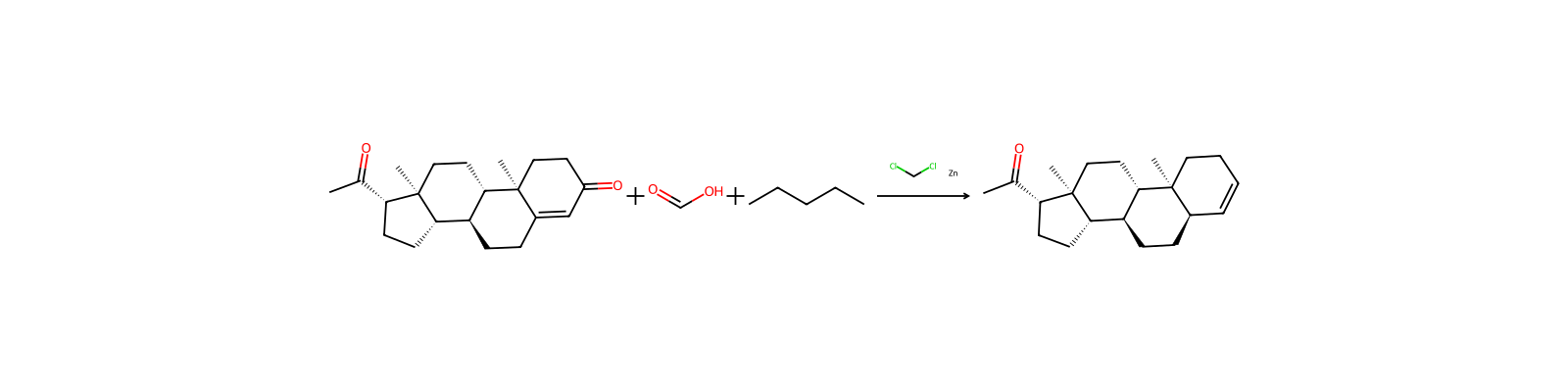
Related reactions
7 records





Compound notes
Loading…