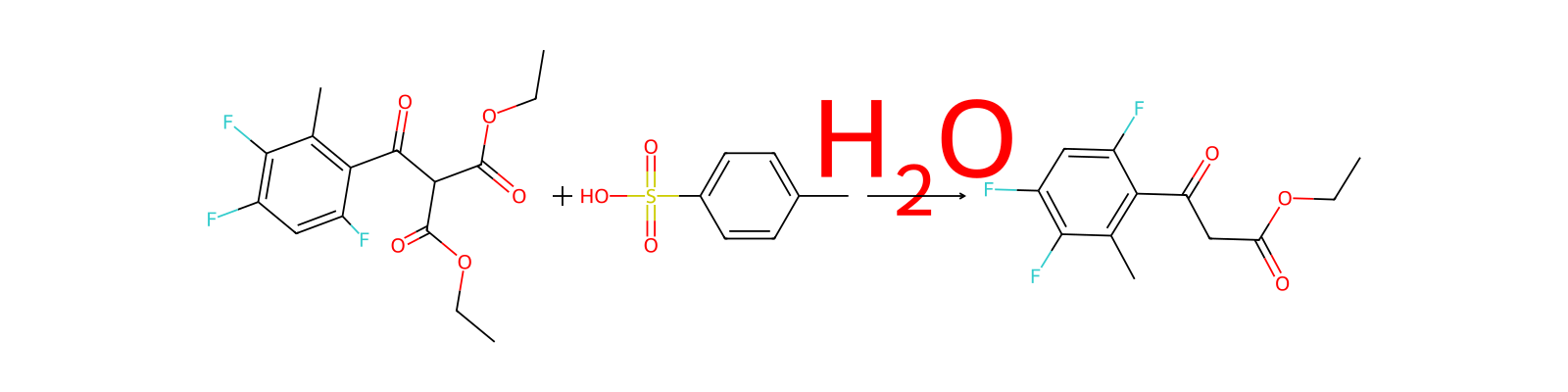
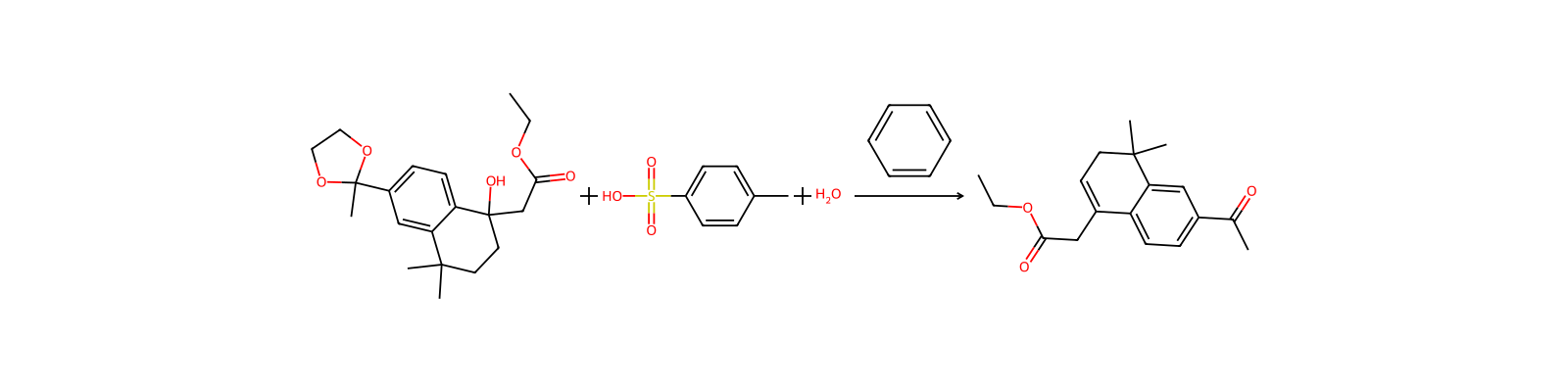
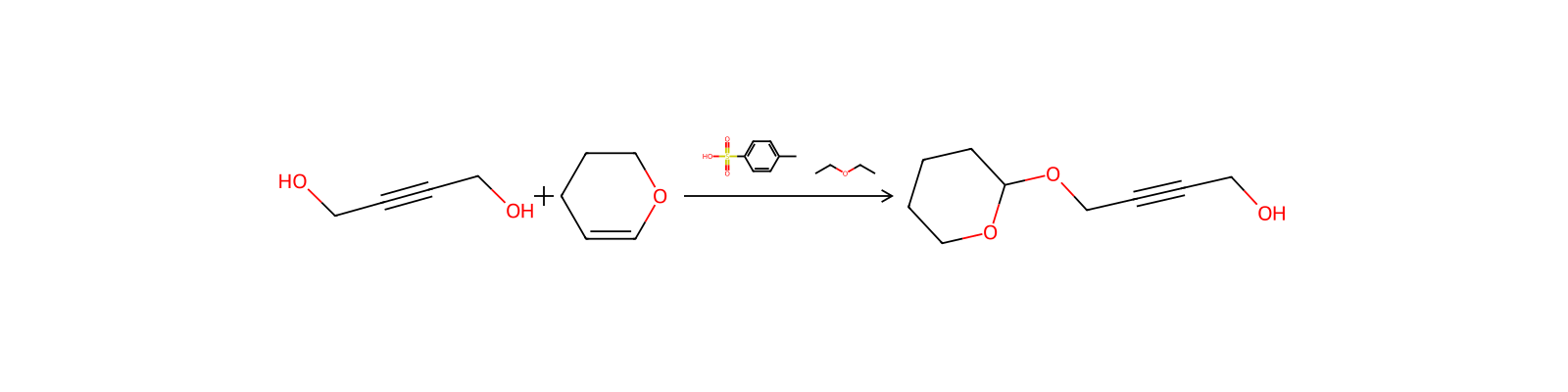
HRID 1123As reactant

104-15-4Cc1ccc(S(=O)(=O)O)cc1JOXIMZWYDAKGHI-UHFFFAOYSA-NToluene sulfonic acid, liquid, with more than 5% free sulfuric acid appears as colorless to black solid. Odorless or nearly odorless. (USCG, 1999)
104-15-4、25231-46-3DTXSID0026701CHEMBL541253CHEBI:27849Other Classes -> Benzenesulfonic Acid Derivatives
Corrosives
Ionic Liquids
Industrial compound
Cosmetic ingredients (Toluene Sulfonic Acid) -> CIR (Cosmetic Ingredient Review)
Hydrotrope; Surfactant
0.9 (calculated)
0.09
1.45 at 77 °F (USCG, 1999) - Denser than water; will sink
Relative density (water = 1): 1.24
ABOUT 67 G/100 ML WATER; SOL IN ALCOHOL, ETHER
VERY SOL IN WATER /SODIUM SALT/
Solubility in water, g/100ml at 25 °C: 67 (freely soluble)
363 °F (184 °C) (CLOSED CUP)
184 °C c.c.
140 °C @ 20 MM HG
Boiling point = 38 °C
221 °F (USCG, 1999)
106-107 °C
106-107 °C /ANHYDROUS/
MELTING POINT: 38 °C /METASTABLE FORM/
Melting point = 106 °C /monohydrate/; 93 °C /trihydrate/
104.50 °C. @ 760.00 mm Hg
Toluene sulfonic acid, liquid, with more than 5% free sulfuric acid appears as colorless to black solid. Odorless or nearly odorless. (USCG, 1999)
Liquid; Dry Powder; Liquid; Dry Powder; CBI; Large Crystals
Colorless hygroscopic solid; [ICSC] Colorless to black solid with no or little odor; [CHRIS] Off-white crystals; [Integra MSDS]
COLOURLESS HYGROSCOPIC FLAKES.
Safety information is for reference only and does not replace the supplier’s Safety Data Sheet (SDS), applicable regulations, or professional assessment.
Warning
H315: Causes skin irritation [Warning Skin corrosion/irritation]
P261, P264, P264+P265, P271, P280, P302+P352, P304+P340, P305+P351+P338, P319, P321, P332+P317, P337+P317, P362+P364, P403+P233, P405, and P501 (click each P-code to see the statement)
Danger
H314 (42.3%): Causes severe skin burns and eye damage [Danger Skin corrosion/irritation]
P260, P261, P264, P264+P265, P271, P280, P301+P330+P331, P302+P352, P302+P361+P354, P304+P340, P305+P351+P338, P305+P354+P338, P316, P317, P319, P321, P332+P317, P337+P317, P362+P364, P363, P403+P233, P405, and P501 (click each P-code to see the statement)
Chemical: Benzenesulfonic acid, 4-methyl-
Benzenesulfonic acid, 4-methyl- is listed on the EPA's Chemical Data Reporting (CDR) system. Manufacturers and importers of Benzenesulfonic acid, 4-methyl- are required to report information about their production and use of this chemical to the EPA under the Toxic Substances Control Act (TSCA). (40 eCFR Part 711)
REACH registered substance: Toluene-4-sulphonic acid (EC: 203-180-0)
Toluenesulphonic acid: Does not have an individual approval but may be used under an appropriate group standard
The New Jersey Worker and Community Right to Know Act requires public and private employers to provide information about hazardous substances at their workplaces. (N.J.S.A. 34:5A-1 et. seq.)
Special Hazards of Combustion Products: Irritating oxides of sulfur may be formed. (USCG, 1999)
Combustible. Gives off irritating or toxic fumes (or gases) in a fire.
Corrosive to skin; [Quick CPC] High inhalation exposure of dust may cause pulmonary edema; [ICSC] A severe skin and eye irritant; [CHRIS] Absorbs moisture from air forming a highly acidic liquid; Commercial grades are aqueous solutions (minimum 65% with a maximum of 0.8% free sulfuric acid) and solids (90% and 95% pure); Highly irritating or corrosive to skin and eyes of rabbits; Not a skin sensitizer in guinea pig maximization test; [IUCLID] Causes severe burns; Inhalation may cause corrosive injuries to upper respiratory tract and lungs; Harmful by ingestion and inhalation; [Integra MSDS]
TOLUENE SULFONIC ACID, LIQUID, WITH MORE THAN 5% FREE SULFURIC ACID reacts exothermically with chemical bases (for example: amine, amides, and inorganic hydroxides). The reactions can generate dangerously large amounts of heat in small spaces. Dissolution in water or dilution of concentrated solutions with water may generate significant heat. Reacts with sodium hypochlorite to produce chlorine gas. Can react with active metals, including iron and aluminum, and also many less active metals, to dissolve the metal and liberate hydrogen and/or toxic gases. Can initiate possibly violent polymerization in certain alkenes such as allyl chloride. Reacts with cyanide salts and compounds to release gaseous hydrogen cyanide. Flammable and/or toxic gases are also often generated by reactions with dithiocarbamates, isocyanates, mercaptans, nitrides, nitriles, sulfides, and weak or strong reducing agents. Additional gas-generating reactions may occur with sulfites, nitrites, thiosulfates (to give H2S and SO3), dithionites (SO2), and carbonates: the carbon dioxide gas from the last is nontoxic but the heat and spattering from the reaction can be troublesome. Can catalyze (increase the rate of) chemical reactions. May burn but not ignited readily. Incompatible with carbides, bromates, chlorates, fulminates, picrates, and powdered metals [Haz. Chem. Data 1966]. Produces highly toxic fumes of oxides of sulfur when heated to decomposition.
Fire Extinguishing Agents: Water (USCG, 1999)
Use water spray, powder, alcohol-resistant foam, carbon dioxide. In case of fire: keep drums, etc., cool by spraying with water.
Fresh air, rest. Half-upright position. Artificial respiration may be needed. Refer immediately for medical attention.
Remove contaminated clothes. Rinse skin with plenty of water or shower. Refer immediately for medical attention.
Rinse with plenty of water for several minutes (remove contact lenses if easily possible). Refer immediately for medical attention.
Rinse mouth. Do NOT induce vomiting. Refer immediately for medical attention.
SRP: At the time of review, criteria for land treatment or burial (sanitary landfill) disposal practices are subject to significant revision. Prior to implementing land disposal of waste residue (including waste sludge), consult with environmental regulatory agencies for guidance on acceptable disposal practices.
Spillage disposal: /SRP: For laboratory quantities:/ Wear eye protection, laboratory coat and nitrile rubber gloves. Scoop into a pail of cold water. Neutralize with sodium carbonate and wash into the drain with at least 50 times its volume of water.
Personal protection: complete protective clothing including self-contained breathing apparatus. Sweep spilled substance into covered dry, plastic containers. If appropriate, moisten first to prevent dusting. Carefully collect remainder. Then store and dispose of according to local regulations.
TERRESTRIAL FATE: p-Toluenesulfonic acid is a strong acid (pKa = -1.34(1)) and is completely dissociated and highly soluble (about 620 g/L(2)) in water. It would be expected to leach fairly rapidly. Its biodegradation in soil is unknown(SRC).
AQUATIC FATE: Once released into the aquatic compartment, p- toluenesulfonic acid will not be transported into the sediment or volatilize to the atmosphere. Based on the results of biodegradation screening studies(1-8), it may slowly biodegrade if acclimated microbial populations are present. p- Toluenesulfonic acid would not be expected to bioconcentrate in aquatic organisms(SRC).
ATMOSPHERIC FATE: Based on its estimated vapor pressure, 2.7X10⁻⁶ mm Hg at 25 °C(2), p-toluenesulfonic acid should exist in the atmosphere both as an aerosol and as a vapor(4). Vapor-phase p- toluenesulfonic acid will react with photochemically-produced hydroxyl radicals resulting in an estimated half-life of 11.8 days (3,SRC). p-Toluenesulfonic acid is highly soluble in water, 620,000 mg/L(1), and therefore should be scavenged by rain(SRC).
Toluene Sulfonic Acid...safe as cosmetic ingredient in the present practice of use and concentration as described in this safety assessment, when formulated to be nonirritating
Safe for use in cosmetics, with qualifications
Sore throat. Cough. Burning sensation. Laboured breathing. Shortness of breath.
Redness. Pain. Serious skin burns.
Redness. Pain. Burns.
Sore throat. Burning sensation in the throat and chest. Shock or collapse.
The log Koc for p- toluenesulfonic acid estimated from molecular structure is 19(1). According to a suggested classification scheme(2), this estimated Koc suggests that p-toluenesulfonic acid is highly mobile in soil and would readily leach(SRC).
/IT IS/ HIGHLY IRRITATING TO SKIN, MUCOUS MEMBRANES.
MODERATELY TOXIC; SKIN IRRITANT.
Contact with eyes or skin causes severe irritation. Ingestion causes irritation of mouth and stomach.
Irritating to skin, eyes and mucous membranes. Highly toxic if swallowed.
Experimental results are conflicting on the biodegradability of p-toluenesulfonic acid. Results range from 100% degradation in a few days with acclimated activated sludge to no degradation in 37-64 days(1-6). There are special species that are capable of degrading this compound and its degradation depends on the existance and cultivation of these species in the environment(7,8).
Using an estimated log Kow of -0.62(1), one would estimate a BCF of 0.2 for p- toluenesulfonic acid using a recommended regression equation(2). This would indicate that p-toluenesulfonic acid would not bioconcentrate in aquatic organisms(SRC).
PROBABLY EXCRETED AS P-TOLUENESULFONIC ACID. /FROM TABLE/
FOLLOWING ORAL OR IP ADMIN, P-TOLUENESULFONATE WAS EVENLY DISTRIBUTED IN TISSUES, EXCEPT IN BRAIN & FAT TISSUES.
CIR ingredient: Toluene Sulfonic Acid
Used in the chemical industry as a catalyst; also used in the manufacturing of textile dyes, drugs, cleaning agents, polymers, and paints; [HSDB] Used in photography (color bleaching); [www.ci.tucson.az.us/arthazards/medium.html] Used as a catalyst (with applications including resins in foundry cores), as a curing agent for resins, as a descaling agent (industrial metal cleaners), in electroplating bathes, plastics, dyes, pharmaceutical intermediates, food packaging adhesives, and as a coupling and wetting agent; [EPA ChAMP]
Acid and Alkali Cleaning of Metals [Category: Clean]
/USED AS REAGENT IN/ KIRSTEN MODIFICATION OF KLEBER METHOD (FOR LEMON OIL).
Manufacture of 4-formylbenzenesulfonic acid, p-sulfobenzoic acid, 2-chlorotoluene-4-sulfonic acid, and 4-(chloromethyl)phenylmethanesulfonic acid
Effect solubility of disperse dyes, initiator for catalytic polymerization of caprolactam, catalyst for dimerization of alpha- methylstyrene.
2023: 10,000,000 - <25,000,000 lb
(1972) PROBABLY GREATER THAN 1.36X10+6 GRAMS
(1975) PROBABLY GREATER THAN 6.81X10+6 GRAMS
PREPARED BY SULFONATION OF TOLUENE WITH 96-100% SULFURIC ACID; WHEN CARRIED OUT AT 75 °C COMPOSITION OF REACTION PRODUCT IS 75% PARA-, 19% ORTHO- AND 6% META-TOLUENESULFONIC ACID.
CONVENIENT LAB PREPN. SEPARATION OF TOLUENE FROM PETROLEUM FRACTIONS CAN BE ACCOMPLISHED BY SULFONATION WITH SULFURIC ACID @ 60 °C.
BY ACTION OF CHLOROSULFONIC ACID ON TOLUENE AT A LOW TEMPERATURE.
GRADES: ANHYDROUS; MONOHYDRATE; 40% AQUEOUS SOLUTION
Anhydrous grade, monohydrate gradem solution forms, dark brown semicrystaline to crystalline solid.
All Other Basic Organic Chemical Manufacturing
Benzenesulfonic acid, 4-methyl-: ACTIVE
Purification is possible by crystallization from 66% sulfuric acid or via the barium salt.
Uses(1) For chemical reagents, but also for dyes, organic synthesis. (2) Used as the intermediates of medicine (such as doxycycline), pesticides (such as dicofol), dyes. Also used in detergents, plastics, coatings and so on. (3) For medicine, pesticides, dyes and detergents, but also for plastics and printing coatings. (4) Widely used in the catalyst synthetic medicine, pesticides, polymerization of the stabilizer and organic synthesis (esters, etc.). Also used as medicine, paint intermediates and resin curing agent.
Descriptionp-Toluene sulfonic acid (PTSA) or tosylic acid (TsOH) is an organic compound with the formula CH3C6H4SO3H. It is a white solid that is soluble in water, alcohols, and other polar organic solvents. The 4-CH3C6H4SO2- group is known as tosyl group and is often abbreviated as Ts or Tos. Most often, TsOH refers to the monohydrate, TsOH.H2O. TsOH is a strong organic acid, about a million times stronger than benzoic acid. It is one of the few strong acids that is solid and, hence, conveniently weighed. Also, unlike some strong mineral acids (especially nitric acid, sulfuric acid, and per chloric acid), TsOH is non - oxidizing.
Usesp-Toluenesulfonic Acid Hydrate (Lisinopril EP Impurity B) is used in the synthesis of resveratrol. Also used in the synthesis of oxane derivatives as antimalarial agents.
DefinitionChEBI: p-Toluenesulfonic acid is an arenesulfonic acid that is benzenesulfonic acid in which the hydrogen at position 4 is replaced by a methyl group. It is a member of toluenes and an arenesulfonic acid. It is a conjugate acid of a toluene-4-sulfonate.