
Basic information
- Standard SMILES
C#COCC- InChIKey
WMYNMYVRWWCRPS-UHFFFAOYSA-N- Molecular formula
- C4H6O
- Average molar mass
- 70.09 g/mol
- Monoisotopic mass
- 70.04186481
Names & identifiers
- Preferred name
- Ether, ethyl ethynyl
- IUPAC
- ethynoxyethane
- English name
- Ethoxyethyne
- Molecular formula
- C4H6O
- Molecular weight
- 70.09
Names & synonyms
EthoxyethyneEthoxyacetyleneEthyne, ethoxy-ETHYL ETHYNYL ETHEREther, ethyl ethynylEINECS 213-164-5BRN 07418824-01-00-02211 (Beilstein Handbook Reference)DTXSID80239114Ethyne, ethoxy-(9CI)RefChem:341564DTXCID00161605
Show more names
1-Ethoxyacetyleneethoxy-ethynEthoxyacetyLEthoxyacethlene
213-164-5InChI=1/C4H6O/c1-3-5-4-2/h1H,4H2,2HWMYNMYVRWWCRPS-UHFFFAOYSA-N927-80-0ethynoxyethaneEthynyl ethyl etherEthyne, ethoxy- (9CI)MFCD00009247
Database identifiers
- CAS
927-80-0- PubChem CID
- 61239
- DTXSID
DTXSID80239114- UNII
- B8RFM34GMK
- EC Number
- 213-164-5
- Nikkaji
- J149.801K
Properties
Computed structural properties
- XLogP
- 1.1
- Topological polar surface area
- 9.2 Ų
- Hydrogen bond donors
- 0
- Hydrogen bond acceptors
- 1
- Rotatable bonds
- 2
- Heavy atoms
- 5
- Formal charge
- 0
- Complexity
- 47.9
Experimental & physicochemical properties
Chemical ClassesFlammable agents - 3rd degree
SpringerMaterials PropertiesDielectric constant
Physicochemical properties
- Boiling point
- 53 °C · 53°C
- Density
- 0.732 g/mL · 0.732 g/mL at 25 °C
- refractive index
- 20 · n20/D 1.379
- Flash point
- 20 °F · −20 °F
- storage temp.
- 2 · 2-8°C
- solubility
- sol alcohol, ether, benzene, hexane
- form
- liquid
- color
- Clear Yellow
- Water Solubility
- Slightly miscible with water.
- BRN
- 741882 · 741882
- Dielectric constant
- 8.05 · 8.0500000000000007
- InChI
- InChI=1S/C4H6O/c1-3-5-4-2/h1H,4H2,2H3
- InChIKey
- WMYNMYVRWWCRPS-UHFFFAOYSA-N
- SMILES
- C#COCC
- CAS DataBase Reference
- 927 · 927-80-0(CAS DataBase Reference)
- EWG's Food Scores
- 1 · 1
- FDA UNII
- 8 RFM34GMK · B8RFM34GMK
- NIST Chemistry Reference
- Ethoxyacetylene(927-80-0)
- UNSPSC Code
- 12352100 · 12352100
- NACRES
- 22 · NA.22
- Symbol(GHS)
- 2 · GHS02,GHS07,GHS08,GHS09
- Signal word
- Danger
- Hazard statements
- 225 · H225-H304-H315-H336-H361-H373-H411
- Precautionary statements
- 202 · P202-P210-P273-P301+P310-P303+P361+P353-P331
- target organs
- Central nervous system
- Hazard Codes
- F,Xn,N
- Risk Statements
- 11 · 11-38-48/20-51/53-62-65-67-36/37/38-36/38
- Safety Statements
- 16 · 16-36/37-61-62-45-36/37/39-26-33-29-9
- RIDADR
- 1993 · UN 1993 3/PG 2
- WGK Germany
- 3 · 3
- RTECS
- 9900000 · KN9900000
- Hazard Note
- Highly Flammable/Keep Cold
- HazardClass
- 3 · 3
- PackingGroup
- II
- HS Code
- 29091990 · 29091990
- Storage Class
- 3 · 3 - Flammable liquids
- Hazard Classifications
- 2 Asp · Aquatic Chronic 2Asp. Tox. 1Flam. Liq. 2Repr. 2Skin Irrit. 2STOT RE 2 InhalationSTOT SE 3
Safety & regulation
GHS classification
GHS Classification
Danger
H225 (100%): Highly Flammable liquid and vapor [Danger Flammable liquids]
P203, P210, P233, P240, P241, P242, P243, P260, P261, P264, P271, P273, P280, P301+P316, P302+P352, P303+P361+P353, P304+P340, P318, P319, P321, P331, P332+P317, P362+P364, P370+P378, P391, P403+P233, P403+P235, P405, and P501 (click each P-code to see the statement)
Aggregated GHS information provided per 46 reports by companies from 6 notifications to the ECHA C&L Inventory. Each notification may be associated with multiple companies.
Hazard information
Regulatory Information
Ethyne, ethoxy-: Does not have an individual approval but may be used as a component in a product covered by a group standard. It is not approved for use as a chemical in its own right.
The New Jersey Worker and Community Right to Know Act requires public and private employers to provide information about hazardous substances at their workplaces. (N.J.S.A. 34:5A-1 et. seq.)
Hazard Classes and Categories
Flam. Liq. 2 (100%)
Flammable agents - 3rd degree, Reactive agents - 3rd degree
Safety data
- wgk
- 3
- rtecs
- KN9900000
- ridadr
- UN 1993 3/PG 2
- hs_code
- 29091990
- risk_code
- 11-38-48/20-51/53-62-65-67-36/37/38-36/38
- Signal word
- Danger
- Symbol(GHS)
- GHS02,GHS07,GHS08,GHS09
- hazard_code
- F,Xn,N
- hazard_note
- Highly Flammable/Keep Cold
- safety_code
- 16-36/37-61-62-45-36/37/39-26-33-29-9
- hazard_class
- 3
- Storage Class
- 3 - Flammable liquids
- packing_group
- II
- target organs
- Central nervous system
- Hazard statements
- H225-H304-H315-H336-H361-H373-H411
- Hazard Classifications
- Aquatic Chronic 2Asp. Tox. 1Flam. Liq. 2Repr. 2Skin Irrit. 2STOT RE 2 InhalationSTOT SE 3
- Precautionary statements
- P202-P210-P273-P301+P310-P303+P361+P353-P331
Chemistry & industry
Applications
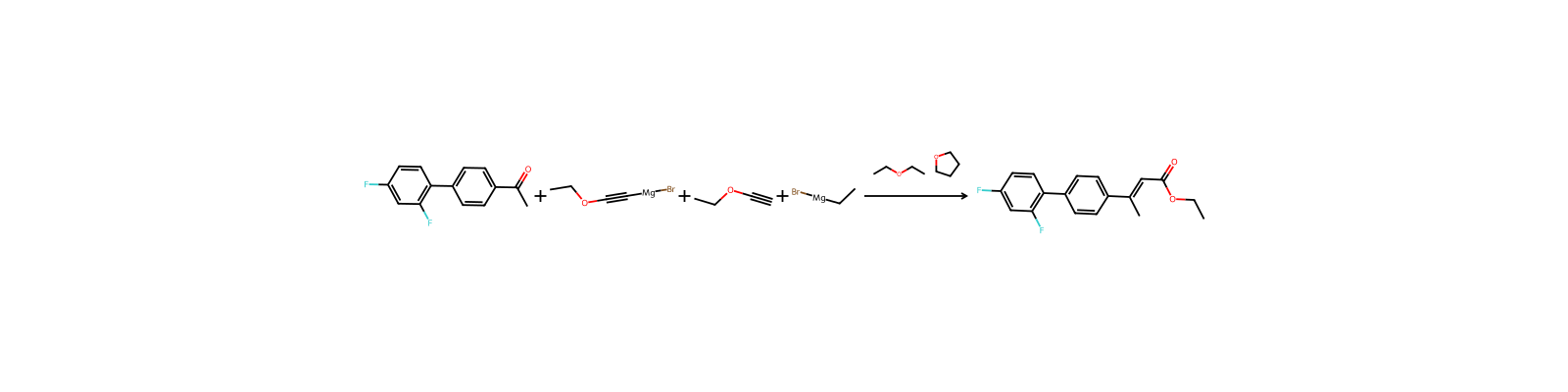
UsesEthoxyacetylene is used in Arens-van Dorp synthesis to prepare propargyl alcohol via reaction with ketone. In organic synthesis, it undergoes [2+2] cycloaddition reactions with ketenes to give cyclobutenone derivatives. It is also used to prepare alpha, beta-unsaturated esters from ketones by following Meyer-Schuster rearrangement.Used with N-vinylamides and triflic anhydride in a direct, three-component synthesis of pyridines. Also used to prepare α, β-unsaturated esters from ketones via a Meyer-Schuster rearrangement.
UsesUsed with N-vinylamides and triflic anhydride in a direct, three-component synthesis of pyridines. Also used to prepare α,β-unsaturated esters from ketones via a Meyer-Schuster rearrangement.
Preparation methods
PreparationEthoxyethyne can be prepared from chloroacetaldehyde diethyl acetal (70%).
Upstream & downstream products
Downstream products
Suppliers50 total
国药集团化学试剂有限公司86-21-63210123 · [email protected]
上海阿拉丁生化科技股份有限公司400-6206333 13167063860 · [email protected]
Hebei Chuanghai Biotechnology Co., Ltd+86-17732866630 · [email protected]
Career Henan Chemica Co+86-0371-86658258 +86-13203830695 · [email protected]
杭州品高化工有限公司0571-87658025 · [email protected]
普善实业(陕西)有限公司029-81310890 18165209495 · [email protected]
Suzhou ARTK Medchem Co., Ltd.+86-18168183658 · [email protected]
江苏艾康生物医药研发有限公司025-025-66113011 15955137747 · [email protected]
Dayang Chem (Hangzhou) Co.,Ltd.+86-0571-88938639 17705817739 · [email protected]
Syntechem Co.,Ltd[email protected]
上海迈瑞尔生化科技有限公司4006356688 18621169109 · [email protected]
北京东华力拓科技发展有限公司010-88425576 · [email protected]
阿法埃莎(中国)化学有限公司400-6106006 · [email protected]
南京纽安洁化工科技有限公司0515-82159099 13770142076
北京大田丰拓化学技术有限公司13651141086 · [email protected]
安耐吉化学&3A(安徽泽升科技股份有限公司)400-0056266 · [email protected]
武汉凯威斯科技有限公司86-027-67849912 · [email protected]
上海瀚鸿科技股份有限公司021-54306202 13764082696 · [email protected]
上海相辉医药科技有限公司13761987713; 13761987713 · [email protected]
上海景颜化工科技有限公司13817811078 · [email protected]
上海辅欣医药科技有限公司021-50872116 13391048226 · [email protected]
玛雅试剂+86 (573) 82222445 (0)18006601000 452520369 · [email protected]
四川库利南科技有限公司400-1166-196 18981987031 · [email protected]
天津希恩思生化科技有限公司400 638 7771 · [email protected]
上海珂华生物科技有限公司021-60455363 18019463053 · [email protected]
TargetMol 中国(陶术生物)400-821-0310 15002144251 · [email protected]
上海和宁美生物医药科技有限公司021-18019086215 18019086215 · [email protected]
艾科试剂4008-755-333 18080918076 · [email protected]
赛默飞世尔科技(中国)有限公司800-810-5118 · [email protected]
北京伊诺凯科技有限公司400-810-7969 010-59572699 · [email protected]
上海遐瑞医药科技有限公司+86 21 61551611
Shanghai Hanhong Scientific Co., Ltd.+undefined17612118332 · [email protected]
上海丽康新材料有限公司+86-16631818819 +86-17736933208 · [email protected]
PT CHEM GROUP LIMITED+86-85511178; +86-85511178 · [email protected]
HBCChem, Inc.+1-510-219-6317 · [email protected]
雷丁试剂0510-85629785 18013409632 · [email protected]
上海御略医药科技有限公司021-60345187 13671753212 · [email protected]
上海麦克林生化科技股份有限公司15221275939 15221275939 · [email protected]
杭州杰恒化工有限公司0571-87396432 · [email protected]
上海嵩爰化工科技有限公司010-1234567 18521000990 · [email protected]
Sigma-Aldrich西格玛奥德里奇(上海)贸易有限公司021-61415566 800-8193336 · [email protected]
上海皓之翔生物科技有限公司(原上海拓青化工有限公司)526763801 13301653310 · [email protected]
九鼎化学(上海)科技有限公司4009209199 · [email protected]
HANGZHOU LEAP CHEM CO., LTD.+86-571-87711850 +86-15355479329 · [email protected]
嘉兴市德亿化工有限公司0573-85866609 13325730825 · [email protected]
湖北美钡新材料有限公司18271819653 · [email protected]
康幸生物科技(上海)有限公司021-61556450 15800904410
上海岚克医药科技发展有限公司0086-21-58956006
上海西陇生化科技有限公司021-52907766-8042
上海源叶生物科技有限公司13636370518 · [email protected]
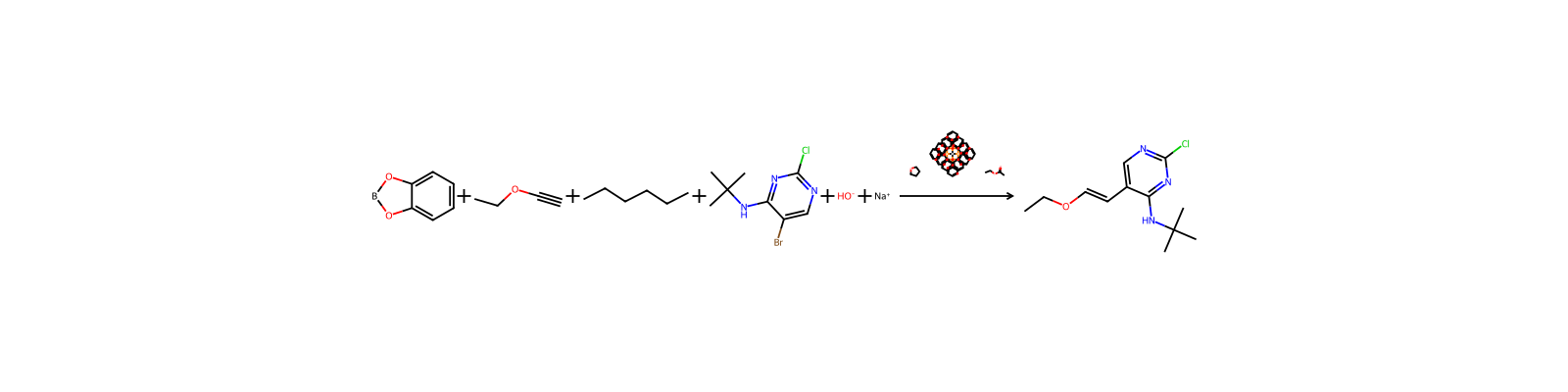
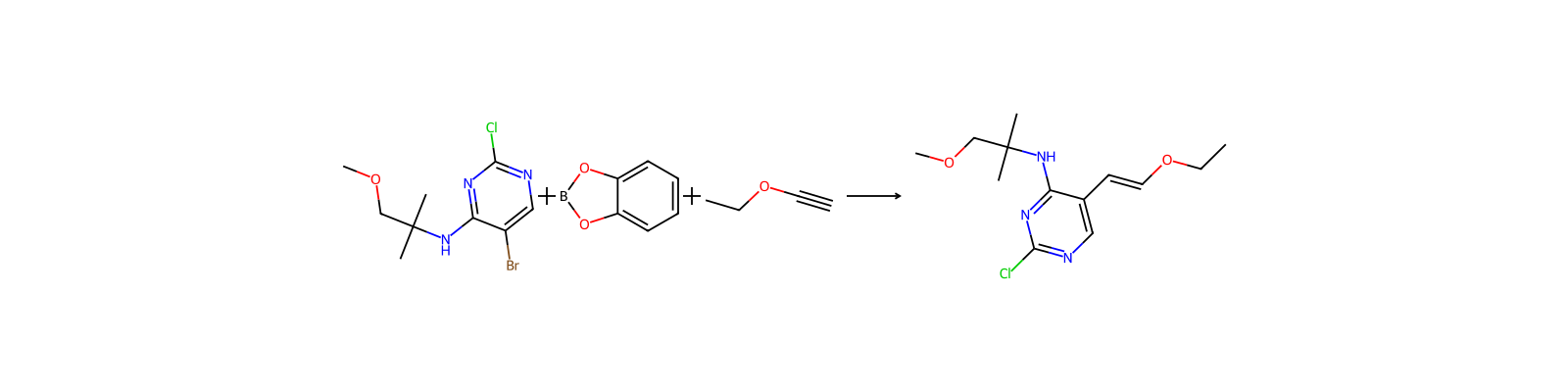
Related reactions
78 records



Linked notes
Loading…