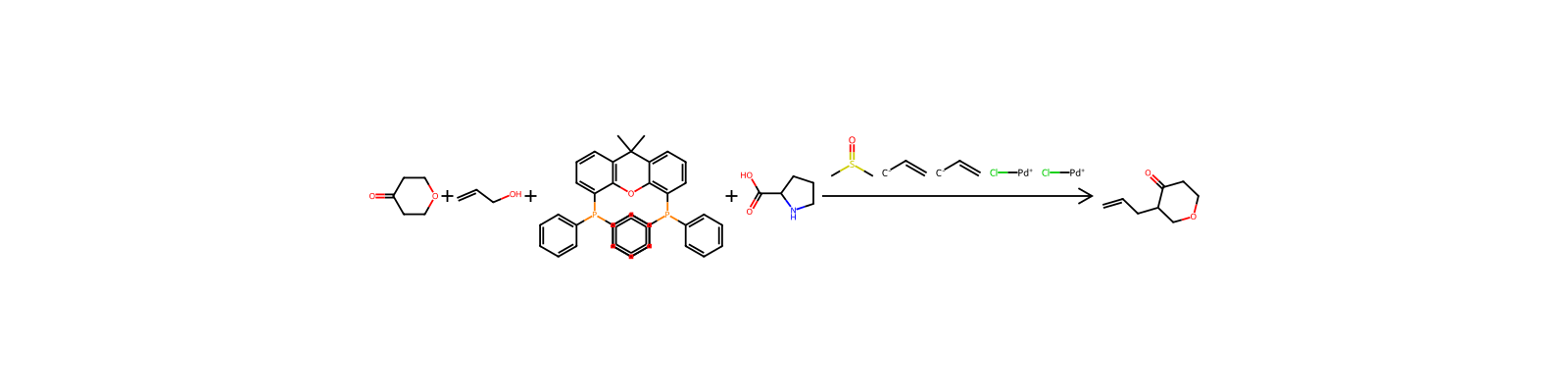
proline dl-form

Basic information
- CAS
147-85-3- Standard SMILES
O=C(O)C1CCCN1- InChIKey
ONIBWKKTOPOVIA-UHFFFAOYSA-N- Molecular formula
- C5H9NO2
- Average molar mass
- 115.13 g/mol
- Monoisotopic mass
- 115.06332853
Overview
Proline is an alpha-amino acid that is pyrrolidine bearing a carboxy substituent at position 2. It has a role as a human metabolite and a Daphnia magna metabolite. It is an alpha-amino acid and a member of pyrrolidines. It is a conjugate base of a prolinium. It is a conjugate acid of a prolinate.
Names & identifiers
- Preferred name
- proline dl-form
- IUPAC
- pyrrolidine-2-carboxylic acid
- English name
- L-Proline
- Molecular formula
- C5H9NO2
- Molecular weight
- 115.13
Names & synonyms
609-36-9Proline, DL-Proline DL-formUNII-DCS9E77JPQDCS9E77JPQCCRIS 8602(+-)-proline2-PYRROLIDINYLCARBOXYLIC ACIDEINECS 210-189-3NSC 97923NSC-97923PROLINE DL-FORM [MI]
Show more names
PROH-PRO-OHL-PROl-prolinL-Pro-OH2-pyrrolidinecarboxylic acid(S)-PYRROLIDINE-2-CARBOXYLIC ACID(2S)-pyrrolidine-2-carboxylic acidL-PolineH-L-PRO-OH
RefChem:202730210-189-3DL-Prolinepyrrolidine-2-carboxylic acidH-DL-Pro-OHD-Pyrrolidine-2-carboxylic acidHpro2-Pyrrolidine carboxylic acid
Database identifiers
- CAS
147-85-3、609-36-9- PubChem CID
- 614
- DTXSID
DTXSID9041104- ChEBI
CHEBI:26271- UNII
- DCS9E77JPQ
- EC Number
- 210-189-3
- Nikkaji
- J1.287D
Properties
Computed structural properties
- XLogP
- -2.5
- Topological polar surface area
- 49.3 Ų
- Hydrogen bond donors
- 2
- Hydrogen bond acceptors
- 3
- Rotatable bonds
- 1
- Heavy atoms
- 8
- Formal charge
- 0
- Complexity
- 103
Experimental & physicochemical properties
Chemical ClassesBiological Agents -> Amino Acids and Derivatives
DrugsPharmaceuticals
Physical DescriptionBeige solid; [Sigma-Aldrich MSDS]
Physicochemical properties
- Melting point
- 228 °C · 228 °C (dec.) (lit.)
- alpha
- -85.5 · -85.5 º (c=4, H2O)
- Boiling point
- 215.41 °C · 215.41°C (rough estimate)
- bulk density
- 500 kg/m3 · 500kg/m3
- Density
- 1.35 · 1.35
- vapor pressure
- 0 Pa · 0Pa at 25℃
- FEMA
- 3319 · 3319 | L-PROLINE
- refractive index
- -85 ° · -85 ° (C=4, H2O)
- FLAVIS Number
- 17.019 · 17.019 | L-Proline
- storage temp.
- 2 · 2-8°C
Safety & regulation
Safety information is for reference only and does not replace the supplier’s Safety Data Sheet (SDS), applicable regulations, or professional assessment.
GHS classification
GHS Classification
This chemical does not meet GHS hazard criteria for 95.5% (21 of 22) of all reports.
Not Classified
Aggregated GHS information provided per 22 reports by companies from 2 notifications to the ECHA C&L Inventory.
Hazard information
Regulatory InformationChemical: DL-Proline
Other Safety InformationIMAP assessments - DL-Proline: Environment tier I assessment
Hazards SummaryMay cause irritation; [Sigma-Aldrich MSDS]
Hazard Classes and CategoriesNot Classified
Safety data
- F
- 3-10
- PPE
- Eyeshields, Gloves, type N95 (US)
- wgk
- 3
- tsca
- TSCA listed
- rtecs
- TW3584000
- hs_code
- 29339990
- Toxicity
- LD50 orally in Rabbit: > 5110 mg/kg
- risk_code
- 36/37/38-22
- Signal word
- Warning
- Symbol(GHS)
- GHS07
- hazard_code
- Xi,Xn
- safety_code
- 24/25-36/37/39-26
- Storage Class
- 13 - Non Combustible Solids
Chemistry & industry
Uses & manufacturing
UsesProline is a non-essential amino acid; [Merck Index]
Household ProductsInformation on 32 consumer products that contain Proline in the following categories is provided:
Use ClassificationFlavouring Agent -> FLAVOURING_AGENT -> JECFA Functional Classes
General Manufacturing InformationProline: ACTIVE
Applications
OccurrenceReported found as a component in many proteins; also widely occurring as the free acid in natural products. A major constituent of collagen, the main fibrous protein found in bone, cartilage and other connective tissue.
UsesL-Proline is used as asymmetric catalysts in organic synthesis and asymmetric aldol cyclization. It is involved in the Michael addition of dimethyl malonate to alfa-beta-unsaturated aldehydes. It is a precursor of hydroxyproline in collagen. It is an active component of collagen and involved in the proper functioning of joints and tendons. It finds uses in pharmaceutical, biotechnological applications due to its osmoprotectant property. Further, it is used with ninhydrin in the chromatography.
UsesL-Proline is an amino acid and precursor (with vitamin C) for collagen, the building block of the structure of tendons, ligaments, arteries, veins and muscles. It is important in wound healing.
General DescriptionL-Proline is a non-essential amino acid, which is a building block of proteins. Peptides bond to proline, making it a useful building block for proteins. It can be used as a cell culture media component for the commercial biomanufacturing of therapeutic recombinant proteins and monoclonal antibodies. L-Proline plays important roles in various biological processes. It is involved in the synthesis of collagen, which is one of the most abundant proteins in the human body and provides structural support to tissues such as skin, bone, cartilage, and tendons.
Related reactions
321 records


Compound notes
Loading…