HRID 2355As catalyst

16941-12-1[Cl][Pt-2]([Cl])([Cl])([Cl])([Cl])[Cl].[H+].[H+]GBFHNZZOZWQQPA-UHFFFAOYSA-JChloroplatinic acid, is a reddish-brown solid. It is soluble in water and will yield a mildly acidic solution. It may cause illness from inhalation of the dust and it is irritating to skin and eyes. When heated to high temperatures it may decompose to toxic chloride fumes. It may burn, but may be difficult to ignite. It is used for manufacturing indelible ink and in electroplating processes.
16941-12-1Metals -> Metals, Inorganic Compounds
Corrosives
Chloroplatinic acid, is a reddish-brown solid. It is soluble in water and will yield a mildly acidic solution. It may cause illness from inhalation of the dust and it is irritating to skin and eyes. When heated to high temperatures it may decompose to toxic chloride fumes. It may burn, but may be difficult to ignite. It is used for manufacturing indelible ink and in electroplating processes.
Dry Powder; Liquid; Liquid
Reddish-brown solid; Soluble in water; [CAMEO] Brownish or yellow crystals; Deliquescent; Odorless or mild odor of hydrogen chloride; [GFS Chemicals MSDS] Exists as hexahydrate; [Merck Index]
Safety information is for reference only and does not replace the supplier’s Safety Data Sheet (SDS), applicable regulations, or professional assessment.
Danger
H301: Toxic if swallowed [Danger Acute toxicity, oral]
P233, P260, P261, P264, P270, P271, P272, P280, P284, P301+P316, P301+P330+P331, P302+P352, P302+P361+P354, P304+P340, P305+P354+P338, P316, P321, P330, P333+P317, P342+P316, P362+P364, P363, P403, P405, and P501 (click each P-code to see the statement)
Danger
H290 (65.8%): May be corrosive to metals [Warning Corrosive to Metals]
P233, P234, P260, P261, P264, P264+P265, P270, P271, P272, P273, P280, P284, P301+P316, P301+P330+P331, P302+P352, P302+P361+P354, P304+P340, P305+P354+P338, P316, P317, P319, P321, P330, P333+P317, P342+P316, P362+P364, P363, P390, P391, P403, P405, P406, and P501 (click each P-code to see the statement)
Chemical: Platinate(2-), hexachloro-, dihydrogen, (OC-6-11)-
Hazard Traits - Respiratory Toxicity
Hazard Traits - Respiratory Toxicity
Platinate(2-), hexachloro-, hydrogen (1:2), (OC-6-11)- is listed on the EPA's Chemical Data Reporting (CDR) system. Manufacturers and importers of Platinate(2-), hexachloro-, hydrogen (1:2), (OC-6-11)- are required to report information about their production and use of this chemical to the EPA under the Toxic Substances Control Act (TSCA). (40 eCFR Part 711)
REACH registered substance: Hexachloroplatinic acid (EC: 241-010-7)
Hexachloroplatinic acid: Does not have an individual approval but may be used under an appropriate group standard
Used in plating, photography, mirrors, indelible inks, luster on glass, and acetic acid manufacturing; Also used for platinizing pumice stone, catalyzing sulfur trioxide production, relief etching of zinc (artistic and commercial applications), and fixing microscope preparations; [Merck Index] Used in electroplating; [CAMEO]
Electroplating [Category: Plate]
Electrical Equipment, Appliance, and Component Manufacturing
Platinate(2-), hexachloro-, hydrogen (1:2), (OC-6-11)-: ACTIVE
DescriptionChloroplatinic acid is a reddish-brown deliquescent solid. Molecular weight =409.8; Freezing/Meltingpoint =60℃. Hazard Identification (based on NFPA-704 MRating System): Health 2, Flammability 0, Reactivity 0.Soluble in water.
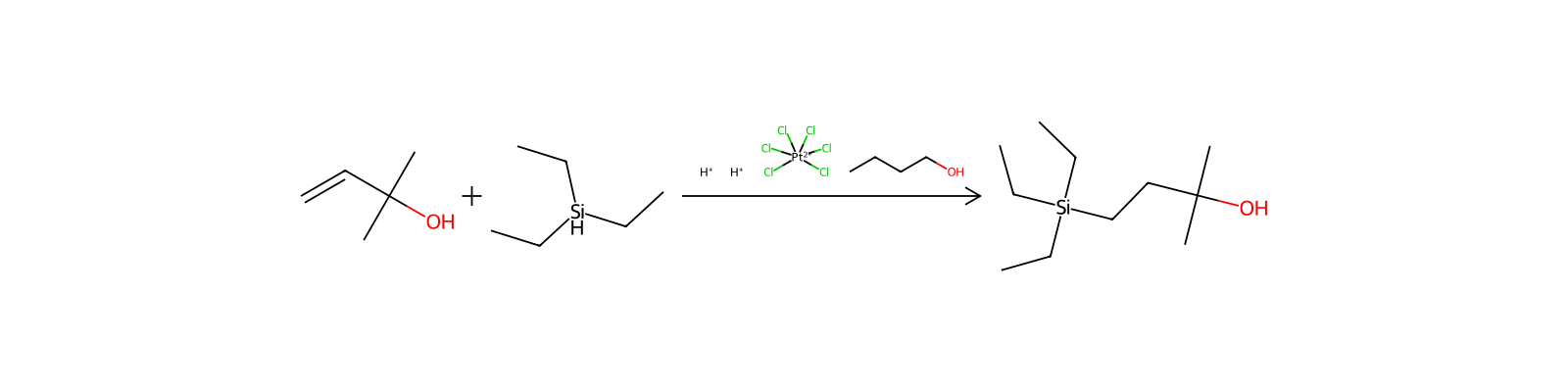
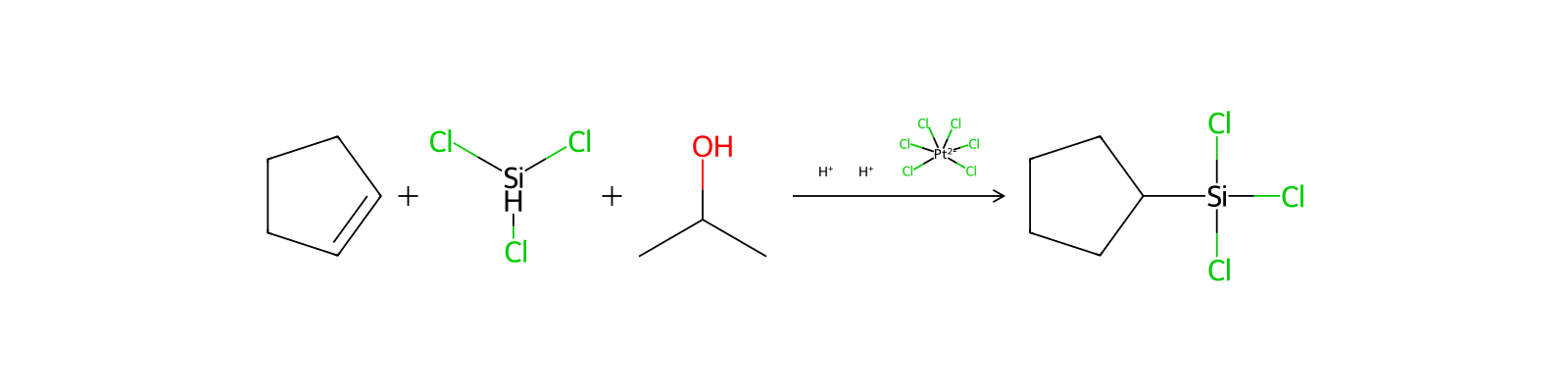
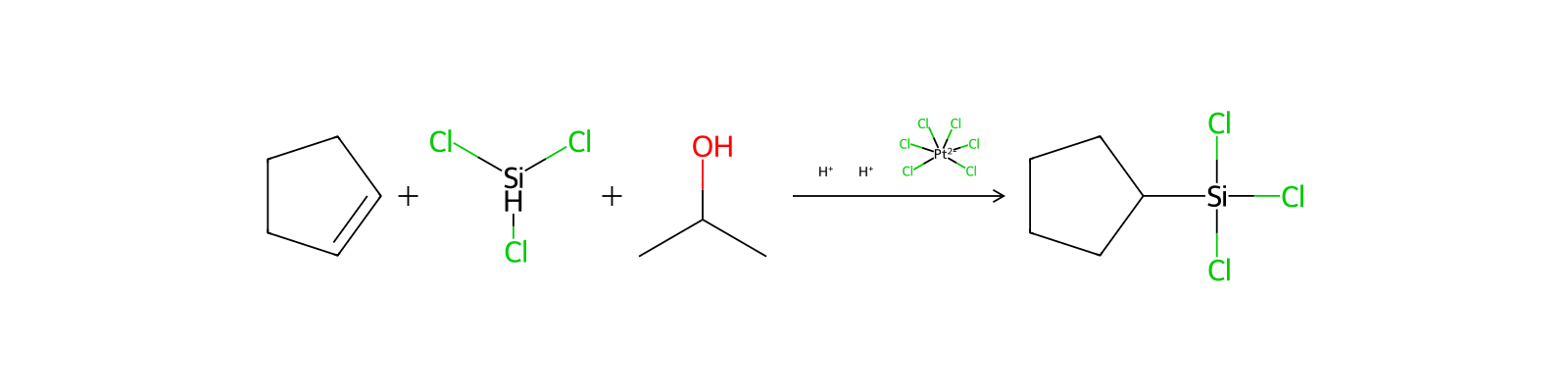
UsesChloroplatinic acid is used in preparing most platinum salts and complexes. It also is used as an electroplating bath for plating and coating of platinum. Other applications are in catalysis. Catalyst precursor for the reaction of silyl hydrides with olefins, hydrosilylation.Also used for the determination of potassium.
UsesIn platinum plating, photography, platinum mirrors, platinum luster on glass and porcelain, platinized carbon for acetic acid manufacture; platinizing pumice stone or asbestos, as catalyst in manufacture of SO3; indelible ink; relief etching of zinc for artistic and commercial purposes; fixing microscopic Preparations, etc.
UsesChloroplantinic acid (H2PtCl6) is one of the most commercially important compounds of platinum. Its many uses include etching on zinc, making indelible ink, plating, and coloring in fine porcelains and use in photography, in mirrors, and as a catalyst.




Excerpt from ERG Guide 154 [Substances - Toxic and/or Corrosive (Non-Combustible)]:
· Non-combustible, substance itself does not burn but may decompose upon heating to produce corrosive and/or toxic fumes.
Excerpt from ERG Guide 154 [Substances - Toxic and/or Corrosive (Non-Combustible)]:
· TOXIC and/or CORROSIVE; inhalation, ingestion or skin contact with material may cause severe injury or death.
May cause asthma or dermatitis; [Merck Index] A skin and eye irritant; [CAMEO] Hydrate is CAS# 26023-84-7; A skin and eye irritant; Harmful by ingestion and inhalation; Chronic exposure may cause sensitivity; [GFS Chemicals MSDS] Solution: Causes burns; Inhalation may cause corrosive injuries to upper respiratory tract and lungs; May cause respiratory sensitization; Toxic by ingestion; [Sigma-Aldrich MSDS] See Platinic chloride hexahydrate.
Oxidizing acids are generally soluble in water with the release of hydrogen ions. The resulting solutions have pH's of less than 7.0. Materials in this group react with chemical bases (for example: amines and inorganic hydroxides) to form salts. These neutralization reactions occur as the base accepts hydrogen ions that the acid donates. Neutralizations can generate dangerously large amounts of heat in small spaces. The dissolution of acids in water or the dilution of their concentrated solutions with water may generate significant heat. The addition of water acids often generates sufficient heat in the small region of mixing to boil some of the water explosively. The resulting "bumping" spatters acid widely. These materials have significant ability as oxidizing agents. but that ability varies (for example, from high for nitric acid to low for sulfuric acid and most sulfonic acids). They can react with active metals, including iron and aluminum, and also many less active metals, to dissolve the metal and liberate hydrogen and/or toxic gases. Like other acids, materials in this group can initiate polymerization in certain classes of organic compounds. Their reactions with cyanide salts and compounds release gaseous hydrogen cyanide. Flammable and/or toxic gases are also often generated by their reactions with dithiocarbamates, isocyanates, mercaptans, nitrides, nitriles, sulfides, and weak or strong reducing agents. Additional gas-generating reactions occur with sulfites, nitrites, thiosulfates (to give H2S and SO3), dithionites (SO2), and even carbonates: the carbon dioxide gas from the last is nontoxic but the heat and spattering from the reaction can be troublesome. Acids often catalyze (increase the rate) of chemical reactions.
Chloroplatinic acid, solid
UN2507
Class 8 Corrosive material (49 eCFR § 173.136)
PG III: the degree of danger presented by the material is minor
Met. Corr. 1 (65.8%)
Acute toxicity - category 3
Respiratory sensitization - Category 1
Serious eye damage/eye irritation - Category 1
Corrosives, Reactive agents - 1st degree
Acute Tox. 3 *
· CALL 911. Then call emergency response telephone number on shipping paper. If shipping paper not available or no answer, refer to appropriate telephone number listed on the inside back cover.
· ELIMINATE all ignition sources (no smoking, flares, sparks or flames) from immediate area.
Excerpt from ERG Guide 154 [Substances - Toxic and/or Corrosive (Non-Combustible)]:
General First Aid:
Excerpt from ERG Guide 154 [Substances - Toxic and/or Corrosive (Non-Combustible)]:
Immediate precautionary measure
0.013 [mg/m3]
3.2 [mg/m3]
19 [mg/m3]
General DescriptionChloroplatinic acid, is a reddish-brown solid. Chloroplatinic acid is soluble in water and will yield a mildly acidic solution. Chloroplatinic acid may cause illness from inhalation of the dust and Chloroplatinic acid is irritating to skin and eyes. When heated to high temperatures Chloroplatinic acid may decompose to toxic chloride fumes. Chloroplatinic acid may burn, but may be difficult to ignite. Chloroplatinic acid is used for manufacturing indelible ink and in electroplating processes.
Definitionchloroplatinic acid: A reddish crystallinecompound, H2PtCl6, made bydissolving platinum in aqua regia.