HomeMCPWorkbenchSkills
HomeWorkbenchNotificationsMe
llms.txt · MCP GuidePrivacy Policy · Terms of Service · Supportv1.8.0
  1. Home
  2. /Compound

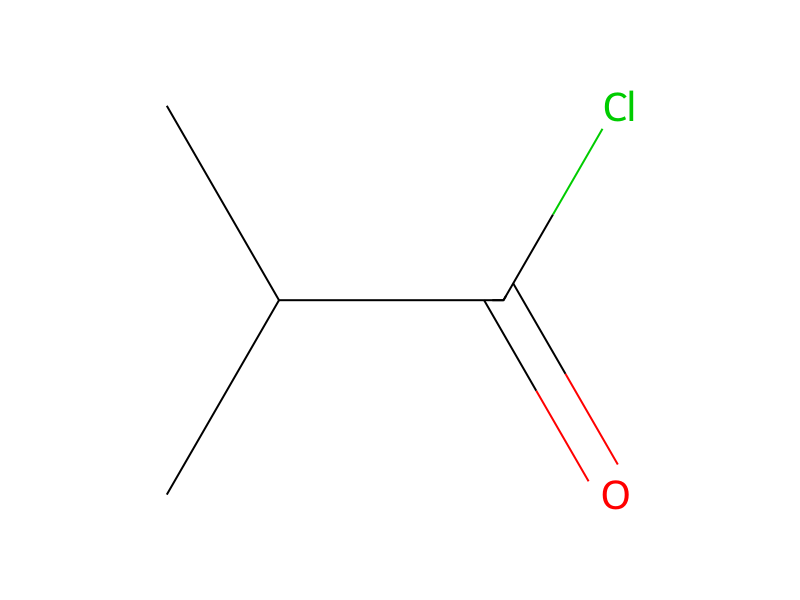
Isobutyryl chloride

HCID 62325
New noteNew reactionRequest quotes
Print preview
Basic informationOverviewNames & identifiersPropertiesSafety & regulationChemistry & industryRelated reactionsCompound notes
Substructure searchFind similar structures

Basic information

CAS
79-30-1
Standard SMILES
CC(C)C(=O)Cl
InChIKey
DGMOBVGABMBZSB-UHFFFAOYSA-N
Molecular formula
C4H7ClO
Average molar mass
106.55 g/mol
Monoisotopic mass
106.0185425

Overview

Isobutyryl chloride appears as a colorless liquid. Irritates skin, eyes and mucous membranes. Toxic by ingestion, inhalation and skin absorption. Used to make other chemicals.

Names & identifiers

Preferred name
Isobutyryl chloride
IUPAC
2-methylpropanoyl chloride
English name
Isobutyryl chloride
Molecular formula
C4H7ClO
Molecular weight
106.55

Names & synonyms

Isobutyryl chloride79-30-12-Methylpropanoyl chlorideIsobutanoyl chloridePROPANOYL CHLORIDE, 2-METHYL-i-butyryl chlorideisopropanecarbonyl chloride2-methylpropanoic acid chlorideDTXSID00525422,2-dimethylacetyl chlorideEINECS 201-194-1UN2395
Show more names
isobutyrylIBCLISOBUTANOYLCHLORIDEIsoburyryl chloride2-METHYLPROPIONYL CHLORIDEISOBUTRYL CHLORIDElsobutyryl chlorideISOBUTYROYL CHLORIDE
6617F0VJZC2-PROPYLCARBONYL CHLORIDE2methylpropionyl chlorideUN 2395UNII-6617F0VJZCDTXCID7031115EC 201-194-12methylpropanoyl chloride

Database identifiers

CAS
79-30-1
PubChem CID
62325
DTXSID
DTXSID0052542
UNII
6617F0VJZC
EC Number
201-194-1
Nikkaji
J3.839C

Properties

Computed structural properties

XLogP
1.8
Topological polar surface area
17.1 Ų
Hydrogen bond donors
0
Hydrogen bond acceptors
1
Rotatable bonds
1
Heavy atoms
6
Formal charge
0
Complexity
58.6

Experimental & physicochemical properties

Chemical Classes · 2 items

Toxic Gases & Vapors -> Acid Halides

Flammable agents - 3rd degree

SpringerMaterials PropertiesSchoenflies notation
Physical Description · 2 items

Isobutyryl chloride appears as a colorless liquid. Irritates skin, eyes and mucous membranes. Toxic by ingestion, inhalation and skin absorption. Used to make other chemicals.

Liquid; [Alfa Aesar MSDS]

Physicochemical properties

Melting point
90 °C · −90 °C
Boiling point
91 · 91–93 °C (196–199 °F; 364–366 K)
Density
1.017 g/mL · 1.017 g/mL
vapor pressure
0.07 mm · 0.07 mm Hg ( 20 °C)
refractive index
1.41 · 1.41
Flash point
9 °C · 9 °C
storage temp.
30 °C · Store below +30°C.

Safety & regulation

Safety information is for reference only and does not replace the supplier’s Safety Data Sheet (SDS), applicable regulations, or professional assessment.

GHS classification

GHS Classification · 6 items

Danger

H225: Highly Flammable liquid and vapor [Danger Flammable liquids]

P210, P233, P240, P241, P242, P243, P260, P264, P280, P301+P330+P331, P302+P361+P354, P303+P361+P353, P304+P340, P305+P354+P338, P316, P321, P363, P370+P378, P403+P235, P405, and P501 (click each P-code to see the statement)

Danger

H225 (100%): Highly Flammable liquid and vapor [Danger Flammable liquids]

P210, P233, P234, P240, P241, P242, P243, P260, P264, P264+P265, P270, P271, P280, P284, P301+P317, P301+P330+P331, P302+P361+P354, P303+P361+P353, P304+P340, P305+P354+P338, P316, P317, P320, P321, P330, P363, P370+P378, P390, P403+P233, P403+P235, P405, P406, and P501 (click each P-code to see the statement)

Hazard information

Hazards IdentificationWater-reactive material (WR)
Regulatory Information · 3 items

REACH registered substance: Isobutyryl chloride (EC: 201-194-1)

Isobutyryl chloride: Does not have an individual approval but may be used under an appropriate group standard

The New Jersey Worker and Community Right to Know Act requires public and private employers to provide information about hazardous substances at their workplaces. (N.J.S.A. 34:5A-1 et. seq.)

DOT LabelFlammable Liquid Corrosive
Fire Hazards · 2 items

Excerpt from ERG Guide 155 [Substances - Toxic and/or Corrosive (Flammable / Water-Sensitive)]:

· HIGHLY FLAMMABLE: Will be easily ignited by heat, sparks or flames.

Health Hazards · 2 items

Excerpt from ERG Guide 155 [Substances - Toxic and/or Corrosive (Flammable / Water-Sensitive)]:

· TOXIC and/or CORROSIVE; inhalation, ingestion or contact (skin, eyes) with vapors, dusts or substance may cause severe injury, burns or death.

Chemistry & industry

Uses & manufacturing

UsesToxic Gas from Spilling Chemical in Water [Category: Other]
General Manufacturing InformationPropanoyl chloride, 2-methyl-: ACTIVE
Applications · 3 items

UsesUsually used in the synthesis of fully isobutyramide terminated hyperbranched polyethylenimines,the separation and identification of shikonin and its ester derivatives in the root epidermis of Echium italicum.

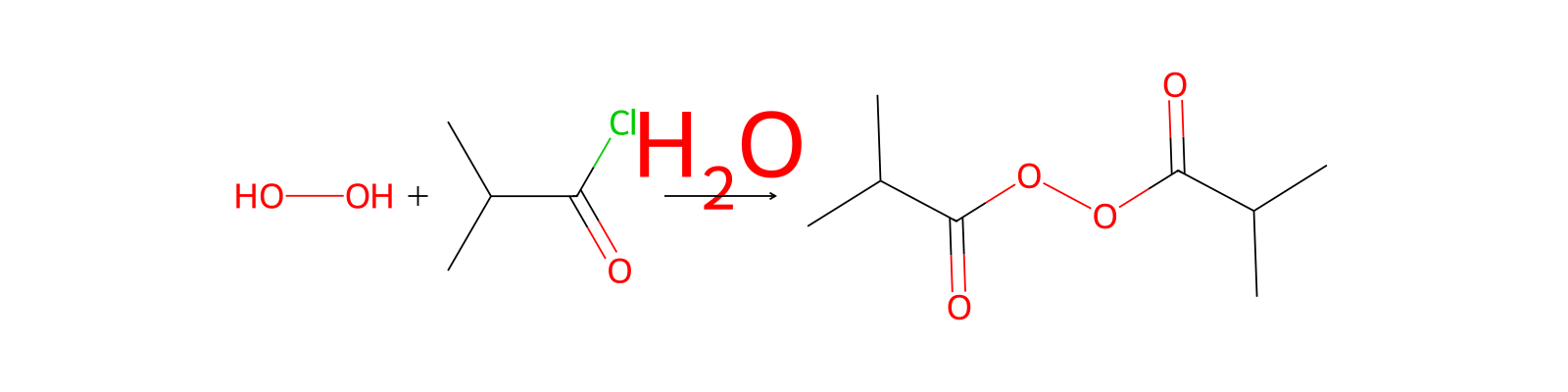
UsesIsobutyryl chloride is used in the preparation of fully isobutyramide terminated hyperbranched polyethylenimines. It plays an important role in the separation and identification of shikonin and its ester derivatives in the root epidermis of Echium italicum L. It acts as an acylating agent for the ketimine derivatives of alfa-amino esters, nucleosides and pyrroles. Further, it is used in the preparation of organic peroxides. In addition to this, it is used as an intermediate for dyes, textile auxiliaries and peroxide compounds.

General DescriptionA colorless liquid. Flash point near 50°F. Irritates skin, eyes and mucous membranes. Toxic by ingestion, inhalation and skin absorption. Used to make other chemicals.

Upstream & downstream products

Upstream raw materials

Isobutyric acidSulfur dioxideThioacetic acidMethacrylic acid1-(4,5-dihydrooxazol-2-yl)acetone2-Methyl-2-oxazoline

Related reactions

1,193 records
New reaction record
HRID 3667 reaction equation
HRID 3667As reactantuspto-grants-1998_03
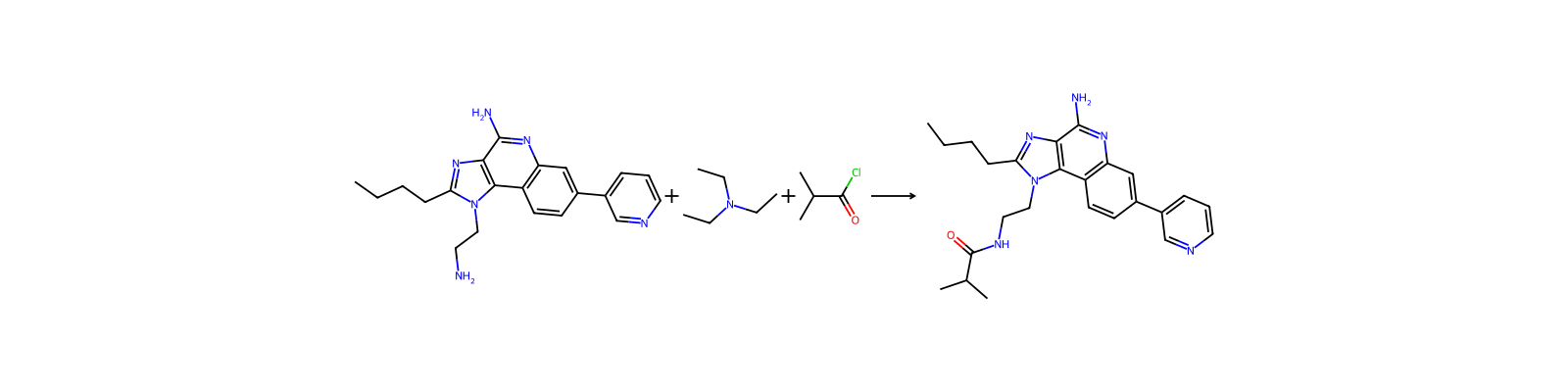
HRID 5905 reaction equation
HRID 5905As reactantuspto-grants-1993_09
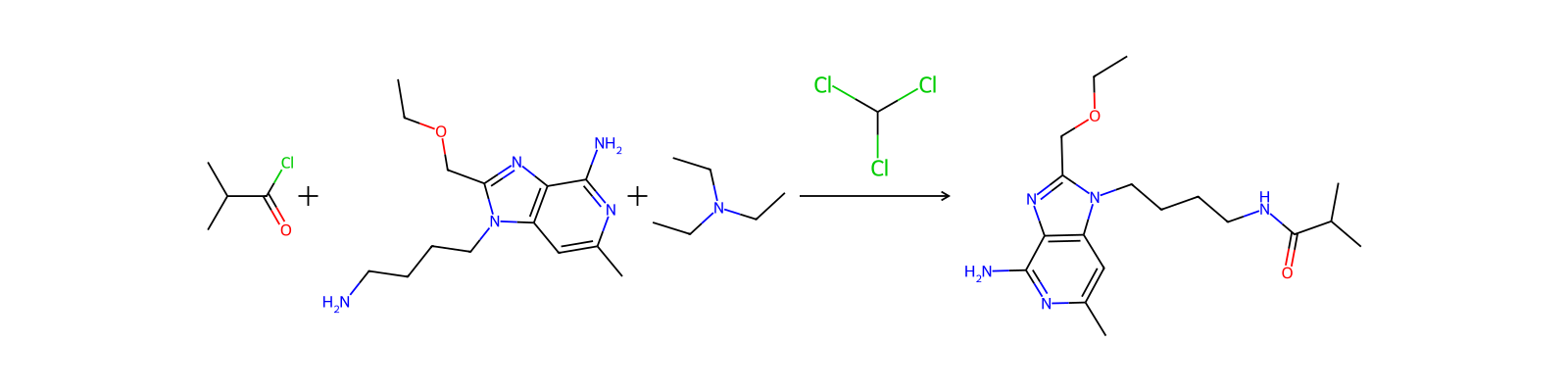
HRID 8140 reaction equation
HRID 8140As reactantuspto-grants-2006_08
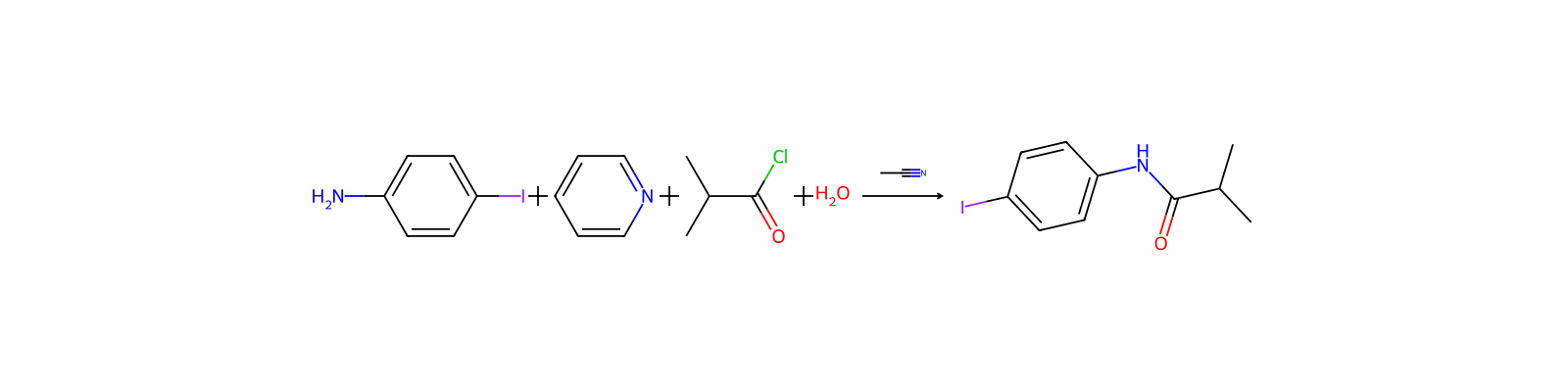
HRID 9435 reaction equation
HRID 9435As reactantuspto-grants-2006_08
HRID 9439 reaction equation
HRID 9439As reactantuspto-grants-2006_08
HRID 9511 reaction equation
HRID 9511As reactantuspto-grants-2006_08
HRID 10109 reaction equation
HRID 10109As reactantuspto-grants-2006_08
HRID 11352 reaction equation
HRID 11352As reactantuspto-grants-2006_08
Page 1 of 150

Compound notes

Loading…

On this pageBasic informationOverviewNames & identifiersPropertiesSafety & regulationChemistry & industryRelated reactionsCompound notes
More actions
New noteNew reactionRequest quotes
solubility
Miscible with chloroform, glacial acetic acid, ether, toluene, methylene chloride and benzene.
form
clear liquid
color
Colorless to Light yellow
Odor
Stench
PH
7 · <7 (H2O)
explosive limit
2.1 · 2.1-8.2%(V)
Water Solubility
Reacts
Sensitive
Moisture Sensitive
BRN
605393 · 605393
InChI
1S/C4H7ClO/c1-3(2)4(5)6/h3H,1-2H3
InChIKey
DGMOBVGABMBZSB-UHFFFAOYSA-N
SMILES
CC(C)C(Cl)=O
CAS DataBase Reference
79 · 79-30-1(CAS DataBase Reference)
EWG's Food Scores
1 · 1
FDA UNII
6617 F0VJZC · 6617F0VJZC
NIST Chemistry Reference
2 · 2-Methylpropanoyl chloride(79-30-1)
EPA Substance Registry System
2 · Propanoyl chloride, 2-methyl- (79-30-1)
UNSPSC Code
12352100 · 12352100
NACRES
22 · NA.22
Symbol(GHS)
2 · GHS02,GHS05,GHS06
Signal word
Danger
Hazard statements
330 · H330-H302-H314-H225-H290
Precautionary statements
501 · P501-P270-P240-P260-P210-P233-P234-P243-P241-P242-P271-P264-P280-P284-P370+P378-P390-P303+P361+P353-P301+P330+P331-P363-P301+P312+P330-P304+P340+P310-P305+P351+P338+P310-P403+P233-P403+P235-P406-P405
PPE
Faceshields, Gloves, Goggles, type ABEK (EN14387) respirator filter
Hazard Codes
F,C,T
Risk Statements
11 · 11-35-23
Safety Statements
16 · 16-23-26-36-45-36/37/39-28A
RIDADR
2395 · UN 2395
WGK Germany
1 · 1
RTECS
3944000 · UC3944000
F
13 · 13
Autoignition Temperature
325 °C · 325 °C
Hazard Note
Highly Flammable/Corrosive/Moisture Sensitive
TSCA
TSCA listed
HazardClass
3 · 3
PackingGroup
II
HS Code
2915900090 · 2915900090
Storage Class
3 · 3 - Flammable liquids
Hazard Classifications
2 Skin · Flam. Liq. 2Skin Corr. 1A
REACH Registrations
Active
Limited Quantities
1 L · 1.0 L (0.3 gallon) (liquid)
Excepted Quantities
Max Inner Pack (30g or 30ml) and Max Outer Pack (500g or 500ml)
Hazards Summary · 1 item

A severe eye irritant; Causes focal lung fibrosis and acute pulmonary edema in inhalation lethal-concentration studies of rats; [RTECS] Causes burns; Inhalation may cause corrosive injuries to upper respiratory tract and lungs; [Alfa Aesar MSDS]

DOT ID and Guide2395 155
Reactive GroupAcyl Halides, Sulfonyl Halides, and Chloroformates
Reactivity AlertsHighly Flammable
Reactivity Profile · 1 item

ISOBUTYRYL CHLORIDE is water reactive. Incompatible with strong oxidizing agents, alcohols, bases (including amines). May react vigorously or explosively if mixed with diisopropyl ether or other ethers in the presence of trace amounts of metal salts [J. Haz. Mat., 1981, 4, 291].

DOT Hazard Classification · 5 items

Isobutyryl chloride

UN2395

Class 3 Flammable and combustible liquid (49 eCFR § 173.120)

Class 3 Flammable and combustible liquid (49 eCFR § 173.120)

PG II: the degree of danger presented by the material is medium

Air and Water ReactionsHighly flammable. Produces corrosive toxic fumes containing HCl on contact with moist air. Decomposes in water.

Safety & protection

Fire FightingExcerpt from ERG Guide 155 [Substances - Toxic and/or Corrosive (Flammable / Water-Sensitive)]:
Accidental Release Measures · 2 items

· CALL 911. Then call emergency response telephone number on shipping paper. If shipping paper not available or no answer, refer to appropriate telephone number listed on the inside back cover.

· ELIMINATE all ignition sources (no smoking, flares, sparks or flames) from immediate area.

First Aid · 2 items

Excerpt from ERG Guide 155 [Substances - Toxic and/or Corrosive (Flammable / Water-Sensitive)]:

General First Aid:

Exposure Control and Personal Protection · 2 items

· Wear positive pressure self-contained breathing apparatus (SCBA).

TIH (Toxic Inhalation Hazard) - Term used to describe gases and volatile liquids that are toxic when inhaled. Some are TIH materials themselves, e.g., chlorine, and some release TIH gases when spilled in water, e.g., chlorosilanes. [ERG 2016].

Nonfire Spill ResponseExcerpt from ERG Guide 155 [Substances - Toxic and/or Corrosive (Flammable / Water-Sensitive)]:
Isolation and Evacuation · 4 items

Excerpt from ERG Guide 155 [Substances - Toxic and/or Corrosive (Flammable / Water-Sensitive)]:

Immediate precautionary measure

When spilled in water

When spilled in water

Toxic-by-Inhalation (TIH) GasHCl - when spill Isobutyryl chloride into water.
Personal Protective Equipment (PPE)Excerpt from ERG Guide 155 [Substances - Toxic and/or Corrosive (Flammable / Water-Sensitive)]:
Emergency Response Planning Guidelines· Note: Most foams will react with the material and release corrosive/toxic gases.

Toxicology

Adverse EffectsDermatotoxin - Skin burns.
Toxicity DataLCLo (rat) = 11,600 mg/m3/4hr

Safety data

F
13
PPE
Faceshields, Gloves, Goggles, type ABEK (EN14387) respirator filter
wgk
1
tsca
TSCA listed
rtecs
UC3944000
ridadr
UN 2395
hs_code
2915900090
risk_code
11-35-23
Signal word
Danger
Symbol(GHS)
GHS02,GHS05,GHS06
hazard_code
F,C,T
hazard_note
Highly Flammable/Corrosive/Moisture Sensitive
safety_code
16-23-26-36-45-36/37/39-28A
hazard_class
3
Storage Class
3 - Flammable liquids
packing_group
II
Hazard statements
H330-H302-H314-H225-H290
Limited Quantities
1.0 L (0.3 gallon) (liquid)
Excepted Quantities
Max Inner Pack (30g or 30ml) and Max Outer Pack (500g or 500ml)
REACH Registrations
Active
Hazard Classifications
Flam. Liq. 2Skin Corr. 1A
Autoignition Temperature
325 °C
Precautionary statements
P501-P270-P240-P260-P210-P233-P234-P243-P241-P242-P271-P264-P280-P284-P370+P378-P390-P303+P361+P353-P301+P330+P331-P363-P301+P312+P330-P304+P340+P310-P305+P351+P338+P310-P403+P233-P403+P235-P406-P405
Isobutyric acid hydrazide
1,3,5-Trimethyl-2-(trichloromethyl)benzene
2,4,6-Trimethylbenzoyl chloride
Dichloromethane
Isobutyraldehyde

Downstream products

D-(S)-3-acetylthio-2-methylpropionylL-prolineIsobutyrophenoneFlutamide1-Chloro-N,N,2-trimethylpropenylamineIsobutyric acid isopropyl ester3'-TrifluoromethylisobutyranilideBucillamineIsobutyramideEtofenprox2,2-Dimethyl-3-(2-methylprop-1-enyl)cyclopropanecarboxylic acidPropanoic acid, 2-methyl-2-[[(trimethylsilyl)oxy]sulfonyl]-, trimethylsilyl esterPRENYL ISOBUTYRATE