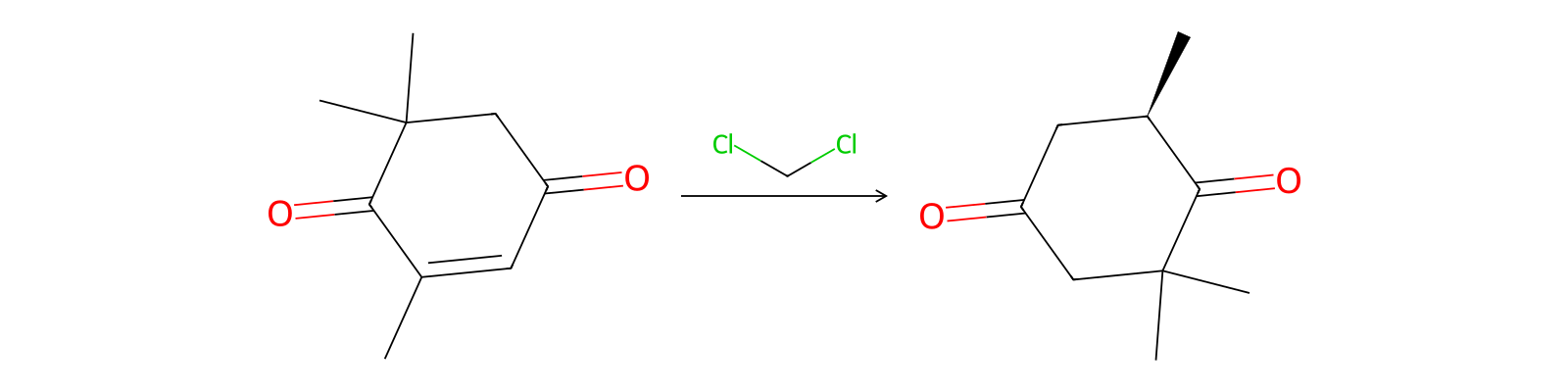
FragrancesFragrance Ingredient (2,6,6-Trimethylcyclohex-2-ene-1,4-dione) -> IFRA transparency List
Food AdditivesFLAVORING AGENT OR ADJUVANT -> FDA Substance added to food
Flavoring AgentsEU Flavoring substances
Solubility · 3 items
slightly
Slightly soluble in water
Soluble (in ethanol)
Boiling Point92.00 to 94.00 °C. @ 11.00 mm Hg
Melting Point21 °C
Physical Description · 2 items
Solid
White to colourless solid; Woody, musty sweet, aroma
Physicochemical properties
Melting point
26 · 26-28 °C (lit.)
Safety & regulation
Safety information is for reference only and does not replace the supplier’s Safety Data Sheet (SDS), applicable regulations, or professional assessment.
GHS classification
GHS Classification · 5 items
This chemical does not meet GHS hazard criteria for 3.4% (54 of 1568) of reports.
Warning
H302 (85.3%): Harmful if swallowed [Warning Acute toxicity, oral]
P261, P264, P270, P272, P280, P301+P317, P302+P352, P321, P330, P333+P317, P362+P364, and P501 (click each P-code to see the statement)
Aggregated GHS information provided per 1568 reports by companies from 10 notifications to the ECHA C&L Inventory. Each notification may be associated with multiple companies.
General Manufacturing Information2-Cyclohexene-1,4-dione, 2,6,6-trimethyl-: ACTIVE
Applications · 3 items
OccurrenceReported found among the volatile components in saffron and in cigarette smoke. Also reported found in saffron, cognac, black tea, green tea, microbial fermented tea, lemon balm, cooked shrimp, roasted shrimp, corn oil and lamb’s lettuce.
Uses4-Oxoisophorone is one of the major components of saffron (Crocus sativus L.) and also found to be a product of degradation of carotenoids in paprika, tomato and marigold oleoresins.
General Description2,6,6-Trimethyl-2-cyclohexene-1,4-dione is also known as 4-ketoisophorone and is the major component of saffron spice. It is a cyclic olefin and was reported as a product of the thermal degradation of β-carotene in aqueous suspension.