
HRID 6377As product

79559-97-0CN[C@H]1CC[C@@H](c2ccc(Cl)c(Cl)c2)c2ccccc21.ClBLFQGGGGFNSJKA-XHXSRVRCSA-NSertraline hydrochloride is a hydrochloride resulting from the reaction of equimolar amounts of sertraline and hydrogen chloride. A selective serotonin-reuptake inhibitor (SSRI), it is administered orally as an antidepressant for the treatment of depression, obsessive-compulsive disorder, panic disorder and post-traumatic stress disorder. It has a role as an antidepressant and a serotonin uptake inhibitor. It contains a sertraline(1+).
FDA approved drugs -> Active ingredient
FDA approved drugs -> Active ingredient
Safety information is for reference only and does not replace the supplier’s Safety Data Sheet (SDS), applicable regulations, or professional assessment.
Warning
H302 (99.1%): Harmful if swallowed [Warning Acute toxicity, oral]
P203, P264, P270, P273, P280, P301+P317, P318, P330, P391, P405, and P501 (click each P-code to see the statement)
Aggregated GHS information provided per 116 reports by companies from 15 notifications to the ECHA C&L Inventory. Each notification may be associated with multiple companies.
Treatment should consist of those general measures employed in the management of overdosage with any antidepressant. Ensure an adequate airway, oxygenation and ventilation. Monitor cardiac rhythm and vital signs. General supportive and symptomatic measures are also recommended. Induction of emesis is not recommended. Gastric lavage with a large-bore orogastric tube with appropriate airway protection, if needed, may be indicated if performed soon after ingestion, or in symptomatic patients. Activated charcoal should be administered. Due to large volume of distribution of this drug, forced diuresis, dialysis, hemoperfusion and exchange transfusion are unlikely to be of benefit. No specific antidotes for sertraline are known. (L1712)
The effects of food on the bioavailability of the sertraline tablet and oral concentrate were studied in subjects administered a single dose with and without food. For the tablet, AUC was slightly increased when drug was administered with food but the Cmax was 25% greater, while the time to reach peak plasma concentration (Tmax) decreased from 8 hours post-dosing to 5.5 hours. For the oral concentrate, Tmax was slightly prolonged from 5.9 hours to 7.0 hours with food.
Extensively metabolized in the liver. Sertraline metabolism involves <i>N</i>-demethylation, <i>N</i>-hydroxylation, oxidative deamination, and glucuronidation of sertraline carbamic acid. Sertraline undergoes <i>N</i>-demethylation primarily catalyzed by cytochrome P450 (CYP) 2B6, with CYP2C19, CYP3A4 and CYP2D6 contributing to a lesser extent. Deamination occurs via CYP3A4 and CYP2C19. <i>In vitro</i> studies have shown that monoamine oxidase A and B may also catalyze sertraline deamination. Sertraline <i>N</i>-carbamoyl glucuronidation has also been observed in human liver microsomes. Route of Elimination: Sertraline is extensively metabolized and excretion of unchanged drug in urine is a minor route of elimination. Half Life: The elimination half-life of sertraline is approximately 25-26 hours. The elimination half-life of desmethylsertraline is approximately 62-104 hours.
SERTRALINE HYDROCHLORIDE
Cytochrome P450 2D6 Inhibitors [MoA]; Serotonin Reuptake Inhibitor [EPC]; Serotonin Uptake Inhibitors [MoA]
SERTRALINE HCL
Cytochrome P450 2D6 Inhibitors [MoA]; Serotonin Reuptake Inhibitor [EPC]; Serotonin Uptake Inhibitors [MoA]
Mood-stimulating drugs used primarily in the treatment of affective disorders and related conditions. Several MONOAMINE OXIDASE INHIBITORS are useful as antidepressants apparently as a long-term consequence of their modulation of catecholamine levels. The tricyclic compounds useful as antidepressive agents (ANTIDEPRESSIVE AGENTS, TRICYCLIC) also appear to act through brain catecholamine systems. A third group (ANTIDEPRESSIVE AGENTS, SECOND-GENERATION) is a diverse group of drugs including some that act specifically on serotonergic systems.
Compounds that specifically inhibit the reuptake of serotonin in the brain.
For the management of major depressive disorder, posttraumatic stress disorder, obsessive-compulsive disorder, panic disorder with or without agoraphobia, premenstrual dysphoric disorder, social phobia, premature ejaculation, and vascular headaches.
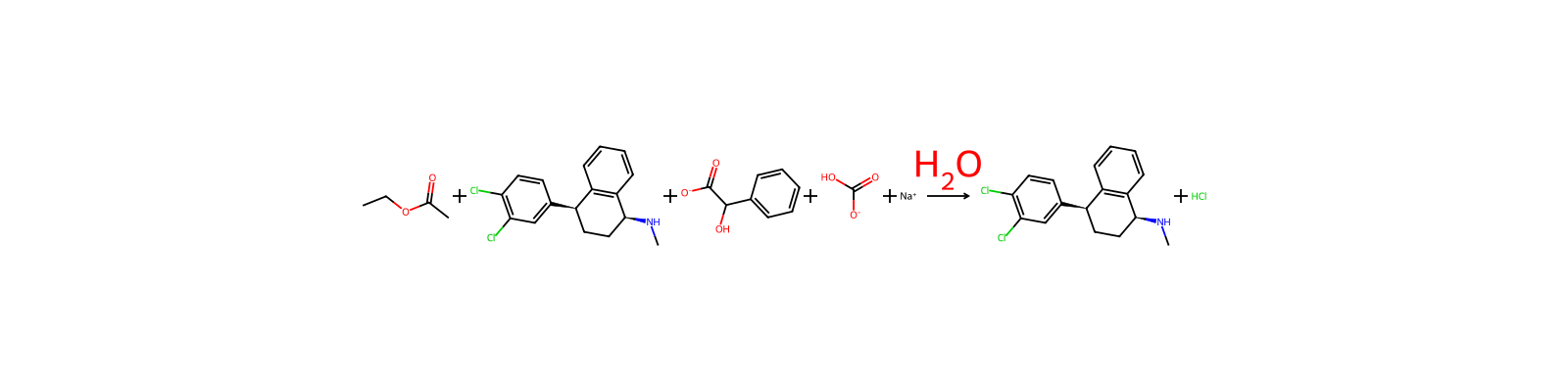


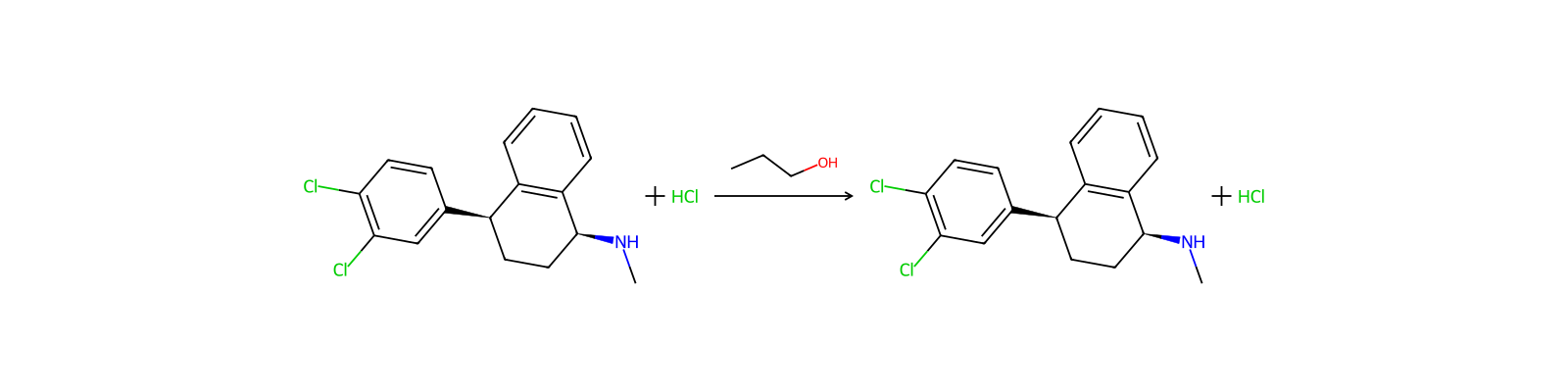
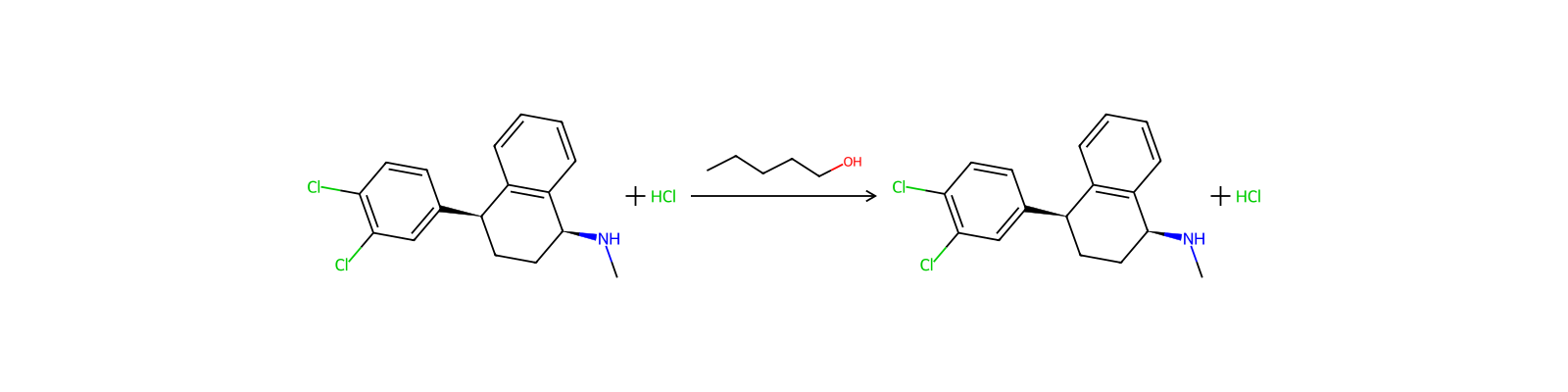
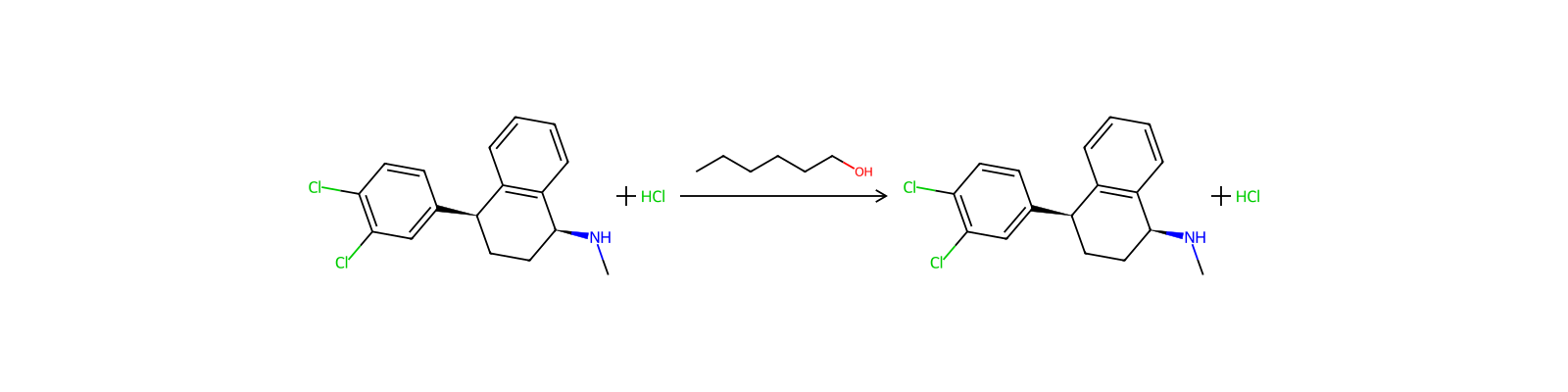

79559-97-0、79617-89-3、79617-95-1DTXSID1040243CHEMBL1709CHEBI:9124The exact mechanism of action sertraline is not fully known, but the drug appears to selectively inhibit the reuptake of serotonin at the presynaptic membrane. This results in an increased synaptic concentration of serotonin in the CNS, which leads to numerous functional changes associated with enhanced serotonergic neurotransmission. It is suggested that these modifications are responsible for the antidepressant action observed during long term administration of antidepressants. It has also been hypothesized that obsessive-compulsive disorder is caused by the dysregulation of serotonin, as it is treated by sertraline, and the drug corrects this imbalance.
Drug Induced Liver Injury Rank (DILIrank 2.0)
Sertraline hydrochloride
vLess-DILI-concern
3
Adverse reactions
DOI:10.1016/j.drudis.2016.02.015
DescriptionSertraline(79559-97-0) is the hydrochloride form of sertraliine. Sertraline belongs to the selective serotonin reuptake inhibitor (SSRI) class antidepressant drug. Sertraline is indicated for the treatment of major depressive disorder in adults as well as obsessive-compulsive disorder, post-traumatic stress disorder (PTSD), premenstrual dysphoric disorder (PMDD), panic disorder and social anxiety disorder occurring in both adults and children. Its exact mechanism of action is still not fully understand. But it is indicated that this drug can selectively inhibit the reuptake of serotonin at the presynaptic membrane, increasing serotonin levels in the synapses and enhancing serotonergic neurotransmission. This effect seems to be related to the antidepressant effect of sertraliine.
DescriptionSertraline is a selective serotonin reuptake inhibitor (SSRI). It inhibits monoamine uptake by the serotonin transporter (SERT) with an IC50 value of 70 nM. It is selective for SERT over the norepinephrine and dopamine transporters (IC50s = 520 and 720 nM, respectively). Sertraline (3.2-56 mg/kg, s.c.) reduces immobility in the forced swim test in mice. Sertraline (5 μM) prevents acid sphingomyelinase activation and subsequent ceramide release induced by infection with replication-deficient vesicular stomatitis virus pseudoviral particles (pp-VSV) presenting the severe acute respiratory coronavirus 2 (SARS-CoV-2) spike protein in Vero cells, an effect that can be overcome with exogenous application of C16 ceramide. Formulations containing sertraline have been used in the treatment of depression, obsessive-compulsive disorder (OCD), premenstrual dysphoric disorder (PMDD), and various anxiety disorders.
DescriptionSertraline hydrochloride is a selective serotonin reuptake inhibitor, similar mechanistically to fluoxetine, introduced initially for the maintenance and long-term treatment of depression. It is reportedly non-sedating and compared to fluoxetine has a shorter duration of action and lack of CNS activating effects such as nervousness and anxiety. Sertraline hydrochloride is currently undergoing investigation for the treatment of obesity and obsessive-compulsive disorders.
UsesA selective serotonin reuptake inhibitor. Used as an antidepressant
Usesantibacterial
UsesA selective ST inhibitor
UsesThe effect of exposure of sertraline hydrochloride was studied in chronically prepared ovine fetus. It was used in glucocorticoid function assay to study the effect of antidepressants on glucocorticoid receptor function in humans.
General DescriptionSertraline, marketed as the brand drug Zoloft, is an SSRI antidepressant used in the treatment of major depression as well as obsessive-compulsive, panic, and social anxiety disorders. This Certified Snap-N-Spike Solution is applicable for use in LC/MS or GC/MS applications for urine drug testing, clinical toxicology, and forensic analysis.
DefinitionChEBI: A hydrochloride resulting from the reaction of equimolar amounts of sertraline and hydrogen chloride. A selective serotonin-reuptake inhibitor (SSRI), it is administered orally as an antidepressant for the treatment of depression, obsessive-compulsive diso der, panic disorder and post-traumatic stress disorder.