
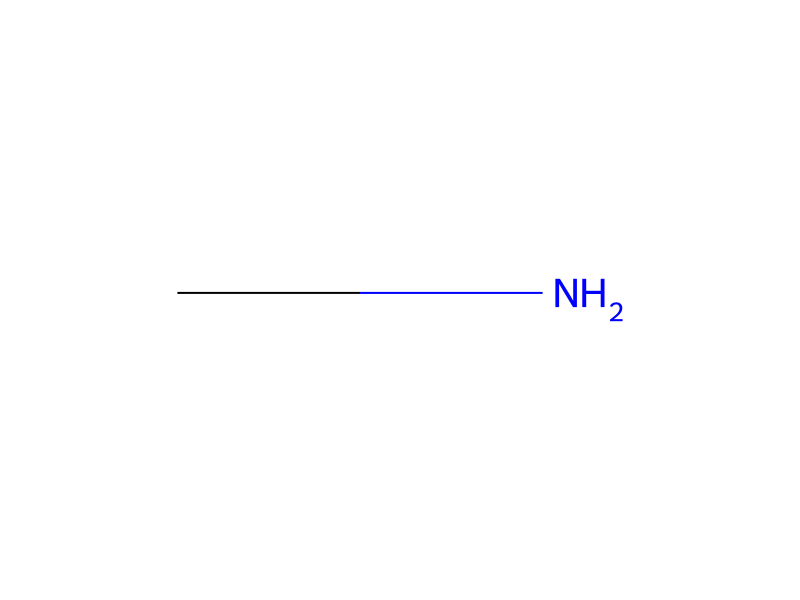
Basic information
- Standard SMILES
CN- InChIKey
BAVYZALUXZFZLV-UHFFFAOYSA-N- Molecular formula
- CH5N
- Average molar mass
- 31.057 g/mol
- Monoisotopic mass
- 31.04219916
Overview
Methylamine, anhydrous appears as a colorless gas or a liquid. Pungent fishy odor resembling odor of ammonia. The liquid boils at cold temperatures, hence it vaporizes rapidly when unconfined. Vapors are heavier than air and may collect in low-lying areas. Easily ignited under most conditions. Under prolonged exposure to intense heat the containers may rupture violently and rocket. Used for making pharmaceuticals, insecticides, paint removers, surfactants, rubber chemicals.
Names & identifiers
- Preferred name
- Methylamine
- IUPAC
- methanamine
- English name
- Methylamine-d5
- Molecular formula
- CD5N
- Molecular weight
- 36.09
Names & synonyms
METHYLAMINEMethanamineAminomethaneMonomethylamine74-89-5CarbinamineMercurialinN-MethylamineMethylaminenMetilamineMetyloaminaAnhydrous Methylamine
Show more names
Methylamine-d5Methylamine-d?Methanamine-d5Aminomethane-d5(2H5)MethanamineMethylamine-D5 Cl(2H3)Methyl(2H2)amineMETHYLAMINE (D5, 98%)Methylamine (D?, 98%)Methylamine-d5
BSF23SJ79EAI3-15637-XMethylamine, anhydrousDTXSID7025683CHEBI:16830monomethylammonium ionMethylamine (aqueous)Methylamine (anhydrous)
Database identifiers
- CAS
3767-37-1、74-89-5- PubChem CID
- 6329
- DTXSID
DTXSID7025683- ChEMBL
CHEMBL43280- ChEBI
CHEBI:16830- UNII
- BSF23SJ79E
- EC Number
- 200-820-0、685-222-1
- Nikkaji
- J1.291.783J、J1.431A、J1.880.697E、J768.885G
Properties
Computed structural properties
- XLogP
- -0.7
- Topological polar surface area
- 26 Ų
- Hydrogen bond donors
- 1
- Hydrogen bond acceptors
- 1
- Rotatable bonds
- 0
- Heavy atoms
- 2
- Formal charge
- 0
- Complexity
- 2
Experimental & physicochemical properties
Chemical Classes
Nitrogen Compounds -> Amines, Aliphatic
Flammable agents - 4th degree
pHStronger base than ammonia
SpringerMaterials Properties15N nuclear magnetic resonance spectrum
LogP
log Kow = -0.57
-0.57
-0.71
-0.6
OdorFish or ammonia-like odor
Density
0.693 at 20.3 °F (USCG, 1999) - Less dense than water; will float
0.6624 g/cu cm at 25 °C; 0.0014 g/cu cm at 101.33 kPa
Density: 0.656 g/cu cm at 25 °C (p>1 atm)
Saturated liquid density: 43.260 lb/cu ft; liquid heat capacity: 0.803 Btu/lb-F; liquid thermal conductivity: 1.516 Btu-inch/hr-sq ft-F; liquid viscosity: 0.250 Centipoise (all at 20 °F) (Methylamine anhydrous)
Relative density (water = 1): 0.7 (liquid)
Relative density (water = 1): 0.89
Color/Form
Colorless gas [Note: A liquid below 21 degrees F. Shipped as a liquefied compressed gas]
Flammable gas at ordinary temperature and pressure. Fuming liquid when cooled in ice and salt mixture.
Solubility
greater than or equal to 100 mg/mL at 70 °F (NTP, 1992)
Very soluble in water
1 volume of water at 12.5 °C dissolves 1154 volumes of gas; at 25 °C dissolves 959 volumes of gas; 10.5 g is contained in 100 mL saturated benzene solution
Soluble in ethanol, benzene, and acetone; miscible with ether
Solubilities in various solvents at 1 atm and 20 °C.
CorrosivityCorrosive to copper, copper alloys, zinc alloys, aluminum, and galvanized surfaces (Methylamine solution)
Flash Point
14 °F (Liquid) (NIOSH, 2024)
32 °F (USCG, 1999)
The Guide from the Emergency Response Guidebook is for "methylamine, anhydrous." 32 °F
-10 °C (14 °F) - closed cup /Methylamine solution 30-50%/
32 °F (closed cup)
Flammable gas
Boiling Point
20.3 °F at 760 mmHg (USCG, 1999)
20.66 °F at 760 mmHg (USCG, 1999)
-6.4 °C
BP: -6.3 °C at 760 mm Hg; -19.7 °C at 400 mm Hg; -32.4 °C at 200 mm Hg; -43.7 °C at 100 mm Hg; -73.8 °C at 10 mm Hg
-6 °C
Decomposition
Hazardous decomposition products formed under fire conditions: Carbon oxides, nitrogen oxides (NOx) /Methylamine solution 30-50%/
When heated to decomposition it emits toxic fumes of /nitrogen oxides/.
Physicochemical properties
- Boiling point
- -6.3 °C · -6.3 °C (lit.)
- Flash point
- -18 °C · -18 °C
- InChI
- 1S/CH5N/c1-2/h2H2,1H3/i1D3/hD2
- InChIKey
- BAVYZALUXZFZLV-OMNVKBNWSA-N
- SMILES
- [2H]N([2H])C([2H])([2H])[2H]
- UNSPSC Code
- 12352116 · 12352116
- NACRES
- 12 · NA.12
- CAS Number Unlabeled
- 74 · 74-89-5
- Symbol(GHS)
- 2 · GHS02,GHS04,GHS05,GHS06
- Signal word
- Danger
- Hazard statements
- 220 · H220-H280-H315-H318-H331-H335
- Precautionary statements
- 210 · P210-P280-P304+P340+P311-P305+P351+P338-P403+P233-P410+P403
- target organs
- Respiratory system
- Hazard Codes
- F+,Xn
- Risk Statements
- 12 · 12-20-37/38-41
- Safety Statements
- 16 · 16-26-29-39
- RIDADR
- 1235 · UN 1235
- WGK Germany
- 1 · 1
- HazardClass
- 2.1 · 2.1
- PackingGroup
- II
- Storage Class
- 2 A · 2A - Gases
- Hazard Classifications
- 3 InhalationEye · Acute Tox. 3 InhalationEye Dam. 1Flam. Gas 1APress. Gas Liquefied gasSkin Irrit. 2STOT SE 3
Safety & regulation
GHS classification
GHS Classification
Danger
H220: Extremely flammable gas [Danger Flammable gases]
P203, P210, P222, P261, P264, P264+P265, P271, P280, P302+P352, P304+P340, P305+P354+P338, P317, P319, P321, P332+P317, P362+P364, P377, P381, P403, P403+P233, P405, and P501 (click each P-code to see the statement)
Danger
H224: Extremely flammable liquid and vapor [Danger Flammable liquids]
P210, P233, P240, P241, P242, P243, P260, P261, P264, P270, P271, P280, P301+P317, P301+P330+P331, P302+P361+P354, P303+P361+P353, P304+P340, P305+P354+P338, P316, P317, P321, P330, P363, P370+P378, P403+P235, P405, and P501 (click each P-code to see the statement)
Hazard information
Hazards IdentificationToxic/poison by inhalation (TIH/PIH)
Regulatory Information
Chemical: Methanamine
List I Chemical: A chemical specified by regulation that, in addition to legitimate uses, is used in manufacturing a controlled substance in violation of the Act and is important to the manufacture of a controlled substance. (21 eCFR 1310.02)
Methanamine is listed on the EPA's Chemical Data Reporting (CDR) system. Manufacturers and importers of Methanamine are required to report information about their production and use of this chemical to the EPA under the Toxic Substances Control Act (TSCA). (40 eCFR Part 711)
Status: Active Update: 12-01-2023 https://echa.europa.eu/registration-dossier/-/registered-dossier/15017
Methanamine (methylamine): HSNO Approval: HSR001008 Approved with controls
The New Jersey Worker and Community Right to Know Act requires public and private employers to provide information about hazardous substances at their workplaces. (N.J.S.A. 34:5A-1 et. seq.)
Other Safety InformationIMAP assessments - Methanamine: Human health tier I assessment
DOT Label
Flammable Gas
Flammable Liquid Corrosive
Fire Hazards
FLAMMABLE. POISONOUS GASES MAY BE PRODUCED IN FIRE. Containers may explode in fire. Flashback along vapor trail may occur. Vapor may explode if ignited in an enclosed area. Toxic nitrogen oxides may be formed. Vapors are heavier than air and may travel considerable distance to a source of ignition and flash back. (USCG, 1999)
Special Hazards of Combustion Products: Toxic nitrogen oxides may be formed.
· EXTREMELY FLAMMABLE.
· Flammable/combustible material.
Extremely flammable. Gives off irritating or toxic fumes (or gases) in a fire. Gas/air mixtures are explosive.
Highly flammable. Gives off irritating or toxic fumes (or gases) in a fire. Vapour/air mixtures are explosive.
Fire Potential
Flammable gas at ordinary temperature and pressure.
Very dangerous fire hazard when exposed to heat, flame, or sparks.
Flammable gas. Aqueous solutions will burn unless diluted throughly with spray.
Health Hazards
VAPOR: Irritating to eyes, nose and throat. If inhaled will cause coughing or difficult breathing. LIQUID: Will burn skin and eyes. (USCG, 1999)
INHALATION: Causes irritation of nose and throat, followed by violent sneezing, burning sensation in throat, coughing and difficulty in breathing, pulmonary congestion, edema of the lungs and conjunctivitis. Bronchitis occurred in a worker exposed to a workroom concentration range of 2-60 ppm. EYES: Liquid contact causes burning (severe exposure may cause blindness). SKIN: Causes burning. Vapors may cause dermatitis. INGESTION: Causes burns of the mouth, throat and esophagus. (USCG, 1999)
· May cause toxic effects if inhaled.
· May cause toxic effects if inhaled or ingested.
Hazards Summary
Workers tolerate transient exposures to 10 ppm without irritation; Brief exposures at 20 to 100 ppm cause eye, nose, and throat irritation; [ACGIH] Liquid causes first degree burns on short exposure. [CHRIS] Corrosive to skin; [Quick CPC] Possible frostbite from contact with liquid; [NIOSH] Has potential to cause toxic pneumonitis after exposure to high concentrations from a spill or leak; [ICSC]
DOT ID and Guide
1061 118
1235 132
1061 118(anhydrous)
1235 132(aqueous)
Reactive Group
Amines, Phosphines, and Pyridines
Amines, Phosphines, and Pyridines
EC Classification
Symbol: F+, Xn; R: 12-20-37/38-41; S: (2)-16-26-39
Symbol: F+, C; R: 12-20/22-34; S: (2)-3-16-26-29-36/37/39-45; Note: B
UN Classification
UN Hazard Class: 2.1
UN Hazard Class: 3; UN Subsidiary Risks: 8; UN Pack Group: II
Safety & protection
Fire Fighting
Excerpt from ERG Guide 118 [Gases - Flammable - Corrosive]:
Excerpt from ERG Guide 132 [Flammable Liquids - Corrosive]:
Shut off supply; if not possible and no risk to surroundings, let the fire burn itself out. In other cases extinguish with powder, carbon dioxide. In case of fire: keep cylinder cool by spraying with water. Combat fire from a sheltered position.
Use water spray, alcohol-resistant foam, dry powder, carbon dioxide. In case of fire: keep drums, etc., cool by spraying with water.
First Aid Measures
Fresh air, rest. Half-upright position. Artificial respiration may be needed. Refer for medical attention.
ON FROSTBITE: rinse with plenty of water, do NOT remove clothes. Refer for medical attention .
First rinse with plenty of water for several minutes (remove contact lenses if easily possible), then refer for medical attention.
Fresh air, rest. Half-upright position. Artificial respiration may be needed. Refer for medical attention.
Rinse skin with plenty of water or shower. Refer for medical attention . Remove contaminated clothes.
First rinse with plenty of water for several minutes (remove contact lenses if easily possible), then refer for medical attention.
Accidental Release Measures
· CALL 911. Then call emergency response telephone number on shipping paper. If shipping paper not available or no answer, refer to appropriate telephone number listed on the inside back cover.
· ELIMINATE all ignition sources (no smoking, flares, sparks or flames) from immediate area.
· CALL 911. Then call emergency response telephone number on shipping paper. If shipping paper not available or no answer, refer to appropriate telephone number listed on the inside back cover.
· ELIMINATE all ignition sources (no smoking, flares, sparks or flames) from immediate area.
First Aid
EYES: First check the victim for contact lenses and remove if present. Flush victim's eyes with water or normal saline solution for 20 to 30 minutes while simultaneously calling a hospital or poison control center. Do not put any ointments, oils, or medication in the victim's eyes without specific instructions from a physician. IMMEDIATELY transport the victim after flushing eyes to a hospital even if no symptoms (such as redness or irritation) develop.
INHALATION: Remove victim to fresh air at once. If breathing is difficult, give oxygen. If breathing has stopped, give artificial respiration. Get medical attention.
General First Aid:
General First Aid:
(General first aid procedures)
Safe Storage
Fireproof. Cool.
Fireproof. Cool. Well closed. Separated from food and feedstuffs, strong acids, oxidants, aluminium, copper, zinc, zinc alloys and mercury. Keep in a well-ventilated room.
Exposure Control and Personal Protection
· Wear positive pressure self-contained breathing apparatus (SCBA).
· Wear positive pressure self-contained breathing apparatus (SCBA).
5.0 [ppm], Ceiling = 10 ppm[German Research Foundation (DFG)]
Fire Fighting Procedures
Suitable extinguishing media: Dry powder. Dry sand. Unsuitable extinguishing media: Do NOT use water jet. /Methylamine solution 30-50%/
Use water spray to cool unopened containers. /Methylamine solution 30-50%/
Methylamine is a flammable liquid or gas. If gas, stop the flow of gas if it can be done safely. Use water to keep fire-exposed containers cool and to protect people attempting shut-off. For water solutions, use water spray, CO2, dry chemical, and alcohol foam extinguishers. Poisonous gases are produced in fire, including oxides of nitrogen. Vapors are heavier than air and will collect in low areas. Vapors may travel long distances to ignition sources and flashback. Vapors in confined areas may explode when exposed to fire. Containers may explode in fire. Storage containers and parts of containers may rocket great distances, in many directions. If material or contaminated runoff enters waterways, notify downstream users of potentially contaminated waters. Notify local health and fire officials and pollution control agencies. Containers may explode in fire. From a secure, explosion-proof location, use water spray to cool exposed containers. If cooling streams are ineffective (venting sound increases in volume and pitch, tank discolors, or shows any signs of deforming), withdraw immediately to a secure position. If employees are expected to fight fires, they must be trained and equipped in OSHA 1910.156.
Stop flow of gas before extinguishing fire. Use water spray to keep fire-exposed containers cool. Use water spray, dry chemical, or "alcohol resistant" foam. Aqueous solutions will burn unless diluted thoroughly with spray.
For more Fire Fighting Procedures (Complete) data for Methylamine (6 total), please visit the HSDB record page.
Storage Conditions
Keep container tightly closed in a dry and well-ventilated place. Containers which are opened must be carefully resealed and kept upright to prevent leakage. Storage class (TRGS 510): 3: Flammable liquids /Methylamine solution 30-50%/
They are extremely flammable products that should be stored in a well-ventilated area and protected from fire risk. /Methylamines/
Before entering a confined space where this chemical may be present, check to make sure that an explosive concentration does not exist. Methylamine must be stored to avoid contact with mercury, flammable materials, and strong oxidizers, (such as chlorine dioxide, or bromine), since violent reactions occur. Store in tightly closed containers in a cool, well-ventilated area away from heat. Sources of ignition such as smoking and open flames are prohibited where methylamine is handled, used, or stored. Metal containers involving the transfer of 5 gallons or more of methylamine should be grounded and bonded. Drums must be equipped with self-closing valves, pressure vacuum bungs, and flame arresters. Use only non-sparking tools and equipment, especially when opening and closing containers of methylamine. Wherever methylamine is used, handled, manufactured, or stored, use explosion-proof electrical equipment and fittings. Procedures for the handling, use and storage of cylinders should be in compliance with OSHA 1910.101 and 1910.169 as with the recommendations of the Compressed Gas Association.
Avoid oxidizing materials, acids, and sources of halogens. Store in cool, dry, well-ventilated, noncombustible location.
Cleanup Methods
ACCIDENTAL RELEASE MEASURES: Personal precautions, protective equipment and emergency procedures: Wear respiratory protection. Avoid breathing vapors, mist or gas. Ensure adequate ventilation. Remove all sources of ignition. Evacuate personnel to safe areas. Beware of vapors accumulating to form explosive concentrations. Vapors can accumulate in low areas. Environmental precautions: Prevent further leakage or spillage if safe to do so. Do not let product enter drains. Methods and materials for containment and cleaning up: Contain spillage, and then collect with non-combustible absorbent material, (e.g. sand, earth, diatomaceous earth, vermiculite) and place in container for disposal according to local/national regulations. /Methylamine solution 30-50%/
Liquid: Evacuate and restrict persons not wearing protective equipment from area of spill or leak until clean-up is complete. Remove all ignition sources. Especially forced ventilation to keep levels below explosive limit. Absorb liquids in vermiculite, dry sand, earth, peat, carbon, or similar material and deposit in sealed containers. Alternatively, spread heavily with sodium bisulfate and sprinkle with water. Then drain into a sewer with a large amount of water /if the sewer is designed to prevent the build up of explosive concentrations/. Keep this chemical out of a confined space, such as a sewer, because of the possibility of an explosion, unless the sewer is designed to prevent the build up of explosive concentrations. It may be necessary to contain and dispose of this chemical as a hazardous waste. If material or contaminated runoff enters waterways, notify downstream users of potentially contaminated waters. Contact your Department of Environmental Protection or your regional office of the federal EPA for specific recommendations. If employees are required to clean-up spills, they must be properly trained and equipped. OSHA 1910.120(q) may be applicable. Gas: If in a building, evacuate building and confine vapors by closing doors and shutting down HVAC systems. Restrict persons not wearing protective equipment for area of spill or leak until cleanup is complete. Remove all ignition sources. Establish forced ventilation to keep levels below explosive limit and to disperse the gas. Wear chemical protective suit with self-contained breathing apparatus to combat spills. Stay upwind and use water spray to "knock down" vapor; contain runoff. Stop the flow of gas, if it can be done safely from a distance. If source is a cylinder and the leak cannot be stopped in place, remove the leaking cylinder to a safe place, and repair leak or allow cylinder to empty. Keep this chemical out of confined spaces, such as a sewer, because of the possibility of an explosion, unless the sewer is designed to prevent the build up of explosive concentrations. If employees are required to clean-up spills, they must be properly trained and equipped. OSHA 1910.120(q) may be applicable.
Releases may require isolation or evacuation. Eliminate all ignition sources. Approach release from upwind. Use water spray to cool and disperse vapors, protect personnel, and dilute spills to form nonflammable mixtures. Five percent sulfuric acid may be used to neutralize diluted pools. Absorb in noncombustible material for proper disposal. Control runoff and isolate discharged material for proper disposal.
Environmental considerations-land spill: Dig a pit, pond, lagoon, or holding area to contain liquid or solid material. /SRP: If time permits, pits, ponds, lagoons, soak holes, or holding areas should be contained with a flexible impermeable membrane liner./ Dike surface flow using soil, sand bags, foamed polyurethane, or foamed concrete. Absorb bulk liquids with fly ash, cement powder, sawdust, or commercial sorbents. Neutralize with sodium bisulfate (NaHSO4). /Methylamine, anhydrous/
For more Cleanup Methods (Complete) data for Methylamine (8 total), please visit the HSDB record page.
Nonfire Spill Response
Excerpt from ERG Guide 118 [Gases - Flammable - Corrosive]:
Excerpt from ERG Guide 132 [Flammable Liquids - Corrosive]:
Disposal Methods
SRP: Recycle any unused portion of the material for its approved use or return it to the manufacturer or supplier. Ultimate disposal of the chemical must consider: the material's impact on air quality; potential migration in air, soil or water; effects on animal, aquatic and plant life; and conformance with environmental and public health regulations. If it is possible or reasonable use an alternative chemical product with less inherent propensity for occupational harm/injury/toxicity or environmental contamination.
SRP: Wastewater from contaminant suppression, cleaning of protective clothing/equipment, or contaminated sites should be contained and evaluated for subject chemical or decomposition product concentrations. Concentrations shall be lower than applicable environmental discharge or disposal criteria. Alternatively, pretreatment and/or discharge to a permitted wastewater treatment facility is acceptable only after review by the governing authority and assurance that "pass through" violations will not occur. Due consideration shall be given to remediation worker exposure (inhalation, dermal and ingestion) as well as fate during treatment, transfer and disposal. If it is not practicable to manage the chemical in this fashion, it must be evaluated in accordance with EPA 40 CFR Part 261, specifically Subpart B, in order to determine the appropriate local, state and federal requirements for disposal.
Product: Offer surplus and non-recyclable solutions to a licensed disposal company. Burn in a chemical incinerator equipped with an afterburner and scrubber but exert extra care in igniting as this material is highly flammable. Contact a licensed professional waste disposal service to dispose of this material. Contaminated packaging: Dispose of as unused product. /Methylamine solution 30-50%/
Controlled incineration (incinerator is equipped with a scrubber or thermal unit to reduce NOx emissions).
/Absorb small spills with paper and/ burn the paper in a suitable location away from combustible materials. Large quantities can be reclaimed or collected & atomized in suitable combustion chamber equipped with appropriate effluent gas cleaning device.
Spillage Disposal
Evacuate danger area! Consult an expert! Personal protection: complete protective clothing including self-contained breathing apparatus. Ventilation. Remove all ignition sources. NEVER direct water jet on liquid. Remove vapour with fine water spray.
Evacuate danger area! Personal protection: filter respirator for organic gases and vapours adapted to the airborne concentration of the substance. Ventilation. Remove all ignition sources. Collect leaking and spilled liquid in covered containers as far as possible. Cautiously neutralize remainder with dilute acid. Absorb remaining liquid in sand or inert absorbent. Then store and dispose of according to local regulations.
Toxicology
TreatmentKidney dialysis is usually needed to relieve the symptoms of uremic syndrome until normal kidney function can be restored.
Interactions
Methylamine at a concentration of 20 mM protected mouse LM cell fibroblasts from the action of pseudomonas toxin. Nearly total protection was observed when cells were pretreated with amine before the addition to toxin and amine, when amine and toxin were added simultaneously, or when amine was added up to 30 min after toxin binding. Later addition of methylamine afforded partial protection of the monolayers. Using electron microscopy, we observed that toxin initially bound diffusely to the cell surface but rapidly moved to coated pits and was internalized after cells were warmed to 37 C. Methylamine blocked the clustering of toxin into coated-pit areas of the membrane but did not alter the overall level of toxin internalization. It is suggested that pseudomonas toxin enters mammalian cells by receptor-mediated endocytosis and that methylamine alters the entry process. In those instances in which partial protection was seen when methylamine was added after toxin internalization, the primary amine may be functioning by inactivation of lysosomal processing of the toxin.
Combination of methylamine and sodium nitrite induced a higher frequency of mutations than that caused by nitrite alone in Escherichia coli.
Methylamine is a constituent of cigarette smoke and the major end product of nicotine metabolism. Smoking or nicotine can induce the release of adrenaline, which is in turn deaminated by monoamine oxidase, also producing methylamine. ... The urinary level of methylamine was significantly elevated following administration of nicotine (25 mg/kg, ip). Semicarbazide-sensitive amine oxidase (SSAO) inhibitors further increased the excretion of methylamine induced by nicotine. Following administration of L-(-)-[N-methyl-3H]nicotine long-lasting irreversible radioactive adducts were detected in different mouse tissues and such adduct formation could be blocked by selective SSAO inhibitors. These adducts are probably cross-linked oligoprotein complexes cross-linked by formaldehyde.
Young adult male Sprague-Dawley rats were given 30 umol/kg body wt (14)C methylamine hydrochloride and 700 umol/kg body wt sodium nitrite by oral gavage. DNA isolated from the stomach and from the first 15 cm of the small intestine was methylated, containing 7-methylguanine. In a second expt, the excised stomachs were incubated with DNAse before the isolation of the DNA in order to degrade DNA in the lumen and in the uppermost lining cells. This treatment resulted in in a 30% decrease in the yield of DNA and a 90% reduction in the level of 7-methylguanine formation. /Methylamine HCl/
Target OrgansEyes, skin, respiratory system
Health EffectsChronic exposure to uremic toxins can lead to a number of conditions including renal damage, chronic kidney disease and cardiovascular disease.
Ecotoxicity Values
EC50; Species: Anabaena subcylindrica (Blue-green algae); Conditions: freshwater, static, 25 °C, pH 7.2; Concentration: 0.00000002 ug/cell for <3 hr; Effect: decreased nitrogen fixation
EC50; Species: Anabaena subcylindrica (Blue-green algae); Conditions: freshwater, static, 25 °C, pH 7.2; Concentration: 0.000000009 ug/cell for <3 hr; Effect: decreased photosynthesis, oxygen production
EC50; Species: Daphnia magna (Water flea) age 6-24 hr; Conditions: freshwater, static; Concentration: 180 mg/L for 24 hr (95% confidence interval: 155-209 mg/L); Effect: intoxication, immobilization /formulation/
EC50; Species: Daphnia magna (Water flea) age 6-24 hr; Conditions: freshwater, static; Concentration: 702 mg/L for 48 hr (95% confidence interval: 484-1018 mg/L); Effect: intoxication, immobilization /formulation/
For more Ecotoxicity Values (Complete) data for Methylamine (10 total), please visit the HSDB record page.
Environmental Fate
TERRESTRIAL FATE: Based on a classification scheme(1), Koc values of 389 and 449(2), indicate that methylamine is expected to have moderate mobility in soil(SRC). The pKa of methylamine is 10.66(3), indicating that this compound will exist almost entirely in the cation form in the environment and cations generally adsorb more strongly to soils containing organic carbon and clay than their neutral counterparts(4). Volatilization of the cation from moist soil is not expected because cations do not volatilize(SRC). Methylamine is expected to volatilize from dry soil surfaces(SRC) based upon a vapor pressure of 2650 mm Hg at 25 °C(5). A 84% of Theoretical BOD using activated sludge in the Japanese MITI test(6) suggests that biodegradation is an important environmental fate process in soil(SRC).
AQUATIC FATE: Based on a classification scheme(1), Koc values of 389 and 449(2), indicate that methylamine is expected to adsorb to suspended solids and sediment(SRC). A pKa of 10.66(3) indicates methylamine will exist almost entirely in the cation form at pH values of 5 to 9 and, therefore, volatilization from water surfaces is not expected to be an important fate process(SRC). Methylamine is not expected to undergo hydrolysis in the environment due to the lack of functional groups that hydrolyze under environmental conditions(4). According to a classification scheme(5), an estimated BCF of 3(SRC), from its log Kow of -0.57(6) and a regression-derived equation(7), suggests the potential for bioconcentration in aquatic organisms is low. Under anaerobic conditions, mixed cultures from anaerobic marine sediments degraded methylamine(8). Using aerobic mixed cultures, methylamine biodegradation was 96% and 107% in the OECD screening test and the closed bottle test, respectively(9).
ATMOSPHERIC FATE: According to a model of gas/particle partitioning of semivolatile organic compounds in the atmosphere(1), methylamine, which has a vapor pressure of 2650 mm Hg at 25 °C(2), is expected to exist solely as a gas in the ambient atmosphere. Gas-phase methylamine is degraded in the atmosphere by reaction with photochemically-produced hydroxyl radicals and ozone(SRC); the half-lives for these reactions in air are estimated to be 18 hours and 540 days(SRC), calculated from respective rate constants of 2.20X10⁻¹¹(3) and 2.13X10⁻²⁰(4) cu cm/molecule-sec at 25 °C. Methylamine does not contain chromophores that absorb at wavelengths >290 nm(5) and, therefore, is not expected to be susceptible to direct photolysis by sunlight(SRC).
Food Survey Values
Methylamine was detected at 0.048-0.35 ng/L in 12 wines (vintage years 1985-1998) collected in California(1). Methylamine concentrations (mg/kg) in various West German fresh vegetables were: 12 (spinach), 22.7 (red cabbage), 3.4 (cabbage), 65 (cauliflower), 16.6 (kale), 17.6 (white beet), 3.8 (carrots), 30 (red beet), 42 (large radish), and 6.4 (celery)(2). Other methylamine concentrations (mg/kg) in West German foods were: 26.8 (maize, grains), 37.5 (green salad), 5.6 (apple flesh), 4.5 (apple peel), 12 (Camembert cheese), 3 (Limburger cheese) 27 (coffee extract), 80 (freeze-dried coffee), 16 (freeze-dried coffee), 60 (defatted cocoa), 50 (black tea), 4.5 (barley), 3.7 (hops), and < 0.1 (malt)(2). Methylamine concentration in Bismarck, salted and oil of herring were 2, 3.4 and 7 mg/kg, respectively(2). Methylamine was identified as a volatile component of boiled beef(3). Methylamine was not detected (detection limit 0.5 mg/L) in 20 industrially produced and bottled shalgam samples collected from local markets in different regions of Turkey(4). Methylamine was detected in 25 Tawny and 15 Vintage Port wines at 0.147-0.447 and 0.065-0.457 mg/L, respectively, it was also detected in 24 grape juice samples at 0.246-0.997 mg/L; all samples were collected in Portugal(5).
Adverse EffectsDermatotoxin - Skin burns.
Exposure Routes
The substance can be absorbed into the body by inhalation.
The substance can be absorbed into the body by inhalation and by ingestion.
inhalation, skin absorption (solution), ingestion (solution), skin and/or eye contact (solution/liquid)
Endogenous, Ingestion, Dermal (contact)
Milk Concentrations
...The presence of volatile aliphatic amines ... in human breast milk and amniotic fluid /was measured/ to assess their role in neonatal hypergastrinemia. These volatile nitrogenous amino acid metabolites have been previously demonstrated to stimulate gastrin release in in vivo and in vitro laboratory preparations. ... The present study ... demonstrated that these gastrin-stimulatory volatile amines were present in significant concentrations in breast milk during the first several weeks after parturition and in amniotic fluid. The individual amines that were identified in both human milk and amniotic fluid samples were methylamine, dimethylamine, ethylamine, trimethylamine, propylamine, isobutylamine, and butylamine. This study provides indirect evidence to support the possibility that the hypergastrinemia measured in the fetus/neonate during the period immediately before and after birth may be attributable, in part, to the ingestion of fluid containing high concentrations of gastrin-stimulating amines.
Toxicity Summary
IDENTIFICATION AND USE: Methylamine is colorless gas. A liquid below 21 degrees F. Shipped as a liquefied compressed gas. it is used as an intermediate for accelerators, dyes, pharmaceuticals, insecticides, fungicides, surface active agents, tanning, dyeing of acetate textiles, fuel additive, polymerization inhibitor, component of paint removers, solvent, photographic developer, rocket propellant. HUMAN STUDIES: Olfactory fatigue occurs readily. Brief exposures to 20 to 100 ppm produce transient eye, nose, and throat irritation. No symptoms of irritation are produced from longer exposures at less than 10 ppm. Allergic or chemical bronchitis was reported in a worker exposed to methylamine at concentrations ranging from 2 to 60 ppm, and some irritation was noted at about 25 ppm. Stimulation of DNA synthesis in human fibroblast cultures by epidermal growth factor, insulin, and serum is inhibited by methylamine. ANIMAL STUDIES: Application of 0.1 mL of a 40% aqueous solution of methylamine to the skin of a guinea pig caused necrosis. Liquified methylamine caused change in guinea pig skin color with swelling and purple hue within a few minutes, gray and necrotic in 48 hr. At 12 days fresh granulation tissue had appeared covered by flat epidermis with no hair follicles. A drop of 5% solution in water applied to animal eyes caused hemorrhages in the conjunctiva, superficial corneal opacities, and edema. Methylamine caused interstitial pneumonitis progressing to fibrosis in rats. Methylamine was positive when tested for genotoxicity in a mouse lymphoma cell assay. Methylamine was negative when tested for genotoxicity in Salmonella typhimurium strains (TA1535, TA1537, TA97, TA98, and TA100) in the presence and absence of metabolic activation. Methylamine occurs endogenously from amine catabolism and its tissue levels increase in some pathological conditions, including diabetes. Methylamine is an endogenous aliphatic amine exhibiting anorexigenic properties in mice. The effects of methylamine on feeding depend on the hypothalamic release of nitric oxide and dopamine. ECOTOXICITY: Isolated individual fertilized eggs from zebrafish (Brachydanio rerio) developed in vitro can be used to elucidate possible actions of hazardous agents on embryogenesis. Methylamine at concentration 0.1 - 5 mg/mL incubation media caused mortality of most of eggs by cytotoxic effects essentially at stage 24. Malformations were not observed.
Uremic toxins such as methylamine are actively transported into the kidneys via organic ion transporters (especially OAT3). Increased levels of uremic toxins can stimulate the production of reactive oxygen species. This seems to be mediated by the direct binding or inhibition by uremic toxins of the enzyme NADPH oxidase (especially NOX4 which is abundant in the kidneys and heart) (A7868). Reactive oxygen species can induce several different DNA methyltransferases (DNMTs) which are involved in the silencing of a protein known as KLOTHO. KLOTHO has been identified as having important roles in anti-aging, mineral metabolism, and vitamin D metabolism. A number of studies have indicated that KLOTHO mRNA and protein levels are reduced during acute or chronic kidney diseases in response to high local levels of reactive oxygen species (A7869)
Plant ConcentrationsMethylamine occurs in certain plants such as Mentha aquatica(1).
Regulatory information
Atmospheric Standards
This action promulgates standards of performance for equipment leaks of Volatile Organic Compounds (VOC) in the Synthetic Organic Chemical Manufacturing Industry (SOCMI). The intended effect of these standards is to require all newly constructed, modified, and reconstructed SOCMI process units to use the best demonstrated system of continuous emission reduction for equipment leaks of VOC, considering costs, non air quality health and environmental impact and energy requirements. Methylamine is produced, as an intermediate or a final product, by process units covered under this subpart.
CERCLA Reportable Quantities
Persons in charge of vessels or facilities are required to notify the National Response Center (NRC) immediately, when there is a release of this designated hazardous substance, in an amount equal to or greater than its reportable quantity of 100 lb or 45.4 kg. The toll free number of the NRC is (800) 424-8802. The rule for determining when notification is required is stated in 40 CFR 302.4 (section IV. D.3.b).
Clean Water Act Requirements
Monomethylamine is designated as a hazardous substance under section 311(b)(2)(A) of the Federal Water Pollution Control Act and further regulated by the Clean Water Act Amendments of 1977 and 1978. These regulations apply to discharges of this substance. This designation includes any isomers and hydrates, as well as any solutions and mixtures containing this substance.
DHS Chemicals of Interest (COI)
Methylamine
1
10000
Flammable chemical that can be released at a facility.
Safety data
- wgk
- 1
- ridadr
- UN 1235
- risk_code
- 12-20-37/38-41
- Signal word
- Danger
- Symbol(GHS)
- GHS02,GHS04,GHS05,GHS06
- hazard_code
- F+,Xn
- safety_code
- 16-26-29-39
- hazard_class
- 2.1
- Storage Class
- 2A - Gases
- packing_group
- II
- target organs
- Respiratory system
- Hazard statements
- H220-H280-H315-H318-H331-H335
- Hazard Classifications
- Acute Tox. 3 InhalationEye Dam. 1Flam. Gas 1APress. Gas Liquefied gasSkin Irrit. 2STOT SE 3
- Precautionary statements
- P210-P280-P304+P340+P311-P305+P351+P338-P403+P233-P410+P403
Chemistry & industry
Pharmacology
Metabolism/Metabolites
PURPOSE: It has been claimed that oral creatine supplementation might have potential cytotoxic effects on healthy consumers by increasing the production of methylamine and formaldehyde. Despite this allegation, there has been no scientific evidence obtained in humans to sustain or disprove such a detrimental effect of this widely used ergogenic substance. METHODS: Twenty young healthy men ingested 21 g of creatine monohydrate daily for 14 consecutive days. Venous blood samples and 24-hr urine were collected before and after the 14th day of supplementation. Creatine and creatinine were analyzed in plasma and urine, and methylamine, formaldehyde, and formate were determined in 24-hr urine samples. RESULTS: Oral creatine supplementation increased plasma creatine content 7.2-fold (P < 0.001) and urine output 141-fold (P < 0.001) with no effect on creatinine levels. Twenty-four-hour urine excretion of methylamine and formaldehyde increased, respectively, 9.2-fold (P = 0.001) and 4.5-fold (P = 0.002) after creatine feeding, with no increase in urinary albumin output (9.78 +/- 1.93 mg/24 hr before, 6.97 +/- 1.15 mg/24 hr creatine feeding). CONCLUSION: This investigation shows that short-term, high-dose oral creatine supplementation enhances the excretion of potential cytotoxic compounds, but does not have any detrimental effects on kidney permeability. This provides indirect evidence of the absence of microangiopathy in renal glomeruli.
Mono- and trimethylamines are converted to dimethylamine in the body.
The regulation of methylamine and formaldehyde metabolism in Arthobacter P1 was investigated in carbon-limited continuous cultures. Evidence was obtained that the synthesis of enzymes involved in the conversion of methylamine into formaldehyde and in formaldehyde fixation is induced sequentially in this organism.
The metabolism of methylamine has been investigated in the rat in order to elucidate the role of monoamine oxidase and intestinal bacteria in the metabolism of the compound. In a series of experiments in which short and long acting inhibitors of monoamine oxidase were administered either alone or in combination prior to methyl (14)C amine hydrochloride injection, the excretion of radioactivity in the expired air and the urine was examined to indirectly assess the role of monoamine oxidase in the metabolism of methylamine. The data ... provide indirect evidence to demonstrate that the effect of iproniazid, an inhibitor of methylamine oxidation, is mediated through enzyme systems separate from MAO systems which have been invoked as major contributors to metabolism of methylamine by other investigators. The bacterial oxidation of methylamine in the intestine plays a minor role in the overall metabolism of the compounds.
For more Metabolism/Metabolites (Complete) data for Methylamine (7 total), please visit the HSDB record page.
Uremic toxins tend to accumulate in the blood either through dietary excess or through poor filtration by the kidneys. Most uremic toxins are metabolic waste products and are normally excreted in the urine or feces.
Absorption, Distribution and Excretion
Methylamine can be converted by semicarbazide-sensitive amine oxidase (SSAO) to formaldehyde and hydrogen peroxide, which have been proven to be toxic towards cultured endothelial cells. /The authors/ investigated whether or not these deaminated products from methylamine can exert potentially hazardous toxic effects in vivo. Long lasting residual radioactivity in different tissues was detected following administration of [14C]-methylamine in the mouse. Approximately 10% of the total administered radioactivity could even be detected 5 days after injection of [14C]-methylamine. Eighty percent of the formation of irreversible adducts can be blocked by a highly selective SSAO inhibitor, (E)-2-(4-fluorophenethyl)-3-fluoroallylamine hydrochloride (MDL-72974A). The residual radioactivity was primarily associated with the insoluble tissue components and the soluble macromolecules. Radioactively labelled macromolecules were fragmented following enzymatic proteolysis. Results suggest that the formaldehyde derived from methylamine interacts with proteins in vivo. In the streptozotocin-induced diabetic mice, both SSAO activity and the formation of residual radioactivity were found to be significantly increased in the kidney. Chronic administration of methylamine enhances blood prorenin level, which strongly suggests that uncontrolled deamination of methylamine may be a risk factor for initiation of endothelial injury, and subsequent genesis of atherosclerosis.
/MILK/ ...The presence of volatile aliphatic amines ... in human breast milk and amniotic fluid /was measured/ to assess their role in neonatal hypergastrinemia. These volatile nitrogenous amino acid metabolites have been previously demonstrated to stimulate gastrin release in in vivo and in vitro laboratory preparations. ... The present study ... demonstrated that these gastrin-stimulatory volatile amines were present in significant concentrations in breast milk during the first several weeks after parturition and in amniotic fluid. The individual amines that were identified in both human milk and amniotic fluid samples were methylamine, dimethylamine, ethylamine, trimethylamine, propylamine, isobutylamine, and butylamine. This study provides indirect evidence to support the possibility that the hypergastrinemia measured in the fetus/neonate during the period immediately before and after birth may be attributable, in part, to the ingestion of fluid containing high concentrations of gastrin-stimulating amines.
BACKGROUND: Dialysis adequacy is currently judged by measures of urea clearance. However, urea is relatively non-toxic and has properties distinct from large classes of other retained solutes. In particular, intracellularly sequestered solutes are likely to behave differently than urea. METHODS: We studied an example of this class, the aliphatic amine monomethylamine (MMA), in stable hemodialysis outpatients (n = 10) using an HPLC-based assay. RESULTS: Mean MMA levels pre-dialysis in end-stage renal disease subjects were 76 +/- 15 ug/L compared to 32 +/- 4 ug/L in normal subjects (n = 10) (P < 0.001). Mean urea reduction was 62% while the reduction ratio for MMA was 43% (P < 0.01). MMA levels rebounded in the 1 hour post-dialytic period to 85% of baseline, whereas urea levels rebounded only to 47% of baseline. MMA had a much larger calculated volume of distribution compared to urea, consistent with intracellular sequestration. Measures of intra-red blood cell (RBC) MMA concentrations confirmed greater levels in RBCs than in plasma with a ratio of 4.9:1. Because of the intracellular sequestration of MMA, we calculated its clearance using that amount removed from whole blood. Clearances for urea averaged 222 +/- 41 mL/min and for MMA 121 +/- 14 mL/min, while plasma clearance for creatinine was 162 +/- 20 mL/min (P < 0.01, for all differences). Using in vitro dialysis, in the absence of RBCs, solute clearance rates were similar: 333 +/- 6, 313 +/- 8 and 326 +/- 4 mL/min for urea, creatinine and MMA, respectively. These findings suggest that the lower MMA clearance relative to creatinine in vivo is a result of MMA movement into RBCs within the dialyzer blood path diminishing its removal by dialysis. CONCLUSION: In conclusion, we find that, in conventional hemodialysis, MMA is not cleared as efficiently as urea or creatinine and raise the possibility that RBCs may limit its dialysis not merely by failing to discharge it, but by further sequestering it as blood passes through the dialyzer.
In this study, we examined the effect of two creatine monohydrate supplementation regimes on 24-hr urinary creatine and methylamine excretion. Nine male participants completed two trials, separated by 6 weeks. Participants ingested 4 x 5 g x day(-1) creatine monohydrate for 5 days in one trial and 20 x 1 g x day(-1) for 5 days in the other. We collected 24-hr urine samples on 2 baseline days (days 1-2), during 5 days of supplementation (days 3-7), and for 2 days post-supplementation (days 8-9). Urine was assayed for creatine using high-performance liquid chromatography and methylamine using gas chromatography. Less creatine was excreted following the 20 x 1 g x day(-1) regime (49.25 +/- 10.53 g) than the 4 x 5 g x day(-1) regime (62.32 +/- 9.36 g) (mean +/- s; P < 0.05). Mean total excretion of methylamine (n = 6) over days 3-7 was 8.61 +/- 7.58 mg and 24.81 +/- 25.76 mg on the 20 x 1 g x day(-1) and 4 x 5 g x day(-1) regimes, respectively (P < 0.05). The lower excretion of creatine using 20 x 1 g x day(-1) doses suggests a greater retention in the body and most probably in the muscle. Lower and more frequent doses of creatine monohydrate appear to further attenuate formation of methylamine.
For more Absorption, Distribution and Excretion (Complete) data for Methylamine (8 total), please visit the HSDB record page.
Cellular LocationsCytoplasm
Metabolite PathwaysAlkaptonuria
Uses & manufacturing
Uses
Used in tanning, dyeing, and in organic synthesis; also used as a fuel additive; Methylamine is present in wine (5-6 ppm) and cigarette smoke; it is a major product of caffeine metabolism; [ACGIH] Used in paint removers and photographic developers; [Hawley]
Leather Tanning and Processing [Category: Industry]
Smoking cigarettes [Category: Food & Drugs]
Methylamine is used in tanning ... /and/ in organic synthesis for introducing the methylamino group.
Intermediate for accelerators, dyes, pharmaceuticals, insecticides, fungicides, surface active agents, tanning, dyeing of acetate textiles, fuel additive, polymerization inhibitor, component of paint removers, solvent, photographic developer, rocket propellant.
... intermediate in the production of several herbicides, pesticides, and insecticides, for the production of Tovex (water gel explosive), the solvent N-methyl-2-pyrrolidone (NMP), methyldiethanolamine (MDEA) a solvent for hydrocarbon processing, the soil disinfectant metam sodium and some pharmaceuticals.
Impurities
Typical commercial specifications.
Typical commercial specifications.
U.S. Exports
(1978) 9.09X10+9 G (INCL DI & TRIMETHYLAMINES)
(1982) 5.82X10+9 G (INCL DI & TRIMETHYLAMINES)
Exports of methylamines, which had been declining since their 1993 peak of 34 million pounds to 8 million in 2002 as overseas capacity has grown, were revived with the closure of the Chinook Group's methylamine plant at Sombra, Canada, in 2004. US methylamine exports increased to 15 million pounds that year and have continued climbing to 31 million pounds in 2005.
U.S. ImportsUS imports declined from 103 million pounds in 2003 to only 12 million pounds last year. Traditionally, more than 90% of these imports had originated in Canada.
U.S. Production
2023: 100,000,000 - <250,000,000 lb
(1978) 2.42X10+10 G
(1982) 1.90X10+10 G
(1981) 48,106X10+3 lb
(1985) 2.37X10+10 g
For more U.S. Production (Complete) data for Methylamine (7 total), please visit the HSDB record page.
Consumption Patterns
CHEM INT FOR: WATER GEL EXPLOSIVES, 49.2%; FOR PESTICIDES, 24.6%; FOR N-METHYLPYRROLIDONE, 11.5%; FOR METHYLALKANOLAMINES, 6.6%; FOR N-METHYLTAURINE SURFACTANTS, 4.9%; FOR PHARMACEUTICALS; 1.6%; FOR OTHER CHEMICALS (EG, PHOTOGRAPHIC DEVELOPER), 1.6% (1982)
CHEMICAL PROFILE: Methylamines. Mono: explosives, 28%; insecticides, 25%; N-methyl pyrrolidone, 25%; other, 22%.
CHEMICAL PROFILE: Methylamines. Demand: 1987: 190 million lb; 1988: 195 million lb; 1992 /projected/: 205 million lb (Foreign trade is small). /Methylamines/
CHEMICAL PROFILE: Methylamines. Demand: 310 million pounds in 1996; 318 million pounds in 1997; projected 370 million pounds in 2001.
For more Consumption Patterns (Complete) data for Methylamine (7 total), please visit the HSDB record page.
Industry UsespH regulating agent
Methods of Manufacturing
Methylamines are prepared commercially by the exothermic reaction of methanol with ammonia over an amorphous silica-alumina catalyst at 350 - 450 °C. All three methylamines are produced. The reaction proceeds to thermodynamic equilibrium, the position of which is governed by the temperature and the nitrogen/ carbon (NH3/MeOH) ratio. ... In a typical commercial methylamine process ... methanol reacts with ammonia in the gas phase in one or more fixed-bed reactors. The crude reaction mixture contains essentially excess ammonia; mono-, di-, and trimethylamines; reaction water; and unconverted methanol. Purification is generally effected in a train of four to five distillation columns.
Made by heating methyl alcohol, ammonium chloride, and zinc chloride to about 300 °C; by heating ammonium chloride and formaldehyde ... .
Interaction of methanol and ammonia over a catalyst at high temperature. The mono-, di-, and trimethylamines are all produced and yields are regulated by conditions. They are separated by azeotropic or extractive distillation.
Formulations/Preparations
Grade: Technical (anhydrous; 30-40% solution).
Available commercially as a 40% or 50% aqueous solution.
DEA Listed Chemicals
Methylamine and its salts
A chemical specified by regulation that, in addition to legitimate uses, is used in manufacturing a controlled substance in violation of the Act and is important to the manufacture of a controlled substance. (21 eCFR 1310.02)
General Manufacturing Information
Mining (except Oil and Gas) and support activities
Methanamine: ACTIVE
Chemical oxidation of methylamine in aqueous solution or in methanol leads to the formation of significant amounts of azoxymethane, a strong carcinogen in rodents.
Treatment of methylamine in aqueous solution with ethylene oxide resulted in the formation of methylaminoethanol. The possibility of the formation of carcinogens from carcinogenic precursors when ethylene oxide is used as a fumigant is discussed.
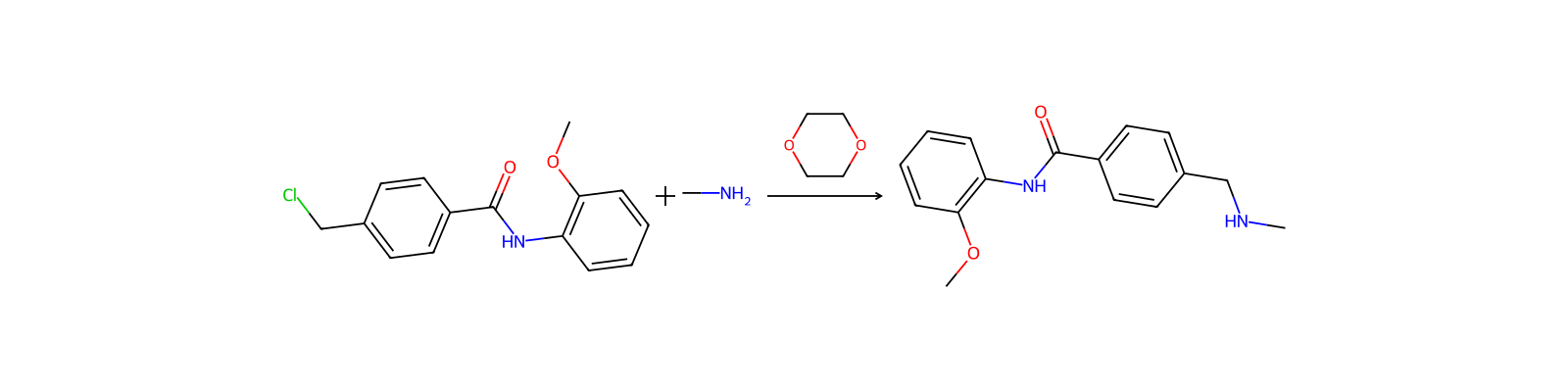
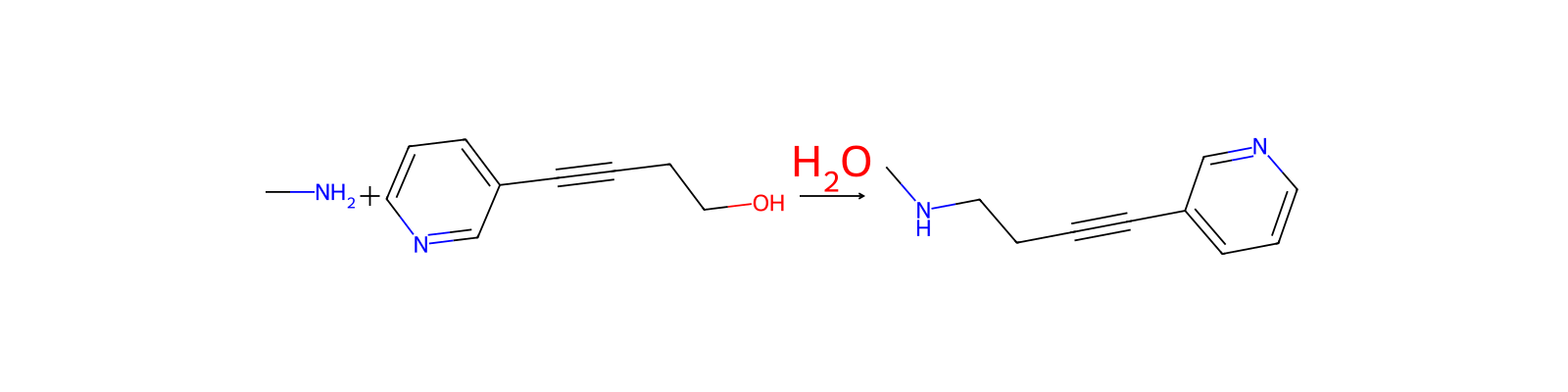
Related reactions
10,533 records



Linked notes
Loading…