
Iodoethane
Completing data — refresh the page later to see the latest

Basic information
- CAS
75-03-6- Standard SMILES
CCI- InChIKey
HVTICUPFWKNHNG-UHFFFAOYSA-N- Molecular formula
- C2H5I
- Average molar mass
- 155.97 g/mol
- Monoisotopic mass
- 155.9436
Overview
Iodoethane is an iodoalkane that is ethane substituted by an iodo group. It derives from a hydride of an ethane.
Names & identifiers
- Preferred name
- Iodoethane
- IUPAC
- iodoethane
- English name
- Ethyl iodide
- Molecular formula
- C2H5I
- Molecular weight
- 0
Names & synonyms
Iodoethane75-03-6ETHYL IODIDEEthane, iodo-MonoiodoethaneHydriodic etherEthyljodidJodethanethane iodide59PO05D39LNSC-8825DTXSID9058783
Show more names
CHEBI:42487RefChem:148527DTXCID1047730200-833-1ethyliodide1-Iodoethaneiodo-ethaneC2H5I
Database identifiers
- CAS
75-03-6- PubChem CID
- 6340
- DTXSID
DTXSID9058783- ChEBI
CHEBI:42487- UNII
- 59PO05D39L
- EC Number
- 200-833-1
- Nikkaji
- J1.436B
Properties
Computed structural propertiesFilling in
- XLogP
- 2.1
- Topological polar surface area
- 0 Ų
- Hydrogen bond donors
- 0
- Hydrogen bond acceptors
- 0
- Rotatable bonds
- 0
- Heavy atoms
- 3
- Formal charge
- 0
- Complexity
- 2.8
Experimental & physicochemical properties
Chemical ClassesOther Classes -> Halogenated Aliphatics, Saturated
SpringerMaterials PropertiesCoriolis coupling
LogP2.0
Density
Relative density (water = 1): 1.936
1.948 @ 15°C
SolubilitySolubility in water, g/100ml at 20 °C: 0.4
Flash Point61 °C c.c.
Boiling Point
72 °C
72.4 °C @760 [mm Hg]
Melting Point
-108 °C
-108 °C
Vapor DensityRelative vapor density (air = 1): 5.4 (calculated)
Vapor Pressure
136.0 [mmHg]
Vapor pressure, kPa at 18 °C: 13.3
Safety & regulation
Safety information is for reference only and does not replace the supplier’s Safety Data Sheet (SDS), applicable regulations, or professional assessment.
GHS classification
GHS Classification
Danger
H226 (18.5%): Flammable liquid and vapor [Warning Flammable liquids]
P203, P210, P233, P240, P241, P242, P243, P260, P261, P264, P264+P265, P270, P271, P272, P280, P284, P301+P317, P302+P352, P303+P361+P353, P304+P340, P305+P351+P338, P317, P318, P319, P321, P330, P332+P317, P333+P317, P337+P317, P342+P316, P362+P364, P370+P378, P403, P403+P233, P403+P235, P405, and P501 (click each P-code to see the statement)
Aggregated GHS information provided per 130 reports by companies from 21 notifications to the ECHA C&L Inventory. Each notification may be associated with multiple companies.
Hazard information
Regulatory Information
Chemical: Ethane, iodo-
Ethane, iodo- is listed on the EPA's Chemical Data Reporting (CDR) system. Manufacturers and importers of Ethane, iodo- are required to report information about their production and use of this chemical to the EPA under the Toxic Substances Control Act (TSCA). (40 eCFR Part 711)
REACH registered substance: Iodoethane (EC: 200-833-1)
Iodoethane: Does not have an individual approval but may be used under an appropriate group standard
Fire HazardsFlammable. Above 61 °C explosive vapour/air mixtures may be formed.
Hazards Summary
Causes lung changes and flaccid paralysis without anesthesia in subcutaneous lethal-dose studies of mice; [RTECS] A skin, eye, and respiratory tract irritant; May have CNS effects (lowering of consciousness); Can be absorbed through skin; [ICSC] An irritant that may cause serious eye injury; May cause skin sensitization; Harmful by ingestion, inhalation, and skin absorption; [Alfa Aesar MSDS] See Ethyl chloride and Ethyl bromide,
Chemical DangersDecomposes on burning. This produces iodine and hydrogen iodide. Reacts with strong bases and strong oxidants.
Chemistry & industry
Pharmacology
Metabolism/Metabolites1-iodoethane has known human metabolites that include ethylglutathione.
Uses & manufacturing
UsesHas been used for the determination of cardiac output; [REPROTOX]
U.S. Production2023: 31,870 lb
Industry UsesCatalyst
General Manufacturing Information
Plastics Material and Resin Manufacturing
Ethane, iodo-: ACTIVE
Additional notes
DefinitionChEBI: Iodoethane is an iodoalkane that is ethane substituted by an iodo group. It derives from a hydride of an ethane.
Related reactions
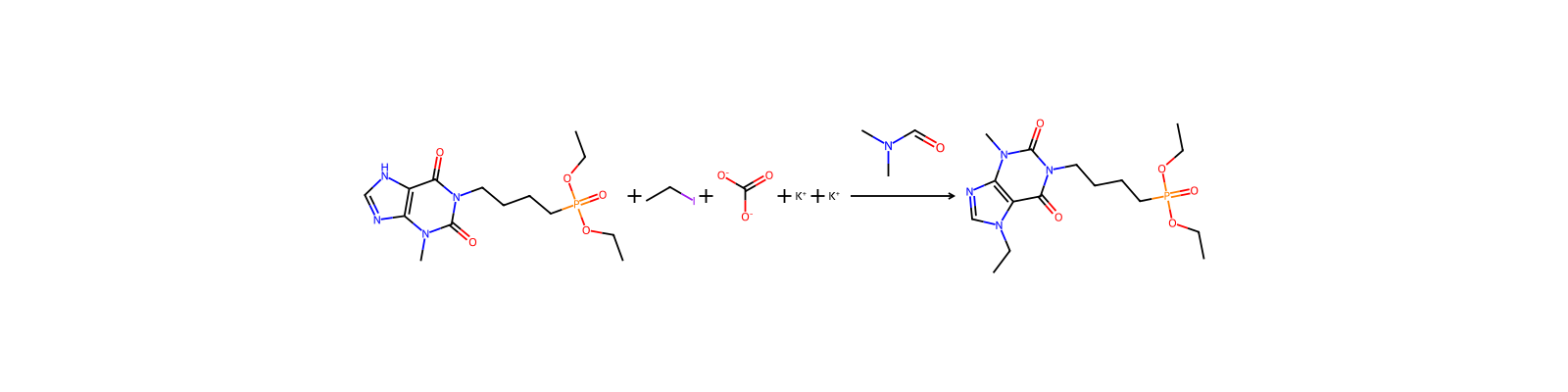
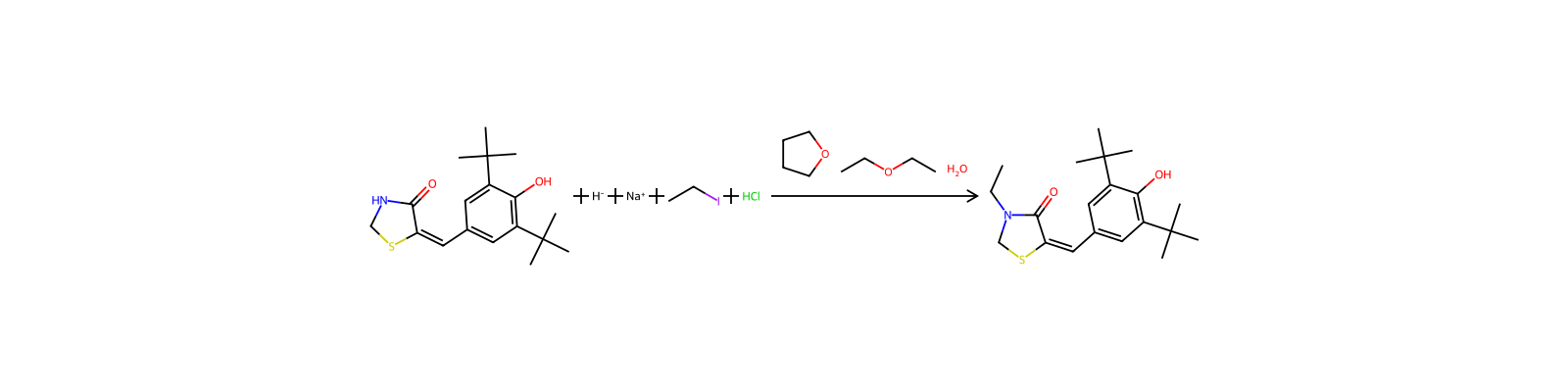
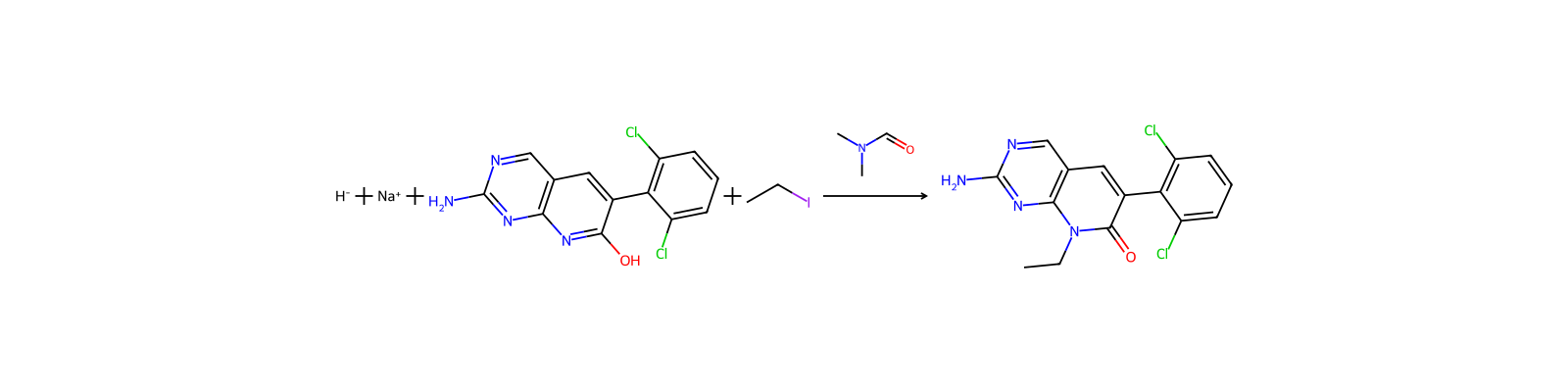
5,694 records


Compound notes
Loading…