
Diiodomethane
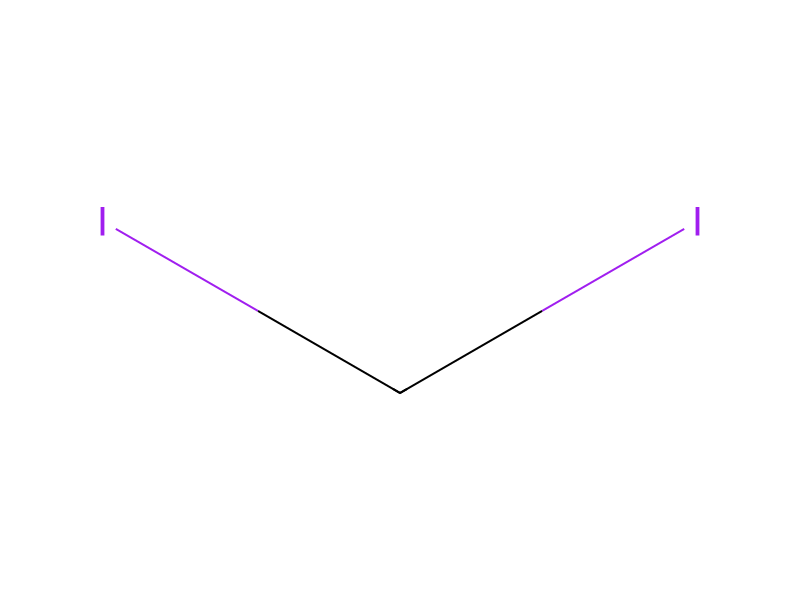
Basic information
- CAS
75-11-6- Standard SMILES
ICI- InChIKey
NZZFYRREKKOMAT-UHFFFAOYSA-N- Molecular formula
- CH2I2
- Average molar mass
- 267.835 g/mol
- Monoisotopic mass
- 267.82459606
Overview
methylene iodide has been reported in Ascophyllum nodosum and Mastocarpus stellatus with data available.
Names & identifiers
- Preferred name
- Diiodomethane
- IUPAC
- diiodomethane
- English name
- Diiodomethane
- Molecular formula
- CH2I2
- Molecular weight
- 267.83552
Names & synonyms
DIIODOMETHANE75-11-6Methylene iodideMethane, diiodo-Methylene diiodideMethylenjodidDijodmethanNSC-358043J731705OXDTXSID4058784RefChem:920271DTXCID6047731
Show more names
200-841-5MI-Geediiodo-methaneCH2I2di-iodomethaneNSC 35804MFCD00001079Methylene iodide-13C,d2
Database identifiers
- CAS
75-11-6- PubChem CID
- 6346
- DTXSID
DTXSID4058784- UNII
- 3J731705OX
- EC Number
- 200-841-5
- Nikkaji
- J1.440K
Properties
Computed structural properties
- XLogP
- 2.3
- Topological polar surface area
- 0 Ų
- Hydrogen bond donors
- 0
- Hydrogen bond acceptors
- 0
- Rotatable bonds
- 0
- Heavy atoms
- 3
- Formal charge
- 0
- Complexity
- 2.8
Experimental & physicochemical properties
Chemical ClassesOther Classes -> Halogenated Aliphatics, Saturated
SpringerMaterials PropertiesSchoenflies notation
Density3.33 @ 15°C
Boiling Point181 °C @760 [mm Hg]
Vapor Pressure1.2 [mmHg]
Physical DescriptionHighly refractive liquid; Darkens on contact with light, air, and moisture; mp = 6 deg C; [Merck Index] Yellow liquid; [Hawley] Pale light yellow liquid; mp 5-6 deg C; [MSDSonline]
Physicochemical properties
- Melting point
- 5 · 5.0-8.0
- Boiling point
- 67 · 67.0-69.0
- Density
- 3.325 · 3.325
- vapor density
- 9.25 · 9.25 - (Air = 1.0) (vs air)
- Flash point
- 110 · 110.0
- form
Safety & regulation
Safety information is for reference only and does not replace the supplier’s Safety Data Sheet (SDS), applicable regulations, or professional assessment.
GHS classification
GHS Classification
This chemical does not meet GHS hazard criteria for 2.8% (5 of 176) of reports.
Danger
H302 (93.2%): Harmful if swallowed [Warning Acute toxicity, oral]
P261, P264, P264+P265, P270, P271, P273, P280, P301+P317, P302+P352, P304+P340, P305+P354+P338, P317, P319, P321, P330, P332+P317, P362+P364, P403+P233, P405, and P501 (click each P-code to see the statement)
Aggregated GHS information provided per 176 reports by companies from 13 notifications to the ECHA C&L Inventory. Each notification may be associated with multiple companies.
Not Classified
Hazard information
Regulatory Information
Chemical: Methane, diiodo-
Status: Active Update: 24-01-2018 https://echa.europa.eu/registration-dossier/-/registered-dossier/22227
Methylene iodide: Does not have an individual approval but may be used under an appropriate group standard
Hazards Summary
May cause irritation and narcotic effects; [Hawley] Inhalation or skin absorption of high concentrations may cause CNS depression; May cause mild irritation; Repeated exposure may cause liver and kidney injury and CNS disorders; [CHEMINFO] A skin and eye irritant; [eChemPortal: ERMA] An irritant; [MSDSonline]
Hazard Classes and CategoriesAcute Tox. 4 (93.2%)
CSL Reaction Information
CSL00019
DIIODOMETHANE + DIETHYLZINC
Warning - This combination of reagents is known to have a latent exotherm that can lead to an uncontrollable reaction and an explosion may result. Please follow the link below for additional guidance on reaction setup.
Explosive
User-Reported
7/8/18
Chemistry & industry
Uses & manufacturing
UsesUsed to make X-ray contrast media; [Merck Index] Used in organic synthesis; [Hawley] Used to determine refractive indices of minerals and to separate minerals based on density; [Ullmann]
General Manufacturing InformationMethane, diiodo-: ACTIVE
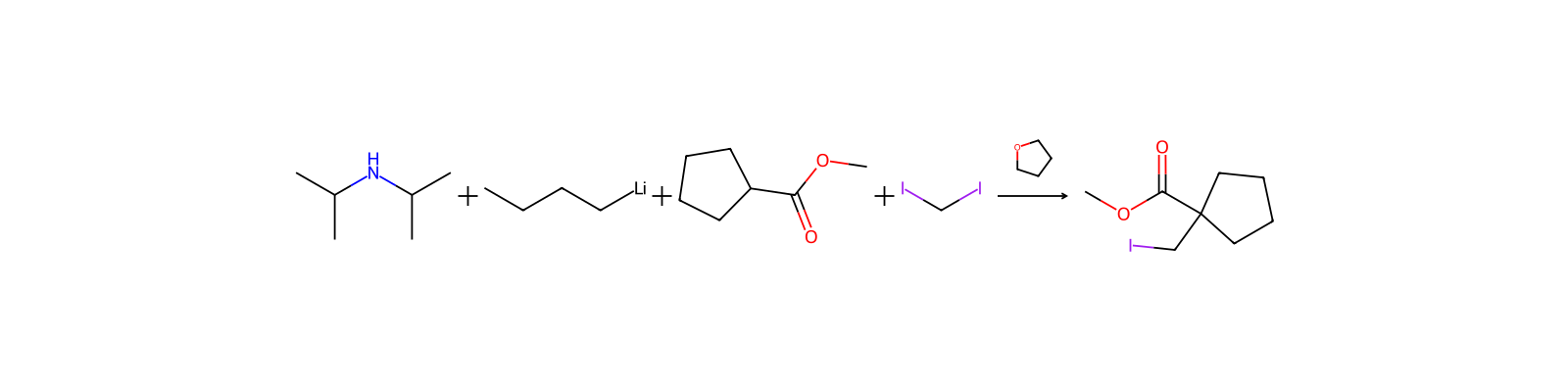
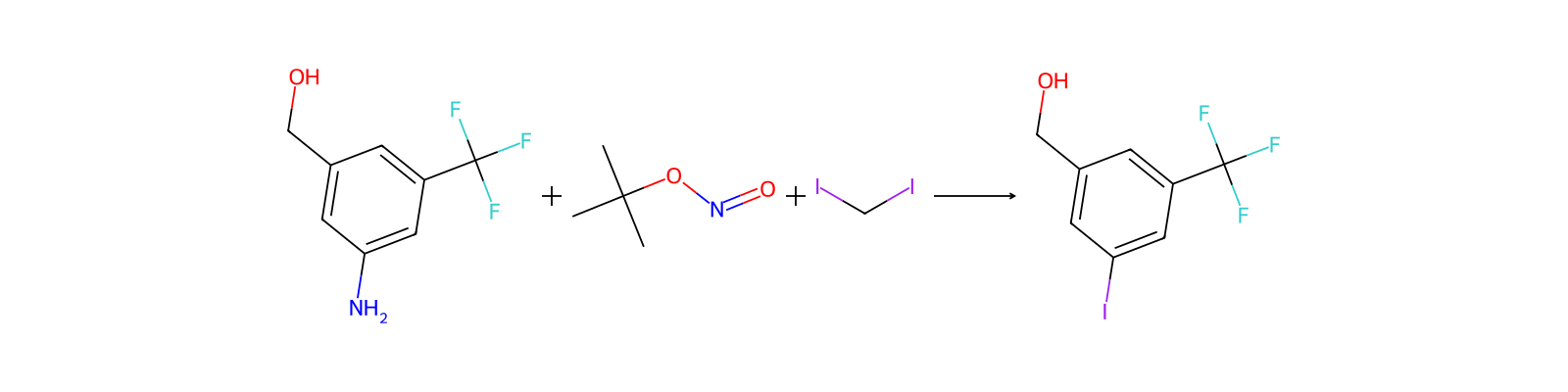
Related reactions
690 records





Compound notes
Loading…