HomeMCPWorkbenchSkills
HomeWorkbenchNotificationsMe
llms.txt · MCP GuidePrivacy Policy · Terms of Service · Supportv1.8.0
  1. Home
  2. /Compound

Boron trifluoride

HCID 6356
New noteNew reactionRequest quotes
Print preview

Completing data — refresh the page later to see the latest
Basic informationOverviewNames & identifiersPropertiesSafety & regulationChemistry & industryRelated reactionsCompound notes
Substructure searchFind similar structures

Basic information

CAS
20654-88-0
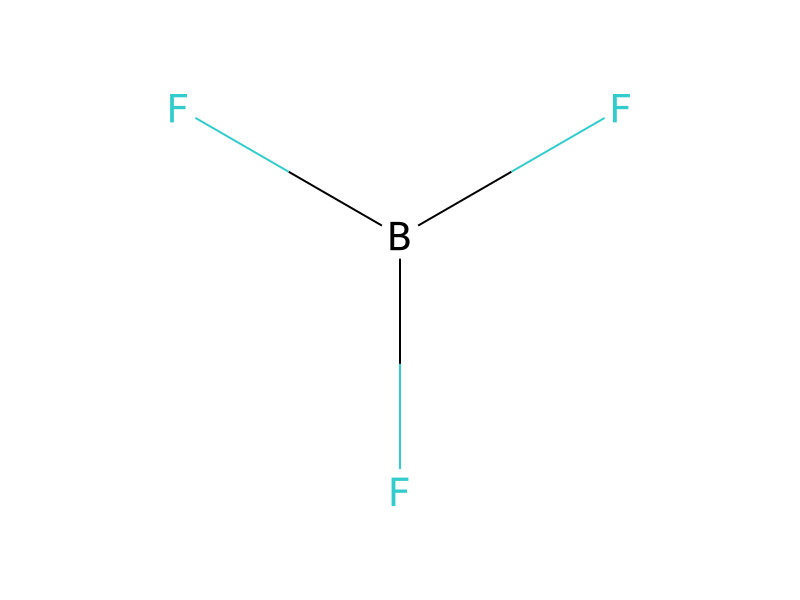
Standard SMILES
FB(F)F
InChIKey
WTEOIRVLGSZEPR-UHFFFAOYSA-N
Molecular formula
BF3
Average molar mass
67.81 g/mol
Monoisotopic mass
68.0045147

Overview

Boron trifluoride is a colorless gas with a pungent odor. It is toxic by inhalation. It is soluble in water and slowly hydrolyzed by cold water to give off hydrofluoric acid, a corrosive material. Its vapors are heavier than air. Prolonged exposure of the containers to fire or heat may result in their violent rupturing and rocketing.

Names & identifiers

Preferred name
Boron trifluoride
IUPAC
trifluoroborane
English name
Boron trifluoride
Molecular formula
BF3
Molecular weight
67.81

Names & synonyms

BORON TRIFLUORIDETrifluoroboraneTrifluoroboron7637-07-2Borane, trifluoro-Fluorure de boreBoron fluoride (BF3)Anca 10407JGD48PX8PDTXSID7041677CHEBI:33093RefChem:5613
Show more names
BF3BoronTrifuorideanca1040Bortrifluoridfluoruredeboretrifluoro-borantrifluoro-Borane
DTXCID5021677231-569-5Boron fluorideBoron trifluoride-methanol16045-88-8Boron trifluoride10B15875-25-9(11B)Boron trifluoride

Database identifiers

CAS
20654-88-0、7637-07-2
PubChem CID
6356
DTXSID
DTXSID7041677
ChEMBL
CHEMBL2220705
ChEBI
CHEBI:33093
UNII
7JGD48PX8P
EC Number
231-569-5
Nikkaji
J2.264K

Properties

Computed structural propertiesFilling in

Topological polar surface area
0 Ų
Hydrogen bond donors
0
Hydrogen bond acceptors
3
Rotatable bonds
0
Heavy atoms
4
Formal charge
0
Complexity
8

Experimental & physicochemical properties

Chemical Classes · 2 items

Toxic Gases & Vapors -> Corrosive Gases

Reactive agents - 1st degree

PFASPFAS -> Suspected persistent, mobile, toxic (PMT) PFAS or PFAS-like compounds
SpringerMaterials Propertiescrystal structure
Odor · 2 items

Pungent, suffocating odor

Pungent, irritating

Density · 6 items

1.6 (EPA, 1998) - Denser than water; will sink

1.57 at -100.4 °C/4 °C (liquid); 3.07666 g/L (gas at STP)

Density: 2.772 g/L

1.6

2.99 @25 °C

2.38(relative gas density)

Viscosity0.0171 m Pa.s (gas) at 25 °C
Color/FormColorless gas
Solubility · 6 items

106 % (in cold H2O) (NIOSH, 2024)

Solubility in water: 332 g/100 g at 0 °C; some hydrolysis occurs to form fluoboric and boric acids

Soluble in cold water, hydrolyzes in hot water

Safety & regulation

Safety information is for reference only and does not replace the supplier’s Safety Data Sheet (SDS), applicable regulations, or professional assessment.

GHS classification

GHS Classification · 6 items

Danger

H314: Causes severe skin burns and eye damage [Danger Skin corrosion/irritation]

P260, P264, P271, P280, P284, P301+P330+P331, P302+P361+P354, P304+P340, P305+P354+P338, P316, P320, P321, P363, P403+P233, P405, and P501 (click each P-code to see the statement)

Danger

H280 (69.9%): Contains gas under pressure; may explode if heated [Warning Gases under pressure]

P260, P261, P264, P264+P265, P271, P280, P284, P301+P330+P331, P302+P361+P354, P304+P340, P305+P354+P338, P316, P317, P319, P320, P321, P363, P403+P233, P405, P410+P403, and P501 (click each P-code to see the statement)

Hazard information

Hazards IdentificationToxic/poison by inhalation (TIH/PIH)
Regulatory Information · 4 items

Chemical: Borane, trifluoro-

REACH registered substance: Boron trifluoride (EC: 231-569-5)

Borane, trifluoro-: HSNO Approval: HSR001055 Approved with controls

The New Jersey Worker and Community Right to Know Act requires public and private employers to provide information about hazardous substances at their workplaces. (N.J.S.A. 34:5A-1 et. seq.)

DOT LabelPoison Gas Corrosive
Fire Hazards · 3 items

When heated to decomposition or upon contact with water or steam, it will produce toxic and corrosive fumes of fluorine containing compounds. Decomposes upon heating or on contact with moist air, forming toxic and corrosive fumes of boric acid and hydrofluoric acid. Reacts with alkalis and fumes in moist air, producing particulates which reduce visibility. Reacts with alkali metals, alkaline earth metals (except magnesium), alkyl nitrates, and calcium oxide. It hydrolyzes in moist air to form boric acid, hydrofluoric acid, and fluoboric acid. (EPA, 1998)

Chemistry & industry

Pharmacology

Biological Half-LifeWhole body (for boron administered orally): complete removal within 96 hours; [TDR, p. 205]
Absorption, Distribution and Excretion · 1 item

... /During inhalation exposures up to 6 months at concentrations of 12.8 ppm, 3-4 ppm and 1.5 ppm/ the average fluorine content of rat teeth and bone was elevated at all exposure levels but not in soft tissues analyzed, lung, liver and blood.

Uses & manufacturing

Uses · 6 items

Used as a catalyst in organic synthesis, including olefin polymerization, petroleum cracking and desulfurization, and epoxy curing; Has been used in soldering flux, as a fumigant, for neutron measurement, and to protect molten magnesium; Also used in electronics industry (electrochemical high-temperature cells) and to produce microchips (metal etching agent); [ACGIH]

Brazing [Category: Heat or Machine]

A catalyst in organic synthesis, boron trifluoride is used in soldering fluxes, for neutron measurement and as a fumigant. Boron trifluoride is also used to protect molten magnesium and its alloys from oxidation.

The most important uses are in organic syntheses. Boron trifluoride is commonly used as a catalyst for Friedel-Crafts alkylation reactions. It also is used to catalyze the cleavage of ethers to alcohols, to catalyze esterification reactions, and in the nitration and sulfonation of aromatic compounds. Many olefin polymerization reactions use BF3 as an initiator, in conjunction with a proton donor, such as water. Also BF3 is used to catalyze the isomerization of alkenes and alkanes and in petroleum cracking and desulfurization. Amine complexes of BF3 are used as epoxy curing agents.

To protect molten magnesium and its alloys from oxidation; as a flux for soldering magnesium; as a fumigant; in ionization chambers for the detection of weak neutrons.

Production of diborane, instruments for measuring neutron intensity, ... gas brazing.

Impurities · 2 items

Common impurities in BF3 include air, silicon tetrafluoride, and sulfur dioxide.

Related reactions

1,001 records
New reaction record
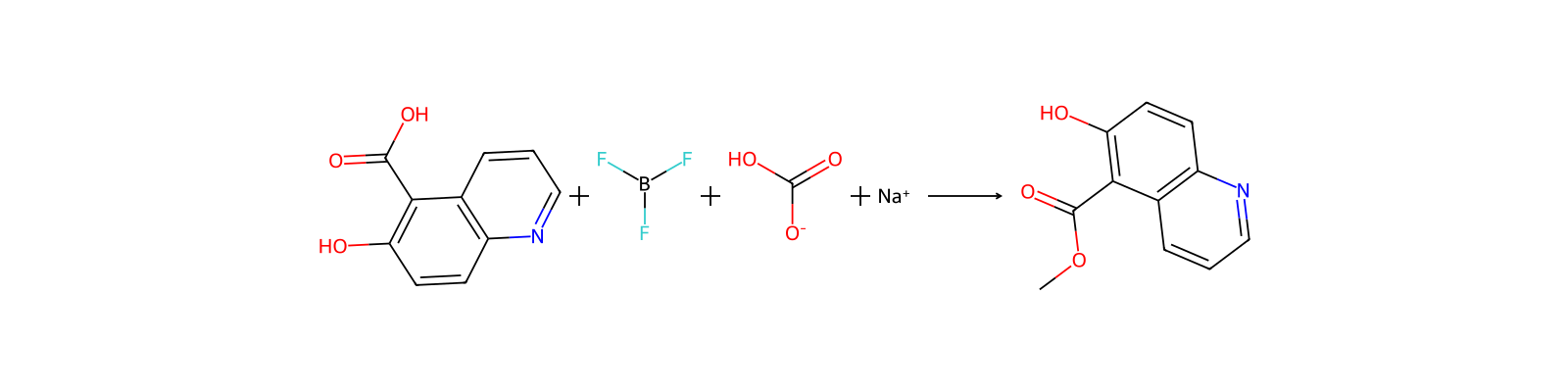
HRID 2835 reaction equation
HRID 2835As reactantuspto-grants-1998_03
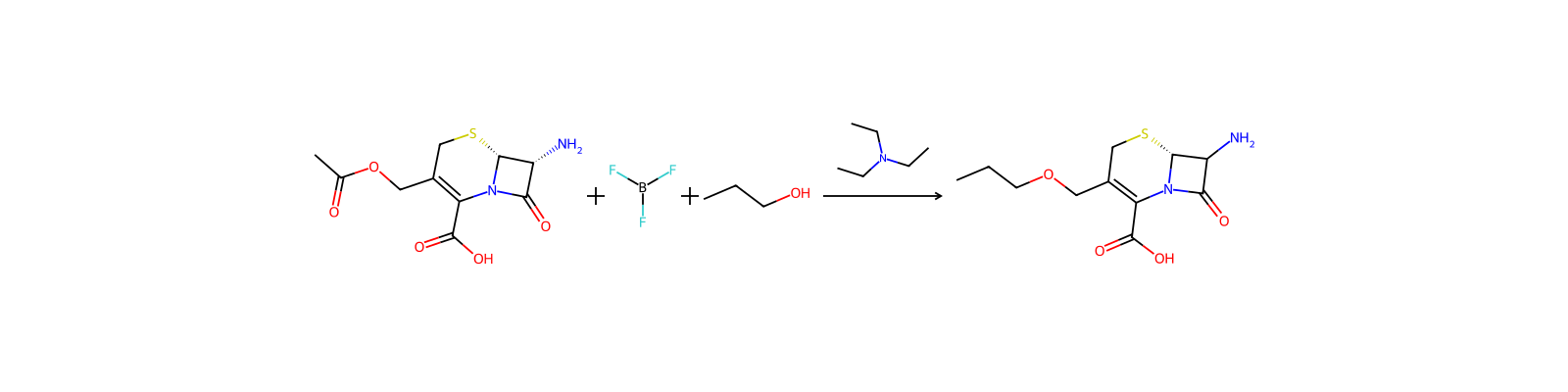
HRID 4788 reaction equation
HRID 4788As reactantuspto-grants-1988_02
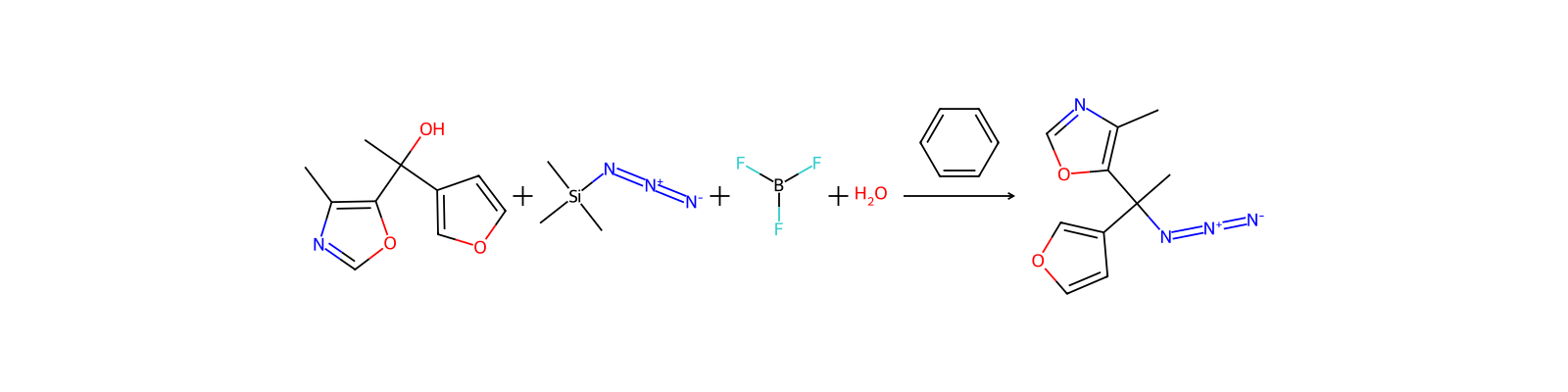
HRID 4790 reaction equation
HRID 4790As reactantuspto-grants-1988_02
HRID 5158 reaction equation
HRID 5158As reactantuspto-grants-1993_09
HRID 5159 reaction equation
HRID 5159As reactantuspto-grants-1993_09
HRID 5160 reaction equation
HRID 5160As reactantuspto-grants-1993_09
HRID 5161 reaction equation
HRID 5161As reactantuspto-grants-1993_09
HRID 8491 reaction equation
HRID 8491As reactantuspto-grants-2006_08
Page 1 of 126

Compound notes

Loading…

On this pageBasic informationOverviewNames & identifiersPropertiesSafety & regulationChemistry & industryRelated reactionsCompound notes
More actions
New noteNew reactionRequest quotes

Soluble in concentrated sulfuric acid and most organic solvents

Soluble in concentrated nitric acid, benzene, dichlorobenzene, chloroform, carbon tetrachloride, carbon disulfide

Solubility in anhydrous sulfuric acid: 1.94 g/100 g; soluble in most saturated and halogenated hydrocarbons and in aromatic compounds

CorrosivityBoron trifluoride will attack some forms of plastics, rubber, and coatings
Boiling Point · 6 items

-148 °F at 760 mmHg (NIOSH, 2024)

-99.9 °C

-100 °C

-148 °F

-100 °C @760 [mm Hg]

-148 °F

Decomposition · 2 items

Dangerous; when heated to decomposition or upon contact with water or steam, will produce toxic and corrosive fumes of /hydrogen fluoride/.

The toxic action of the halogenated borons is considerably influenced by their decomposition products (hydrofluoric acid-, fluoboric acid-, hydrochloric acid-). /Halogenated borons/

Melting Point · 6 items

-196.1 °F (EPA, 1998)

-126.8 °C

-127 °C

-196 °F

-126.8 °C

-196 °F

Physicochemical properties

Melting point
127 °C · −127 °C(lit.)
Boiling point
100 °C · −100 °C(lit.)
Density
0.87 g/mL · 0.87 g/mL at 20 °C
vapor density
2.38 · 2.38 (21 °C, vs air)
vapor pressure
1 mmHg · >1 mmHg at 20 °C
refractive index
20 · n20/D 1.38
Flash point
4 °C · 4°C
storage temp.
2 · 2-8°C
solubility
2 O · soluble in H2O
form
Liquid
color
Colorless
Odor
1.5 ppm · Pungent odor detectable at 1.5 ppm
Water Solubility
MAY DECOMPOSE
Sensitive
Moisture Sensitive
Merck
14 · 14,1349
Exposure limits
0.1 ppm · ACGIH:TLV-TWA 0.1 ppm (0.28 mg/m3); TLV-CEILING 0.7 ppm (1.95 mg/m3)OSHA:PEL-Ceiling 1 ppm (3 mg/m3)NIOSH:REL-Ceiling 1 ppm
LogP
1.07 · 1.070 (est)
CAS DataBase Reference
7637 · 7637-07-2(CAS DataBase Reference)
EWG's Food Scores
2 · 2
FDA UNII
7 JGD48PX8P · 7JGD48PX8P
NIST Chemistry Reference
Borane, trifluoro-(7637-07-2)
EPA Substance Registry System
Boron trifluoride (7637-07-2)
Symbol(GHS)
4 · GHS04,GHS05,GHS06
Signal word
Danger
Hazard statements
280 · H280-H314-H330
Precautionary statements
260 · P260-P280-P303+P361+P353-P304+P340+P310-P305+P351+P338-P410+P403
Hazard Codes
T+,C,T,F
Risk Statements
14 · 14-26-35-39/23/24/25-24/25-11-67-41-10-37-22
Safety Statements
9 · 9-26-28-36/37/39-45-28A-16
OEL
1 ppm · Ceiling: 1 ppm (3 mg/m3)
RIDADR
1008 · UN 1008 2.3 (BORON TRIFLUORIDE)
WGK Germany
3 · 3
RTECS
2275000 · ED2275000
F
21 · 21
Hazard Note
Corrosive/Toxic
TSCA
TSCA listed
DOT Classification
2.3 · 2.3, Hazard Zone B (Gas poisonous by inhalation)
HazardClass
2.3 · 2.3
Hazardous Substances Data
7637 · 7637-07-2(Hazardous Substances Data)
Toxicity
50 inhal · LC50 inhal (rat) 387 ppm (1070 mg/m3; 1 h) PEL (OSHA) 1 ppm (3 mg/m3; ceiling) TLV (ACGIH) 1 ppm (3 mg/m3; ceiling)
IDLA
25 ppm · 25 ppm
REACH Registrations
Active

· Some may burn but none ignite readily.

Not combustible.

Fire Potential · 2 items

Nonflammable compressed gas.

Nonflammable

Health Hazards · 2 items

Highly toxic; may cause death or permanent injury after very short exposure to small quantities. Substance is irritating to the eyes, the skin, and the respiratory tract. (EPA, 1998)

· TOXIC and/or CORROSIVE; may be fatal if inhaled, ingested or absorbed through skin.

Hazards Summary · 1 item

Corrosive to skin; [Quick CPC] Toxic effects in animals include pneumonitis and dental fluorosis; At 1.5 ppm 5 days a week for up to 6 months, there was evidence of mild pneumonitis. [ACGIH] Burns caused by boron trifluoride are not as severe as those caused by hydrogen fluoride. [National Research Council, Prudent Practices for Handling Hazardous Chemicals in Laboratories. 1981] A corrosive substance that causes lacrimation and may cause lung edema after inhalation of high concentrations; [ICSC] Decomposes in contact with moisture or when heated producing boric acid, HF, and fluoboric acid; [CAMEO] Reacts violently with water; Causes severe burns; Highly toxic by inhalation; [Alfa Aesar MSDS] See FLUORIDES.

DOT ID and Guide · 2 items

1008 125

1008 125

Reactive GroupFluoride Salts, Soluble
EC ClassificationSymbol: T+, C; R: 14-26-35; S: (1/2)-9-26-28-36/37/39-45
UN ClassificationUN Hazard Class: 2.3; UN Subsidiary Risks: 8
Special Reports · 2 items

NIOSH; Criteria Document: Boron trifluoride (1976) DHEW Pub. NIOSH 77-122

USEPA; Chemical Profiles: Boron trifluoride 1-3 (1985)

Safety & protection

Fire Fighting · 2 items

Keep unnecessary people away; isolate hazard area and deny entry. Stay upwind; keep out of low areas. Ventilate closed spaces before entering them. Wear positive pressure breathing apparatus and full protective clothing. Evacuate area endangered by gas. Do not get water inside container. Move container from fire area if you can do it without risk. Stay away from ends of tanks. Cool containers that are exposed to flames with water from the side until well after fire is out. Isolate area until gas has dispersed.

In case of fire in the surroundings: use appropriate extinguishing media. In case of fire: keep cylinder cool by spraying with water. NO direct contact with water.

First Aid Measures · 3 items

Fresh air, rest. Half-upright position. Artificial respiration may be needed. Refer immediately for medical attention.

Wear protective gloves when administering first aid. Remove contaminated clothes. Rinse and then wash skin with water and soap. Refer immediately for medical attention.

Rinse with plenty of water (remove contact lenses if easily possible). Refer immediately for medical attention.

Accidental Release Measures · 2 items

· CALL 911. Then call emergency response telephone number on shipping paper. If shipping paper not available or no answer, refer to appropriate telephone number listed on the inside back cover.

· Do not touch or walk through spilled material.

First Aid · 3 items

Warning: Boron trifluoride is extremely corrosive. Caution is advised.

General First Aid:

(General first aid procedures)

Safe StorageSeparated from alkali metals, alkaline earth metals, alkyl nitrates and lime. Cool.
Exposure Control and Personal Protection · 2 items

· Wear positive pressure self-contained breathing apparatus (SCBA).

TIH (Toxic Inhalation Hazard) - Term used to describe gases and volatile liquids that are toxic when inhaled. Some are TIH materials themselves, e.g., chlorine, and some release TIH gases when spilled in water, e.g., chlorosilanes. [ERG 2016].

Fire Fighting Procedures · 3 items

Approach fire from upwind to avoid hazardous vapors and toxic decomposition products. Use water spray to keep fire-exposed containers cool. Extinguish fire using agent suitable for surrounding fire.

If material involved in fire: Extinguish using agent suitable for type of surrounding fire (material itself does not burn or burns with difficulty). Cool all affected containers with flooding quantities of water. Apply water from as afar a distance as possible. Do not use water on material itself. If large quantities of combustibles are involved, use water in flooding quantities as spray and fog. Use water spray to knock-down vapors.

Approach fire from upwind to avoid hazardous vapors and toxic decomposition products. Use water spray to keep fire-exposed containers cool. Extinguish fire using agent suitable for surrounding fire.

Storage Conditions · 4 items

Store in cool, dry, well-ventilated location. Outside or detached storage is preferred. Separate from water, active metals, monomers.

Store in a cool, dry, well ventilated location. Outside or detached storage is preferred. Separate from water, active metals, monomers.

Fireproof if in building. Separated from alkali metals, alkaline earth metals, alkyl nitrates and lime. Cool.

Cylinders of boron trifluoride must be secured against dropping, falling and rupture. Storage areas must be free of excess moisture, and to minimize corrosion, the cylinders must not be stored on damp ground. No boron trifluoride storage area may contain explosives or flammable materials. Laboratories are advised to store boron trifluoride cylinders in exhaust hoods and to maintain design airflows.

Cleanup Methods · 3 items

Approach release from upwind. Stop or control the leak, if this can be done without undue risk. Use water spray to cool and disperse vapors and protect personnel. Avoid wetting leak or spill area. Releases may require isolation or evacuation.

Evacuate danger area! Consult an expert! Ventilation. NEVER direct water jet on liquid. Remove fumes with fine water spray (extra personal protection: complete protective clothing including self-contained breathing apparatus).

Ventilate area of leak to disperse the gas. Stop flow of gas. If source of leak is cylinder and leak cannot be stopped in place, remove ... to safe place in open air, and repair leak or allow cylinder to empty.

Nonfire Spill ResponseExcerpt from ERG Guide 125 [Gases - Toxic and/or Corrosive]:
Disposal Methods · 2 items

SRP: The most favorable course of action is to use an alternative chemical product with less inherent propensity for occupational harm/injury/toxicity or environmental contamination. Recycle any unused portion of the material for its approved use or return it to the manufacturer or supplier. Ultimate disposal of the chemical must consider: the material's impact on air quality; potential migration in soil or water; effects on animal and plant life; and conformance with environmental and public health regulations.

Chemical reaction with water to form boric acid and fluoroboric acid. The fluoroboric acid is reacted with limestone forming boric acid and calcium fluoride. The boric acid may be discharged into a sanitary sewer system while the calcium fluoride may be recovered or landfilled.

Spillage DisposalEvacuate danger area! Consult an expert! Personal protection: complete protective clothing including self-contained breathing apparatus. Ventilation. NEVER direct water jet on liquid. Remove fumes with fine water spray.

Toxicology

Target OrgansEyes, skin, respiratory system, kidneys
Ecotoxicity ValuesLC50; Species: Lepomis macrochirus (Bluegill); Conditions: static; Concentration: 15 g/L for 24 hr /formulated product/
Adverse EffectsDermatotoxin - Skin burns.
Exposure Routes · 2 items

The substance can be absorbed into the body by inhalation. Serious local effects on contact with skin.

inhalation, skin and/or eye contact

Signs and Symptoms · 4 items

Burning sensation. Cough. Laboured breathing.

Redness. Burning sensation. Pain. ON CONTACT WITH LIQUID: FROSTBITE.

Redness. Pain. Blurred vision.

irritation eyes, skin, nose, respiratory system; epistaxis (nosebleed); eye, skin burns; In Animals: pneumonitis; kidney damage

ICSC Environmental DataThe substance is harmful to aquatic organisms.
Medical Surveillance · 5 items

In the absence of a suitable monitoring method ... medical surveillance, including comprehensive placement and annual periodic exam /should/ be made available to all workers ... in areas where boron trifluoride is manufactured, used, handled, or is evolved as a result of chemical processes.

Initial Medical Examination: ... Resp system and kidneys should be stressed. The skin and eyes should be examined for evidence of chronic disorders. Surveillance of the lung is indicated. ... Examinations should be repeated on an annual basis.

Preplacement examinations should include a physical examination giving particular attention to the respiratory system and using appropriate pulmonary function tests such as FEV, and FVC.

Fluoride levels in urine should be checked periodically. /Fluoride and cmpd/

No specific considerations are needed for boric acid or borates except for general health and liver and kidney function. /Boric acid and borates/

Human Toxicity Excerpts · 5 items

/HUMAN EXPOSURE STUDIES/ In... manufacturing plant in USA, physical exams initiated in 1974 for small group of workers including 7 with present and 6 with past exposures to boron trifluoride or other fluorides, ranging from 1 to 27 yr. Five of the 7 currently exposed, and 3 of 6 with previous exposures showed lower pulmonary function (forced VC and FEV) than predicted for normal population. Lowered pulmonary function was severe in 1, moderate in 3, and minimal in 1 of 7 currently exposed who had average exposure of 13 yr. X-rays were negative, and no urinary fluorine concentrations were above acceptable preshift concentrations of 4 mg/L.

/SIGNS AND SYMPTOMS/ /Possible effects of exposure on/ skin /include/ redness, burning sensation, pain, and on contact with liquid: frostbite.

/SIGNS AND SYMPTOMS/ /Possible effects of exposure by/ inhalation /include/ corrosion, burning sensation, cough, and labored breathing.

/SIGNS AND SYMPTOMS/ EFFECTS OF SHORT-TERM EXPOSURE: Corrosive. Tear drawing. The substance is corrosive to the eyes, the skin and the respiratory tract. Inhalation of the gas may cause lung edema. Rapid evaporation of the liquid may cause frostbite.

For more Human Toxicity Excerpts (Complete) data for BORON TRIFLUORIDE (13 total), please visit the HSDB record page.

Non-Human Toxicity Excerpts · 5 items

/LABORATORY ANIMALS: Acute Exposure/ A 4-hour LC50 in rats was reported as 436 ppm for boron trifluoride dihydrate, which is a related compound formed through hydrolysis in moist air. Outward signs, including gasping, excessive oral and nasal discharge, and lacrimation, were observed. /Boron trifluoride dihydrate/

/LABORATORY ANIMALS: Acute Exposure/ In a two-week study, rats exposed at 67 ppm for 6 hours/day died before the sixth daily exposure. Histopathology showed kidney damage (necrosis and pyknosis of the proximal tubular epithelium).

/LABORATORY ANIMALS: Acute Exposure/ The principal feature in acute action... is the irritation of mucous membranes of respiratory tract and eyes. In animal acute experiments, a concentration of 42 mg/cu m proved fatal in some cases. Examination revealed a fall in inorganic phosphorus level in blood and autopsy showed pneumonia and degenerative changes in renal tubules. Long-term (4 month) exposure to 3 and 10 mg/cu m... produced irritation of respiratory tract, dysproteinemia, reduction in cholinesterase activity and increased nervous system lability. Exposure to high concentration results in reduction of acetyl carbonic acid and inorganic phosphorus levels in blood, and dental fluorosis.

/LABORATORY ANIMALS: Acute Exposure/The objectives of this study were to examine the respiratory irritancy of boron trifluoride (BF(3)) and fluorosulfonic acid (FSA) following acute inhalation exposure. Testing was conducted using groups of 10 male and 10 female rats (BF(3)) or groups of 6 male rats (FSA). Rats were exposed for a single 4-hr period (BF(3)) or a single 1-hr period (FSA) and necropsied 1 or 14 days after exposure (BF(3)) or 14 days after exposure (FSA). Measurements consisted of clinical signs, body weight, kidney and lung weight, histopathology (BF(3)), and breathing parameters (FSA) and were used to evaluate the possible irritating effects of these compounds. The results indicated treatment-related findings in the larynx and trachea in the rats exposed to 74.4 mg/cu m BF(3), consisting of ventral cartilage necrosis, hemorrhage, and an increase in ventral epithelial hyperplasia and ventral inflammatory cell inflammation 24 hr postexposure. In the animals sacrificed 14 days postexposure, the only notable observation was ventral cartilage necrosis, present in 2 animals. The next lower level tested, 24.6 mg/cu m BF, was considered a no-observed-adverse-effects level (NOAEL). A concentration of 4125 mg/m(3) FSA resulted in a clearly decreased breathing rate during and shortly after exposure with 67% (4/6) mortality on days 5-9 after exposure. A concentration of 845 mg/m(3) FSA resulted in only minor signs of irritation, consisting of slight changes in breathing pattern shorlty after exposure. The results of the present 4-h inhalation study with BF(3) indicated that respiratory irritation was present at a level of 74.4 mg/cu m whereas 24.6 mg/cu m was a NOAEL. A single 1-hr exposure to 845 mg/cu m FSA resulted in only minor signs of respiratory irritation, indicating that on a mass basis FSA is no more toxic or irritating than hydrogen fluoride (HF) or sulfuric acid.

Populations at Special RiskPersons with impaired pulmonary function may be at increased risk from exposure /to boron trifluoride/.
Probable Routes of Human Exposure · 5 items

According to the 2006 TSCA Inventory Update Reporting data, the number of persons reasonably likely to be exposed in the industrial manufacturing, processing, and use of boron trifluoride is 1 to 99; the data may be greatly underestimated(1).

NIOSH (NOES Survey 1981-1983) has statistically estimated that 3,819 workers (524 of these are female) are potentially exposed to boron trifluoride(1). Occupational exposure to boron trifluoride may occur through inhalation and dermal contact with this compound at workplaces where boron trifuloride is produced or used(SRC).

Inhalation of vapors or skin and eye contact.

The following list includes some common operation in which exposure to boron trifluoride may occur ... Use as a Lewis acid catalyst for alkylation of aromatic compounds; use in polymer technology in manufacture of phenolic and epoxy resins; Use in synthesis of other boron-containing organic and inorganic compounds; use in purification of hydrocarbons to remove unsaturates and sulfur, nitrogen, and oxygen containing compounds; Use in nuclear technology for separation of boron isotopes; as a filling gas for neutron counters; Use in metallurgy as flux and antioxidant; use as flame coloring agent for liquefied petroleum gas.

For more Probable Routes of Human Exposure (Complete) data for BORON TRIFLUORIDE (7 total), please visit the HSDB record page.

Environmental Fate/Exposure Summary · 1 item

The chemistry of boron is dominated by its tendency to form stable bonds with electronegative atoms, especially oxygen. Reduced boron compounds (halides, hydrides, alkyls and aryls) tend to oxidize and hydrolyze readily, and would be expected to be converted into various boron-oxide compounds in the environment. Inorganic boron compounds are nonvolatile and would not be expected to volatilize from moist or dry soil surfaces. (SRC)

Regulatory information

CERCLA Reportable Quantities · 1 item

Releases of CERCLA hazardous substances are subject to the release reporting requirement of CERCLA section 103, codified at 40 CFR part 302, in addition to the requirements of 40 CFR part 355. Boron trifluoride is an extremely hazardous substance (EHS) subject to reporting requirements when stored in amounts in excess of its threshold planning quantity (TPQ) of 500 lbs.

DHS Chemicals of Interest (COI) · 6 items

Boron trifluoride

1

5000

26.87

45

Toxic chemical that can be released at a facility.

State Drinking Water Guidelines · 5 items

(CA) CALIFORNIA 1000 ug/L /Boron/

(NH) NEW HAMPSHIRE 630 ug/L /Boron/

(ME) MAINE 1,400 ug/L /Boron/

(MN) MINNESOTA 1,000 ug/L /Boron/

(WI) WISCONSIN 960 ug/L /Boron/

Federal Drinking Water GuidelinesEPA 600 ug/L /Boron/

Safety data

F
21
OEL
Ceiling: 1 ppm (3 mg/m3)
wgk
3
IDLA
25 ppm
tsca
TSCA listed
rtecs
ED2275000
ridadr
UN 3519 2.3 (BORON TRIFLUORIDE, ADSORBED)
Toxicity
LC50 inhal (rat) 387 ppm (1070 mg/m3; 1 h) PEL (OSHA) 1 ppm (3 mg/m3; ceiling) TLV (ACGIH) 1 ppm (3 mg/m3; ceiling)
risk_code
14-26-35-39/23/24/25-24/25-11-67-41-10-37-22
Signal word
Danger
Symbol(GHS)
GHS04,GHS05,GHS06
hazard_code
T+,C,T,F
hazard_note
Corrosive/Toxic
safety_code
9-26-28-36/37/39-45-28A-16
hazard_class
2.3
Hazard statements
H280-H314-H330
DOT Classification
2.3, Hazard Zone B (Gas poisonous by inhalation)
REACH Registrations
Active
Precautionary statements
P260-P280-P303+P361+P353-P304+P340+P310-P305+P351+P338-P410+P403
Hazardous Substances Data
7637-07-2(Hazardous Substances Data)

1.0% nitrogen; <0.006% sulfur dioxide; <0.0006% ferric oxide; <0.003% silicon dioxide; traces of oxygen.

U.S. ProductionProduction volume for non-confidential chemicals reported under the 2006 Inventory Update Rule. Chemical: Borane, trifluoro-. Aggregated National Production Volume: <500,000 lbs.
Methods of Manufacturing · 5 items

Commercially, BF3 has been produced by the stepwise addition of hydrofluoric acid and sulfuric acid to anhydrous borax (sodium tetraborate).

From borax and hydrofluoric acid or from boric acid and ammonium bifluoride. The complex formed is then treated with cold-fuming sulfuric acid.

Preparation: Swinehart, US 2148514, US 2196907 (1939, 1940 both to Harshaw Chemical)

Wiesboeck, US 3690821 (1972 to U.S. Steel)

Boron trifluoride is made commercially in the United States by a proprietary process from boric acid and hydrofluoric acid.

Formulations/Preparations · 4 items

Grades: Pure (99% min)

10% boron trifluoride in methanol

99.5% boron trifluoride hydrate; boron trifluoride dihydrate, 95%

Boron trifluoride is available in quantity as a 99% pure gas.

Household ProductsInformation on 1 consumer products that contain Boron trifluoride in the following categories is provided:
General Manufacturing Information · 3 items

Borane, trifluoro-: ACTIVE

Lab preparation: decomposition of a diazonium fluoroborate and the fluorination of boron trichloride with antimony trifluoride

In the finished product, the content of decomposition products of the catalyst must not exceed 0.04% of boron & 0.3% of fluorine.

Applications · 5 items

DescriptionBoron trifluoride is the inorganic compound with the formula BF3. It is a highly toxic, colorless and nonflammable gas with a penetrating and pungent odor. It dissolves quickly in water and any organic compounds containing nitrogen or oxygen. It can be slowly hydrolyzed by cold water to give off hydrofluoric acid, and can also hydrolyzes to form white dense fumes in moist air. Its vapors are heavier than air. Inhaling the gas will irritate the respiratory system and burns can result if the gas touches the skin in high concentrations.boron trifluoride lewis structureBoron trifluoride is most importantly used as a reagent, typically as a Lewis acid, to catalyze such diverse operations as isomerization, alkylation, polymerization, esterfication, condensation, cyclization, hydration dehydration, sulfonation, desulfurization nitration, halogenation oxidation and acylation. Besides, it can also be used as a versatile building block for other boron compounds.

DescriptionBoron trifluoride is a nonflammable, colorlessgas with a pungent, suffocating odor. Forms dense whitefumes in moist air. Shipped as a nonliquefied compressedgas. Molecular weight=67.8; Relative vapor density (air-5 1)=2.38; Boiling point=2100℃; Freezing/Meltingpoint=-127℃. Hazard Identification (based on NFPA-704 M Rating System): Health 3, Flammability 0,Reactivity 1 . Reacts with water; solubility in coldwater=106%.

UsesBoron trifluoride is used as a catalyst for polymerizations, alkylations, and condensation reactions; To protect molten magnesium and its alloys from oxidation; as a gas flux for internal soldering or brazing; in ionization chambers for the detection of weak neutrons; and as a source of B10 isotope. By far the largest application of boron trifluoride is in catalysis with and without promoting agents.

UsesBoron trifluoride is the most widely used boron halide. Most applications take advantage of its strong Lewis acidity. The most important uses are in organic syntheses. Boron trifluoride is commonly used as a catalyst for Friedel-Crafts alkylation reactions. It also is used to catalyze the cleavage of ethers to alcohols, to catalyze esterification reactions, and in the nitration and sulfonation of aromatic compounds. Many olefin polymerization reactions use BF3 as an initiator, in conjunction with a proton donor, such as water. Also BF3 is used to catalyze the isomerization of alkenes and alkanes and in petroleum cracking and desulfurization. Amine complexes of BF3 are used as epoxy curing agents.

General DescriptionBoron trifluoride is a colorless gas with a pungent odor. Boron trifluoride is toxic by inhalation. Boron trifluoride is soluble in water and slowly hydrolyzed by cold water to give off hydrofluoric acid, a corrosive material. Its vapors are heavier than air. Prolonged exposure of the containers to fire or heat may result in their violent rupturing and rocketing.

Preparation methods

PreparationBoron trifluoride is prepared by treating borax with hydrofluoric acid; or boric acid with ammonium bifluoride. The complex intermediate product is then treated with cold fuming sulfuric acid.

Upstream & downstream products

Upstream raw materials

Boron oxidePotassium tetrafluoroborateSodium tetrafluoroborate

Downstream products

SEC-BUTYLBENZENEBoron triiodideisopropyl trichloroacetateBoron trifluoride-acetic acid complex4-ISOPROPOXYBENZOIC ACID

Additional notes

DefinitionChEBI: Boron trifluoride is a boron fluoride.

For more Non-Human Toxicity Excerpts (Complete) data for BORON TRIFLUORIDE (22 total), please visit the HSDB record page.