HomeMCPWorkbenchSkills
HomeWorkbenchNotificationsMe
llms.txt · MCP GuidePrivacy Policy · Terms of Service · Supportv1.8.0
  1. Home
  2. /Compound

tert-Butyl hydroperoxide

HCID 6410
New noteNew reactionRequest quotes
Print preview

Completing data — refresh the page later to see the latest

Basic informationNames & identifiersPropertiesSafety & regulationChemistry & industryRelated reactionsCompound notes
Substructure searchFind similar structures

Basic information

CAS
75-91-2
Standard SMILES
CC(C)(C)OO
InChIKey
CIHOLLKRGTVIJN-UHFFFAOYSA-N
Molecular formula
C4H10O2
Average molar mass
90.12 g/mol
Monoisotopic mass
90.06807956

Names & identifiers

Preferred name
tert-Butyl hydroperoxide
IUPAC
2-hydroperoxy-2-methylpropane
English name
tert-Butyl hydroperoxide
Molecular formula
C4H10O2
Molecular weight
90.12

Names & synonyms

TERT-BUTYL HYDROPEROXIDE75-91-2TBHPT-Butyl hydroperoxidetert-ButylhydroperoxidePerbutyl H2-Hydroperoxy-2-methylpropanet-ButylhydroperoxideCadox TBH1,1-Dimethylethyl hydroperoxideHydroperoxide, 1,1-dimethylethylTerc. butylhydroperoxid
Show more names
tBuOOHT-Hydrotert-Butyl hydrogen peroxideTrigonoxtert-Butyl hydroperoxide Solutiontert-Butyl hydroperoxide(content≤80%,with di-tert-butyl hydroperoxide and/or type A thinner)tert-Butyl hydrogen peroxideButylhydroperoxid
Hydroperoxide, tert-butylHydroperoxyde de butyle tertiaireTertiary butyl hydroperoxideTrigonox a-751,1-Dimethylethylhydroperoxideterc.ButylhydroperoxidPerbutyl H 69TLuperox TBH 70X

Database identifiers

CAS
75-91-2
PubChem CID
6410
DTXSID
DTXSID9024693
ChEMBL
CHEMBL348399
ChEBI
CHEBI:64090
UNII
955VYL842B
EC Number
200-915-7
Nikkaji
J2.397C

Properties

Computed structural propertiesFilling in

XLogP
0.6
Topological polar surface area
29.5 Ų
Hydrogen bond donors
1
Hydrogen bond acceptors
2
Rotatable bonds
1
Heavy atoms
6
Formal charge
0
Complexity
35

Experimental & physicochemical properties

LogP-1.3 (calculated)
Density · 4 items

0.88 at 77 °F (USCG, 1999) - Less dense than water; will float

0.8960 g/cu cm at 20 °C

Relative density (water = 1): 0.93

0.86 @25 °C

Color/Form · 2 items

Liquid

Water-white liquid

Solubility · 6 items

greater than or equal to 100 mg/mL at 72 °F (NTP, 1992)

Soluble in water

Moderately soluble in water

Slightly soluble in water

Soluble in ethanol, ethyl ether, carbon tetrachloride, chloroform

For more Solubility (Complete) data for tert-Butyl hydroperoxide (7 total), please visit the HSDB record page.

Flash Point · 4 items

80 °F (NTP, 1992)

43 °(may explode on heating)

Less than 80 °F (less than 27 °C) /closed cup/

43 °C

Boiling Point · 4 items

192 °F at 760 mmHg (decomposes); 104 °F at 23 mmHg (NTP, 1992)

BP: 89 °C (decomposes)

BP: 35 °C at 20 mm Hg

BP: 40 °C at 23 mm Hg

Safety & regulation

Safety information is for reference only and does not replace the supplier’s Safety Data Sheet (SDS), applicable regulations, or professional assessment.

GHS classification

GHS Classification · 6 items

Warning

H341: Suspected of causing genetic defects [Warning Germ cell mutagenicity]

P203, P280, P318, P405, and P501 (click each P-code to see the statement)

This chemical does not meet GHS hazard criteria for 17.3% (234 of 1351) of reports.

Hazard information

Regulatory Information · 5 items

Chemical: Hydroperoxide, 1,1-dimethylethyl

Hydroperoxide, 1,1-dimethylethyl is listed on the EPA's Chemical Data Reporting (CDR) system. Manufacturers and importers of Hydroperoxide, 1,1-dimethylethyl are required to report information about their production and use of this chemical to the EPA under the Toxic Substances Control Act (TSCA). (40 eCFR Part 711)

Status: Active Update: 10-02-2022 https://echa.europa.eu/registration-dossier/-/registered-dossier/13623

Hydroperoxide, 1,1-dimethylethyl: Does not have an individual approval but may be used under an appropriate group standard

The New Jersey Worker and Community Right to Know Act requires public and private employers to provide information about hazardous substances at their workplaces. (N.J.S.A. 34:5A-1 et. seq.)

Other Safety InformationIMAP assessments - Selected organic hydroperoxides: Human health tier II assessment
DOT Label · 3 items

Organic Peroxide

Organic Peroxide

Organic Peroxide

Fire Hazards · 4 items

Behavior in Fire: May explode in fire (USCG, 1999)

Excerpt from ERG Guide 145 [Organic Peroxides (Heat and Contamination Sensitive)]:;May explode from heat or contamination. May ignite combustibles (wood, paper, oil, clothing, etc.). May be ignited by heat, sparks or flames. May burn rapidly with flare-burning effect. Containers may explode when heated. Runoff may create fire or explosion hazard. (ERG, 2024)

Chemistry & industry

Pharmacology

Mechanism of Action · 1 item

A short-term exposure of PC12 cells to tert-butylhydroperoxide, followed by recovery in fresh culture medium, causes cell death and the extent of this response progressively increases during the 120 min of post-treatment incubation. Morphological and biochemical analyses of these cells revealed that the mode of cell death was necrosis. Cell killing induced by the hydroperoxide seems to be in part mediated by peroxynitrite because the lethal response was markedly and similarly reduced by the nitric oxide synthase inhibitor N omega-nitro-L-arginine methylester and by scavengers of nitric oxide or peroxynitrite. This peroxynitrite-dependent mechanism of cytotoxicity was blunted by antioxidants and inhibitors of mitochondrial permeability transition and the onset of cell death was preceded by mitochondrial depolarization and loss of cellular ATP. We conclude that tert-butylhydroperoxide promotes peroxynitrite-dependent PC12 cell necrosis causally linked to peroxidation of membrane lipids and mitochondrial permeability transition.

Metabolism/Metabolites · 2 items

t-Butyl hydroperoxide and cumene hydroperoxide, both known to be substrates for glutathione peroxidase, were used to oxidize erythrocyte GSH. Addition of concentrations of hydroperoxides equimolar with respect to GSH in the erythrocytes or whole blood quantitatively oxidizes GSH in the erythrocytes with a half-time of 4.5 s at 37 °C and about three times as long at 4 °C. In the presence of glucose, normal erythrocytes regenerate all the GSH in about 25 min. However, glucose 6-phosphate dehydrogenase-deficient erythrocytes failed to regenerate GSH. Treatment of erythrocytes with hydroperoxides does not affect erythrocyte survival in rabbits. Oxidation of erythrocyte GSH with equimolar concentrations of hydroperoxides does not lead to formation of mixed disulfides of hemoglobin and GSH. The hydroperoxides do not affect erythrocyte glycolytic and hexose monophosphate-shunt-pathway enzymes. Previous studies on transport of GSSG from erythrocytes were confirmed by using t-butyl hydroperoxide to oxidize erythrocyte GSH.

Metabolic activation of peroxides and hydroperoxides to free radicals is associated with the tumor promoting activity of these compounds. tert-Butyl hydroperoxide (t-BOOH) metabolism has been extensively studied as a model of peroxide biotransformation. In vivo studies are limited, and the hemoglobin-thiyl radical was the only species thus far identified in the blood of treated rats. Here we further examine t-BOOH metabolism in vivo with regard to free radical and DNA adduct production. Spin-trapping experiments with phenyl-N-tert-butylnitrone (PBN) led to the detection of electron paramagnetic resonance (EPR) signals in the blood, bile, and organic extracts of the liver and stomach of rats treated with t-BOOH. Analysis of these signals demonstrated that t-BOOH metabolism in vivo produces alkyl radicals, detected in the bile and organic extracts of liver and stomach, in addition to the previously identified hemoglobin-thiyl radical. To characterize the produced alkyl radicals, experiments were performed with (13)C-labeled t-BOOH and two spin traps, PBN and alpha-(4-pyridyl-1-oxide)-N-tert-butylnitrone (POBN). The latter was used because the EPR signals obtained with PBN were too weak to be unambiguous. Nevertheless, the EPR signals present in the bile of animals treated with (13)C-labeled t-BOOH and PBN or POBN were consistent with adducts of (13)C-labeled methyl radical and an unidentified alkyl radical. The latter is probably derived from lipids oxidized by the metabolically produced primary radicals, methyl and its precursor, tert-butoxyl. The presence of 8-methylguanine and 7-methylguanine in hydrolysates of DNA from liver and stomach of rats treated with t-BOOH was also examined. 8-Methylguanine, a typical product of methyl radical attack on DNA, was detectable in both the liver and stomach of treated rats. The results may be relevant to the understanding of the genotoxic properties of other peroxides, particularly of cumene hydroperoxide.

Related reactions

788 records

New reaction record
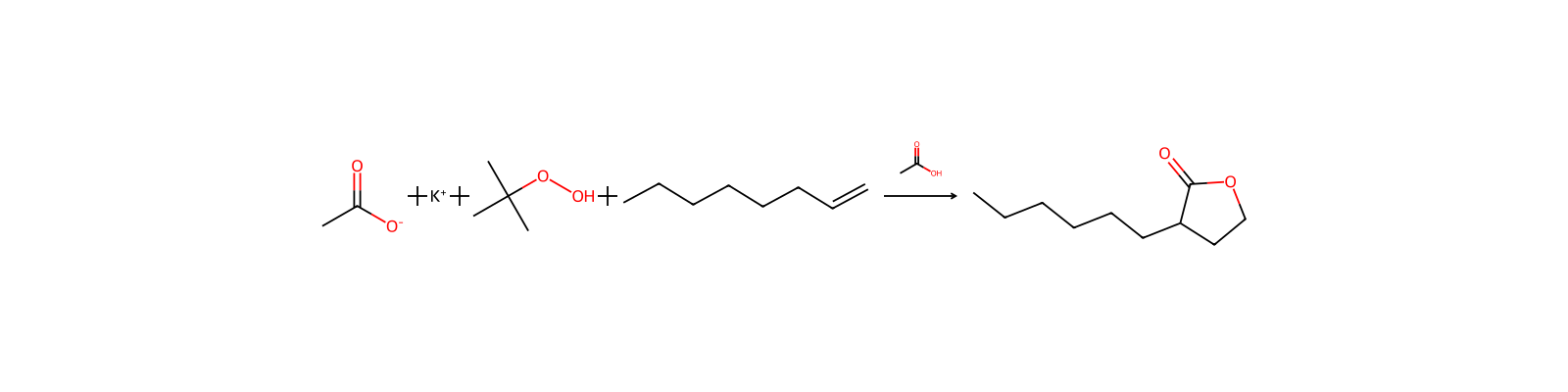
HRID 5667 reaction equation
HRID 5667As reactantuspto-grants-1993_09
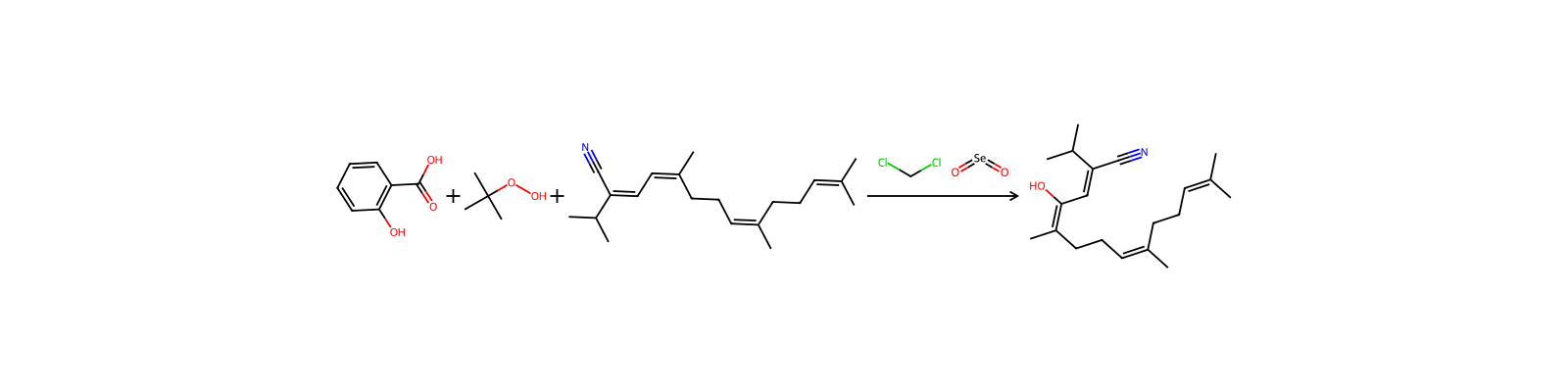
HRID 6331 reaction equation
HRID 6331As reactantuspto-grants-1993_09
HRID 21555 reaction equation
HRID 21555As reactantuspto-grants-1995_06
HRID 35979 reaction equation
HRID 35979As reactantuspto-grants-1995_05
HRID 37157 reaction equation
HRID 37157As reactantuspto-grants-1995_05
HRID 43040 reaction equation
HRID 43040As reactantuspto-grants-2013_09
HRID 46748 reaction equation
HRID 46748As reactantuspto-grants-1979_11
HRID 65417 reaction equation
HRID 65417As reactantuspto-grants-1986_09
Page 1 of 99

Compound notes

Loading…

On this pageBasic informationNames & identifiersPropertiesSafety & regulationChemistry & industryRelated reactionsCompound notes
More actions
New noteNew reactionRequest quotes
Decomposition · 2 items

When heated to decomposition it emits acrid smoke and fumes.

89 °C

Melting Point · 5 items

18 °F (NTP, 1992)

-8 °C

MP: 6 °C

-3 °C

-8 °C

Vapor Density · 3 items

2.07 (NTP, 1992) - Heavier than air; will sink (Relative to Air)

2.07 (Air = 1)

Relative vapor density (air = 1): 3.1

Odor ThresholdOdor Threshold Low: 0.05 [ppm]
Vapor Pressure · 4 items

5.46 [mmHg]

5.46 mm Hg at 25 °C

Vapor pressure, kPa at 20 °C: 3.07 (calculated)

3.07 [mm Hg] @20 °C

Refractive IndexIndex of refraction = 1.4015 at 20 °C/D

Physicochemical properties

Melting point
-2.8 °C · -2.8 °C
Boiling point
37 °C · 37 °C (15 mmHg)
Density
0.937 g/mL · 0.937 g/mL at 20 °C
vapor pressure
62 mmHg · 62 mmHg at 45 °C
refractive index
20 · n20/D 1.403
Flash point
85 °F · 85 °F
storage temp.
2 · 2-8°C
pka
1 · pK1: 12.80 (25°C)
form
Liquid
color
Clear colorless
PH
4.3 · 4.3
Water Solubility
Miscible
Merck
14 · 14,1570
BRN
1098280 · 1098280
Henry's Law Constant
4.2 · 4.2×100 mol/(m3Pa) at 25℃, Wang et al. (2017)
Exposure limits
1.2 mg/m3 · No exposure limit is set. On the basis of its irritant properties a ceiling limit of 1.2 mg/m3 (0.3 ppm) is recommended.
Stability
Stable, but may explode if heated under confinement. Decomposition may be accelerated by traces of metals, molecular sieve or other contaminants. Incompatible with reducing agents, combustible material, acids.
InChI
1S/C4H10O2/c1-4(2,3)6-5/h5H,1-3H3
InChIKey
CIHOLLKRGTVIJN-UHFFFAOYSA-N
SMILES
CC(C)(C)OO
LogP
1.23 · 1.230 (est)
CAS DataBase Reference
75 · 75-91-2(CAS DataBase Reference)
Indirect Additives used in Food Contact Substances
TERT-BUTYL HYDROPEROXIDE
FDA 21 CFR
175.105 · 175.105; 176.170
FDA UNII
955 VYL842B · 955VYL842B
NIST Chemistry Reference
Tert-butyl hydroperoxide(75-91-2)
EPA Substance Registry System
tert-Butyl hydroperoxide (75-91-2)
UNSPSC Code
12352120 · 12352120
NACRES
23 · NA.23
Symbol(GHS)
2 · GHS02,GHS05,GHS06,GHS08,GHS09
Signal word
Danger
Hazard statements
311 · H311+H331-H302-H314-H371-H372-H373-H341-H336-H411-H226-H242
Precautionary statements
501 · P501-P273-P270-P202-P240-P260-P220-P210-P233-P234-P201-P243-P241-P242-P271-P264-P280-P370+P378-P391-P308+P311-P361+P364-P303+P361+P353-P301+P330+P331-P301+P312+P330-P304+P340+P310-P305+P351+P338+P310-P410-P411+P235-P420-P403+P233-P405
target organs
Central nervous system, Respiratory system
PPE
Faceshields, Gloves, Goggles, type ABEK (EN14387) respirator filter
Hazard Codes
O,C,N,T
Risk Statements
7 · 7-10-20/21/22-34-65-52/53-43-67-53-68-51/53-23-21/22
Safety Statements
14 · 14-3/7-61-45-36/37/39-24-17-16-14A-26-62-47-43
RIDADR
3109 · UN 3109 5.2
WGK Germany
3 · 3
RTECS
4900000 · EQ4900000
F
3 · 3-21
Autoignition Temperature
88 to · Self-accelerating decomposition at 88 to 93 °C
TSCA
TSCA listed
HazardClass
5.2 · 5.2
PackingGroup
II
HS Code
29094990 · 29094990
Storage Class
5.2 · 5.2 - Organic peroxides and self-reacting hazardous materials
Hazard Classifications
2 InhalationAcute · Acute Tox. 2 InhalationAcute Tox. 3 DermalAcute Tox. 4 OralAquatic Acute 1Aquatic Chronic 1Asp. Tox. 1Eye Dam. 1Flam. Liq. 3Muta. 2Org. Perox. FSkin Corr. 1CSkin Sens. 1STOT SE 3
Hazardous Substances Data
75 · 75-91-2(Hazardous Substances Data)
Toxicity
50 oral · LD50 oral (rat) 406 mg/kg LD50 skin (rabbit) 460 mg/kg LC50 inhal (rat) 500 ppm (4 h)
REACH Registrations
Active
Limited Quantities
125 mL · 125 mL (4.22 ounces) (liquid) or 500g (17.64 ounces (solid)
Excepted Quantities
Not Permitted as Excepted Quantity

Excerpt from ERG Guide 146 [Organic Peroxides (Heat, Contamination and Friction Sensitive)]:;May explode from heat, shock, friction or contamination. May ignite combustibles (wood, paper, oil, clothing, etc.). May be ignited by heat, sparks or flames. May burn rapidly with flare-burning effect. Containers may explode when heated. Runoff may create fire or explosion hazard. (ERG, 2024)

Flammable. Many reactions may cause fire or explosion. Risk of fire and explosion on heating. Above 43 °C explosive vapour/air mixtures may be formed.

Fire PotentialVery dangerous fire hazard when exposed to heat or flame, or by spontaneous chemical reaction such as with reducing materials.
Health Hazards · 3 items

Liquid causes severe burns of skin and eyes. (USCG, 1999)

Excerpt from ERG Guide 145 [Organic Peroxides (Heat and Contamination Sensitive)]:;Fire may produce irritating, corrosive and/or toxic gases. Ingestion or contact (skin, eyes) with substance may cause severe injury or burns. Runoff from fire control or dilution water may cause environmental contamination. (ERG, 2024)

Excerpt from ERG Guide 146 [Organic Peroxides (Heat, Contamination and Friction Sensitive)]:;Fire may produce irritating, corrosive and/or toxic gases. Ingestion or contact (skin, eyes) with substance may cause severe injury or burns. Runoff from fire control or dilution water may cause environmental contamination. (ERG, 2024)

Hazards Summary · 1 item

TLV Basis: irritation of eyes and respiratory tract; Rats exposed by inhalation 6 hours/day for 5 days had histological evidence of respiratory irritation at 91 mg/m3 but not at 20 mg/m3 (approximately 6 ppm); [ACGIH] Corrosive to skin; [Quick CPC] A corrosive substance that can cause injury to the skin, eyes and respiratory tract; [ICSC] Available as a 70% solution; Causes burns; Inhalation of high concentration can cause chemical pneumonitis; [MSDSonline]

Reactive Group · 3 items

Peroxides, Organic

Peroxides, Organic

Peroxides, Organic;Water and Aqueous Solutions

UN ClassificationUN Hazard Class: 5.2; UN Pack Group: II
Special Reports · 1 item

Preliminary 2D Animation of Events Leading to 2017 Fire at Arkema Chemical Plant in Crosby, Texas.[U.S. Chemical Safety Board; Preliminary 2D Animation of Events Leading to 2017 Fire at Arkema Chemical Plant in Crosby, Texas; Available from, as of November 27, 2017: http://www.csb.gov/videos/preliminary-2d-animation-of-events-leading-to-2017-fire-at-arkema-chemical-plant-in-crosby-texas/]

Reactivity Alerts · 3 items

Explosive;Strong Oxidizing Agent

Explosive;Strong Oxidizing Agent

Strong Oxidizing Agent

Reactivity Profile · 3 items

Most alkyl monohydroperoxides, such as TERT-BUTYL HYDROPEROXIDE, are liquid. The explosivity of the lower members (e.g., methyl hydroperoxide or possibly traces of the dialkyl peroxides) decreasing with increasing chain length and branching, [Bretherick 2nd ed. 1979 p. 10]. Though relatively stable explosions have been caused by distillation to dryness [Milas, JACS, 1946 68 205] or attempted distillation at atmospheric pressure (Castrantas 1965 p 15). Very soluble in organic solvents and alkali metal hydroxide solutions. Combustible and a moderate fire risk [Hawley].

Most alkyl monohydroperoxides are liquid. The explosivity of the lower members (e.g., methyl hydroperoxide, or possibly, traces of the dialkyl peroxides) decreasing with increasing chain length and branching [Bretherick 2nd ed. 1979 p. 10]. Though relatively stable, explosions have been caused by distillation to dryness [Milas, JACS 1946, 68, 205] or attempted distillation at atmospheric pressure [Castrantas 1965 p. 15].

Most alkyl monohydroperoxides are liquid, the explosivity of the lower members (e.g., methyl hydroperoxide, or possibly due to traces of the dialkyl peroxides) decreasing with increasing chain length and branching [Bretherick 2nd ed. 1979 p. 10]. Though relatively stable, explosions have been caused by distillation to dryness [Milas, JACS, 1946, 68, 205] or attempted distillation at atmospheric pressure [Castrantas 1965 p 15].

Safety & protection

Fire Fighting · 4 items

Fire Extinguishing Agents: Dry chemical, foam or carbon dioxide. (USCG, 1999)

Excerpt from ERG Guide 145 [Organic Peroxides (Heat and Contamination Sensitive)]:;SMALL FIRE: Water spray or fog is preferred; if water not available use dry chemical, CO2 or regular foam.;LARGE FIRE: Flood fire area with water from a distance. Use water spray or fog; avoid aiming straight or solid streams directly onto the product. Do not move cargo or vehicle if cargo has been exposed to heat. If it can be done safely, move undamaged containers away from the area around the fire.;FIRE INVOLVING TANKS, RAIL TANK CARS OR HIGHWAY TANKS: Fight fire from maximum distance or use unmanned master stream devices or monitor nozzles. Cool containers with flooding quantities of water until well after fire is out. ALWAYS stay away from tanks in direct contact with flames. For massive fire, use unmanned master stream devices or monitor nozzles; if this is impossible, withdraw from area and let fire burn. (ERG, 2024)

Excerpt from ERG Guide 146 [Organic Peroxides (Heat, Contamination and Friction Sensitive)]:;SMALL FIRE: Water spray or fog is preferred; if water not available use dry chemical, CO2 or regular foam.;LARGE FIRE: Flood fire area with water from a distance. Use water spray or fog; avoid aiming straight or solid streams directly onto the product. Do not move cargo or vehicle if cargo has been exposed to heat. If it can be done safely, move undamaged containers away from the area around the fire.;FIRE INVOLVING TANKS, RAIL TANK CARS OR HIGHWAY TANKS: Fight fire from maximum distance or use unmanned master stream devices or monitor nozzles. Cool containers with flooding quantities of water until well after fire is out. ALWAYS stay away from tanks in direct contact with flames. For massive fire, use unmanned master stream devices or monitor nozzles; if this is impossible, withdraw from area and let fire burn. (ERG, 2024)

Use water spray, dry sand, powder, alcohol-resistant foam, carbon dioxide. In case of fire: keep drums, etc., cool by spraying with water. Combat fire from a sheltered position.

First Aid Measures · 4 items

Fresh air, rest. Refer for medical attention.

Remove contaminated clothes. Rinse skin with plenty of water or shower. Refer for medical attention .

First rinse with plenty of water for several minutes (remove contact lenses if easily possible), then refer for medical attention.

Rinse mouth. Do NOT induce vomiting. Refer for medical attention .

First Aid · 3 items

EYES: First check the victim for contact lenses and remove if present. Flush victim's eyes with water or normal saline solution for 20 to 30 minutes while simultaneously calling a hospital or poison control center. Do not put any ointments, oils, or medication in the victim's eyes without specific instructions from a physician. IMMEDIATELY transport the victim after flushing eyes to a hospital even if no symptoms (such as redness or irritation) develop.;SKIN: IMMEDIATELY flood affected skin with water while removing and isolating all contaminated clothing. Gently wash all affected skin areas thoroughly with soap and water. IMMEDIATELY call a hospital or poison control center even if no symptoms (such as redness or irritation) develop. IMMEDIATELY transport the victim to a hospital for treatment after washing the affected areas.;INHALATION: IMMEDIATELY leave the contaminated area; take deep breaths of fresh air. If symptoms (such as wheezing, coughing, shortness of breath, or burning in the mouth, throat, or chest) develop, call a physician and be prepared to transport the victim to a hospital. Provide proper respiratory protection to rescuers entering an unknown atmosphere. Whenever possible, Self-Contained Breathing Apparatus (SCBA) should be used; if not available, use a level of protection greater than or equal to that advised under Protective Clothing.;INGESTION: DO NOT INDUCE VOMITING. Corrosive chemicals will destroy the membranes of the mouth, throat, and esophagus and volatile chemicals have a high risk of being aspirated into the victim's lungs during vomiting. Thus, the risk of increasing the medical problems by inducing vomiting of a volatile corrosive chemical is very high. If the victim is conscious and not convulsing, give 1 or 2 glasses of water to dilute the chemical and IMMEDIATELY call a hospital or poison control center. IMMEDIATELY transport the victim to a hospital. If the victim is convulsing or unconscious, do not give anything by mouth, ensure that the victim's airway is open and lay the victim on his/her side with the head lower than the body. DO NOT INDUCE VOMITING. IMMEDIATELY transport the victim to a hospital. (NTP, 1992)

Excerpt from ERG Guide 145 [Organic Peroxides (Heat and Contamination Sensitive)]:;Refer to the "General First Aid" section. Specific First Aid: Contaminated clothing may be a fire risk when dry. (ERG, 2024)

Excerpt from ERG Guide 146 [Organic Peroxides (Heat, Contamination and Friction Sensitive)]:;Refer to the "General First Aid" section. Specific First Aid: Contaminated clothing may be a fire risk when dry. (ERG, 2024)

Safe StorageFireproof. Separated from combustible substances and reducing agents. Cool. Inspect container frequently to identify bulging and leaking.
Firefighting HazardsHazardous decomposition products formed under fire conditions. - Carbon oxides
Fire Fighting Procedures · 4 items

To fight fire, use alcohol foam, CO2, dry chemical.

In case of fire, water should be applied by the sprinkler system or by hose from a safe distance, preferably with a fog nozzle. Foam may be necessary instead if the peroxide is diluted in a low density flammable solvent. Portable extinguishers should not be used except for very small fires. Peroxides threatened by fire should be wetted from a safe distance for cooling. /Peroxides, Organic and Inorganic/

Water may be ineffective. Alcohol foam.

Use water spray, alcohol-resistant foam, dry chemical or carbon dioxide. Advice for firefighters: Wear self-contained breathing apparatus for firefighting if necessary. Use water spray to cool unopened containers.

Storage ConditionsStore in original container. Keep container tightly closed in a dry and well-ventilated place. Containers which are opened must be carefully resealed and kept upright to prevent leakage. Recommended storage temperature 2 - 8 °C
Cleanup Methods · 3 items

Spills should be cleaned up promptly using non-sparking tools and an inert, moist diluent such as vermiculite or sand. Sweepings may be placed in open containers or polyethylene bags and the area washed with water and detergent. Spilled, contaminated, waste or questionable peroxides should be destroyed. /Peroxides, Organic and Inorganic/

Most peroxides can be hydrolyzed by adding them slowly with stirring to about ten times their weight of cold 10% sodium hydroxide solution. The reaction may require several hours. /Peroxides, Organic and Inorganic/

ACCIDENTAL RELEASE MEASURES; Personal precautions, protective equipment and emergency procedures: Wear respiratory protection. Avoid breathing vapors, mist or gas. Ensure adequate ventilation. Remove all sources of ignition. Evacuate personnel to safe areas. Beware of vapors accumulating to form explosive concentrations. Vapors can accumulate in low areas. Environmental precautions: Prevent further leakage or spillage if safe to do so. Do not let product enter drains. Discharge into the environment must be avoided. Methods and materials for containment and cleaning up: Contain spillage, and then collect with an electrically protected vacuum cleaner or by wet-brushing and place in container for disposal according to local regulations

Nonfire Spill Response · 3 items

Excerpt from ERG Guide 145 [Organic Peroxides (Heat and Contamination Sensitive)]:;ELIMINATE all ignition sources (no smoking, flares, sparks or flames) from immediate area. Keep combustibles (wood, paper, oil, etc.) away from spilled material. Do not touch damaged containers or spilled material unless wearing appropriate protective clothing. Keep substance wet using water spray. Stop leak if you can do it without risk.;SMALL SPILL: Pick up with inert, damp, non-combustible material using clean, non-sparking tools and place into loosely covered plastic containers for later disposal.;LARGE SPILL: Wet down with water and dike for later disposal. Prevent entry into waterways, sewers, basements or confined areas. DO NOT CLEAN-UP OR DISPOSE OF, EXCEPT UNDER SUPERVISION OF A SPECIALIST. (ERG, 2024)

Excerpt from ERG Guide 145 [Organic Peroxides (Heat and Contamination Sensitive)]:;ELIMINATE all ignition sources (no smoking, flares, sparks or flames) from immediate area. Keep combustibles (wood, paper, oil, etc.) away from spilled material. Do not touch damaged containers or spilled material unless wearing appropriate protective clothing. Keep substance wet using water spray. Stop leak if you can do it without risk.;SMALL SPILL: Pick up with inert, damp, non-combustible material using clean, non-sparking tools and place into loosely covered plastic containers for later disposal.;LARGE SPILL: Wet down with water and dike for later disposal. Prevent entry into waterways, sewers, basements or confined areas. DO NOT CLEAN-UP OR DISPOSE OF, EXCEPT UNDER SUPERVISION OF A SPECIALIST. (ERG, 2024)

Excerpt from ERG Guide 146 [Organic Peroxides (Heat, Contamination and Friction Sensitive)]:;ELIMINATE all ignition sources (no smoking, flares, sparks or flames) from immediate area. Keep combustibles (wood, paper, oil, etc.) away from spilled material. Do not touch damaged containers or spilled material unless wearing appropriate protective clothing. Keep substance wet using water spray. Stop leak if you can do it without risk.;SMALL SPILL: Pick up with inert, damp, non-combustible material using clean, non-sparking tools and place into loosely covered plastic containers for later disposal.;LARGE SPILL: Wet down with water and dike for later disposal. Prevent entry into waterways, sewers, basements or confined areas. DO NOT CLEAN-UP OR DISPOSE OF, EXCEPT UNDER SUPERVISION OF A SPECIALIST. (ERG, 2024)

Disposal Methods · 2 items

SRP: Recycle any unused portion of the material for its approved use or return it to the manufacturer or supplier. Ultimate disposal of the chemical must consider: the material's impact on air quality; potential migration in air, soil or water; effects on animal, aquatic and plant life; and conformance with environmental and public health regulations. If it is possible or reasonable use an alternative chemical product with less inherent propensity for occupational harm/injury/toxicity or environmental contamination.

Product: Burn in a chemical incinerator equipped with an afterburner and scrubber but exert extra care in igniting as this material is highly flammable. Offer surplus and non-recyclable solutions to a licensed disposal company. Contact a licensed professional waste disposal service to dispose of this material. Contaminated packaging: Dispose of as unused product.

Spillage Disposal · 1 item

Evacuate danger area! Consult an expert! Personal protection: chemical protection suit including self-contained breathing apparatus. Collect leaking and spilled liquid in sealable containers as far as possible. Absorb remaining liquid in sand or inert absorbent. Then store and dispose of according to local regulations. Do NOT absorb in saw-dust or other combustible absorbents.

Preventive Measures · 5 items

Gloves must be inspected prior to use. Use proper glove removal technique (without touching glove's outer surface) to avoid skin contact with this product. Dispose of contaminated gloves after use in accordance with applicable laws and good laboratory practices. Wash and dry hands.

Avoid contact with skin and eyes. Avoid inhalation of vapor or mist. Keep away from sources of ignition - No smoking. Take measures to prevent the build up of electrostatic charge.Keep away from heat and sources of ignition.

ACCIDENTAL RELEASE MEASURES; Personal precautions, protective equipment and emergency procedures: Wear respiratory protection. Avoid breathing vapors, mist or gas. Ensure adequate ventilation. Remove all sources of ignition. Evacuate personnel to safe areas. Beware of vapors accumulating to form explosive concentrations. Vapors can accumulate in low areas. Environmental precautions: Prevent further leakage or spillage if safe to do so. Do not let product enter drains. Discharge into the environment must be avoided.

Avoid contact with skin, eyes and clothing. Wash hands before breaks and immediately after handling the product.

SRP: The scientific literature for the use of contact lenses by industrial workers is inconsistent. The benefits or detrimental effects of wearing contact lenses depend not only upon the substance, but also on factors including the form of the substance, characteristics and duration of the exposure, the uses of other eye protection equipment, and the hygiene of the lenses. However, there may be individual substances whose irritating or corrosive properties are such that the wearing of contact lenses would be harmful to the eye. In those specific cases, contact lenses should not be worn. In any event, the usual eye protection equipment should be worn even when contact lenses are in place.

Toxicology

Interactions · 5 items

In hemoglobin-free perfused rat liver, tert-butylhydroperoxide (0.56 mmol) reversibly decreased metabolism of sodium hexobarbital (0.19 mmol).

The current studies have investigated the effect of heterocyclic drugs with the single thiol group (thiamazole, mercaptopurine) and dithiol aliphatic drugs (dimercaptosuccinic acid, dithiothreitol) under oxidative stress conditions, using tert-butyl hydroperoxide (t-BuOOH), in human erythrocyte lysate with the luminol-enhanced chemiluminescence technique. Knowing that oxidative processes induced by t-BuOOH are triggered by (oxy)hemoglobin (Hb), the effect of different thiol drugs (RSH) on isolated human Hb oxidation to methemoglobin (MHb) and hemichromes (HChr) was further considered. Three types of chemiluminescence curves, fitting to logistic-exponential model, have been revealed under influence of RSH. Structure of the data (MHb and HChr production, and free radical activity of RSH) in Principal Component Analysis visualization and kinetic profiles of chemiluminescence integrate information in terms of the diversity of RSH reaction mechanisms depending on the specific molecular context of the given thiol: aliphatic or aromatic nature as well as the number and position of the -SH groups in the molecule. The study conducted in presented in vitro systems indicates the potential role of thiol drugs mediated toxicity in an oxidative stress dependent mechanism.

The aim of this study was to investigate the protective effects of 6-shogaol on tert-butyl hydroperoxide (tBHP)-induced oxidative stress leading to apoptosis in human hepatoma cell line HepG2. The cells were exposed to tBHP (100 umol/L) after pretreatment with 6-shogaol (2.5 and 5 umol/L), and then cell viability was measured. 6-Shogaol fully prevented HepG2 cell death caused by tBHP. Treatment of tBHP resulted in apoptotic cell death as assessed by TUNEL assay and the expression of apoptosis regulator proteins, Bcl-2 family, caspases and cytochrome c. Cells treated with 6-shogaol showed rapid reduction of apoptosis by restoring these markers of apoptotic cells. In addition, 6-shogaol significantly recovered disruption of mitochondrial membrane potential as a start sign of hepatic apoptosis induced by oxidative stress. In line with this observation, antioxidative 6-shogaol inhibited generation of reactive oxygen species and depletion of reduced glutathione in tBHP-stimulated HepG2 cells. Taken together, these results for the first time showed antioxidative and antiapoptotic activities of 6-shogaol in tBHP-treated hepatoma HepG2 cells, suggesting that 6-shogaol could be beneficial in hepatic disorders caused by oxidative stress.

A nanocarrier, namely, hydroxylethyl-chitosan nanoparticles was developed in this research for delivering antioxidants with 6-hydroxy-2, 5, 7, 8-tetra-methylchromane-2-carboxylic acid (trolox) as a model antioxidant. The trolox-encapsulated chitosan nanoparticles (trolox-CS NPs) were prepared by modifying chitosan with epoxyethane, which self-assembled into NPs and entrapped trolox, and then characterized by their size, size distribution, morphology and in vitro trolox release profile. Intracellular trafficking of CS NPs was observed. The anti-oxidant effect and potential mechanism of trolox-CS NPs were subsequently investigated in RAW264.7 cells. The effects of trolox-CS NPs on RAW264.7 cells damaged by tert-butylhydroperoxide (t-BHP) were determined by MTT assay for cell viability, MDA assay for membrane lipid peroxidation, JC-1 probe and Annexin V-FITC/PI double staining for mitochondria membrane potential (MMP) and RAW264.7 apoptosis, respectively. The trolox-CS NPs significantly improved cell viability and reduced MDA content compared with those of cells treated with free trolox. The trolox-CS NPs treatment inhibited MMP collapse and RAW264.7 apoptosis more obviously than free trolox. Molecular basis of apoptosis studied by western blotting revealed that trolox-CS NPs may block mitochondria-mediated apoptosis pathway through up-regulation of Bcl-2 and down-regulation of Bax and inhibiting the activation of pro-caspase 3, PARP and Bid.

For more Interactions (Complete) data for tert-Butyl hydroperoxide (22 total), please visit the HSDB record page.

Ecotoxicity Values · 5 items

LC50; Species: Pimephales promelas (Fathead minnow); Conditions: semi-static (daily renewal), 24.4-24.9 °C, pH 7.7-7.9, hardness 210 mg/L; Concentration: 29 mg/L for 96 hr /from table/

LC50; Species: Poecilia reticulata (Guppy); Conditions: semi-static (renewal at 48 hr), 22-24 °C, pH 7.9-8.3, hardness 210 mg/L; Concentration: 57 mg/L for 96 hr /from table/

EC50; Species: Daphnia magna (Water flea); Conditions: static, 20.6-20.8 °C, pH 7.4-7.9, hardness 210 mg/L; Concentration: 14 mg/L for 48 hr; Effect: immobility /from table/

EC50; Species: Selenastrum capricornutum (algae); Conditions: static, 23 °C, pH 7.9-8.6, hardness 24 mg/L; Concentration: 1.5 mg/L for 72 hr; Effect: exponential growth rate /from table/

For more Ecotoxicity Values (Complete) data for tert-Butyl hydroperoxide (6 total), please visit the HSDB record page.

Environmental Fate · 3 items

TERRESTRIAL FATE: Based on a classification scheme(1), an estimated Koc value of 86(SRC), determined from a structure estimation method(2), indicates that tert-butyl hydroperoxide is expected to have high mobility in soil(SRC). However, hydroperoxides react with a variety of compounds and are reduced readily to the corresponding alcohols(3). They are decomposed readily by multivalent metal ions, are photo- and thermally sensitive and undergo initial oxygen-oxygen bond homolysis, and they are attacked readily by free radicals, undergoing induced and self-induced decomposition(3). Chemical degradation is expected to be the dominant fate process in soil(SRC). The pKa of tert-butyl hydroperoxide is 12.80(4), indicating that this compound will exist in the unionized form in the environment. Volatilization of tert-butyl hydroperoxide from moist soil surfaces is expected to be an important fate process(SRC) given an estimated Henry's Law constant of 1.6X10⁻⁵ atm-cu m/mole(SRC), using a fragment constant estimation method(2). tert-Butyl hydroperoxide is expected to volatilize from dry soil surfaces(SRC) based upon a vapor pressure of 5.46 mm Hg at 25 °C(5). Utilizing the Japanese MITI test, 0% of the Theoretical BOD was reached in 4 weeks(6) indicating that biodegradation is not an important environmental fate process in soil(SRC).

AQUATIC FATE: Based on a classification scheme(1), an estimated Koc value of 86(SRC), determined from a structure estimation method(2), indicates that tert-butyl hydroperoxide is not expected to adsorb to suspended solids and sediment(SRC). However, hydroperoxides react with a variety of compounds and are reduced readily to the corresponding alcohols(3). They are decomposed readily by multivalent metal ions, are photo- and thermally sensitive and undergo initial oxygen-oxygen bond homolysis, and they are attackec readily by free radicals, undergoing induced and self-induced decompositions(3). Chemical degradation is expected to be the dominant fate process in water(SRC). Volatilization from water surfaces is expected(4) based upon an estimated Henry's Law constant of 1.6X10⁻⁵ atm-cu m/mole(SRC), developed using a fragment constant estimation method(2). Using this Henry's Law constant and an estimation method(3), volatilization half-lives for a model river and model lake are 2 and 20 days, respectively(SRC). A pKa of 12.8(5) indicates tert-butyl hydroperoxide will exist in the unionized form at pH values of 5 to 9(SRC). According to a classification scheme(6), an estimated BCF of 3(SRC), from an estimated log Kow of 0.94(2) and a regression-derived equation(2), suggests the potential for bioconcentration in aquatic organisms is low(SRC). Utilizing the Japanese MITI test, 0% of the Theoretical BOD was reached in 4 weeks(7) indicating that biodegradation is not an important environmental fate process in water(SRC).

ATMOSPHERIC FATE: According to a model of gas/particle partitioning of semivolatile organic compounds in atmosphere(1), tert-butyl hydroperoxide, which has a vapor pressure of 5.46 mm Hg at 25 °C(2), is expected to exist solely as a vapor in the ambient atmosphere. Vapor-phase tert-butyl hydroperoxide is degraded in the atmosphere by reaction with photochemically-produced hydroxyl radicals(SRC); the half-life for this reaction in air is estimated to be 4 days(SRC), calculated from its rate constant of 3.0X10⁻¹² cu cm/molecule-sec at 25 °C(3). tert-Butyl hydroperoxide will directly photolyze with breakage of the peroxide bond(4).

Adverse Effects · 1 item

Reproductive Toxin - A chemical that is toxic to the reproductive system, including defects in the progeny and injury to male or female reproductive function. Reproductive toxicity includes developmental effects. See Guidelines for Reproductive Toxicity Risk Assessment.;Dermatotoxin - Skin burns.;Toxic Pneumonitis - Inflammation of the lungs induced by inhalation of metal fumes or toxic gases and vapors.;ACGIH Carcinogen - Suspected Human.

Exposure RoutesThe substance can be absorbed into the body by inhalation, through the skin and by ingestion.
Toxicity Summary · 1 item

IDENTIFICATION AND USE: tert-Butyl Hydroperoxide is a water-white liquid. It is used to introduce peroxy group into organic molecules, as a reagent in radical substitution reactions, and catalyst in polymerization reactions. HUMAN STUDIES: The main toxic effect of most peroxides is irritation of skin, mucous membranes and eyes. Prolonged or intense skin contact or splashes in the eyes may cause severe injury. Some organic peroxide vapors are irritating and may also cause headaches, intoxication similar to alcohol, and lung edema if inhaled in high concentrations. Some are skin sensitizers. Hydroperoxides are extremely irritating and corrosive to the eyes, with risk of blindness, and may cause serious injury or death if ingested in sufficient quantity. tert-Butyl hydroperoxide induced DNA lesions in human liver cells, and stimulated activity of superoxide dismutase and mainly glutathione peroxidase. A slight increase in the gene expression of Cu/Zn superoxide dismutase and catalase with 500 uM tert-butyl hydroperoxide and of catalase with 200 uM hydrogen peroxide was observed in HepG2 cells in culture. tert-Butyl hydroperoxide has been demonstrated to induce apoptosis in hepatoma cell line HepG2. ANIMAL STUDIES: When tested as a 75% solution in dimethylphthalate by application of two drops to rabbit eyes, it caused injury graded 5 on a scale of 0 to 7. A drop of 35% solution in propylene glycol caused a reaction graded between 46 and 79 on a scale of 0 to 100, persisting at least a week. A 7% solution in the same solvent was the maximum which could be tolerated without significant irritation. In a routine primary skin irritation assay, three out of six rabbits died. The peroxide is a severe dermal irritant. It can also be absorbed through the skin in toxic amounts to cause cyanosis, depression, loss of righting, blanching of the treated skin, convulsions, and death. In male rats serum hepatotoxicity parameters were increased from 2 hr following 1 mmol/kg tert-butyl h

Ecotoxicity Excerpts · 1 item

/PLANTS/ The effects of TBHP on cell growth (wet weight) and cell membrane integrity (ion leakage) were studied in in vitro tests in which cells of tobacco (Nicotiana tabacum) were exposed in a growth solution. The cells were cultured in a medium (LS-medium) containing macro- and micro-elements. For the determination of cell growth, cells were exposed for 7 days in the LS-medium (test concentrations: 0-9-18-45-90-180 mg/L) after which the fresh weight of the cells was determined. For the determination of cell membrane integrity (determined by measuring continuously the conductivity of the medium that was pumped through a flow conductivity cell during a period of 12 hours), cells from the late exponential growth phase (usually 7-day old cultures) were collected, washed 3 times with "electrical conductivity medium" (EC medium, being a 1/100 dilution of the LS-medium), transferred to EC medium and exposed for 12 hours in this medium (test concentrations: 0-18-45-90-135-180 mg/L). Exposure to TBHP resulted in concentrations-related effects on both cell growth (decrease of fresh weight) and cell membrane integrity (increase of conductivity in the medium), with in both cases a LOEC of 45 mg/L (around 70% reduction of cell culture growth and around 50% increase in conductivity; percentages derived from graphs) and a NOEC of 18 mg/L. Maximum conductivity values after treatment with high concentrations of TBHP did not further increase after freeze-thaw treatment of the cultures and were in the same range as those measured after freeze-thawing of untreated cultures. Hence, according to the authors of this study, the observed increase in conductivity during TBHP treatment was due mainly to an efflux of ions caused by membrane damage rather than to a metabolic response of the cells to TBHP or to generation of ions by the reaction of TBHP with cellular components. In earlier in vitro tests with terrestrial plant tissues, viz. (discs) of egg plant fruit, white gourd, chayote frui

Signs and Symptoms · 4 items

Burning sensation. Cough. Laboured breathing.

Pain. Redness. Blisters.

Redness. Pain. Severe deep burns.

Abdominal cramps. Burning sensation. Weakness.

Ongoing Test Status · 1 item

The following link will take the user to the National Toxicology Program (NTP) Test Status of Agents Search page, which tabulates the results and current status of tests such as "Short-Term Toxicity Studies", "Long-term Carcinogenicity Studies", "Developmental Studies", "Genetic Toxicology Studies", etc., performed with this chemical. Testing status for tert-butyl hydroperoxide is available.[Available from, as of November 3, 2017: https://ntpsearch.niehs.nih.gov/?e=True&ContentType=Testing+Status]

Soil Adsorption/Mobility · 1 item

Using a structure estimation method based on molecular connectivity indices(1), the Koc of tert-butyl hydroperoxide can be estimated to be 86(SRC). According to a classification scheme(2), this estimated Koc value suggests that tert-butyl hydroperoxide is expected to have high mobility in soil. However, hydroperoxides react with multivalent metal ions and other species ubiquitous in soil and are readily reduced to the corresponding alcohols(3). Therefore, it is expected to chemically degrade rapidly in soil and is not expected to travel long distances in soil or migrate to groundwater(SRC). The pKa of tert-butyl hydroperoxide is 12.8(4), indicating that this compound will exist in the un-ionized form in the environment.

TSCA Test Submissions · 4 items

The ability of t-butyl hydroperoxide to induce morphological transformation in the C3H/10T1/2 mouse cell line (Cell Transformation Assay) was evaluated at concentrations of 4.9, 2.4, 1.2, 0.6 and 0.3 nl/ml in acetone, with corresponding survival ranging from 86.3% to 44.7%. None of the tested concentrations produced significantly greater transformation frequencies relative to the solvent control.

The mutagenicity of t-butyl hydroperoxide was evaluated in Salmonella tester strains TA98, TA100, TA1535, TA1537, and TA1538 (Ames Test), both in the presence and absence of added metabolic activation by Aroclor-induced rat or hamster liver S9 fraction. Based on preliminary bacterial toxicity determinations, aqueous t-butyl hydroperoxide was tested for mutagenicity at concentrations of 3.0, 15, 75, 150, and 300 ug/plate using a 20-minute preincubation technique. t-Butyl hydroperoxide caused a reproducible positive response in tester strains TA98, TA100 and TA1537 in tests with added metabolic activation.

The ability of aqueous t-butyl hydroperoxide to induce specific locus mutations at the TK locus in cultured L5178Y mouse lymphoma cells (Mouse Lymphoma Mutagenesis Assay) was evaluated in the presence and absence of Aroclor-induced rat liver S9 metabolic activation. Based on preliminary toxicity tests, nonactivated cultures were treated with 1.3, 1.8, 2.4, 3.2, 4.2, 5.6, 7.5, 10, and 13 nl/ml, and S9-activated cultures were treated with 13, 18, 24, 32, 42, 56, 75, 100, 130, and 180 nl/ml. Cloning efficiency ranged from 3-92% for nonactivated cultures and from 4-105% for S9-activated cultures. Nonactivated and activated cultures produced mutant frequencies ranging from 2-10.6 and 2-8 times that of the solvent controls (water), respectively, with a clear dose-response relationship obtained.

The ability of tert-butyl hydroperoxide to cause chromosome aberration was evaluated in bone marrow cells of Sprague-Dawley rats (10/sex/group; except for high dose animals 15/sex) receiving nominal concentrations of test material at 0, 10 30, 75 and 100 ppm in a dynamic air flow chamber for 6 hours/day, for up to five days. There was no effect of treatment as indicated by mortality and gross necropsy observations. Decreased body weights for high dose males (75 & 100 ppm) and high dose females (100 ppm) were observed. None of the treatments produced chromosomal aberrations or damage in bone marrow cells of rats.

Human Toxicity Excerpts · 5 items

/SIGNS AND SYMPTOMS/ Inhalation - burning sensation, cough, labored breathing; Skin - redness, pain, blisters; Eyes - Redness, pain, severe deep burns; Ingestion - abdominal cramps, burning sensation, weakness. /From table/

/SIGNS AND SYMPTOMS/ The main toxic effect of most peroxides is irritation of skin, mucous membranes and eyes. Prolonged or intense skin contact or splashes in the eyes may cause severe injury. Some organic peroxide vapors are irritating and may also cause headaches, intoxication similar to alcohol, and lung edema in inhaled in high concentrations. Some are ... skin sensitizers. Dialkyl peroxides are generally not as strongly irritating, and the diacyl peroxides are the least irritating of the peroxides. Hydroperoxides, peroxyacids and particularly methyl ethyl ketone peroxide are much more severe. They are extremely irritating and corrosive to the eyes, with risk of blindness, and may cause serious injury or death if ingested in sufficient quantity. /Peroxides, Organic and Inorganic/

/GENOTOXICITY/ This paper presents comparisons of biological impacts of the oxidants H2O2 and t-BHP on human liver cells, and shows modulation of these effects by the phenolic compound carvacrol. To understand better how these oxidants exert their effect on DNA and on the activity of the enzymes superoxide dismutase (SOD) and glutathione peroxidase (GPx), we measured intracellular antioxidant glutathione (iGSH) and intracellular reactive oxidative species (iROS). DNA lesions corresponded to single-strand DNA breaks, alkali-labile lesions and formamido-pyrimidine-DNA-glycosylase (FPG)-sensitive sites. Pre-treatment of cells with carvacrol substantially decreased the number of H2O2-induced DNA lesions, but the number of t-BHP-induced DNA lesions was not reduced. Activities of both SOD and GPx were stimulated significantly by carvacrol and were reduced by the combined effect of carvacrol and oxidants. H2O2 and t-BHP alone influenced the level of antioxidant enzymes differently. While H2O2 did not markedly change the activity of SOD or GPx, lower concentrations of t-BHP stimulated activity of SOD and mainly GPx. The level of iROS was increased by both oxidants and decreased by carvacrol applied either alone or with oxidants. The level of iGSH was not influenced in any of the treatments tested. Our results show that although both oxidants induced oxidative stress and damaged cellular DNA, their influences on other molecular processes were different. The protective effect of carvacrol against DNA-damaging effects of H2O2 was unambiguous, but reduction by carvacrol of the DNA-damaging effect of t-BHP was not observed. These results suggest that the phenolic compound carvacrol contributes to the defense mechanisms of the human organism, but these beneficial effects are dependent on the origin and source of the actual oxidative stress.

/ALTERNATIVE and IN VITRO TESTS/ Increased oxidative stress is implicated in the onset and progression of prevalent pregnancy disorders (e.g. gestational diabetes and fetal growth restriction), and in programming the fetus to develop metabolic diseases later in life. Since the molecular mechanisms underlying these effects of oxidative stress are largely unexplored, we aimed to investigate if the placental transport of glucose - the main energetic substrate for the fetus and placenta - is altered by oxidative stress. In a human syncytiotrophoblast (STB)cell model, the BeWo cell line,oxidative stress was induced by treatment with 100 mM tert-butylhydroperoxide(tert-BOOH) for 24 hr. Tert-BOOH decreased the steady-state intracellular accumulation (Amax) of[(3)H]2-deoxyglucose([(3)H]DG) mediated by both facilitative(GLUT) and non-facilitative(non-GLUT)glucose transporters. These effects were not associated with a change in the mRNA expression level of GLUT1, the major placental glucose transporter. Also,they seemed to be independent from phosphoinositide 3-kinase and protein kinase C signaling pathways and were unchanged either by inhibitors of free radical-generating enzymes or by free radical scavengers. In contrast, the dietary polyphenols quercetin, epigallocatechin-3-gallate and resveratrol completely reversed the inhibitory effect of tert-BOOH upon[(3)H]DG accumulation through a specific effect on GLUT-mediated transport. Finally, tert-BOOH induced an increase in the transepithelial permeability to [(3)H]DG in the apical-to-basal direction, apparently related to an increase in its paracellular transport. In conclusion, tert-BOOH-induced oxidative stress reduces STB accumulation of glucose associated with an increase in its transepithelial permeability. This effect may contribute to the deleterious consequences of pregnancy disorders associated with oxidative stress.

Regulatory information

Regulatory Information · 5 items

Chemical: Hydroperoxide, 1,1-dimethylethyl

Hydroperoxide, 1,1-dimethylethyl is listed on the EPA's Chemical Data Reporting (CDR) system. Manufacturers and importers of Hydroperoxide, 1,1-dimethylethyl are required to report information about their production and use of this chemical to the EPA under the Toxic Substances Control Act (TSCA). (40 eCFR Part 711)

Status: Active Update: 10-02-2022 https://echa.europa.eu/registration-dossier/-/registered-dossier/13623

Hydroperoxide, 1,1-dimethylethyl: Does not have an individual approval but may be used under an appropriate group standard

The New Jersey Worker and Community Right to Know Act requires public and private employers to provide information about hazardous substances at their workplaces. (N.J.S.A. 34:5A-1 et. seq.)

Safety data

F
3-21
PPE
Faceshields, Gloves, Goggles, type ABEK (EN14387) respirator filter
wgk
3
tsca
TSCA listed
rtecs
EQ4900000
ridadr
UN 3109 5.2
hs_code
29094990
Toxicity
LD50 oral (rat) 406 mg/kg LD50 skin (rabbit) 460 mg/kg LC50 inhal (rat) 500 ppm (4 h)
risk_code
7-10-20/21/22-34-65-52/53-43-67-53-68-51/53-23-21/22
Signal word
Danger
Symbol(GHS)
GHS02,GHS05,GHS06,GHS08,GHS09
hazard_code
O,C,N,T
safety_code
14-3/7-61-45-36/37/39-24-17-16-14A-26-62-47-43
hazard_class
5.2
Storage Class
5.2 - Organic peroxides and self-reacting hazardous materials
packing_group
II
target organs
Central nervous system, Respiratory system
Hazard statements
H311+H331-H302-H314-H371-H372-H373-H341-H336-H411-H226-H242
Limited Quantities
125 mL (4.22 ounces) (liquid) or 500g (17.64 ounces (solid)
Excepted Quantities
Not Permitted as Excepted Quantity
REACH Registrations
Active
Hazard Classifications
Acute Tox. 2 InhalationAcute Tox. 3 DermalAcute Tox. 4 OralAquatic Acute 1Aquatic Chronic 1Asp. Tox. 1Eye Dam. 1Flam. Liq. 3Muta. 2Org. Perox. FSkin Corr. 1CSkin Sens. 1STOT SE 3
Autoignition Temperature
Self-accelerating decomposition at 88 to 93 °C
Precautionary statements
P501-P273-P270-P202-P240-P260-P220-P210-P233-P234-P201-P243-P241-P242-P271-P264-P280-P370+P378-P391-P308+P311-P361+P364-P303+P361+P353-P301+P330+P331-P301+P312+P330-P304+P340+P310-P305+P351+P338+P310-P410-P411+P235-P420-P403+P233-P405
Hazardous Substances Data
75-91-2(Hazardous Substances Data)

Uses & manufacturing

Uses · 6 items

Used as a chemical intermediate, a curing agent for polyesters, and a catalyst for polymerization; also used for bleaching and deodorizing; [HSDB] A polymerization initiator used to produce specialty chemicals in closed systems; [ACGIH]

Plastic Composites Manufacturing [Category: Industry]

For tert-butyl hydroperoxide (USEPA/OPP Pesticide Code: 105301) there are 0 labels match. /SRP: Not registered for current use in the U.S., but approved pesticide uses may change periodically and so federal, state and local authorities must be consulted for currently approved uses./

Catalyst in polymerization reactions. To introduce peroxy group into organic molecules, in radical substitution reactions.

Polymerization, oxidation, sulfonation catalyst, bleaching, deodorizing

tert-Butyl hydroperoxide is used as an oxidant in the Halcon process for the production of propylene oxide. The standard commercial product (80%, stabilized with water and phosphoric acid) is suitable for curing polyester resins and for the emulsion polymerization of styrene -butadiene rubbers.

Impuritiestert-Butyl alcohol (21%), acetone (25%), and isobutyl derivatives (1%) are formed as side products.
U.S. Production · 4 items

2023: 25,000,000 - <40,000,000 lb;2022: 40,000,000 - <55,000,000 lb;2021: 40,000,000 - <55,000,000 lb;2020: 55,000,000 - <70,000,000 lb

(1972) PROBABLY GREATER THAN 4.54X10+5 GRAMS

(1975) PROBABLY GREATER THAN 2.27X10+5 GRAMS

Non-confidential 2016 Chemical Data Reporting (CDR) information on the production and use of chemicals manufactured or imported into the United States. Chemical: tert-Butylhydroperoxide:;Table: National Aggregate Production Volume (pounds) [Table#2262]

Consumption PatternsTHE USE AS AN INTERMEDIATE FOR THE PRODUCTION OF PROPYLENE OXIDE & TERT-BUTYL ALCOHOL IS BELIEVED TO BE MUCH LARGER THAN ALL OTHER USES COMBINED (1976)
Consumer UsesCatalyst;Not Known or Reasonably Ascertainable;Hardener;Oxidizing agent;Fuel agents
Industry UsesPlasticizer;Catalyst;Hardener;Intermediate;Oxidizing agent;Solvent;CBI;Chemical reaction regulator;Plating agent;Fuel agents
Methods of Manufacturing · 3 items

The oxidation of isobutane with oxygen in the gas phase at 160 °C and a residence time of ca. 3 min leads to a 70% yield of tert-butyl hydroperoxide with a conversion of 80%. Hydrogen bromide is used as the initiator. Byproducts include di-tert-butyl peroxide, tert-butanol, and various alkyl bromides. Another process operates in the liquid phase at 130 °C and 3.5 MPa without a catalyst. The hydroperoxide is obtained in a yield of ca. 60% with an isobutane conversion of < 25%.

Prepared from tert-butyl alcohol and 30% hydrogen peroxide; ... By oxidation of tert-butylmagnesium chloride.

Produced by the liquid-phase reaction of isobutane and molecular oxygen or by mixing equimolar amounts of t-butyl alcohol and 30-50 percent hydrogen peroxide.

Formulations/Preparations · 3 items

Grades: 70%, 90% pure

The standard commercial product (80%, stabilized with water and phosphoric acid).

Luperox TBH70X, tert-Butyl hydroperoxide solution /concentration: 70 - 90 %/.

General Manufacturing Information · 2 items

CBI;Agriculture, Forestry, Fishing and Hunting;Plastics Product Manufacturing;Electrical Equipment, Appliance, and Component Manufacturing;Oil and Gas Drilling, Extraction, and Support activities;All Other Chemical Product and Preparation Manufacturing;Adhesive Manufacturing;Paint and Coating Manufacturing;Plastics Material and Resin Manufacturing;All Other Basic Organic Chemical Manufacturing

Hydroperoxide, 1,1-dimethylethyl: ACTIVE

Applications · 4 items

UsesTBHP is an intermediate in the production of propylene oxide and t-butyl alcohol from isobutane and propylene. It is primarily used as an initiator and finishing catalyst in the solution and emulsion polymerization methods for polystyrene and polyacrylates. Other uses are for the polymerization of vinyl chloride and vinyl acetate and as an oxidation and sulfonation catalyst in bleaching and deodorizing operations. It is a strong oxidant and reacts violently with combustible and reducing materials, and metallic and sulfur compounds.

Usestert-Butyl hydroperoxide is used as an initiator for radical polymerization and in various oxidation process such as sharpless epoxidation. It is involved in osmium catalyzed vicinal hydroxylation of olefins under alkaline conditions. Furthermore, it is used in catalytic asymmetric oxidation of sulfides to sulfoxides using binaphthol as a chiral auxiliary and in the oxidation of dibenzothiophenes. It plays an important role for the introduction of peroxy groups in organic synthesis.

DescriptionTert-butyl hydroperoxide is an alkyl hydroperoxide in which the alkyl group is tert-butyl. It is widely used in a variety of oxidation processes. It has a role as an antibacterial agent and an oxidising agent.

General DescriptionWatery odorless colorless liquid. Floats and mixes slowly with water.

Upstream & downstream products

Upstream raw materials

Hydrogen peroxide4-Nitro-2-sulfoanilinetert-ButanolTert-butyl esterSulfuric acid hydrogen tert-butyl estertert-Butylmagnesium chlorideVitamin D3Ascorbic Acid1,1-DichloroethaneIsobutyric acid

Downstream products

2,4-Dichloro-5-nitropyridine1-Fluoro-4-(trifluoromethylthio)benzene2-Quinolinecarboxaldehyde5-Nitro-2-hydroxy-4-methoxypyridineCinmethylin4-(Methylsulfinyl)phenol(+)-DISPARLUREtert-Butyl peroxypivalate2-Quinoxalinecarbaldehydetert-Butyl peroxyacetatetetrahydro-2-furyl acetateMethyl 2-bromobenzoateDi-tert-butyl peroxidePropylene oxideDimethyl Furan-2,5-dicarboxylate

For more Human Toxicity Excerpts (Complete) data for tert-Butyl hydroperoxide (10 total), please visit the HSDB record page.