1-Adamantanol

Basic information
- CAS
768-95-6- Standard SMILES
OC12CC3CC(CC(C3)C1)C2- InChIKey
VLLNJDMHDJRNFK-UHFFFAOYSA-N- Molecular formula
- C10H16O
- Average molar mass
- 152.23 g/mol
- Monoisotopic mass
- 152.12011513
Overview
structure in first source
Names & identifiers
- Preferred name
- 1-Adamantanol
- IUPAC
- adamantan-1-ol
- English name
- 1-Adamantanol
- Molecular formula
- C10H16O
- Molecular weight
- 152.23
Names & synonyms
1-AdamantanolAdamantan-1-ol768-95-61-HydroxyadamantaneTricyclo(3.3.1.13,7)decan-1-olP9J0B0C8ZBTricyclo[3.3.1.13,7]decan-1-olNSC-91633NSC-108837DTXSID10227620RefChem:429053DTXCID60150111
Show more names
1-AD-OH1-Admantanol1-Adamatanol1-ADA-OHdamantol-(1)
212-202-81-Adamantoladamantanol1-adamantyl alcoholhydroxyadamantane(3s,5s,7s)-adamantan-1-olTricyclo[3.3.1.1(3,7)]decan-1-olMFCD00074729
Database identifiers
- CAS
768-95-6- PubChem CID
- 64152
- DTXSID
DTXSID10227620- ChEMBL
CHEMBL2041310- UNII
- P9J0B0C8ZB
- EC Number
- 212-202-8
- Nikkaji
- J3.324C
Properties
Computed structural properties
- XLogP
- 2.1
- Topological polar surface area
- 20.2 Ų
- Hydrogen bond donors
- 1
- Hydrogen bond acceptors
- 1
- Rotatable bonds
- 0
- Heavy atoms
- 11
- Formal charge
- 0
- Complexity
- 144
Experimental & physicochemical properties
SpringerMaterials PropertiesCoriolis coupling
LogP2.14
Physicochemical properties
- Melting point
- 247 °C · 247 °C (subl.) (lit.)
- Boiling point
- 214.73 °C · 214.73°C (rough estimate)
- Density
- 0.8544 · 0.8544 (rough estimate)
- refractive index
- 1.488 · 1.4880 (estimate)
- Flash point
- 240 °C · 240°C
- storage temp.
- Sealed in dry,Room Temperature
- solubility
- Chloroform (Sparingly), Methanol (Slightly)
- form
- Crystalline Powder or Needles
- pka
- 15.38 · 15.38±0.20(Predicted)
- color
- White to off-white
- Water Solubility
- Soluble in ethanol , methanol, and diethyl ether. Partly miscible in water.
Safety & regulation
Safety information is for reference only and does not replace the supplier’s Safety Data Sheet (SDS), applicable regulations, or professional assessment.
GHS classification
GHS Classification
Danger
H228 (33.3%): Flammable solid [Danger Flammable solids]
P210, P240, P241, P261, P264, P264+P265, P270, P271, P280, P301+P317, P302+P352, P304+P340, P305+P351+P338, P317, P319, P321, P330, P332+P317, P337+P317, P362+P364, P370+P378, P403+P233, P405, and P501 (click each P-code to see the statement)
Aggregated GHS information provided per 3 reports by companies from 3 notifications to the ECHA C&L Inventory. Each notification may be associated with multiple companies.
Hazard information
Hazard Classes and CategoriesFlam. Sol. 2 (33.3%)
Safety data
- PPE
- Eyeshields, Gloves, type N95 (US)
- wgk
- 3
- rtecs
- AU4980000
- hs_code
- 2906199090
- risk_code
- 36/37/38
- Signal word
- Warning
- Symbol(GHS)
- GHS07
- hazard_code
- Xi
- hazard_note
- Irritant
- safety_code
- 22-24/25-36-26
- Storage Class
- 11 - Combustible Solids
- Hazard statements
- H315-H319-H335
- Precautionary statements
- P261-P271-P280
Chemistry & industry
Applications
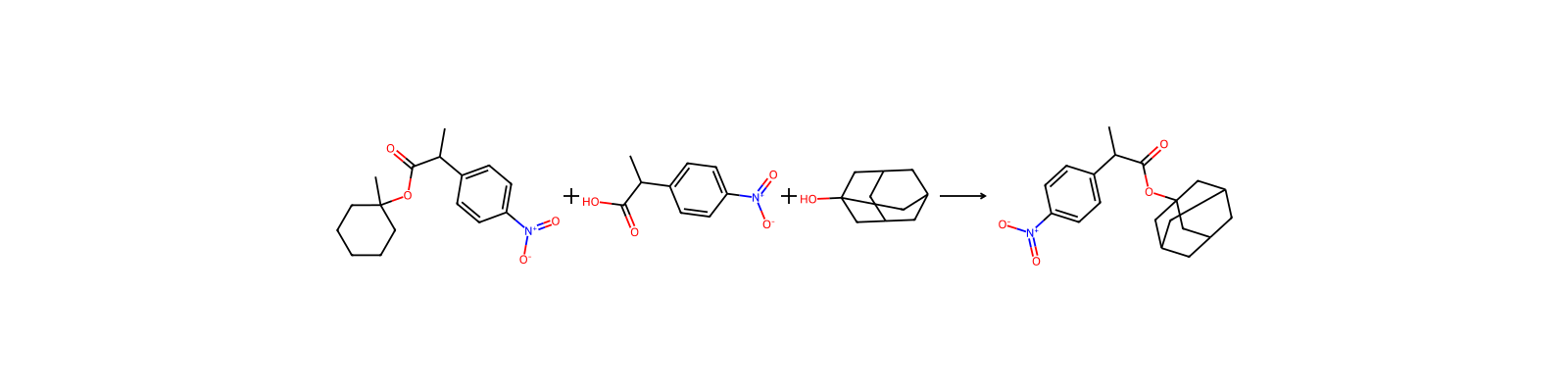
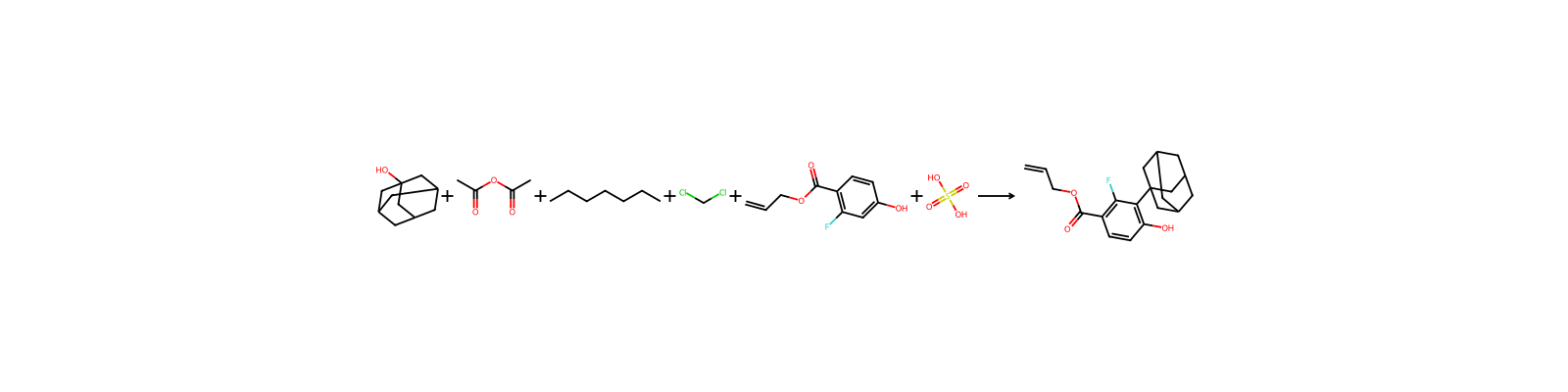
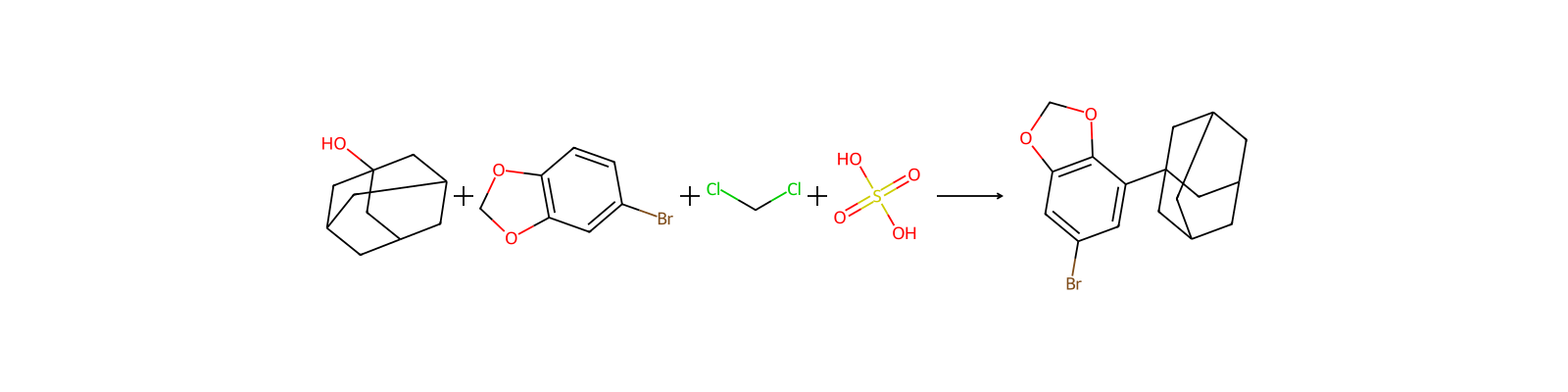
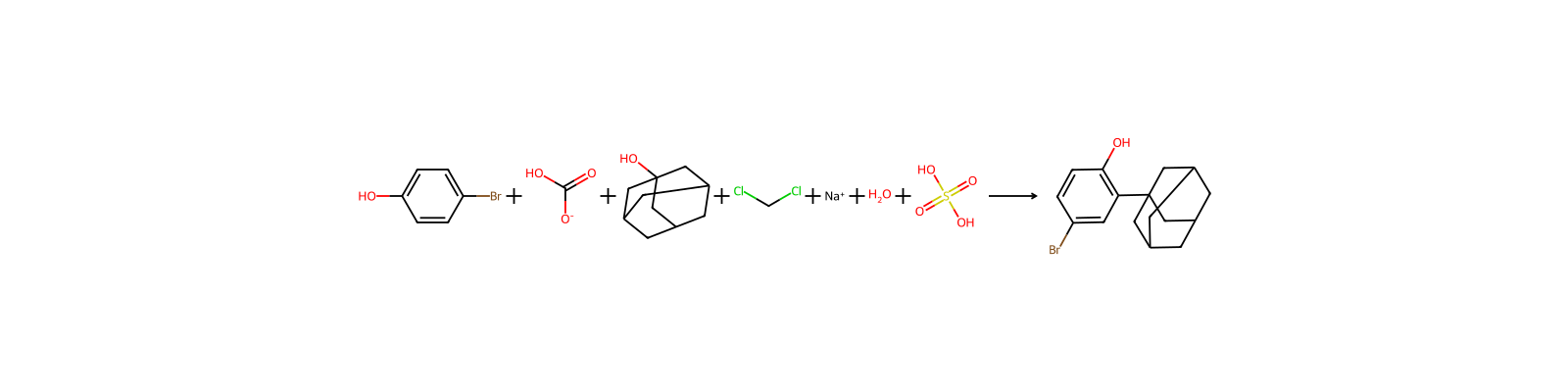
Uses1-adamantanol can be used as the intermediate for synthesis of adamantanes derivatives. For example, it can be used for the manufacture of synthetic adamantane derivatives and adapalene. It can react with vinylidene chloride to give 1-adamantane acetic acid.
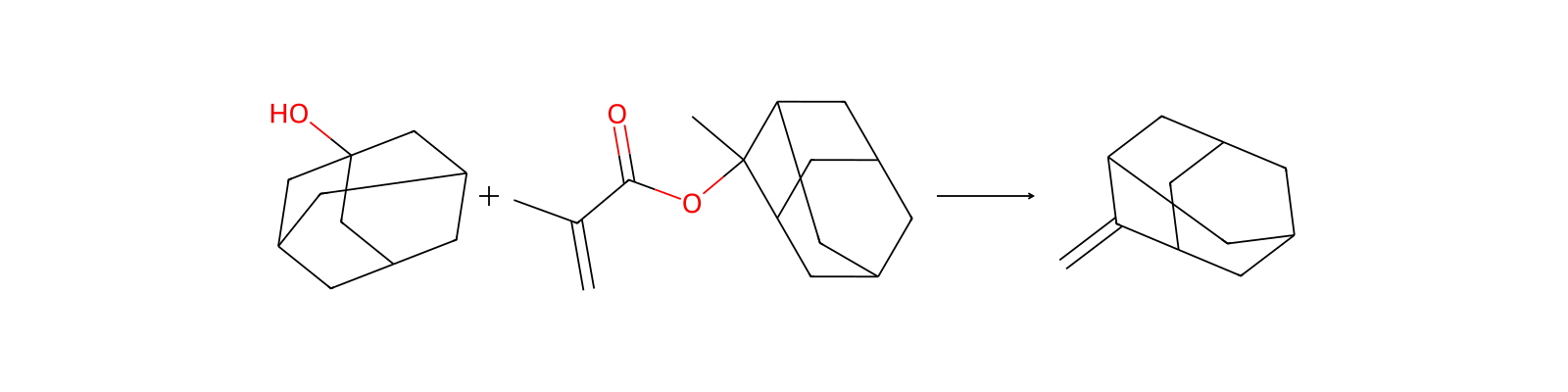
Description1-Adamantanol is a cyclic molecule with a hydroxyl group. It is produced by the oxidation of 2-methyl-2-adamantanol. 1-Adamantanol has been shown to be an effective substrate for bioremediation in wastewater treatment plants and can be used as a precursor to produce trifluoroacetic acid.
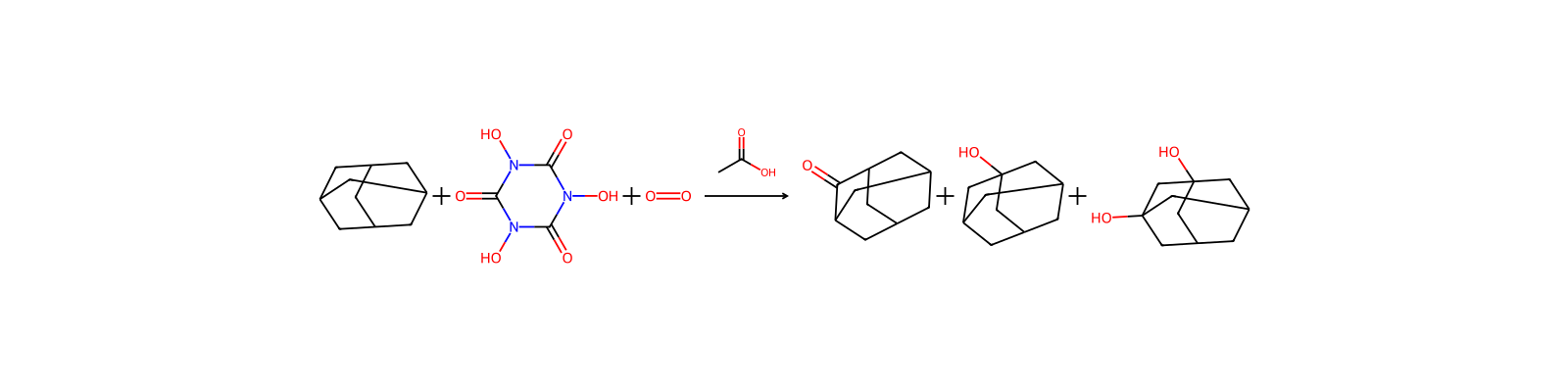
Uses1-Adamantanol was used in the preparation of 1,3-adamantanediol. It is used in the manufacture of synthetic adamantane derivatives and adapalene.
Upstream & downstream products
Upstream raw materials
Downstream products
Related reactions
150 records


Compound notes
Loading…