
Basic information
- Standard SMILES
C1=C\CC/C=C\CC/1.C1=C\CC/C=C\CC/1.[Ni]- InChIKey
JRTIUDXYIUKIIE-KZUMESAESA-N- Molecular formula
- C16H24Ni
- Average molar mass
- 275.05 g/mol
Overview
Bis(1,5-cyclooctadiene)nickel appears as yellow crystals or yellowish green solid. (NTP, 1992)
Names & identifiers
- Preferred name
- Bis(1,5-cyclooctadiene)nickel
- IUPAC
- bis((1Z,5Z)-cycloocta-1,5-diene);nickel
- English name
- Bis(1,5-cyclooctadiene)nickel(0)
- Molecular formula
- C16H24Ni
- Molecular weight
- 275.06
Names & synonyms
Bis(1,5-cyclooctadiene)nickel(0)1295-35-8Bis(1,5-cyclooctadiene)nickelCCRIS 5973Nickel, bis(1,5-cyclooctadiene)-EINECS 215-072-0Bis(cyclooctadiene)nickel(0)Bis((1,2,5,6-eta)-1,5-cyclooctadiene)nickelbis((1Z,5Z)-cycloocta-1,5-diene) nickelRefChem:120008bis(1,5-cyclooctadiene)-NickelNickel, bis(1,5cyclooctadiene)
Show more names
NI(COD)2Bis(cyclooctadiene)nickelBis(1,5-cycLNICKEL(COD)2ooctadiene)nickeLNickel dicyclooctadieneDicyclooctadiene nickelBis(1,5-cyclooctadiene)nickDi(1,5-cyclooctadiene)nickel
JRTIUDXYIUKIIE-UHFFFAOYSA-NNICKEL BIS(CYCLOOCATADIENE)1,5-CYCLOOCTADIENE, NICKEL COMPLEXBIS(ETA4-1,5-CYCLOOCTADIENE)NICKELBis((1,2,5,6eta)1,5cyclooctadiene)nickelNickel, bis((1,2,5,6eta)1,5cyclooctadiene)BIS((1,2,5,6,ETA)-1,5-CYCLOOCTADIENE)NICKEL215-072-0
Database identifiers
- CAS
1295-35-8- PubChem CID
- 6433264
- EC Number
- 215-072-0
Properties
Computed structural properties
- Topological polar surface area
- 0 Ų
- Hydrogen bond donors
- 0
- Hydrogen bond acceptors
- 0
- Rotatable bonds
- 0
- Heavy atoms
- 17
- Formal charge
- 0
- Complexity
- 72.6
Experimental & physicochemical properties
Chemical ClassesMetals -> Metals, Organic Compounds
SolubilityDecomposes (NTP, 1992)
Boiling PointDecomposes (NTP, 1992)
Melting Point284 to 288 °F (NTP, 1992)
Physical Description
Bis(1,5-cyclooctadiene)nickel appears as yellow crystals or yellowish green solid. (NTP, 1992)
Yellow or yellowish-green solid; [CAMEO] Yellow crystalline solid; [MSDSonline]
Physicochemical properties
- Melting point
- 60 °C · 60 °C (dec.)(lit.)
- storage temp.
- -20 °C · -20°C
- solubility
- Benzene (Partially Dissolved), THF (Slightly)
- form
- Shiny Crystalline Powder
- color
- Gold
- Water Solubility
- Soluble in benzene, toluene, terahydrofuran, ether, dimethyl formamide, hexamethylphosphoramide, N-methylpyrrolidinone. Insoluble in water.
- Sensitive
- Air Sensitive
- Exposure limits
- 10 mg/m3; · NIOSH: IDLH 10 mg/m3; TWA 0.015 mg/m3
- Stability
- Air Sensitive
- InChI
- InChI=1S/2C8H12.Ni/c2*1-2-4-6-8-7-5-3-1;/h2*1-2,7-8H,3-6H2;/b2*2-1-,8-7-;
- InChIKey
- JRTIUDXYIUKIIE-KZUMESAESA-N
- SMILES
- C1C=CCCC=CC1.C1C=CCCC=CC1.[Ni] |c:1,5,9,13|
- CAS DataBase Reference
- 1295 · 1295-35-8(CAS DataBase Reference)
- REACH Annex XVII Substances List
- Bis(1,5-cyclooctadiene)nickel (1295-35-8)
- EWG's Food Scores
- 1 · 1
- NIST Chemistry Reference
- 1 · Nickel, bis[(1,2,5,6-«eta»)-1,5-cyclooctadiene]-(1295-35-8)
- EPA Substance Registry System
- 1 · Bis[(1,2,5,6-.eta.)-1,5-cyclooctadiene]nickel (1295-35-8)
- UNSPSC Code
- 12352202 · 12352202
- NACRES
- 22 · NA.22
- Symbol(GHS)
- 2 · GHS02,GHS07,GHS08
- Signal word
- Danger
- Hazard statements
- 228 · H228-H317-H351-H372
- Precautionary statements
- 201 · P201-P202-P210-P280-P302+P352-P308+P313
- target organs
- Lungs
- PPE
- 3 · Eyeshields, Faceshields, Gloves, type P3 (EN 143) respirator cartridges
- Hazard Codes
- F,Xn,T
- Risk Statements
- 11 · 11-40-45
- Safety Statements
- 36 · 36/37-45-16-53
- RIDADR
- 1325 · UN 1325 4.1/PG 2
- WGK Germany
- 3 · 3
- RTECS
- 6135000 · QR6135000
- TSCA
- No
- HazardClass
- 4.2 · 4.2
- PackingGroup
- I
- HS Code
- 29319090 · 29319090
- Storage Class
- 4.1 B · 4.1B - Flammable solid hazardous materials
- Hazard Classifications
- 2 Flam · Carc. 2Flam. Sol. 1Skin Sens. 1STOT RE 1
Safety & regulation
GHS classification
GHS Classification
Danger
H228 (100%): Flammable solid [Danger Flammable solids]
P203, P210, P233, P240, P241, P260, P261, P271, P272, P280, P284, P302+P352, P304+P340, P318, P321, P333+P317, P342+P316, P362+P364, P370+P378, P403, P405, and P501 (click each P-code to see the statement)
Aggregated GHS information provided per 49 reports by companies from 7 notifications to the ECHA C&L Inventory. Each notification may be associated with multiple companies.
Hazard information
Regulatory InformationRestricted substance: Bis(1,5-cyclooctadiene)nickel
DOT LabelFlammable Solid
Fire HazardsFlash point data for this chemical are not available. It is probably combustible. (NTP, 1992)
Health HazardsSYMPTOMS: Similar compounds cause irritation of the eyes, nose, throat and skin.
Hazards Summary
A strong reducing agent; Reacts with air and water; Similar compounds are skin, eye, nose, and throat irritants; [CAMEO] Spontaneously flammable on exposure to air; An irritant; May cause skin sensitization; [MSDSonline] See Nickel and the linked occupational diseases.
Reactive GroupHydrocarbons, Aliphatic Unsaturated
Reactivity AlertsStrong Reducing Agent
Reactivity ProfileBIS(1,5-CYCLOOCTADIENE)NICKEL is extremely air and moisture sensitive. It is sensitive to exposure to light. This compound is incompatible with oxidizing agents, acids and acid fumes. (NTP, 1992)
Air and Water ReactionsThis compound is extremely air and moisture sensitive. Decomposes in water (NTP, 1992)
Hazard Classes and CategoriesFlam. Sol. 1 (100%)
Safety & protection
Fire FightingFires involving this compound can be controlled using a dry chemical, carbon dioxide or Halon extinguisher. (NTP, 1992)
First Aid
EYES: First check the victim for contact lenses and remove if present. Flush victim's eyes with water or normal saline solution for 20 to 30 minutes while simultaneously calling a hospital or poison control center. Do not put any ointments, oils, or medication in the victim's eyes without specific instructions from a physician. IMMEDIATELY transport the victim after flushing eyes to a hospital even if no symptoms (such as redness or irritation) develop.
Nonfire Spill Response
SMALL SPILLS AND LEAKAGE: If a spill of this chemical occurs, FIRST REMOVE ALL SOURCES OF IGNITION, then you should dampen the solid spill material with acetone and transfer the dampened material to a suitable container. Use absorbent paper dampened with acetone to pick up any remaining material. Seal your contaminated clothing and the absorbent paper in a vapor-tight plastic bag for eventual disposal. Solvent wash all contaminated surfaces with acetone followed by washing with a soap and water solution. Do not reenter the contaminated area until the Safety Officer (or other responsible person) has verified that the area has been properly cleaned.
Isolation and EvacuationExcerpt from ERG Guide 133 [Flammable Solids]:
Minimum Risk LevelChronic Inhalation: 0.0001 mg/m3 (L134)
Intermediate Oral: 0.01 mg/kg/day (L134)
Permissible Exposure Limit (PEL)1.0 [mg/m3], as Ni
Personal Protective Equipment (PPE)
RECOMMENDED RESPIRATOR: Where the neat test chemical is weighed and diluted, wear a NIOSH-approved half face respirator equipped with an organic vapor/acid gas cartridge (specific for organic vapors, HCl, acid gas and SO2) with a dust/mist filter. (NTP, 1992)
Immediately Dangerous to Life or Health (IDLH)10 mg Ni/m3 ; A potential occupational carcinogen. (NIOSH, 2024)
Toxicology
TreatmentExcess exposure to nickel is usually handled by preventing further exposure and symptomatic treatment. Nickel poisoning may also be treated using chelation therapy with sodium diethyldithiocarbamate. (L42)
Health Effects
The most common harmful health effect of nickel in humans is an allergic reaction. This usually manifests as a skin rash, although some people experience asthma attacks. Long term inhahation of nickel causes chronic bronchitis and reduced lung function, as well as damage to the naval cavity. Ingestion of excess nickel results in damage to the stomach, blood, liver, kidneys, and immune system, as well as having adverse effects on reproduction and development. (L41)
Adverse EffectsSkin Sensitizer - An agent that can induce an allergic reaction in the skin.
Exposure RoutesInhalation (L41) ; oral (L41) ; dermal (L41)
Toxicity Summary
Nickel is known to substitute for other essential elements in certain enzmes, such as calcineurin. It is genotoxic, and some nickel compounds have been shown to promote cell proliferation. Nickel has a high affinity for chromatin proteins, particularly histones and protamines. The complexing of nickel ions with heterochromatin results in a number of alterations including condensation, DNA hypermethylation, gene silencing, and inhibition of histone acetylation, which have been shown to disturb gene expression. Nickel has also been shown to alter several transcription factors, including hypoxia-inducible transcription factor, activating transcription factor, and NF-KB transcription factor. There is also evidence that nickel ions inhibit DNA repair, either by directly inhibiting DNA repair enzymes or competing with zinc ions for binding to zinc-finger DNA binding proteins, resulting in structural changes in DNA that prevent repair enzymes from binding. Nickel ions can also complex with a number of cellular ligands including amino acids, peptides, and proteins resulting in the generation of oxygen radicals, which induce base damage, DNA strand breaks, and DNA protein crosslinks. (L41, A40)
Signs and SymptomsSymptoms of nickel poisoning include headache, nausea, vomiting, dizziness, irritability, and difficulty sleeping, followed by chest pains, sweating, rapid heart beat, and a dry cough. (L42)
Carcinogen Classification1, carcinogenic to humans. (L135)
Safety data
- PPE
- Eyeshields, Faceshields, Gloves, type P3 (EN 143) respirator cartridges
- wgk
- 3
- tsca
- No
- rtecs
- QR6135000
- ridadr
- UN 1325 4.1/PG 2
- hs_code
- 29319090
- risk_code
- 11-40-45
- Signal word
- Danger
- Symbol(GHS)
- GHS02,GHS07,GHS08
- hazard_code
- F,Xn,T
- safety_code
- 36/37-45-16-53
- hazard_class
- 4.2
- Storage Class
- 4.1B - Flammable solid hazardous materials
- packing_group
- I
- target organs
- Lungs
- Hazard statements
- H228-H317-H351-H372
- Hazard Classifications
- Carc. 2Flam. Sol. 1Skin Sens. 1STOT RE 1
- Precautionary statements
- P201-P202-P210-P280-P302+P352-P308+P313
Chemistry & industry
Pharmacology
Metabolism/Metabolites
Nickel is absorbed mainly through the lungs and gastrointestinal tract. Once in the body it enters the bloodstream, where it binds to albumin, L-histidine, and _2-macroglobulin. Nickel tends to accumulate in the lungs, thyroid, kidney, heart, and liver. Absorbed nickel is excreted in the urine, wherease unabsorbed nickel is excreted in the faeces. (L41)
Uses & manufacturing
UsesBis(cyclooctadiene)nickel(0) is a common source of Ni(0) in chemical synthesis. (L498)
Applications
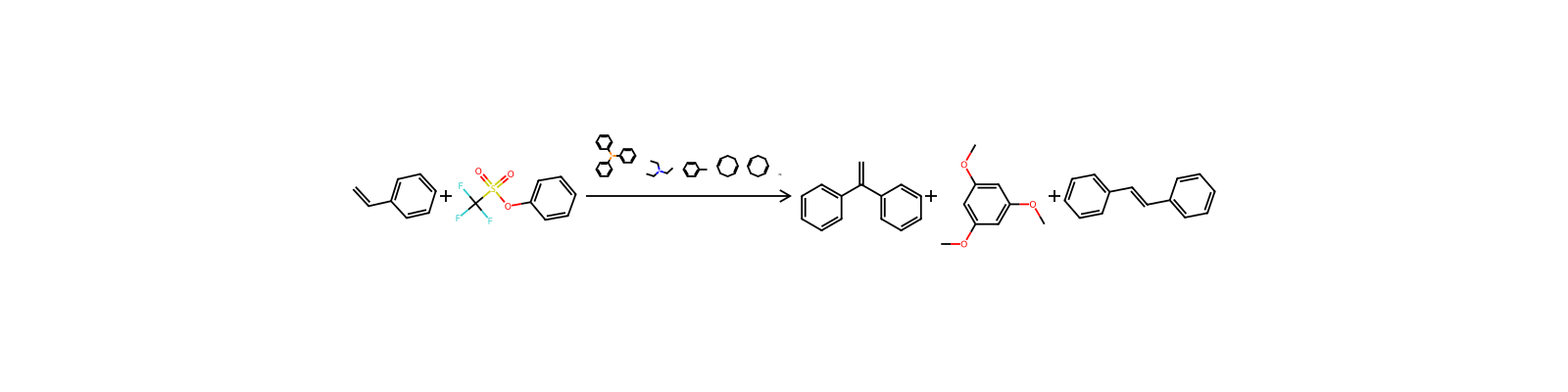
UsesBis(1,5-cyclooctadiene)nickel(0) is used as a catalyst for the cycloaddition of 1,3-dienes and is used to catalyze the addition of allyl phenyl sulfide to alkynes leading to 1,4-dienes. Also, it is involved as a catalyst for asymmetric alpha-arylation and heteroarylation of ketones with chloroarenes, stereoselective borylative ketone-diene coupling, cycloaddition of benzamides with internal alkynes and methyl carboxylation of homopropargylic alcohols.
General DescriptionYellow crystals or yellowish green solid.
Preparation methods
PreparationBis(1,5-cyclooctadiene)nickel(0) is prepared by reduction of anhydrous nickel(II) acetylacetonate in the presence of the diolefin:Ni(acac)2 + 2 cod + 2 AlEt3 → Ni(cod)2 + 2 acacAlEt2 + C2H6 + C2H4Ni(cod)2 is moderately soluble in several organic solvents. One or both 1,5-cyclooctadiene ligands are readily displaced by phosphines, phosphites, bipyridine, and isocyanides. If exposed to air, the solid oxidizes to nickel(II) oxide. As a result, this compound is generally handled in a glovebox.
Suppliers50 total
国药集团化学试剂有限公司86-21-63210123 · [email protected]
梯希爱(上海)化成工业发展有限公司021-67121386 · [email protected]
上海阿拉丁生化科技股份有限公司400-6206333 13167063860 · [email protected]
合肥翰刚医药科技有限公司+8618062405514 · [email protected]
杭州奥得科技有限公司0571-88772972-0 15057128248 · [email protected]
INTATRADE GmbH+49 3493/605464 · [email protected]
江苏星科元信息科技有限公司400-605-7200 15335295587
Dayang Chem (Hangzhou) Co.,Ltd.+86-0571-88938639 17705817739 · [email protected]
上海卡伦姆生化科技有限公司15837198050 · [email protected]
毕佳索(上海毕得医药科技股份有限公司)400-6005915 · [email protected]
上海迈瑞尔生化科技有限公司4006356688 18621169109 · [email protected]
北京东华力拓科技发展有限公司010-88425576 · [email protected]
阿法埃莎(中国)化学有限公司400-6106006 · [email protected]
安耐吉化学&3A(安徽泽升科技股份有限公司)400-0056266 · [email protected]
上海瀚鸿科技股份有限公司021-54306202 13764082696 · [email protected]
江苏欣诺科催化剂股份有限公司0512-67216630 67216634 · [email protected]
上海竺钥化工有限公司021-33559231 18964673308 · [email protected]
山东西亚化学有限公司13355009207 13355009207 · [email protected]
Hunan russell chemicals technology co ltd731-88557738 13739093081 · [email protected]
HONG KONG IPURE BIOLOGY CO.,LIMITED86 18062405514 18062405514 · [email protected]
河南多贝化工有限公司0370-2785118 17550508557 · [email protected]
艾科试剂4008-755-333 18080918076 · [email protected]
赛默飞世尔科技(中国)有限公司800-810-5118 · [email protected]
北京伊诺凯科技有限公司400-810-7969 010-59572699 · [email protected]
上海特伯化学科技有限公司+86-21-60341587 · [email protected]
TCI AMERICA800-4238616 · [email protected]
TOKYO CHEMICAL INDUSTRY CO., LTD.03-36680489 · [email protected]
TCI Europe320-37350700 · [email protected]
天津思博宁医药科技有限公司0086-22-60330256
上海将来实业股份有限公司021-61552785 · [email protected]
安徽科迪达化工有限公司0554-2106669 · [email protected]
上海毕得医药科技股份有限公司400-164-7117 18317119277 · [email protected]
郑州阿尔法化工有限公司0371-53732842 15981811963 · [email protected]
成都零六生物科技有限公司400-1166-196 13458535857 · [email protected]
湖南华腾制药有限公司400-8592883 · [email protected]
上海麦克林生化科技股份有限公司15221275939 15221275939 · [email protected]
Sigma-Aldrich西格玛奥德里奇(上海)贸易有限公司021-61415566 800-8193336 · [email protected]
盘锦研峰科技有限公司400-1062016 18612996721 · [email protected]
郑州科豫隆化工产品有限公司17319789407 17319789407 · [email protected]
九鼎化学(上海)科技有限公司4009209199 · [email protected]
西安美川生物科技有限公司029-89275612 +8618991951683 · [email protected]
上海玻尔化学试剂有限公司19102157732 · [email protected]
上海珈得尔化学技术有限公司021-4007787-550 400-7787-550 · [email protected]
成都叮当时代医药科技有限公司028-86040038 · [email protected]
南京艾比克斯生化科技有限公司025-87193546 18652950785 · [email protected]
北京华威锐科化工科技有限公司89508211 18501085097 · [email protected]
上海西陇生化科技有限公司021-52907766-8042
上海源叶生物科技有限公司13636370518 · [email protected]
上海新平精细化学品有限公司18221735425 · [email protected]
河南久化生物科技有限公司15738884691 153248764872949584887 237654463 · [email protected]
Related reactions
700 records



Linked notes
Loading…