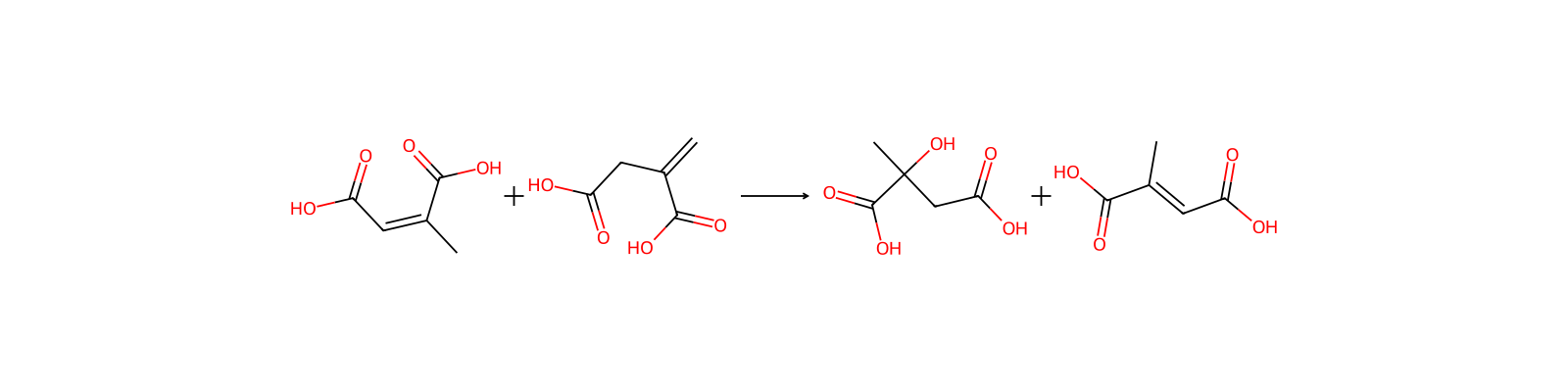
Citraconic acid

Basic information
- CAS
498-23-7- Standard SMILES
C/C(=C/C(=O)O)C(=O)O- InChIKey
HNEGQIOMVPPMNR-IHWYPQMZSA-N- Molecular formula
- C5H6O4
- Average molar mass
- 130.1 g/mol
- Monoisotopic mass
- 130.02660867
Overview
Citraconic acid is a dicarboxylic acid consisting of maleic acid having a methyl substituent at the 2-position. It has a role as a human metabolite. It is a dicarboxylic fatty acid and a dicarboxylic acid. It is functionally related to a maleic acid. It is a conjugate acid of a citraconate(2-).
Names & identifiers
- Preferred name
- Citraconic acid
- IUPAC
- (Z)-2-methylbut-2-enedioic acid
- English name
- Citraconic acid
- Molecular formula
- C5H6O4
- Molecular weight
- 130.1
Names & synonyms
Citraconic acid2-methylmaleic acid498-23-7METHYLMALEIC ACIDcis-Methylbutenedioic acidCitraconsaeure(Z)-2-Methyl-2-butenedioic acid(2Z)-2-methylbut-2-enedioic acid(Z)-2-methylbut-2-enedioic acidMethyl-maleinsaeurealpha-methylmaleic acid0RQ6CXO9KD
Show more names
Citraconic2-METHYL-2-BUTENEDIOIC ACIDCitracoinc acidmethyl-maleicaciCitraconicacid,98+%kyselinacitrakonova
cis-2-methylbutenedioic acid2-methyl-2Z-butenedioic acid2-butenedioic acid, 2-methyl-, (2Z)-CHEBI:17626DTXSID601019903NSC-32949RefChem:577445DTXCID40909104
Database identifiers
- CAS
498-23-7、7407-59-2- PubChem CID
- 643798
- DTXSID
DTXSID601019903- ChEBI
CHEBI:17626- UNII
- 0RQ6CXO9KD
- EC Number
- 207-858-7
Properties
Computed structural properties
- XLogP
- -0.1
- Topological polar surface area
- 74.6 Ų
- Hydrogen bond donors
- 2
- Hydrogen bond acceptors
- 4
- Rotatable bonds
- 2
- Heavy atoms
- 9
- Formal charge
- 0
- Complexity
- 168
Experimental & physicochemical properties
DrugsPharmaceuticals -> Listed in ZINC15
LipidsFatty Acyls [FA] -> Fatty Acids and Conjugates [FA01] -> Dicarboxylic acids [FA0117]
SpringerMaterials PropertiesDiamagnetic susceptibility
Solubility783.0 mg/mL
Melting Point88 - 94 °C
Physical DescriptionSolid
Collision Cross Section
118.2 Ų [M-H]- [CCS Type: DT; Method: single field calibrated with ESI Low Concentration Tuning Mix (Agilent)]
118.6 Ų [M-H]-
Physicochemical properties
- Melting point
- 88 · 88-94 °C (lit.)
- Boiling point
- 160.75 °C · 160.75°C (rough estimate)
Safety & regulation
Safety information is for reference only and does not replace the supplier’s Safety Data Sheet (SDS), applicable regulations, or professional assessment.
GHS classification
GHS Classification
Warning
H302 (100%): Harmful if swallowed [Warning Acute toxicity, oral]
P264, P270, P301+P317, P330, and P501 (click each P-code to see the statement)
Aggregated GHS information provided per 88 reports by companies from 2 notifications to the ECHA C&L Inventory.
Hazard information
Regulatory InformationChemical: 2-Butenedioic acid, 2-methyl-, (Z)-
Other Safety InformationEvaluation - Chemicals not considered for in depth evaluation - Not commercially active in Australia
Hazard Classes and CategoriesAcute Tox. 4 (100%)
Safety data
- PPE
- dust mask type N95 (US), Eyeshields, Gloves
- wgk
- 3
- rtecs
- GE6650000
- ridadr
- 2811
- hs_code
- 29171900
- Toxicity
- LD50 in rats, mice (mg/kg): 1320, 2260 orally (Jenner)
- risk_code
- 22-36/37/38
- Signal word
- Warning
- Symbol(GHS)
- GHS07,GHS06
- hazard_code
- Xn
- safety_code
- 36-37/39-26
- hazard_class
- 6.1(b)
- Storage Class
Chemistry & industry
Pharmacology
MeSH Pharmacological ClassificationDrugs used to treat or prevent skin disorders or for the routine care of skin.
Cellular LocationsExtracellular
Applications
UsesCitraconic acid is used in synthetic or copolymer oils, in treating metals for adhesion of polyolefins, and in thermoplastics.
UsesCitraconic acid is an important raw material and intermediate used in organic synthesis, pharmaceuticals, agrochemicals and dyestuff fields.
Upstream & downstream products
Upstream raw materials
Downstream products
Additional notes
DefinitionChEBI: Citraconic acid is a dicarboxylic acid consisting of maleic acid having a methyl substituent at the 2-position. It has a role as a human metabolite. It is a dicarboxylic acid and a dicarboxylic fatty acid. It is functionally related to a maleic acid. It is a conjugate acid of a citraconate(2-).
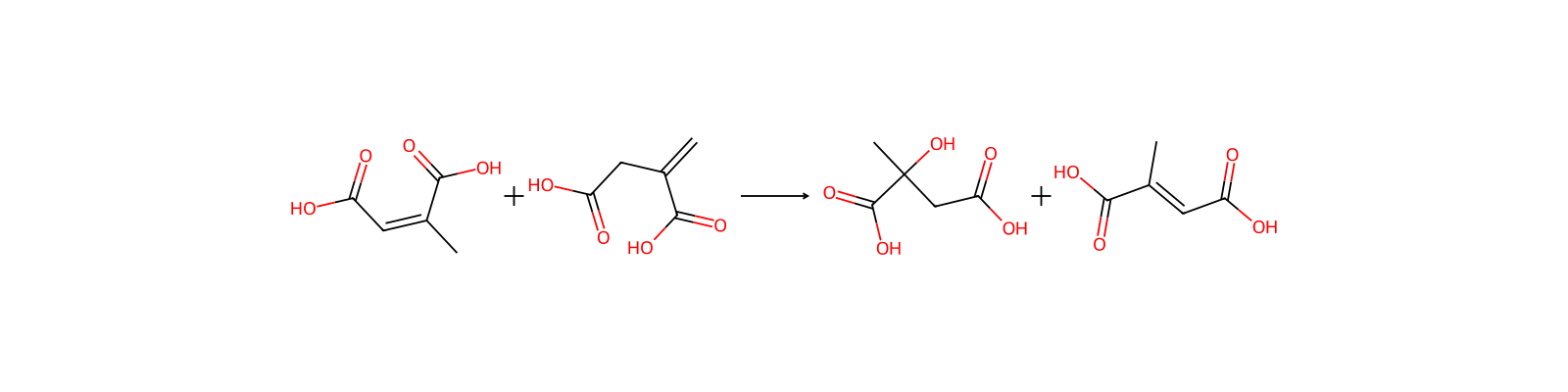
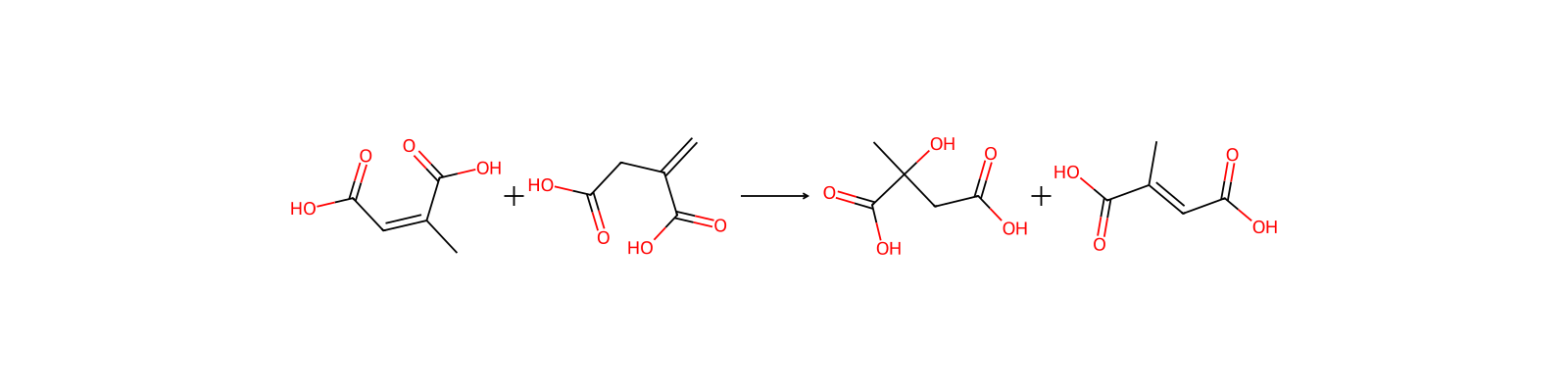
Related reactions
11 records




Compound notes
Loading…