

Basic information
- CAS
14205-39-1- Standard SMILES
COC(=O)/C=C(/C)N- InChIKey
XKORCTIIRYKLLG-ARJAWSKDSA-N- Molecular formula
- C5H9NO2
- Average molar mass
- 115.13 g/mol
- Monoisotopic mass
- 115.06332853
Names & identifiers
- Preferred name
- Methyl 3-aminocrotonate
- IUPAC
- methyl (Z)-3-aminobut-2-enoate
- English name
- Methyl 3-aminocrotonate
- Molecular formula
- C5H9NO2
- Molecular weight
- 115.13
Names & synonyms
Methyl 3-aminocrotonateDTXCID7030270DTXSID7051715RefChem:81525014205-39-121731-17-9methyl 3-aminobut-2-enoatemethyl (Z)-3-aminobut-2-enoate3-Aminocrotonic Acid Methyl EsterMethyl (Z)-3-aminocrotonatemethyl (2Z)-3-aminobut-2-enoate(Z)-methyl 3-aminobut-2-enoate
Show more names
3-Aminocrotonatemethyl (E)-3-aminobut-2-enoate3-Amino-but-2-enoic acid methyl esterPALO-012Nifedipine-4Methyl 3-aminocrotonNifedipine Impurity 5
3-Amino-2-butenoic Acid Methyl Estermethyl (2Z)-3-amino-2-butenoatemethyl beta-aminocrotonateR4X25GNG1J2-Butenoic acid, 3-amino-, methyl ester, (2Z)-Methyl 3-amino-2-butenoate, (2Z)-2-Butenoic acid, 3-amino-, methyl esterNifedipine EP Impurity D
Database identifiers
- CAS
14205-39-1、21731-17-9- PubChem CID
- 643918
- DTXSID
DTXSID701245448- UNII
- R4X25GNG1J
- EC Number
- 238-056-5、244-549-6
- Nikkaji
- J25.556D、J60.934J
Properties
Computed structural properties
- XLogP
- 0.6
- Topological polar surface area
- 52.3 Ų
- Hydrogen bond donors
- 1
- Hydrogen bond acceptors
- 3
- Rotatable bonds
- 2
- Heavy atoms
- 8
- Formal charge
- 0
- Complexity
- 118
Experimental & physicochemical properties
SpringerMaterials Properties15N nuclear magnetic resonance spectrum
Physicochemical properties
- Melting point
- 81 · 81-83 °C(lit.)
- Boiling point
- 112 °C · 112°C 42mm
- Density
- 1.1808 · 1.1808 (rough estimate)
- vapor pressure
- 2.79 · 2.79-2.853hPa at 25℃
- refractive index
- 1.4538 · 1.4538 (estimate)
- Flash point
- 91 °C · 91 °C
- storage temp.
- 2 · Keep in dark place,Inert atmosphere,2-8°C
- solubility
- 18 g/l · 18g/l
- form
- Crystalline Powder
- pka
- 5.27 · 5.27±0.70(Predicted)
- color
- White to slightly yellow
- PH
- 8 · 8-9 (18g/l, H2O, 20℃)
- Water Solubility
- insoluble
- Sensitive
- Hygroscopic
- BRN
- 956592 · 956592
- InChI
- 1S/C5H9NO2/c1-4(6)3-5(7)8-2/h3H,6H2,1-2H3/b4-3+
- InChIKey
- XKORCTIIRYKLLG-ONEGZZNKSA-N
- SMILES
- COC(=O)\C=C(\C)N
- LogP
- -0.27 at · -0.27 at 25℃
- CAS DataBase Reference
- 14205 · 14205-39-1(CAS DataBase Reference)
- EWG's Food Scores
- 1 · 1
- FDA UNII
- 0 M0GH0040 · D0M0GH0040
- EPA Substance Registry System
- 2 · 2-Butenoic acid, 3-amino-, methyl ester (14205-39-1)
- UNSPSC Code
- 12352100 · 12352100
- NACRES
- 22 · NA.22
- Symbol(GHS)
- 5 · GHS05,GHS07
- Signal word
- Danger
- Hazard statements
- 302 · H302-H317-H318
- Precautionary statements
- 280 · P280-P301+P312+P330-P302+P352-P305+P351+P338+P310
- PPE
- 95 · dust mask type N95 (US), Eyeshields, Faceshields, Gloves
- Hazard Codes
- Xn
- Risk Statements
- 22 · 22-36/37/38
- Safety Statements
- 37 · 37/39-26-24/25
- WGK Germany
- 3 · 3
- RTECS
- 9092500 · EM9092500
- TSCA
- TSCA listed
- HS Code
- 29224995 · 29224995
- Storage Class
- 11 · 11 - Combustible Solids
- Hazard Classifications
- 4 OralEye · Acute Tox. 4 OralEye Dam. 1Skin Sens. 1
- REACH Registrations
- Active
Safety & regulation
Safety information is for reference only and does not replace the supplier’s Safety Data Sheet (SDS), applicable regulations, or professional assessment.
GHS classification
GHS Classification
Danger
H302 (83.3%): Harmful if swallowed [Warning Acute toxicity, oral]
P260, P261, P264, P264+P265, P270, P271, P272, P280, P284, P301+P317, P302+P352, P304+P340, P305+P351+P338, P305+P354+P338, P316, P317, P320, P321, P330, P333+P317, P337+P317, P362+P364, P403+P233, P405, and P501 (click each P-code to see the statement)
Aggregated GHS information provided per 84 reports by companies from 12 notifications to the ECHA C&L Inventory. Each notification may be associated with multiple companies.
Hazard information
Regulatory Information
Chemical: 2-Butenoic acid, 3-amino-, methyl ester
Status: Active Update: 27-01-2020 https://echa.europa.eu/registration-dossier/-/registered-dossier/28282
2-Butenoic acid, 3-amino-, methyl ester: Does not have an individual approval but may be used under an appropriate group standard
Hazard Classes and CategoriesAcute Tox. 4 (83.3%)
Safety data
- PPE
- dust mask type N95 (US), Eyeshields, Faceshields, Gloves
- wgk
- 3
- tsca
- TSCA listed
- rtecs
- EM9092500
- hs_code
- 29224995
- risk_code
- 22-36/37/38
- Signal word
- Danger
- Symbol(GHS)
- GHS05,GHS07
- hazard_code
- Xn
- safety_code
- 37/39-26-24/25
- Storage Class
- 11 - Combustible Solids
- Hazard statements
- H302-H317-H318
- REACH Registrations
- Active
- Hazard Classifications
- Acute Tox. 4 OralEye Dam. 1Skin Sens. 1
- Precautionary statements
- P280-P301+P312+P330-P302+P352-P305+P351+P338+P310
Chemistry & industry
Uses & manufacturing
General Manufacturing Information2-Butenoic acid, 3-amino-, methyl ester: ACTIVE
Applications
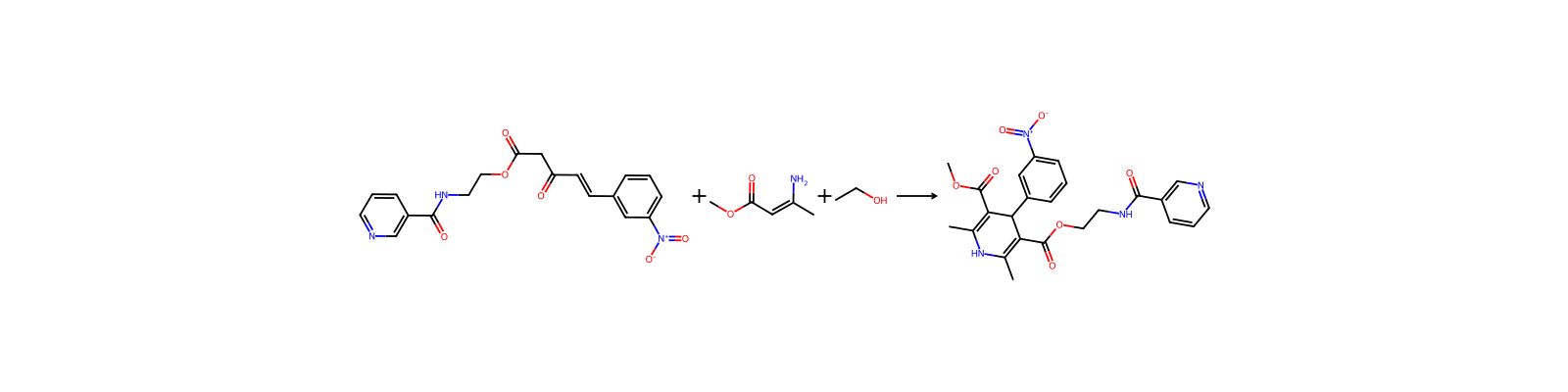
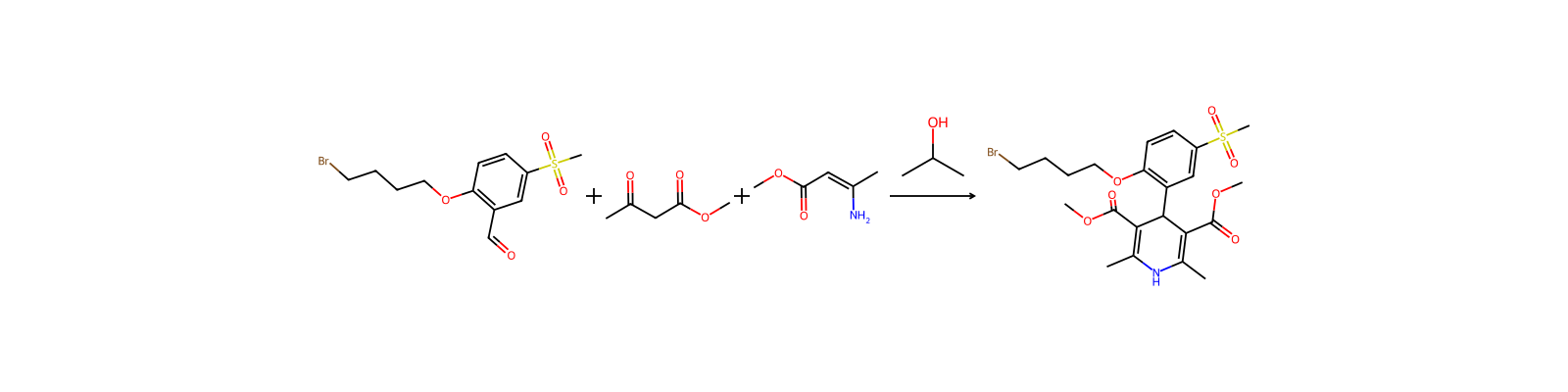
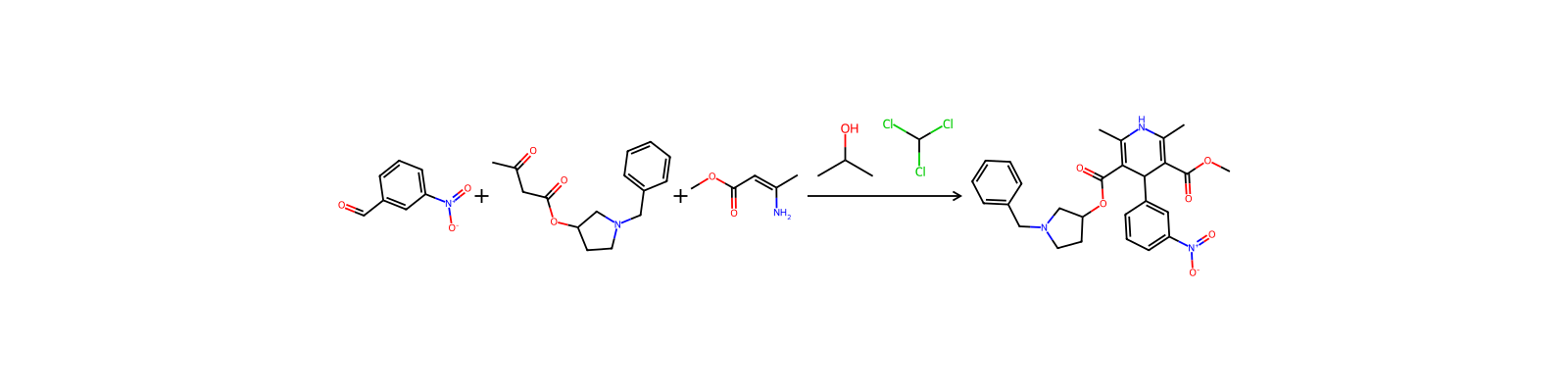
UsesMethyl 3-aminocrotonate is used as intermediate for the syntheses of pharmaceuticals (e.g. 1,4-dihydropyridine derivatives) as well as for the manufacture of stabilizers and plastics. Product Data Sheet
UsesMethyl 3-aminocrotonate (Methyl 3-amino-2-butenoate) was used to synthesize 4-aryl-1,4-dihydropyridines possessing potential calcium channel blocking activity.
UsesNitrendipine (N490150) metabolite. The pharmacokinetics of Nitrendipine was studied in the rat and 6 major metabolites were identified.
General DescriptionMethyl 3-aminocrotonate undergoes waste-free solid-state cascade reaction with crystalline ninhydrin.
Preparation methods
Preparation3-Aminocrotonate Esters, e.g., methyl 3- aminocrotonate [14205-39-1] (3-amino-2-butenoic acid, methyl ester) can be prepared by treatment of acetoacetates with aqueous ammonia. They are mainly used in the production of a series of the dihydropyridine-type calcium antagonists.
Upstream & downstream products
Upstream raw materials
Downstream products
Suppliers100 total
北京华美互利生物化工010-56205725 · [email protected]
梯希爱(上海)化成工业发展有限公司021-67121386 · [email protected]
上海阿拉丁生化科技股份有限公司400-6206333 13167063860 · [email protected]
黄冈赛康药业有限公司[email protected]
爱斯特(成都)生物制药股份有限公司+86-28-85122536 85324413 · [email protected]
河北立业化学制品有限公司0310-6697998 13930001710 · [email protected]
韶远科技(上海)有限公司021-50795510 4000665055 · [email protected]
Syntechem Co.,Ltd[email protected]
上海迈瑞尔生化科技有限公司4006356688 18621169109 · [email protected]
武汉易泰科技有限公司上海分公司18930552037 · [email protected]
阿法埃莎(中国)化学有限公司400-6106006 · [email protected]
上海德默医药科技有限公司400-021-7337 2355568890 · [email protected]
安耐吉化学&3A(安徽泽升科技股份有限公司)400-0056266 · [email protected]
上海瀚鸿科技股份有限公司021-54306202 13764082696 · [email protected]
上海柯维化学技术有限公司021-64609169 18901607656 · [email protected]
上海景颜化工科技有限公司13817811078 · [email protected]
嘉兴市艾森化工有限公司0573-85285100 18627885956 · [email protected]
上海泰坦科技股份有限公司400-6009262 15618770481 · [email protected]
BOC Sciences1-631-485-4226; 16314854226 · [email protected]
孝感深远化工有限公司15527621225; 15527621225 · [email protected]
玛雅试剂+86 (573) 82222445 (0)18006601000 452520369 · [email protected]
四川库利南科技有限公司400-1166-196 18981987031 · [email protected]
上海耐士化工科技有限公司400-188-0725 +86 21 34310725 13611771617
天津希恩思生化科技有限公司400 638 7771 · [email protected]
北京泰亚杰科技有限公司021-33690831-8001 13552411790;18616022633 · [email protected]
艾科试剂4008-755-333 18080918076 · [email protected]
上海思域化工科技有限公司86-21-34053660 · [email protected]
赛默飞世尔科技(中国)有限公司800-810-5118 · [email protected]
北京伊诺凯科技有限公司400-810-7969 010-59572699 · [email protected]
上海特伯化学科技有限公司+86-21-60341587 · [email protected]
南京诺利斯医药科技有限公司13901585132 · [email protected]
江苏艾康生物医药研发有限公司025-66113011 13913916777 · [email protected]
上海健超生物科技有限公司150-2103-5486 18017383231 · [email protected]
TCI AMERICA800-4238616 · [email protected]
TOKYO CHEMICAL INDUSTRY CO., LTD.03-36680489 · [email protected]
TCI Europe320-37350700 · [email protected]
深圳振强药物研发有限公司0755-66853366 13670046396 · [email protected]
上海诺宝化工有限公司+86(0)21 60484900
Shanghai Witofly Chemical Co.,Ltd[email protected]
越林试剂021-62960152 · [email protected]
山东博洛达生物科技有限公司0531-68659041 · [email protected]
无锡中坤生化科技有限公司+86 0510-85629785
上海湄水化工科技有限公司021-60549325 18616193163
上海将来实业股份有限公司400-0066400 13621662912 · [email protected]
HBCChem, Inc.+1-510-219-6317 · [email protected]
日照力德士化工有限公司010-51268198 · [email protected]
美岚实业(上海)有限公司021-58958189 · [email protected]
上海爱蝶实业有限公司021-58957966 18930537195 · [email protected]
广拓化学(上海)有限公司021-60899189-8001 18918189673 · [email protected]
雷丁试剂0510-85629785 18013409632 · [email protected]
Related reactions
240 records



Compound notes
Loading…