

Basic information
- CAS
20535-83-5- Standard SMILES
COc1nc(N)nc2nc[nH]c12- InChIKey
BXJHWYVXLGLDMZ-UHFFFAOYSA-N- Molecular formula
- C6H7N5O
- Average molar mass
- 165.15 g/mol
- Monoisotopic mass
- 165.06505984
Overview
6-O-methylguanine is a methylguanine in which the methyl group is positioned on the oxygen at position 6. Formed in DNA by alkylation of the oxygen atom of guanine, most often by N-nitroso compounds and sometimes due to methylation by other compounds such as endogenous S-adenosylmethionine, it base-pairs to thymine rather than cytidine, causing a G:C to A:T transition in DNA. It has a role as a mutagen.
Names & identifiers
- Preferred name
- O-(6)-Methylguanine
- IUPAC
- 6-methoxy-7H-purin-2-amine
- English name
- 6-O-Methyl-guanine
- Molecular formula
- C6H7N5O
- Molecular weight
- 165.15
Names & synonyms
20535-83-56-Methoxyguanine6-O-Methylguanine6-Methoxy-7H-purin-2-amineO6-MethylguanineO-(6)-Methylguanine1H-Purin-2-amine, 6-methoxy-Purine, 2-amino-6-methoxy-6-Methoxy-1H-purine-2-amineO(sup 6)-MethylguanineDTXSID9049405O(6)-methylguanine
Show more names
6-methoxy-9h-purin-2-amineO-METHYLGUANINEo(sup6)-methylguanine6-O-Methylguanine 97%Aminomethoxypurine,97%
NSC 37364NSC-373649B710FV2AEDTXCID8029365CHEBI:20689METHYLGUANINE, O(6)-NELARABINE METABOLITE (METHYLGUANINE)6-methylguanine
Database identifiers
- CAS
20535-83-5- PubChem CID
- 65275
- DTXSID
DTXSID9049405- ChEMBL
CHEMBL226395- ChEBI
CHEBI:20689- UNII
- 9B710FV2AE
- EC Number
Properties
Computed structural properties
- XLogP
- -0.2
- Topological polar surface area
- 89.7 Ų
- Hydrogen bond donors
- 2
- Hydrogen bond acceptors
- 5
- Rotatable bonds
- 1
- Heavy atoms
- 12
- Formal charge
- 0
- Complexity
- 166
Experimental & physicochemical properties
Solubility>24.8 [ug/mL] (The mean of the results at pH 7.4)
Physicochemical properties
- Melting point
- 300 °C · >300 °C(lit.)
- Boiling point
- 598.5 · 598.5±53.0 °C(Predicted)
- Density
- 1.531 · 1.531±0.06 g/cm3(Predicted)
- storage temp.
- Keep in dark place,Inert atmosphere,Room temperature
- solubility
- DMSO (Slightly, Heated), Water (Slightly, Heated)
- form
- Solid
- pka
- 9.74 · 9.74±0.10(Predicted)
- color
- Off-White to Pale Yellow
- BRN
- 645384 · 645384
- InChI
- InChI=1S/C6H7N5O/c1-12-5-3-4(9-2-8-3)10-6(7)11-5/h2H,1H3,(H3,7,8,9,10,11)
- InChIKey
- BXJHWYVXLGLDMZ-UHFFFAOYSA-N
- SMILES
- N1C2C(=NC(N)=NC=2OC)NC=1
Safety & regulation
GHS classification
GHS Classification
Danger
H302 (100%): Harmful if swallowed [Warning Acute toxicity, oral]
P203, P261, P264, P264+P265, P270, P271, P280, P301+P317, P302+P352, P304+P340, P305+P351+P338, P305+P354+P338, P317, P318, P319, P321, P330, P332+P317, P337+P317, P362+P364, P403+P233, P405, and P501 (click each P-code to see the statement)
Aggregated GHS information provided per 4 reports by companies from 3 notifications to the ECHA C&L Inventory. Each notification may be associated with multiple companies.
Hazard information
Hazard Classes and CategoriesAcute Tox. 4 (100%)
Safety data
- PPE
- Eyeshields, Gloves, type N95 (US)
- wgk
- 3
- rtecs
- UO7473000
- hs_code
- 29349990
- Signal word
- Warning
- Symbol(GHS)
- GHS07
- hazard_code
- Xi
- hazard_note
- Irritant
- safety_code
- 24/25
- Storage Class
- 11 - Combustible Solids
- Hazard statements
- H302+H312+H332-H315-H319
- Precautionary statements
- P261-P264-P270-P271-P280-P301+P312+P330-P302+P352+P312+P362+P364-P304+P340+P312-P305+P351+P338+P337+P313-P501
Chemistry & industry
Applications
UsesAntitumor agent
UsesThese Secondary Standards are qualified as Certified Reference Materials. These are suitable for use in several analytical applications including but not limited to pharma release testing, pharma method development for qualitative and quantitative analyses, food and beverage quality control testing, and other calibration requirements.
General DescriptionPharmaceutical secondary standards for application in quality control provide pharma laboratories and manufacturers with a convenient and cost-effective alternative to the preparation of in-house working standards
Upstream & downstream products
Downstream products
Suppliers100 total
梯希爱(上海)化成工业发展有限公司021-67121386 · [email protected]
上海阿拉丁生化科技股份有限公司400-6206333 13167063860 · [email protected]
上海凌富药物研究有限公司+86(21)5895 0110 19945755304 · [email protected]
武汉英诺医药科技有限公司+86-027-59232304 15387063101 · [email protected]
艾吉析科技(上海)有限公司17717235263 · [email protected]
毕佳索(上海毕得医药科技股份有限公司)400-6005915 · [email protected]
上海麦克林生化科技股份有限公司021-50706066 15221275939 · [email protected]
Related reactions
9 records


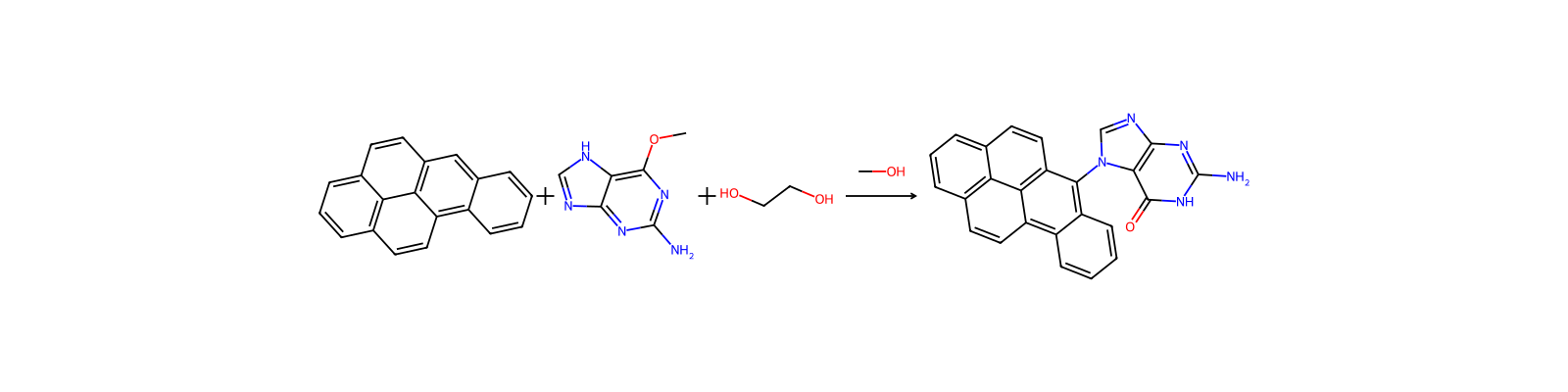

Compound notes
Loading…