N,N-Dimethylethylenediamine
Completing data — refresh the page later to see the latest

Basic information
- CAS
108-00-9- Standard SMILES
CN(C)CCN- InChIKey
DILRJUIACXKSQE-UHFFFAOYSA-N- Molecular formula
- C4H12N2
- Average molar mass
- 88.15 g/mol
- Monoisotopic mass
- 88.10004838
Names & identifiers
- Preferred name
- N,N-Dimethylethylenediamine
- IUPAC
- N',N'-dimethylethane-1,2-diamine
- English name
- N,N-Dimethylethylenediamine
- Molecular formula
- C4H12N2
- Molecular weight
- 88.15
Names & synonyms
N,N-Dimethylethylenediamine108-00-9(2-Aminoethyl)Dimethylamine1,2-Ethanediamine, N,N-dimethyl-Unsym-dimethylethylenediamine1,2-Ethanediamine, N1,N1-dimethyl-EINECS 203-541-21-Amino-2-dimethylaminoethaneAI3-26641DTXSID7059357RefChem:161297DTXCID0033097
Show more names
N1,N2-dimethylethane-1,2-diamineDMAEADMA32-DiN,N-DIMETHYLAMINOETHYLAMINEN,N-Dimethyl-1,2-diaminoethaneRARECHEM AL BW 0045
DILRJUIACXKSQE-UHFFFAOYSA-N2-Dimethylaminoethylamine2-(Dimethylamino)ethylamineN,N-DimethylethanediamineN,N-Dimethyl-1,2-ethanediamineN1,N1-dimethylethane-1,2-diamineN,N-Dimethylethane-1,2-diamineN,N-Dimethyl-1,2-ethylenediamine
Database identifiers
- CAS
108-00-9- PubChem CID
- 66053
- DTXSID
DTXSID7059357- UNII
- GJ3A38X3M9
- EC Number
- 203-541-2
- Nikkaji
- J91.250F
Properties
Computed structural propertiesFilling in
- XLogP
- -0.7
- Topological polar surface area
- 29.3 Ų
- Hydrogen bond donors
- 1
- Hydrogen bond acceptors
- 2
- Rotatable bonds
- 2
- Heavy atoms
- 6
- Formal charge
- 0
- Complexity
- 26.7
Experimental & physicochemical properties
SpringerMaterials PropertiesOptical coefficient
Physicochemical properties
- Melting point
- -70 °C · -70 °C
- Boiling point
- 104 · 104-106 °C (lit.)
- Density
- 0.807 g/mL · 0.807 g/mL at 20 °C (lit.)
- vapor pressure
- 0.35 psi · 0.35 psi ( 20 °C)
- refractive index
- 20 · n20/D 1.438(lit.)
- Flash point
- 75 °F · 75 °F
- storage temp.
- 30 °C · Store below +30°C.
- form
- Liquid
- pka
- 9.59 · 9.59±0.10(Predicted)
- color
- Clear colorless to pale yellow
- PH
- 11.4 · 11.4 (10g/l, H2O, 20℃)
- explosive limit
- 1.3 · 1.3-10.8%(V)
Safety & regulation
Safety information is for reference only and does not replace the supplier’s Safety Data Sheet (SDS), applicable regulations, or professional assessment.
GHS classification
GHS Classification
Danger
H225: Highly Flammable liquid and vapor [Danger Flammable liquids]
P210, P233, P240, P241, P242, P243, P260, P264, P270, P280, P301+P317, P301+P330+P331, P302+P352, P302+P361+P354, P303+P361+P353, P304+P340, P305+P354+P338, P316, P317, P321, P330, P362+P364, P363, P370+P378, P403+P235, P405, and P501 (click each P-code to see the statement)
Danger
H225 (100%): Highly Flammable liquid and vapor [Danger Flammable liquids]
P210, P233, P240, P241, P242, P243, P260, P264, P270, P280, P301+P317, P301+P330+P331, P302+P352, P302+P361+P354, P303+P361+P353, P304+P340, P305+P354+P338, P316, P317, P321, P330, P362+P364, P363, P370+P378, P403+P235, P405, and P501 (click each P-code to see the statement)
Hazard information
Regulatory Information
Chemical: 1,2-Ethanediamine, N,N-dimethyl-
1,2-Ethanediamine, N,N-dimethyl-: Does not have an individual approval but may be used under an appropriate group standard
Hazard Classes and Categories
Flam. Liq. 2 (100%)
Flammable liquid - category 2
Flam. Liq. 2
Safety data
- F
- 8
- PPE
- Faceshields, Gloves, Goggles, type ABEK (EN14387) respirator filter
- wgk
- 2
- tsca
- TSCA listed
- rtecs
- KH8608250
- ridadr
- UN 3302 6.1/PG 2
- hs_code
- 29212900
- Toxicity
- LD50 orally in Rabbit: 1135 mg/kg
Chemistry & industry
Uses & manufacturing
General Manufacturing Information1,2-Ethanediamine, N1,N1-dimethyl-: ACTIVE
Applications
DescriptionN,N'-Dimethylethylenediamine is used in DNA binding effect. It is used to enhance the adsorption of carbon dioxide. It acts as a ligand and form coordination complex such as dinitrato(N,N'-dimethyl-1,2-ethanediamine)copper(II) and dichloro(1,4-bis-(diphenyl phosphino)butane)-(1,2-ethylenediamine)ruthenium(II).
UsesIt finds its application as an intermediate in the synthesis of Cefotiam. It is also used as a catalyst in the synthesis of allylic nitro compounds.
UsesN,N-Dimethylethylenediamine is a bidentate ligand that can be used:To synthesize Schiff base ligands to prepare their zinc alkyl and zinc alkoxide complexes that initiate ring-opening polymerization of lactides.As a ligand to prepare copper azido polymers.In the synthesis of naphthalimides such as amonafide, an antitumor agent.As the receptor in building fluorescent signaling systems to perturb the photoinduced intramolecular electron transfer (PET) process from the nitrogen lone-pair to the fluorophore.
Upstream & downstream products
Upstream raw materials
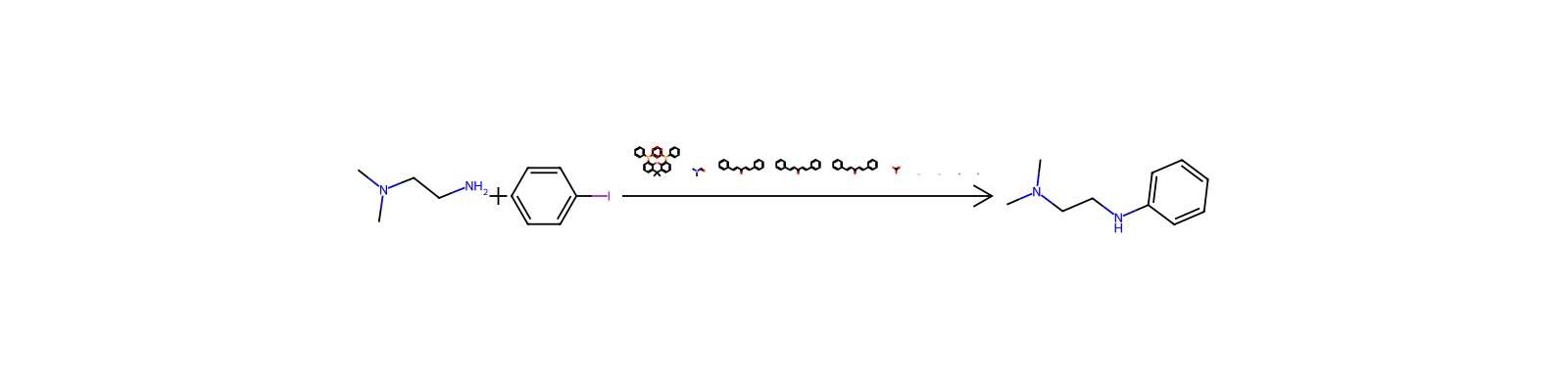
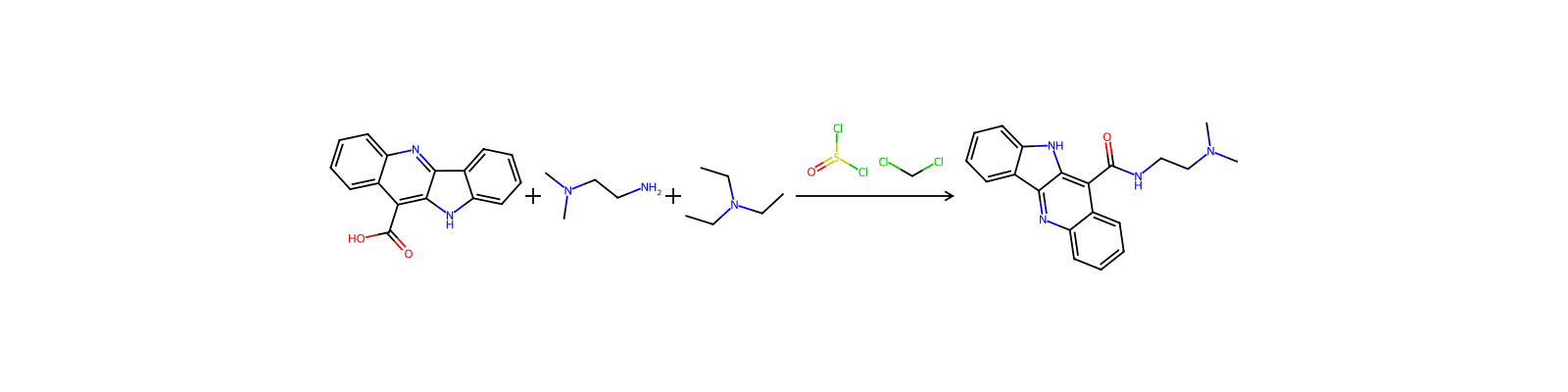
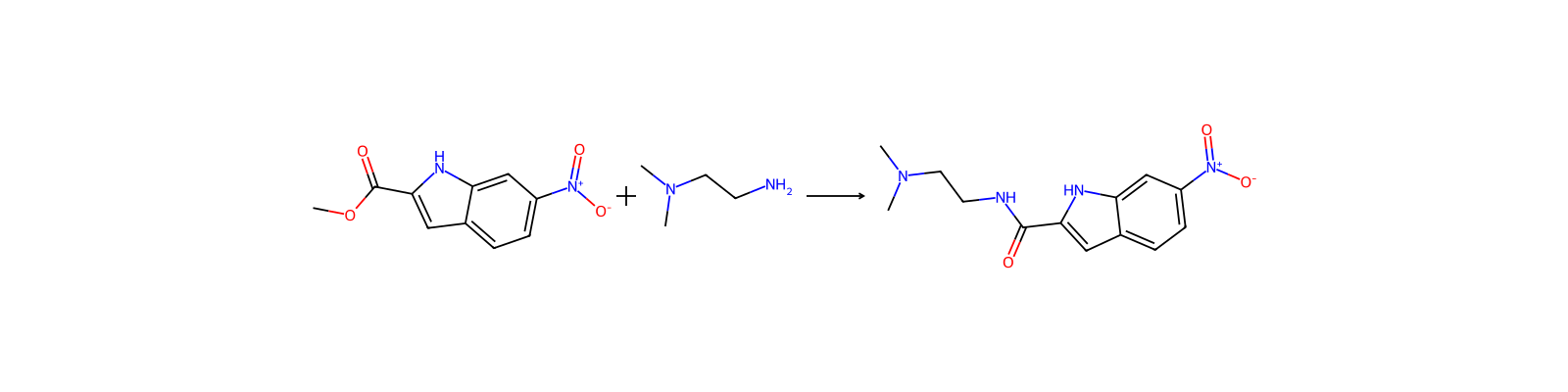
Related reactions
1,373 records





Compound notes
Loading…