HomeMCPWorkbenchSkills
HomeWorkbenchNotificationsMe
llms.txt · MCP GuidePrivacy Policy · Terms of Service · Supportv1.8.0
  1. Home
  2. /Compound

Methyl Methacrylate

HCID 6658
New noteNew reactionRequest quotes
Print preview

Completing data — refresh the page later to see the latest

Basic informationNames & identifiersPropertiesSafety & regulationChemistry & industryRelated reactionsCompound notes
Substructure searchFind similar structures

Basic information

CAS
80-62-6
Standard SMILES
C=C(C)C(=O)OC
InChIKey
VVQNEPGJFQJSBK-UHFFFAOYSA-N
Molecular formula
C5H8O2
Average molar mass
100.12 g/mol
Monoisotopic mass
100.05242949

Names & identifiers

Preferred name
Methyl Methacrylate
IUPAC
methyl 2-methylprop-2-enoate
English name
Methyl methacrylate
Molecular formula
C5H8O2
Molecular weight
100.12

Names & synonyms

METHYL METHACRYLATE80-62-6methyl 2-methylprop-2-enoateMethylmethacrylatePegalanMethacrylic acid methyl esterMethyl methylacrylateMethyl 2-methylpropenoateAcryester MDiakonMethyl-methacrylatMethyl 2-methyl-2-propenoate
Show more names
MMAMmeMethylmetacrylateMETHYL METACRYLAT
2-Propenoic acid, 2-methyl-, methyl esterMetakrylan metyluMetil metacrilatoMethylmethacrylaat2-(Methoxycarbonyl)-1-propene2-Methyl-2-propenoic acid methyl esterMethacrylate de methyleMethyl 2-methylacrylate

Database identifiers

CAS
80-62-6
PubChem CID
6658
DTXSID
DTXSID2020844
ChEMBL
CHEMBL49996
ChEBI
CHEBI:34840
UNII
196OC77688
EC Number
201-297-1
Nikkaji
J3.532G

Properties

Computed structural propertiesFilling in

XLogP
1.4
Topological polar surface area
26.3 Ų
Hydrogen bond donors
0
Hydrogen bond acceptors
2
Rotatable bonds
2
Heavy atoms
7
Formal charge
0
Complexity
94

Physicochemical properties

Melting point
-48 °C · -48 °C (lit.)
Boiling point
100 °C · 100 °C (lit.)
Density
0.936 g/mL · 0.936 g/mL at 25 °C (lit.)
vapor density
3.5 · 3.5 (vs air)
vapor pressure
29 mm · 29 mm Hg ( 20 °C)
refractive index
20 · n20/D 1.414(lit.)
FEMA
4002 · 4002 | METHYL 2-METHYL-2-PROPENOATE
FLAVIS Number
9.647 · 09.647 | Methyl methacrylate
Flash point
50 °F · 50 °F
storage temp.
2 · 2-8°C
solubility
15 g/l · 15g/l
form
Crystalline Powder or Crystals
color
White to pale yellow
Odor
0.1 % · at 0.10 % in dipropylene glycol. acrylic aromatic fruity
Odor Type
acrylate

Safety & regulation

Safety information is for reference only and does not replace the supplier’s Safety Data Sheet (SDS), applicable regulations, or professional assessment.

Safety data

OEB
A
OEL
TWA: 100 ppm (410 mg/m3)
PPE
Eyeshields, Faceshields, Gloves, type ABEK (EN14387) respirator filter
wgk
1
IDLA
1,000 ppm
tsca
TSCA listed
rtecs
OZ5075000
ridadr
UN 1247 (METHYL METHACRYLATE MONOMER, STABILIZED)
hs_code
29161410
Toxicity
The acute toxicity of methyl methacrylate is low. Irritation of the skin, eye, and nasal cavity has been observed in rodents and rabbits exposed to relatively high concentrations of methyl methacrylate. The chemical is a mild skin sensitizer in animals. The effect observed most frequently at lowest concentration after repeated inhalation exposure to methyl methacrylate is irritation of the nasal cavity. Effects on the kidney and liver at higher concentrations have also been reported.
risk_code
11-37/38-43-39/23/24/25-23/24/25
Signal word
Danger
Symbol(GHS)
GHS02,GHS07,GHS08
hazard_code
F,Xi,T
safety_code
24-37-46-45-36/37-16-7
hazard_class
3
Storage Class
3 - Flammable liquids
packing_group
II
target organs
Respiratory system
Hazard statements
H315-H319-H361-H372-H317-H334-H335-H336-H412-H225
Limited Quantities
1.0 L (0.3 gallon) (liquid)
Excepted Quantities
Max Inner Pack (30g or 30ml) and Max Outer Pack (500g or 500ml)

Chemistry & industry

Applications · 5 items

DescriptionMethyl methacrylate is an organic compound with the formula CH2=C(CH3)COOCH3. This colourless liquid, the methyl ester of methacrylic acid (MAA) is a monomer produced on a large scale for the production of poly(methyl methacrylate) (PMMA).

UsesMethyl methacrylatec is used in acrylic bone cements used in orthopedic surgery; in the production of acrylic polymers, polymethylmethacrylate and copolymers used in acrylic surface coatings; in the manufaeture of emulsion polymers; in the modification of unsaturated polyester resins; in the production of higher methacrylate, acrylic fibers, acrylic film, inks, radiation-polymerized impregnants for wood, and solvent-based adhesives and binders; as an impact modifier of PVC; in medicinal spray adhesives; in nonirritant bandage solvents; in dental technology as ceramic filler or cement; to coat corneal contact lenses; in intraocular lenses, artificial nails, and hearing aids; as a monomer for polymethaerylate resins; in the impregnation of concretc.

UsesMethyl methacrylate is a volatile synthetic chemical that is used principally in the production of cast acrylic sheet, acrylic emulsions, and moulding and extrusion resins. In the manufacture of methacrylate resins and plastics. Methyl methacrylate is transesterified into higher methacrylates such as n-butyl methacrylate or 2-ethylhexyl methacrylate. methyl methacrylate monomer is used in the production of methylmethacrylate polymers and copolymers, polymers and copolymers are also used in waterborne, solvent, and undissolved surface coatings, adhesives, sealants, leather and paper coatings, inks, floor polishes, textile finishes, dental prostheses, surgical bone cements, and leaded acrylic radiation shields and in the preparation of synthetic fingernails and orthotic shoe inserts. Methyl methacrylate is also used as a starting material to manufacture other esters of methacrylic acid. Granules for injection and extrusion blow moulding which for their outstanding optical clarity, weathering and scratch resistance are used in lighting, office equipment and electronics (cell phone displays and hi-fi equipment), building and construction (glazing and window frames), contemporary design (furniture, jewellery and tableware), cars and transportation (lights and instrument panels), health and safety (jars and test tubes) and household appliances (microwave oven doors and mixer bowls). Impact modifiers for clear rigid polyvinyl chloride.

UsesThe principal application, consuming approximately 80% of the MMA, is the manufacture of poly methyl methacrylate acrylic plastics (PMMA). Methyl methacrylate is also used for the production of the co-polymer methyl methacrylate-butadiene-styrene (MBS), used as a modifier for PVC. Another application is as cement used in total hip replacements as well as total knee replacements. Used as the "grout" by orthopedic surgeons to make the bone inserts fix into bone, it greatly reduces post-operative pain from the insertions but has a finite lifespan. Typically the lifespan of methyl methacrylate as bone cement is 20 years before revision surgery is required. Cemented implants are usually only done in elderly populations that require more immediate short term replacements. In younger populations, cementless implants are used because their lifespan is considerably longer. Also used in fracture repair in small exotic animal species using internal fixation.

Related reactions

586 records
New reaction record
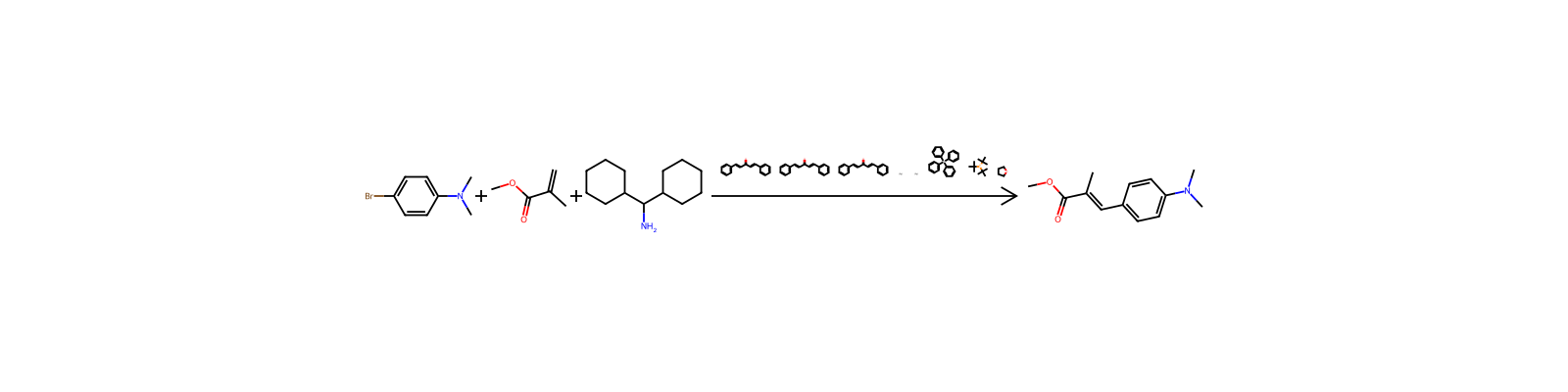
HRID 2675 reaction equation
HRID 2675As reactantuspto-grants-1998_03
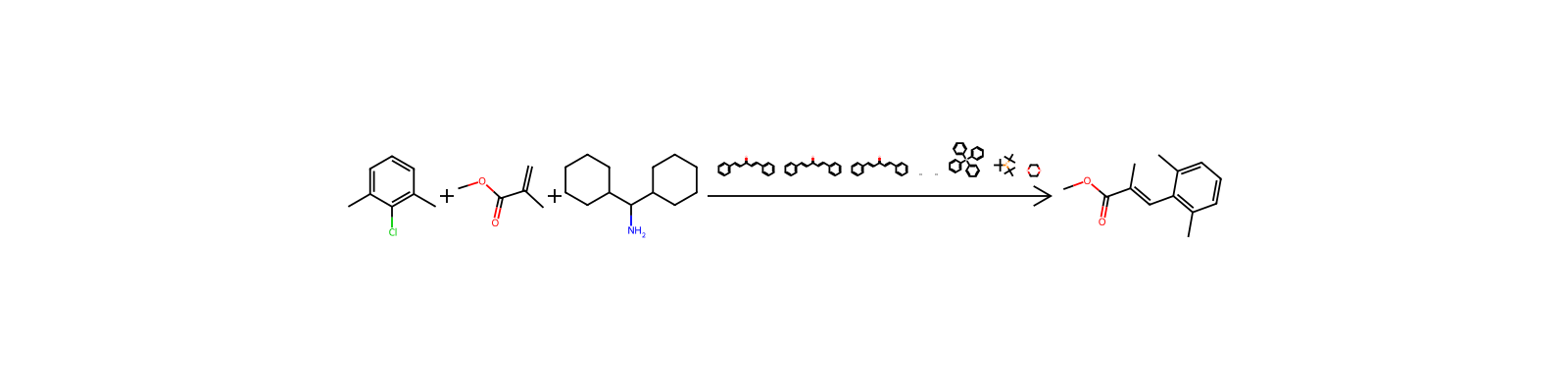
HRID 4894 reaction equation
HRID 4894As reactantuspto-grants-1993_09
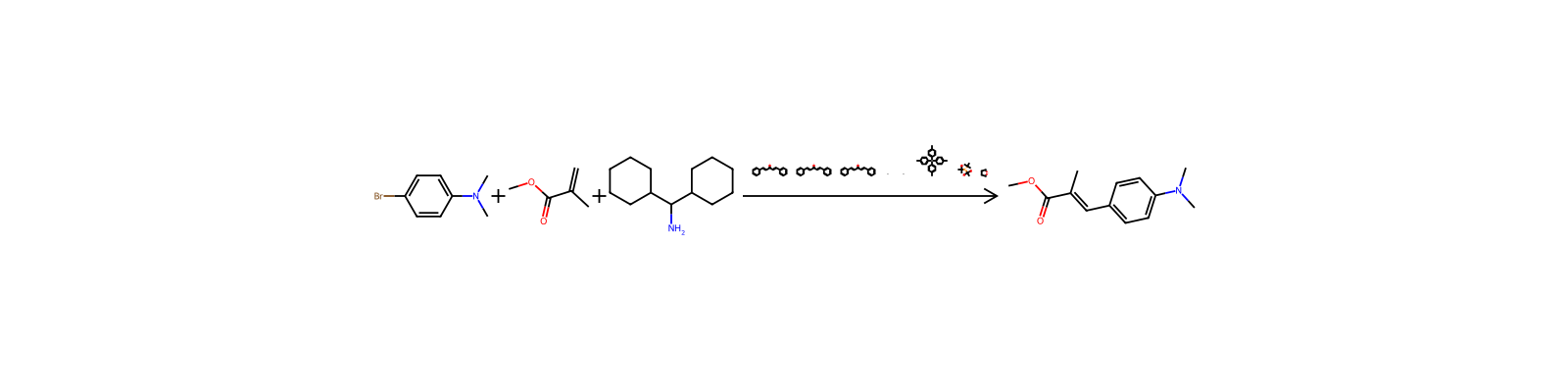
HRID 4895 reaction equation
HRID 4895As reactantuspto-grants-1993_09
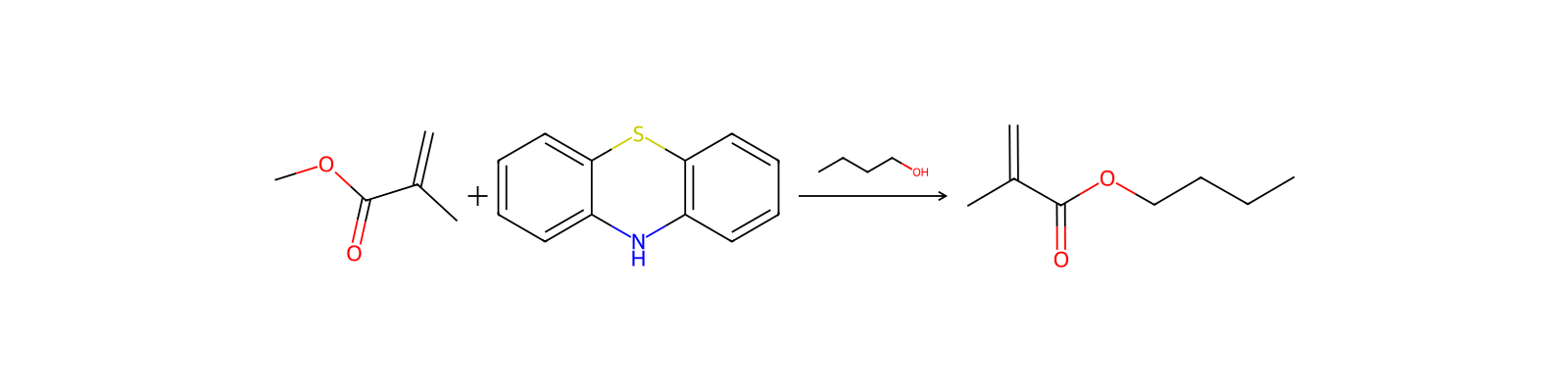
HRID 13877 reaction equation
HRID 13877As reactantuspto-grants-2010_06
HRID 13879 reaction equation
HRID 13879As reactantuspto-grants-2010_06
HRID 13896 reaction equation
HRID 13896As reactantuspto-grants-2010_06
HRID 13898 reaction equation
HRID 13898As reactantuspto-grants-2010_06
HRID 34257 reaction equation
HRID 34257As reactantuspto-grants-1988_08
Page 1 of 74

Compound notes

Loading…

On this pageBasic informationNames & identifiersPropertiesSafety & regulationChemistry & industryRelated reactionsCompound notes
More actions
New noteNew reactionRequest quotes
biological source
synthetic
Odor Threshold
0.21 ppm · 0.21ppm
explosive limit
2.1 · 2.1-12.5%(V)
Viscosity
0.564 mm2/s · 0.564mm2/s
Water Solubility
15.9 g/L · 15.9 g/L (20 ºC)
Thermal Conductivity
0.147 W/ · 0.147 W/(m·K) at 25 ℃
Specific Heat Capacity
1.91 J/ · Cp(liquid): 1.91 J/(g·K), at 25℃
JECFA Number
1834 · 1834
Merck
14 · 14,5941
BRN
605459 · 605459
Henry's Law Constant
2.46 x · 2.46 x 10-4 atmm3/mol at 20 °C (approximate - calculated from water solubility and vapor pressure)
Dielectric constant
2.9 · 2.9(20℃)
Exposure limits
50 ppm · ACGIH:TLV-TWA 50 ppm (205 mg/m3); TLV-STEL 100 ppm (410 mg/m3)OSHA:PEL-TWA 100 ppm (410 mg/m3)NIOSH:REL-TWA 100 ppm
Stability
Volatile
Major Application
flavors and fragrances
Cosmetic Ingredient Review (CIR)
Methyl methacrylate (80-62-6)
InChI
1S/C5H8O2/c1-4(2)5(6)7-3/h1H2,2-3H3
InChIKey
VVQNEPGJFQJSBK-UHFFFAOYSA-N
SMILES
COC(=O)C(C)=C
LogP
1.38 at · 1.38 at 20℃
Toxicology and Carcinogenesis
Toxicology and Carcinogenesis Studies of Methyl Methacrylate (CASRN 80-62-6) in F344/N Rats and B6C3F1 Mice (Inhalation Studies)
Indirect Additives used in Food Contact Substances
METHYL METHACRYLATE
Substances Added to Food (formerly EAFUS)
METHYL METHACRYLATE
FDA 21 CFR
175.105 · 175.105; 175.210; 175.300;175.320; 175.360; 176.170;176.180; 177.1010; 177.1030;177.1200; 177.1630; 177.1830;177.2000; 177.2420; 177.2465;178.3790
CAS DataBase Reference
80 · 80-62-6(CAS DataBase Reference)
EWG's Food Scores
5 · 5-9
FDA UNII
196 OC77688 · 196OC77688
NIST Chemistry Reference
2 · 2-Propenoic acid, 2-methyl-, methyl ester(80-62-6)
IARC
3 · 3 (Vol. Sup 7, 60) 1994
EPA Substance Registry System
Methyl methacrylate (80-62-6)
ECETOC JACC REPORT
Methyl methacrylate (80-62-6)
UNSPSC Code
41116107 · 41116107
NACRES
41 · NA.41
Symbol(GHS)
2 · GHS02,GHS07,GHS08
Signal word
Danger
Hazard statements
315 · H315-H319-H361-H372-H317-H334-H335-H336-H412-H225
Precautionary statements
501 · P501-P273-P272-P270-P202-P240-P260-P210-P233-P201-P243-P241-P242-P271-P264-P280-P284-P370+P378-P342+P311-P308+P313-P337+P313-P305+P351+P338-P362+P364-P303+P361+P353-P333+P313-P304+P340+P312-P403+P233-P403+P235-P405
target organs
Respiratory system
PPE
Eyeshields, Faceshields, Gloves, type ABEK (EN14387) respirator filter
Hazard Codes
F,Xi,T
Risk Statements
11 · 11-37/38-43-39/23/24/25-23/24/25
Safety Statements
24 · 24-37-46-45-36/37-16-7
RIDADR
1247 · UN 1247 (METHYL METHACRYLATE MONOMER, STABILIZED)
OEB
A
OEL
100 ppm · TWA: 100 ppm (410 mg/m3)
WGK Germany
1 · 1
RTECS
5075000 · OZ5075000
Autoignition Temperature
815 °F · 815 °F
TSCA
TSCA listed
HazardClass
3 · 3
PackingGroup
II
HS Code
29161410 · 29161410
Storage Class
3 · 3 - Flammable liquids
Hazard Classifications
2 Skin · Flam. Liq. 2Skin Irrit. 2Skin Sens. 1STOT SE 3
Hazardous Substances Data
80 · 80-62-6(Hazardous Substances Data)
Toxicity
The acute toxicity of methyl methacrylate is low. Irritation of the skin, eye, and nasal cavity has been observed in rodents and rabbits exposed to relatively high concentrations of methyl methacrylate. The chemical is a mild skin sensitizer in animals. The effect observed most frequently at lowest concentration after repeated inhalation exposure to methyl methacrylate is irritation of the nasal cavity. Effects on the kidney and liver at higher concentrations have also been reported.
IDLA
1 · 1,000 ppm
REACH Registrations
Active
Limited Quantities
1 L · 1.0 L (0.3 gallon) (liquid)
Excepted Quantities
Max Inner Pack (30g or 30ml) and Max Outer Pack (500g or 500ml)
REACH Registrations
Active
Hazard Classifications
Flam. Liq. 2Skin Irrit. 2Skin Sens. 1STOT SE 3
Autoignition Temperature
815 °F
Precautionary statements
P501-P273-P272-P270-P202-P240-P260-P210-P233-P201-P243-P241-P242-P271-P264-P280-P284-P370+P378-P342+P311-P308+P313-P337+P313-P305+P351+P338-P362+P364-P303+P361+P353-P333+P313-P304+P340+P312-P403+P233-P403+P235-P405
Hazardous Substances Data
80-62-6(Hazardous Substances Data)

General DescriptionA clear colorless liquid. Slightly soluble in water and floats on water. Vapors heavier than air. Vapors irritate the eyes and respiratory system. Containers must be heavily insulated or shipped under refrigeration. An inhibitor such as hydroquinone, hydroquinone methyl ester and dimethyl t-butylphenol is added to keep the chemical from initiating polymerization. The chemical may polymerize exothermically if heated or contaminated with strong acid or base. If the polymerization takes place inside a container, the container may rupture violently. Used to make plastics.

Preparation methods

PreparationPrepared by the esterification of methacrylamide sulfate with methanol.

Upstream & downstream products

Upstream raw materials

CARBON MONOXIDEAcetone cyanohydrinKetonemethacrylammonium hydrogen sulphateIsobutyleneMethyl isobutyrateSodium cyanideHYDROGEN CYANIDEMethanolIsobutyraldehydeSulfuric acid

Downstream products

Methyl 3-amino-4-methylthiophene-2-carboxylateMETHYL 3-CHLORO-4-METHYLTHIOPHENE-2-CARBOXYLATEDIHYDROTHYMINELeather lustering agentCC-2SH adhesive composite used in anterior teethPoly(methyl methacrylate)2,3-DIHYDROXYPROPYL METHACRYLATEPressure sensitive adhesive4-CHLORO-7-METHYLTHIENO[3,2-D]PYRIMIDINENeoprene adhesivethickening agent PAEoptical diskbase material modified PMMA copolymerbinding agent for screen printingmicrodispersoid acrylate resin filling emulsion3-CHLORO-4-METHYL-2-THIOPHENECARBOXYLIC ACIDProcymidoneTHERMOPLASTIC ACRYLIC RESIN7-Methylthieno[3,2-d]pyrimidin-4(3H)-oneGD visible light curing composite resin3-Methacryloxypropyltrimethoxysilane2,2-DICHLORO-1-METHYLCYCLOPROPANAMINEcarboxyl type cation exchange resinconductive coating-composite system of acrylic copolymer and cuprous iodideBicalutamide1-BENZYL-3-METHYL-4-PIPERIDONEStyrene-acrylic latexPoly(acrylic acid)Thymine
Additional notes · 1 item

DefinitionChEBI: Methyl methacrylate is an enoate ester having methacrylic acid as the carboxylic acid component and methanol as the alcohol component. It has a role as an allergen and a polymerisation monomer. It is an enoate ester and a methyl ester. It is functionally related to a methacrylic acid.