Safety information is for reference only and does not replace the supplier’s Safety Data Sheet (SDS), applicable regulations, or professional assessment.
P261, P264, P264+P265, P271, P272, P273, P280, P302+P352, P304+P340, P305+P351+P338, P319, P321, P332+P317, P333+P317, P337+P317, P362+P364, P391, P403+P233, P405, and P501 (click each P-code to see the statement)
Aggregated GHS information provided per 68 reports by companies from 12 notifications to the ECHA C&L Inventory. Each notification may be associated with multiple companies.
Hazards SummarySubcutaneous LDLo (mouse) = 80 mg/kg; [RTECS] A skin and strong eye irritant; [Alfa Aesar MSDS] See Quinoline.
Hazard Classes and CategoriesSkin Irrit. 2 (91.2%)
Safety data
PPE
dust mask type N95 (US), Eyeshields, Gloves
wgk
3
tsca
TSCA listed
rtecs
VB4200000
hs_code
2933490090
risk_code
36/37/38
Signal word
Warning
Symbol(GHS)
GHS07,GHS09
hazard_code
Xi
hazard_note
Chemistry & industry
Uses & manufacturing
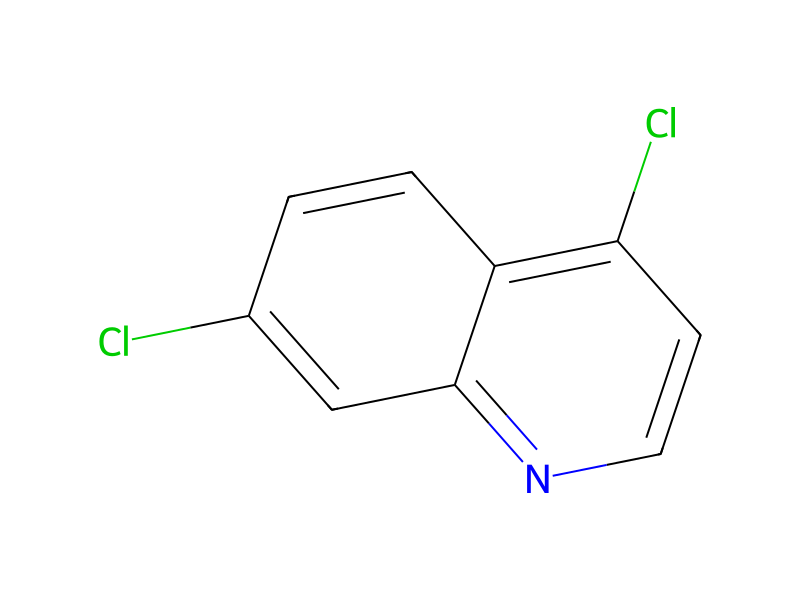
General Manufacturing InformationQuinoline, 4,7-dichloro-: ACTIVE
Applications · 3 items
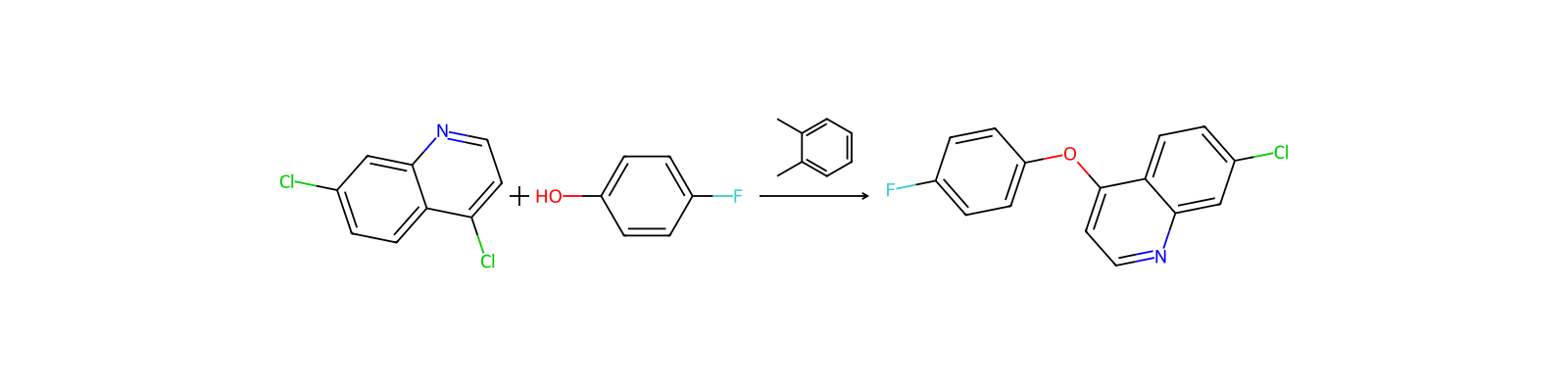
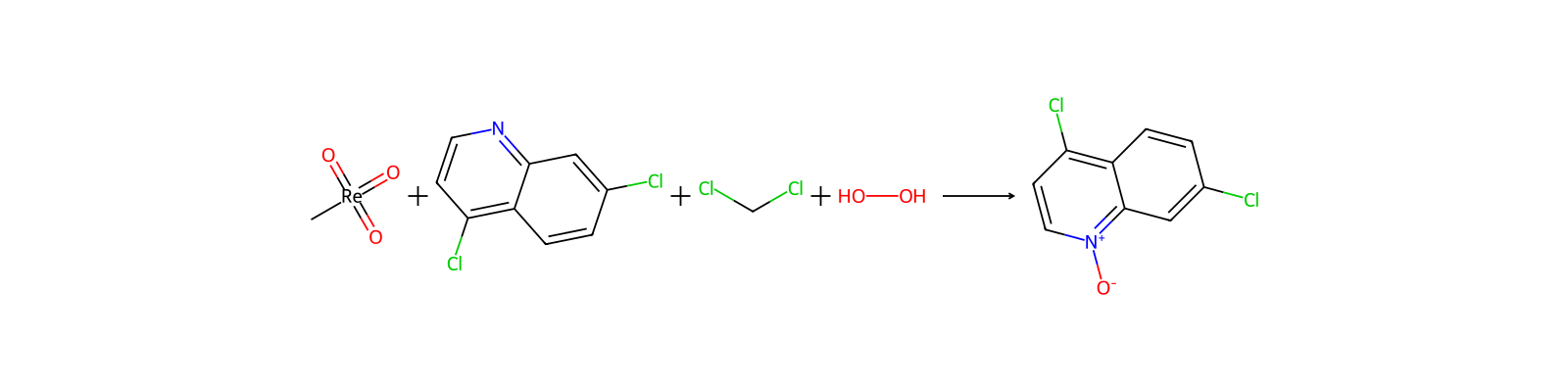
Uses4,7-Dichloroquinoline is used in the synthesis of hybrid aminoquinoline-triazine derivatives that show anti-microbial activity. In addition, it is used in the synthesis of novel oxazolidinones as anti -microbial agents showing efficacy against common bacterial strains. Chloroquinoline impurity.
Uses4,7-Dichloroquinoline is used as a drug chloroquine phosphate intermediate. It was used in the synthesis of piperaquine. and as starting reagent in the synthesis of {3-amino-5-[(7-chloro-4-quinolyl)amino]phenyl}methanol.
General DescriptionChloroquine Related Compound A is an impurity of chloroquine, which is a 9-aminoquinoline drug that effectively inhibits viral infections in humans.