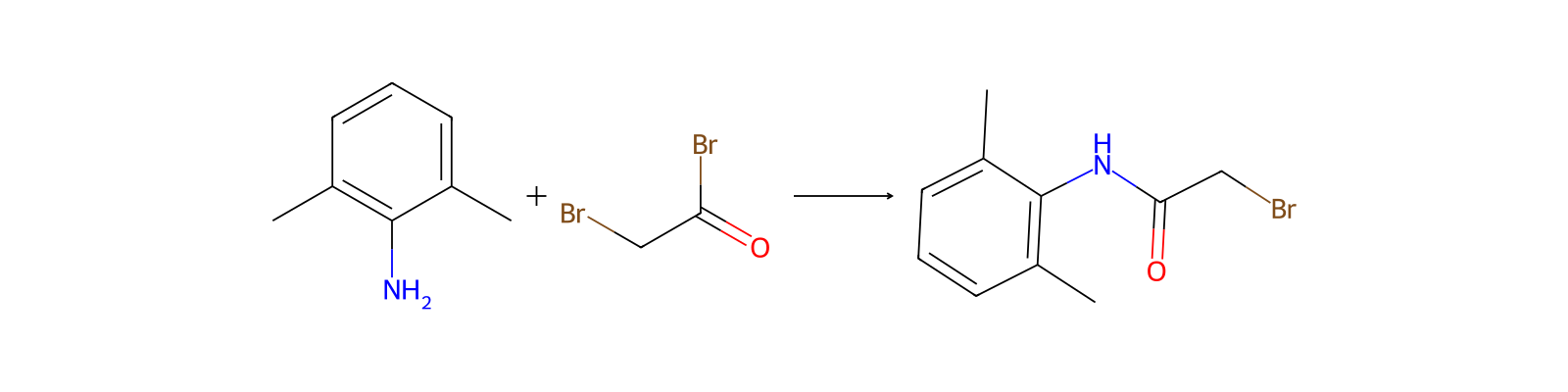
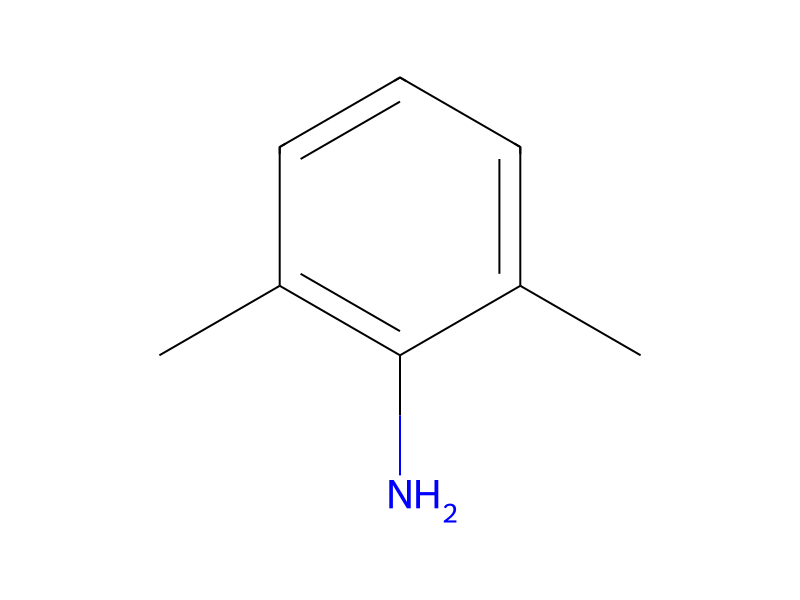
Basic information
- Standard SMILES
Cc1cccc(C)c1N- InChIKey
UFFBMTHBGFGIHF-UHFFFAOYSA-N- Molecular formula
- C8H11N
- Average molar mass
- 121.18 g/mol
- Monoisotopic mass
- 121.08914935
Overview
2,6-Xylidine (2,6-Dimethylaniline) can cause cancer according to The National Toxicology Program.
Names & identifiers
- Preferred name
- 2,6-Dimethylaniline
- IUPAC
- 2,6-dimethylaniline
- English name
- 2,6-Dimethylaniline
- Molecular formula
- C8H11N
- Molecular weight
- 121.18
Names & synonyms
2,6-Dimethylaniline87-62-72,6-XYLIDINE2-Amino-m-xyleneo-Xylidine2,6-Dimethylbenzenamine2,6-Dimethylphenylamine2-Amino-1,3-dimethylbenzeneBenzenamine, 2,6-dimethyl-2-Amino-1,3-xylene2,6-Xylylamine1-Amino-2,6-dimethylbenzene
Show more names
xylylamine2,6-Dimethyl-phenylamine2,6-XylidinLidocaine EP impurity A
vic-m-xylidineAniline, 2,6-dimethyl-NSC 7098NCI-C56188DTXSID8026307Benzene, 2-amino-1,3-dimethyl-4FT62OX08D2,6-DMA
Database identifiers
- CAS
87-62-7- PubChem CID
- 6896
- DTXSID
DTXSID8026307- ChEMBL
CHEMBL1340793- ChEBI
CHEBI:28738- UNII
- 4FT62OX08D
- EC Number
- 201-758-7
- Nikkaji
- J43.456F
Properties
Computed structural properties
- XLogP
- 1.8
- Topological polar surface area
- 26 Ų
- Hydrogen bond donors
- 1
- Hydrogen bond acceptors
- 1
- Rotatable bonds
- 0
- Heavy atoms
- 9
- Formal charge
- 0
- Complexity
- 80.6
Experimental & physicochemical properties
Chemical ClassesCarcinogens
Drugs
Pharmaceuticals -> Metabolite of Lidocaine
Pharmaceutical -> transformation product
SpringerMaterials Properties13C nuclear magnetic resonance spectrum
LogP
log Kow = 1.84
1.84
OdorCharacteristic odor
Density
0.984 (USCG, 1999) - Less dense than water; will float
0.9842 g/cu cm at 20 °C
Relative density (water = 1): 0.98
Viscosity1.7 mPa.s (dynamic) at 50 °C
Color/Form
Yellow liquid
Colorless to reddish-yellow, clear liquid
Pale yellow liquid
Solubility
less than 1 mg/mL at 75 °F (NTP, 1992)
In water, 8240 ppm at 25 °C
In water, 7000 mg/L at 20 °C
Very soluble in ethanol, ether
Soluble in oxygenated and aromatic solvents
Solubility in water, g/100ml at 20 °C: 0.7
Flash Point
196 °F (NTP, 1992)
91 °C (196 °F) - closed cup
91 °C
Boiling Point
417 °F at 739 mmHg (NTP, 1992)
216 °C
Boiling point: 214 °C at 739 mm Hg
215 °C
DecompositionWhen heated to decomposition it emits toxic fumes of /nitrogen oxides/.
Physicochemical properties
- Melting point
- 10 · 10-12 °C(lit.)
- Boiling point
- 216 °C · 216 °C
- Density
- 0.984 g/mL · 0.984 g/mL at 25 °C(lit.)
- vapor pressure
- 0.01 mm · <0.01 mm Hg ( 20 °C)
- refractive index
- 20 · n20/D 1.560(lit.)
- Flash point
- 196 °F · 196 °F
- storage temp.
- 30 °C · Store below +30°C.
- solubility
- 13 g/l · 13g/l
- form
- Liquid
- pka
- 3.89 · 3.89(at 25℃)
- color
- Clear yellow to red-brown
- PH
- 12.5 · 12.5 (100g/l, H2O, 20℃)
- PH Range
- 12.5 · 12.5
- explosive limit
- 1.3 · 1.3-6.9%(V)
- Water Solubility
- 7.5 g/L · 7.5 g/L (20 ºC)
- Specific Heat Capacity
- 1.97 J/ · Cp(liquid): 1.97 J/(g·K), at 25℃
- Merck
- 14 · 14,10084
- BRN
- 636332 · 636332
- Henry's Law Constant
- 3.9 · 3.9×100 mol/(m3Pa) at 25℃, Duchowicz et al. (2020)
- Stability
- Air Sensitive, Hygroscopic
- Major Application
- agriculturecleaning productscosmeticsenvironmentalfood and beveragespersonal care
- InChI
- 1S/C8H11N/c1-6-4-3-5-7(2)8(6)9/h3-5H,9H2,1-2H3
- InChIKey
- UFFBMTHBGFGIHF-UHFFFAOYSA-N
- SMILES
- Cc1cccc(C)c1N
- LogP
- 1.84 · 1.840
- Toxicology and Carcinogenesis
- 2 · Toxicology and Carcinogenesis Studies of 2,6-Xylidine (2,6-Dimethylaniline) (CASRN 87-62-7) in Charles River CD Rats (Feed Studies)
- CAS DataBase Reference
- 87 · 87-62-7(CAS DataBase Reference)
- EWG's Food Scores
- 4 · 4-5
- FDA UNII
- 4 FT62OX08D · 4FT62OX08D
- Proposition 65 List
- 2 · 2,6-Xylidine (2,6-Dimethylaniline)
- NIST Chemistry Reference
- 2 · Benzenamine, 2,6-dimethyl-(87-62-7)
- IARC
- 2 B · 2B (Vol. 57) 1993
- EPA Substance Registry System
- 2 · 2,6-Xylidine (87-62-7)
- UNSPSC Code
- 41116107 · 41116107
- NACRES
- 24 · NA.24
- Symbol(GHS)
- 7 · GHS07,GHS08,GHS09
- Signal word
- Danger
- Hazard statements
- 302 · H302+H312+H332-H315-H319-H361-H371-H370-H373-H351-H335-H411-H227
- Precautionary statements
- 501 · P501-P273-P270-P202-P260-P210-P201-P271-P264-P280-P370+P378-P391-P337+P313-P305+P351+P338-P308+P311-P362+P364-P332+P313-P301+P312+P330-P302+P352+P312-P304+P340+P312-P403+P233-P403+P235-P405
- target organs
- Respiratory system
- PPE
- Eyeshields, Faceshields, Gloves, type ABEK (EN14387) respirator filter
- Hazard Codes
- Xn,N,T
- Risk Statements
- 20 · 20/21/22-37/38-40-51/53
- Safety Statements
- 23 · 23-25-36/37-61
- RIDADR
- 1711 · UN 1711 6.1/PG 2
- WGK Germany
- 2 · 2
- RTECS
- 9275000 · ZE9275000
- F
- 8 · 8
- Autoignition Temperature
- 490 °C · 490 °C
- TSCA
- TSCA listed
- HazardClass
- 6.1 · 6.1
- PackingGroup
- II
- HS Code
- 29214910 · 29214910
- Storage Class
- 6.1 A · 6.1A - Combustible acute toxic Cat. 1 and 2very toxic hazardous materials
- Hazard Classifications
- 4 DermalAcute · Acute Tox. 4 DermalAcute Tox. 4 InhalationAcute Tox. 4 OralAquatic Chronic 2Carc. 2Eye Irrit. 2Skin Irrit. 2STOT SE 3
- Hazardous Substances Data
- 87 · 87-62-7(Hazardous Substances Data)
- Toxicity
- 50 orally · LD50 orally in Rabbit: 1290 mg/kg
- REACH Registrations
- Active
Safety & regulation
GHS classification
GHS Classification
Warning
H302: Harmful if swallowed [Warning Acute toxicity, oral]
P203, P261, P264, P270, P271, P273, P280, P301+P317, P302+P352, P304+P340, P317, P318, P319, P321, P330, P332+P317, P362+P364, P391, P403+P233, P405, and P501 (click each P-code to see the statement)
This chemical does not meet GHS hazard criteria for 0.3% (1 of 300) of reports.
Warning
H302+H312+H332 (24.3%): Harmful if swallowed, in contact with skin or if inhaled [Warning Acute toxicity, oral; acute toxicity, dermal; acute toxicity, inhalation]
Hazard information
Regulatory Information
Chemical: Benzenamine, 2,6-dimethyl-
Hazard Traits - Carcinogenicity
Status: Active Update: 31-03-2022 https://echa.europa.eu/registration-dossier/-/registered-dossier/13610
2,6-Dimethylaniline: Does not have an individual approval but may be used under an appropriate group standard
The New Jersey Worker and Community Right to Know Act requires public and private employers to provide information about hazardous substances at their workplaces. (N.J.S.A. 34:5A-1 et. seq.)
Other Safety InformationIMAP assessments - Xylidines: Human health tier II assessment
DOT LabelPoison
Fire Hazards
Special Hazards of Combustion Products: Container explosion may occur under fire conditions. Emits toxic fumes under fire conditions. (USCG, 1999)
Combustible. Gives off irritating or toxic fumes (or gases) in a fire. Above 91 °C explosive vapour/air mixtures may be formed.
Fire PotentialThis chemical is a combustible liquid. /Xylidines/
Health Hazards
May be fatal if inhaled, swallowed or absorbed through skin. Vapor or mist irritating to the eyes, mucous membranes and upper respiratory tract; causes skin irritation. Absorption into body leads to the formation of methemoglobin which, in sufficient concentration, may cause cyanosis. Onset may be delayed 2-4 hours or longer. Exposure can cause nausea, dizziness, headache, damage to the eyes, and blood effects. (USCG, 1999)
Hazards Summary
The major hazards encountered in the use and handling of 2,6-xylidine stem from its toxicologic properties. Toxic by all routes (ie, inhalation, ingestion, and dermal absorption), exposure to this liquid may occur from its use as a chemical intermediate for the production of dyes, pesticides, and pharmaceuticals. Contact with 2,6-xylidine may cause burns to the skin and eyes. Death is also a possible outcome from exposure. In activities or situations where over-exposure may occur, wear a self-contained breathing apparatus, and full chemical protective clothing which is specifically recommended by the shipper or manufacturer to prevent skin contact with xylidine. If contact should occur, immediately flush the affected skin or eyes with running water for at least 15 minutes. Remove contaminated clothing and shoes at the site. Do not eat or smoke in xylidine work areas. While xylidine does not ignite easily, it can burn with the production of irritating or poisonous gases. Also, containers may explode violently in the heat of a fire. Fires involving xylidine may be extinguished with dry chemical, CO2, Halon, or standard foam. Water spray if used, should be applied with caution because it may cause frothing. Fight the fire from a maximum distance and dike runoff from fire control water. Xylidine should be stored away from heat, strong oxidizers, and hypochlorite bleaches. Shipping regulations and other DOT regulatory requirements should be consulted before transport. If xylidine should spill, dike far ahead, then take up with sand or other noncombustible absorbent and place into containers for later disposal. Incineration is a possible form of disposal for xylidine. Before implementing land disposal of waste 2,6-xylidine, consult with environmental regulatory agencies for guidance.
Reactive GroupAmines, Aromatic
EC ClassificationSymbol: Xn, N; R: 20/21/22-37/38-40-51/53; S: (2)-23-25-36/37-61
UN ClassificationUN Hazard Class: 6.1; UN Pack Group: II
Special Reports
Health and Environmental Profile for Xylidines, March 1983, p. D-183-91
DHHS/NTP; Toxicology and Carcinogenesis Studies of 2,6-Xylidine (2,6-Dimethylaniline) in Charles River CD Rats (Feed Studies) (1990) Technical Rpt Series No. 278 NIH Pub No. 90-2534[Available from, as of September 14, 2016: http://ntp.niehs.nih.gov/results/pubs/longterm/reports/longterm/index.html]
OSHA Standards
Permissible Exposure Limit: Table Z-1 8-hr Time-Weighted Avg: 5 ppm (25 mg/cu m). Skin Designation. /Xylidine/
Vacated 1989 OSHA PEL TWA 2 ppm (10 mg/cu m), skin designation, is still enforced in some states. /Xylidine/
Safety & protection
Fire Fighting
Excerpt from ERG Guide 153 [Substances - Toxic and/or Corrosive (Combustible)]:
Use water spray, carbon dioxide, foam, powder.
First Aid Measures
Fresh air, rest. Refer for medical attention.
Remove contaminated clothes. Rinse and then wash skin with water and soap. Refer for medical attention .
Rinse with plenty of water for several minutes (remove contact lenses if easily possible).
Rinse mouth. Refer for medical attention .
First Aid
EYES: First check the victim for contact lenses and remove if present. Flush victim's eyes with water or normal saline solution for 20 to 30 minutes while simultaneously calling a hospital or poison control center. Do not put any ointments, oils, or medication in the victim's eyes without specific instructions from a physician. IMMEDIATELY transport the victim after flushing eyes to a hospital even if no symptoms (such as redness or irritation) develop.
Safe StorageSeparated from strong oxidants, acids, acid anhydrides, acid chlorides, hypochlorites, halogens and food and feedstuffs. Well closed. Store in an area without drain or sewer access.
Firefighting HazardsVapors are heavier than air and will collect in low areas. Containers may explode in fire. Storage containers and parts of containers may rocket great distances, in many directions. /Xylidines/
Fire Fighting Procedures
Suitable extinguishing media: Use water spray, alcohol-resistant foam, dry chemical, or carbon dioxide.
Advice for firefighters: Wear self-contained breathing apparatus for firefighting if necessary.
Use water spray to cool unopened containers.
Use dry chemical, carbon dioxide, or alcohol foam extinguishers. ... If material or contaminated runoff enters waterways, notify downstream users of potentially contaminated waters. Notify local health and fire officials and pollution control agencies. From a secure, explosion-proof location, use water spray to cool exposed containers. If cooling streams are ineffective (venting sound increases in volume and pitch, tank discolors, or shows any signs of deforming), withdraw immediately to a secure position. ... The only respirators recommended for firefighting are self-contained breathing apparatuses that have full face-pieces and are operated in a pressure-demand or other positive-pressure mode. /Xylidines/
If material on fire or involved in fire: Extinguish fire using agent suitable for type of surrounding fire. (Material itself does not burn or burns with difficulty.) Use water in flooding quantities as fog. Cool all affected containers with flooding quantities of water. Apply water from as far a distance as possible. /Xylidines, liquid or solid/
Storage Conditions
Keep container tightly closed in a dry and well-ventilated place. Containers which are opened must be carefully resealed and kept upright to prevent leakage.
Separated from strong oxidants, acids, acid anhydrides, acid chlorides, hypochlorites, halogens and food and feedstuffs. Well closed. Store in an area without drain or sewer access.
Store in a secure poison location. ... Before entering confined space where this chemical may be present, check to make sure that an explosive concentration does not exist. Xylidine must be stored to avoid contact with strong oxidizers (such as bromine, chlorine, or fluorine) since violent reactions occur. Contact with hypochlorite bleaches may form explosive chloroamines. Store in tightly closed containers in a cool, dry, well-ventilated area away from heat sources. Sources of ignition, such as smoking and open flames, are prohibited where this chemical is used, handled, or stored in a manner that could create a potential fire or explosion hazard. Metal containers involving the transfer of 5 gallons or more of this chemical should be grounded and bonded. Drums must be equipped with self-closing valves, pressure vacuum bungs, and flame arresters. Use only nonsparking tools and equipment, especially when opening and closing containers of this chemical. A regulated, marked area should be established where this chemical is handled, used, or stored in compliance with OSHA Standard 1910.1045. /Xylidines/
PRECAUTIONS FOR "CARCINOGENS": Storage site should be as close as practical to lab in which carcinogens are to be used, so that only small quantities required for ... expt need to be carried. Carcinogens should be kept in only one section of cupboard, an explosion-proof refrigerator or freezer (depending on chemicophysical properties ...) that bears appropriate label. An inventory ... should be kept, showing quantity of carcinogen & date it was acquired ... Facilities for dispensing ... should be contiguous to storage area. /Chemical Carcinogens/
Cleanup Methods
ACCIDENTAL RELEASE MEASURES: Personal precautions, protective equipment and emergency procedures: Use personal protective equipment. Avoid breathing vapors, mist or gas. Ensure adequate ventilation. Remove all sources of ignition. Evacuate personnel to safe areas. Beware of vapors accumulating to form explosive concentrations. Vapors can accumulate in low areas. Environmental precautions: Prevent further leakage or spillage if safe to do so. Do not let product enter drains. Discharge into the environment must be avoided. Methods and materials for containment and cleaning up: Contain spillage, and then collect with an electrically protected vacuum cleaner or by wet-brushing and place in container for disposal according to local regulations. Keep in suitable, closed containers for disposal.
Evacuate and restrict persons not wearing protective equipment from area of spill or leak until cleanup is complete. Remove all ignition sources. Established forced ventilation to keep levels below explosive limit. Absorb liquids in vermiculite, dry sand, earth, peat, carbon, or a similar material and deposit in sealed containers. Keep this chemical out of a confined space, such as a sewer, because of the possibility of an explosion, unless the sewer is designed to prevent the buildup of explosive concentrations. It may be necessary to contain and dispose of this chemical as a hazardous waste. If material or contaminated runoff enters waterways, notify downstream users of potentially contaminated waters. /Xylidines/
Environmental considerations - land spill: Dig a pit, pond, lagoon, holding area to contain liquid or solid material. /SRP: If time permits, pits, ponds, lagoons, soak holes, or holding areas should be sealed with an impermeable flexible membrane liner./ Dike surface flow using soil, sand bags, foamed polyurethane, or foamed concrete. Absorb bulk liquid with fly ash, cement powder, or commercial sorbents. /Xylidines, liquid or solid/
Environmental considerations - water spill: Use natural barriers or oil spill control booms to limit spill travel. Remove trapped material with suction hoses. /Xylidines, liquid or solid/
PRECAUTIONS FOR "CARCINOGENS": A high-efficiency particulate arrestor (HEPA) or charcoal filters can be used to minimize amt of carcinogen in exhausted air ventilated safety cabinets, lab hoods, glove boxes or animal rooms ... Filter housing that is designed so that used filters can be transferred into plastic bag without contaminating maintenance staff is avail commercially. Filters should be placed in plastic bags immediately after removal ... The plastic bag should be sealed immediately ... The sealed bag should be labelled properly ... Waste liquids ... should be placed or collected in proper containers for disposal. The lid should be secured & the bottles properly labelled. Once filled, bottles should be placed in plastic bag, so that outer surface ... is not contaminated ... The plastic bag should also be sealed & labelled. ... Broken glassware ... should be decontaminated by solvent extraction, by chemical destruction, or in specially designed incinerators. /Chemical Carcinogens/
Nonfire Spill ResponseExcerpt from ERG Guide 153 [Substances - Toxic and/or Corrosive (Combustible)]:
Disposal Methods
SRP: Recycle any unused portion of the material for its approved use or return it to the manufacturer or supplier. Ultimate disposal of the chemical must consider: the material's impact on air quality; potential migration in air, soil or water; effects on animal, aquatic and plant life; and conformance with environmental and public health regulations. If it is possible or reasonable use an alternative chemical product with less inherent propensity for occupational harm/injury/toxicity or environmental contamination.
SRP: Wastewater from contaminant suppression, cleaning of protective clothing/equipment, or contaminated sites should be contained and evaluated for subject chemical or decomposition product concentrations. Concentrations shall be lower than applicable environmental discharge or disposal criteria. Alternatively, pretreatment and/or discharge to a permitted wastewater treatment facility is acceptable only after review by the governing authority and assurance that "pass through" violations will not occur. Due consideration shall be given to remediation worker exposure (inhalation, dermal and ingestion) as well as fate during treatment, transfer and disposal. If it is not practicable to manage the chemical in this fashion, it must be evaluated in accordance with EPA 40 CFR Part 261, specifically Subpart B, in order to determine the appropriate local, state and federal requirements for disposal.
Product: This combustible material may be burned in a chemical incinerator equipped with an afterburner and scrubber. Offer surplus and non-recyclable solutions to a licensed disposal company. Contact a licensed professional waste disposal service to dispose of this material; Contaminated packaging: Dispose of as unused product.
Incineration; oxides of nitrogen are removed from the effluent gas by scrubber, catalytic or thermal device. /Xylidines/
For more Disposal Methods (Complete) data for 2,6-XYLIDINE (10 total), please visit the HSDB record page.
Spillage Disposal
Personal protection: chemical protection suit and filter respirator for organic gases and vapours adapted to the airborne concentration of the substance. Do NOT let this chemical enter the environment. Collect leaking and spilled liquid in sealable containers as far as possible. Absorb remaining liquid in sand or inert absorbent. Then store and dispose of according to local regulations.
Preventive Measures
ACCIDENTAL RELEASE MEASURES: Personal precautions, protective equipment and emergency procedures: Use personal protective equipment. Avoid breathing vapors, mist or gas. Ensure adequate ventilation. Remove all sources of ignition. Evacuate personnel to safe areas. Beware of vapors accumulating to form explosive concentrations. Vapors can accumulate in low areas. Environmental precautions: Prevent further leakage or spillage if safe to do so. Do not let product enter drains. Discharge into the environment must be avoided.
Precautions for safe handling: Avoid contact with skin and eyes. Avoid inhalation of vapor or mist. Keep away from sources of ignition - No smoking. Take measures to prevent the build up of electrostatic charge.
Appropriate engineering controls: Handle in accordance with good industrial hygiene and safety practice. Wash hands before breaks and at the end of workday.
Gloves must be inspected prior to use. Use proper glove removal technique (without touching glove's outer surface) to avoid skin contact with this product. Dispose of contaminated gloves after use in accordance with applicable laws and good laboratory practices. Wash and dry hands.
For more Preventive Measures (Complete) data for 2,6-XYLIDINE (23 total), please visit the HSDB record page.
Toxicology
Body Burden
2,6-Xylidine is reported to occur in blood and urine as a metabolite of the sedation medicine Xylazine(1). 2,6-Xylidine has been detected in the hemoglobin of lifelong nonsmokers in Shanghai, China(2). A 2,6-xylidine concentration of 1.6 ppb was detected in a human breast milk sample collected from a donor who received 36 mg of lidocaine during dental work(3).
Ecotoxicity Values
LC50; Species: Carassius auratus (Goldfish); Conditions: flow through; Concentration: 130000 ug/L for 48 hr /formulation/
LC50; Species: Cyprinodontidae (Killifish, Topminnow Family); Conditions: flow through, 25 °C; Concentration: 125000 ug/L for 48 hr /formulation/
LC50; Species: Cyprinodontidae (Killifish, Topminnow Family); Conditions: static, 25 °C; Concentration: 130400 ug/L for 48 hr /formulation/
Environmental Fate
TERRESTRIAL FATE: Based on a classification scheme(1), an estimated Koc value of 190(SRC), determined from a structure estimation method(2), indicates that 2,6-xylidine is expected to have moderate mobility in soil(SRC). Aromatic amines are expected to bind strongly to humus or organic matter in soils due to the high reactivity of the aromatic amino group(3,4), suggesting that mobility may be lower in some soils(SRC). One soil adsorption study observed 66% of applied 2,6-xylidine to become adsorbed within 24 hr(3). Volatilization of 2,6-xylidine from moist soil surfaces is expected to be an important fate process(SRC) given an estimated Henry's Law constant of 2.5X10⁻⁶ atm-cu m/mole(SRC) derived from its vapor pressure, 0.13 mm Hg(5), and water solubility, 8240 mg/L(6). As a liquid at standard temperature and pressure, 2,6-xylidine is expected to volatilize from dry soil surfaces(SRC) based upon its vapor pressure(SRC). Using OECD Guideline 301F (Ready Biodegradability: Manometric Respirometry Test), 2,6-xylidine (at 100 mg/L) reached 4, 8, 25, 38 and 69% of its theoretical BOD after 7, 13, 36, 42 and 70 days, respectively. These results indicated that 2,6-xylidine was not readily biodegradable according to OECD criteria; however, it is biodegradable after extended adaptation(7). Soil degradation studies have observed 2,6-xylidine to dissipate within 3 days(8) or undergo 8.4% mineralization to CO2 in 6 weeks(3).
AQUATIC FATE: Based on a classification scheme(1), an estimated Koc value of 190(SRC), determined from a structure estimation method(2), indicates that 2,6-xylidine is expected to adsorb moderately to suspended solids and sediment(SRC). Due to the high reactivity of the aromatic amino group(3), 2,6-xylidine may bind more strongly to some sediments. Volatilization from water surfaces is expected(4) based upon an estimated Henry's Law constant of 2.5X10⁻⁶ atm-cu m/mole(SRC), derived from its vapor pressure, 0.13 mm Hg(5), and water solubility, 8240 mg/L(6). Using this Henry's Law constant and an estimation method(4), volatilization half-lives for a model river and model lake are 16 and 120 days, respectively(SRC). According to a classification scheme(7), an estimated BCF of 8(SRC), from its log Kow of 1.84(8) and a regression-derived equation(2), suggests the potential for bioconcentration in aquatic organisms is low(SRC). Using OECD Guideline 301F (Ready Biodegradability: Manometric Respirometry Test), 2,6-xylidine (at 100 mg/L) reached 4, 8, 25, 38 and 69% of its theoretical BOD after 7, 13, 36, 42 and 70 days, respectively. These results indicated that 2,6-xylidine was not readily biodegradable according to OECD criteria; however, it is biodegradable after extended adaptation(9). 2,6-Xylidine is not expected to undergo hydrolysis in the environment due to the lack of functional groups to hydrolyze(4). 2,6-Xylidine is an aromatic amine and as a class, aromatic amines in surface waters exposed to sunlight react with photo-oxidants (such as hydroxyl radicals, peroxy radicals and singlet oxygen) with a half-life on the order of 30 days(10).
ATMOSPHERIC FATE: According to a model of gas/particle partitioning of semivolatile organic compounds in the atmosphere(1), 2,6-xylidine, which has a vapor pressure of 0.13 mm Hg at 25 °C(2), will exist solely as a vapor in the ambient atmosphere. Vapor-phase 2,6-xylidine is degraded in the atmosphere by reaction with photochemically-produced hydroxyl radicals(SRC); the half-life for this reaction in air is estimated to be 2.4 hours(SRC), calculated from its rate constant of 1.6X10⁻¹⁰ cu cm/molecule-sec at 25 °C(SRC) that was derived using a structure estimation method(3). 2,6-Xylidine absorbs at wavelengths >290 nm(4) and, therefore, may be susceptible to direct photolysis by sunlight(SRC).
Exposure RoutesThe substance can be absorbed into the body in hazardous amounts by inhalation of its aerosol, through the skin and by ingestion.
Milk Concentrations
EXPERIMENTAL: 2,6-Xylidine was detected in the milk of dairy cows that were given the topical anaesthetic drug lidocaine; however, it was concluded that a withdrawal time of 7 days guaranteed the absence of detectable levels of lidocaine and its metabolites which included 2,6-xylidine(1).
Toxicity Summary
IDENTIFICATION AND USE: 2,6-Xylidine (2,6-DBA) is a yellow liquid. 2,6-DBA is an intermediate in manufacturing pesticides, dyes, antioxidants, pharmaceuticals, resins, fragrances, and other products. HUMAN EXPOSURE AND TOXICITY: Based on a Shanghai Bladder Cancer Study, which enrolled 581 incident bladder cancer cases and 604 population controls, hemoglobin adducts of 2,6-DBA were significantly and independently associated with increased bladder cancer risk among lifelong nonsmokers in Shanghai, China. The findings of that study in China, combined with with previous data in Los Angeles, California, strongly implicate arylamines as potential causal agents of human bladder cancer. ANIMAL STUDIES: 2,6-DBA was not a skin sensitizer at concentrations of 0, 5, 10 or 25% w/v in a mouse local lymphnode assay. Three rabbits were exposed to 0.1 mL 2,6-DBA; eyes were not washed out. The animals were observed for 8 days. Slight corneal opacity, iritis and chemosis were completely reversible within 8 days. Moderate conjunctivae redness was not fully reversible in 2/3 animals within 8 days. However, a clear trend over time for decreasing effect strength was observable, and in 1/3 animals the redness was completely reversible. Rats were exposed for 7 hours to a vapor saturated atmosphere (0.75 mg/L). 0/12 animals died after the 7 hour exposure. Salivation, apathy, closed eyes and slight secretion of the nose were reversible within one day. In male and female rats given 400-700 mg/kg by gavage daily for four weeks, however, decreased weight gain, lowered hemoglobin values and liver enlargement were observed, with increases in the levels of microsomal glucuronyltransferase in males and females and of aniline hydroxylase in females. Chronic dosing of male and female beagle dogs with oral doses of 50 mg/kg body weight 2,6-DBA for four weeks resulted in decreased body weight, hyperbilirubinemia, hypoproteinemia and, in contrast to rats, marked fatty degenerative changes in the liver. 2,6-DBA produced only weak positive genotoxicity results with Salmonella typhimurium strains TA97, TA98, TA100, TA1535, and TA1537. The oral administration of up to 350 mg/kg of 2,6-DBA did not result in the induction of micronuclei in bone marrow of male mice either at 24, 48 or 72 hours after dosing. In Chinese hamster ovary (CHO) cells, 2,6-DBA produced chromosomal aberrations and sister chromatid exchanges. In 2-year feed studies, 2,6-DBA was clearly carcinogenic for male and female rats, causing significant increases in the incidences of adenomas and carcinomas of the nasal cavity. A rhabdomyosarcoma, a rare tumor of the nasal cavity, was observed in dosed rats of each sex. In addition, the increased incidences of subcutaneous fibromas and fibrosarcomas in male and female rats and the increased incidence of neoplastic nodules of the liver in female rats may have been related to the administration of 2,6-DBA.
Treatment of AS52 cells with N-OH-2,6-dimethylaniline (2,6-DMA) and 2,6-DMAP led to intracellular production of reactive oxygen species (ROS). DNA strand breaks were observed in a dose-dependent manner in AS52 cells when treated with each of the N-OH-2,6-DMA and 2,6-DMAP. Comparative evaluation of the results indicates that the principal mechanism of mutagenic action is likely to be through redox cycling of intracellularly bound aminophenol/quinone imine structures to generate ROS rather than through formation of covalent DNA adducts. These considerations do not rule out DNA adduct formation by monocyclic nitrenium ions because it has been established that the free nitrenium ion derived from 2,6-DMA can form under aqueous conditions. (A15447)
Plant Concentrations2,6-Xylidene was detected not quantified in tobacco leaf (Nicotiana tabacum; Solanaceae)(1).
Signs and Symptoms
Dizziness. Drowsiness. Headache. Nausea.
MAY BE ABSORBED! See Ingestion.
Blue lips, fingernails and skin. Dizziness. Drowsiness. Headache. Nausea. Unconsciousness.
Ongoing Test Status
EPA has released the Interactive Chemical Safety for Sustainability (iCSS) Dashboard. The iCSS Dashboard provides an interactive tool to explore rapid, automated (or in vitro high-throughput) chemical screening data generated by the Toxicity Forecaster (ToxCast) project and the federal Toxicity Testing in the 21st century (Tox21) collaboration. /The title compound was tested by ToxCast and/or Tox21 assays/[USEPA; ICSS Dashboard Application; Available from, as of September 8, 2016: http://actor.epa.gov/dashboard/]
The following link will take the user to the National Toxicology Program (NTP) Test Agent Search Results page, which tabulates all of the "Short-Term Toxicity Studies", "Long-Term Carcinogenicity Studies", and "Genetic Toxicology Studies" performed with this chemical. Clicking on the "Testing Status" link will take the user to the status (i.e., in review, in progress, in preparation, on test, completed, etc.) and results of all the studies that the NTP has done on this chemical.[Available from: http://ntp.niehs.nih.gov/testing/status/agents/ts-10185-x.html]
Effluent Concentrations
2,6-Xylidine was detected (concentration not reported) in the wastewater effluent from a chemical facility in St. Louis, MO in Dec 1974(1). 2,6-Xylidine was detected in the stack effluents from an incinerator burning hazardous wastes(2). In composite samples collected in Toronto, Canada in 1996 and 1997, 2,6-xylidine was detected at concentrations of 811 and 118 ppb in primary sewage treatment plant influent and industrial wastewater(3).
ICSC Environmental DataThis substance may be hazardous to the environment. Special attention should be given to aquatic organisms.
Medical Surveillance
Initial medical examination: a complete history & physical examination. The purpose is to detect existing conditions that might place the exposed employee at increased risk, and to establish a baseline for future health monitoring. Exam of the blood, lungs, liver, kidneys, and cardiovascular system should be stressed. ... Periodic medical exam ... should be repeated on an annual basis. /Xylidine/
PRECAUTIONS FOR "CARCINOGENS": Whenever medical surveillance is indicated, in particular when exposure to a carcinogen has occurred, ad hoc decisions should be taken concerning ... /cytogenetic and/or other/ tests that might become useful or mandatory. /Chemical Carcinogens/
Safety data
- F
- 8
- PPE
- Eyeshields, Faceshields, Gloves, type ABEK (EN14387) respirator filter
- wgk
- 2
- tsca
- TSCA listed
- rtecs
- ZE9275000
- ridadr
- UN 1711 6.1/PG 2
- hs_code
- 29214910
- Toxicity
- LD50 orally in Rabbit: 1290 mg/kg
- risk_code
- 20/21/22-37/38-40-51/53
- Signal word
- Danger
- Symbol(GHS)
- GHS07,GHS08,GHS09
- hazard_code
- Xn,N,T
- safety_code
- 23-25-36/37-61
- hazard_class
- 6.1
- Storage Class
- 6.1A - Combustible acute toxic Cat. 1 and 2very toxic hazardous materials
- packing_group
- II
- target organs
- Respiratory system
- Hazard statements
- H302+H312+H332-H315-H319-H361-H371-H370-H373-H351-H335-H411-H227
- REACH Registrations
- Active
- Hazard Classifications
- Acute Tox. 4 DermalAcute Tox. 4 InhalationAcute Tox. 4 OralAquatic Chronic 2Carc. 2Eye Irrit. 2Skin Irrit. 2STOT SE 3
- Autoignition Temperature
- 490 °C
- Precautionary statements
- P501-P273-P270-P202-P260-P210-P201-P271-P264-P280-P370+P378-P391-P337+P313-P305+P351+P338-P308+P311-P362+P364-P332+P313-P301+P312+P330-P302+P352+P312-P304+P340+P312-P403+P233-P403+P235-P405
- Hazardous Substances Data
- 87-62-7(Hazardous Substances Data)
Chemistry & industry
Pharmacology
Biological Half-LifeMale Wistar rats were instilled with 10 mg 2,6-dimethylaniline ('pure') in 10 mL phosphate-buffered saline pH 6 into the intestine. ... The absorption half-time was rapid (14.4 min) ... .
Metabolism/Metabolites
There were species differences in the hepatotoxicities induced by the isomers of xylidine. ... 2,6-Xylidine did not produce hepatic lesions in the rat but was a potent inducer of fatty degeneration in the liver of dogs. ... For 2,6-xylidine, the major metabolite in both rats and dogs was 4-hydroxy-2,6-dimethylaniline.
The major urinary metabolite of 2,6-xylidine in rats was 4-hydroxy-2,6-dimethylaniline, and 3-methy-2-aminobenzoic acid was a minor metabolite. ... In human liver slices, 2,6-xilidine was a metabolite of lidocaine.
The local anesthetics lidocaine (lido) and prilocaine (prilo) are metabolized to their constituent aromatic amines 2,6-dimethylaniline (DMA, 2,6-xylidine) and 2-methylaniline (MA, o-toluidine), respectively, which are both tumorigenic in rats. The capacity of lido and prilo to form DNA adducts was assessed in major target tissues for aromatic amines in male F344 rats in comparison to equimolar doses of DMA and MA using the (32)P-postlabeling assay. Direct reaction of putative DNA-reactive metabolites N-hydroxy-DMA and N-hydroxy-MA with isolated DNA yielded reference adducts. Rats were dosed by p.o. gavage with 0.5 mmol/kg b.wt. of each test substance or the vehicle either once or daily for 7 days. After repeat administrations of either prilo or lido, DNA adducts were detected in the liver and nasal mucosa. Urinary bladder DNA adducts were detected only in lido and DMA repeat dosed rats. Groups dosed with DMA or MA showed adducts in both single- and multiple-dose groups, except for the single-dose DMA liver and urinary bladder samples, which were below the level of detection. No DNA adducts were detected in any of the white blood cell samples under either dosing regimen. The lido- and prilo-DNA adducts detected were chromatographically indistinguishable from those formed either in DMA- or MA-dosed rats, respectively, or by chemical reaction of the corresponding N-hydroxy derivatives with DNA. Thus, lido and prilo can generate DNA adducts in rats via their aromatic amine metabolites, although at lower levels than equal molar quantities of their amine metabolites.
To cast light on whether the carcinogenic risk of 2,6-dimethylaniline (DMA), a metabolite of xylazine, may increase by ingestion of edible tissues from domestic animals treated with xylazine, the following studies of xylazine and DMA were performed. In Experiment I, male F344 rats received a single oral administration of 150 mg/kg of xylazine hydrochloride. Rats showed symptoms suggesting loss of sensation and pain immediately after the treatment. These signs had disappeared after 3 hr, but the animals died of hydrothorax and pulmonary edema by 9 hr. The plasma concentration of xylazine was 2.88 +/- 0.95 ug/mL at 15 min, and then decreased to 0.10 +/- 0.01 ug/mL at 6 hr. The plasma level of DMA remained at 0.03 to 0.04 ug/mL during the measurement period. In Experiment II, male F344 rats were fed a diet containing 1000 ppm of xylazine hydrochloride, regarded as the maximum tolerated dose, for 4 weeks. No clear clinical signs were evident and the plasma levels of xylazine and DMA were at the detection limit (0.02 ug/mL) or less, although follicular cell hypertrophy of the thyroid was observed in all the treated animals. In Experiment III, male F344 rats were fed a diet containing 3000 ppm or 300 ppm of DMA for 4 weeks. Histological changes, such as atrophy of Bowman's gland and irregular arrangement of olfactory epithelial cells, were only observed in the olfactory epithelium of the 3000 ppm group. The plasma levels of DMA were 0.20 to 0.36 ug/mL in the 3000 ppm group, but under the detection limit in the 300 ppm group. These results suggest that the probability of nasal carcinogenic effects of DNA on consumers via ingestion of edible tissues from food-producing animals treated with xylazine is extremely low, since DMA levels in the blood of rats subjected to continuous administration of high doses of xylazine remained under the detection limit.
For more Metabolism/Metabolites (Complete) data for 2,6-XYLIDINE (17 total), please visit the HSDB record page.
2,6-Xylidine has known human metabolites that include N-(2,6-dimethylphenyl)hydroxylamine and 4-hydroxy-2,6-dimethylaniline.
Absorption, Distribution and Excretion
To cast light on whether the carcinogenic risk of 2,6-dimethylaniline (DMA), a metabolite of xylazine, may increase by ingestion of edible tissues from domestic animals treated with xylazine, the following studies of xylazine and DMA were performed. In Experiment I, male F344 rats received a single oral administration of 150 mg/kg of xylazine hydrochloride. Rats showed symptoms suggesting loss of sensation and pain immediately after the treatment. These signs had disappeared after 3 hr, but the animals died of hydrothorax and pulmonary edema by 9 hr. The plasma concentration of xylazine was 2.88 +/- 0.95 ug/mL at 15 min, and then decreased to 0.10 +/- 0.01 ug/mL at 6 hr. The plasma level of DMA remained at 0.03 to 0.04 ug/mL during the measurement period. In Experiment II, male F344 rats were fed a diet containing 1000 ppm of xylazine hydrochloride, regarded as the maximum tolerated dose, for 4 weeks. No clear clinical signs were evident and the plasma levels of xylazine and DMA were at the detection limit (0.02 ug/mL) or less, although follicular cell hypertrophy of the thyroid was observed in all the treated animals. In Experiment III, male F344 rats were fed a diet containing 3000 ppm or 300 ppm of DMA for 4 weeks. Histological changes, such as atrophy of Bowman's gland and irregular arrangement of olfactory epithelial cells, were only observed in the olfactory epithelium of the 3000 ppm group. The plasma levels of DMA were 0.20 to 0.36 ug/mL in the 3000 ppm group, but under the detection limit in the 300 ppm group. These results suggest that the probability of nasal carcinogenic effects of DNA on consumers via ingestion of edible tissues from food-producing animals treated with xylazine is extremely low, since DMA levels in the blood of rats subjected to continuous administration of high doses of xylazine remained under the detection limit.
/MILK/ ... The potential transfer of 2,6-dimethylaniline (2,6-DMA) from mother to nursing infant via milk is of toxicological concern. Solid-phase microextraction with separation and detection using gas chromatography-mass spectrometry was optimized and used for the analysis of 2,6-DMA in milk. 2,6-DMA-d9 was synthesized and used for quantitation by the isotope ratio method. At a concentration of 5 ppb 2,6-DMA, the method detection limit was 0.20 ppb, and the relative standard deviation was 3.6%. Samples of milk were obtained from bovines administered lidocaine (2.9-3.9 mg/kg) during surgery. A breast milk sample was also obtained from a human donor who received 36 mg lidocaine during dental work. 2,6-DMA was present at levels ranging from 14.5 to 66.0 ppb in bovine milk and was detected at 1.6 ppb in the human milk sample. Our results demonstrate that 2,6-DMA, formed by the metabolism of lidocaine, is transferable to bovine and human milk.
/MILK/ Xylazine hydrochloride was administered i.m. at 0.35 mg/kg to 13 steers and 10 lactating dairy cows at Time 0. Ten minutes later, tolazoline hydrochloride was given i.v. at 4 mg/kg. Tissue and milk samples were analyzed using gas chromatography with nitrogen and phosphorous detection to determine concentrations of xylazine, 2,6-dimethylaniline (a toxic metabolite of xylazine), and tolazoline (at various intervals). Concentrations of xylazine and 2,6- dimethylaniline were below the limit of quantitation (10 microg/kg) by 72 hours in tissues and 12 hours in milk. The concentration of tolazoline was below 10 microg/kg by 96 hours in tissues and 48 hours in milk. ...
/MILK/ Lidocaine is a topical anesthetic drug used in dairy cows for laparotomy (caesarean section, abomasal displacement). Because there are no registered drugs for this indication, it can be applied under the so-called Cascade rules (off-label use), with the restriction that the off-label withdrawal periods of 7 days for milk and 28 days for meat are taken into account. In animals, lidocaine is rapidly metabolized into various metabolites, one being 2,6-dimethylaniline (DMA) which is reported to possess carcinogenic and mutagenic properties and detected also in milk. To investigate whether the off-label withdrawal periods are long enough to exclude the presence of lidocaine and DMA, and potential other metabolites, in edible products, a study was performed with eight dairy cows treated with lidocaine by injection in the abdominal muscles. At various time points blood samples, milk and urine were collected. Four animals were slaughtered 3.5 hr after treatment, the other four after 48.5 hr. The injection site, meat, liver and kidney were analyzed for levels of lidocaine, DMA, monoethylglycinexylidide (MEGX) and 3-OH-lidocaine. It was shown that DMA is an important metabolite in dairy cows and can be detected in both meat and milk. In addition, also MEGX, 3-OH-lidocaine and three other metabolites were identified and to some extent quantified. These metabolites were 4-OH-lidocaine, lidocaine-N-oxide and 4-hydroxy-DMA. The latter compound was the most important metabolite in urine. However, levels in milk and meat decreased rapidly after the application. Overall, it can be concluded that the off-label withdrawal times of 7 and 28 days for milk and meat, respectively, guarantee the absence of detectable levels of lidocaine and metabolites.
Tissue LocationsKidney
Cellular LocationsMembrane
Metabolite PathwaysLidocaine (Antiarrhythmic) Action Pathway
Uses & manufacturing
Uses
For 2,6-xylidine (USEPA/OPP Pesticide Code: 090502) there are 0 labels match. /SRP: Not registered for current use in the U.S., but approved pesticide uses may change periodically and so federal, state and local authorities must be consulted for currently approved uses./
2,6-Xylidine is an intermediate in manufacturing pesticides, dyes, antioxidants, pharmaceuticals, resins, fragrances, and other products.
The condensation product of bromamine acid with 2,6-xylidine is an intermediate in the production of acidic blue dyes for wool and reactive dyes.
Substance listed with specific concentration in tattoo ink and/or permanent make up according to EU Commission Regulation 2020/2081. The concentration limit (by weight) is 0.0005%.
2,6-Dimethylaniline is found in cigarette smoke; it is a pharmacologically inactive metabolite of some drugs (e.g., the local anesthetic lidocaine) and pesticides (e.g., metalaxyl); and it is an impurity in technical grade metalaxyl. (A15345)
U.S. Imports
(1972) 5.05X10+6 GRAMS (PRINCPL CUSTMS DISTS)
(1975) 8.25X10+6 GRAMS (PRINCPL CUSTMS DISTS)
U.S. Production
(1972) GREATER THAN 4.54X10+5 GRAMS
(1975) GREATER THAN 4.54X10+5 GRAMS
Methods of Manufacturing
For all xylidines, apart from 3,5-xylidine and, to some extent, 2,6-xylidine, reduction of nitroxylenes is the most important industrial production route. The corresponding nitroxylenes can be obtained by nitration of the pure xylenes. If mixtures of isomers are obtained, as with o- and m-xylenes, the nitro compounds can be easily separated by rectification.
Prepared by reduction of corresponding nitro-compounds.
Aniline + methanol (orthoalkylation); m-xylene (nitration/nitro reduction; coproduced with 2,4-xylidine); 2,6-xylenol + ammonia (ammoniation)
NITRATION OF XYLENE AND REDUCTION, FOLLOWED BY THE REMOVAL OF THE 2,4-ISOMER BY FORMATION OF THE ACETATE SALT, REMOVAL OF THE 2,5-ISOMER BY FORMATION OF THE HYDROCHLORIDE, & RECOVERY OF THE 2,6-ISOMER BY SUBLIMATION
General Manufacturing InformationBenzenamine, 2,6-dimethyl-: ACTIVE
Applications
Uses2,6-Dimethylaniline is used in pharmaceuticals, as dye intermediates and in organic synthesis. It is also used in the production of antioxidants, agricultural, pharmaceutical, rubber chemicals and other target organic molecules.
UsesBupivacaine (B689560) impurity.
General DescriptionA liquid. Toxic by ingestion, inhalation and skin absorption. Slightly soluble in water. Used in pharmaceuticals, as dye intermediates and organic syntheses.
Preparation methods
Preparation2,6-Dimethylaninile is prepared by nitration of xylene and reduction, followed by removal of the 2,4-isomer by formation of the acetate salt, removal of the 2,5-isomer by formation of the hydrochloride salt, and recovery of the 2,6-isomer by sublimation (US National Library of Medicine, 1992a).2,6-Dimethylaniline is produced by one company each in Japan, Switzerland and the USA and by three companies in Germany (Chemical Information Servces, 1991).
Upstream & downstream products
Upstream raw materials
Downstream products
Suppliers50 total
梯希爱(上海)化成工业发展有限公司021-67121386 · [email protected]
上海阿拉丁生化科技股份有限公司400-6206333 13167063860 · [email protected]
邹平创新药业有限公司13561560789 · [email protected]
T&W GROUP021-61551611 13296011611 · [email protected]
爱斯特(成都)生物制药股份有限公司+86-28-85122536 85324413 · [email protected]
科瑞迪化学400-821-5857 021-64326257 · [email protected]
武汉捷又顺化工科技有限公司18062118104; 18062118104
Syntechem Co.,Ltd[email protected]
上海迈瑞尔生化科技有限公司4006356688 18621169109 · [email protected]
阿法埃莎(中国)化学有限公司400-6106006 · [email protected]
上海德默医药科技有限公司400-021-7337 2355568890 · [email protected]
安耐吉化学&3A(安徽泽升科技股份有限公司)400-0056266 · [email protected]
武汉凯威斯科技有限公司86-027-67849912 · [email protected]
上海瀚鸿科技股份有限公司021-54306202 13764082696 · [email protected]
上海柯维化学技术有限公司021-64609169 18901607656 · [email protected]
上海景颜化工科技有限公司13817811078 · [email protected]
嘉兴市艾森化工有限公司0573-85285100 18627885956 · [email protected]
上海隆盛化工有限公司58099637 13585536065 · [email protected]
上海敬康生物医药科技有限公司021-34502253 13391330186 · [email protected]
苏州施亚生物科技有限公司86(512)5235 8471 17715136450 · [email protected]
山东西亚化学有限公司13355009207 13355009207 · [email protected]
玛雅试剂+86 (573) 82222445 (0)18006601000 452520369 · [email protected]
四川库利南科技有限公司400-1166-196 18981987031 · [email protected]
天津希恩思生化科技有限公司400 638 7771 · [email protected]
南京维奥化工有限公司Please Send Email 18652950785 · [email protected]
斯百全化学(上海)有限公司021-021-021-67601398-809-809-809 15221380277 · [email protected]
泰州志诚化工科技有限公司0523-82837785 13914525028 · [email protected]
艾科试剂4008-755-333 18080918076 · [email protected]
上海思域化工科技有限公司86-21-34053660 · [email protected]
赛默飞世尔科技(中国)有限公司800-810-5118 · [email protected]
北京伊诺凯科技有限公司400-810-7969 010-59572699 · [email protected]
TCI AMERICA800-4238616 · [email protected]
TOKYO CHEMICAL INDUSTRY CO., LTD.03-36680489 · [email protected]
TCI Europe320-37350700 · [email protected]
上海贤鼎生物科技有限公司4009209199 · [email protected]
深圳康特腾科技有限公司86-0755-86635001 · [email protected]
无锡中坤生化科技有限公司+86 0510-85629785
北京环宇世纪化学科技有限公司hysj_bj.com
湖北鑫源顺医药化工有限公司13971561712, 13995564702, 027-50664929 · [email protected]
安徽科迪达化工有限公司0554-2106669 · [email protected]
天津阿尔塔科技有限公司022-65378550-8551 · [email protected]
HBCChem, Inc.+1-510-219-6317 · [email protected]
日照力德士化工有限公司010-51268198 · [email protected]
美岚实业(上海)有限公司021-58958189 · [email protected]
上海石洋化工有限公司021-56795766 · [email protected]
上海爱蝶实业有限公司021-58957966 18930537195 · [email protected]
成都零六生物科技有限公司400-1166-196 13458535857 · [email protected]
广拓化学(上海)有限公司021-60899189-8001 18918189673 · [email protected]
雷丁试剂0510-85629785 18013409632 · [email protected]
上海御略医药科技有限公司021-60345187 13671753212 · [email protected]
Additional notes
DefinitionChEBI: 2,6-dimethylaniline is a primary arylamine that is aniline in which the hydrogens at the 2- and 6-positions are replaced by methyl groups. It is used in the production of some anasthetics and other chemicals. It is a drug metabolite of lidocaine (local anasthetic). It has a role as a carcinogenic agent and a drug metabolite. It is a primary arylamine and a dimethylaniline.
Related reactions
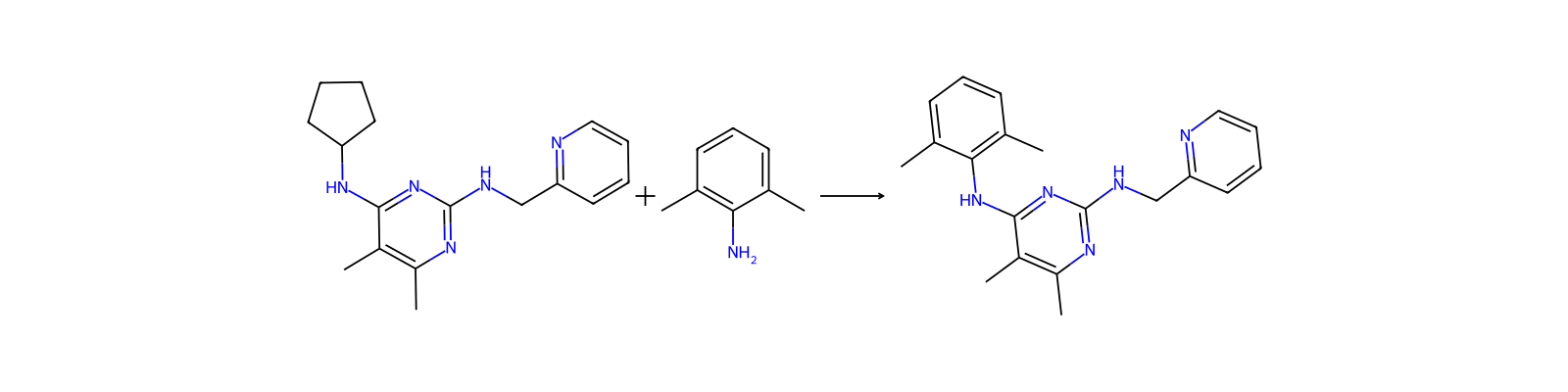
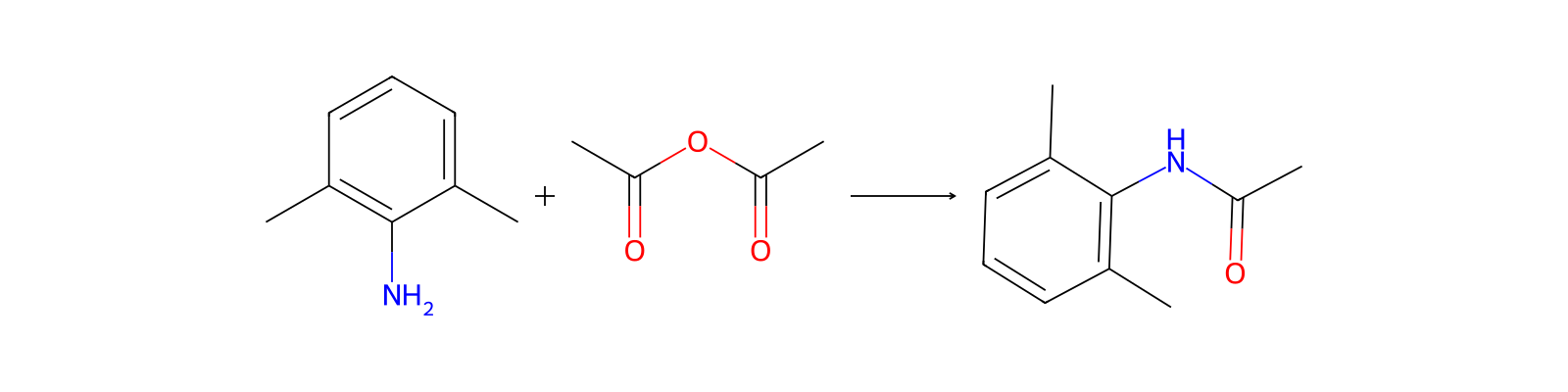
373 records



Linked notes
Loading…