
Diethylcarbamoyl chloride
Completing data — refresh the page later to see the latest

Basic information
- CAS
88-10-8- Standard SMILES
CCN(CC)C(=O)Cl- InChIKey
OFCCYDUUBNUJIB-UHFFFAOYSA-N- Molecular formula
- C5H10ClNO
- Average molar mass
- 135.59 g/mol
- Monoisotopic mass
- 135.04509162
Overview
structure
Names & identifiers
- Preferred name
- Diethylcarbamoyl chloride
- IUPAC
- N,N-diethylcarbamoyl chloride
- English name
- Diethylcarbamyl chloride
- Molecular formula
- C5H10ClNO
- Molecular weight
- 135.59
Names & synonyms
DIETHYLCARBAMOYL CHLORIDE88-10-8Diethylcarbamyl chlorideN,N-Diethylcarbamoyl chlorideCarbamic chloride, diethyl-Diethylcarbamic chlorideDiethylchloroformamideCarbamoyl chloride, diethyl-N,N-DiethylchloroformamideCarbamidoyl chloride, diethyl-DTXSID0052598Diethylamid kyseliny chlormravenci
Show more names
DECCC5H10ClNON, 97.0%(GC&TN, 97.0%(GC&T)Diethylcarbamyl chlodiethyl-carbamicchlorid
5RIV1U6H5WCarbamic chloride, N,N-diethyl-NSC-223067DTXCID1031171RefChem:133482201-798-5N,N-Diethylcarbamyl chlorideN,N-diethylcarbamic chloride
Database identifiers
- CAS
88-10-8- PubChem CID
- 6916
- DTXSID
DTXSID0052598- ChEMBL
CHEMBL3559788- UNII
- 5RIV1U6H5W
- EC Number
- 201-798-5
- Nikkaji
- J33.934B
Properties
Computed structural propertiesFilling in
- XLogP
- 1.4
- Topological polar surface area
- 20.3 Ų
- Hydrogen bond donors
- 0
- Hydrogen bond acceptors
- 1
- Rotatable bonds
- 2
- Heavy atoms
- 8
- Formal charge
- 0
- Complexity
- 80.5
Experimental & physicochemical properties
Chemical Classes
Toxic Gases & Vapors -> Acid Halides
Flammable agents - 2nd degree
SpringerMaterials PropertiesNuclear quadrupole resonance spectroscopy
Color/FormLiquid
SolubilitySOL IN WATER
Flash Point
163 - 172 °C
325-342 °F (OPEN CUP)
Boiling Point186 °C
DecompositionWHEN HEATED TO DECOMP, EMITS HIGHLY TOXIC FUMES OF /HYDROGEN CHLORIDE AND NITROGEN OXIDES/.
Melting Point-32 °C
Vapor Density4.1 (Air= 1)
Vapor Pressure0.72 [mmHg]
Safety & regulation
Safety information is for reference only and does not replace the supplier’s Safety Data Sheet (SDS), applicable regulations, or professional assessment.
GHS classification
GHS Classification
Warning
H302: Harmful if swallowed [Warning Acute toxicity, oral]
P203, P261, P264, P264+P265, P270, P271, P280, P301+P317, P302+P352, P304+P340, P305+P351+P338, P317, P318, P319, P321, P330, P332+P317, P337+P317, P362+P364, P403+P233, P405, and P501 (click each P-code to see the statement)
Warning
H302 (100%): Harmful if swallowed [Warning Acute toxicity, oral]
P203, P261, P264, P264+P265, P270, P271, P280, P301+P317, P302+P352, P304+P340, P305+P351+P338, P317, P318, P319, P321, P330, P332+P317, P337+P317, P362+P364, P403+P233, P405, and P501 (click each P-code to see the statement)
Hazard information
Regulatory Information
Status: Active Update: 19-06-2017 https://echa.europa.eu/registration-dossier/-/registered-dossier/19790
The New Jersey Worker and Community Right to Know Act requires public and private employers to provide information about hazardous substances at their workplaces. (N.J.S.A. 34:5A-1 et. seq.)
Hazards Summary
A skin, eye, and respiratory tract irritant; Harmful by ingestion and inhalation; [eChemPortal: ESIS] Intraperitoneal LD50 (mouse) = 750 mg/kg; [HSDB] Reacts violently with water; An irritant; [MSDSonline] Could be carcinogenic for man but not conclusive because of insufficient data; [MAK] See Dimethyl carbamoyl chloride.
NFPA Hazard Classification
2 - Materials that, under emergency conditions, can cause temporary incapacitation or residual injury.
1 - Materials that must be preheated before ignition can occur. Materials require considerable preheating, under all ambient temperature conditions, before ignition and combustion can occur.
2 - Materials that readily undergo violent chemical changes at elevated temperatures and pressures.
W - No water: Materials that react violently or explosively with water.
Chemistry & industry
Uses & manufacturing
Uses
Used as an intermediate in the synthesis of herbicides; [HSDB]
INTERMEDIATE IN SYNTHESIS OF HERBICIDES
Methods of ManufacturingDiethylamine + phosgene (phosgenation)
General Manufacturing InformationCarbamic chloride, N,N-diethyl-: ACTIVE
Applications
DescriptionDiethylcarbamoyl chloride is a colorless liquid.Molecular weight=135.61; Boiling point=186-190℃;Melting point=244; Flash point=163-172℃. HazardIdentification (based on NFPA-704 M Rating System):Health 2, Flammability 1, Reactivity 2. Soluble in water(reactive).
UsesIt is used in the production of pharma ingredients. It is a reagent in the synthesis of S-Methyl-N,N-diethylthiocarbamate Sulfoxide, which is an oxygenated metabolite of Disulfiram (Antabuse) that is capable of in vitro inactivation of liver mitochondrial aldehyde dehydrogenase.
Upstream & downstream products
Upstream raw materials
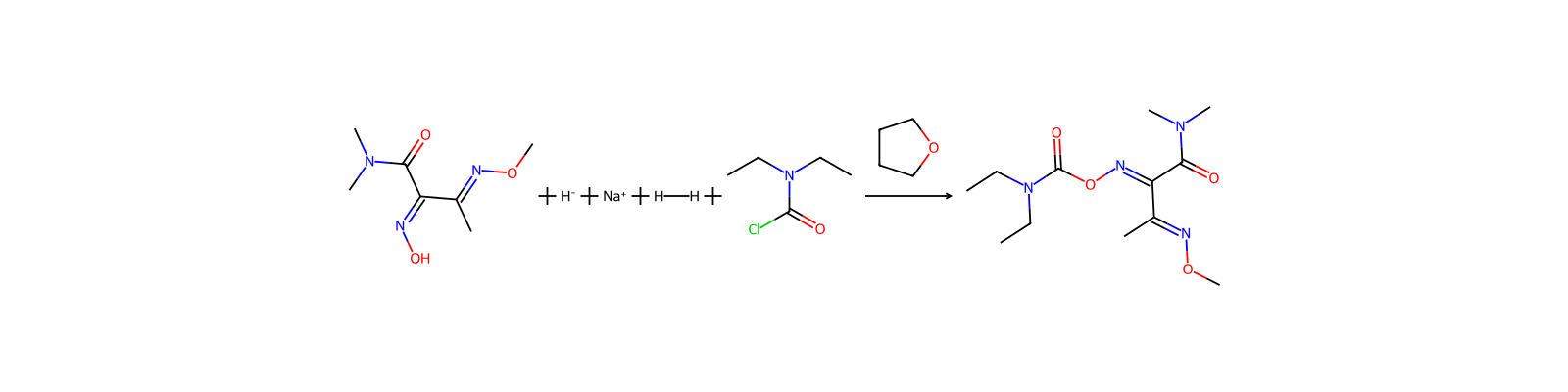
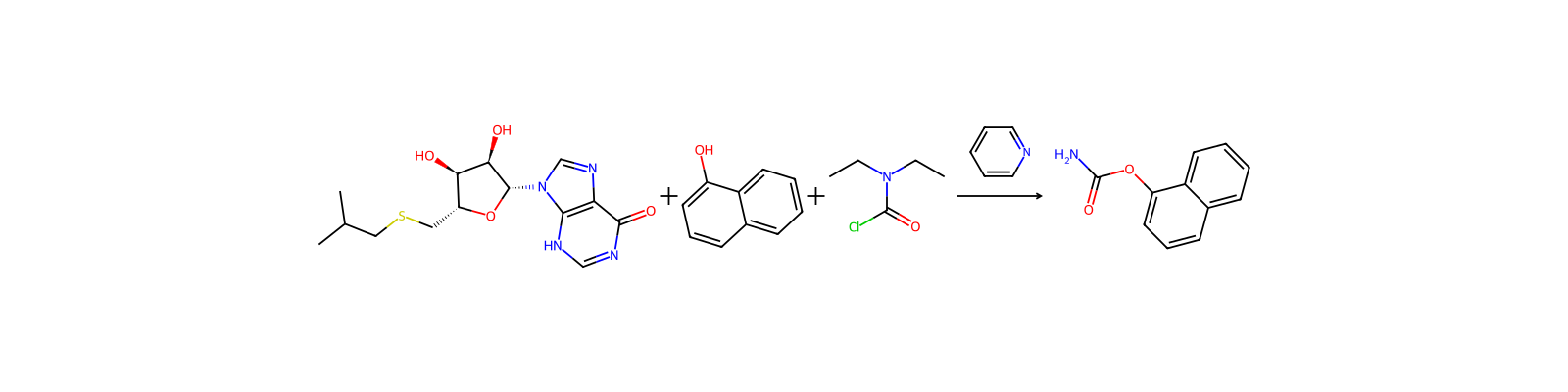
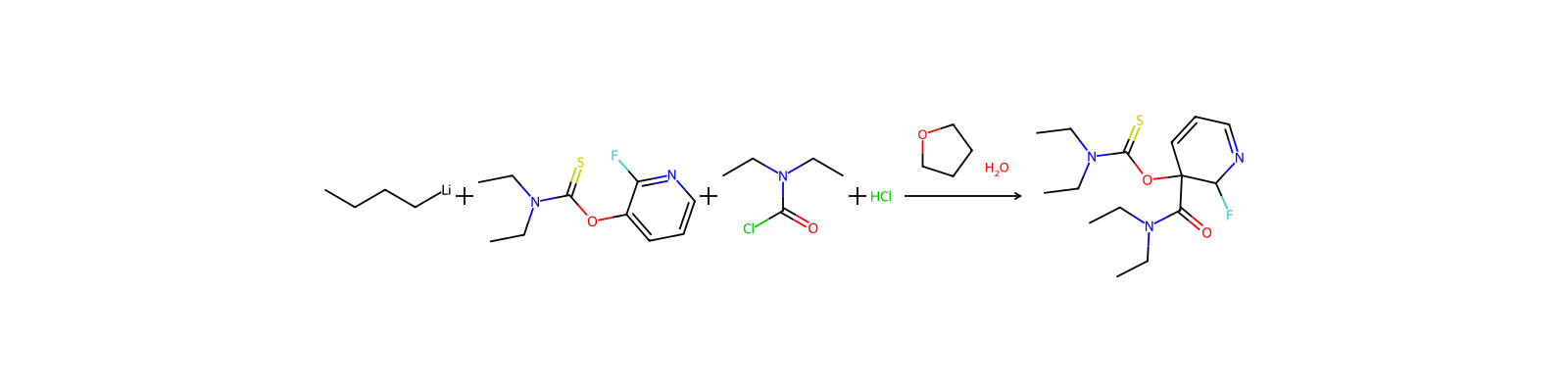
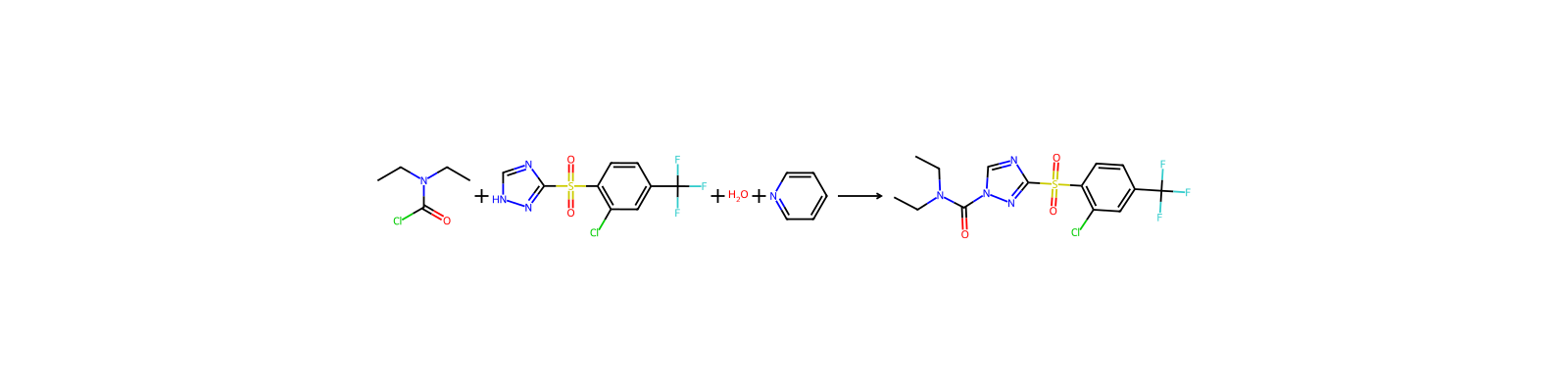
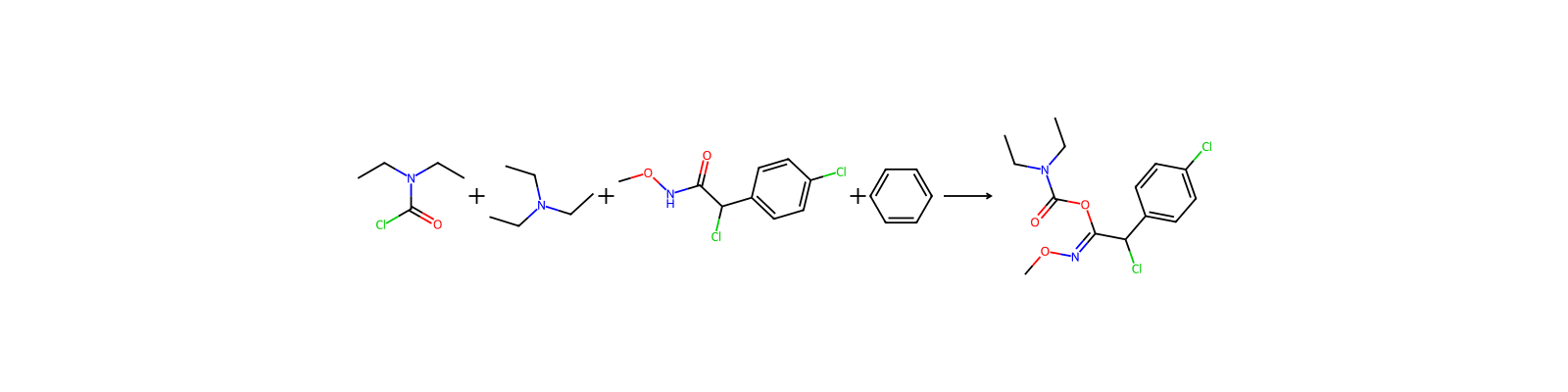
Related reactions
275 records


Compound notes
Loading…