
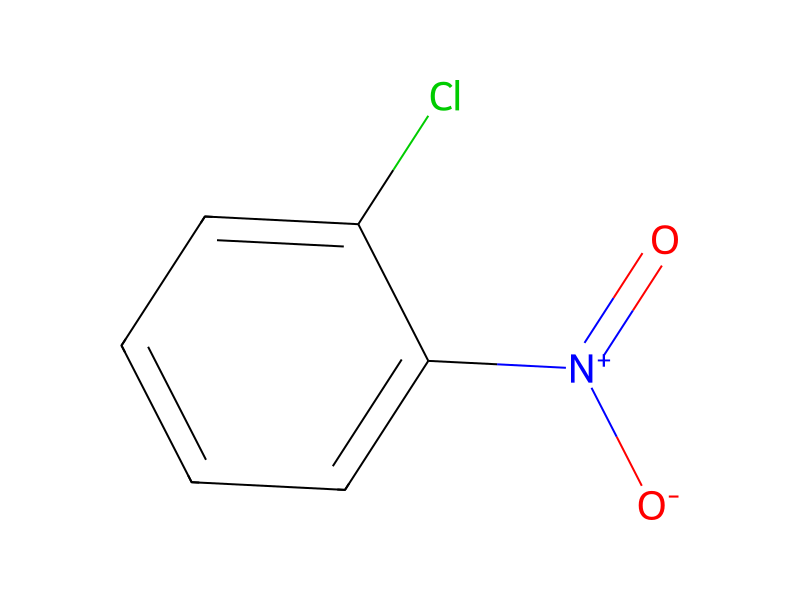
Basic information
- Standard SMILES
O=[N+]([O-])c1ccccc1Cl- InChIKey
BFCFYVKQTRLZHA-UHFFFAOYSA-N- Molecular formula
- C6H4ClNO2
- Average molar mass
- 157.55 g/mol
- Monoisotopic mass
- 156.99305605
Overview
2-Chloronitrobenzene can cause cancer according to California Labor Code.
Names & identifiers
- Preferred name
- 1-Chloro-2-nitrobenzene
- IUPAC
- 1-chloro-2-nitrobenzene
- English name
- chloronitrobenzene
- Molecular formula
- C6H4ClNO2
- Molecular weight
- 157.55446
Names & synonyms
2-Chloronitrobenzene1-CHLORO-2-NITROBENZENE88-73-3o-Chloronitrobenzene2-Nitrochlorobenzeneo-Nitrochlorobenzene2-Chloro-1-nitrobenzeneONCB1-Nitro-2-chlorobenzeneBenzene, 1-chloro-2-nitro-ortho-chloronitrobenzeneDTXSID0020280
Show more names
NITROCHLOROBENZENEaltitranchloronitrobenzenemononitrochlorobenzeneMONOCHLORONITROBENZENENitrochlobenzol (2,3,4-isomers)Chloronitrobenzene, isomer mixture
D1YI9R2K8O1-ChloronitrobenzeneNSC-36934DTXCID80280CHEBI:342702-CNBRefChem:75364201-854-9
Database identifiers
- CAS
25167-93-5、88-73-3- PubChem CID
- 6945
- DTXSID
DTXSID0020280- ChEMBL
CHEMBL53330- ChEBI
CHEBI:34270- UNII
- D1YI9R2K8O
- EC Number
- 201-854-9、246-695-6
- Nikkaji
- J3.546G
Properties
Computed structural properties
- XLogP
- 2.2
- Topological polar surface area
- 45.8 Ų
- Hydrogen bond donors
- 0
- Hydrogen bond acceptors
- 2
- Rotatable bonds
- 0
- Heavy atoms
- 10
- Formal charge
- 0
- Complexity
- 134
Experimental & physicochemical properties
Chemical ClassesNitrogen Compounds -> Nitros, Aromatic
SpringerMaterials Properties13C nuclear magnetic resonance spectrum
LogP
log Kow = 2.52
2.24
2.36
Density
1.368 at 71.6 °F (USCG, 1999) - Denser than water; will sink
1.368 g/L at 242 °C
1.4 g/cm³
Relative density of the vapour/air-mixture at 20 °C (air = 1): 1.03
Viscosity2.09X10-3 Pa-s at 317.65 deg K
Color/Form
Yellow crystals
Monoclinic needles
Solubility
less than 0.1 mg/mL at 67.8 °F (NTP, 1992)
Sol in alcohol, benzene, ether
VERY SOL IN ACETONE, PYRIDINE; SOL IN TOLUENE, METHANOL, CARBON TETRACHLORIDE
In water, 441 mg/L at 25 °C
Water solubility = 2800 uM (440 mg/l) at 20 °C
Solubility in water: none
Flash Point
261 °F (NTP, 1992)
127 °C
127 °C
124 °C c.c.
Boiling Point
475 °F at 760 mmHg (NTP, 1992)
245.5 °C
246 °C
Melting Point
90 to 91 °F (NTP, 1992)
32 °C
33 °C
Vapor Density
5.44 (NTP, 1992) - Heavier than air; will sink (Relative to Air)
Relative vapor density (air = 1): 5.4
Vapor Pressure
0.4 mmHg at 77 °F (NTP, 1992)
0.01 [mmHg]
0.018 mm Hg at 25 °C
Vapor pressure, kPa at 20 °C: 0.6
Physicochemical properties
- Boiling point
- 241.15 °C · 241.15°C (rough estimate)
- Density
- 1.3768 · 1.3768 (rough estimate)
- refractive index
- 1.587 · 1.5870 (estimate)
- CAS DataBase Reference
- 25167 · 25167-93-5
- FDA UNII
- 846 GSP547V · 846GSP547V
- EPA Substance Registry System
- Chloronitrobenzene (25167-93-5)
- RIDADR
- 1578 · UN 1578 6.1/PG II (CHLORONITROBENZENES, SOLID)
- HazardClass
- 6.1 · 6.1
- PackingGroup
- II
Safety & regulation
GHS classification
GHS Classification
This chemical does not meet GHS hazard criteria for 0.6% (1 of 173) of reports.
Danger
H301 (93.6%): Toxic if swallowed [Danger Acute toxicity, oral]
P203, P260, P261, P262, P264, P270, P271, P273, P280, P301+P316, P302+P352, P304+P340, P316, P318, P319, P321, P330, P361+P364, P391, P403+P233, P405, and P501 (click each P-code to see the statement)
Aggregated GHS information provided per 173 reports by companies from 15 notifications to the ECHA C&L Inventory. Each notification may be associated with multiple companies.
Danger
Hazard information
Regulatory Information
Chemical: Benzene, 1-chloro-2-nitro-
Hazard Traits - Carcinogenicity
Status: Active Update: 16-03-2021 https://echa.europa.eu/registration-dossier/-/registered-dossier/2002
2-Chloronitrobenzene: Does not have an individual approval but may be used under an appropriate group standard
Other Safety InformationEvaluation - Benzene, 1-chloro-2-nitro- (2-chloronitrobenzene)
DOT Label
Poison
Poison
Fire Hazards
Excerpt from ERG Guide 152 [Substances - Toxic (Combustible)]:
Special Hazards of Combustion Products: Ignites at high temperatures with evolution of nitrogen oxide and chloride fumes.
Combustible. Many reactions may cause fire or explosion. Gives off irritating or toxic fumes (or gases) in a fire. Finely dispersed particles form explosive mixtures in air.
Health Hazards
Excerpt from ERG Guide 152 [Substances - Toxic (Combustible)]:
INHALATION: Headache, languour, anemia. Irritation of nose and throat, cyanosis, shallow respiration, convulsions, and coma. EYES: Irritation. SKIN: Irritation. INGESTION: Forms methemoglobin giving rise to cyanosis and blood changes. (USCG, 1999)
Hazards Summary
Crystals may cause severe skin burns. [HSDB] Listed in a table of Industrial Chemicals for Which Methemoglobin Formation is the Principal Cause of Toxicity; [ACGIH] In the United Kingdom between 1961 and 1980, chloroaniline, p-toluidine, nitrobenzene, and nitrochlorobenzene were the most common industrial causes of methemoglobinemia. Dermal exposure was a more frequent route of toxicity than inhalation with these compounds. (Ellenhorn, M.J. and D.G. Barceloux. Medical Toxicology - Diagnosis and Treatment of Human Poisoning. New York, NY: Elsevier Science Publishing Co., Inc. 1988.) Can cause methemoglobinemia after acute exposure and anemia and liver damage after chronic exposure; [ICSC]
Reactive Group
Nitro, Nitroso, Nitrate, and Nitrite Compounds, Organic
Nitro, Nitroso, Nitrate, and Nitrite Compounds, Organic
UN ClassificationUN Hazard Class: 6.1; UN Pack Group: II
Special ReportsDHHS/NTP; NTP Technical Report on Toxicity Studies of 2-Chloronitrobenzene and 4-Chloronitrobenzene Administered by Inhalation to F344/N Rats and B6C3F1 Mice. Toxicity Rpt Series No.33 NIH Publication No. 93-3382 (1993)
Reactivity Profile
Organonitrate compounds range from slight to strong oxidizing agents. If mixed with reducing agents, including hydrides, sulfides and nitrides, they may begin a vigorous reaction that culminates in a detonation. The aromatic nitro compounds may explode in the presence of a base such as sodium hydroxide or potassium hydroxide even in the presence of water or organic solvents. The explosive tendencies of aromatic nitro compounds are increased by the presence of multiple nitro groups.
O-NITROCHLOROBENZENE is incompatible with strong bases and strong oxidizing agents. It will react with ammonia. (NTP, 1992)
Atmospheric Standards
This action promulgates standards of performance for equipment leaks of Volatile Organic Compounds (VOC) in the Synthetic Organic Chemical Manufacturing Industry (SOCMI). The intended effect of these standards is to require all newly constructed, modified, and reconstructed SOCMI process units to use the best demonstrated system of continuous emission reduction for equipment leaks of VOC, considering costs, non air quality health and environmental impact and energy requirements. o-Chloronitrobenzene is produced, as an intermediate or a final product, by process units covered under this subpart.
Chemical Dangers
Decomposes on burning. This produces toxic and corrosive fumes of nitrogen oxides, chlorine (see ICSC 0126), hydrogen chloride (see ICSC 0163) and phosgene (see ICSC 0007). The substance is a strong oxidant. It reacts violently with combustible and reducing materials.
Safety & protection
Fire Fighting
Excerpt from ERG Guide 152 [Substances - Toxic (Combustible)]:
Fire Extinguishing Agents: Water spray, foam, carbon dioxide, dry chemical (Water or foam may cause frothing). (USCG, 1999)
Use water spray, dry powder, foam, carbon dioxide. Combat fire from a sheltered position.
First Aid Measures
Fresh air, rest. Artificial respiration may be needed. Refer for medical attention.
Remove contaminated clothes. Rinse and then wash skin with water and soap.
Rinse with plenty of water (remove contact lenses if easily possible).
Rinse mouth. Refer for medical attention .
First Aid
Excerpt from ERG Guide 152 [Substances - Toxic (Combustible)]:
EYES: First check the victim for contact lenses and remove if present. Flush victim's eyes with water or normal saline solution for 20 to 30 minutes while simultaneously calling a hospital or poison control center. Do not put any ointments, oils, or medication in the victim's eyes without specific instructions from a physician. IMMEDIATELY transport the victim after flushing eyes to a hospital even if no symptoms (such as redness or irritation) develop.
Safe StorageSeparated from combustible substances, reducing agents and food and feedstuffs. Ventilation along the floor. Store in an area without drain or sewer access. Provision to contain effluent from fire extinguishing.
Exposure Control and Personal ProtectionBiological Exposure Indices (BEI) [ACGIH] - Methemoglobin in blood = 1.5% of hemoglobin during or end of shift
Fire Fighting Procedures
Water may cause foaming or frothing. Use water spray, dry chemical, foam, or carbon dioxide. /chloronitrobenzenes/
If material on fire or involved in fire: Do not extinguish fire unless flow can be stopped. Use water in flooding quantities as fog. Solid streams of water may be ineffective. Cool all affected containers with flooding quantities of water. Apply water from as far a distance as possible. Use foam, dry chemical, or carbon dioxide. /Chloronitrobenzenes, ortho, liquid/
Storage Conditions
Store in cool, dry, well-ventilated location. Separate from alkalies and oxidizing materials. /chloronitrobenzenes/
Containers should be tightly sealed, and is preferably stored in a cool and dark place.
Cleanup Methods
Environmental considerations-land spill: Dig a pit, pond, lagoon, holding area to contain liquid or solid material. /SRP: If time permits, pits, ponds, lagoons, soak holes, or holding areas should be sealed with an impermeable flexible membrane liner./ Cover solids with a plastic sheet to prevent dissolving in rain or fire fighting water. Dike surface flow using soil, sand bags, foamed polyurethane, or foamed concrete. Absorb bulk liquid with fly ash, cement powder, or commercial sorbents. /Chloronitrobenzenes, ortho, liquid/
Environmental considerations-water spill: Use natural barriers or oil spill control booms to limit spill travel. Use natural deep water pockets, excavated lagoons, or sand bag barriers to trap material at bottom. Remove trapped material with suction hoses. /Chloronitrobenzenes, ortho, liquid/
Environmental considerations-air spill: Apply water spray or mist to knock down vapors. /Chloronitrobenzenes, ortho, liquid/
Nonfire Spill Response
Excerpt from ERG Guide 152 [Substances - Toxic (Combustible)]:
SMALL SPILLS AND LEAKAGE: Should a spill occur while you are handling this chemical, FIRST REMOVE ALL SOURCES OF IGNITION, then you should dampen the solid spill material with 60-70% ethanol and transfer the dampened material to a suitable container. Use absorbent paper dampened with 60-70% ethanol to pick up any remaining material. Seal the absorbent paper, and any of your clothes, which may be contaminated, in a vapor-tight plastic bag for eventual disposal. Solvent wash all contaminated surfaces with 60-70% ethanol followed by washing with a soap and water solution. Do not reenter the contaminated area until the Safety Officer (or other responsible person) has verified that the area has been properly cleaned.
Disposal Methods
SRP: The most favorable course of action is to use an alternative chemical product with less inherent propensity for occupational exposure or environmental contamination. Recycle any unused portion of the material for its approved use or return it to the manufacturer or supplier. Ultimate disposal of the chemical must consider: the material's impact on air quality; potential migration in soil or water; effects on animal, aquatic, and plant life; and conformance with environmental and public health regulations.
Spillage Disposal
Personal protection: complete protective clothing including self-contained breathing apparatus. Do NOT let this chemical enter the environment. Sweep spilled substance into sealable containers. If appropriate, moisten first to prevent dusting. Carefully collect remainder. Then store and dispose of according to local regulations. Do NOT absorb in saw-dust or other combustible absorbents.
Preventive Measures
SRP: Local exhaust ventilation should be applied wherever there is an incidence of point source emissions or dispersion of regulated contaminants in the work area. Ventilation control of the contaminant as close to its point of generation is both the most economical and safest method to minimize personnel exposure to airborne contaminants.
AN EFFECTIVE HEALTH PROGRAM TO PREVENT HEALTH IMPAIRMENT DUE TO EXPOSURE TO AROMATIC NITRO-COMPOUNDS REQUIRES EXPOSURE CONTROL AND MEDICAL SUPERVISION MEASURES.
If material not on fire and not involved in fire: Keep sparks, flames, and other sources of ignition away. Keep material out of water sources and sewers. Build dikes to contain flow as necessary. Attempt to stop leak if without hazard. Use water spray to knock-down vapors. /Chloronitrobenzenes, ortho, liquid/
Evacuation: If material leaking (not on fire) consider evacuation from downwind area based on amount of material spilled, location and weather conditions. /Chloronitrobenzenes, ortho, liquid/
For more Preventive Measures (Complete) data for 1-CHLORO-2-NITROBENZENE (7 total), please visit the HSDB record page.
Toxicology
Ecotoxicity Values
LC50 Daphnia magna /(Water flea)/ 12 mg/L/24 hr /Conditions of bioassay not specified in source examined/
LC50 Oryzias latipes /(Japanese medaka)/ 28 mg/L/48 hr /Conditions of bioassay not specified in source examined/
LC50; Species: Daphnia magna (Water flea); Conditions: freshwater, static; Concentration: 49000 ug/L for 48 hr />99.9% purity/
LC50; Species: Daphnia magna (Water flea, <24 hr old); Conditions: freshwater, static, 20 °C, pH 8.2, hardness 250 mg/L CaCO3, dissolved oxygen >6.5 mg/L; Concentration: 24000 ug/L for 48 hr (95% confidence interval: 18000-32000 ug/L) />99% purity/
For more Ecotoxicity Values (Complete) data for 1-CHLORO-2-NITROBENZENE (11 total), please visit the HSDB record page.
Environmental Fate
TERRESTRIAL FATE: Based on a classification scheme(1), an estimated Koc value of 316(SRC), determined from a structure estimation method(2), indicates that 1-chloro-2-nitrobenzene is expected to have moderate mobility in soil(SRC). Volatilization of 1-chloro-2-nitrobenzene from moist soil surfaces is expected to be an important fate process(SRC) given a Henry's Law constant of 9.3X10⁻⁶ atm-cu m/mole(3). 1-Chloro-2-nitrobenzene is not expected to volatilize from dry soil surfaces(SRC) based upon a vapor pressure of 0.018 mm Hg at 25 °C(4). Screening tests using activated sludge(5), suggest biodegradation of 1-chloro-2-nitrobenzene proceeds slowly in soil.
AQUATIC FATE: Based on a classification scheme(1), an estimated Koc value of 316(SRC), determined from a structure estimation method(2), indicates that 1-chloro-2-nitrobenzene is expected to adsorb to suspended solids and sediment(SRC). Volatilization from water surfaces is expected(3) based upon a Henry's Law constant of 9.3X10⁻⁶ atm-cu m/mole(4). Using this Henry's Law constant and an estimation method(3), volatilization half-lives for a model river and model lake are 80 hours and 40 days, respectively(SRC). According to a classification scheme(5), BCF values of 7.0-22.3 measured in fish(6), suggests bioconcentration in aquatic organisms is low(SRC). Screening tests using river water(7) and activated sludge(6), suggest biodegradation of 1-chloro-2-nitrobenzene proceeds slowly in water. Weak absorption of UV light greater than 290 nm in methanol indicates potential for photolysis of 1-chloro-2-nitrobenzene in sunlit surface water(8).
ATMOSPHERIC FATE: According to a model of gas/particle partitioning of semivolatile organic compounds in the atmosphere(1), 1-chloro-2-nitrobenzene , which has a vapor pressure of 0.018 mm Hg at 25 °C(2), is expected to exist solely as a vapor in the ambient atmosphere. Vapor-phase 1-chloro-2-nitrobenzene is degraded in the atmosphere by reaction with photochemically-produced hydroxyl radicals(SRC); the half-life for this reaction in air is estimated to be 94 days(SRC), calculated from its rate constant of 1.7X10⁻¹³ cu cm/molecule-sec at 25 °C(SRC) that was derived using a structure estimation method(3). Weak absorption of UV light greater than 290 nm by 1-chloro-2-nitrobenzene in methanol indicates the potential for photolysis by sunlight of 1-chloro-2-nitrobenzene in air(4).
Adverse EffectsOccupational hepatotoxin - Secondary hepatotoxins: the potential for toxic effect in the occupational setting is based on cases of poisoning by human ingestion or animal experimentation.
Exposure RoutesThe substance can be absorbed into the body by inhalation, through the skin and by ingestion.
Toxicity Summary
Human Health: After single oral application 1-chloro-2-nitrobenzene is toxic to moderate toxic ... ; the acute inhalative and dermal toxicity is moderate ...: Cyanotic appearance was the predominant symptom for all routes of application. ... 1-Chloro-2-nitrobenzene caused slight irritation effects to the eyes of rabbits, which were reversible within 24 hours. Due to the limited and poor quality information available regarding skin sensitization, it cannot be concluded whether or not the chemical has a sensitizing activity. Target organs of repeated dose toxicity in rats and mice are blood, liver, kidney and spleen with methemogobinemia as the most sensitive parameter. The repeated dose toxicity was examined in rats and in mice for a period of 13 weeks via whole body inhalation. The NOAEL in rats was not achieved, the LOAEL is 1.1 ppm (7 mg/cu m). In mice, increased liver and kidney weights were observed even at 1.1 ppm and respectively 2.3 ppm. The NOAEL for histopathological injury in mice is 4.5 ppm (28.8 mg/cu m). In a subacute feeding study with mice the NOAEL was 50 ppm (males: 16 mg/kg bw/day; females: 24 mg/kg bw/day). 1-Chloro-2-nitrobenzene showed weak mutagenic activity in bacterial test systems but not in mammalian cell test systems in vitro. It was not mutagenic in Drosophila melanogaster . In mammalian cells in vitro, it showed weak clastogenic activity. The substance induced increased rates of Sister Chromatid Exchanges, whereas the biological relevance of this effect is not yet clear. Intraperitoneal injection into mice resulted in DNA damage in the liver and kidney. The inconsistent results of the available genotoxic studies are typical for nitroaromatics. As a whole 1- chloro-2-nitrobenzene is suspected of being genotoxic, at least a weak clastogen. 1-Chloro-2-nitrobenzene induced tumors in different organs of rats and in the liver of mice. Based on the available studies, which have methodological deficiencies, there is a concern for a carcinogenic potential of 1-chloro-2- nitrobenzene. Following inhalative exposure of F344/N rats and B6C3F1 mice for 13 weeks, only in males 1- chloro-2-nitrobenzene affects the reproductive organs. Performance of a specific study on toxicity to reproduction (NTP continuous breeding protocol) reveals that 1-chloro-2-nitrobenzene was without reproductive toxicity in a different mice strain following oral treatment by gavage despite of significant changes in liver and spleen weight and despite of elevated methaemoglobin levels. Thus, the NOAEL fertility in Swiss CD-1 mice after oral application is 160 mg/kg bw/day whereas the dams showed general toxicity effects at this concentration. Because 1-choro-2- nitrobenzene affected the reproductive organs in systemic toxic doses in male rats and in males of one strain of mice after subchronic inhalation there is a concern for a reproductive toxicity potential, even if an impairment of reproduction after oral administration in males of a second strain of mice could not be detected. Developmental toxicity was examined by two studies with Sprague-Dawley rats which have methodology deficiencies. In one study, due to high mortality rate at the highest dose level, only two doses could be evaluated. NOAEL maternal toxicity is 25 mg/kg bw/day, a NOAEL developmental toxicity could not be conclusively derived since there was an increase in the number of litters exhibiting specific skeletal variations. In the second study only one dose was applied: NOAEL developmental toxicity is 100 mg/kg bw/day, a NOAEL maternal toxicity could not be derived. Based on the available studies the overall conclusion is, that there is no indication of developmental toxicity, although there are some limitations within the studies. Environment: ... The acute toxicity has been determined for: fish (Cyprinus carpio) with a 96 hr-LC50 of 25.5 mg/L; daphnia (Daphnia magna) with a 24 hr-EC50of 12 mg/L and a 48 hr-EC50 of 23.9 mg/L, and Daphnia carinata with a 48 hr-EC50 of 21.3 mg/L; algae (Chlorella pyrenoidosa) with a 96 hr-EbC50 of 6.9 mg/L. With another alga species (Secendesmus subspicatus) a 48 hr-ErC50 of 75 mg/L and a 48h-ErC10 of 19 mg/L was found. Chronic toxicity has been tested for Daphnia magna with a 21 d-NOEC of 3 mg/L on reproduction (measured concentration) and for fish (Pimephales promelas) in an Early Life Stage Test with a 33 d-NOEC of 0.264 mg/L concerning the endpoint normal larvae (measured concentration). A PNECaqua of 0.026 mg/L is derived using an assessment factor of 10. In a test with terrestrial plants a 14 d-EC50 in the range of 3.2 - 10 mg/kg soil dry weight was determined for Lactuca sativa regarding the endpoint of growth. APNECsoil of 3.2 ug/kg bw was derived from this value using an assessment factor of 1000.
Ecotoxicity Excerpts
/AQUATIC SPECIES/ An Early Life Stage Test was conducted in an analytically monitored flow through system with Pimephales promelas. In a first step 50 embryos were tested on hatchability and development after 4-5 days of incubation. In a second step 15 randomly selected frys from the initial egg cups where observed on their further development for 33 days. The 33 day-NOEC was determined ... to be 0.264 mg/L based on the endpoint 'normal larvae' related to the hatched larvae. The review of the raw data of the study shows that at the next higher test concentration of 0.530 mg/L a statistically significant effect compared to the control could be observed, however, there is no dose-effect relation for this endpoint at higher test concentrations. The highest test concentration of 3.9 mg/L shows less normal larvae after hatch with a deviation of 7% compared to the control. Apart from that regarding the endpoint 'normal larvae related to initial embryos' no effect at any concentration can be seen. Regarding 'weight' and 'length' of the fry, at both endpoints a deviation to the control of >5% can be seen at a concentration of 2.04 mg/L. Also for this endpoint there is no dose-effect relationship seen at the next higher concentration. As statistically significant effects for the endpoint "normal larvae" were seen at concentrations above 0.264 mg/L... .
/AQUATIC SPECIES/ Twenty-one-day Daphnia reproduction tests were conducted in line with the provisional procedure proposed by the Federal Environmental Agency (Umweltbundesamt, FRG), as of Jan 1, 1984. Groups of 20, 24-hr old Daphnia magna Straus were exposed to 0.125 to 16 mg/L 1-chloro-2-nitrobenzene in semi-static test vessels. Parent animals in the test and control vessels had to be pipetted 3 times/week in freshly prepared test and control media at the corresponding concentration level. The no observed effect concentration (NOEC) was determined from the parameters of mortality of the parent animals, reproduction rate and appearance of the first offspring during the test period. In preliminary acute Daphnia tests, the 24 hr EC50 was 12 mg/L for 1-chloro-2-nitrobenzene, the EC0 was 5.0 mg/L. The nominal 21-day no observed effect concentration was 4.0 mg/L.
Signs and Symptoms
Blue lips, fingernails and skin. Dizziness. Headache. Nausea. Vomiting. Weakness.
MAY BE ABSORBED! Further see Inhalation.
Redness.
See Inhalation.
Ongoing Test Status
The following link will take the user to the National Toxicology Program (NTP) Test Agent Search Results page, which tabulates all of the "Standard Toxicology & Carcinogenesis Studies", "Developmental Studies", and "Genetic Toxicity Studies" performed with this chemical. Clicking on the "Testing Status" link will take the user to the status (i.e., in review, in progress, in preparation, on test, completed, etc.) and results of all the studies that the NTP has done on this chemical. [http://ntp-apps.niehs.nih.gov/ntp_tox/index.cfm?fuseaction=ntpsearch.searchresults&searchterm=88-73-3]
Effluent Concentrations
1-Chloro-2-nitrobenzene has been identified in advanced waste treatment water in Orange County, CA(1). 1,2-, 1,3- and 1,4-chloronitrobenzene have been identified in the effluent from 1-chloro-3-nitrobenzene production at a concentration of 1,500-1,800 mg/L(2).
ICSC Environmental DataThe substance is toxic to aquatic organisms.
Medical Surveillance
Medical surveillance is based first of all on pre-employment examinations aimed at detecting susceptible persons with red cell glucose-6-phosphate-dehydrogenase defect and/or sickle-cell trait... periodical examinations should include history, medical observation, blood pressure, pulse, weight, blood and urine analysis and liver function tests as appropriate. Additional blood and urine specimens are collected whenever unusually hazardous conditions or known exposures have been encountered.
Soil Adsorption/Mobility
Using a structure estimation method based on molecular connectivity indices(1), the Koc of 1-chloro-2-nitrobenzene can be estimated to be 316(SRC). According to a classification scheme(2), this estimated Koc value suggests that 1-chloro-2-nitrobenzene is expected to have moderate mobility in soil(SRC).
Regulatory information
Atmospheric Standards
This action promulgates standards of performance for equipment leaks of Volatile Organic Compounds (VOC) in the Synthetic Organic Chemical Manufacturing Industry (SOCMI). The intended effect of these standards is to require all newly constructed, modified, and reconstructed SOCMI process units to use the best demonstrated system of continuous emission reduction for equipment leaks of VOC, considering costs, non air quality health and environmental impact and energy requirements. o-Chloronitrobenzene is produced, as an intermediate or a final product, by process units covered under this subpart.
Safety data
- ridadr
- UN 3409 6.1/PG II (CHLORONITROBENZENES, LIQUID)
- hazard_class
- 6.1
- packing_group
- II
Chemistry & industry
Pharmacology
Metabolism/Metabolites
Yields N-acetyl-S-(o-nitrophenyl)-L-cysteine, o-chloroaniline, 2-chloro-3-nitrophenol, 3-chloro-2-nitrophenol, 3-chloro-4-nitrophenol, 4-chloro-3-nitrophenol in rabbit... . /from table/
The metabolism of radiolabeled monochloronitrobenzene isomers was compared in isolated hepatocytes and hepatic subcellular fractions from male Fischer-344 rats. 2-Chloronitrobenezene was converted by isolated hepatocytes to 2-chloroaniline, 2-chloroaniline-N-glucuronide, and S-(2-nitrophenyl)glutathione in approximately equal quantities (13-19% of the added substrate in 90 min). ... Studies with hepatic microsomes showed that reduction of the chloronitrobenzenes to chloroanilines was inhibited by SKF 525-A, metyrapone, and carbon monoxide, suggesting that cytochrome P-450 played a role in the reaction.
The main metabolic routes for 1-chloro-2-nitrobenzene in the body consist in reduction of the nitro group to an amino group and hydroxylation of the benzene ring. Apart from 2-chloroaniline, the corresponding nitrophenols and aminophenols are formed, which are excreted as conjugates of glucuronic acid and sulfuric acid. 2-chloroaniline also appears in the urine and feces in the unconjugated form. During reduction of the nitro group to the amino group, the hydroxylamine compound is formed as a highly reactive intermediate which has been detected both in vivo in rats, and in vitro.
Metabolism in vitro: radiolabelled (14C) o-chloronitrobenzene was incubated with isolated rat hepatocytes. After 90 min., 71% of the o-chloronitrobenzene had been metabolized; the primary metabolic pathway for o-chloronitrobenzene was reduction to o-chloroaniline (19.2% of the total radioactivity); o-chloronitrobenzene was also conjugated with glutathione; two other very polar metabolites, comprising 14.2% of the total 14C from o-chloronitrobenzene, have not been identified. in order to identify the specific enzymes involved in the metabolism of o-chloronitrobenzene by isolated rat hepatocytes, hepatic subcellular fractions were isolated from rats; microsomes incubated with radiolabelled (14C) o-chloronitrobenzene in the presence of NADPH produced o-chloroaniline under aerobic conditions and SKF 525 A and metyrapone had no effect on the metabolism to o-chloroaniline: these findings suggest that cytochrome P-450 reductase is responsible for o-chloronitrobenzene reduction; radiolabelled o-chloronitrobenzene was also incubated with or without microsomes, cytosol and/or glutathione: o-chloronitrobenzene was converted to S-(2-nitrophenyl)glutathione in the presence of cytosol and glutathione suggesting that cytosolic glutathione transferase is involved in this conjugation (concentration of the test substance unspecified).
For more Metabolism/Metabolites (Complete) data for 1-CHLORO-2-NITROBENZENE (6 total), please visit the HSDB record page.
Absorption, Distribution and Excretion
The effect of dose on the dermal absorption of 2-chloronitrobenzene and 4-chloronitrobenzene was studied in rats. (14)C labeled 2-chloronitrobenzene or 4-chloronitrobenzene was applied to the shaved backs of male Fischer 344 rats at an application rates equivalent to doses of 0, 0.65, 6.5 or 65 mg/kg. Urine and feces samples were collected for 24, 48 or 72 hr and assayed for (14)C activity. Exhaled volatiles were collected in ethanol traps and analyzed. After 72 hr, the rats were /sacrificed/ and their skin removed and analyzed for (14)C activity. Approx 21-27% and 43 to 45% of the 2-chloronitrobenzene and 4-chloronitrobenzene doses, respectively, were eliminated in the urine over 72 hr. Approx 11 to 15% of the 2-chloronitrobenzene dose and 5 to 12% of the 4-chloronitrobenzene dose were excreted over 72 hr. Fecal excretion of 4-chloronitrobenzene showed a dose related incr which was statistically significant only when comparing the 65 mg/kg dose with the 0.65 mg/kg dose. Approx 27 to 32% of 2-chloronitrobenzene derived radioactivity and 13 to 15% of the 4-chloronitrobenzene derived (14)C activity were recovered in the ethanol traps. The amt of collected radioactivity did not depend on dose and consisted of unchanged 2-chloronitrobenzene or 4-chloronitrobenzene. ... An analysis of all (14)C data indicated that the dermal absorption of 2-chloronitrobenzene ... was linear over the entire dose range. Dermal absorption of 4-chloronitrobenzene was linear only after application of 0.65 and 6.5 mg/kg. /Results indicate/ that under the experimental conditions used at least 33 to 40% and 51 to 62% of the applied 2-chloronitrobenzene and 4-chloronitrobenzene doses, respectively, are absorbed from the skin of rats. ... Dermal absorption of 2-chloronitrobenzene is linear over the dose range 0.65 mg/kg to 65 mg/kg. Dermal absorption of 4-chloronitrobenzene is essentially unaffected by dose.
... The dermal absorption of the chemicals was compared, and the absorption, distribution, metabolism, and excretion were partially characterized following oral administration to male F344/N rats. Percutaneous absorption of [14C]-2-chloronitrobenzene and [14C]-4-chloronitrobenzene was demonstrated in rats. For doses ranging from 0.65 to 65 mg/kg of either chemical, 33%; to 40%; of 2-chloronitrobenzene and 51%; to 62%; of 4-chloronitrobenzene were absorbed under nonocclusive conditions. Oral absorption was somewhat higher than dermal absorption for both chemicals, and metabolism was complicated, with over 20 unidentified metabolites isolated from urine of rats given either 2- or 4-chloronitrobenzene.
1-Chloro-2-nitrobenzene, under appropriate conditions of exposure, is absorbed by the body both via the skin and the gastrointestinal tract as well as via the respiratory tract. Rat studies with labelled chemical show that 1-chloro-2-nitrobenzene absorption is 80% following oral administration and at least 40% after open dermal application. 0n 11 consecutive days, 65 mg 1-chloro-2-nitrobenzene/kg bw was administered by gavage to adult and to old rats. On days 1, 5, and 9 applied substance was labelled and urine and feces were collected in the following 96 hours. The adult rats excreted 71-74% of the dose in the urine and 20-27% of the dose in the feces. Excretion rate increased with the duration of treatment. Urinary excretion rate in the old rats consisted 71-85% of the dose and did not increase with the duration of treatment. The radioactivity level in the tissues were determined 72 hours after d9-treatment and shown to be found 5% of the dose in adult rats and 8% in the old rats. At very high doses, e.g. 200 mg/kg bw given orally, urinary excretion is delayed and fecal excretion is markedly suppressed. There is evidence to suggest involvement of the enterohepatic cycle, but there are no signs of accumulation of 1-chloro-2-nitrobenzene or one of its metabolites.
After oral administration of 100 mg 1-chloro-2-nitrobenzene/kg bw to rabbits 42% of the dose was excreted in the urine as glucuronides, 24% as sulfates, 7% as mercapturic acids and 9% as free 2-chloroaniline. Only 2-Chloroaniline (0.3%) could be detected in the feces. 48 hours after administration elimination was complete.
Uses & manufacturing
Uses
Used as an intermediate in the manufacture of o-aminophenol (used as a developer in the photography industry); [HDSB]
CHEM INT FOR CARBOFURAN, A PESTICIDE, OTHER INTS, EG, O-NITROPHENOL, 2-CHLOROANILINE, DYES (FORMER USE)
o-Chloronitrobenzene is used as an intermediate in the manufacture of o-aminophenol (used as a developer in the photography industry).
... important intermediate in preparing ... lumber preservatives ... /and/ corrosion inhibitors.
2-Chloronitrobenzene derivatives find many outlets in the synthesis of colorants and effect chemicals.
U.S. Exports
(1978) No Data
(1982) No Data
U.S. Imports
(1978) 2.32X10+9 G (PRINCPL CUSTMS DISTS)
(1982) 7.30X10+8 G (PRINCPL CUSTMS DISTS)
U.S. Production
(1977) AT LEAST 4.99X10+9 G
(1981) 4.80X10+10 G (ALL ISOMERS-EST)
Production volumes for non-confidential chemicals reported under the Inventory Update Rule. [Table#3093]
This chemical is listed as a High Production Volume (HPV) (65FR81686). Chemicals listed as HPV were produced in or imported into the U.S. in >1 million pounds in 1990 and/or 1994. The HPV list is based on the 1990 Inventory Update Rule. (IUR) (40 CFR part 710 subpart B; 51FR21438).
Methods of Manufacturing
...BY DIAZOTIZING O-NITROANILINE & TREATING DIAZONIUM CMPD WITH CU & HCL...
BY NITRATING CHLOROBENZENE AND PURIFYING BY RECTIFICATION.
NITRATION OF CHLOROBENZENE & PURIFICATION BY FRACTIONAL DISTILLATION
Nitration of chlorobenzene with mixed acid (30/56/14) typically gives an isomer mix in 98% yield consisting of 34 - 36% 2-chloronitrobenzene, 63 - 65% 4-chloronitrobenzene, and only ca. 1% 3-chloronitrobenzene. The ortho - para ratio of about 0.55 is in sharp contrast to the 1.6 obtained with nitrotoluene isomers. ... The mixed product output stream is the same whether produced by a batch or continuous process, and the isomers are separated by a combination of fractional crystallization and distillation.
General Manufacturing InformationBenzene, 1-chloro-2-nitro-: ACTIVE
Applications
General DescriptionEither a clear yellow liquid or solid. Melting point near 89°F. Burns, but difficult to ignite. Denser than water and insoluble in water. Toxic by inhalation and skin absorption. Produces toxic oxides of nitrogen during combustion.
Upstream & downstream products
Downstream products
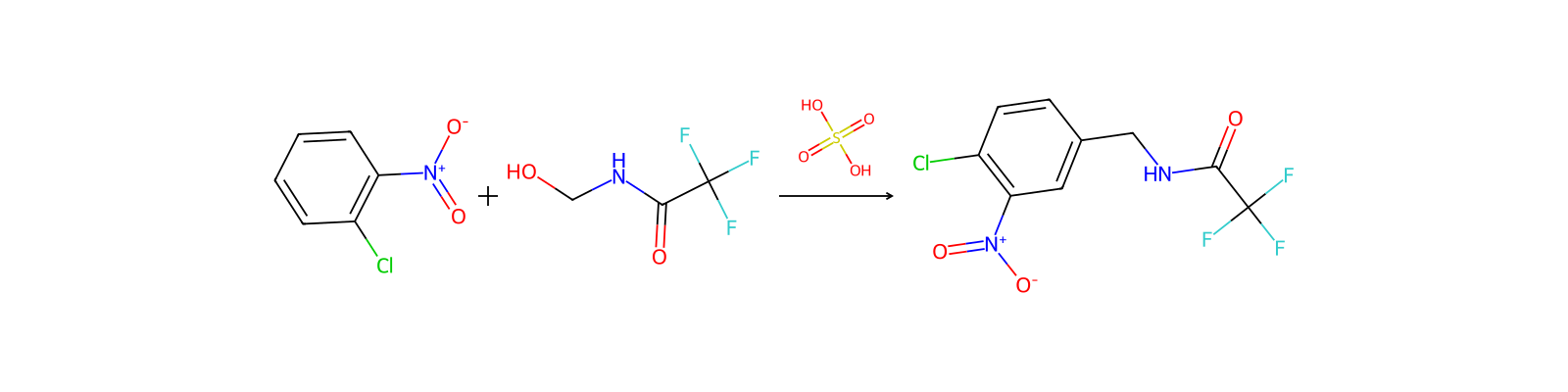
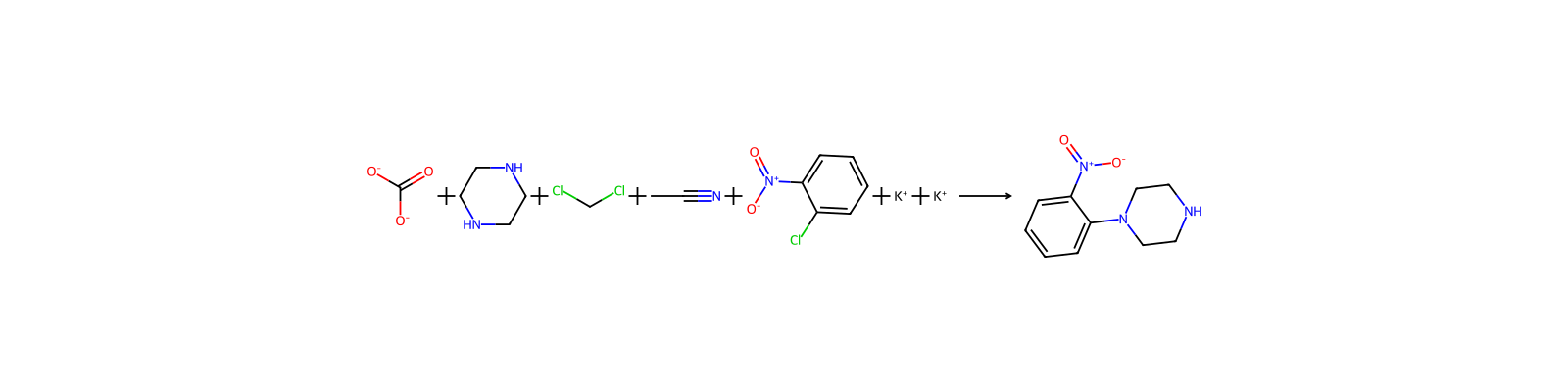
Related reactions
202 records





Linked notes
Loading…