Diethyl bromomalonate
Completing data — refresh the page later to see the latest

Basic information
- CAS
685-87-0- Standard SMILES
CCOC(=O)C(Br)C(=O)OCC- InChIKey
FNJVDWXUKLTFFL-UHFFFAOYSA-N- Molecular formula
- C7H11BrO4
- Average molar mass
- 239.06 g/mol
- Monoisotopic mass
- 237.98407093
Names & identifiers
- Preferred name
- Diethyl bromomalonate
- IUPAC
- diethyl 2-bromopropanedioate
- English name
- Diethyl bromomalonate
- Molecular formula
- C7H11BrO4
- Molecular weight
- 239.06
Names & synonyms
Diethyl bromomalonate685-87-0Diethyl 2-bromomalonateBromomalonic acid diethyl esterEthyl bromomalonatediethyl 2-bromopropanedioate1,3-diethyl 2-bromopropanedioatePropanedioic acid, bromo-, diethyl esterPropanedioic acid, 2-bromo-, 1,3-diethyl esterdiethyl bromopropanedioateMalonic acid, bromo-, diethyl esterMFCD00009138
Show more names
DiethylbrommalonatRARECHEM AL BI 0815Diethyl bromalonateDiethylebromomalonateBROMO DIETHYL MALONATE
.alpha.-Bromomalonic esterDiethyl .alpha.-bromomalonateUN4643QTM3NSC-1985BR12752-bromo-propanedioic acid diethyl esterDiethylbromomalonateDiethyl2-bromomalonate
Database identifiers
- CAS
685-87-0- PubChem CID
- 69637
- DTXSID
DTXSID9060992- UNII
- UN4643QTM3
- EC Number
- 211-683-1
- Nikkaji
- J134.655E
Properties
Computed structural propertiesFilling in
- XLogP
- 1.8
- Topological polar surface area
- 52.6 Ų
- Hydrogen bond donors
- 0
- Hydrogen bond acceptors
- 4
- Rotatable bonds
- 6
- Heavy atoms
- 12
- Formal charge
- 0
- Complexity
- 151
Experimental & physicochemical properties
Chemical ClassesOther Classes -> Halogenated Esters
SpringerMaterials PropertiesRefractive index
Physical DescriptionClear light brown liquid; [Sigma-Aldrich MSDS]
Physicochemical properties
- Melting point
- -54 °C · -54°C
- Boiling point
- 233 · 233-235 °C (lit.)
- Density
- 1.402 g/mL · 1.402 g/mL at 25 °C (lit.)
- refractive index
- 20 · n20/D 1.451(lit.)
- Flash point
- 230 °F · >230 °F
- storage temp.
- 2 · under inert gas (nitrogen or Argon) at 2-8°C
- solubility
- Chloroform, Hexanes
- form
- Liquid
- pka
- 9.29 · 9.29±0.46(Predicted)
Safety & regulation
Safety information is for reference only and does not replace the supplier’s Safety Data Sheet (SDS), applicable regulations, or professional assessment.
GHS classification
GHS Classification
Danger
H314 (100%): Causes severe skin burns and eye damage [Danger Skin corrosion/irritation]
P260, P264, P280, P301+P330+P331, P302+P361+P354, P304+P340, P305+P354+P338, P316, P321, P363, P405, and P501 (click each P-code to see the statement)
Aggregated GHS information provided per 46 reports by companies from 4 notifications to the ECHA C&L Inventory.
Hazard information
Regulatory InformationDiethyl bromomalonate: Does not have an individual approval but may be used under an appropriate group standard
Hazards SummaryCauses burns and lachrymation; Inhalation may cause corrosive injuries to upper respiratory tract; [Sigma-Aldrich MSDS]
Hazard Classes and CategoriesSkin Corr. 1B (100%)
Toxicology
Adverse EffectsDermatotoxin - Skin burns.
Safety data
- F
- 19
- PPE
- Faceshields, Gloves, Goggles, type ABEK (EN14387) respirator filter
- wgk
- 3
- tsca
- TSCA listed
- ridadr
- UN 3265 8/PG 2
- hs_code
- 29171900
- risk_code
- 34
- Signal word
- Danger
Chemistry & industry
Uses & manufacturing
General Manufacturing InformationPropanedioic acid, 2-bromo-, 1,3-diethyl ester: ACTIVE
Applications
UsesDiethyl bromomalonate is used in perfumes. It is also used to synthesize other compounds such as barbiturates, artificial flavorings, vitamin B1, and vitamin B6.
UsesDiethyl Bromomalonate is a chemical constituent of the asymmetric cyclopropanation of chalcones. Also used in the preparation of nanaplatforms for NIR imaging-guided photodynamic therapy of cancer cel ls.
Upstream & downstream products
Upstream raw materials
Downstream products
Related reactions
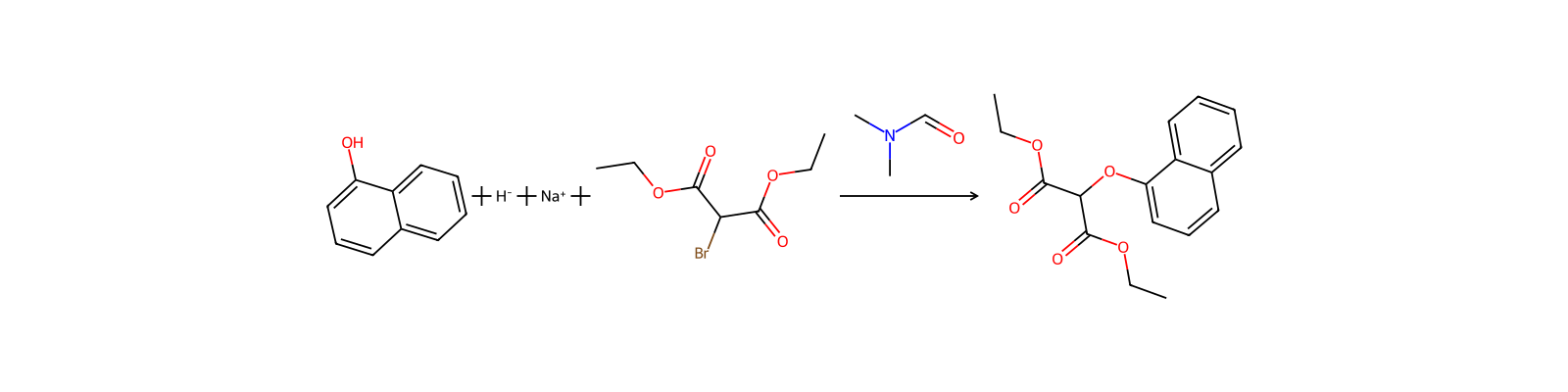
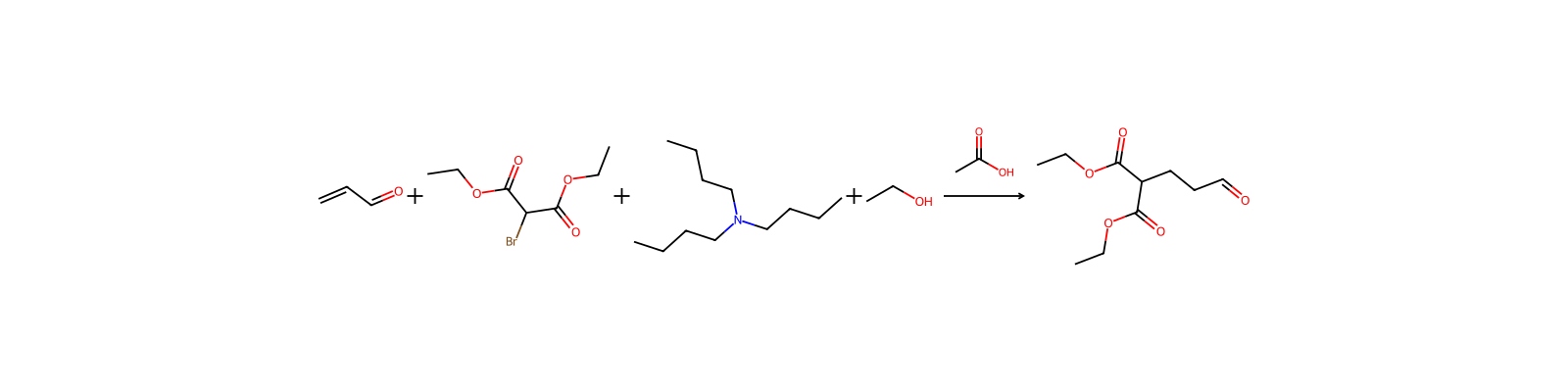
148 records



Compound notes
Loading…