HomeMCPWorkbenchSkills
HomeWorkbenchNotificationsMe
llms.txt · MCP GuidePrivacy Policy · Terms of Service · Supportv1.8.2
  1. Home
  2. /Compound

4-Methyl-2-nitroaniline

HCID 6978
New reaction
Print
Basic informationOverviewNames & identifiersPropertiesSafety & regulationChemistry & industryRelated reactionsCompound notes
Substructure searchFind similar structures

Basic information

CAS
89-62-3
Standard SMILES
Cc1ccc(N)c([N+](=O)[O-])c1
InChIKey
DLURHXYXQYMPLT-UHFFFAOYSA-N
Molecular formula
C7H8N2O2
Average molar mass
152.15 g/mol
Monoisotopic mass
152.0585775

Overview

4-methyl-2-nitroaniline appears as red crystals or bright orange powder. (NTP, 1992)

Names & identifiers

Preferred name
4-Methyl-2-nitroaniline
IUPAC
4-methyl-2-nitroaniline
English name
89-62-3
Molecular formula
C7H8N2O2
Molecular weight
152.15

Names & synonyms

4-Methyl-2-nitroaniline89-62-32-NITRO-P-TOLUIDINE4-Amino-3-nitrotoluene3-Nitro-4-aminotoluene2-Nitro-4-methylanilineFast Red GL4-Methyl-2-nitrobenzenamine4-Methyl-6-nitroanilineBenzenamine, 4-methyl-2-nitro-Red Base NGLFast Red Base GL
Show more names
Fast Red GL BaseAzoamine Red AAzobase NATFast Red 3NT Base1-Amino-2-nitro-4-methylbenzeneDevol Red GFast Red G BaseLake Red G Base

Database identifiers

CAS
89-62-3
PubChem CID
6978
DTXSID
DTXSID2025632
ChEMBL
CHEMBL1496758
ChEBI
CHEBI:66920
UNII
VA01LI60P4
EC Number
201-924-9
Nikkaji
J95.093I

Properties

Computed structural properties

XLogP
2
Topological polar surface area
71.8 Ų
Hydrogen bond donors
1
Hydrogen bond acceptors
3
Rotatable bonds
0
Heavy atoms
11
Formal charge
0
Complexity
155

Experimental & physicochemical properties

Chemical ClassesNitrogen Compounds -> Nitroanilines
SpringerMaterials PropertiesDiffusion
LogP1.82
Density1.164 at 250 °F (NTP, 1992) - Denser than water; will sink
Solubilityless than 1 mg/mL at 72 °F (NTP, 1992)
Flash Point · 2 items

315 °F (NTP, 1992)

315 °F

Melting Point243 °F (NTP, 1992)
Vapor Density5.25 (NTP, 1992) - Heavier than air; will sink (Relative to Air)
Vapor Pressure0.000972 [mmHg]
Physical Description · 2 items

4-methyl-2-nitroaniline appears as red crystals or bright orange powder. (NTP, 1992)

Red to bright-orange solid; [CAMEO]

Safety & regulation

Safety information is for reference only and does not replace the supplier’s Safety Data Sheet (SDS), applicable regulations, or professional assessment.

GHS classification

GHS Classification · 5 items

This chemical does not meet GHS hazard criteria for 0.6% (1 of 157) of reports.

Danger

H301 (96.8%): Toxic if swallowed [Danger Acute toxicity, oral]

P260, P261, P262, P264, P270, P271, P273, P280, P301+P316, P302+P352, P304+P340, P316, P319, P321, P330, P361+P364, P391, P403+P233, P405, and P501 (click each P-code to see the statement)

Aggregated GHS information provided per 157 reports by companies from 10 notifications to the ECHA C&L Inventory. Each notification may be associated with multiple companies.

Hazard information

Regulatory Information · 2 items

Chemical: Benzenamine, 4-methyl-2-nitro-

REACH registered substance: 2-nitro-p-toluidine (EC: 201-924-9)

DOT LabelPoison
Fire HazardsThis chemical is combustible. (NTP, 1992)
Health HazardsSYMPTOMS: Symptoms of exposure to this compound include irritation of the eyes and skin.
Hazards SummaryA skin, eye, and respiratory tract irritant; [CAMEO] Toxic by ingestion; May be harmful if absorbed through skin or inhaled; May cause methemoglobinemia; Stable under recommended storage conditions. [MSDSonline]
Reactive GroupNitro, Nitroso, Nitrate, and Nitrite Compounds, Organic
Reactivity Profile4-METHYL-2-NITROANILINE is incompatible with acids, acid chlorides, acid anhydrides, chloroformates, and strong oxidizers (NTP, 1992).

Chemistry & industry

Uses & manufacturing

UsesUsed as intermediate for dyes and pigments; [Hawley]
General Manufacturing InformationBenzenamine, 4-methyl-2-nitro-: ACTIVE

Additional notes

DefinitionChEBI: 2-nitro-p-toluidine is a C-nitro compound in which the nitro compound is ortho to the amino group and meta to the methyl group of p-toluidine. It is functionally related to a p-toluidine.

Related reactions

43 records
New reaction record
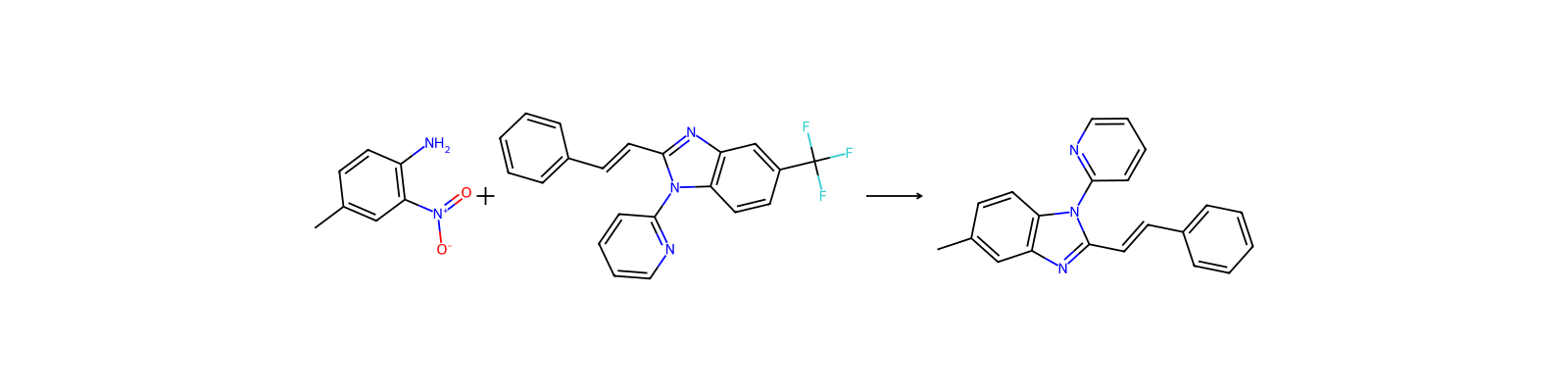
HRID 3135 reaction equation
HRID 3135As reactant
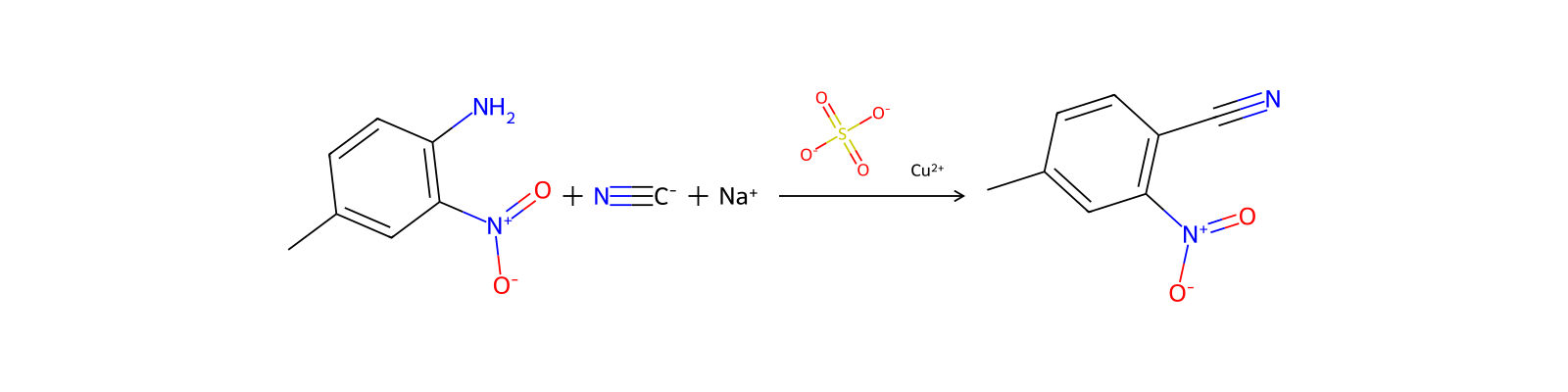
HRID 50919 reaction equation
HRID 50919As reactant
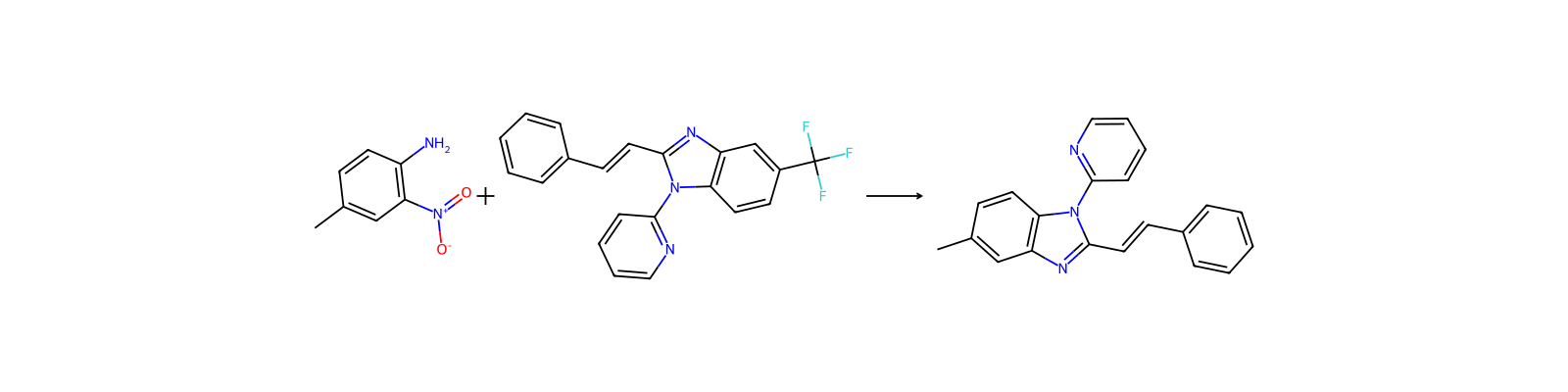
HRID 326646 reaction equation
HRID 326646As reactant
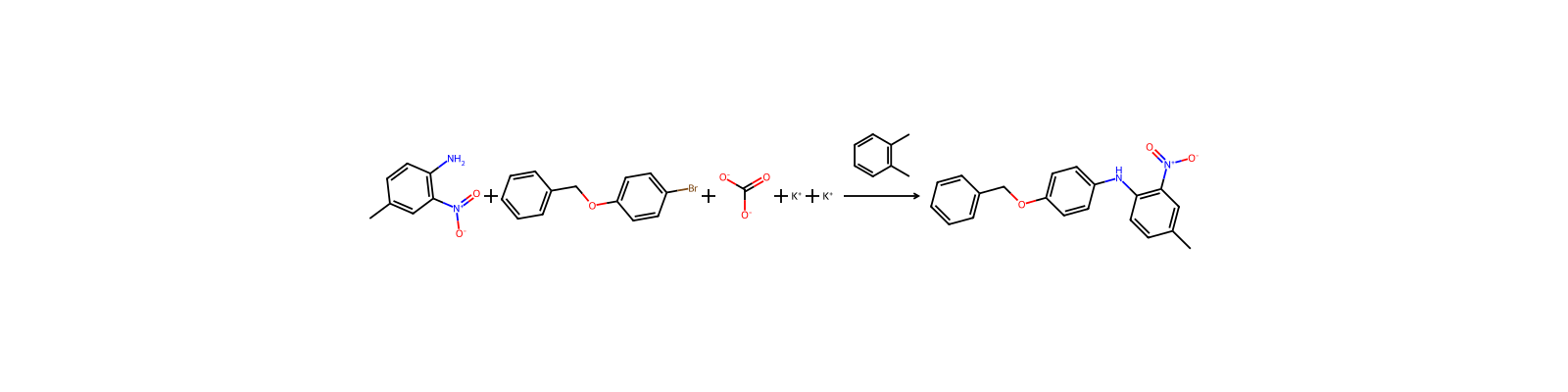
HRID 378328 reaction equation
HRID 378328As reactant
HRID 382553 reaction equation
HRID 382553As reactant
HRID 382572 reaction equation
HRID 382572As reactant
HRID 607243 reaction equation
HRID 607243As reactant
HRID 681531 reaction equation
HRID 681531As reactant
PreviousPage 1 of 6

Compound notes

On this pageBasic informationOverviewNames & identifiersPropertiesSafety & regulationChemistry & industryRelated reactionsCompound notes
Collision Cross Section127.7 Ų [M-H]- [CCS Type: DT; Buffer gas: N2; Ionization: ESI-; Dataset: TOXCAST; Source Identifier: DTXSID2025632]

Physicochemical properties

Melting point
116.3 °C · 116.3 °C
Boiling point
302.9 · 302.9±22.0 °C(Predicted)
Density
1.269 · 1.269±0.06 g/cm3(Predicted)
pka
0.46 · 0.46±0.10(Predicted)
Symbol(GHS)
6 · GHS06,GHS08,GHS09
Signal word
Danger
Hazard statements
301 · H301+H311+H331-H373-H411
Precautionary statements
273 · P273-P280-P301+P310+P330-P302+P352+P312-P304+P340+P311-P314
Air and Water Reactions
Insoluble in water.
Hazard Classes and CategoriesAcute Tox. 3 (96.8%)

Safety & protection

Fire FightingFires involving this chemical can be controlled using a dry chemical, carbon dioxide, or Halon extinguisher. A water spray may also be used. (NTP, 1992)
First Aid · 1 item

EYES: First check the victim for contact lenses and remove if present. Flush victim's eyes with water or normal saline solution for 20 to 30 minutes while simultaneously calling a hospital or poison control center. Do not put any ointments, oils, or medication in the victim's eyes without specific instructions from a physician. IMMEDIATELY transport the victim after flushing eyes to a hospital even if no symptoms (such as redness or irritation) develop.

Nonfire Spill Response · 1 item

SMALL SPILLS AND LEAKAGE: Should a spill occur while you are handling this chemical, you should dampen the solid spill material with alcohol, then transfer the dampened material to a suitable container. Use absorbent paper dampened with alcohol to pick up any remaining material. Seal the absorbent paper, and any of your clothes, which may be contaminated, in a vapor-tight plastic bag for eventual disposal. Solvent wash all contaminated surfaces with alcohol followed by washing with a strong soap and water solution. Do not reenter the contaminate area until the Safety Officer (or other responsible person) has verified that the area has been properly cleaned.

Isolation and EvacuationExcerpt from ERG Guide 153 [Substances - Toxic and/or Corrosive (Combustible)]:
Personal Protective Equipment (PPE) · 1 item

RECOMMENDED RESPIRATOR: Where the neat test chemical is weighed and diluted, wear a NIOSH-approved half face respirator equipped with an organic vapor/acid gas cartridge (specific for organic vapors, HCl, acid gas and SO2) with a dust/mist filter. (NTP, 1992)

Toxicology

Adverse EffectsMethemoglobinemia - The presence of increased methemoglobin in the blood; the compound is classified as secondary toxic effect

Safety data

Signal word
Danger
Symbol(GHS)
GHS06,GHS08,GHS09
Hazard statements
H301+H311+H331-H373-H411
Precautionary statements
P273-P280-P301+P310+P330-P302+P352+P312-P304+P340+P311-P314