
2,3-Diaminonaphthalene

Basic information
- CAS
771-97-1- Standard SMILES
Nc1cc2ccccc2cc1N- InChIKey
XTBLDMQMUSHDEN-UHFFFAOYSA-N- Molecular formula
- C10H10N2
- Average molar mass
- 158.2 g/mol
- Monoisotopic mass
- 158.08439832
Names & identifiers
- Preferred name
- 2,3-Diaminonaphthalene
- IUPAC
- naphthalene-2,3-diamine
- English name
- 2,3-diaminonaphthalene
- Molecular formula
- C10H10N2
- Molecular weight
- 158.2
Names & synonyms
2,3-Diaminonaphthalene771-97-12,3-Naphthalenediamine2BNZ6BRS87DTXSID4061121NSC-62692RefChem:441954DTXCID6047947212-241-0naphthalene-2,3-diamine2,3-NaphthylenediamineMFCD00004116
Show more names
DAND1JACS-771-97-1NAPHTHALENEDIAMINETIMTEC-BB SBB0001272,3-DiaminonaphthaL
UNII-2BNZ6BRS87EINECS 212-241-0NSC 62692CCRIS 83992,3-diaminonapthaleneDANSCHEMBL139321STK396657
Database identifiers
- CAS
771-97-1- PubChem CID
- 69872
- DTXSID
DTXSID4061121- UNII
- 2BNZ6BRS87
- EC Number
- 212-241-0
- Nikkaji
- J79.947E
Properties
Computed structural properties
- XLogP
- 1.9
- Topological polar surface area
- 52 Ų
- Hydrogen bond donors
- 2
- Hydrogen bond acceptors
- 2
- Rotatable bonds
- 0
- Heavy atoms
- 12
- Formal charge
- 0
- Complexity
- 140
Experimental & physicochemical properties
Chemical ClassesOther Classes -> Naphthalenes
LogP1.54
Vapor Pressure0.0000293 [mmHg]
Physical DescriptionPowder; [Aldrich MSDS]
Physicochemical properties
- Melting point
- 197 · 197-203 °C
- Boiling point
- 273.29 °C · 273.29°C (rough estimate)
- Density
- 1.0968 · 1.0968
- refractive index
- 1.6392 · 1.6392 (estimate)
- storage temp.
- 2 · Keep in dark place,Inert atmosphere,2-8°C
- solubility
- 50 mg/mL · pyridine: soluble50mg/mL
- pka
- 5.36 · 5.36±0.10(Predicted)
- form
- Crystalline Powder
- color
- Green-brown to brown
Safety & regulation
Safety information is for reference only and does not replace the supplier’s Safety Data Sheet (SDS), applicable regulations, or professional assessment.
GHS classification
GHS Classification
Warning
H302 (97.9%): Harmful if swallowed [Warning Acute toxicity, oral]
P261, P264, P264+P265, P270, P271, P280, P301+P317, P302+P352, P304+P340, P305+P351+P338, P317, P319, P321, P330, P332+P317, P337+P317, P362+P364, P403+P233, P405, and P501 (click each P-code to see the statement)
Aggregated GHS information provided per 47 reports by companies from 7 notifications to the ECHA C&L Inventory. Each notification may be associated with multiple companies.
Hazard information
Regulatory InformationChemical: 2,3-Naphthalenediamine
Hazards SummaryAn irritant; Harmful by ingestion; Targets the bladder; [Aldrich MSDS] See 1,5-Naphthalenediamine. See beta-Naphthylamine and alpha-Naphthylamine.
Hazard Classes and CategoriesAcute Tox. 4 (97.9%)
Safety data
- F
- 8-10-23
- PPE
- dust mask type N95 (US), Eyeshields, Gloves
- wgk
- 3
- tsca
- TSCA listed
- ridadr
- 2811
- hs_code
- 29215900
- risk_code
- 22-36/37/38-45
- Signal word
- Danger
- Symbol(GHS)
- GHS07,GHS08
- hazard_code
- Xn,T
- safety_code
- 26-45-53
Chemistry & industry
Uses & manufacturing
General Manufacturing Information2,3-Naphthalenediamine: ACTIVE
Applications
Description2,3-Diaminonaphthalene is a highly selective colorimetric and fluorometric reagent for selenium detection and also used for the fluorometric determination of nitrite. It is also useful for detection of ketones and alpha-keto acids.2,3-Diaminonaphthalene reacts with nitrosonium, which is formed from nitrite at low pH, to form the fluorescent dye 1 H-naphthotriazole. This method can be used to detect 10 nM to 10 uM of nitrite (NO2-) and is compatible with 96-well format.Fluorometric probe for nitriteQuantify 10 nM to 10 uM of nitriteYellow orange solid soluble in DMSO
Uses2,3-Diaminonaphtaline (DAN) is used as a derivatisation-reagent for the determination of selenium at low detection limits.
UsesIn a reaction similar to that of DAF-FM , 2,3- diaminonaphthalene (D-7918) reacts with the nitrosonium cation that forms spontaneously from NO to form the fluorescent product 1H-naphthotriazole.Using 2,3-diaminonaphthalene, researchers have developed a rapid, quantitative fluorometric assay that can detect from 10 nM to 10 μM nitrite and is compatible with a 96-well microplate format.
Uses2,3-Diaminonaphthalene is used in preparation of precursors for multi-layer 3D material comprising chiral organic sandwich compounds.
Upstream & downstream products
Upstream raw materials
Related reactions
24 records


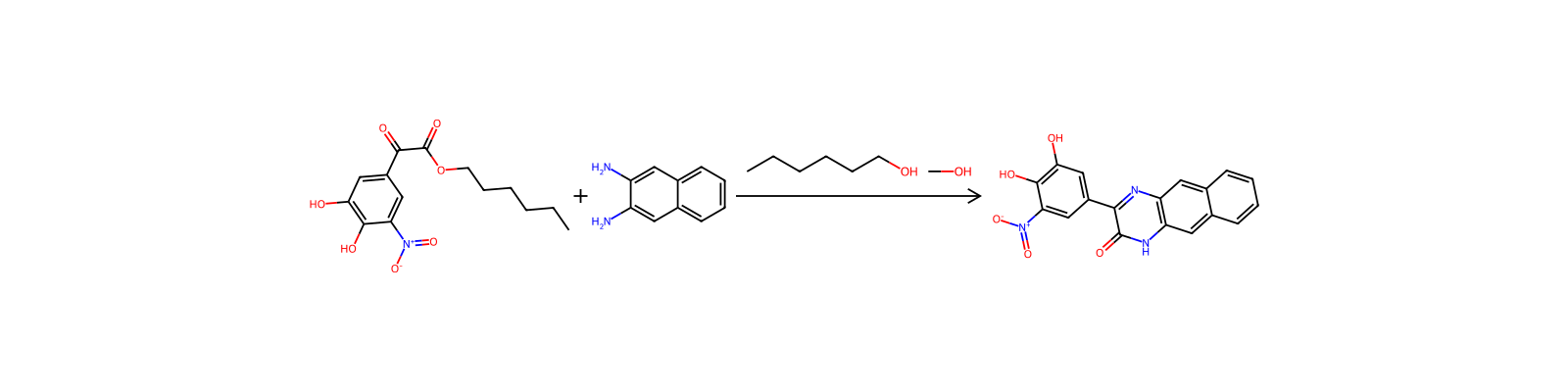


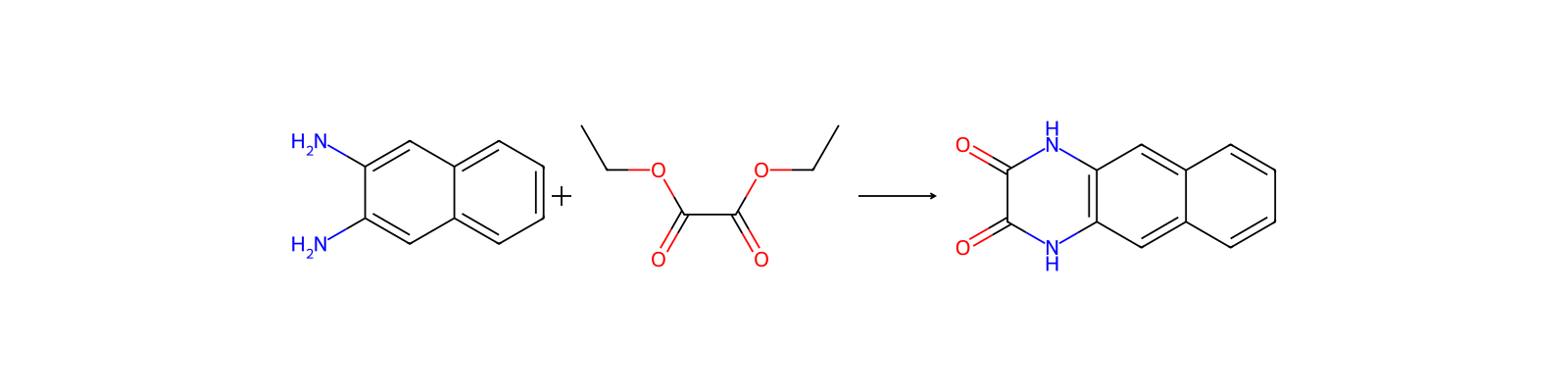

Compound notes
Loading…