
Diphenylsilane
Completing data — refresh the page later to see the latest
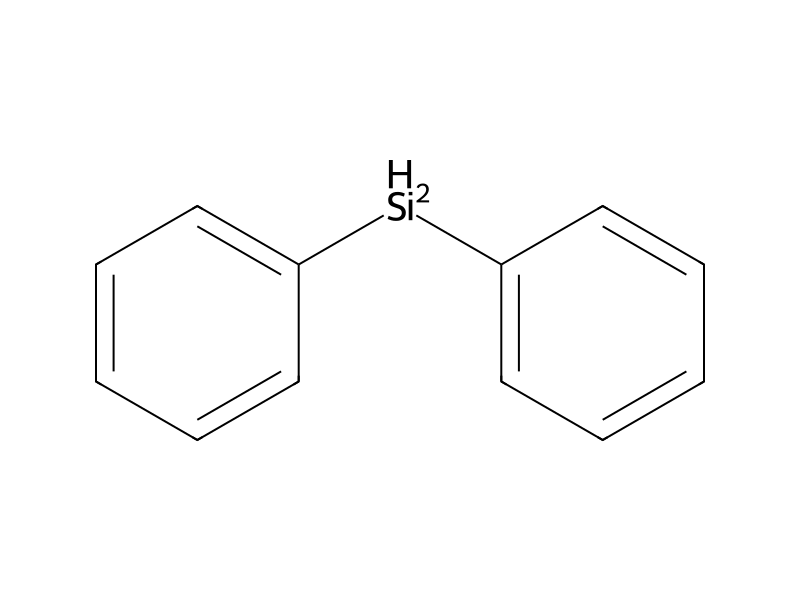
Basic information
- CAS
775-12-2- Standard SMILES
c1ccc([SiH2]c2ccccc2)cc1- InChIKey
VDCSGNNYCFPWFK-UHFFFAOYSA-N- Molecular formula
- C12H12Si
- Average molar mass
- 184.31 g/mol
- Monoisotopic mass
- 184.07082691
Names & identifiers
- Preferred name
- Diphenylsilane
- IUPAC
- diphenylsilane
- English name
- Diphenylsilane
- Molecular formula
- C12H12Si
- Molecular weight
- 184.31
Names & synonyms
DTXSID10883568TSL-8224RefChem:588946DTXCID401020687212-271-4775-12-2Benzene, 1,1'-silylenebis-DiphenylsilaneJT2G9H7LNZNSC-33013Silane, diphenyl-diphenyl-silane
Show more names
DK904TSL8224diphenyl-silaniphenylsiliconSilane,diphenyl-Diphenylsilane>Diphenylsilane,99%Diphenylsilane,97%Diphenylsilane,min.97%
Ph2SiH2C12H12SiSCHEMBL52125SCHEMBL367162SCHEMBL5056757TD8070AM20041161FT-0625285
Database identifiers
- CAS
775-12-2- PubChem CID
- 69888
- DTXSID
DTXSID10883568- EC Number
- 212-271-4
Properties
Computed structural propertiesFilling in
- Topological polar surface area
- 0 Ų
- Hydrogen bond donors
- 0
- Hydrogen bond acceptors
- 0
- Rotatable bonds
- 2
- Heavy atoms
- 13
- Formal charge
- 0
- Complexity
- 116
Experimental & physicochemical properties
Chemical ClassesMetals -> Metalloid Compounds (Silicon)
SpringerMaterials Properties13C nuclear magnetic resonance spectrum
Physical DescriptionColorless liquid; [Alfa Aesar MSDS]
Physicochemical properties
- Melting point
- 20 °C · <20°C
- Boiling point
- 95 · 95-97 °C/13 mmHg (lit.)
- Density
- 0.993 g/mL · 0.993 g/mL at 25 °C (lit.)
- refractive index
- 20 · n20/D 1.579(lit.)
- Flash point
- 209 °F · 209 °F
- storage temp.
- 2 · Inert atmosphere,2-8°C
- form
- liquid
- Specific Gravity
- 1 · 1
- color
- colorless
- Water Solubility
- Decomposes in water.
Safety & regulation
Safety information is for reference only and does not replace the supplier’s Safety Data Sheet (SDS), applicable regulations, or professional assessment.
GHS classification
GHS Classification
Warning
H315 (100%): Causes skin irritation [Warning Skin corrosion/irritation]
P264, P264+P265, P280, P302+P352, P305+P351+P338, P321, P332+P317, P337+P317, and P362+P364 (click each P-code to see the statement)
Aggregated GHS information provided per 47 reports by companies from 5 notifications to the ECHA C&L Inventory. Each notification may be associated with multiple companies.
Hazard information
Regulatory InformationDiphenylsilane: Does not have an individual approval but may be used under an appropriate group standard
Hazards SummaryDecomposed by water; A skin and strong eye irritant; [Alfa Aesar MSDS] See Diethylsilane.
Hazard Classes and CategoriesSkin Irrit. 2 (100%)
Safety data
- F
- 10-21
- PPE
- Eyeshields, Gloves, type ABEK (EN14387) respirator filter
- wgk
- 1
- tsca
- TSCA listed
- hs_code
- 29310095
- risk_code
- 38-36/37/38
- Signal word
- Warning
- Symbol(GHS)
- GHS07
- hazard_code
- Xi
- safety_code
- 37/39-26
- Storage Class
- 10 - Combustible liquids
Chemistry & industry
Uses & manufacturing
General Manufacturing InformationBenzene, 1,1'-silylenebis-: ACTIVE
Applications
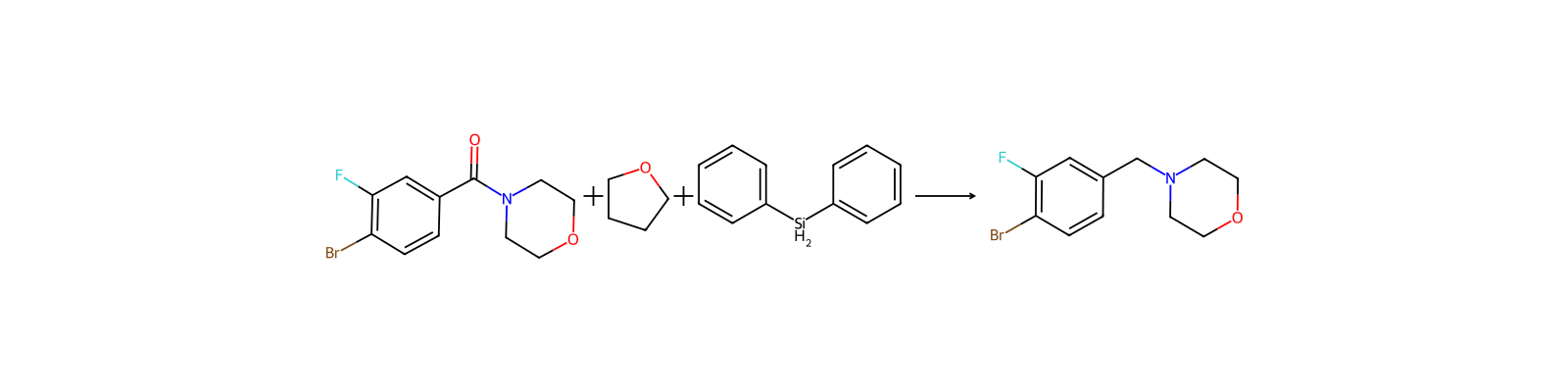
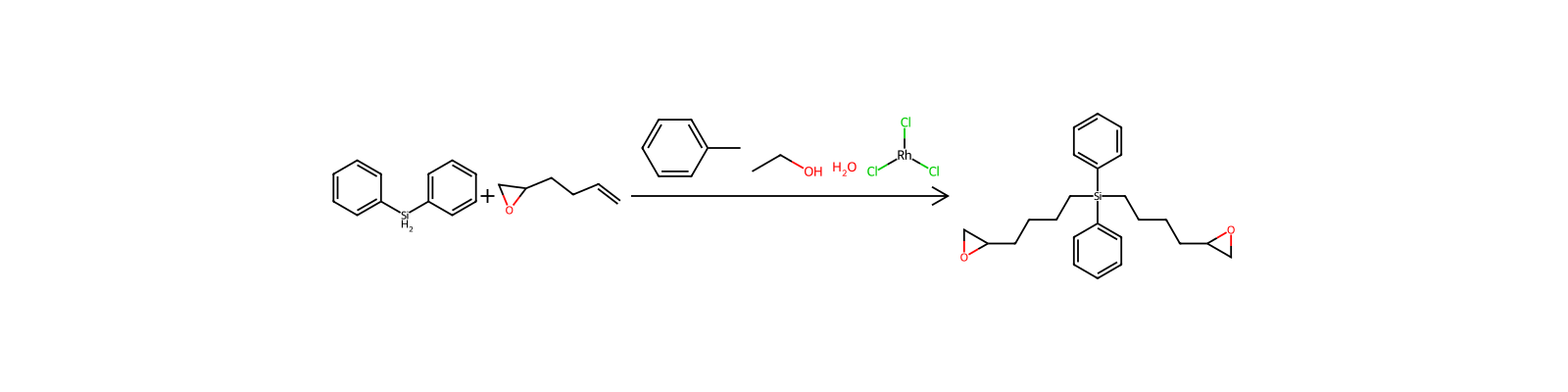
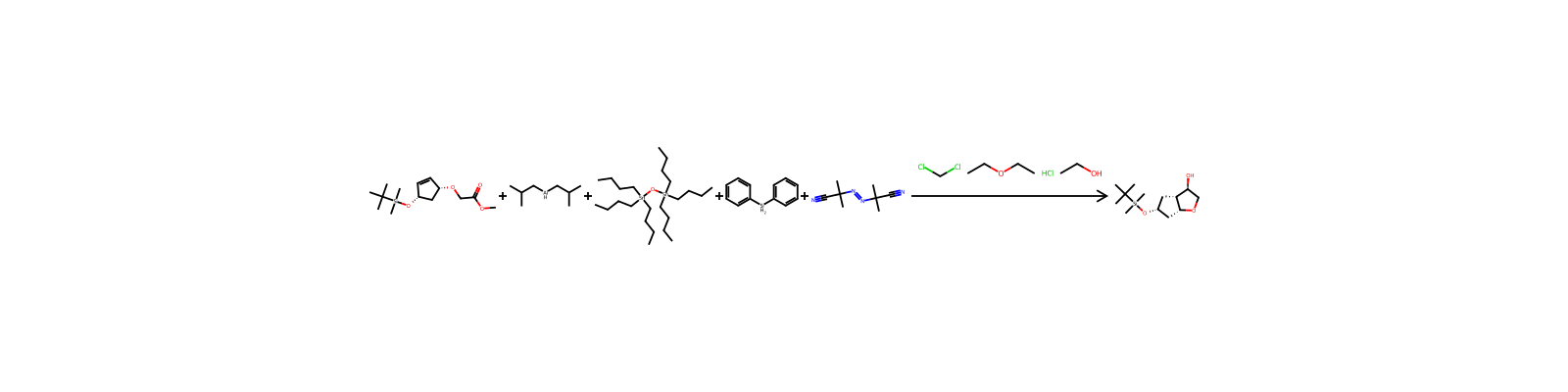
UsesThiocarbonyl derivatives of secondary alcohols are readily reduced by diphenylsilane in a radical chain process at room temperature using triethylborane-air as an initiator. An improved radical chain procedure for the deoxygenation of secondary and primary alcohols using diphenylsilane as hydrogen atom donor and triethylborane-air as initiator. Diphenylsilane is a reagent in the invention of radical reactions for deoxygenation of alcohols via their thiocarbonyl derivatives, deamination via isonitriles, and dehalogenation of bromo- and iodo- compounds by radical chain chemistry. Fluorescent film sensor for vapor-phase nitroaromatic explosives via monolayer assembly of oligo(diphenylsilane) on glass plate surfaces. Reductions of carboxylic acid derivatives by silanes in the presence of rhodium complexes were studied. Carboxylic esters were reduced to alcohols by diphenylsilane catalyzed by [RhCl (cod)] 2/4PPh 3 or [RhCl (PPh 3) 3] at room temperature in up to 99% yields. Sequential C- Si bond formations from diphenylsilane and its application to silanediol peptide isostere precursors.
Upstream & downstream products
Downstream products
Related reactions
24 records




Compound notes
Loading…