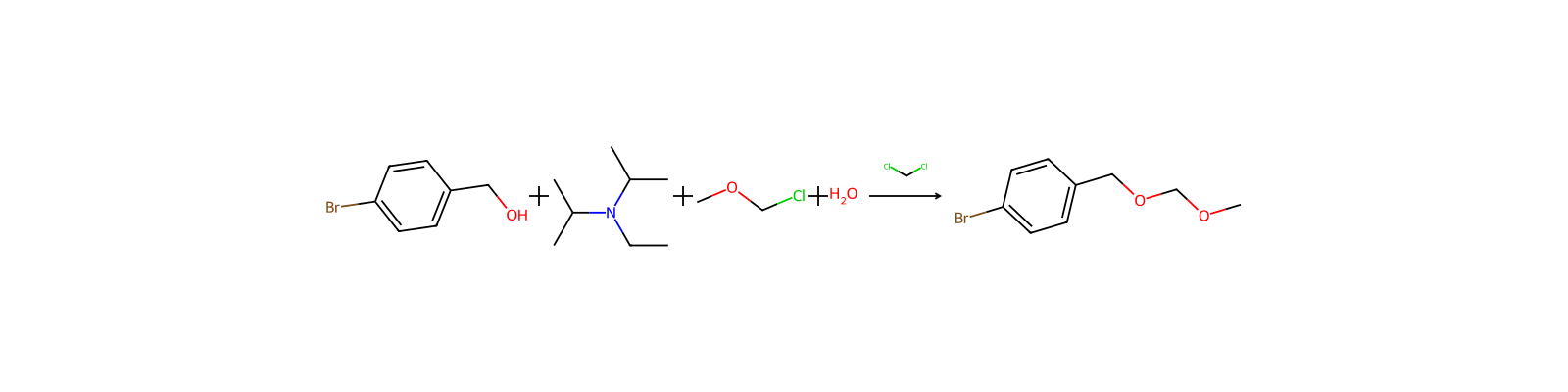
4-Bromobenzyl alcohol
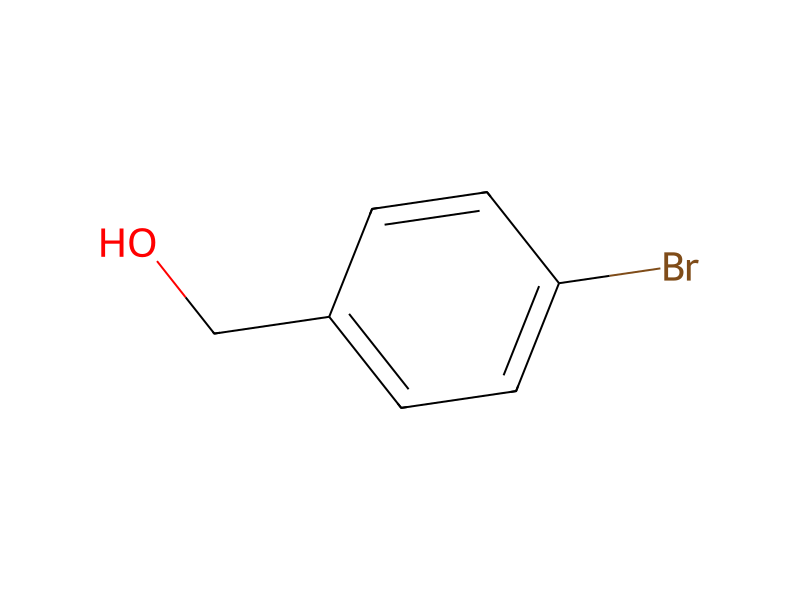
Basic information
- CAS
873-75-6- Standard SMILES
OCc1ccc(Br)cc1- InChIKey
VEDDBHYQWFOITD-UHFFFAOYSA-N- Molecular formula
- C7H7BrO
- Average molar mass
- 187.03 g/mol
- Monoisotopic mass
- 185.96802694
Names & identifiers
- Preferred name
- 4-Bromobenzyl alcohol
- IUPAC
- (4-bromophenyl)methanol
- English name
- 4-Bromobenzyl alcohol
- Molecular formula
- C7H7BrO
- Molecular weight
- 187.03
Names & synonyms
4-Bromobenzyl alcohol(4-Bromophenyl)methanol873-75-6Para-Bromobenzyl AlcoholDTXSID50236276RefChem:520476DTXCID50158767212-851-7p-Bromobenzyl alcoholBenzenemethanol, 4-bromo-4-bromobenzylalcoholMFCD00004650
Show more names
BrombenzylalcoholRARECHEM AL BD 0075BroMo-benzyl alcohol4-Brom-benzyl alcohol4-BromobenzenemethanolOn broMobenzeneMethanol
CCRIS 5119(4-bromophenyl)-methanol(4-Bromo-phenyl)-methanolEINECS 212-851-7Benzyl alcohol, p-bromo-(4-bromophenyl)methan-1-olSCHEMBL104349CHEMBL184410
Database identifiers
- CAS
873-75-6- PubChem CID
- 70119
- DTXSID
DTXSID50236276- ChEMBL
CHEMBL184410- EC Number
- 212-851-7
- Nikkaji
- J149.813D
Properties
Computed structural properties
- XLogP
- 2
- Topological polar surface area
- 20.2 Ų
- Hydrogen bond donors
- 1
- Hydrogen bond acceptors
- 1
- Rotatable bonds
- 1
- Heavy atoms
- 9
- Formal charge
- 0
- Complexity
- 77
Experimental & physicochemical properties
DrugsPharmaceuticals -> Listed in ZINC15
SpringerMaterials Properties13C nuclear magnetic resonance spectrum
LogP2.15
Physicochemical properties
- Melting point
- 75 · 75-77 °C (lit.)
- Boiling point
- 220.79 °C · 220.79°C (rough estimate)
- Density
- 1.3839 · 1.3839 (rough estimate)
- vapor pressure
- 0.083 Pa · 0.083Pa at 20℃
- refractive index
- 1.584 · 1.5840 (estimate)
- storage temp.
- Sealed in dry,Room Temperature
- solubility
- 1 g/10 · dioxane: soluble1g/10 mL, clear to faintly turbid, colorless to faintly yellow
- pka
- 14.16 · 14.16±0.10(Predicted)
- form
- Crystals or Crystalline Powder
Safety & regulation
Safety information is for reference only and does not replace the supplier’s Safety Data Sheet (SDS), applicable regulations, or professional assessment.
GHS classification
GHS Classification
Warning
H315 (33.3%): Causes skin irritation [Warning Skin corrosion/irritation]
P261, P264, P264+P265, P271, P273, P280, P302+P352, P304+P340, P305+P351+P338, P319, P321, P332+P317, P337+P317, P362+P364, P403+P233, P405, and P501 (click each P-code to see the statement)
Aggregated GHS information provided per 9 reports by companies from 4 notifications to the ECHA C&L Inventory. Each notification may be associated with multiple companies.
Hazard information
Regulatory Information
Status: Active Update: 01-12-2021 https://echa.europa.eu/registration-dossier/-/registered-dossier/24696
Benzenemethanol, 4-bromo-: Does not have an individual approval but may be used under an appropriate group standard
Hazard Classes and CategoriesSkin Irrit. 2 (33.3%)
Safety data
- PPE
- Eyeshields, Gloves, type N95 (US)
- wgk
- 3
- hs_code
- 2906299090
- risk_code
- 36/37/38
- Signal word
- Warning
- Symbol(GHS)
- GHS07
- hazard_code
- Xi
- hazard_note
- Irritant
- safety_code
- 24/25
- Storage Class
- 13 - Non Combustible Solids
- Hazard statements
- H412
Chemistry & industry
Applications
Uses4-Bromobenzyl alcohol was used in the synthesis of:hydroxyl end functionalized, substituted polyfluoreneamphiphilic, symmetric rod-coil, triblock copolymer of poly(9,9-didodecylfluorene-2,7-diyl) and poly(hydroxyl ethyl methacrylate)
General Description4-Bromobenzyl alcohol undergoes three-component reaction with acetylferrocene and arylboronic acid to give ferrocenyl ketones containing biaryls. It undergoes oxidation reaction in the presence of polyvinylpolypyrrolidone-supported hydrogen peroxide, silica sulfuric acid and ammonium bromide to yield 4-bromobenzaldehyde. It undergoes efficient trimethylsilylation reaction with 1,1,1,3,3,3-hexamethyldisilazane in the presence of catalytic amount of aspartic acid in acetonitrile.
Upstream & downstream products
Upstream raw materials
Downstream products
Related reactions
200 records

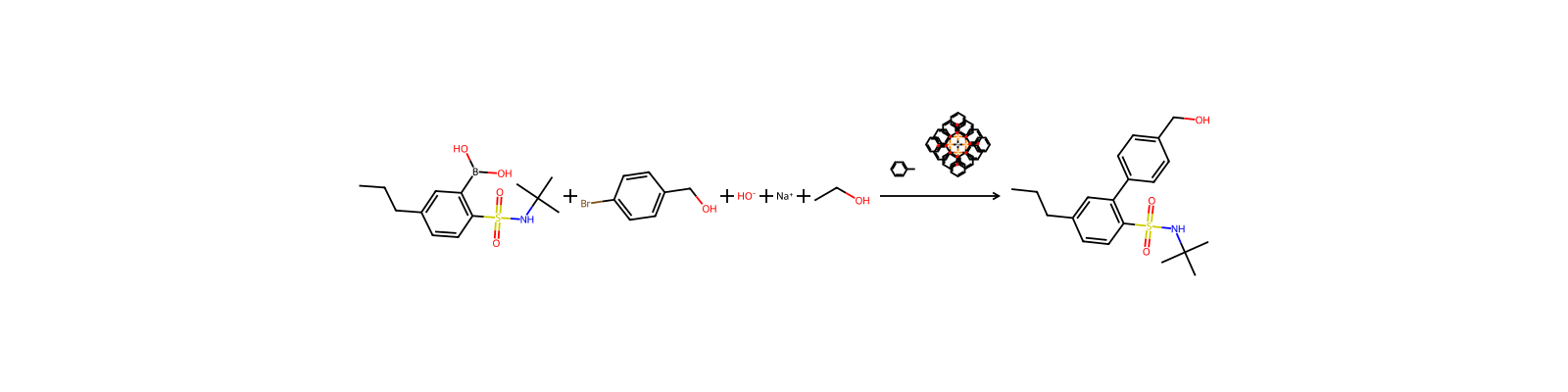
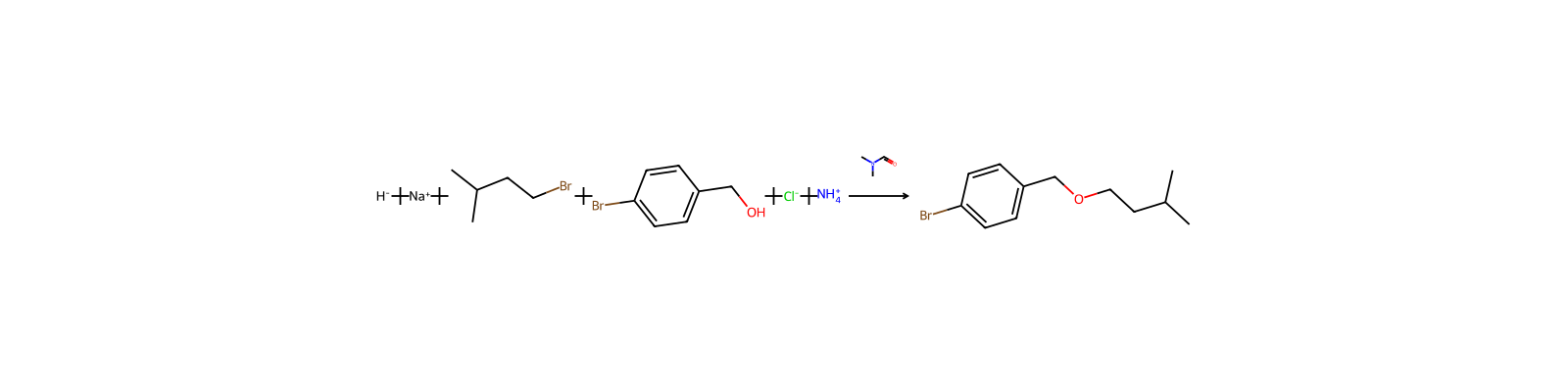
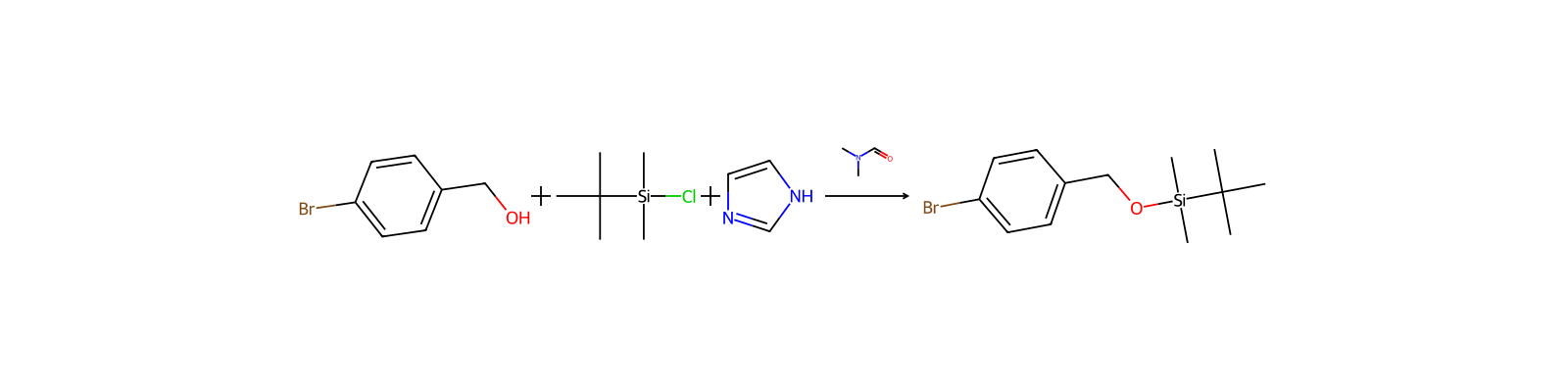
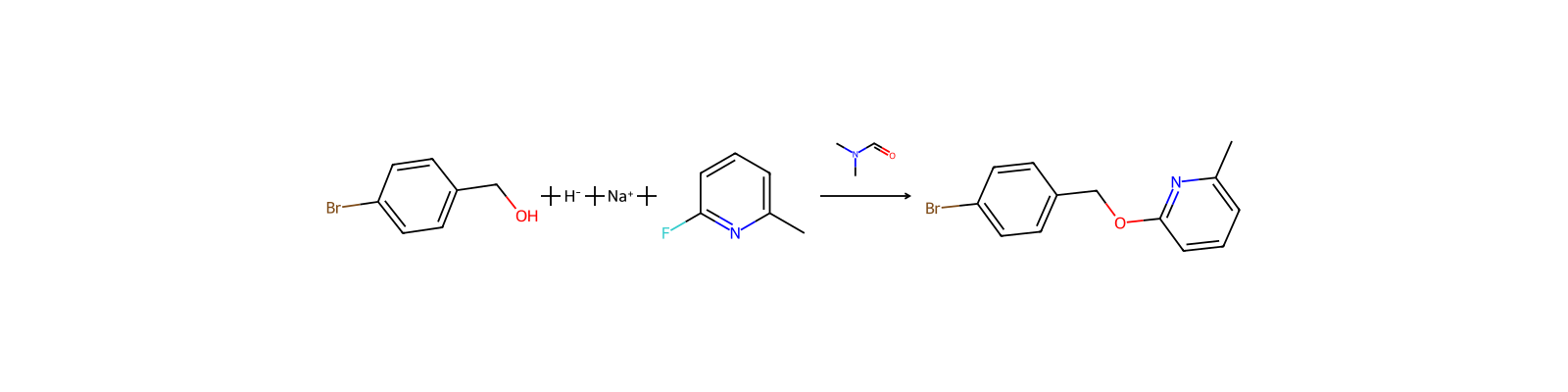
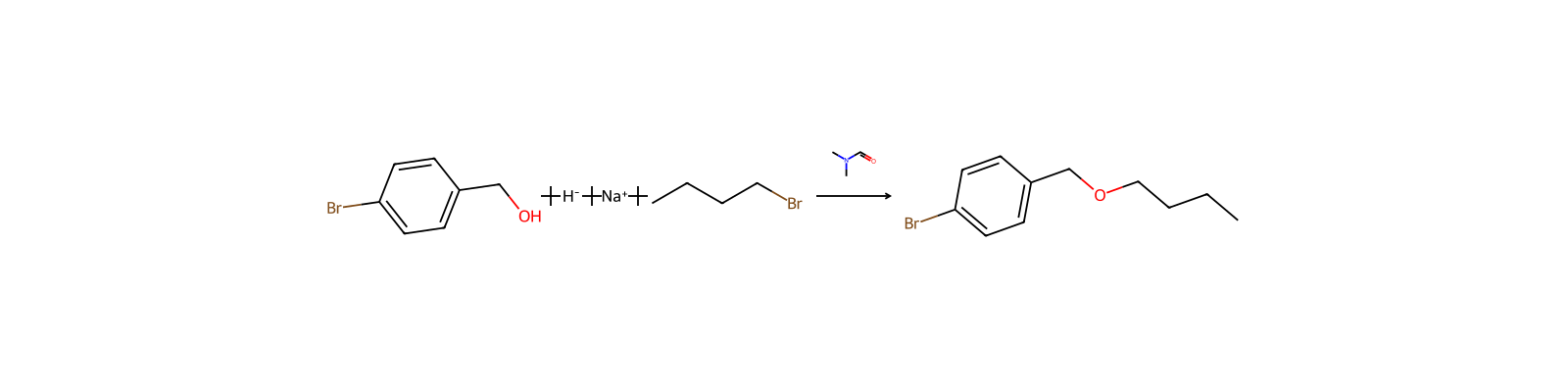
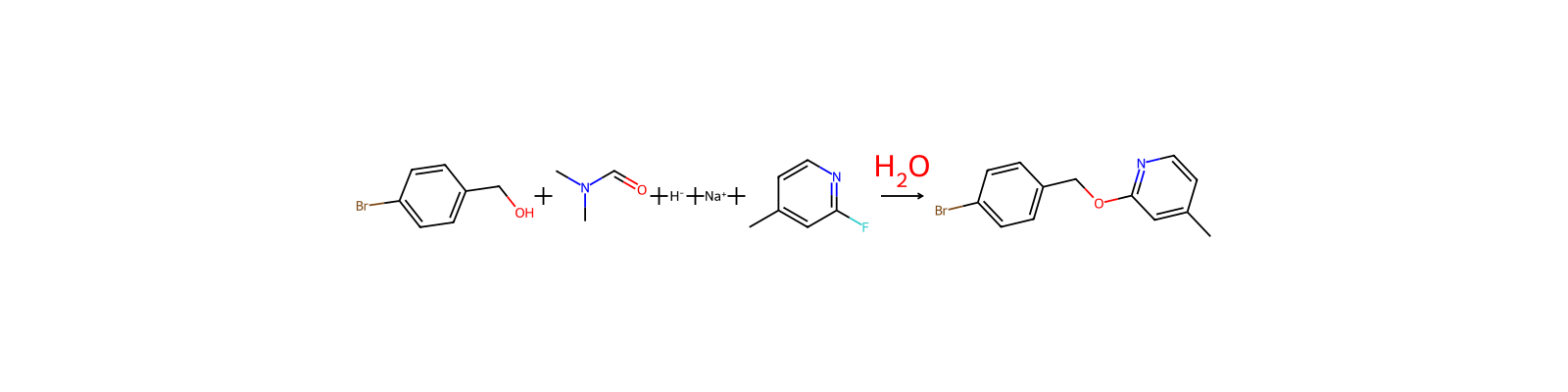
Compound notes
Loading…