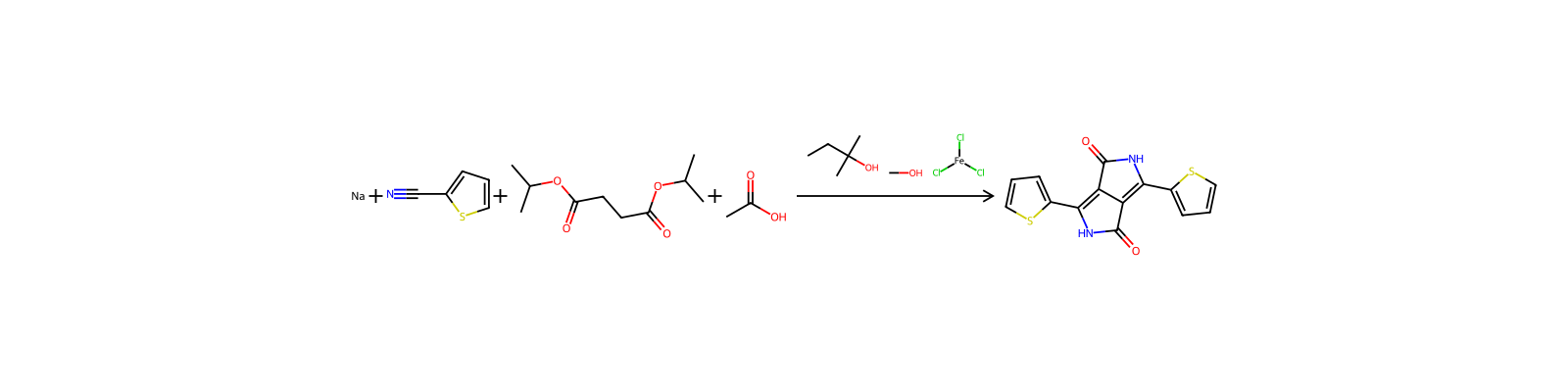
HRID 83972As reactant

924-88-9CC(C)OC(=O)CCC(=O)OC(C)CYPLYFEUBZLLLIY-UHFFFAOYSA-N924-88-9DTXSID9044740CHEMBL3187741Safety information is for reference only and does not replace the supplier’s Safety Data Sheet (SDS), applicable regulations, or professional assessment.
This chemical does not meet GHS hazard criteria for 88.9% (8 of 9) of all reports.
H412 (11.1%): Harmful to aquatic life with long lasting effects [Hazardous to the aquatic environment, long-term hazard]
P273, and P501 (click each P-code to see the statement)
Aggregated GHS information provided per 9 reports by companies from 3 notifications to the ECHA C&L Inventory.
Chemical: Butanedioic acid, bis(1-methylethyl) ester
Butanedioic acid, 1,4-bis(1-methylethyl) ester is listed on the EPA's Chemical Data Reporting (CDR) system. Manufacturers and importers of Butanedioic acid, 1,4-bis(1-methylethyl) ester are required to report information about their production and use of this chemical to the EPA under the Toxic Substances Control Act (TSCA). (40 eCFR Part 711)
PMN - indicates a commenced PMN (Pre-Manufacture Notices) substance.
REACH registered substance: Diisopropyl succinate (EC: 213-110-0)
EPA Safer Chemical Functional Use Classes -> Solvents
Safer Chemical Classes -> Green half-circle - The chemical is expected to be of low concern
Printing Ink Manufacturing
Butanedioic acid, 1,4-bis(1-methylethyl) ester: ACTIVE
UsesDiisopropyl Succinate is used in preparation of Heterocyclic Pyrrolopyrrole Diketone quaternary Ammonium Salt as Copper electroplating leveling agent.