

Basic information
- Standard SMILES
O=C(OO)c1cccc(Cl)c1- InChIKey
NHQDETIJWKXCTC-UHFFFAOYSA-N- Molecular formula
- C7H5ClO3
- Average molar mass
- 172.56 g/mol
- Monoisotopic mass
- 171.9927217
Overview
This solid peroxide is sensitive to heat. Storage of this material must be done so with stringent temperature control measures. Its explosion hazard is also mitigated by mixing the peroxide in a solvent slurry.
Names & identifiers
- Preferred name
- m-Chloroperbenzoic acid
- IUPAC
- 3-chlorobenzenecarboperoxoic acid
- English name
- 3-Chloroperoxybenzoic acid
- Molecular formula
- C7H5ClO3
- Molecular weight
- 172.57
Names & synonyms
3-Chloroperoxybenzoic acid937-14-43-Chloroperbenzoic acidM-Chloroperoxybenzoic acidM-Chloroperbenzoic acidMCPBA3-Chlorobenzenecarboperoxoic acidm-CPBABenzenecarboperoxoic acid, 3-chloro-m-Chlorobenzoyl hydroperoxidePerbenzoic acid, m-chloro-Peroxybenzoic acid, m-chloro-
Show more names
M-Chloroperoxybenzoic3-Chloroperoxybenzoic Acid (MCPBA)3-ChL3-CHLOROPEROXYBENZOIC ACID, 50-55%
G203D4H1RBNSC-97094DTXSID0061325CHEBI:52091RefChem:93524DTXCID7048879213-322-33-chlorobenzoperoxoic acid
Database identifiers
- CAS
937-14-4- PubChem CID
- 70297
- DTXSID
DTXSID0061325- ChEMBL
CHEMBL458855- ChEBI
CHEBI:52091- UNII
- G203D4H1RB
- EC Number
- 213-322-3
- Nikkaji
- J27.520D
Properties
Computed structural properties
- XLogP
- 2.4
- Topological polar surface area
- 46.5 Ų
- Hydrogen bond donors
- 1
- Hydrogen bond acceptors
- 3
- Rotatable bonds
- 2
- Heavy atoms
- 11
- Formal charge
- 0
- Complexity
- 149
Experimental & physicochemical properties
Chemical ClassesOther Classes -> Other Organic Compounds
Physical Description
This solid peroxide is sensitive to heat. Storage of this material must be done so with stringent temperature control measures. Its explosion hazard is also mitigated by mixing the peroxide in a solvent slurry.
Solid; [CAMEO] White, wet crystalline aggregates; [Alfa Aesar MSDS]
Physicochemical properties
- Melting point
- 69 · 69-71 °C(lit.)
- Boiling point
- 244.67 °C · 244.67°C (rough estimate)
- Density
- 0.56 · 0.56
- vapor pressure
- 0.373 Pa · 0.373Pa at 25℃
- refractive index
- 1.458 · 1.4580 (estimate)
- storage temp.
- 2 · 2-8°C
- solubility
- Chloroform (Slightly), Ethyl Acetate (Slightly), Methanol (Slightly)
- pka
- 7.57 · 7.57 (in water @ 25 °C)
- form
- Moist Powder
- color
- White
- PH
- 4.5 · 4.5@25 °C (saturated aq. sol)
- Odor
- slight pungent odor
- Water Solubility
- insoluble
- Decomposition
- 88 °C · >88 °C
- BRN
- 608317 · 608317
- Stability
- Strong oxidizing agent - contact with combustible material may cause fire. May be shock or heat sensitive. Incompatible with organic materials, strong reducing agents.
- InChI
- 1S/C7H5ClO3/c8-6-3-1-2-5(4-6)7(9)11-10/h1-4,10H
- InChIKey
- NHQDETIJWKXCTC-UHFFFAOYSA-N
- SMILES
- OOC(=O)c1cccc(Cl)c1
- LogP
- 1.03 at · 1.03 at 25℃
- CAS DataBase Reference
- 937 · 937-14-4(CAS DataBase Reference)
- EWG's Food Scores
- 1 · 1
- FDA UNII
- 203 D4H1RB · G203D4H1RB
- NIST Chemistry Reference
- 3 · 3-Chloroperbenzoic acid(937-14-4)
- EPA Substance Registry System
- 3 · Benzenecarboperoxoic acid, 3-chloro- (937-14-4)
- UNSPSC Code
- 12352302 · 12352302
- NACRES
- 22 · NA.22
- Symbol(GHS)
- 3 · GHS03,GHS07
- Signal word
- Danger
- Hazard statements
- 271 · H271-H315-H317-H319-H335
- Precautionary statements
- 264 · P264-P280-P261-P272-P271-P302+P352-P332+P313-P362+P364-P333+P313-P305+P351+P338-P337+P313-P304+P340-P312-P403+P233-P405-P501
- PPE
- 3 · Eyeshields, Faceshields, Gloves, type P3 (EN 143) respirator cartridges
- Hazard Codes
- O,Xi,C
- Risk Statements
- 5 · 5-8-36/37/38-43-7-34-22
- Safety Statements
- 17 · 17-26-36/37-45-36/37/39-3/7-14-27-7/9
- RIDADR
- 3106 · UN 3106 5.2
- WGK Germany
- 3 · 3
- RTECS
- 9470000 · SD9470000
- F
- 4.4 · 4.4
- TSCA
- TSCA listed
- HazardClass
- 5.2 · 5.2
- PackingGroup
- II
- HS Code
- 29163990 · 29163990
- Storage Class
- 5.2 · 5.2 - Organic peroxides and self-reacting hazardous materials
- Hazard Classifications
- 1 Aquatic · Aquatic Acute 1Aquatic Chronic 1Eye Dam. 1Org. Perox. DSkin Corr. 1CSkin Sens. 1
- REACH Registrations
- Active
Safety & regulation
GHS classification
GHS Classification
Danger
H226 (60%): Flammable liquid and vapor [Warning Flammable liquids]
P210, P220, P233, P234, P235, P240, P241, P242, P243, P260, P261, P264, P264+P265, P270, P271, P272, P280, P283, P301+P317, P301+P330+P331, P302+P352, P302+P361+P354, P303+P361+P353, P304+P340, P305+P351+P338, P305+P354+P338, P306+P360, P316, P317, P319, P321, P330, P332+P317, P333+P317, P337+P317, P362+P364, P363, P370+P378, P371+P380+P375, P403, P403+P233, P403+P235, P405, P410, P411, P420, and P501 (click each P-code to see the statement)
Aggregated GHS information provided per 60 reports by companies from 22 notifications to the ECHA C&L Inventory. Each notification may be associated with multiple companies.
Hazard information
Regulatory Information
Chemical: Benzenecarboperoxoic acid, 3-chloro-
Status: Active Update: 19-12-2018 https://echa.europa.eu/registration-dossier/-/registered-dossier/27379
Benzenecarboperoxoic acid, 3-chloro-: Does not have an individual approval but may be used under an appropriate group standard
DOT LabelOrganic Peroxide
Fire HazardsExcerpt from ERG Guide 145 [Organic Peroxides (Heat and Contamination Sensitive)]:
Health HazardsExcerpt from ERG Guide 145 [Organic Peroxides (Heat and Contamination Sensitive)]:
Hazards Summary
A strong oxidizing agent that may ignite combustible materials; Explosion hazard by heat, shock, friction, or contamination; [CAMEO] Wetted with 57-86% water; An oxidizer that may cause fire on contact with combustible materials; May explode on heating; Causes irritation or burns; [Sigma-Aldrich MSDS]
Reactive GroupHalogenated Organic Compounds
Reactivity AlertsExplosive
Reactivity ProfileMay explode from heat, shock, friction or contamination. May ignite combustibles (wood, paper, oil, clothing, etc.). May be ignited by heat, sparks or flames.
Air and Water ReactionsNo rapid reaction with air. No rapid reaction with water.
Hazard Classes and CategoriesFlam. Liq. 3 (60%)
CSL Reaction Information
CSL00076
3-CHLOROPEROXYBENZOIC ACID + 2-BROMO-6-METHYLPYRIDINE
exploded on the rotovap after work up
Explosive
User-Reported
7/8/18
Safety & protection
Fire FightingExcerpt from ERG Guide 145 [Organic Peroxides (Heat and Contamination Sensitive)]:
First AidExcerpt from ERG Guide 145 [Organic Peroxides (Heat and Contamination Sensitive)]:
Nonfire Spill ResponseExcerpt from ERG Guide 145 [Organic Peroxides (Heat and Contamination Sensitive)]:
Isolation and EvacuationExcerpt from ERG Guide 145 [Organic Peroxides (Heat and Contamination Sensitive)]:
Protective Action Criteria (PAC)
5.4 [mg/m3]
60 [mg/m3]
360 [mg/m3]
Personal Protective Equipment (PPE)Excerpt from ERG Guide 145 [Organic Peroxides (Heat and Contamination Sensitive)]:
Toxicology
Adverse EffectsDermatotoxin - Skin burns.
Safety data
- F
- 4.4
- PPE
- Eyeshields, Faceshields, Gloves, type P3 (EN 143) respirator cartridges
- wgk
- 3
- tsca
- TSCA listed
- rtecs
- SD9470000
- ridadr
- UN 3106 5.2
- hs_code
- 29163990
- risk_code
- 5-8-36/37/38-43-7-34-22
- Signal word
- Danger
- Symbol(GHS)
- GHS03,GHS07
- hazard_code
- O,Xi,C
- safety_code
- 17-26-36/37-45-36/37/39-3/7-14-27-7/9
- hazard_class
- 5.2
- Storage Class
- 5.2 - Organic peroxides and self-reacting hazardous materials
- packing_group
- II
- Hazard statements
- H271-H315-H317-H319-H335
- REACH Registrations
- Active
- Hazard Classifications
- Aquatic Acute 1Aquatic Chronic 1Eye Dam. 1Org. Perox. DSkin Corr. 1CSkin Sens. 1
- Precautionary statements
- P264-P280-P261-P272-P271-P302+P352-P332+P313-P362+P364-P333+P313-P305+P351+P338-P337+P313-P304+P340-P312-P403+P233-P405-P501
Chemistry & industry
Pharmacology
MeSH Pharmacological Classification
Substances used for the detection, identification, analysis, etc. of chemical, biological, or pathologic processes or conditions. Indicators are substances that change in physical appearance, e.g., color, at or approaching the endpoint of a chemical titration, e.g., on the passage between acidity and alkalinity. Reagents are substances used for the detection or determination of another substance by chemical or microscopical means, especially analysis. Types of reagents are precipitants, solvents, oxidizers, reducers, fluxes, and colorimetric reagents. (From Grant & Hackh's Chemical Dictionary, 5th ed, p301, p499)
Electron-accepting molecules in chemical reactions in which electrons are transferred from one molecule to another (OXIDATION-REDUCTION).
Uses & manufacturing
UsesAn oxidizing agent; [ChemIDplus]
General Manufacturing InformationBenzenecarboperoxoic acid, 3-chloro-: ACTIVE
Applications
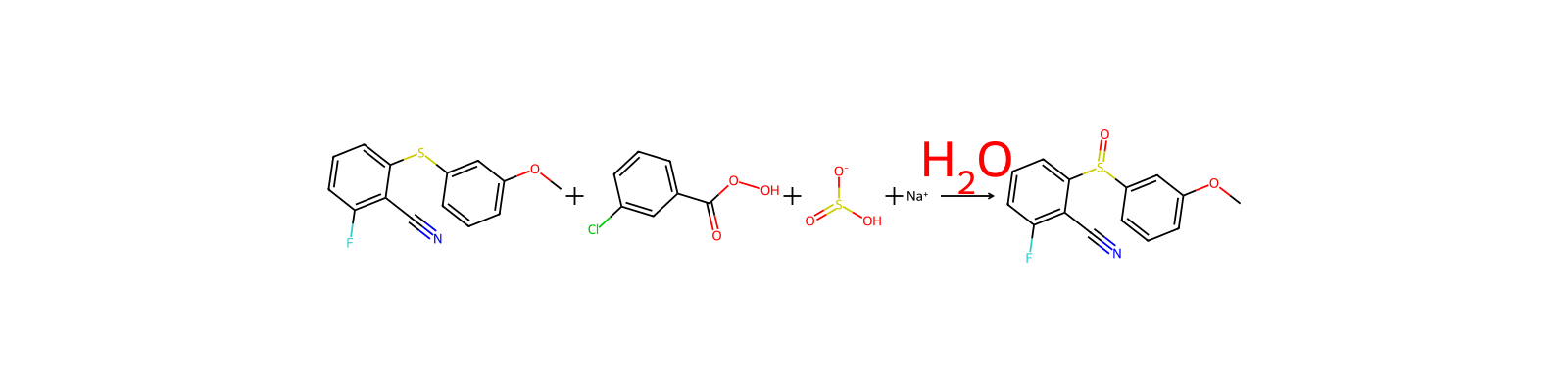
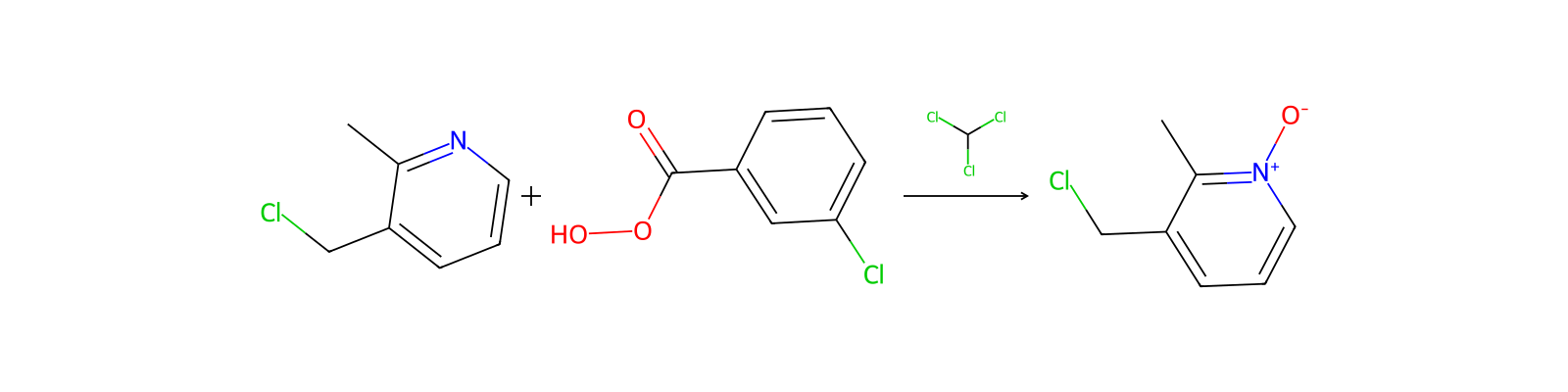
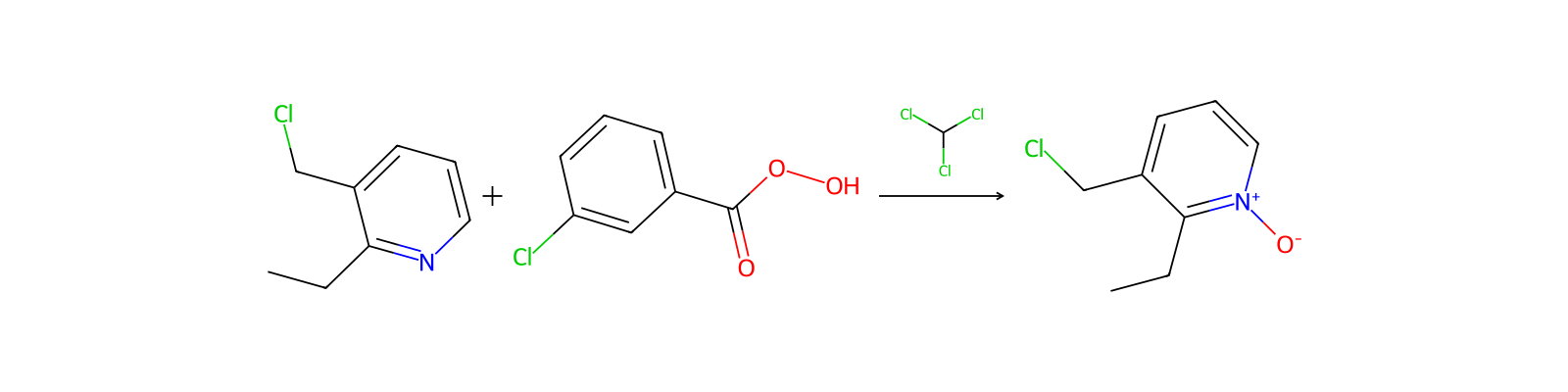
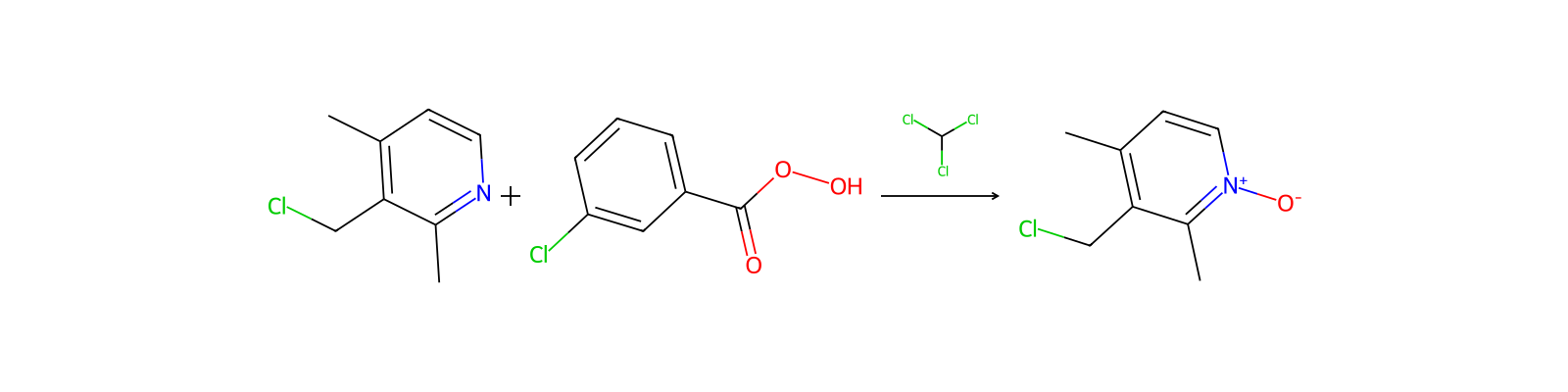
Uses3-Chloroperoxybenzoic acid is commonly used in double bond epoxidation, nitridation, cyclization, Baeyer-Villiger oxidation, and N-oxidation. It can also be used as an oxidant for fine chemicals such as synthetic medicine and pesticides. It is also sometimes used as a bleaching agent [1-6]. • Used in cyclization reaction, Baeyer-Villiger reaction, N-oxidation reaction and S-oxidation reaction. • Used as an oxidant for fine chemical products such as synthetic medicine and pesticides. • Used as oxidant and bleach. • As a good electrophilic reagent, it can react with many functional groups and can oxidize olefins, enol silyl ethers, furans, sulfides, selenides and amino compounds.
Uses3-Chloroperoxybenzoic acid is a strong oxidizing agent used in the oxidation reactions such as aldehydes and ketones to esters (Bayer-Villiger-Oxidation), olefines to epoxides, sulfides to sulfoxides and sulfones, and amines to nitroalkanes, N-oxides.
UsesEffective oxidant for epoxidizing di-, tri-, and tetra-substituted olefins.
General Description3-Chloroperoxybenzoic acid is sensitive to heat. Storage of 3-Chloroperoxybenzoic acid must be done so with stringent temperature control measures. It's explosion hazard is also mitigated by mixing the peroxide in a solvent slurry.
Upstream & downstream products
Upstream raw materials
Downstream products
Suppliers50 total
梯希爱(上海)化成工业发展有限公司021-67121386 · [email protected]
上海阿拉丁生化科技股份有限公司400-6206333 13167063860 · [email protected]
爱斯特(成都)生物制药股份有限公司+86-28-85122536 85324413 · [email protected]
山东前元高分子材料有限公司18678041314 18765609661 · [email protected]
科瑞迪化学400-821-5857 021-64326257 · [email protected]
淮安嘉目生物科技有限公司0517-83187139 18205232085 · [email protected]
上海迈瑞尔生化科技有限公司4006356688 18621169109 · [email protected]
武汉易泰科技有限公司上海分公司18930552037 · [email protected]
阿法埃莎(中国)化学有限公司400-6106006 · [email protected]
安耐吉化学&3A(安徽泽升科技股份有限公司)400-0056266 · [email protected]
上海瀚鸿科技股份有限公司021-54306202 13764082696 · [email protected]
上海景颜化工科技有限公司13817811078 · [email protected]
嘉兴市艾森化工有限公司0573-85285100 18627885956 · [email protected]
上海隆盛化工有限公司58099637 13585536065 · [email protected]
上海微巨实业有限公司021-34628682 18918069061 · [email protected]
杭州东帆化学有限公司86-0571-85151182
苏州施亚生物科技有限公司86(512)5235 8471 17715136450 · [email protected]
山东西亚化学有限公司13355009207 13355009207 · [email protected]
玛雅试剂+86 (573) 82222445 (0)18006601000 452520369 · [email protected]
四川库利南科技有限公司400-1166-196 18981987031 · [email protected]
天津希恩思生化科技有限公司400 638 7771 · [email protected]
河南萬象化工有限公司(优势生产供应!)0371-56669001 13949088811 · [email protected]
南京维奥化工有限公司Please Send Email 18652950785 · [email protected]
斯百全化学(上海)有限公司021-021-021-67601398-809-809-809 15221380277 · [email protected]
重庆怀恩化工有限公司+86-023-62487899 13883934700 · [email protected]
艾科试剂4008-755-333 18080918076 · [email protected]
上海思域化工科技有限公司86-21-34053660 · [email protected]
赛默飞世尔科技(中国)有限公司800-810-5118 · [email protected]
北京伊诺凯科技有限公司400-810-7969 010-59572699 · [email protected]
北京清露源科技有限公司+86 (10) 6333-0989 · [email protected]
Wuhan NCE Biomedical Co.,Ltd.4000-027-021 |24 +86-13986109188 | +86-15623472865 | +81-08033611988
上海遐瑞医药科技有限公司+86 21 61551611
江苏艾康生物医药研发有限公司025-66113011 13913916777 · [email protected]
TOKYO CHEMICAL INDUSTRY CO., LTD.03-36680489 · [email protected]
上海贤鼎生物科技有限公司4009209199 · [email protected]
深圳康特腾科技有限公司86-0755-86635001 · [email protected]
越林试剂021-62960152 · [email protected]
无锡中坤生化科技有限公司+86 0510-85629785
上海湄水化工科技有限公司021-60549325 18616193163
上海将来实业股份有限公司021-61552785 · [email protected]
HBCChem, Inc.+1-510-219-6317 · [email protected]
日照力德士化工有限公司010-51268198 · [email protected]
郑州阿尔法化工有限公司0371-53732842 15981811963 · [email protected]
重庆科沃化工有限公司18680818008/15802381793 · [email protected]
美岚实业(上海)有限公司021-58958189 · [email protected]
上海石洋化工有限公司021-56795766 · [email protected]
上海爱蝶实业有限公司021-58957966 18930537195 · [email protected]
成都零六生物科技有限公司400-1166-196 13458535857 · [email protected]
广拓化学(上海)有限公司021-60899189-8001 18918189673 · [email protected]
雷丁试剂0510-85629785 18013409632 · [email protected]
Additional notes
DefinitionChEBI: 3-chloroperbenzoic acid is a peroxy acid and a member of monochlorobenzenes.
Related reactions
10,381 records



Linked notes
Loading…