
Chlorodiphenylmethane
Completing data — refresh the page later to see the latest
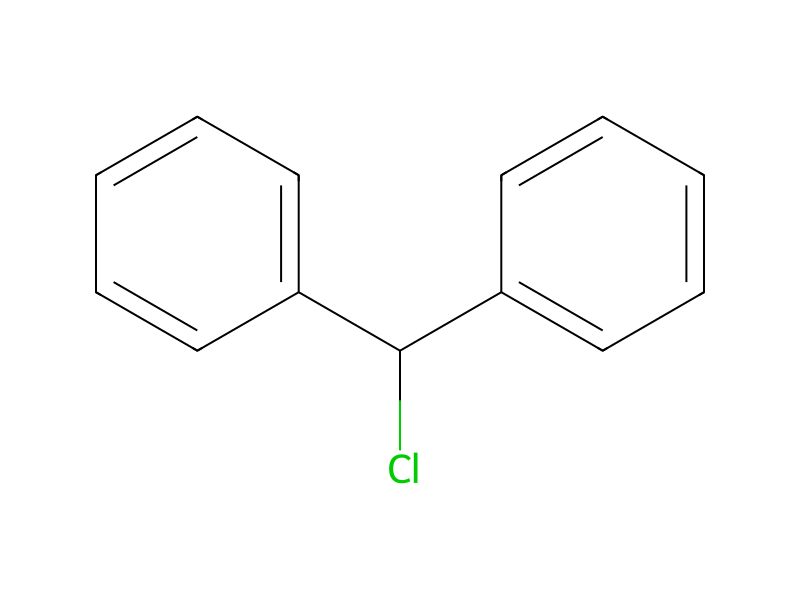
Basic information
- CAS
90-99-3- Standard SMILES
ClC(c1ccccc1)c1ccccc1- InChIKey
ZDVDCDLBOLSVGM-UHFFFAOYSA-N- Molecular formula
- C13H11Cl
- Average molar mass
- 202.68 g/mol
- Monoisotopic mass
- 202.05492803
Names & identifiers
- Preferred name
- Chlorodiphenylmethane
- IUPAC
- [chloro(phenyl)methyl]benzene
- English name
- Chlorodiphenylmethane
- Molecular formula
- C13H11Cl
- Molecular weight
- 202.68
Names & synonyms
CHLORODIPHENYLMETHANE90-99-3Benzhydryl chlorideBenzene, 1,1'-(chloromethylene)bis-Diphenylmethyl chlorideChloro(diphenyl)methanealpha-Chloroditan1,1'-(Chloromethylene)bisbenzeneUNII-CN9N9AYV4BCN9N9AYV4BHSDB 2804EINECS 202-031-7
Show more names
(ChloroMethylene)dibenzeneDIPHENYLCHLOROMETHANEAI311230AI3 11230AKOS BBS-000042951-Chloro-2-(αCHLORODIPHENYLMETHANE
alpha-ChlorodiphenylmethaneNSC 76584NSC-76584.ALPHA.-CHLORODITANAI3-11230DTXSID10861684CHLORODIPHENYLMETHANE [HSDB].ALPHA.-CHLORODIPHENYLMETHANE
Database identifiers
- CAS
90-99-3- PubChem CID
- 7035
- DTXSID
DTXSID10861684- UNII
- CN9N9AYV4B
- EC Number
- 202-031-7
- Nikkaji
- J4.331A
Properties
Computed structural propertiesFilling in
- XLogP
- 3.9
- Topological polar surface area
- 0 Ų
- Hydrogen bond donors
- 0
- Hydrogen bond acceptors
- 0
- Rotatable bonds
- 2
- Heavy atoms
- 14
- Formal charge
- 0
- Complexity
- 137
Experimental & physicochemical properties
PolymersOther Classes -> Halogenated Polyaromatics
SpringerMaterials PropertiesBoiling point
Density1.1398 @ 20 °C/4 °C
Color/FormNEEDLES
Boiling Point173 °C @ 19 MM HG
Melting Point20.5 °C
Refractive IndexINDEX OF REFRACTION: 1.5959 @ 20 °C
Physical DescriptionSolid; mp = 20.5 deg C; [HSDB] Liquid; mp = 17-20 deg C; [MSDSonline]
Physicochemical properties
- Melting point
- 15 · 15-17 °C(lit.)
- Boiling point
- 140 °C3 · 140 °C3 mm Hg(lit.)
Safety & regulation
Safety information is for reference only and does not replace the supplier’s Safety Data Sheet (SDS), applicable regulations, or professional assessment.
GHS classification
GHS Classification
Danger
H314 (16.7%): Causes severe skin burns and eye damage [Danger Skin corrosion/irritation]
P260, P264, P264+P265, P273, P280, P301+P330+P331, P302+P352, P302+P361+P354, P304+P340, P305+P351+P338, P305+P354+P338, P316, P321, P332+P317, P337+P317, P362+P364, P363, P391, P405, and P501 (click each P-code to see the statement)
Aggregated GHS information provided per 60 reports by companies from 8 notifications to the ECHA C&L Inventory. Each notification may be associated with multiple companies.
Hazard information
Regulatory Information
Status: Active Update: 06-03-2019 https://echa.europa.eu/registration-dossier/-/registered-dossier/18789
Diphenylmethyl chloride: Does not have an individual approval but may be used under an appropriate group standard
Hazards SummaryA corrosive substance that can cause injury to the skin, eyes, and respiratory tract; Inhalation may cause edema and chemical pneumonitis; [MSDSonline]
Hazard Classes and CategoriesSkin Corr. 1B (16.7%)
Toxicology
Adverse EffectsDermatotoxin - Skin burns.
Safety data
- PPE
- Eyeshields, Gloves, type ABEK (EN14387) respirator filter
- wgk
- 3
- tsca
- TSCA listed
- ridadr
- UN 3265 8/PG 2
Chemistry & industry
Uses & manufacturing
General Manufacturing InformationBenzene, 1,1'-(chloromethylene)bis-: ACTIVE
Applications
UsesChlorodiphenylmethane was used as initiator during the controlled radical polymerization of styrene catalyzed by ionic iron complex. It was also used as the starting reagent in the synthesis of trimethylhydroquinone derivatives.
Preparation methods
PreparationChlorodiphenylmethane was synthesized by the radical substitution reaction between diphenylmethane and chlorine gas.
Upstream & downstream products
Upstream raw materials
Downstream products
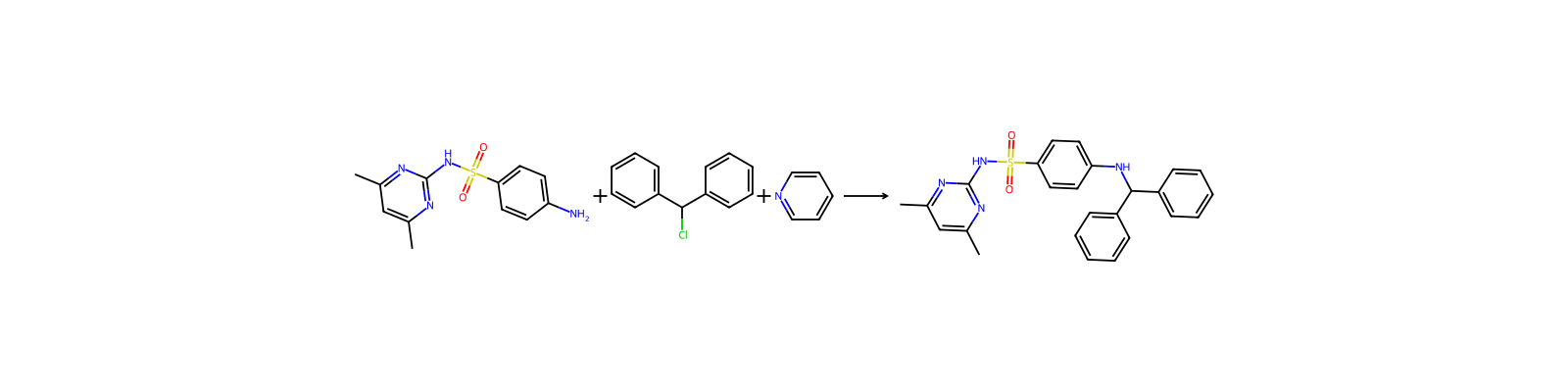
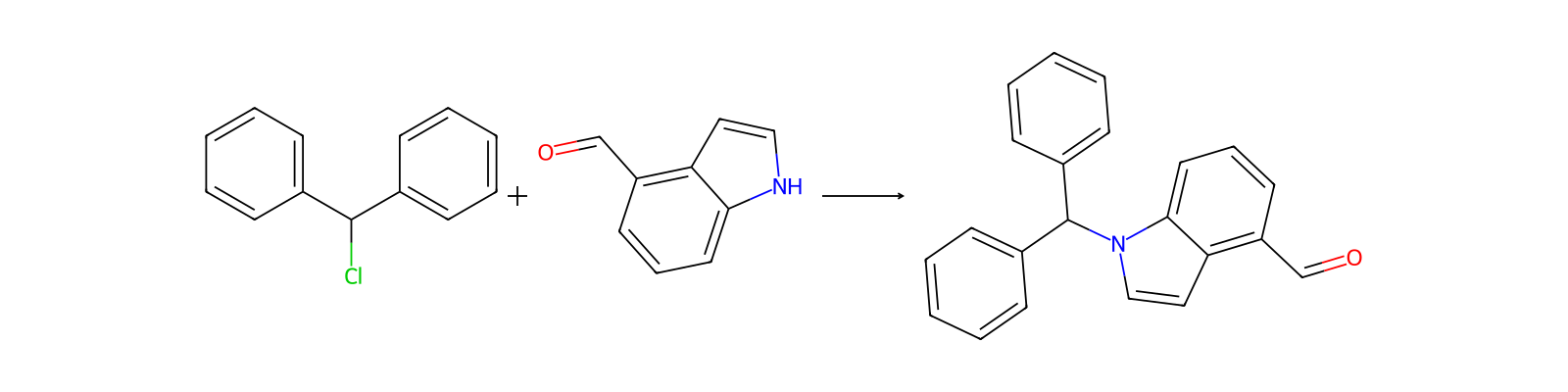
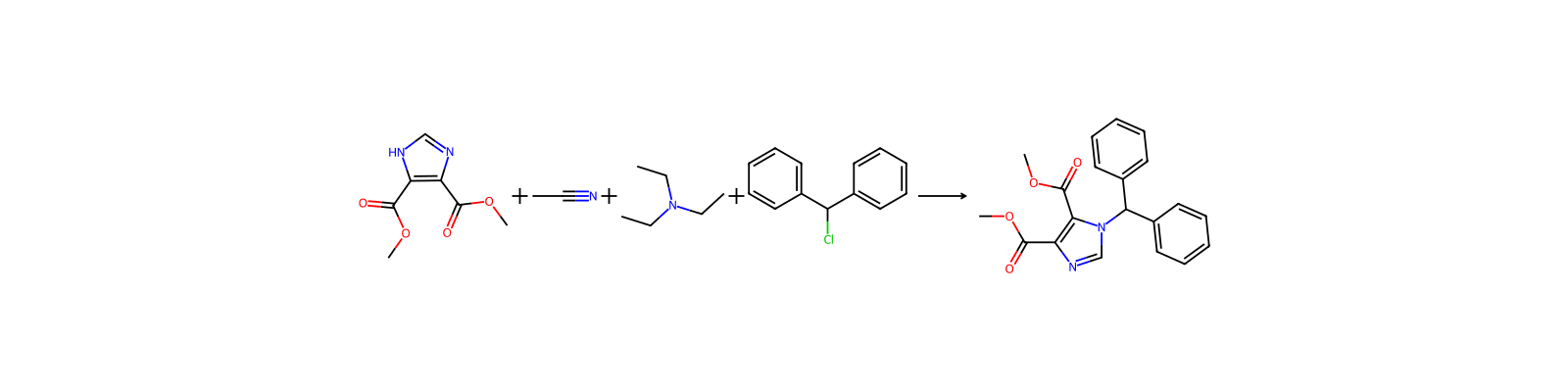
Related reactions
61 records




Compound notes
Loading…