

Basic information
- Standard SMILES
c1cc(N2CCNCC2)ccn1- InChIKey
OQZBAQXTXNIPRA-UHFFFAOYSA-N- Molecular formula
- C9H13N3
- Average molar mass
- 163.22 g/mol
- Monoisotopic mass
- 163.11094742
Overview
structure in first source
Names & identifiers
- Preferred name
- 1-(4-Pyridyl)piperazine
- IUPAC
- 1-pyridin-4-ylpiperazine
- English name
- 1-(4-Pyridyl)piperazine
- Molecular formula
- C9H13N3
- Molecular weight
- 163.22
Names & synonyms
1-(4-Pyridyl)piperazine1008-91-9DTXSID801435201-[4-pyridyl]piperazineRefChem:426022DTXCID7066011213-764-71-(pyridin-4-yl)piperazine1-Pyridin-4-yl-piperazine1-pyridin-4-ylpiperazine4-PiperazinopyridinePIPERAZINE, 1-(4-PYRIDINYL)-
Show more names
BUTTPARK 82\08-09Pyridyl)piperazinRARECHEM AH CK 01944-pyridyl piperazineLABOTEST-BB LT002331384-(1-Piperazino)pyridine1-(4-PYRIDINYL)PIPERAZINE
4-pyridylpiperazineMFCD000407451-(4-pyridyl)-piperazineEINECS 213-764-7(4-pyridyl)piperazine4-(4-pyridyl)piperazineCHEMBL339069BDBM50106393
Database identifiers
- CAS
1008-91-9- PubChem CID
- 70517
- DTXSID
DTXSID80143520- ChEMBL
CHEMBL339069- EC Number
- 213-764-7
- Nikkaji
- J217.122H
Properties
Computed structural properties
- XLogP
- 0.3
- Topological polar surface area
- 28.2 Ų
- Hydrogen bond donors
- 1
- Hydrogen bond acceptors
- 3
- Rotatable bonds
- 1
- Heavy atoms
- 12
- Formal charge
- 0
- Complexity
- 126
Physicochemical properties
- Melting point
- 137 · 137-141 °C
- Boiling point
- 195 · 195-200°C 0,3mm
- Density
- 1.081 · 1.081±0.06 g/cm3(Predicted)
- Flash point
- 195 · 195-200°C/0.3mm
- storage temp.
- 2 · under inert gas (nitrogen or Argon) at 2–8 °C
- solubility
- soluble in Methanol
- form
- powder to crystal
- pka
- 10.73 · 10.73±0.10(Predicted)
- color
- White to Light yellow
- Water Solubility
- Soluble in water.
- Sensitive
- Air Sensitive
- BRN
- 609705 · 609705
- Stability
- Air Sensitive
- InChI
- 1S/C9H13N3/c1-3-10-4-2-9(1)12-7-5-11-6-8-12/h1-4,11H,5-8H2
- InChIKey
- OQZBAQXTXNIPRA-UHFFFAOYSA-N
- SMILES
- C1CN(CCN1)c2ccncc2
- CAS DataBase Reference
- 1008 · 1008-91-9(CAS DataBase Reference)
- UNSPSC Code
- 12352100 · 12352100
- NACRES
- 22 · NA.22
- Symbol(GHS)
- 5 · GHS05
- Signal word
- Danger
- Hazard statements
- 314 · H314
- Precautionary statements
- 280 · P280-P305+P351+P338-P310
- PPE
- 3 · Eyeshields, Faceshields, Gloves, type P3 (EN 143) respirator cartridges
- Hazard Codes
- C,Xi
- Risk Statements
- 34 · 34-36/37/38
- Safety Statements
- 26 · 26-36/37/39-45-36-37/38/39
- RIDADR
- 3259 · UN 3259 8/PG 2
- WGK Germany
- 3 · 3
- F
- 10 · 10-34
- Hazard Note
- Irritant
- HazardClass
- 8 · 8
- PackingGroup
- II
- HS Code
- 29335990 · 29335990
- Storage Class
- 8 A · 8A - Combustible corrosive hazardous materials
- Hazard Classifications
- 1 Skin · Eye Dam. 1Skin Corr. 1B
- Limited Quantities
- 1 Kg · 1 Kg (2.2 lbs) (solid)
- Excepted Quantities
- Max Inner Pack (30g or 30ml) and Max Outer Pack (500g or 500ml)
Safety & regulation
GHS classification
GHS Classification
Danger
H314 (100%): Causes severe skin burns and eye damage [Danger Skin corrosion/irritation]
P260, P264, P280, P301+P330+P331, P302+P361+P354, P304+P340, P305+P354+P338, P316, P321, P363, P405, and P501 (click each P-code to see the statement)
Aggregated GHS information provided per 48 reports by companies from 3 notifications to the ECHA C&L Inventory.
Hazard information
Hazard Classes and CategoriesSkin Corr. 1B (100%)
Safety data
- F
- 10-34
- PPE
- Eyeshields, Faceshields, Gloves, type P3 (EN 143) respirator cartridges
- wgk
- 3
- ridadr
- UN 3259 8/PG 2
- hs_code
- 29335990
- risk_code
- 34-36/37/38
- Signal word
- Danger
- Symbol(GHS)
- GHS05
- hazard_code
- C,Xi
- hazard_note
- Irritant
- safety_code
- 26-36/37/39-45-36-37/38/39
- hazard_class
- 8
- Storage Class
- 8A - Combustible corrosive hazardous materials
- packing_group
- II
- Hazard statements
- H314
- Limited Quantities
- 1 Kg (2.2 lbs) (solid)
- Excepted Quantities
- Max Inner Pack (30g or 30ml) and Max Outer Pack (500g or 500ml)
- Hazard Classifications
- Eye Dam. 1Skin Corr. 1B
- Precautionary statements
- P280-P305+P351+P338-P310
Chemistry & industry
Applications
Uses1-(4-Pyridyl)piperazine is an important raw material and intermediate used in organic synthesis, pharmaceuticals and agrochemicals. It is also used to produce 1-pyridin-4-yl-4-(4-vinyl-benzyl)-piperazine with 1-(chloromethyl)-4-vinylbenzene by heating.
General Description1-(4-Pyridyl) piperazine (or 4-Piperazinopyridine) is an active structural component that is used as a building block to prepare various medicinally important active molecules.
Upstream & downstream products
Upstream raw materials
Suppliers50 total
上海阿拉丁生化科技股份有限公司400-6206333 13167063860 · [email protected]
毕佳索(上海毕得医药科技股份有限公司)400-6005915 · [email protected]
上海麦克林生化科技股份有限公司021-50706066 15221275939 · [email protected]
T&W GROUP021-61551611 13296011611 · [email protected]
爱斯特(成都)生物制药股份有限公司+86-28-85122536 85324413 · [email protected]
Baoji Guokang Healthchem co.,ltd+8615604608665 15604608665 · [email protected]
Dayang Chem (Hangzhou) Co.,Ltd.+86-0571-88938639 17705817739 · [email protected]
科瑞迪化学400-821-5857 021-64326257 · [email protected]
Syntechem Co.,Ltd[email protected]
上海迈瑞尔生化科技有限公司4006356688 18621169109 · [email protected]
北京华威锐科化工有限公司0757-86329057 18934348241 · [email protected]
上海辅欣医药科技有限公司+86-021-021-50872116 · [email protected]
阿法埃莎(中国)化学有限公司400-6106006 · [email protected]
安耐吉化学&3A(安徽泽升科技股份有限公司)400-0056266 · [email protected]
武汉凯威斯科技有限公司86-027-67849912 · [email protected]
Allfluoro Pharmaceutical Company Limited+86-400-0216110 +86-15958047586 · [email protected]
上海恩诺生物科技有限公司+86 (21) 6435-5022
上海瀚鸿科技股份有限公司021-54306202 13764082696 · [email protected]
Shangchem Co., Ltd.+86-21-68182121
上海相辉医药科技有限公司13761987713 · [email protected]
上海景颜化工科技有限公司13817811078 · [email protected]
嘉兴市艾森化工有限公司0573-85285100 18627885956 · [email protected]
Pure Chemistry Scientific Inc.001-857-928-2050 or 1-888-588-9418 · [email protected]
上海隆盛化工有限公司58099637 13585536065 · [email protected]
郑州研德生物科技有限公司0371-63682289 15538176268 · [email protected]
杭州东帆化学有限公司86-0571-85151182
Abblis Chemicals LLC+1-832-373-8299 · [email protected]
玛雅试剂+86 (573) 82222445 (0)18006601000 452520369 · [email protected]
四川库利南科技有限公司400-1166-196 18981987031 · [email protected]
天津希恩思生化科技有限公司400 638 7771 · [email protected]
北京伊诺凯科技有限公司15652467323 · [email protected]
苏州岚云医药科技有限公司2332782371 · [email protected]
成都海品信医药科技有限公司85114309 18982182443 · [email protected]
艾科试剂4008-755-333 18080918076 · [email protected]
上海思域化工科技有限公司86-21-34053660 · [email protected]
上海特伯化学科技有限公司+86-21-60341587 · [email protected]
TCI AMERICA800-4238616 · [email protected]
TOKYO CHEMICAL INDUSTRY CO., LTD.03-36680489 · [email protected]
越林试剂021-62960152 · [email protected]
上海睿升化工科技有限公司+86-021-50935922
上海汇凯化学科技有限公司021-61995394 18916691159 · [email protected]
苏州爱玛特生物科技有限公司0512-56316828 4008675858 · [email protected]
上海将来实业股份有限公司021-61552785 · [email protected]
安徽科迪达化工有限公司0554-2106669 · [email protected]
上海毕得医药科技股份有限公司400-164-7117 18317119277 · [email protected]
上海笛柏生物科技有限公司400-008-9730,021-54359730 400-008-9730 · [email protected]
成都零六生物科技有限公司400-1166-196 13458535857 · [email protected]
上海御略医药科技有限公司021-60345187 13671753212 · [email protected]
陕西缔都医药化工有限公司029-81024372 17792795018 · [email protected]
Sigma-Aldrich西格玛奥德里奇(上海)贸易有限公司021-61415566 800-8193336 · [email protected]
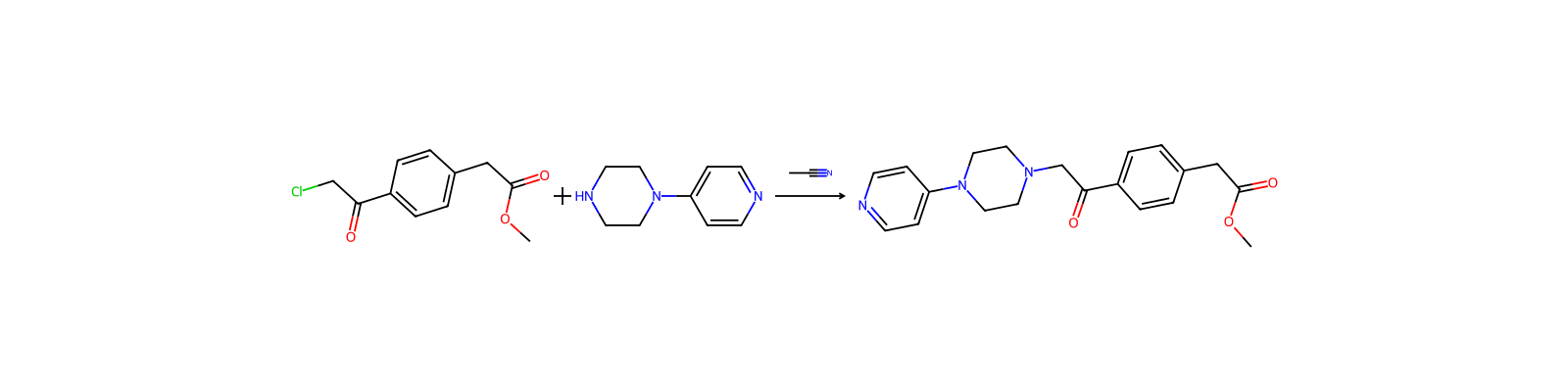
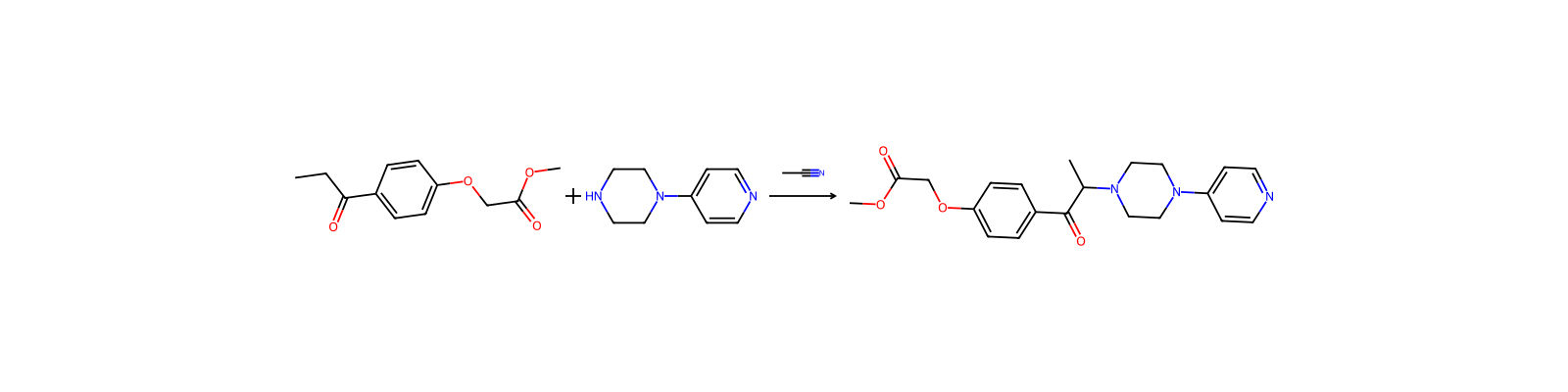
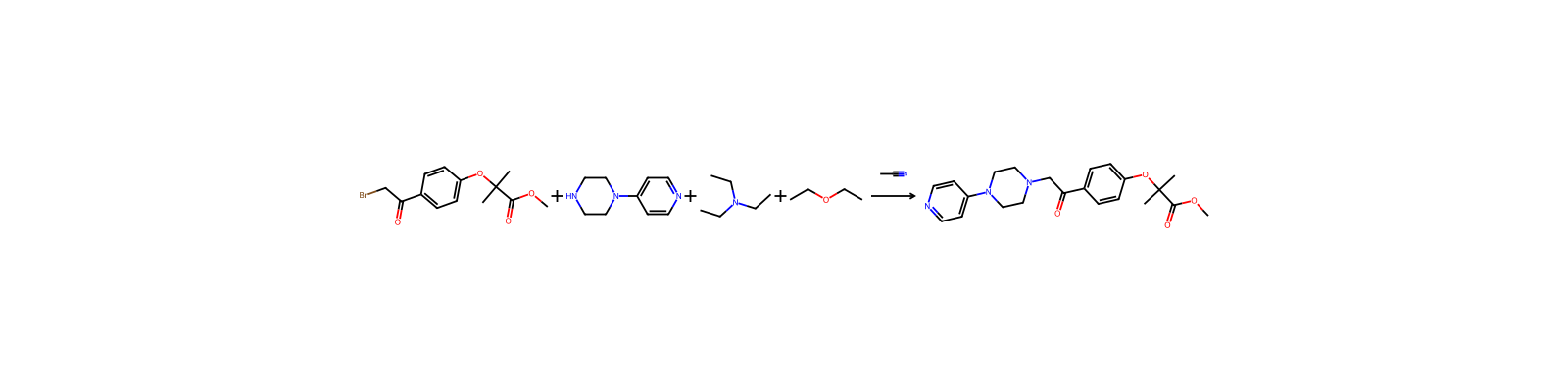
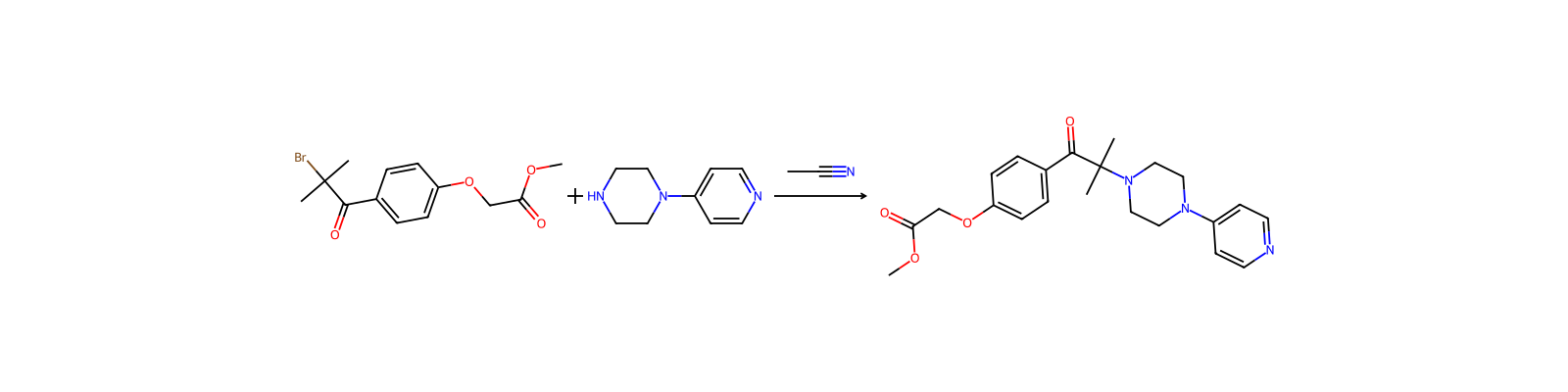
Related reactions
235 records



Linked notes
Loading…