
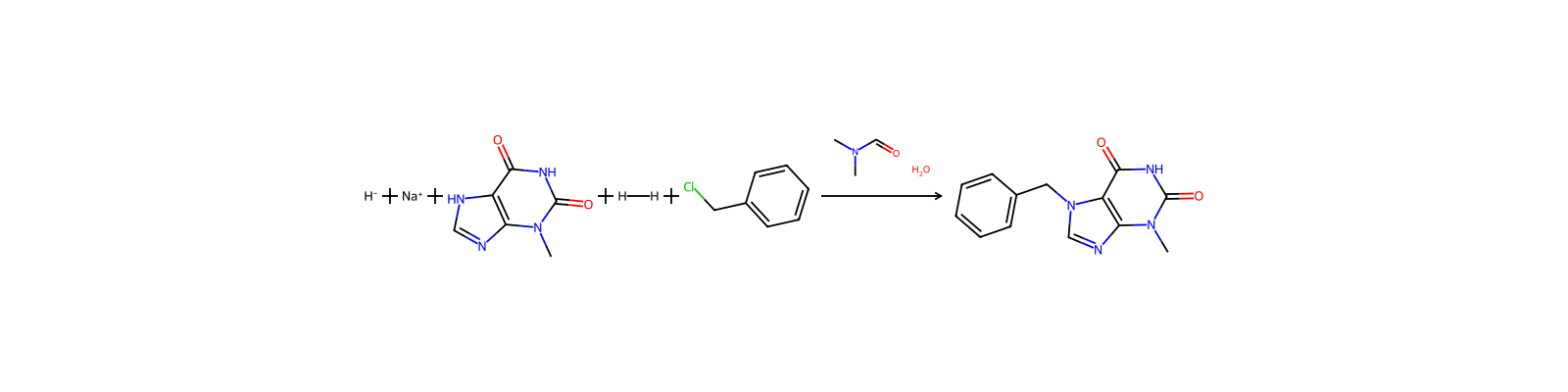
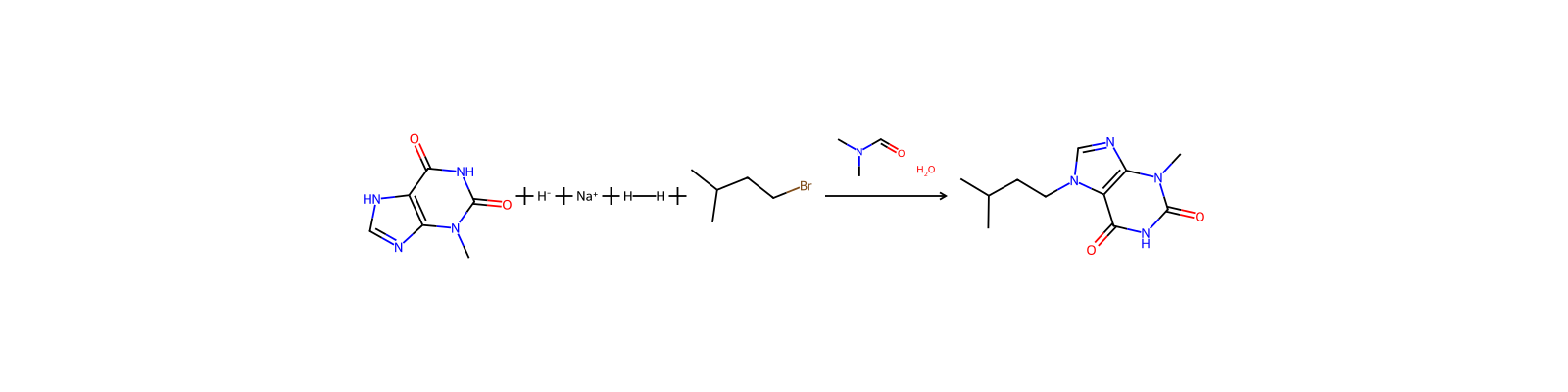
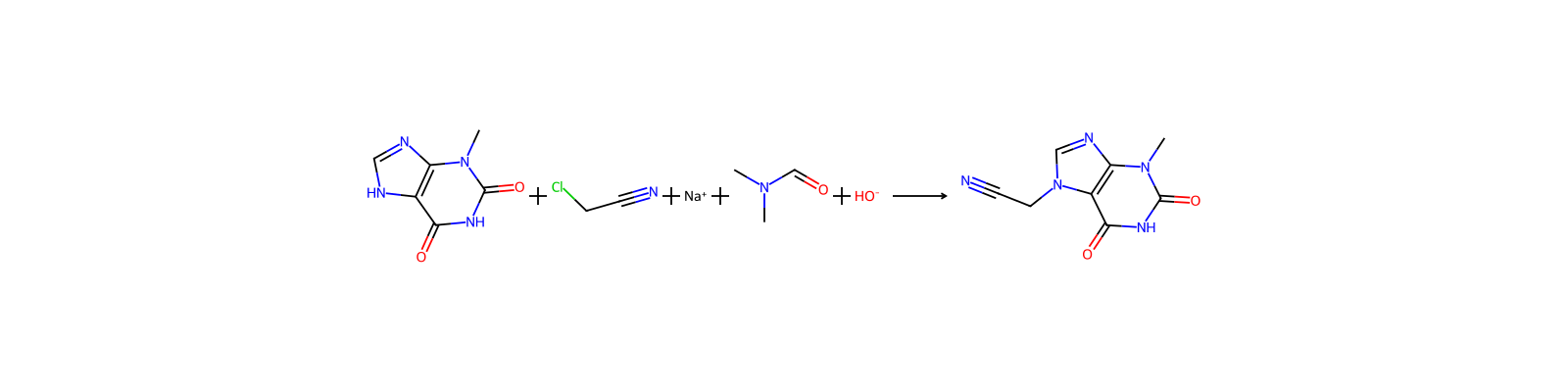
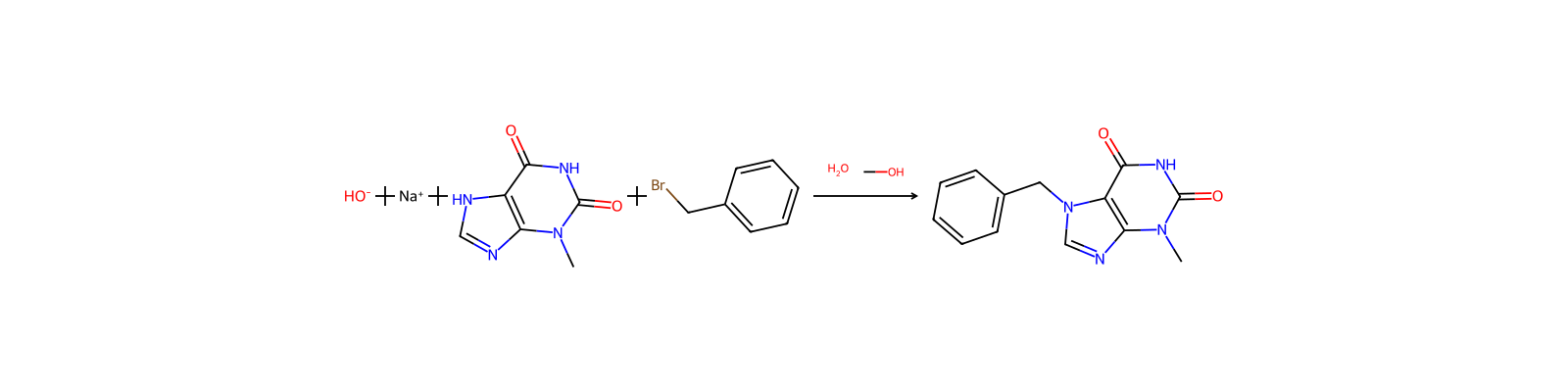
HRID 1987As reactant

1076-22-8Cn1c(=O)[nH]c(=O)c2[nH]cnc21GMSNIKWWOQHZGF-UHFFFAOYSA-N3-methyl-9H-xanthine is a 3-methylxanthine tautomer where the imidazole proton is located at the 9-position. It has a role as a metabolite. It is a tautomer of a 3-methyl-7H-xanthine.
1076-22-8DTXSID90148107CHEMBL619CHEBI:62207-0.50
-0.72
127.59 Ų [M+H]+ [CCS Type: TW; Method: calibrated with polyalanine and drug standards]
124.48 Ų [M-H]- [CCS Type: DT; Method: single field calibrated with Agilent tune mix (Agilent)]
127.9 Ų [M+H]+ [CCS Type: TW; Method: calibrated with polyalanine and drug standards]
Safety information is for reference only and does not replace the supplier’s Safety Data Sheet (SDS), applicable regulations, or professional assessment.
Warning
H302 (98.1%): Harmful if swallowed [Warning Acute toxicity, oral]
P264, P270, P301+P317, P330, and P501 (click each P-code to see the statement)
Aggregated GHS information provided per 53 reports by companies from 4 notifications to the ECHA C&L Inventory.
Description3-Methylxanthine is one of the metabolites of theophylline. After oral intake, approximately 36% is excreted in the urine as 3-methylxanthine, 40% as 1,3-dimethyluric acid and 17% as 1-methyluric acid. 3-methylxanthine (3MX) has been assessed as an adenosine antagonist and produces the same maximal relaxation of guinea pig tracheal muscle as does. 3MX is also used to examine conformational heterogeneity in RNA aptamers and riboswitches[1-2].
Uses3-Methylxanthine is a Xanthine derivative with diuretic, cardiac stimulant and smooth muscle relaxant activities; isomeric with theobromine.They can also act as Bronchodilator.
General Description3-Methylxanthine, a metabolite of theophylline, was quantitated in rat plasma by a sensitive LC-MS/MS method.



DefinitionChEBI: 3-methyl-9H-xanthine is a 3-methylxanthine tautomer where the imidazole proton is located at the 9-position. It has a role as a metabolite. It is a tautomer of a 3-methyl-7H-xanthine.