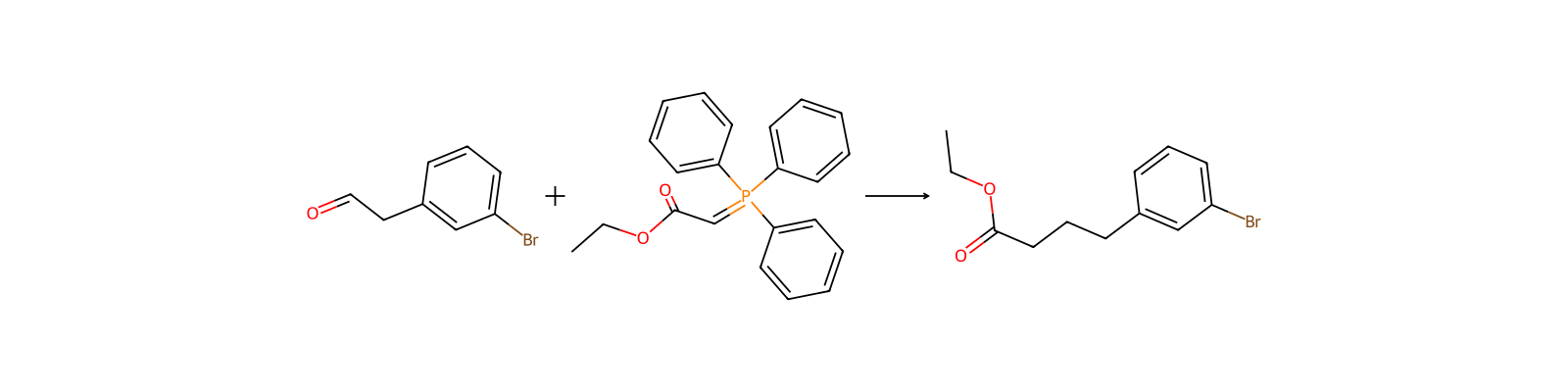
HRID 1206As reactant

1099-45-2CCOC(=O)C=P(c1ccccc1)(c1ccccc1)c1ccccc1IIHPVYJPDKJYOU-UHFFFAOYSA-NSafety information is for reference only and does not replace the supplier’s Safety Data Sheet (SDS), applicable regulations, or professional assessment.
This chemical does not meet GHS hazard criteria for 40% (2 of 5) of reports.
Danger
H300 (20%): Fatal if swallowed [Danger Acute toxicity, oral]
P260, P261, P264, P264+P265, P270, P271, P272, P273, P280, P301+P316, P302+P352, P304+P340, P305+P351+P338, P319, P321, P330, P332+P317, P333+P317, P337+P317, P362+P364, P391, P403+P233, P405, and P501 (click each P-code to see the statement)
Aggregated GHS information provided per 5 reports by companies from 4 notifications to the ECHA C&L Inventory. Each notification may be associated with multiple companies.
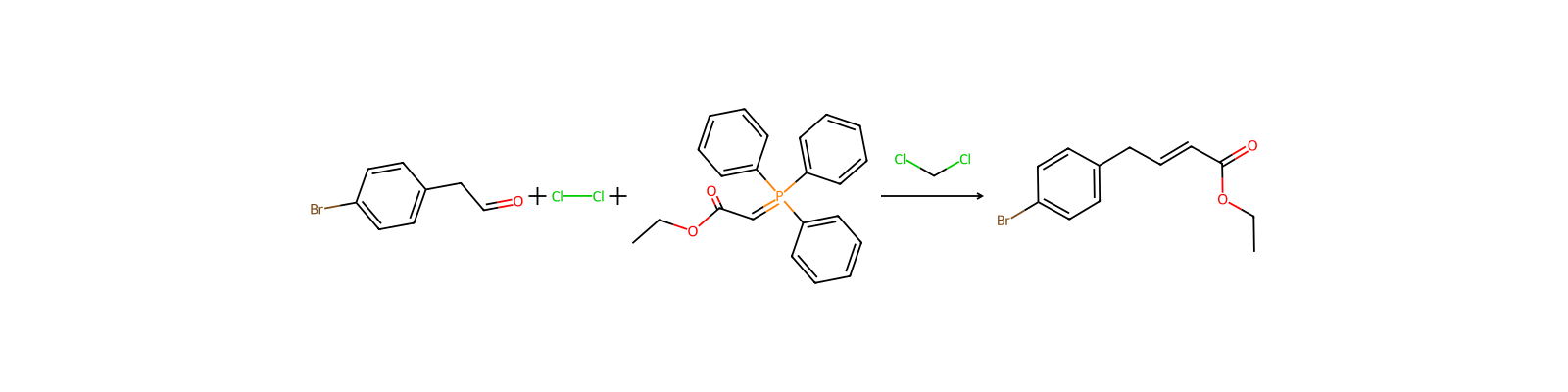
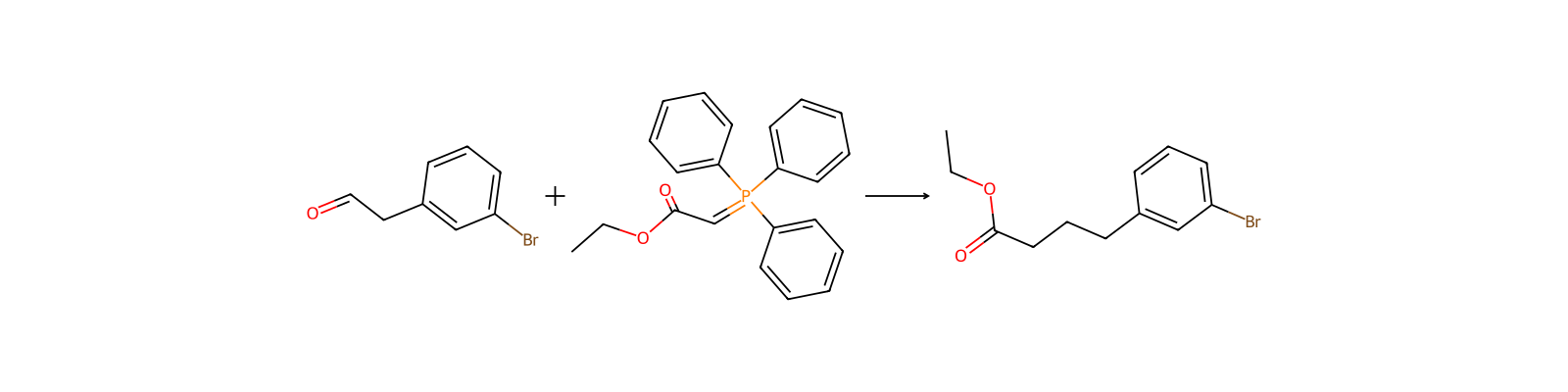
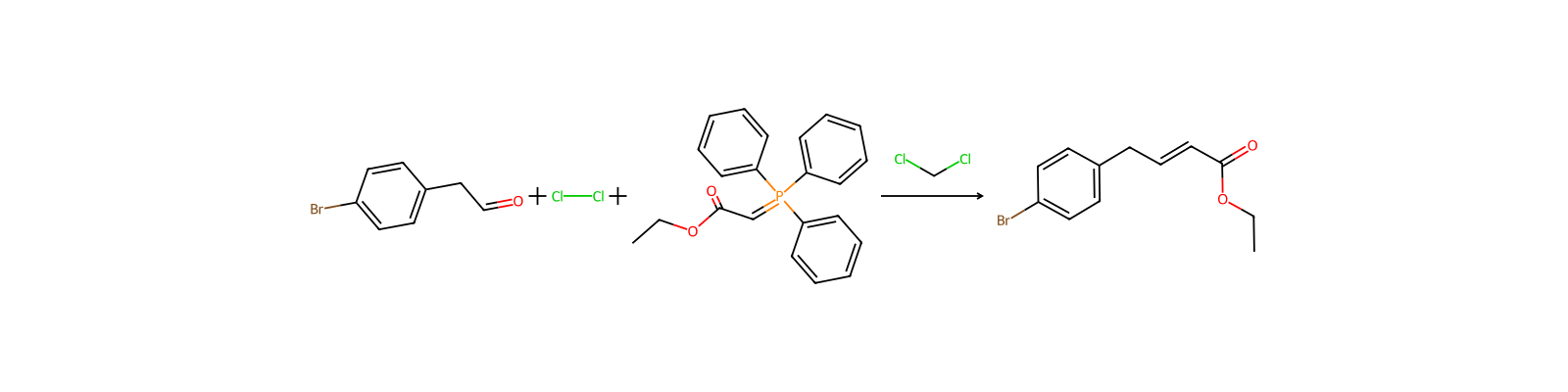
DescriptionEthyl (triphenylphosphoranylidene)acetate is a common Wittig reagent in organic synthesis as well as a cholinesterase inhibitor that inhibits both AChE and BChE. It is used in the preparation of indole from o-nitrobenzaldehydes, coumarins from o-hydroxy acetophenone.
Uses(Ethoxycarbonylmethylene)triphenylphosphoran is used as a Wittig reagent in organic synthesis. It is used in the preparation of indole from o-nitrobenzaldehydes, coumarins from o-hydroxy acetophenone. It acts as an inhibitor and inhibits the activity of cholinesterase.
UsesA common Wittig reagent. A cholinesterase inhibitor.


1099-45-2DTXSID7061485