Basic information
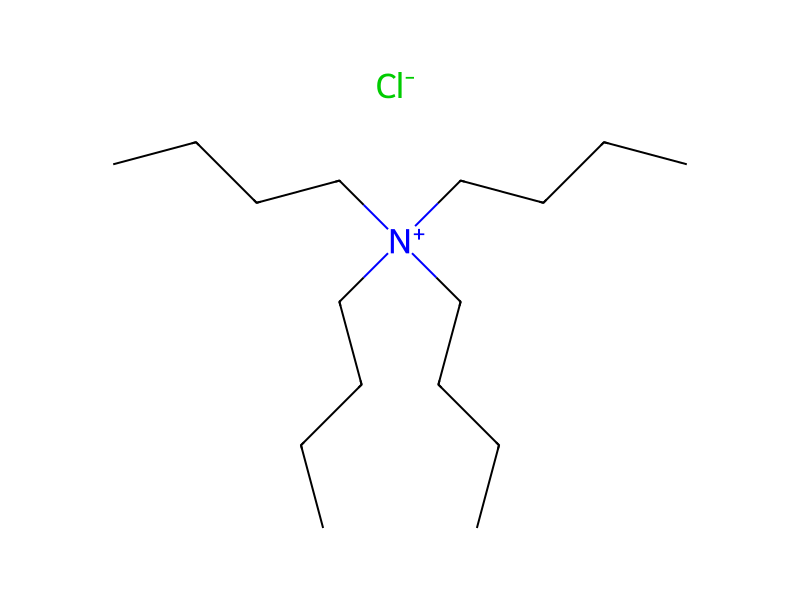
- Standard SMILES
CCCC[N+](CCCC)(CCCC)CCCC.[Cl-]- InChIKey
NHGXDBSUJJNIRV-UHFFFAOYSA-M- Molecular formula
- C16H36N.Cl
- Average molar mass
- 277.9 g/mol
Overview
Tetrabutylammonium chloride is an organic chloride salt comprising of a tetrabutylammonium cation and chloride anion. It is an organic chloride salt and a tetrabutylammonium salt.
Names & identifiers
- Preferred name
- Tetrabutylammonium Chloride
- IUPAC
- tetrabutylazanium chloride
Names & synonyms
Tetrabutylammonium chloride1112-67-0Tetra-N-butylammonium chloride1-Butanaminium, N,N,N-tributyl-, chlorideDDT9H3MSD31-Butanaminium, N,N,N-tributyl-, chloride (1:1)N,N,N-tributyl-1-butanaminium chlorideN,N,N-tributylbutan-1-aminium chlorideCHEBI:51988DTXSID10883644RefChem:188407DTXCID201023154
Show more names
214-195-7Tetrabutyl ammonium chlorideTBACtetrabutylammoniumchloridetetrabutylazanium chloridetetrabutyl-ammonium chlorideC16H36ClNEINECS 214-195-7
Database identifiers
- CAS
1112-67-0- PubChem CID
- 70681
- DTXSID
DTXSID10883644- ChEBI
CHEBI:51988- UNII
- DDT9H3MSD3
- EC Number
- 214-195-7
Properties
Computed structural properties
- Topological polar surface area
- 0 Ų
- Hydrogen bond donors
- 0
- Hydrogen bond acceptors
- 1
- Rotatable bonds
- 12
- Heavy atoms
- 18
- Formal charge
- 0
- Complexity
- 116
Experimental & physicochemical properties
Chemical ClassesNitrogen Compounds -> Quaternary Amines
Physical DescriptionWhite odorless crystals; Hygroscopic; [Alfa Aesar MSDS]
Safety & regulation
GHS classification
GHS Classification
This chemical does not meet GHS hazard criteria for 34.6% (37 of 107) of reports.
Warning
H315 (65.4%): Causes skin irritation [Warning Skin corrosion/irritation]
P261, P264, P264+P265, P271, P280, P302+P352, P304+P340, P305+P351+P338, P319, P321, P332+P317, P337+P317, P362+P364, P403+P233, P405, and P501 (click each P-code to see the statement)
Aggregated GHS information provided per 107 reports by companies from 11 notifications to the ECHA C&L Inventory. Each notification may be associated with multiple companies.
Warning
Hazard information
Regulatory Information
Chemical: 1-Butanaminium, N,N,N-tributyl-, chloride
1-Butanaminium, N,N,N-tributyl-, chloride: Does not have an individual approval but may be used under an appropriate group standard
Other Safety InformationIMAP assessments - Tetrabutylammonium salts: Human health tier II assessment
Hazards SummaryAn irritant; [Alfa Aesar MSDS]
Hazard Classes and Categories
Skin Irrit. 2 (65.4%)
Acute toxicity (ingestion) - category 4
Chemistry & industry
Pharmacology
MeSH Pharmacological Classification
Purifying or cleansing agents, usually salts of long-chain aliphatic bases or acids, that exert cleansing (oil-dissolving) and antimicrobial effects through a surface action that depends on possessing both hydrophilic and hydrophobic properties.
Uses & manufacturing
General Manufacturing Information1-Butanaminium, N,N,N-tributyl-, chloride (1:1): ACTIVE
Related reactions
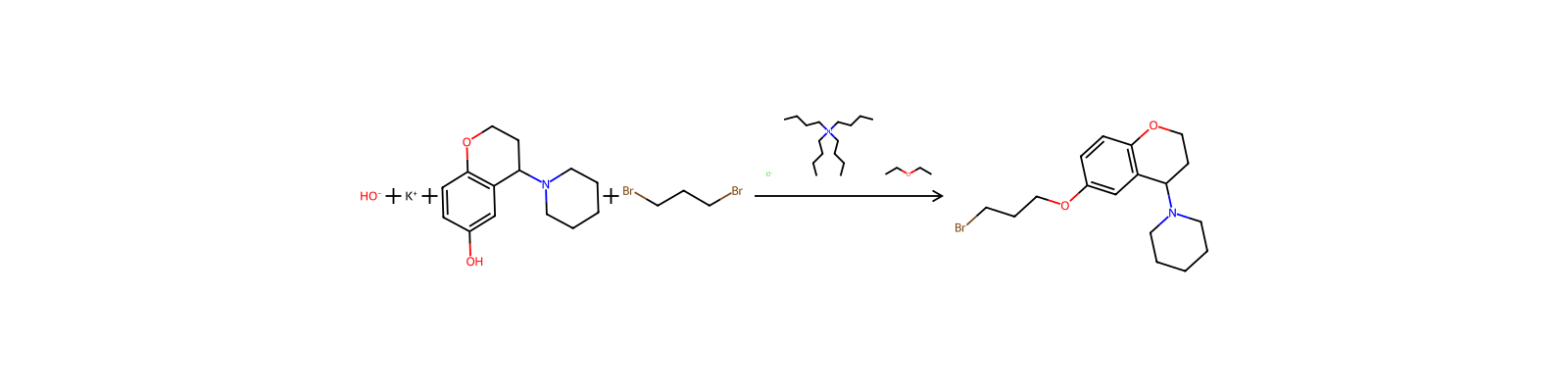
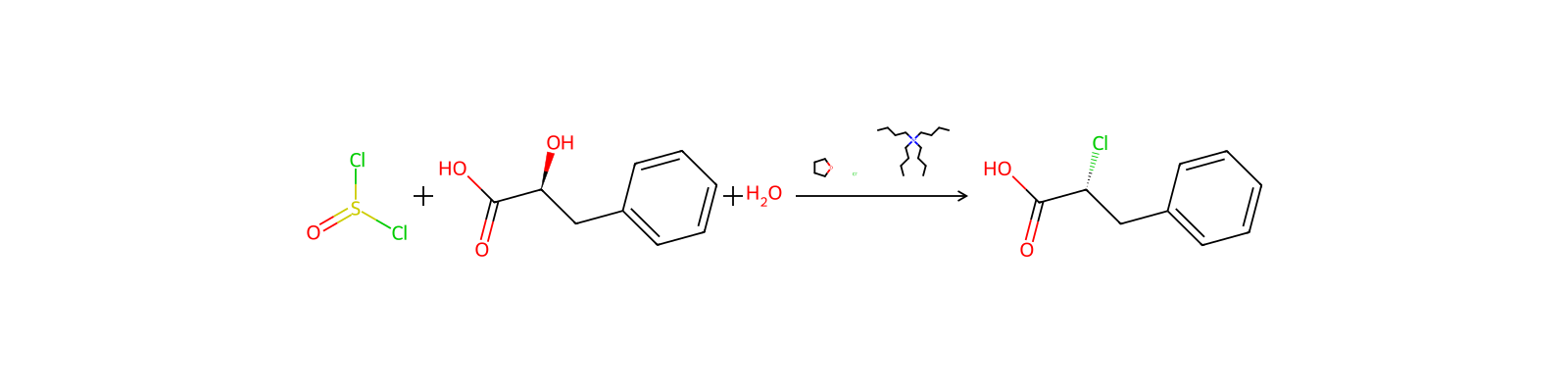
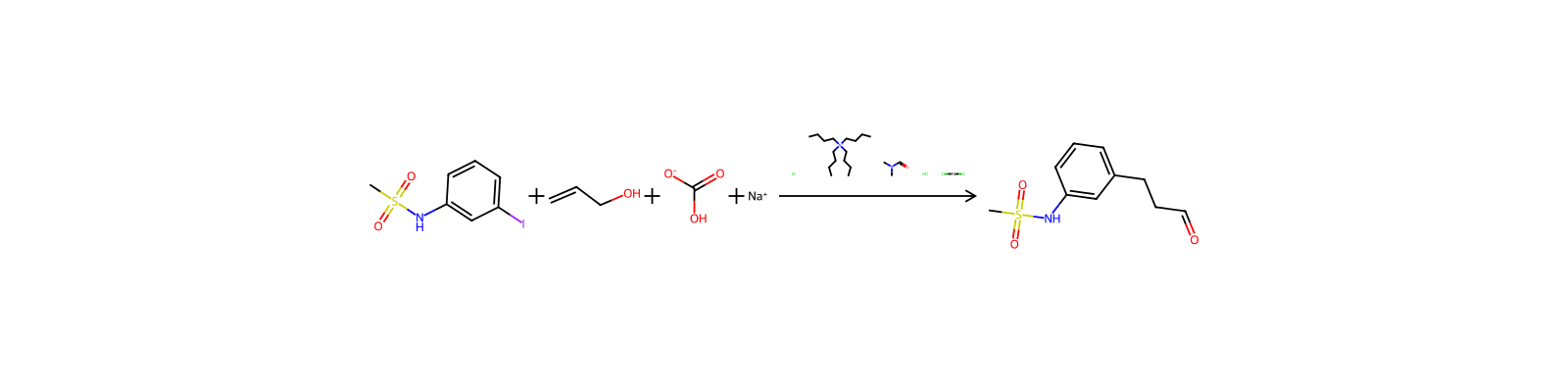
658 records





Linked notes
Loading…