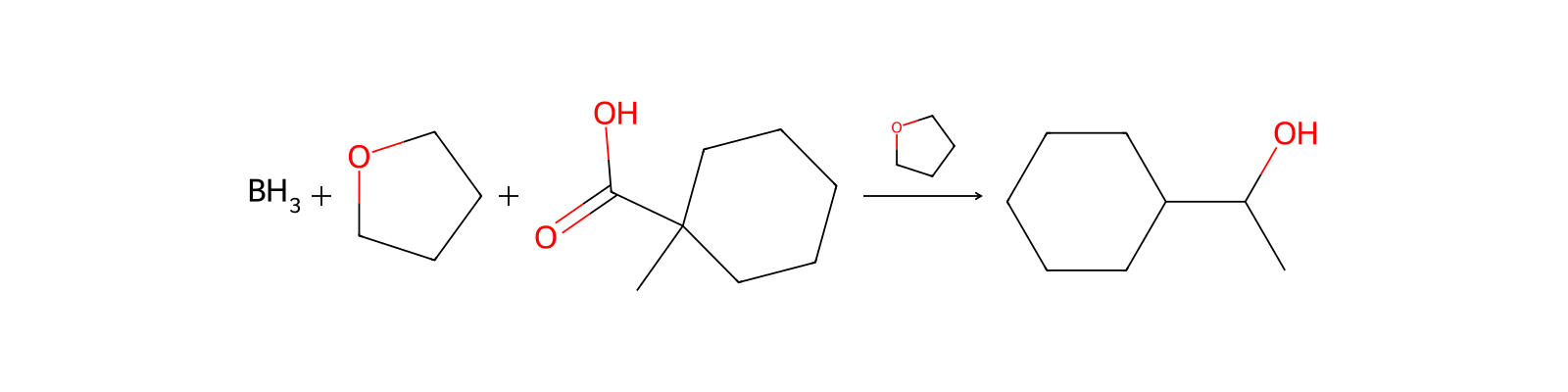
HRID 4505As reactant

1123-25-7CC1(C(=O)O)CCCCC1REHQLKUNRPCYEW-UHFFFAOYSA-Ninducer of neuroblastoma morphological differentiation; RN given refers to parent cpd
1123-25-7DTXSID10149979Safety information is for reference only and does not replace the supplier’s Safety Data Sheet (SDS), applicable regulations, or professional assessment.
Danger
H302 (25%): Harmful if swallowed [Warning Acute toxicity, oral]
P261, P264, P264+P265, P270, P271, P280, P301+P317, P302+P352, P304+P340, P305+P351+P338, P305+P354+P338, P317, P319, P321, P330, P332+P317, P337+P317, P362+P364, P403+P233, P405, and P501 (click each P-code to see the statement)
Aggregated GHS information provided per 4 reports by companies from 4 notifications to the ECHA C&L Inventory. Each notification may be associated with multiple companies.
REACH registered substance: 1-methylcyclohexane-1-carboxylic acid (EC: 214-371-3)
Cyclohexanecarboxylic acid, 1-methyl-: Does not have an individual approval but may be used under an appropriate group standard
Uses1-Methyl-1-cyclohexanecarboxylic acid was used as internal standard during the determination of valproic acid metabolites. Also been used as an anticonvulsant drug and causes maturation of murine neuroblastoma cells in vitro. Used in the synthesis of p38 map kinase.
General Description1-Methyl-1-cyclohexanecarboxylic acid is the structural analog of valproic acid and its pharmacokinetic action has been studied in female Sprague-Dawley rats.


