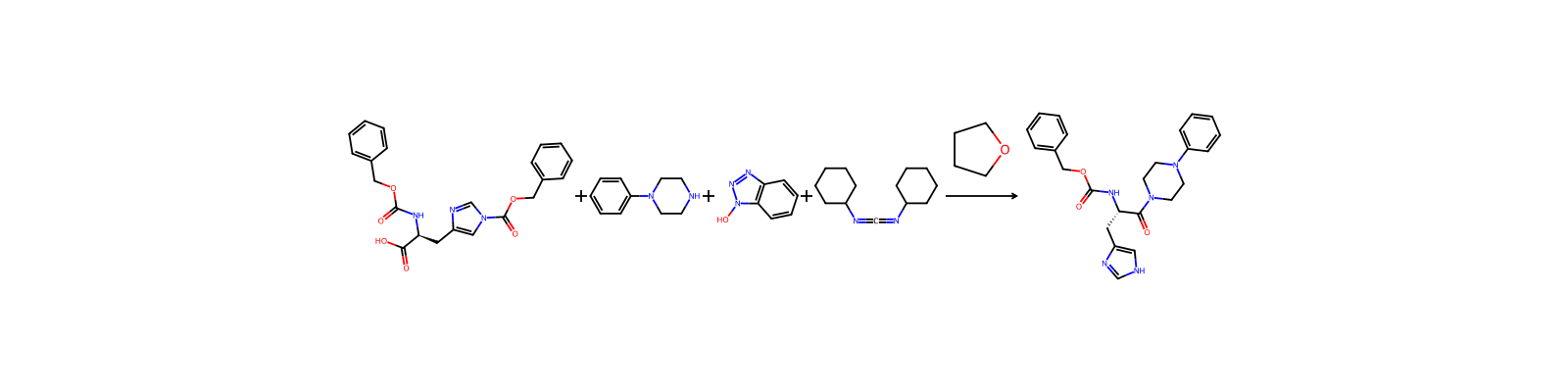
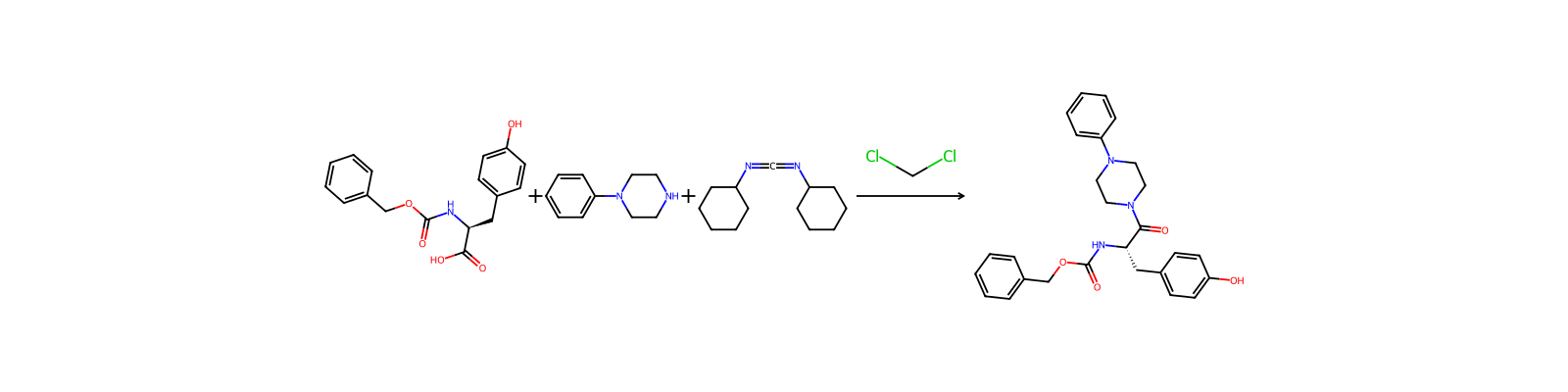
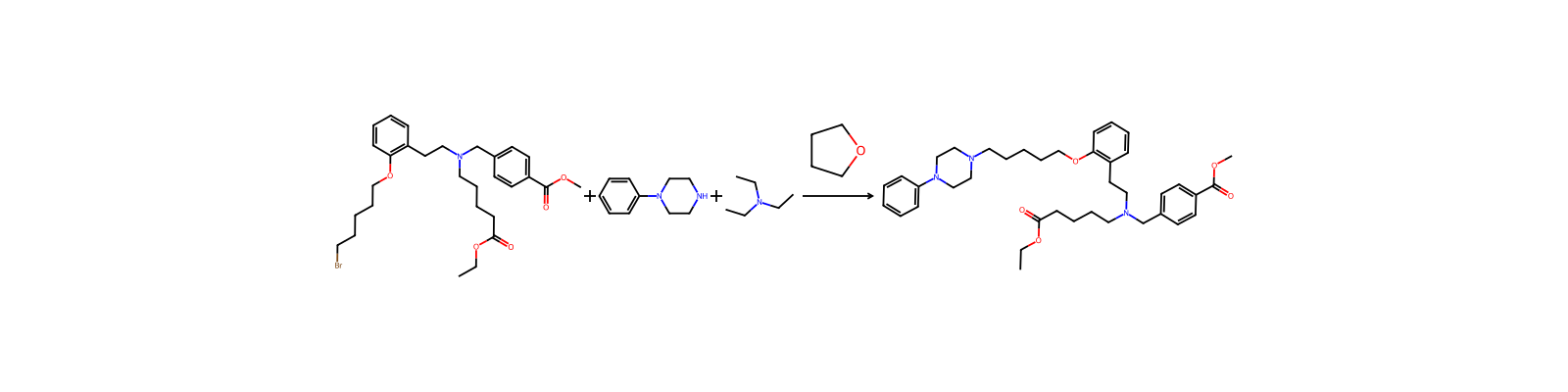
HRID 4009As reactant
Completing data — refresh the page later to see the latest

92-54-6c1ccc(N2CCNCC2)cc1YZTJYBJCZXZGCT-UHFFFAOYSA-NRN given refers to parent cpd
92-54-6DTXSID8057855CHEMBL9434Safety information is for reference only and does not replace the supplier’s Safety Data Sheet (SDS), applicable regulations, or professional assessment.
Danger
H301 (96.9%): Toxic if swallowed [Danger Acute toxicity, oral]
P260, P262, P264, P270, P280, P301+P316, P301+P330+P331, P302+P352, P302+P361+P354, P304+P340, P305+P354+P338, P316, P321, P330, P361+P364, P363, P405, and P501 (click each P-code to see the statement)
Aggregated GHS information provided per 65 reports by companies from 8 notifications to the ECHA C&L Inventory. Each notification may be associated with multiple companies.
REACH registered substance: N-phenylpiperazine (EC: 202-165-6)
Phenylpiperazine: Does not have an individual approval but may be used under an appropriate group standard
Drugs that bind to but do not activate alpha-adrenergic receptors thereby blocking the actions of endogenous or exogenous adrenergic agonists. Adrenergic alpha-antagonists are used in the treatment of hypertension, vasospasm, peripheral vascular disease, shock, and pheochromocytoma.
A loosely defined grouping of drugs that have effects on psychological function. Here the psychotropic agents include the antidepressive agents, hallucinogens, and tranquilizing agents (including the antipsychotics and anti-anxiety agents).
UsesLevodropropizine impurity B EP Reference standard, intended for use in laboratory tests only as specifically prescribed in the European Pharmacopoeia.