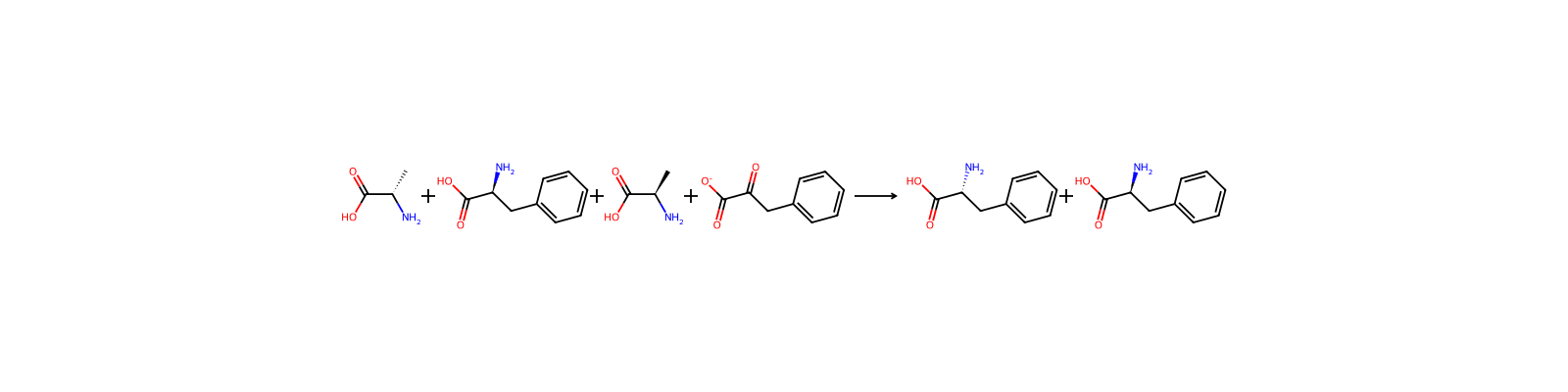
HRID 1957As reactant

338-69-2C[C@@H](N)C(=O)OQNAYBMKLOCPYGJ-UWTATZPHSA-ND-alanine is the D-enantiomer of alanine. It has a role as an Escherichia coli metabolite, a human metabolite and an EC 4.3.1.15 (diaminopropionate ammonia-lyase) inhibitor. It is an alanine and a D-alpha-amino acid. It is a conjugate base of a D-alaninium. It is a conjugate acid of a D-alaninate. It is an enantiomer of a L-alanine. It is a tautomer of a D-alanine zwitterion.
338-69-2DTXSID3045649CHEMBL66693CHEBI:15570Safety information is for reference only and does not replace the supplier’s Safety Data Sheet (SDS), applicable regulations, or professional assessment.
This chemical does not meet GHS hazard criteria for 66.7% (4 of 6) of all reports.
Warning
H315 (33.3%): Causes skin irritation [Warning Skin corrosion/irritation]
P261, P264, P264+P265, P271, P280, P302+P352, P304+P340, P305+P351+P338, P319, P321, P332+P317, P337+P317, P362+P364, P403+P233, P405, and P501 (click each P-code to see the statement)
Aggregated GHS information provided per 6 reports by companies from 2 notifications to the ECHA C&L Inventory. Each notification may be associated with multiple companies.
Chemical: D-Alanine
D-Alanine: Does not have an individual approval but may be used under an appropriate group standard
UsesD-Alanine is essential for the biosynthesis of peptidoglycan crosslinking sub-units that are used for bacterial cell walls.
General DescriptionAlanine is a non essential amino acid.
PreparationD-Alanine can be obtained by hydrolysis and refining of proteins such as gelatin, sericin and corn protein, or it can be synthesized by chemical methods.


DefinitionChEBI: D-alanine is the D-enantiomer of alanine. It has a role as a human metabolite, an EC 4.3.1.15 (diaminopropionate ammonia-lyase) inhibitor and an Escherichia coli metabolite. It is a D-alpha-amino acid and an alanine. It is a conjugate base of a D-alaninium. It is a conjugate acid of a D-alaninate. It is an enantiomer of a L-alanine. It is a tautomer of a D-alanine zwitterion.