

Basic information
- Standard SMILES
CCC(O)c1ccccc1- InChIKey
DYUQAZSOFZSPHD-UHFFFAOYSA-N- Molecular formula
- C9H12O
- Average molar mass
- 136.19 g/mol
- Monoisotopic mass
- 136.088815
Names & identifiers
- Preferred name
- 1-Phenyl-1-propanol
- IUPAC
- 1-phenylpropan-1-ol
- English name
- phenylpropanol
- Molecular formula
- C9H12O
- Molecular weight
- 136.19
Names & synonyms
1-Phenyl-1-propanol1-Phenylpropan-1-ol93-54-9PhenylpropanolPhenycholonFelicurLivonalEjibilFeparFelitropePhenicolPhenychol
Show more names
phenyl-1-Propanol1-Propanol, phenyl-
BilergonCarbicolEpatoxfenGallenperlenPhenylcholCholedaUnicholalpha-Ethylbenzyl alcohol
Database identifiers
- CAS
1335-12-2、93-54-9、93842-54-7- PubChem CID
- 7147
- DTXSID
DTXSID2044474- ChEMBL
CHEMBL1397202- ChEBI
CHEBI:31995- UNII
- 0F897O3O4M
- EC Number
- 202-256-0、215-621-4
- Nikkaji
- J4.678G
Properties
Computed structural properties
- XLogP
- 1.9
- Topological polar surface area
- 20.2 Ų
- Hydrogen bond donors
- 1
- Hydrogen bond acceptors
- 1
- Rotatable bonds
- 2
- Heavy atoms
- 10
- Formal charge
- 0
- Complexity
- 84
Experimental & physicochemical properties
Density0.993-1.000
Solubility
0.6 g/L @ 20 °C (exp)
insoluble in water; soluble in organic solvents, oils
miscible at room temperature (in ethanol)
Boiling Point
103.00 °C. @ 14.00 mm Hg
219 °C
Refractive Index1.517-1.522
Physical Description
Oily liquid with a mild ester-like odor; [Merck Index] Clear colorless liquid; [Sigma-Aldrich MSDS]
colourless oily liquid with a sweet floral balsamic odour
Kovats Retention Index1908
Physicochemical properties
- Cosmetics Ingredients Functions
- PERFUMINGFRAGRANCESOLVENT
- EPA Substance Registry System
- 1 · 1-Propanol, phenyl- (1335-12-2)
- TSCA
- TSCA listed
Safety & regulation
GHS classification
GHS Classification
Warning
H302 (25.2%): Harmful if swallowed [Warning Acute toxicity, oral];H315 (76.1%): Causes skin irritation [Warning Skin corrosion/irritation]
P264, P270, P280, P301+P317, P302+P352, P321, P330, P332+P317, P362+P364, and P501 (click each P-code to see the statement)
Aggregated GHS information provided per 314 reports by companies from 6 notifications to the ECHA C&L Inventory. Each notification may be associated with multiple companies.;Information may vary between notifications depending on impurities, additives, and other factors. The percentage value in parenthesis indicates the notified classification ratio from companies that provide hazard codes. Only hazard codes with percentage values above 10% are shown. For more detailed information, please visit ECHA C&L website.
Hazard information
Regulatory Information
Chemical: Benzenemethanol, .alpha.-ethyl-
Commission Regulation (EC) No 1565/2000 (Repealed by Com. Implementing Reg. (EU) No 872/2012)
Status: Active Update: 19-02-2019 https://echa.europa.eu/registration-dossier/-/registered-dossier/11867
1-Phenyl-1-propanol: Does not have an individual approval but may be used under an appropriate group standard
Hazards SummarySafe when used as a flavoring agent in food; [JECFA] May cause irritation; Toxic by ingestion; [Sigma-Aldrich MSDS]
Hazard Classes and CategoriesAcute Tox. 4 (25.2%);Skin Irrit. 2 (76.1%)
Regulatory information
Regulatory Information
Chemical: Benzenemethanol, .alpha.-ethyl-
Commission Regulation (EC) No 1565/2000 (Repealed by Com. Implementing Reg. (EU) No 872/2012)
Status: Active Update: 19-02-2019 https://echa.europa.eu/registration-dossier/-/registered-dossier/11867
1-Phenyl-1-propanol: Does not have an individual approval but may be used under an appropriate group standard
Safety data
- tsca
- TSCA listed
Chemistry & industry
Pharmacology
Cellular LocationsCytoplasm;Extracellular
Uses & manufacturing
UsesUsed as a heat transfer medium, in perfumery, and as a choleretic; [Merck Index] Used as a flavoring agent; [FDA]
Household ProductsInformation on 3 consumer products that contain Phenylpropanol in the following categories is provided:;• Inside the Home
Use Classification
Flavouring Agent -> FLAVOURING_AGENT -> JECFA Functional Classes
Flavoring Agents -> JECFA Flavorings Index
Flavouring Agent -> FLAVOURING_AGENT -> JECFA Functional Classes
Flavouring Agent -> FLAVOURING_AGENT -> JECFA Functional Classes
Flavouring Agent -> FLAVOURING_AGENT -> JECFA Functional Classes
Flavouring Agent -> FLAVOURING_AGENT -> JECFA Functional Classes
Suppliers3 total
Shaanxi Didu New Materials Co. Ltd+86-86-17392712779 +86-13289823923 · [email protected]
湖北美索伦科技有限公司13419562052 13419562052 · [email protected]
DAYANG CHEM (HANGZHOU) CO.,LTD+86-88938639 +86-17705817739 · [email protected]
Additional notes
DefinitionChEBI: 3-Phenyl-1-propanol is a monocyclic arene.
Related reactions
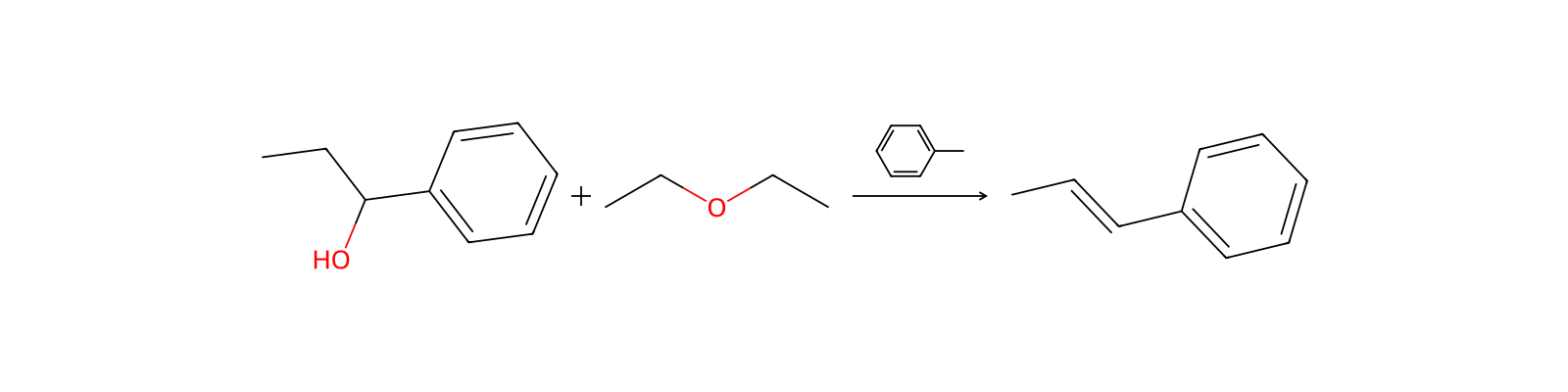
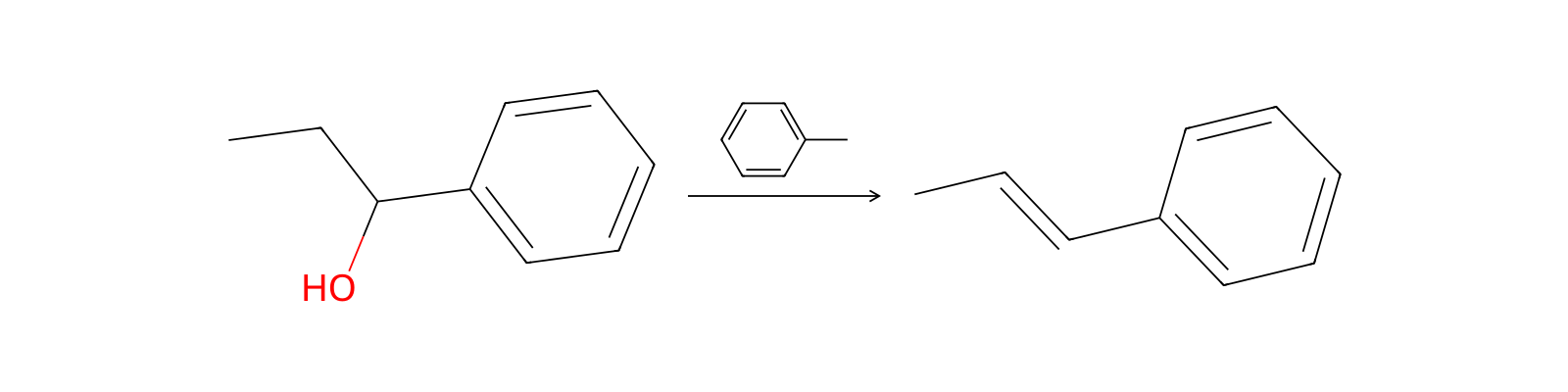
52 records


Linked notes
Loading…