HomeMCPWorkbenchSkills
HomeWorkbenchNotificationsMe
llms.txt · MCP GuidePrivacy Policy · Terms of Service · Supportv1.8.0
  1. Home
  2. /Compound

Methyl Benzoate

HCID 7150
New noteNew reactionRequest quotes
Print preview
Basic informationOverviewNames & identifiersPropertiesSafety & regulationChemistry & industryRelated reactionsCompound notes
Substructure searchFind similar structures

Basic information

CAS
93-58-3
Standard SMILES
COC(=O)c1ccccc1
InChIKey
QPJVMBTYPHYUOC-UHFFFAOYSA-N
Molecular formula
C8H8O2
Average molar mass
136.15 g/mol
Monoisotopic mass
136.05242949

Overview

Methyl benzoate appears as a crystalline solid or a solid dissolved in a liquid. Denser than water. Contact may slightly irritate skin, eyes and mucous membranes. May be slightly toxic by ingestion. Used to make other chemicals.

Names & identifiers

Preferred name
Methyl Benzoate
IUPAC
methyl benzoate
English name
Methyl benzoate
Molecular formula
C8H8O2
Molecular weight
136.15

Names & synonyms

METHYL BENZOATE93-58-3benzoic acid methyl esterMethylbenzoateCloriusBenzoic acid, methyl esterMethyl benzenecarboxylateEssence of niobeFEMA No. 2683Methylester kyseliny benzooveDTXSID50255726618K1VJ9T
Show more names
FEMA 2683NIOBE OILMethylbenzoatOilofmiobeOniobe oilOIL OF NIOBESlethylbenzoat
NSC-9394DTXCID405572CHEBI:72775RefChem:6019202-259-7Oxidate leMethyl benzoate (natural)NSC 9394

Database identifiers

CAS
93-58-3
PubChem CID
7150
DTXSID
DTXSID5025572
ChEMBL
CHEMBL16435
ChEBI
CHEBI:72775
UNII
6618K1VJ9T
EC Number
202-259-7
Nikkaji
J9.149I

Properties

Computed structural properties

XLogP
2.1
Topological polar surface area
26.3 Ų
Hydrogen bond donors
0
Hydrogen bond acceptors
2
Rotatable bonds
2
Heavy atoms
10
Formal charge
0
Complexity
114

Experimental & physicochemical properties

Chemical Classes · 2 items

Other Classes -> Esters, Other

Flammable agents - 2nd degree

Cosmetics · 2 items

Cosmetic ingredients (Methyl Benzoate) -> CIR (Cosmetic Ingredient Review)

Preservative; Skin conditioning

SpringerMaterials PropertiesAcentric factor
FragrancesFragrance Ingredient (Methyl benzoate) -> IFRA transparency List
LogP · 4 items

log Kow = 2.12

2.12

2.2

2.09

Odor · 3 items

Fragrant odor

FRUITY ODOR, ALSO SIMILAR TO CANANGA

MEDICINAL ODOR

TasteFRUITY, NUTTY, ... WITH CHERRY TASTE
Food AdditivesANTIMICROBIAL AGENT, FLAVORING AGENT OR ADJUVANT -> FDA Substance added to food
Density · 5 items

Safety & regulation

Safety information is for reference only and does not replace the supplier’s Safety Data Sheet (SDS), applicable regulations, or professional assessment.

GHS classification

GHS Classification · 6 items

This chemical does not meet GHS hazard criteria for 0.3% (7 of 2105) of reports.

Warning

H302 (99.7%): Harmful if swallowed [Warning Acute toxicity, oral]

P264, P270, P301+P317, P330, and P501 (click each P-code to see the statement)

Aggregated GHS information provided per 2105 reports by companies from 10 notifications to the ECHA C&L Inventory.

Warning

Hazard information

Regulatory Information · 6 items

Chemical: Benzoic acid, methyl ester

Commission Regulation (EC) No 1565/2000 (Repealed by Com. Implementing Reg. (EU) No 872/2012)

Benzoic acid, methyl ester is listed on the EPA's Chemical Data Reporting (CDR) system. Manufacturers and importers of Benzoic acid, methyl ester are required to report information about their production and use of this chemical to the EPA under the Toxic Substances Control Act (TSCA). (40 eCFR Part 711)

REACH registered substance: Methyl benzoate (EC: 202-259-7)

Methyl benzoate: Does not have an individual approval but may be used under an appropriate group standard

The New Jersey Worker and Community Right to Know Act requires public and private employers to provide information about hazardous substances at their workplaces. (N.J.S.A. 34:5A-1 et. seq.)

Other Safety InformationIMAP assessments - Benzoic acid, methyl ester: Human health tier I assessment
Fire Hazards · 2 items

Special Hazards of Combustion Products: None (USCG, 1999)

Combustible. Above 83 °C explosive vapour/air mixtures may be formed.

Health HazardsIrritating to the eyes, nose, throat, upper respiratory tract, and skin. May cause allegic skin and respiratory reactions. (USCG, 1999)

Chemistry & industry

Pharmacology

Metabolism/Metabolites/Methyl benzoate/ is metabolized to benzoic acid in rabbits.
Absorption, Distribution and Excretion · 3 items

The penetration of methyl benzoate ... through excised guinea pig dorsal skin was measured using diffusion cells. The permeability coefficient (Kp) /was/ 20.3 +/- 5.8x10⁻² cm/hr ... indicating significant steady-state dermal penetration. Permeability was increased by removal of the stratum corneum by tape stripping and delipidization using a chloroform-methanol mixture. Penetration was decreased by the addition of 1-methanol plus 15% ethanol.

Methyl benzoate has a low order of skin absorbability.

Methyl benzoate was slow to penetrate the skin of rats.

Cellular LocationsCytoplasm

Uses & manufacturing

Uses · 6 items

CIR ingredient: Methyl Benzoate

Naturally occurring in oils of clove, ylang-ylang, and tuberose; [Hawley] Used in perfumes; Also used as a flavoring agent, dye carrier, disinfectant additive, and solvent (cellulose esters and ethers, resins, and rubber); [HSDB]

In perfumes (Peau d'Espagne)

Perfumery; solvent for cellulose esters and ethers, resins, rubber; flavoring.

Dye carrier for dyeing polyester fibers, additive for disinfectants, soy sauce, and pesticides.

Reported uses (ppm):

U.S. Imports(1983) 3.61X10+7 g
U.S. Production · 4 items

2023: 400,000 - <550,000 lb

Benzoic acid, methyl ester is listed as a High Production Volume (HPV) chemical (65FR81686). Chemicals listed as HPV were produced in or imported into the U.S. in >1 million pounds in 1990 and/or 1994. The HPV list is based on the 1990 Inventory Update Rule. (IUR) (40 CFR part 710 subpart B; 51FR21438).

Production volume for non-confidential chemicals reported under the 2006 Inventory Update Rule. Chemical: Benzoic acid, methyl ester. Aggregated National Production Volume: 1 to < 10 million pounds.

Related reactions

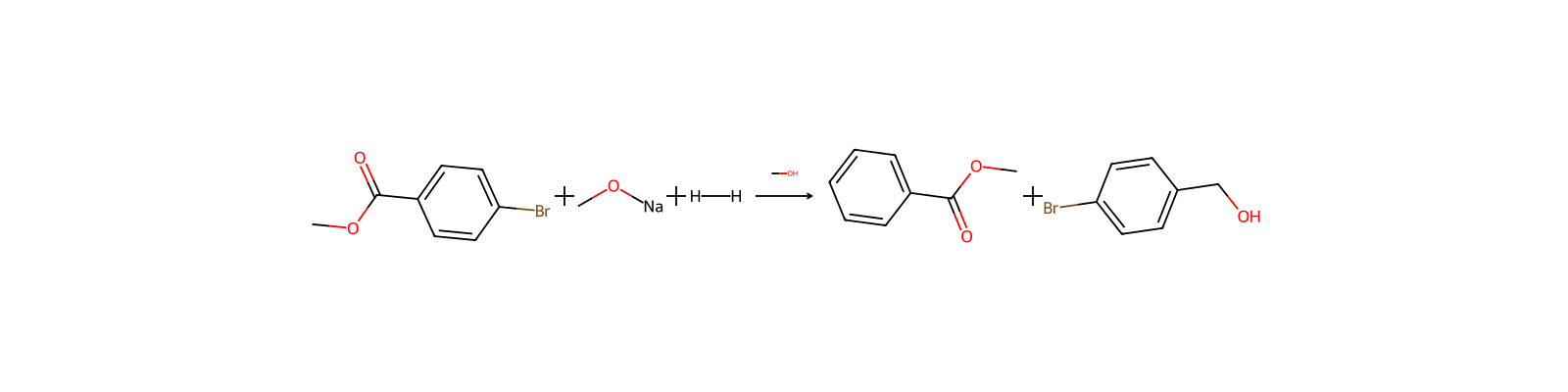
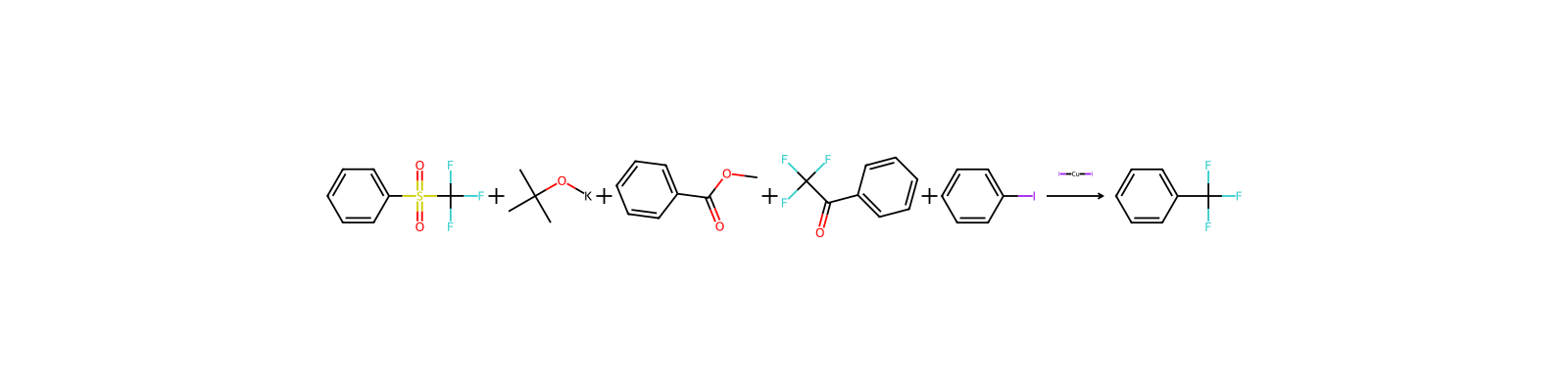
218 records
New reaction record
HRID 8425 reaction equation
HRID 8425As reactantuspto-grants-2006_08
HRID 17800 reaction equation
HRID 17800As reactantuspto-grants-2010_06
HRID 27464 reaction equation
HRID 27464As productuspto-grants-1980_09
HRID 33864 reaction equation
HRID 33864As reactantuspto-grants-2008_09
HRID 65128 reaction equation
HRID 65128As productuspto-grants-1986_09
HRID 65134 reaction equation
HRID 65134As productuspto-grants-1986_09
HRID 77685 reaction equation
HRID 77685As reactantuspto-grants-2014_09
HRID 85011 reaction equation
HRID 85011As productuspto-grants-2014_09
Page 1 of 28

Compound notes

Loading…

On this pageBasic informationOverviewNames & identifiersPropertiesSafety & regulationChemistry & industryRelated reactionsCompound notes
More actions
New noteNew reactionRequest quotes

1.0888 at 68 °F (USCG, 1999) - Denser than water; will sink

1.0837 g/cu cm at 25 °C

Relative density (water = 1): 1.09 (20 °C)

1.082-1.089

1.082 @25 °C

Flavoring AgentsEU Flavoring substances
Viscosity1.33 mm²/s at 20 °C
Color/Form · 2 items

Colorless, transparent liquid

Liquid...colorless, oily

Physicochemical properties

Melting point
-12 °C · -12 °C (lit.)
Boiling point
198 · 198-199 °C (lit.)
Density
1.088 g/mL · 1.088 g/mL at 20 °C (lit.)
vapor density
4.68 · 4.68 (vs air)
vapor pressure
1 mm · <1 mm Hg ( 20 °C)
refractive index
20 · n20/D 1.516(lit.)
FEMA
2683 · 2683 | METHYL BENZOATE
FLAVIS Number
9.725 · 09.725 | Methyl benzoate
Flash point
181 °F · 181 °F
storage temp.
5 °C · Store at +5°C to +30°C.
solubility
60 %, · ethanol: soluble60%, clear (1mL/4ml)
form
Liquid
pka
20 · 20(Solvent: Water)
color
Clear colorless to pale yellow
Specific Gravity
1.087 · 1.087~1.095 (20℃)
Odor
1 % · at 1.00 % in dipropylene glycol. phenolic wintergreen almond floral cananga
Odor Type
phenolic
biological source
synthetic
explosive limit
8.6 · 8.6-20%(V)
Water Solubility
0.1 g/100 · <0.1 g/100 mL at 22.5 ºC
Thermal Conductivity
0.137 W/ · 0.137 W/(m·K) at 50 ℃
Specific Heat Capacity
1.63 J/ · Cp(liquid): 1.63 J/(g·K), at 25℃
JECFA Number
851 · 851
Merck
14 · 14,6024
BRN
1072099 · 1072099
Henry's Law Constant
2.9 · 2.9×10-1 mol/(m3Pa) at 25℃, Brockbank (2013)
Dielectric constant
6.6 · 6.6(20℃)
Stability
Stable. Combustible. Incompatible with strong oxidizing agents, strong acids, strong bases.
Major Application
cleaning productscosmeticsflavors and fragrancesfood and beveragespersonal care
Cosmetics Ingredients Functions
SKIN CONDITIONING - EMOLLIENTSOLVENTPRESERVATIVEFRAGRANCE
Cosmetic Ingredient Review (CIR)
Methyl benzoate (93-58-3)
InChI
1S/C8H8O2/c1-10-8(9)7-5-3-2-4-6-7/h2-6H,1H3
InChIKey
QPJVMBTYPHYUOC-UHFFFAOYSA-N
SMILES
COC(=O)c1ccccc1
LogP
2.12 · 2.12-2.2 at 20℃
CAS DataBase Reference
93 · 93-58-3(CAS DataBase Reference)
Substances Added to Food (formerly EAFUS)
METHYL BENZOATE
FDA 21 CFR
172.515 · 172.515
EWG's Food Scores
1 · 1
FDA UNII
6618 K1VJ9T · 6618K1VJ9T
NIST Chemistry Reference
Benzoic acid, methyl ester(93-58-3)
EPA Substance Registry System
Methyl benzoate (93-58-3)
UNSPSC Code
85151701 · 85151701
NACRES
24 · NA.24
Symbol(GHS)
7 · GHS07,GHS08
Signal word
Danger
Hazard statements
302 · H302-H319-H304-H227
Precautionary statements
501 · P501-P270-P210-P264-P280-P370+P378-P331-P337+P313-P305+P351+P338-P301+P310-P403+P235-P405
PPE
Eyeshields, Faceshields, Gloves, type ABEK (EN14387) respirator filter
Hazard Codes
Xn
Risk Statements
22 · 22
Safety Statements
36 · 36
RIDADR
2938 · UN 2938
WGK Germany
1 · 1
RTECS
3850000 · DH3850000
Autoignition Temperature
510 °C · 510 °C
TSCA
TSCA listed
HS Code
29163100 · 29163100
Storage Class
10 · 10 - Combustible liquids
Hazard Classifications
4 OralRepr · Acute Tox. 4 OralRepr. 2
Hazardous Substances Data
93 · 93-58-3(Hazardous Substances Data)
Toxicity
50 orally · LD50 orally in rats: 3.43 g/kg (Smyth)
REACH Registrations
Active
Hazards Summary · 1 item

A skin, eye, nose, throat, and upper respiratory tract irritant; May sensitize skin and respiratory tract; [CAMEO] A mild skin irritant; An eye irritant; [eChemPortal: ERMA] An irritant; May cause skin and respiratory sensitization after prolonged contact; [MSDSonline] Oral LD50 (rat) = 1177 mg/kg; [Ullmann]

FDA Requirements · 1 item

Methyl benzoate is a food additive permitted for direct addition to food for human consumption as a synthetic flavoring substance and adjuvant in accordance with the following conditions: a) they are used in the minimum quantity required to produce their intended effect, and otherwise in accordance with all the principles of good manufacturing practice, and b) they consist of one or more of the following, used alone or in combination with flavoring substances and adjuvants generally recognized as safe in food, prior-sanctioned for such use, or regulated by an appropriate section in this part.

Reactive GroupEsters, Sulfate Esters, Phosphate Esters, Thiophosphate Esters, and Borate Esters
Reactivity Profile · 1 item

METHYL BENZOATE is an ester. Esters react with acids to liberate heat along with alcohols and acids. Strong oxidizing acids may cause a vigorous reaction that is sufficiently exothermic to ignite the reaction products. Heat is also generated by the interaction of esters with caustic solutions. Flammable hydrogen is generated by mixing esters with alkali metals and hydrides. This compound reacts with strong oxidizing agents and strong bases and hydrolyzes slowly in contact with water. (NTP, 1992).

Chemical DangersOn combustion, forms toxic gases of carbon monoxide (see ICSC 0023).
Physical DangersThe vapour is heavier than air.
Air and Water ReactionsSlightly soluble in water. Hydrolyzes slowly in contact with water (NTP, 1992).
NFPA Hazard Classification · 3 items

1 - Materials that, under emergency conditions, can cause significant irritation.

2 - Materials that must be moderately heated or exposed to relatively high ambient temperatures before ignition can occur. Materials would not under normal conditions form hazardous atmospheres with air, but under high ambient temperatures or under moderate heating could release vapor in sufficient quantities to produce hazardous atmospheres with air.

0 - Materials that in themselves are normally stable, even under fire conditions.

Safety & protection

Fire FightingUse water spray, foam, dry powder, carbon dioxide.
First Aid Measures · 4 items

Fresh air, rest.

Remove contaminated clothes. Rinse and then wash skin with water and soap.

Rinse with plenty of water (remove contact lenses if easily possible). Refer for medical attention if irritation persists.

Rinse mouth. Seek medical attention if you feel unwell.

First Aid · 1 item

EYES: First check the victim for contact lenses and remove if present. Flush victim's eyes with water or normal saline solution for 20 to 30 minutes while simultaneously calling a hospital or poison control center. Do not put any ointments, oils, or medication in the victim's eyes without specific instructions from a physician. IMMEDIATELY transport the victim after flushing eyes to a hospital even if no symptoms (such as redness or irritation) develop.

Safe StorageStore only in original container. Well closed. Ventilation along the floor.
Fire Fighting Procedures · 3 items

Suitable extinguishing media: Use water spray, alcohol-resistant foam, dry chemical or carbon dioxide.

Advice for firefighters: Wear self-contained breathing apparatus for firefighting if necessary.

Extinguishing methods: Water may be used to blanket fire.

Storage ConditionsConditions for safe storage, including any incompatibilities: Keep container tightly closed in a dry and well-ventilated place. Storage class (TRGS 510): Combustible liquids.
Cleanup Methods · 1 item

ACCIDENTAL RELEASE MEASURES: Personal precautions, protective equipment and emergency procedures: Use personal protective equipment. Avoid breathing vapors, mist or gas. Ensure adequate ventilation. Remove all sources of ignition. Beware of vapors accumulating to form explosive concentrations. Vapors can accumulate in low areas.; Environmental precautions: Prevent further leakage or spillage if safe to do so. Do not let product enter drains. Discharge into the environment must be avoided.; Methods and materials for containment and cleaning up: Contain spillage, and then collect with an electrically protected vacuum cleaner or by wet-brushing and place in container for disposal according to local regulations. Keep in suitable, closed containers for disposal.

Disposal Methods · 2 items

SRP: Recycle any unused portion of the material for its approved use or return it to the manufacturer or supplier. Ultimate disposal of the chemical must consider: the material's impact on air quality; potential migration in air, soil or water; effects on animal, aquatic and plant life; and conformance with environmental and public health regulations. If it is possible or reasonable use an alternative chemical product with less inherent propensity for occupational harm/injury/toxicity or environmental contamination.

Product: This combustible material may be burned in a chemical incinerator equipped with an afterburner and scrubber. Offer surplus and non-recyclable solutions to a licensed disposal company.; Contaminated packaging: Dispose of as unused product.

Spillage Disposal · 1 item

Personal protection: filter respirator for organic gases and vapours adapted to the airborne concentration of the substance. Collect leaking and spilled liquid in sealable containers as far as possible. Absorb remaining liquid in sand or inert absorbent. Then store and dispose of according to local regulations.

Preventive Measures · 4 items

Precautions for safe handling: Avoid contact with skin and eyes. Avoid inhalation of vapor or mist. Keep away from sources of ignition - No smoking. Take measures to prevent the build up of electrostatic charge.

Appropriate engineering controls: Handle in accordance with good industrial hygiene and safety practice. Wash hands before breaks and at the end of workday.

Gloves must be inspected prior to use. Use proper glove removal technique (without touching glove's outer surface) to avoid skin contact with this product. Dispose of contaminated gloves after use in accordance with applicable laws and good laboratory practices. Wash and dry hands.

SRP: The scientific literature for the use of contact lenses by industrial workers is inconsistent. The benefits or detrimental effects of wearing contact lenses depend not only upon the substance, but also on factors including the form of the substance, characteristics and duration of the exposure, the uses of other eye protection equipment, and the hygiene of the lenses. However, there may be individual substances whose irritating or corrosive properties are such that the wearing of contact lenses would be harmful to the eye. In those specific cases, contact lenses should not be worn. In any event, the usual eye protection equipment should be worn even when contact lenses are in place.

Eye PreventionWear safety spectacles.
Fire PreventionNO open flames. Above 83 °C use a closed system and ventilation.

Toxicology

Environmental Fate · 3 items

TERRESTRIAL FATE: Based on a classification scheme(1), Koc values of 95-178(2-3) indicate that methyl benzoate is expected to have high to moderate mobility in soil(SRC). Volatilization of methyl benzoate from moist soil surfaces may be an important fate process(SRC) given a Henry's Law constant estimated as 3.24X10⁻⁵ atm-cu m/mole(SRC) based upon its vapor pressure, 0.38 mm Hg(4), and water solubility, 2.1X10+3 mg/L(5). Methyl benzoate is not expected to volatilize from dry soil surfaces(SRC) based upon a vapor pressure of 0.38 mm Hg at 25 °C(4). Using a Modified Sturm test, methyl benzoate achieved 62% biodegradation in activated sewage sludge after 29 days(6), suggesting that biodegradation is an important environmental fate process in soil(SRC).

AQUATIC FATE: Based on a classification scheme(1), Koc values of 95-178(2-3) indicate that methyl benzoate is not expected to adsorb to suspended solids and sediment(SRC). Volatilization from water surfaces is expected(3) based upon a Henry's Law constant estimated as 3.24X10⁻⁵ atm-cu m/mole(SRC) derived from its vapor pressure, 0.38 mm Hg(4), and water solubility, 2.1X10+3 mg/L(5). Using this Henry's Law constant and an estimation method(6), volatilization half-lives for a model river and model lake are 22 hours and 14 days, respectively(SRC). According to a classification scheme(7), an estimated BCF of 12(SRC), its log Kow of 2.12(8) and a regression-derived equation(9), suggests the potential for bioconcentration in aquatic organisms is low(SRC). Using a Modified Sturm test, methyl benzoate achieved 62% biodegradation in activated sewage sludge after 29 days(10), suggesting that biodegradation is an important environmental fate process in water(SRC).

ATMOSPHERIC FATE: According to a model of gas/particle partitioning of semivolatile organic compounds in the atmosphere(1), methyl benzoate, which has a vapor pressure of 0.38 mm Hg at 25 °C(2), will exist solely in the vapor phase in the ambient atmosphere. Vapor-phase methyl benzoate is degraded in the atmosphere by reaction with photochemically-produced hydroxyl radicals(SRC); the half-life for this reaction in air is estimated to be 38 days(SRC), calculated from its rate constant of 8.4X10⁻¹¹ cu cm/molecule-sec at 25 °C(SRC) that was derived using a structure estimation method(3). Methyl benzoate does not contain chromophores that absorb at wavelengths >290 nm(4) and, therefore, is not expected to be susceptible to direct photolysis by sunlight(SRC).

Food Survey ValuesMethyl benzoate has been identified in ripening kiwi fruit(1), pineapple guava(2), clove oil(3), and a gruyere-type cheese from the Swiss Alps(4).
Adverse EffectsSkin Sensitizer - An agent that can induce an allergic reaction in the skin.
Exposure RoutesThe substance can be absorbed into the body by inhalation of its vapour.
Toxicity Summary · 2 items

Safe in the present practices of use and concentration. Ingredient, concentration, and use information are available in documents discoverable at https://cir-reports.cir-safety.org

IDENTIFICATION AND USE: Methyl benzoate is a colorless, transparent liquid. It is used in perfumery, as a solvent for cellulose esters and ethers, resins, rubber, and as a flavoring. It is also used as a dye carrier for dyeing polyester fibers, additive for disinfectants, soy sauce, and pesticides. Methyl benzoate is an intermediate in the production of other benzoic esters. HUMAN EXPOSURE AND TOXICITY: Humans using methyl benzoate have experienced irritation to the skin, eyes, mucous membranes, and upper respiratory tract. Inhalation can cause coughing and wheezing. Swallowing the liquid may cause chemical pneumonia. A maximization test was carried out on 25 volunteers. Methyl benzoate was tested at a concentration of 4% in petrolatum and produced no sensitization reactions. Generally, methyl benzoate is of low to moderate toxicity by ingestion and inhalation. ANIMAL STUDIES: Sublethal doses of methyl benzoate have been reported to increase leucocyte, erythrocyte, and reticulocyte counts and prothrombin time, and in a dose of 500 mg/kg, to reduce cholinesterase activity and ascorbic acid levels. Chronic admin of high doses resulted in damage to the central nervous system. In nonoccluded skin irritation test carried out on clipped rabbits, no signs of erythema were observed in any of the animals (14/14), 4 and 24 hr after the application of 0.5 mL undiluted methyl benzoate. Very slight erythema was observed in the remaining (12/12) rabbits 24 hr after a second application. Redness increased with successive treatments. Moderate to severe edema was observed in animals (4/4) receiving 6 applications. Methyl benzoate received a score of 1 (out of 10) in a rabbit corneal necrosis test, indicating that it causes minimal eye injury. In an Ames test using Salmonella typhimurium (TA97, TA98, TA100, TA1535, and TA 1537), methyl benzoate (6666 ug/plate) was not mutagenic with or without metabolic activation.

Plant Concentrations · 2 items

Methyl benzoate was detected, but not quantified, in ground and whole grains of Musty Sorghum(1) and in the volatiles of pineapple essence(2). Methyl benzoate was detected at a concentration of 39 ug/kg in Lonicera japonica flowers 12 hours after opening; samples collected in May and June 1993 at locations in Lane and Bosewell OK (3). Methyl benzoate was not detected in the fresh Lonicera japonica flowers and not detected in the flowers 24 hours after opening(3).

Methyl benzoate detections in plants(1).[Table#5339]

Signs and SymptomsCough.
Effluent Concentrations · 2 items

In a comprehensive survey of wastewater from 4000 industrial and publicly owned treatment works (POTWs) sponsored by the Effluent Guidelines Division of the U.S. EPA, methyl benzoate was identified in discharges of the following industrial category (positive occurrences, median concn in ppb): nonferrous metals (1; 51.0), organics and plastics (2; 407.4), inorganic chemicals (1; 6.0), textile mills (1; 17.1), plastics and synthetics (2; 5727.5), rubber processing (2; 164.8), pharmaceuticals (1; 286.6), electronics (1; 142.1), organic chemicals (2; 953.1), publicly owned treatment works (2; 10.2). The highest effluent concn was 11,444 ppb in the plastics and synthetics industry(1).

Methyl benzoate was identified in the raw effluent of a polyester textile finishing plant(1). Methyl benzoate was present in the effluent of stack emissions from Ames power plant in Iowa, a coal-burning power plant, monitored for 4 years starting in 1977(2). Methyl benzoate was detected in effluent concentrates from the advanced treatment plant in Lake Tahoe, CA, but not in that of five other communities(3). Methyl benzoate was detected in the emissions of a municipal incineration plant at 0.12 ug/cu m, the location and date were not reported(4). The compound is a by-product of ozonolysis of a surface water source(5) and may be released during purification of water. Methyl benzoate may be released in stack emissions of coal burning plants(6).

ICSC Environmental DataThe substance is harmful to aquatic organisms.
Soil Adsorption/Mobility · 1 item

The adsorption of methyl benzoate was determined by a modified version of the OECD guideline 106, a batch equilibrium method, in three soils with different characteristics: an acid forest soil (Podzol), an agricultural soil (Alfisol), and a sediment. The respective Freundlich constants, Kf (1/n), for the three soils were 8.64 (0.81), 1.29 (0.85), and 1.51 (0.84)(1). Koc values for the Podzol, Alfisol and sediment were 178, 103, and 95, respectively(1). Methyl benzoate also has a reported log Koc value of 2.10 (Koc = 126)(2). Using a structure estimation method based on molecular connectivity indices(3), the Koc of methyl benzoate can be estimated to be 70(SRC). According to a classification scheme(3), methyl benzoate is expected to have moderate to high mobility in soil.

Natural Pollution SourcesMethyl benzoate occurs in oils of clove, ylang ylang, and tuberose(1,2). It occurs naturally in plants, flowers(3) and some fruit(4-5) and is produced by microorganisms(6).
Atmospheric Concentrations · 1 item

SOURCE DOMINATED: Methyl benzoate was detected but not quantified in ambient air and source air samples collected from Thane Belapur Industrial Area in Mumbai, India, which has various petrochemical, chemical, pharmaceutical, engineering, plastics industries with working facilities. Samples were taken at 16 locations during summer, monsoon, and winter seasons of 2004(1).

Regulatory information

FDA Requirements · 1 item

Methyl benzoate is a food additive permitted for direct addition to food for human consumption as a synthetic flavoring substance and adjuvant in accordance with the following conditions: a) they are used in the minimum quantity required to produce their intended effect, and otherwise in accordance with all the principles of good manufacturing practice, and b) they consist of one or more of the following, used alone or in combination with flavoring substances and adjuvants generally recognized as safe in food, prior-sanctioned for such use, or regulated by an appropriate section in this part.

Safety data

PPE
Eyeshields, Faceshields, Gloves, type ABEK (EN14387) respirator filter
wgk
1
tsca
TSCA listed
rtecs
DH3850000
ridadr
UN 2938
hs_code
29163100
Toxicity
LD50 orally in rats: 3.43 g/kg (Smyth)
risk_code
22
Signal word
Danger
Symbol(GHS)
GHS07,GHS08
hazard_code
Xn
safety_code
36
Storage Class
10 - Combustible liquids
Hazard statements
H302-H319-H304-H227
REACH Registrations
Active
Hazard Classifications
Acute Tox. 4 OralRepr. 2
Autoignition Temperature
510 °C
Precautionary statements
P501-P270-P210-P264-P280-P370+P378-P331-P337+P313-P305+P351+P338-P301+P310-P403+P235-P405
Hazardous Substances Data
93-58-3(Hazardous Substances Data)

Non-confidential 2012 Chemical Data Reporting (CDR) information on the production and use of chemicals manufactured or imported into the United States. Chemical: Benzoic acid, methyl ester. National Production Volume: 1,000,000 - 10,000,000 lb/yr.

Consumer UsesFragrance
Industry UsesFragrance
Methods of Manufacturing · 3 items

(1) By heating methanol and benzoic acid in presence of sulfuric acid; (2) passing dry hydrogen chloride through a solution of benzoic acid and methanol.

Methylbenzoate is prepared by the direct esterification of benzoic acid and methanol.

By heating benzoic acid and dimethyl sulfate to high temperature, or by exchange between ethyl benzoate and methanol in KOH solution.

Formulations/Preparations · 4 items

Grades: Technical, Food Chemical Codex

Concentration in final product: Usual: soap 0.02%, detergent 0.002%, creams, lotions 0.01%, and perfume 0.08%; Maximum: soap 0.10%, detergent 0.01%, creams, lotions 0.03%, and perfume 0.40%.

Oxidate LE 86% methyl benzoate

98% pure grades

Household ProductsInformation on 19 consumer products that contain Methyl benzoate in the following categories is provided:
Use Classification · 6 items

Fragrance Ingredients

Flavouring Agent -> FLAVOURING_AGENT -> JECFA Functional Classes

Flavoring Agents -> JECFA Flavorings Index

Flavouring Agent -> FLAVOURING_AGENT -> JECFA Functional Classes

Flavouring Agent -> FLAVOURING_AGENT -> JECFA Functional Classes

Flavouring Agent -> FLAVOURING_AGENT -> JECFA Functional Classes

General Manufacturing Information · 4 items

Soap, Cleaning Compound, and Toilet Preparation Manufacturing

Benzoic acid, methyl ester: ACTIVE

Methyl benzoate has a pleasant, distinctive and persistent odor ... Methyl benzoate has been recognized as a chemical degradation product of cocaine. This fact contributes to a forensic procedure where the characteristic odor serves as qualitative indicator.

The aroma of street cocaine was produced by volatilizing methyl benzoate, methyl cinnamate, and dimethyl truxillate. A ratio of these 3 components of 70:20:10 afforded the aroma which can be used by law enforcement agencies to train officers and dogs to detect cocaine.

Applications · 4 items

DescriptionMethyl benzoate is an organic compound. It is an ester with the chemical formula C6H5CO2CH3. It is a colorless liquid that is poorly soluble in water, but miscible with organic solvents. Methyl benzoate has a pleasant smell, strongly reminiscent of the fruit of the feijoa tree, and it is used in perfumery. It also finds use as a solvent and as a pesticide used to attract insects such as orchid bees.

OccurrenceMethyl benzoate can be isolated from the freshwater fern Salvinia molesta. It is one of many compounds that is attractive to males of various species of orchid bees, which apparently gather the chemical to synthesize pheromones; it is commonly used as bait to attract and collect these bees for study. Cocaine hydrochloride hydrolyzes in moist air to give methyl benzoate; drug - sniffing dogs are thus trained to detect the smell of methyl benzoate.

UsesMethyl benzoate is used in perfumery. It also finds use as a solvent. It acts as an intermediate and odor agents. Further, it is used to attract insects such as orchid bees. It is also used for cellulose esters, cellulose ethers, synthetic resin and rubber solvent and polyester fibers to assist in the preparation of flavor.

General DescriptionA crystalline solid or a solid dissolved in a liquid. Denser than water. Contact may slightly irritate skin, eyes and mucous membranes. May be slightly toxic by ingestion. Used to make other chemicals.

Preparation methods · 1 item

PreparationMethyl benzoate is manufactured by heating benzoic acid and dimethyl sulfate to high temperature, or by exchange between ethyl benzoate and methanol in KOH solution. It may also be produced by the alcoholysis of benzonitrile. It is a by-product of ozonolysis of water.

Upstream & downstream products

Upstream raw materials

HydrogenMethanolBenzoic acidMethyl 4-iodobenzoateN'-benzoyl-N,N-diethylureaoxanthranol1-Methyl-4-phenylethynyl-benzene

Downstream products

Methyl anthranilatePropyl benzoate3-Nitrobenzoic acidLactofen3-Amino-1-phenyl-propan-1-olLevosulpirideBenzohydroxamic acid2-Ethoxybenzoic acidMethyl 3,4,5-trimethoxybenzoateMethyl 3-nitrobenzoateMethyl 2-bromobenzoate1,3,2-Dioxaborolane, 4,4,5,5-tetramethyl-2-(phenylmethoxy)-2-p-Anisyl-1,3-indandionebenzoylazide

Additional notes

DefinitionChEBI: Methyl benzoate is a benzoate ester obtained by condensation of benzoic acid and methanol. It has a role as a metabolite and an insect attractant. It is a benzoate ester and a methyl ester.