HomeMCPWorkbenchSkills
HomeWorkbenchNotificationsMe
llms.txt · MCP GuidePrivacy Policy · Terms of Service · Supportv1.8.3
  1. Home
  2. /Compound

Methyl Nicotinate

HCID 7151
New reaction
Print
Basic informationOverviewNames & identifiersPropertiesSafety & regulationChemistry & industryRelated reactionsCompound notes
Substructure searchFind similar structures

Basic information

CAS
93-60-7
Standard SMILES
COC(=O)c1cccnc1
InChIKey
YNBADRVTZLEFNH-UHFFFAOYSA-N
Molecular formula
C7H7NO2
Average molar mass
137.14 g/mol
Monoisotopic mass
137.04767847

Overview

Methyl nicotinate is a member of pyridines and an aromatic carboxylic acid.

Names & identifiers

Preferred name
Methyl Nicotinate
IUPAC
methyl pyridine-3-carboxylate
English name
Methyl nicotinate
Molecular formula
C7H7NO2
Molecular weight
137.14

Names & synonyms

METHYL NICOTINATE93-60-7methyl pyridine-3-carboxylateMethylnicotinate3-(Methoxycarbonyl)pyridineMethyl 3-pyridinecarboxylate3-Pyridinecarboxylic acid, methyl esterMethyl-nicotinateHeat sprayNicotinic acid, methyl ester3-(Carbomethoxy)pyridineFEMA No. 3709
Show more names
NICOTINIC ACID METHYL ESTERFEMA 3709NicomethNikometMethyl niacinMethyl nicotiteMethyl nictinateAKOS BBS-00004415
3-Pyridinecarboxylic acid methyl esterVitathoneDTXSID70444717B1AVU9DJNNSC-13126DTXCID5024471RefChem:157960202-261-8

Database identifiers

CAS
93-60-7
PubChem CID
7151
DTXSID
DTXSID7044471
ChEMBL
CHEMBL379845
ChEBI
CHEBI:134761
UNII
7B1AVU9DJN
EC Number
202-261-8
Nikkaji
J39.098D

Properties

Computed structural properties

XLogP
0.8
Topological polar surface area
39.2 Ų
Hydrogen bond donors
0
Hydrogen bond acceptors
3
Rotatable bonds
2
Heavy atoms
10
Formal charge
0
Complexity
125

Experimental & physicochemical properties

Chemical ClassesNitrogen Compounds -> Pyridines
DrugsPharmaceuticals -> Listed in ZINC15
CosmeticsSoothing; Tonic
SpringerMaterials PropertiesSchoenflies notation
FragrancesFragrance Ingredient (Methyl nicotinate) -> IFRA transparency List
LogP · 2 items

0.83

0.72

Food AdditivesFLAVORING AGENT OR ADJUVANT -> FDA Substance added to food
Flavoring AgentsEU Flavoring substances
Solubility · 4 items

Soluble

47.6 mg/mL at 20 °C

Soluble in fat; Slightly soluble in water

Soluble (in ethanol)

Boiling Point209.00 °C. @ 760.00 mm Hg

Safety & regulation

Safety information is for reference only and does not replace the supplier’s Safety Data Sheet (SDS), applicable regulations, or professional assessment.

GHS classification

GHS Classification · 5 items

This chemical does not meet GHS hazard criteria for 0.8% (13 of 1623) of reports.

Warning

H315 (98.6%): Causes skin irritation [Warning Skin corrosion/irritation]

P264, P264+P265, P280, P302+P352, P305+P351+P338, P321, P332+P317, P337+P317, and P362+P364 (click each P-code to see the statement)

Aggregated GHS information provided per 1623 reports by companies from 13 notifications to the ECHA C&L Inventory. Each notification may be associated with multiple companies.

Hazard information

Regulatory Information · 4 items

Chemical: 3-Pyridinecarboxylic acid, methyl ester

Commission Regulation (EC) No 1565/2000 (Repealed by Com. Implementing Reg. (EU) No 872/2012)

REACH registered substance: Methyl nicotinate (EC: 202-261-8)

Methyl nicotinate: Does not have an individual approval but may be used under an appropriate group standard

Other Safety InformationEvaluation - Chemicals that are unlikely to require further regulation to manage risks to human health
Hazards Summary · 1 item

Erythema provoked is basis of a methylnicotinate test of anti-inflammatories. [ChemIDplus] Contact irritant that causes non-immunologic contact reactions; [ToxPlanet: DOD] Safe when used as a flavoring agent in food; [JECFA] A skin and strong eye irritant; [Sigma-Aldrich MSDS] See Ethyl nicotinate and Methyl isonicotinate.

Hazard Classes and CategoriesSkin Irrit. 2 (98.6%)

Safety data

PPE
dust mask type N95 (US), Eyeshields, Gloves

Chemistry & industry

Pharmacology

Protein BindingNo pharmacokinetic data available.
Pharmacodynamics · 1 item

Following topical administration, methyl nicotinate acts as a peripheral vasodilator to enhance local blood flow at the site of application. It induced vasodilation of the peripheral blood capillaries which are located in the dermal papillae of upper dermis layers adjacent to the epidermis–dermis junction. During tissue penetration at the dermis, methyl nicotinate is hydrolyzed to nicotinic acid. In human volunteers, topical administration of methyl nicotinate caused vasodilation-induced generalized cutaneous erythema.

Mechanism of Action · 1 item

While the mechanism of action of methyl nicotinate and other topically-administered nicotinic acid esters is not clear, it is thought that methyl nicotinate promotes the release of prostaglandin D2 that is strictly locally-acting due to its short half-life. It was demonstrated in human subjects that the local cutaneous vascular response to methyl nicotinic was suppressed by inhibitors of prostaglandin biosynthesis, indicating that the effect of methyl nicotinate on vascular smooth muscles may be mediated by the release of local prostaglandins. Prostaglandins released from the skin and blood vessels induce cutaneous vasodilation.

Biological Half-Life_In vitro_, the half-life of methyl nicotinate in the dermis was 3 to 10 minutes.
Metabolism/MetabolitesMethyl nicotinate undergoes ester hydrolysis to form nicotinic acid and methanol. The hydrolysis is thought to be mediated by nonspecific α-naphthylacetate-esterase at the dermis layer of the skin.
Absorption, Distribution and Excretion · 4 items

The presence of methyl group facilitates the penetration of methyl nicotinate through the skin with good lipophilicity, allowing rapid absorption following topical administration. _In vitro_, about 80-90% of the polar compounds methyl nicotinate rapidly penetrated the skin. It was demonstrated in excised skin of hairless mice that methyl nicotinate can effectively bypass the stratum corneum layer of the skin. In humans, nicotinic acid and nicotinamide were shown to be rapidly absorbed from the stomach and intestine via a sodium carrier-mediated mechanism at low concentrations.

Related reactions

59 records
New reaction record
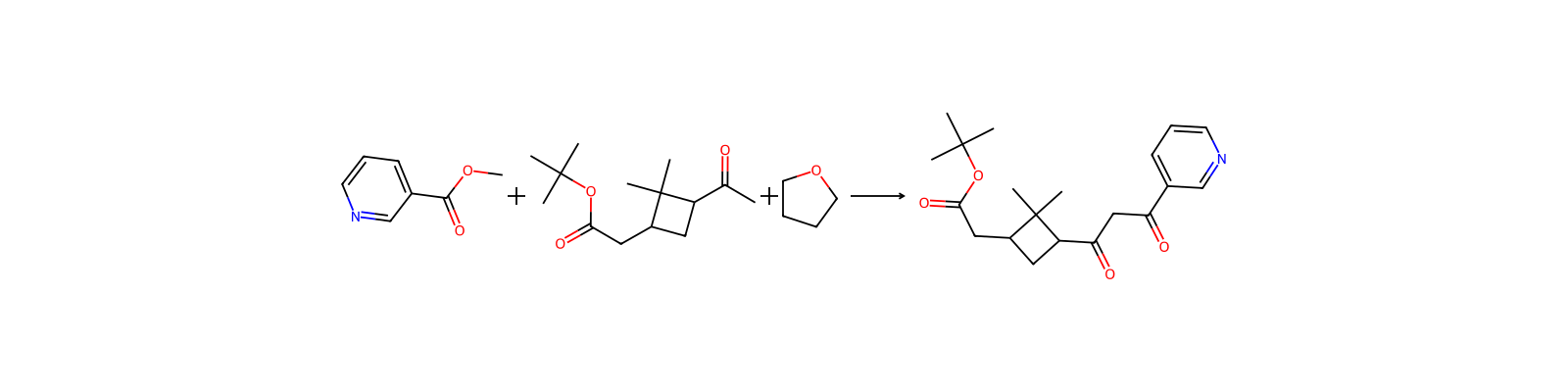
HRID 3945 reaction equation
HRID 3945As reactant
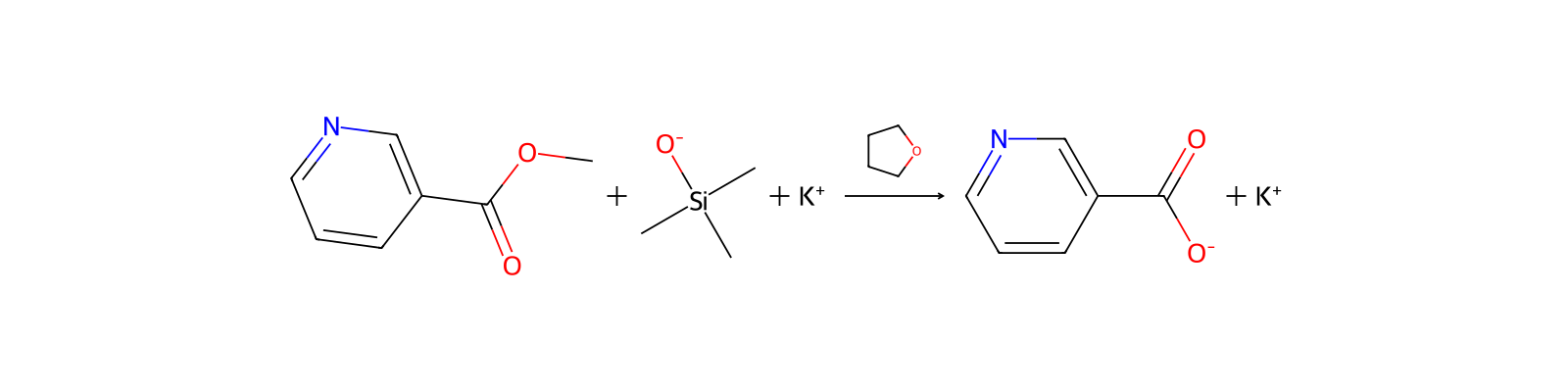
HRID 26220 reaction equation
HRID 26220As reactant
HRID 42310 reaction equation
HRID 42310As reactant
HRID 83401 reaction equation
HRID 83401As reactant
HRID 102188 reaction equation
HRID 102188As reactant
HRID 105947 reaction equation
HRID 105947As reactant
HRID 142208 reaction equation
HRID 142208As reactant
HRID 175285 reaction equation
HRID 175285As reactant
PreviousPage 1 of 8

Compound notes

On this pageBasic informationOverviewNames & identifiersPropertiesSafety & regulationChemistry & industryRelated reactionsCompound notes
Melting Point · 2 items

38-43

38 °C

Vapor Pressure0.27 [mmHg]

Physicochemical properties

Melting point
42 · 42-44 °C (lit.)
Boiling point
204 °C · 204 °C (lit.)
Density
1.2528 · 1.2528 (rough estimate)
bulk density
600 kg/m3 · 600kg/m3
vapor pressure
0.4 hPa · 0.4 hPa (25 °C)
FEMA
3709 · 3709 | METHYL NICOTINATE
refractive index
1.5323 · 1.5323 (estimate)
FLAVIS Number
14.071 · 14.071 | Methyl nicotinate
Flash point
204 °F · 204 °F
storage temp.
30 °C · Store below +30°C.
solubility
2 O: · H2O: 0.1 g/mL, clear
form
Crystals or Crystalline Powder
pka
3.1 · pKa 3.1 (Uncertain)
color
White to brownish
Odor
10 % · at 10.00 % in dipropylene glycol. warm herbal tobacco
Odor Type
herbal
biological source
synthetic
Water Solubility
NEGLIGIBLE
JECFA Number
1320 · 1320
Merck
14 · 14,6100
BRN
113951 · 113951
Cosmetics Ingredients Functions
SOOTHINGTONIC
InChI
1S/C7H7NO2/c1-10-7(9)6-3-2-4-8-5-6/h2-5H,1H3
InChIKey
YNBADRVTZLEFNH-UHFFFAOYSA-N
SMILES
COC(=O)c1cccnc1
LogP
0.68 at · 0.68 at 25℃
CAS DataBase Reference
93 · 93-60-7(CAS DataBase Reference)
Substances Added to Food (formerly EAFUS)
METHYL NICOTINATE
FDA 21 CFR
310.545 · 310.545
EWG's Food Scores
1 · 1
FDA UNII
7 B1AVU9DJN · 7B1AVU9DJN
NIST Chemistry Reference
Methyl nicotinate(93-60-7)
EPA Substance Registry System
Methyl nicotinate (93-60-7)
UNSPSC Code
85151701 · 85151701
NACRES
24 · NA.24
Symbol(GHS)
7 · GHS07
Signal word
Warning
Hazard statements
315 · H315-H319-H335
Precautionary statements
261 · P261-P264-P271-P280-P302+P352-P305+P351+P338
target organs
Respiratory system
PPE
95 · dust mask type N95 (US), Eyeshields, Gloves
Hazard Codes
Xi
Risk Statements
36 · 36/37/38-36/38
Safety Statements
26 · 26-36-37/39
WGK Germany
3 · 3
RTECS
1925000 · QT1925000
TSCA
TSCA listed
HS Code
2933399090 · 2933399090
Storage Class
11 · 11 - Combustible Solids
Hazard Classifications
2 Skin · Eye Irrit. 2Skin Irrit. 2STOT SE 3
Toxicity
50 orally · LD50 orally in Rabbit: > 2000 mg/kg
REACH Registrations
Active
wgk
3
tsca
TSCA listed
rtecs
QT1925000
hs_code
2933399090
Toxicity
LD50 orally in Rabbit: > 2000 mg/kg
risk_code
36/37/38-36/38
Signal word
Warning
Symbol(GHS)
GHS07
hazard_code
Xi
safety_code
26-36-37/39
Storage Class
11 - Combustible Solids
target organs
Respiratory system
Hazard statements
H315-H319-H335
REACH Registrations
Active
Hazard Classifications
Eye Irrit. 2Skin Irrit. 2STOT SE 3
Precautionary statements
P261-P264-P271-P280-P302+P352-P305+P351+P338

Following epicutaneous administration of small radiolabelled dose of methyl nicotinate in human volunteers, approximately 15% of the dose was recovered in the urine within 108 hours after treatment. The excretion of nicotinic acid mainly takes place in the kidneys.

According to the animal studies, nicotinic acid is mainly concentrated in the liver, kidneys, and adipose tissue.

No pharmacokinetic data available.

Cellular LocationsCytoplasm

Uses & manufacturing

UsesUsed as a rubefacient; [Merck Index] Topical vasodilator used to test the efficacy of skin protection compounds (i.e. products designed to provide barriers to chemical warfare agents); [DOD] Used as a flavoring agent; [FDA]
Use Classification · 6 items

Fragrance Ingredients

Flavouring Agent -> FLAVOURING_AGENT -> JECFA Functional Classes

Flavoring Agents -> JECFA Flavorings Index

Flavouring Agent -> FLAVOURING_AGENT -> JECFA Functional Classes

Flavouring Agent -> FLAVOURING_AGENT -> JECFA Functional Classes

Cosmetics -> Soothing; Tonic

General Manufacturing Information3-Pyridinecarboxylic acid, methyl ester: ACTIVE
Applications · 4 items

DescriptionMethyl nicotinate is a skin irritant in man, in particular producing vasodilatation, which is used on purpose in “rubefacient”, to produce a redness or inflammation for a short period of time, often in lip plumper or other lip products. Methyl nicotinate is also an active ingredient of a number of veterinary preparations intended for topical application as a rubefacient for the treatment of a variety of diseases, such as respiratory diseases, vascular disorders (oedema, haematoma), and rheumatoid disorders in cattle and horses (doses not stated; the concentration in the formulated veterinary medicinal product is 2%).

OccurrenceReported found in ground coffee, roasted filberts, guanabana (Annona muicata L.), roasted peanuts, wild strawberries, vanilla bean, papaya, guava, plum, beer cognac, soursop, malt, wort, Bourbon vanilla and mountain papaya.

UsesMethyl nicotinate (MN) is the methyl ester of nicotinic acid that is used as an active ingredient, a rubefacient and counter-irritant in over-the-counter topical preparations indicated for the temporary relief of aches and pains in muscles,tendons, and joints. The action of methyl nicotinate as a rubefacient is thought to involve peripheral vasodilation.For veterinary purposes,methyl nicotinate is used to treat respiratory diseases, vascular disorders, rheumatoid arthritis, and muscle and joint pains.Methyl nicotinate can be found in in guava fruit, papaya, strawberry, soursop(Annona muricata), beer, grape brandy, coffee, roasted filbert, roasted peanut and Bourbon vanilla.

General DescriptionMethyl nicotinate (or nicotinic acid methyl ester) is used as a rubefacient for the relief of pains in muscles, tendons, and joints. It is also used in food as a flavoring agent.

Preparation methods · 1 item

PreparationMethyl nicotinate was prepared by esterification of nicotinic acid by refluxing with methanol in the presence of concentrated sulphuric acid, esterification product obtained was extracted into organic solvent (chloroform) after neutralization of the reaction mixture with 10% sodium bicarbonate.Synthesis and antinociceptive activity of methyl nicotinateDOI:10.4314/jpb.v12i1.8

Upstream & downstream products

Downstream products

Nicorandil3-(1,3,4-Oxadiazol-2-yl)pyridineMethyl nicotinoylacetateNicotinic acid hydrazideN-Benzylniacin1,3(2H)-Pyridinedicarboxylic acid, 3-methyl 1-phenyl ester3-AcetoacetylpyridineBenzyl nicotinate

Additional notes

DefinitionChEBI: Methyl nicotinate is a member of pyridines and an aromatic carboxylic acid.