
Benzoic anhydride
Completing data — refresh the page later to see the latest

Basic information
- CAS
93-97-0- Standard SMILES
O=C(OC(=O)c1ccccc1)c1ccccc1- InChIKey
CHIHQLCVLOXUJW-UHFFFAOYSA-N- Molecular formula
- C14H10O3
- Average molar mass
- 226.23 g/mol
- Monoisotopic mass
- 226.06299418
Overview
Benzoic anhydride is an acyclic carboxylic anhydride. It is functionally related to a benzoic acid.
Names & identifiers
- Preferred name
- Benzoic anhydride
- IUPAC
- benzoyl benzoate
- English name
- Benzoic anhydride
- Molecular formula
- C14H10O3
- Molecular weight
- 226.23
Names & synonyms
BENZOIC ANHYDRIDE93-97-0Benzoyl benzoateBenzoyl anhydrideBenzoic acid, anhydrideBenzoylbenzoate9K7X34FOV2DTXSID1029122CHEBI:38815NSC-37116DTXCID509122RefChem:118511
Show more names
BENZOYL OXIDEBENZOINEBanzoyl benzoateBenzoic anhydrid
202-291-1benzoic acid anhydridephenylcarbonyl benzoateMFCD00003073Phenyl anhydrideBenzoesaeureanhydridBenzoic acid, 1,1'-anhydride(PhCO)2O
Database identifiers
- CAS
93-97-0- PubChem CID
- 7167
- DTXSID
DTXSID1029122- ChEMBL
CHEMBL3185530- ChEBI
CHEBI:38815- UNII
- 9K7X34FOV2
- EC Number
- 202-291-1
- Nikkaji
- J4.689B
Properties
Computed structural propertiesFilling in
- XLogP
- 3.2
- Topological polar surface area
- 43.4 Ų
- Hydrogen bond donors
- 0
- Hydrogen bond acceptors
- 3
- Rotatable bonds
- 4
- Heavy atoms
- 17
- Formal charge
- 0
- Complexity
- 245
Experimental & physicochemical properties
Chemical ClassesOther Classes -> Acid Anhydrides, Other
SpringerMaterials PropertiesBoiling point
Exact Mass226.062994177 Da
Molecular Weight226.23 g/mol
Monoisotopic Mass226.062994177 Da
Physical DescriptionSolid; [Merck Index] White crystalline powder; Odorless; [Alfa Aesar MSDS]
Compound Is CanonicalizedYes
Physicochemical properties
- Melting point
- 38 · 38-42 °C(lit.)
- Boiling point
- 360 °C · 360 °C
- Density
- 1.199 g/mL · 1.199 g/mL at 25 °C(lit.)
Safety & regulation
Safety information is for reference only and does not replace the supplier’s Safety Data Sheet (SDS), applicable regulations, or professional assessment.
GHS classification
GHS Classification
This chemical does not meet GHS hazard criteria for 42.7% (41 of 96) of reports.
Danger
H315 (57.3%): Causes skin irritation [Warning Skin corrosion/irritation]
P261, P264, P264+P265, P271, P280, P302+P352, P304+P340, P305+P354+P338, P317, P319, P321, P332+P317, P362+P364, P403+P233, P405, and P501 (click each P-code to see the statement)
Aggregated GHS information provided per 96 reports by companies from 9 notifications to the ECHA C&L Inventory. Each notification may be associated with multiple companies.
Hazard information
Regulatory Information
Chemical: Benzoic acid, anhydride
Status: Active Update: 24-04-2018 https://echa.europa.eu/registration-dossier/-/registered-dossier/24998
Benzoic acid, anhydride: Does not have an individual approval but may be used under an appropriate group standard
Hazards SummaryReacts with water; A skin and strong eye irritant; [Alfa Aesar MSDS]
Hazard Classes and CategoriesSkin Irrit. 2 (57.3%)
Safety data
- F
- 10-21
- PPE
- dust mask type N95 (US), Eyeshields, Gloves
- wgk
- 3
- tsca
- TSCA listed
- hs_code
- 29163900
- risk_code
- 37/38-41-36/37/38
- Signal word
- Danger
- Symbol(GHS)
- GHS05,GHS08
Chemistry & industry
Uses & manufacturing
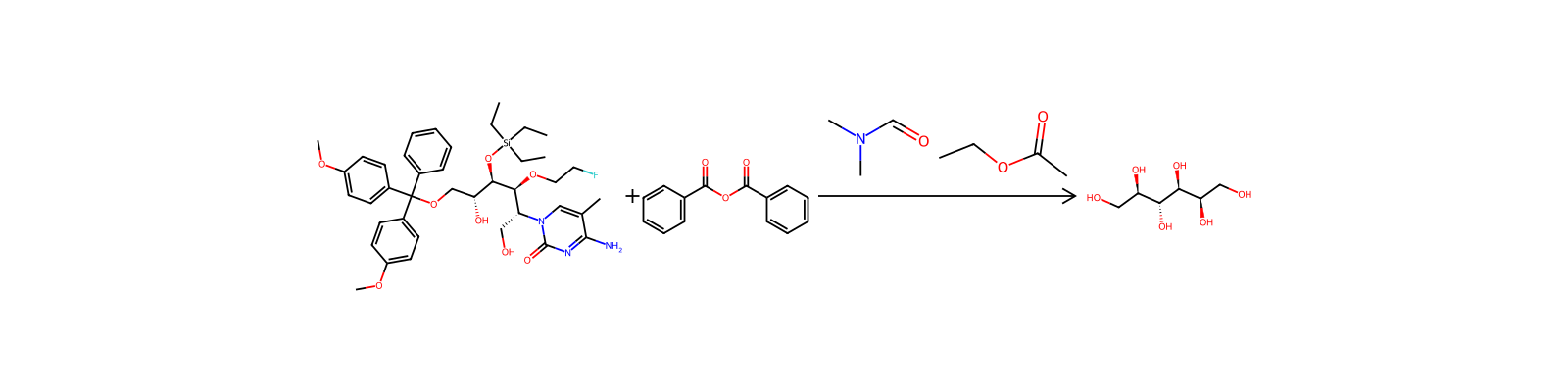
UsesUsed to make pharmaceuticals, dyes, and intermediates; [Merck Index]
General Manufacturing InformationBenzoic acid, 1,1'-anhydride: ACTIVE
Applications
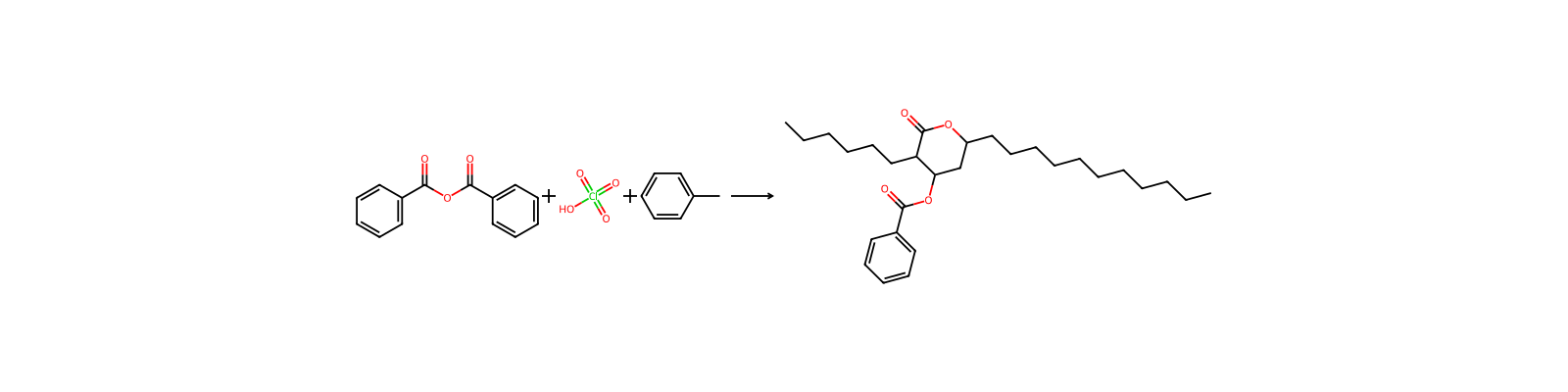
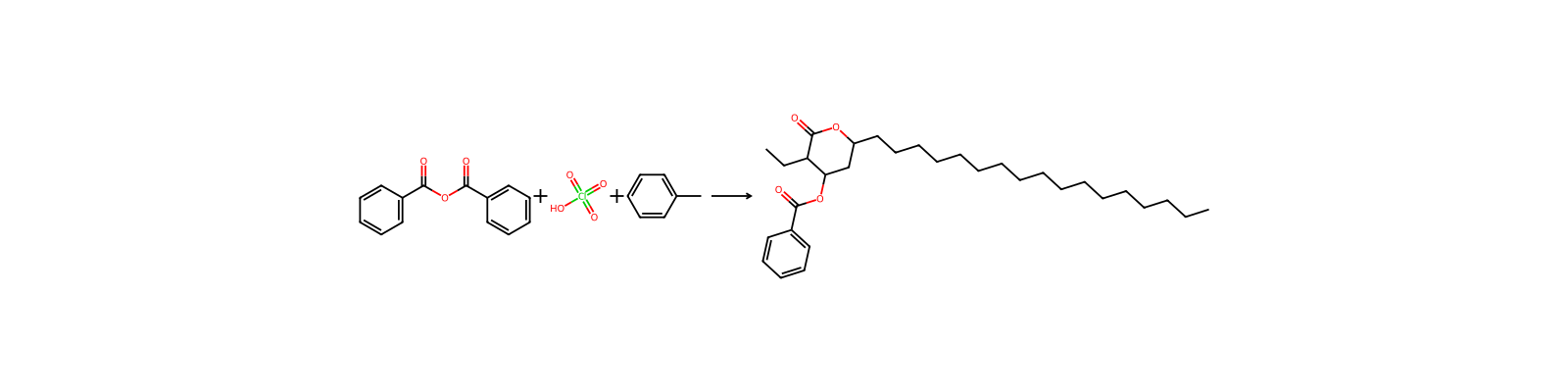
UsesBenzoic anhydride is used as a benzoylating agent in the manufacture of pharmaceuticals, dyes and intermediates. It serves as an arylation agent in the Heck reaction. It is also used to get benzoic acid through dehydration. Further, it is used to prepare furan-2-yl-phenyl-methanone, which is similar to Friedel-Crafts acylation reaction. In addition to this, it is used for the synthesis of carboxylic esters and lactones.
UsesBenzoic Anhydride is the more active analogue of benzoic acid formed via dehydration. Benzoic Anhydride is used in the synthesis of a wide range of organic compounds including some dyes. Benzoic Anhyd ride is also used as an arylation agent in the Heck reaction.
UsesIn organic syntheses, as benzoylating agent in the manufacture of pharmaceuticals, dyes, and intermediates.
General DescriptionBenzoic anhydride undergoes Friedel-Crafts acylation reaction with benzene over various ion-exchanged heteropoly acids to yield benzophenone.
Preparation methods
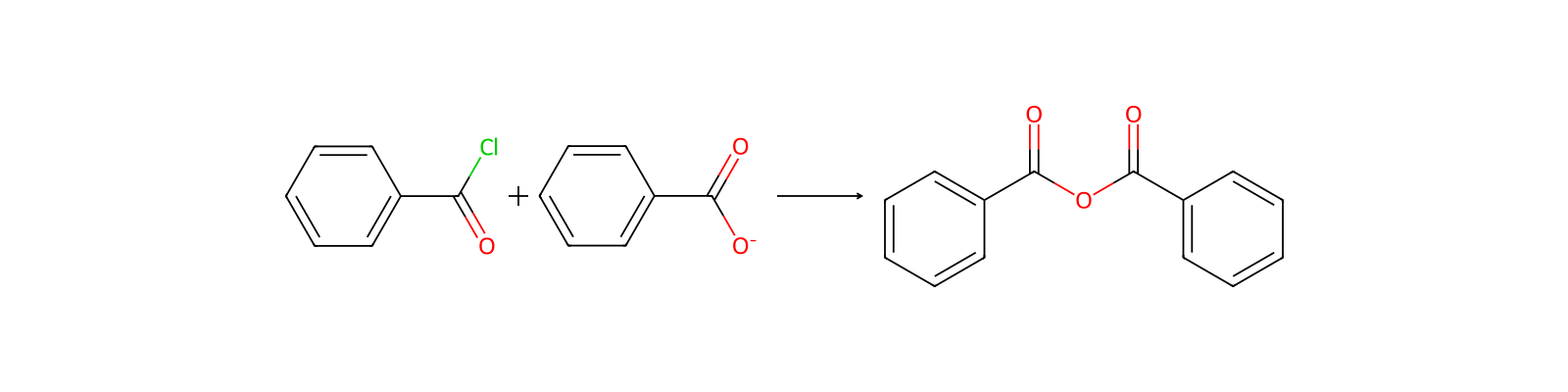
PreparationTo a flask containing 14.0 gm (0.1 mole) of benzoyl chloride and equipped with a stirrer is added 40 ml of dry dioxane and it is cooled to 5°C.Then 10 ml (0.1 mole) of dry pyridine is rapidly added at 5-10°C followed by 1.0 ml (0.056 mole) of water. After stirring for 10-15 min at 0-5°C, the reaction mixture is then poured into a mixture of 75 ml of cone, hydrochloric acid, 75 gm of cracked ice, and 350 ml of water. The product is filtered, washed first for 1 min with a cold 5% solution of sodium bicarbonate and then with water. The product is dried to afford 11.0 gm (97%), m.p. 43°C (recrystallized from a mixture of ether-petroleum ether).
Related reactions
55 records



Compound notes
Loading…