
Basic information
- Standard SMILES
Cc1ccccc1C- InChIKey
CTQNGGLPUBDAKN-UHFFFAOYSA-N- Molecular formula
- C8H10
- Average molar mass
- 106.16 g/mol
- Monoisotopic mass
- 106.07825032
Overview
O-xylene appears as a colorless watery liquid with a sweet odor. Less dense than water. Insoluble in water. Irritating vapor. (USCG, 1999)
Names & identifiers
- Preferred name
- O-Xylene
- IUPAC
- 1,2-xylene
- English name
- o-Xylene
- Molecular formula
- C8H10
- Molecular weight
- 106.17
Names & synonyms
O-XYLENE1,2-Dimethylbenzene1,2-Xylene95-47-6Ortho-Xyleneo-Xylolo-Dimethylbenzeneo-Methyltoluene2-Xylene3,4-XyleneBenzene, 1,2-dimethyl-1,2-Dimethylbenzol
Show more names
XYLENESXYLOL1,2-XyleneYLENE
2-MethyltolueneDTXSID3021807orthoxyleneZ2474E14QPNSC-60920DTXCID501807CHEBI:28063RefChem:97
Database identifiers
- CAS
95-47-6- PubChem CID
- 7237
- DTXSID
DTXSID3021807- ChEMBL
CHEMBL45005- ChEBI
CHEBI:28063- UNII
- Z2474E14QP
- EC Number
- 202-422-2
- Nikkaji
- J3.563G
Properties
Computed structural properties
- XLogP
- 3.1
- Topological polar surface area
- 0 Ų
- Hydrogen bond donors
- 0
- Hydrogen bond acceptors
- 0
- Rotatable bonds
- 0
- Heavy atoms
- 8
- Formal charge
- 0
- Complexity
- 56.4
Experimental & physicochemical properties
Chemical Classes
Flammable agents - 3rd degree
Volatile Organic Compound (VOC)
SpringerMaterials Properties13C nuclear magnetic resonance spectrum
LogP
log Kow = 3.12
3.12
3.29
Odor
Sweet
Aromatic odor
Density
0.88 at 68 °F (USCG, 1999) - Less dense than water; will float
0.8801 at 20 °C/4 °C
Critical density: 2.71 mmol/cu cm; Critical volume: 369.0 cu cm/mol
Relative density (water = 1): 0.88 (20 °C)
0.88
Viscosity
0.760 mPa.s at 25 °C
0.81 mPa*s at 20 °C
Color/FormColorless liquid
Solubility
Insoluble (NTP, 1992)
In water, 1.78X10+2 mg/L at 25 °C
In water, 180 mg/L at 25 °C (average of 16 literature values ranging from 167-221 mg/L at 25 °C)
Miscible with ethanol, ethyl ether, acetone, petroleum ether, benzene, carbon tetrachloride
Soluble with most organic solvents.
Solubility in water, g/l at 20 °C: 0.18 (very slightly soluble)
CorrosivityNo reaction with common materials
Flash Point
63 °F (NTP, 1992)
31.0 °C (87.8 °F) - closed cup
63 °F; 17 °C (Closed cup)
30 °C c.c.
90 °F
Boiling Point
289 to 293 °F at 760 mmHg (NTP, 1992)
144.5 °C
144 °C
292 °F
Decomposition
Hazardous decomposition products formed under fire conditions - Carbon oxides.
When heated to decomp it emits acrid smoke and irritating fumes.
Physicochemical properties
- Melting point
- -26 · -26--23 °C (lit.)
- Boiling point
- 143 · 143-145 °C (lit.)
- Density
- 0.879 g/mL · 0.879 g/mL at 20 °C (lit.)
- vapor density
- 3.7 · 3.7 (vs air)
- vapor pressure
- 0.1 atm · <0.1 atm ( 21.1 °C)
- refractive index
- 20 · n20/D 1.505(lit.)
- Flash point
- 90 °F · 90 °F
- storage temp.
- 30 °C · Store below +30°C.
- solubility
- 0.1705 g/L · water: partially soluble0.1705 g/L at 25°C
- form
- Solid or Crystalline Powder
- pka
- 15 · >15 (Christensen et al., 1975)
- color
- Yellow to beige
- Odor
- Benzene-like; characteristic aromatic.
- Odor Threshold
- 0.38 ppm · 0.38ppm
- explosive limit
- 1 · 1.0-7.6%(V)
- Viscosity
- 0.75 mm2/s · 0.75mm2/s
- Water Solubility
- Sparingly soluble in water. (0.2g/L)
- Thermal Conductivity
- 0.1299 W/ · 0.1299 W/(m·K) at 25 ℃
- Specific Heat Capacity
- 1.75 J/ · Cp(liquid): 1.75 J/(g·K), at 25℃
- λmax
- 288 nm · λ: 288 nm Amax: 1.00λ: 300 nm Amax: 0.40λ: 325 nm Amax: 0.05λ: 350-400 nm Amax: 0.01
- Merck
- 14 · 14,10081
- BRN
- 1815558 · 1815558
- Henry's Law Constant
- 14 at · 14.0 at 45.00 °C, 16.4 at 50.00 °C, 19.0 at 55.00 °C, 21.3 at 60.00 °C, 26.3 at 70.00 °C (static headspace-GC, Park et al., 2004)
- Dielectric constant
- 2.57 · 2.5699999999999998
- Exposure limits
- 20 ppm;TLV-STEL:150 · ACGIH TLV-TWA:20 ppm;TLV-STEL:150 ppm (adopted)OSHA PEL-TWA:100 ppmNIOSH REL-TWA:100 ppm (435 mg/m3);REL-STEL:150 ppm (655 mg/m3);IDLH:900 ppm
- Stability
- Stable. Incompatible with oxidizing agents. Flammable. Hygroscopic.
- Cosmetics Ingredients Functions
- SOLVENTFRAGRANCEPERFUMING
- InChI
- 1S/C8H10/c1-7-5-3-4-6-8(7)2/h3-6H,1-2H3
- InChIKey
- CTQNGGLPUBDAKN-UHFFFAOYSA-N
- SMILES
- Cc1ccccc1C
- EPA Primary Drinking Water Standard
- 10 · MCL:10,MCLG:10
- LogP
- 3.16 at · 3.16 at 20℃
- Surface tension
- 29.86 mN/m · 29.86mN/m at 298.15K
- CAS DataBase Reference
- 95 · 95-47-6(CAS DataBase Reference)
- EWG's Food Scores
- 7 · 7
- FDA UNII
- 2474 E14QP · Z2474E14QP
- NIST Chemistry Reference
- 1 · Benzene, 1,2-dimethyl-(95-47-6)
- EPA Substance Registry System
- o-Xylene (95-47-6)
- ECETOC JACC REPORT
- o-Xylene (95-47-6)
- UNSPSC Code
- 41116107 · 41116107
- NACRES
- 24 · NA.24
- Symbol(GHS)
- 2 · GHS02,GHS07,GHS08,GHS09
- Signal word
- Danger
- Hazard statements
- 303 · H303-H315-H319-H361-H336-H304-H401-H410-H226
- Precautionary statements
- 501 · P501-P261-P273-P202-P240-P210-P233-P201-P243-P241-P242-P271-P264-P280-P370+P378-P312-P391-P331-P337+P313-P305+P351+P338-P362+P364-P303+P361+P353-P332+P313-P301+P310-P304+P340+P312-P403+P233-P403+P235-P405
- target organs
- Respiratory system
- Hazard Codes
- Xn,T,F
- Risk Statements
- 10 · 10-20/21-38-39/23/24/25-23/24/25-11
- Safety Statements
- 25 · 25-45-36/37-16-7
- RIDADR
- 1307 · UN 1307 3/PG 3
- OEB
- A
- OEL
- 100 ppm · TWA: 100 ppm (435 mg/m3), STEL: 150 ppm (655 mg/m3)
- WGK Germany
- 2 · 2
- RTECS
- 2450000 · ZE2450000
- Autoignition Temperature
- 867 °F · 867 °F
- TSCA
- TSCA listed
- HazardClass
- 3 · 3
- PackingGroup
- II
- HS Code
- 29024100 · 29024100
- Storage Class
- 3 · 3 - Flammable liquids
- Hazard Classifications
- 4 DermalAcute · Acute Tox. 4 DermalAcute Tox. 4 InhalationAquatic Chronic 3Asp. Tox. 1Eye Irrit. 2Flam. Liq. 3Skin Irrit. 2STOT SE 3
- Hazardous Substances Data
- 95 · 95-47-6(Hazardous Substances Data)
- Toxicity
- 50 in · Acute oral LD50 in rats is approximately 5 g/kg (quoted, RTECS, 1992).
- IDLA
- 900 ppm · 900 ppm
- REACH Registrations
- Active
- Limited Quantities
- 5 L · 5.0 L (1.3 gallons) (liquid)
- Excepted Quantities
- Max Inner Pack (30g or 30ml) and Max Outer Pack (1Kg or 1L)
Safety & regulation
GHS classification
GHS Classification
Warning
H226: Flammable liquid and vapor [Warning Flammable liquids]
P210, P233, P240, P241, P242, P243, P261, P264, P271, P280, P302+P352, P303+P361+P353, P304+P340, P317, P321, P332+P317, P362+P364, P370+P378, P403+P235, and P501 (click each P-code to see the statement)
Danger
H225 (26.7%): Highly Flammable liquid and vapor [Danger Flammable liquids]
P210, P233, P240, P241, P242, P243, P261, P264, P264+P265, P271, P273, P280, P301+P316, P302+P352, P303+P361+P353, P304+P340, P305+P351+P338, P317, P319, P321, P331, P332+P317, P337+P317, P362+P364, P370+P378, P403+P233, P403+P235, P405, and P501 (click each P-code to see the statement)
Hazard information
Regulatory Information
Chemical: Benzene, 1,2-dimethyl-
Benzene, 1,2-dimethyl- is listed on the EPA's Chemical Data Reporting (CDR) system. Manufacturers and importers of Benzene, 1,2-dimethyl- are required to report information about their production and use of this chemical to the EPA under the Toxic Substances Control Act (TSCA). (40 eCFR Part 711)
Status: Active Update: 27-02-2023 https://echa.europa.eu/registration-dossier/-/registered-dossier/15482
Benzene, 1,2-dimethyl-: HSNO Approval: HSR001237 Approved with controls
The New Jersey Worker and Community Right to Know Act requires public and private employers to provide information about hazardous substances at their workplaces. (N.J.S.A. 34:5A-1 et. seq.)
Other Safety InformationIMAP assessments - Benzene, 1,2-dimethyl-: Environment tier I assessment
DOT LabelFlammable Liquid
Fire Hazards
Behavior in Fire: Vapor is heavier than air and may travel considerable distance to a source of ignition and flash back. (USCG, 1999)
Flammable. Above 30 °C explosive vapour/air mixtures may be formed.
Fire PotentialA very dangerous fire hazard when exposed to heat or flame.
Health Hazards
Vapors cause headache and dizziness. Liquid irritates eyes and skin. If taken into lungs, causes severe coughing, distress, and rapidly developing pulmonary edema. If ingested, causes nausea, vomiting, cramps, headache, and coma. Can be fatal. Kidney and liver damage can occur. (USCG, 1999)
Hazards Summary
The major hazards encountered in the use and handling of 2-xylene stem from its toxicologic properties and flammability. Exposure to this colorless liquid may occur from its use as a chemical intermediate, as an industrial solvent, and as component of gasoline. Toxic by all routes of exposure (ie, dermal, ingestion, and inhalation), 2-xylene can cause effects including headache, dizziness, skin and eye irritation, kidney and liver damage, pulmonary edema, coma, and death. The ACGIH recommends a workplace exposure limit (TLV) of 100 ppm as an 8 hr time-weighted average (TWA); however, to assure protection, wear an approved canister or air-supplied mask, face shield, plastic gloves, apron, and boots and use non-sparking tools when handling 2-xylene. In emergency situations, a self-contained breathing apparatus and full protective clothing are recommended. If contact does occur, immediately flush exposed eyes with running water, wash exposed skin with soap and water, and remove contaminated clothing. Individuals with diseases of the central nervous system, liver, kidneys, and blood should be protected from exposure. 2-Xylene is ignitable by heat, sparks, or flame (flash point: 16 °C, closed cup) and may do so explosively in an enclosed area. Also, vapor may travel a considerable distance to a source of ignition and flash back. The heat of a fire may cause containers to explode and/or cause thermal degradation of 2-xylene, producing acrid smoke and toxic gases. Fires involving 2-xylene may be extinguished with dry chemical, CO2, water spray, fog, or foam. For massive fires in enclosed areas, use unmanned hose holders or monitor nozzles. If a 2-xylene tank car or truck is involved in a fire, isolate 1/2 mile in all directions. Runoff from fire control water may cause pollution, and, upon entering a sewer, may create an explosion hazard. Containers of 2-xylene should be bonded and grounded during transferring operations and metal safety cans be used for small amounts. For small spills of 2-xylene, take up with sand or other non-combustible absorbent and place in containers for later disposal, or absorb on paper and evaporate in an appropriate exhaust hood. In either case, take care to avoid contact with the liquid or vapor. For large spills, isolate the area, dike far ahead of the spill and collect the material for disposal. 2-Xylene is a good candidate for the Belliot process of oxidative destruction, as well as liquid injection, rotary kiln, and fluidized bed incineration. 2-Xylene may be sent to a solvent disposal company, but prior to implementing any land disposal of waste residue (including waste sludge), consult regulatory agencies for guidance.
DOT ID and Guide1307 130
Reactive GroupHydrocarbons, Aromatic
UN ClassificationUN Hazard Class: 3; UN Pack Group: III
Special Reports
National Academy of Sciences; The Alkyl Benzenes (1981)
NIOSH; Criteria Document: Xylene (1975) DHEW Pub. NIOSH 75-168
Jori A et al; Ecotoxicological Profile of Xylenes. Ecotoxicol Environ Saf 11 (1): 44-80 (1986)
Toxicology and Carcinogenesis Studies of Xylenes (mixed) p.19 Report No TR 327 (1986) NIH Pub No 87-2583. Route: oral, gavage; Species: rats and mice. NTIS No PB87189684/AS.
For more Special Reports (Complete) data for 2-XYLENE (10 total), please visit the HSDB record page.
RCRA Requirements
F003; When xylene is a spent solvent, it is classified as a hazardous waste from a nonspecific source (F003), as stated in 40 CFR 261.31, and must be managed according to State and/or Federal hazardous waste regulations. /Xylenes/
U239; As stipulated in 40 CFR 261.33, when xylene, as a commercial chemical product or manufacturing chemical intermediate or an off-specification commercial chemical product or a manufacturing chemical intermediate, becomes a waste, it must be managed according to Federal and/or State hazardous waste regulations. Also defined as a hazardous waste is any residue, contaminated soil, water, or other debris resulting from the cleanup of a spill, into water or on dry land, of this waste. Generators of small quantities of this waste may qualify for partial exclusion from hazardous waste regulations (40 CFR 261.5). /Xylenes/
Safety & protection
Fire Fighting
Fire Extinguishing Agents Not to Be Used: Water may be ineffective.
Use water spray, powder, foam, carbon dioxide. In case of fire: keep drums, etc., cool by spraying with water.
First Aid Measures
Fresh air, rest. Refer for medical attention.
First rinse with plenty of water for at least 15 minutes, then remove contaminated clothes and rinse again. Rinse and then wash skin with water and soap.
First rinse with plenty of water for several minutes (remove contact lenses if easily possible), then refer for medical attention.
Rinse mouth. Do NOT induce vomiting. Refer for medical attention .
First Aid
EYES: First check the victim for contact lenses and remove if present. Flush victim's eyes with water or normal saline solution for 20 to 30 minutes while simultaneously calling a hospital or poison control center. Do not put any ointments, oils, or medication in the victim's eyes without specific instructions from a physician. IMMEDIATELY transport the victim after flushing eyes to a hospital even if no symptoms (such as redness or irritation) develop.
(General first aid procedures)
Safe StorageFireproof. Store only in original container. Separated from strong oxidants and strong acids. Store in an area without drain or sewer access.
Fire Fighting Procedures
Suitable extinguishing media: Use water spray, alcohol-resistant foam, dry chemical, or carbon dioxide.
Advice for firefighters: Wear self-contained breathing apparatus for firefighting if necessary.
Use water spray to cool unopened containers.
Foam, dry chemical, or carbon dioxide. Water may be ineffective. Cool exposed containers with water.
Storage ConditionsKeep container tightly closed in a dry and well-ventilated place. Containers which are opened must be carefully resealed and kept upright to prevent leakage. Storage class (TRGS 510): Flammable liquids.
Cleanup Methods
ACCIDENTAL RELEASE MEASURES: Personal precautions, protective equipment and emergency procedures: Use personal protective equipment. Avoid breathing vapors, mist or gas. Ensure adequate ventilation. Remove all sources of ignition. Evacuate personnel to safe areas. Beware of vapors accumulating to form explosive concentrations. Vapors can accumulate in low areas. Environmental precautions: Prevent further leakage or spillage if safe to do so. Do not let product enter drains. Discharge into the environment must be avoided. Methods and materials for containment and cleaning up: Contain spillage, and then collect with an electrically protected vacuum cleaner or by wet-brushing and place in container for disposal according to local regulations.
Stop discharge if possible. Keep people away. Call fire department. Avoid contact with liquid and vapor. Isolate and remove discharged material. Notify local health and pollution control agencies.
Nonfire Spill Response
SMALL SPILLS AND LEAKAGE: If you should spill this chemical, use absorbent paper to pick up all liquid spill material. Your contaminated clothing and absorbent paper should be sealed in a vapor-tight plastic bag for eventual disposal. Solvent wash all contaminated surfaces with acetone followed by washing with a strong soap and water solution. Do not reenter the contaminated area until the Safety Officer (or other responsible person) has verified that the area has been properly cleaned.
Disposal Methods
Generators of waste (equal to or greater than 100 kg/mo) containing this contaminant, EPA hazardous waste number U239 and F003, must conform with USEPA regulations in storage, transportation, treatment and disposal of waste.
SRP: Wastewater from contaminant suppression, cleaning of protective clothing/equipment, or contaminated sites should be contained and evaluated for subject chemical or decomposition product concentrations. Concentrations shall be lower than applicable environmental discharge or disposal criteria. Alternatively, pretreatment and/or discharge to a permitted wastewater treatment facility is acceptable only after review by the governing authority and assurance that "pass through" violations will not occur. Due consideration shall be given to remediation worker exposure (inhalation, dermal and ingestion) as well as fate during treatment, transfer and disposal. If it is not practicable to manage the chemical in this fashion, it must be evaluated in accordance with EPA 40 CFR Part 261, specifically Subpart B, in order to determine the appropriate local, state and federal requirements for disposal.
Product: Contact a licensed professional waste disposal service to dispose of this material. Burn in a chemical incinerator equipped with an afterburner and scrubber but exert extra care in igniting as this material is highly flammable. Offer surplus and non-recyclable solutions to a licensed disposal company; Contaminated packaging: Dispose of as unused product.
Spillage Disposal
Personal protection: filter respirator for organic gases and vapours adapted to the airborne concentration of the substance. Ventilation. Remove all ignition sources. Do NOT let this chemical enter the environment. Collect leaking and spilled liquid in sealable containers as far as possible. Absorb remaining liquid in sand or inert absorbent. Then store and dispose of according to local regulations.
Preventive Measures
SRP: Contaminated protective clothing should be segregated in a manner such that there is no direct personal contact by personnel who handle, dispose, or clean the clothing. The completeness of the cleaning procedures should be considered before the decontaminated protective clothing is returned for reuse by the workers. Contaminated clothing should not be taken home at the end of shift, but should remain at employee's place of work for cleaning.
ACCIDENTAL RELEASE MEASURES: Personal precautions, protective equipment and emergency procedures: Use personal protective equipment. Avoid breathing vapors, mist or gas. Ensure adequate ventilation. Remove all sources of ignition. Evacuate personnel to safe areas. Beware of vapors accumulating to form explosive concentrations. Vapors can accumulate in low areas. Environmental precautions: Prevent further leakage or spillage if safe to do so. Do not let product enter drains. Discharge into the environment must be avoided.
Precautions for safe handling: Avoid contact with skin and eyes. Avoid inhalation of vapor or mist. Keep away from sources of ignition - No smoking. Take measures to prevent the build up of electrostatic charge.
Appropriate engineering controls: Handle in accordance with good industrial hygiene and safety practice. Wash hands before breaks and at the end of workday.
For more Preventive Measures (Complete) data for 2-XYLENE (7 total), please visit the HSDB record page.
Isolation and EvacuationExcerpt from ERG Guide 130 [Flammable Liquids (Water-Immiscible / Noxious)]:
Toxicology
Body Burden
The mean concentration of 2-xylene was 0.05 ng/mL in the blood of 134 school-age children that participated in the School Health Initiative: Environment, Learning, Disease (SHIELD) study in Minneapolis, MN(1). The mean concentration of 2-xylene was 0.06 ng/mL in the blood of 43 children living in an inner city neighborhood of Minneapolis, MN(2). In the USEPA's Total Exposure Methodology (TEAM) Study, 83% of the 358 breath samples of residents of Elizabeth and Bayonne, NJ tested contained measurable quantities of 2-xylene; median and maximum concentrations 2.2 and 220 ug/cu m, respectively(3). People recently exposed to potential sources of 2-xylene such as from paint, furniture refinishing, printing, science laboratories, plastics manufacturing, and chemical plants had significantly higher levels of 2-xylene in their breath(4). 2-Xylene was detected in the blood of 35 varnish spray men (masks worn) at an average level of 26.6 ug/L; its metabolites, o-methylhippuric acid, 73 ppm average; 2,3-dimethylphenol, 0.5 ppm average; and 3,4-dimethylphenol, 0.8 ppm average, were detected in the urine(4). Urine samples from 121 male workers in a vehicle metal parts plant, contained a mean concentration of 14.0 mg/l o-methylhippuric acid, a metabolite of 2-xylene(5). The mean blood concentration in a non-occupationally exposed US population was 0.14 ppb(6).
Personal air monitors and breath samples were used to monitor o-xylene and other volatile compounds in the breath of 200 smokers and 322 nonsmokers in New Jersey and California during 12-hr sampling periods. The monitor measured only sidestream and exhaled mainstream smoke. Concentrations were also measured in a subsample of homes and outdoor air. Compared to nonsmokers, o-xylene was significantly higher in the breath of persons who had smoked tobacco the day they were monitored (p <0.001). Unweighed geometric mean breath concentrations for smokers in NJ (fall); NJ (summer); NJ (winter); Los Angeles, CA (winter); Los Angeles (spring); Antioch/Pittsburg, CA (spring) were 2.4, 1.2, 1.6, 1.5, 1.6, and 1.0 ug/cu m, respectively; values for nonsmokers were 1.9, 0.6, 1.0, 0.6, 0.4, and 0.3 ug/cu m, respectively. Values from personal air samplers were only occasionally significantly higher. Indoor air concentrations in homes with smokers were significantly higher in fall and winter. Median breath concentrations of nonsmokers exposed to tobacco smoke at work but not at home were significantly higher than those not exposed at work(1).
The reported mean concentration of 2-xylene measured in the personal air of 36 high school students in New York City participating in the TEACH study was 3.93 ug/cu m in the summer and 2.24 ug/cu m in the winter(1). A median measured personal 2-xylene concentration of 1.5 ug/cu m was determined for participants of the BEAM study which included 55 individuals employed in nonmanufacturing workplaces, including schools and offices, and living in suburban or urban locations in the greater Boston, MA area(2).
Treatment
If the compound has been ingested, rapid gastric lavage should be performed using 5% sodium bicarbonate. For skin contact, the skin should be washed with soap and water. If the compound has entered the eyes, they should be washed with large quantities of isotonic saline or water. In serious cases, atropine and/or pralidoxime should be administered. Anti-cholinergic drugs work to counteract the effects of excess acetylcholine and reactivate AChE. Atropine can be used as an antidote in conjunction with pralidoxime or other pyridinium oximes (such as trimedoxime or obidoxime), though the use of '-oximes' has been found to be of no benefit, or possibly harmful, in at least two meta-analyses. Atropine is a muscarinic antagonist, and thus blocks the action of acetylcholine peripherally.
Interactions
Male Wistar rats were exposed by inhalation for 4 hr to 1000 mg/cu m (230 ppm) of o-xylene or 1700 ppm of acetone alone, or in combination. In the combination exposure, blood xylene immediately after the exposure was increased by 40% whereas the blood acetone level was decreased by 15%. In a corresponding study, H-strain mice were exposed for 2 hr to 1392 mg/cu m (320 ppm) of o-xylene or 6655 mg/cu m (1530 ppm) of acetone alone or in combination. The combination exposure was accompanied by a 33% increase of the blood xylene concentration whereas the blood acetone level was decreased by 18%.
Target OrgansEyes, skin, respiratory system, central nervous system, gastrointestinal tract, blood, liver, kidneys
Health Effects
Acute exposure to cholinesterase inhibitors can cause a cholinergic crisis characterized by severe nausea/vomiting, salivation, sweating, bradycardia, hypotension, collapse, and convulsions. Increasing muscle weakness is a possibility and may result in death if respiratory muscles are involved. Accumulation of ACh at motor nerves causes overstimulation of nicotinic expression at the neuromuscular junction. When this occurs symptoms such as muscle weakness, fatigue, muscle cramps, fasciculation, and paralysis can be seen. When there is an accumulation of ACh at autonomic ganglia this causes overstimulation of nicotinic expression in the sympathetic system. Symptoms associated with this are hypertension, and hypoglycemia. Overstimulation of nicotinic acetylcholine receptors in the central nervous system, due to accumulation of ACh, results in anxiety, headache, convulsions, ataxia, depression of respiration and circulation, tremor, general weakness, and potentially coma. When there is expression of muscarinic overstimulation due to excess acetylcholine at muscarinic acetylcholine receptors symptoms of visual disturbances, tightness in chest, wheezing due to bronchoconstriction, increased bronchial secretions, increased salivation, lacrimation, sweating, peristalsis, and urination can occur. Certain reproductive effects in fertility, growth, and development for males and females have been linked specifically to organophosphate pesticide exposure. Most of the research on reproductive effects has been conducted on farmers working with pesticides and insecticdes in rural areas. In females menstrual cycle disturbances, longer pregnancies, spontaneous abortions, stillbirths, and some developmental effects in offspring have been linked to organophosphate pesticide exposure. Prenatal exposure has been linked to impaired fetal growth and development. Neurotoxic effects have also been linked to poisoning with OP pesticides causing four neurotoxic effects in humans: cholinergic syndrome, intermediate syndrome, organophosphate-induced delayed polyneuropathy (OPIDP), and chronic organophosphate-induced neuropsychiatric disorder (COPIND). These syndromes result after acute and chronic exposure to OP pesticides.
Ecotoxicity Values
LC50; Species: Cancer magister (crab) larvae stage I; Concentration: 6 ppm for 96 hr /Conditions of bioassay not specified/
LC50; Species: Crangon franciscorum (Shrimp); Concentration: 1.3 ppm for 96 hr /Conditions of bioassay not specified/
EC50; Species: Chlorella vulgaris (Green algae); Conditions: freshwater, static, 20 °C; Concentration: 55000 ug/L for 24 hr; Effect: growth, general /formulated product/
EC50; Species: Pseudokirchneriella subcapitata (Green algae); Conditions: freshwater, static; Concentration: 4700 ug/L for 72 hr; Effect: growth, general /formulated product/
For more Ecotoxicity Values (Complete) data for 2-XYLENE (19 total), please visit the HSDB record page.
Environmental Fate
TERRESTRIAL FATE: Based on a classification scheme(1), Koc values ranging from 24-251(2-5), indicate that 2-xylene is expected to have very high to moderate mobility in soil(SRC). Volatilization of 2-xylene from moist soil surfaces is expected to be an important fate process(SRC) given a Henry's Law constant of 5.18X10⁻³ atm-cu m/mole(6). 2-Xylene is expected to volatilize from dry soil surfaces(SRC) based upon a vapor pressure of 6.65 mm Hg at 25 °C(7). 2-Xylene is expected to biodegrade in soil under both aerobic and anaerobic conditions(8). Biodegradation is an important process in subsurface soils and groundwater where volatilization is hindered(8). 2-Xylene has been observed to biodegrade in standard biodegradability tests using various inocula including sewage, activated sludge and sea water(9). For example, using aerobic OECD Guideline 301F (Ready Biodegradability: Manometric Respirometry Test) with a mixture of sewage, soil and natural water inoculum, 2-xylene reached 90-94% of its O2 consumption in 28 days which classified it as readily biodegradable in two separate studies(9). However, under anaerobic conditions, a long lag period may be required before degradation commences(10).
AQUATIC FATE: Based on a classification scheme(1), Koc values ranging from 24-251(2-5), indicates that 2-xylene is not expected to adsorb to suspended solids and sediment(SRC). Volatilization from water surfaces is expected(6) based upon a Henry's Law constant of 5.18X10⁻³ atm-cu m/mole(7). Using this Henry's Law constant and an estimation method(6), volatilization half-lives for a model river and model lake are 3.2 hours and 4.1 days, respectively(SRC). According to a classification scheme(8), a BCF of 14 measured in goldfish(9) indicates that bioconcentration in aquatic organisms is low(SRC). Biodegradation is an important process in groundwater where volatilization is hindered(10). 2-Xylene has been observed to biodegrade in standard biodegradability tests using various inocula including sewage, activated sludge and sea water(11). For example, using aerobic OECD Guideline 301F (Ready Biodegradability: Manometric Respirometry Test) with a mixture of sewage, soil and natural water inoculum, 2-xylene reached 90-94% of its O2 consumption in 28 days which classified it as readily biodegradable in two separate studies(11). Reported biodegradation half-lives in aerobic water range from days to weeks(12-15). However, under anaerobic conditions, a long lag period may be required before degradation commences(16). Hydrolysis is not expected to be an important environmental fate process since this compound lacks functional groups that hydrolyze under environmental conditions(6).
ATMOSPHERIC FATE: According to a model of gas/particle partitioning of semivolatile organic compounds in the atmosphere(1), 2-xylene, which has a vapor pressure of 6.65 mm Hg at 25 °C(2), is expected to exist solely as a vapor in the ambient atmosphere. Vapor-phase 2-xylene is degraded in the atmosphere by reaction with photochemically-produced hydroxyl radicals(SRC); the half-life for this reaction in air is estimated to be 1.2 days(SRC), calculated from its rate constant of 1.36X10⁻¹¹ cu cm/molecule-sec at 25 °C(3). Vapor-phase 2-xylene is also degraded in the atmosphere by reaction with night-time nitrate radicals(SRC); the half-life for this reaction in air is estimated to be 85 days(SRC), calculated from its rate constant of 3.77X10⁻¹⁶ cu cm/molecule-sec at 25 °C(4). 2-Xylene has been detected in rainwater and snow(5,6), and therefore, it may be removed from the air by wet deposition(SRC). 2-Xylene does not absorb at wavelengths >290 nm(7) and, therefore, is not expected to be susceptible to direct photolysis by sunlight(SRC).
Food Survey Values
2-Xylene has been identified as a volatile component of baked potatoes(1), fried bacon(2), dried legumes(3), fried chicken(4), roasted filberts(5), raw beef(6), scrambled eggs(7), and floured chickpea seeds(8). 2-Xylene was identified as a volatile component of water-boiled duck meat, 1.9 ppb; duck fat, 15 ppb; Cantonese style roasted duck, 1.9 ppb; and Cantonese style roasted duck gravy, 10 ppb(9). 2-Xylene was detected as a volatile component of salt-fermented fish pastes including (mean concentration in ng/g): anchovy, 130; big-eyed herring, 100; and shrimp, 59(10). 2-Xylene was identified as a volatile organic compound in 32 out of 234 table-ready food items, concentrations ranging from 3.7 to 24 ppb, cake doughnuts contained the highest level of 2-xylene of those food items surveyed(11). 2-Xylene was identified as a component in the aroma concentrates of cured beef(12). 2-Xylene has been identified in the volatile portion of chicken, beef, and pork(13).
Exposure Routes
The substance can be absorbed into the body by inhalation, through the skin and by ingestion.
inhalation, skin absorption, ingestion, skin and/or eye contact
Oral(L165) ; inhalation (L165) ; dermal (L165)
Milk ConcentrationsENVIRONMENTAL: The concentrations of 2-xylene measured in 1%, 2%, and whole milk samples purchased from grocery stores in Las Vegas, Nevada ranged from <0.01 to 0.62 ng/mL(1).
Toxicity Summary
IDENTIFICATION AND USE: 2-Xylene (o-xylene) is a colorless liquid. It is used in manufacture of phthalic anhydride, vitamin and pharmaceutical syntheses, dyes, insecticides, motor fuels. HUMAN EXPOSURE AND TOXICITY: Severe toxic effects result from exposure to o-xylene at 1,000 ppm or 4,410 mg/cu m for 60 minutes. Symptoms of illness result from exposure to 300 ppm or 1,323 mg/ cu m for 60 minutes. Levels of xylenes in blood reflect recent exposure. The m-and p-xylene isomers usually are measured together and reported as m/p-xylene; the o-xylene isomer is measured and reported separately. ANIMAL STUDIES: In a study on the noradrenaline and dopamine levels in various parts of the forebrain and hypothalamus, rats (six males/group) were exposed to 0 or 2000 ppm o-xylene 6 hr/day for 3 days. The animals were killed within 18 hr after final exposure. There was a significant increase in catecholamine levels and turnover in various parts of the hypothalamus and a decrease in the dopamine turnover in the forebrain of exposed animals. Administration of xylenes to rats caused decreases in liver glutathione (GSH) concentrations, reduction in glutathione concentration was most pronounced after treatment with o-xylene isomer (4.0 mmol/kg). Exposure of rats to 2000 ppm of o-xylene for 3 days increased hepatic cytochrome P450 concentration and reduced nicotinamide adenine dinucleotide cytochrome C reductase activity. In kidney microsomes an increased concentration of cytochrome P450 was obtained following exposure to o-xylene. Exposures at 1450 ppm of o-xylene reduced the respiratory rate of mice 50% in a manner consistent with sensory irritation. Comparison of the individual xylene isomers showed that the irritant effects of m- and o-xylene as quantified by measurements of respiratory rate in mice are more pronounced than those of p-xylene, with o-xylene having the most prolonged effect. Rats, guinea-pigs, monkeys, and dogs were exposed either to 780 ppm (3368 mg/cu m) o-xylene for 8 hours per day on five days per week for six weeks or to 78 ppm (337 mg/cu m) continuously for 90 days. No significant change in body weight or in hematological parameters and no significant toxicity were observed after histopathological examination of all major organs. Male rats inhaling air containing o-xylene, 4750 mg/cu m/8 hr/day, for 1 yr, had no pathological alterations in liver morphology, but increased levels of liver cytochrome P450, cytochrome B5, nicotinamide adenine dinucleotide phosphate cytochrome C reductase, aminopyrine N-demethylase, and aniline hydroxylase. o-Xylene also increased food and water consumption and relative liver wt. Mice were exposed to 0 or 115 ppm o-xylene for 4 hr, 3 times per day on day 6 to day 15 of gestation, and the dams were killed on day 18. There was evidence of delayed weight gain and skeletal ossification in the fetuses of exposed animals. When rabbits were exposed to 0 or 115 ppm o-xylene 24 hr/day from day 7 to day 20 of gestation, no maternal toxicity or incidence of delayed development was observed in the exposed group. None of the isomers nor unspecified xylene was mutagenic to Salmonella typhimurium TA1535, TA1537, TA98, TA100, UTH 8413 or UTH8414 in the presence or absence of a metabolic activation. None of the xylene isomers induced micronuclei in the bone marrow of male mice after two ip administrations of 105-650 mg/kg body weight at a 24-hr interval, but they did, however, enhance the induction of micronuclei by toluene. ECOTOXICITY STUDIES: The xylene isomers have a similar degree of toxicity as mixed xylenes to estuarine/marine invertebrates. For o-xylene, acute toxicity values range from the 96-hour embryo lethality EC50 value of 4.1 mg/L in sea urchin eggs, to the 48-hour LC50 value of 24.7 mg/L in brine shrimp. Results of these studies indicate that o-xylene is slightly to moderately toxic to estuarine/marine invertebrates on an acute basis.
o-Xylene is a cholinesterase or acetylcholinesterase (AChE) inhibitor. A cholinesterase inhibitor (or 'anticholinesterase') suppresses the action of acetylcholinesterase. Because of its essential function, chemicals that interfere with the action of acetylcholinesterase are potent neurotoxins, causing excessive salivation and eye-watering in low doses, followed by muscle spasms and ultimately death. Nerve gases and many substances used in insecticides have been shown to act by binding a serine in the active site of acetylcholine esterase, inhibiting the enzyme completely. Acetylcholine esterase breaks down the neurotransmitter acetylcholine, which is released at nerve and muscle junctions, in order to allow the muscle or organ to relax. The result of acetylcholine esterase inhibition is that acetylcholine builds up and continues to act so that any nerve impulses are continually transmitted and muscle contractions do not stop. Among the most common acetylcholinesterase inhibitors are phosphorus-based compounds, which are designed to bind to the active site of the enzyme. The structural requirements are a phosphorus atom bearing two lipophilic groups, a leaving group (such as a halide or thiocyanate), and a terminal oxygen.
Average Daily Intake
AIR INTAKE: Assuming inhalation of 23 cu m/day by a 70 kg adult(1), the daily 2-xylene intake from air exposed to median levels in rural, urban, and source dominated areas would be 0.1, 1.7, and 1.2 ug/kg day; WATER INTAKE:(assume typical concn of 1 ppb(1)) 2 ug; FOOD INTAKE: insufficient data.
Regulatory information
RCRA Requirements
F003; When xylene is a spent solvent, it is classified as a hazardous waste from a nonspecific source (F003), as stated in 40 CFR 261.31, and must be managed according to State and/or Federal hazardous waste regulations. /Xylenes/
U239; As stipulated in 40 CFR 261.33, when xylene, as a commercial chemical product or manufacturing chemical intermediate or an off-specification commercial chemical product or a manufacturing chemical intermediate, becomes a waste, it must be managed according to Federal and/or State hazardous waste regulations. Also defined as a hazardous waste is any residue, contaminated soil, water, or other debris resulting from the cleanup of a spill, into water or on dry land, of this waste. Generators of small quantities of this waste may qualify for partial exclusion from hazardous waste regulations (40 CFR 261.5). /Xylenes/
TSCA Requirements
Pursuant to section 8(d) of TSCA, EPA promulgated a model Health and Safety Data Reporting Rule. The section 8(d) model rule requires manufacturers, importers, and processors of listed chemical substances and mixtures to submit to EPA copies and lists of unpublished health and safety studies. o-Xylene is included on this list. Effective date 10/4/82; Sunset date: 10/4/92.
Atmospheric Standards
This action promulgates standards of performance for equipment leaks of Volatile Organic Compounds (VOC) in the Synthetic Organic Chemical Manufacturing Industry (SOCMI). The intended effect of these standards is to require all newly constructed, modified, and reconstructed SOCMI process units to use the best demonstrated system of continuous emission reduction for equipment leaks of VOC, considering costs, non air quality health and environmental impact and energy requirements. o-Xylene is produced, as an intermediate or a final product, by process units covered under this subpart.
Listed as a hazardous air pollutant (HAP) generally known or suspected to cause serious health problems. The Clean Air Act, as amended in 1990, directs EPA to set standards requiring major sources to sharply reduce routine emissions of toxic pollutants. EPA is required to establish and phase in specific performance based standards for all air emission sources that emit one or more of the listed pollutants. 2-Xylene is included on this list.
CERCLA Reportable Quantities
Persons in charge of vessels or facilities are required to notify the National Response Center (NRC) immediately, when there is a release of this designated hazardous substance, in an amount equal to or greater than its reportable quantity of 1000 lb or 454 kg. The toll free number of the NRC is (800) 424-8802. The rule for determining when notification is required is stated in 40 CFR 302.4 (section IV. D.3.b).
Clean Water Act Requirements
o-Xylene is designated as a hazardous substance under section 311(b)(2)(A) of the Federal Water Pollution Control Act and further regulated by the Clean Water Act Amendments of 1977 and 1978. These regulations apply to discharges of this substance. This designation includes any isomers and hydrates, as well as any solutions and mixtures containing this substance.
State Drinking Water Standards(CA) CALIFORNIA 1750 ug/L
State Drinking Water Guidelines(ME) MAINE 1,400 ug/L /Xylenes/
Safety data
- OEB
- A
- OEL
- TWA: 100 ppm (435 mg/m3), STEL: 150 ppm (655 mg/m3)
- wgk
- 2
- IDLA
- 900 ppm
- tsca
- TSCA listed
- rtecs
- ZE2450000
- ridadr
- UN 1307 3/PG 3
- hs_code
- 29024100
- Toxicity
- Acute oral LD50 in rats is approximately 5 g/kg (quoted, RTECS, 1992).
- risk_code
- 10-20/21-38-39/23/24/25-23/24/25-11
- Signal word
- Danger
- Symbol(GHS)
- GHS02,GHS07,GHS08,GHS09
- hazard_code
- Xn,T,F
- safety_code
- 25-45-36/37-16-7
- hazard_class
- 3
- Storage Class
- 3 - Flammable liquids
- packing_group
- II
- target organs
- Respiratory system
- Hazard statements
- H303-H315-H319-H361-H336-H304-H401-H410-H226
- Limited Quantities
- 5.0 L (1.3 gallons) (liquid)
- Excepted Quantities
- Max Inner Pack (30g or 30ml) and Max Outer Pack (1Kg or 1L)
- REACH Registrations
- Active
- Hazard Classifications
- Acute Tox. 4 DermalAcute Tox. 4 InhalationAquatic Chronic 3Asp. Tox. 1Eye Irrit. 2Flam. Liq. 3Skin Irrit. 2STOT SE 3
- Autoignition Temperature
- 867 °F
- Precautionary statements
- P501-P261-P273-P202-P240-P210-P233-P201-P243-P241-P242-P271-P264-P280-P370+P378-P312-P391-P331-P337+P313-P305+P351+P338-P362+P364-P303+P361+P353-P332+P313-P301+P310-P304+P340+P312-P403+P233-P403+P235-P405
- Hazardous Substances Data
- 95-47-6(Hazardous Substances Data)
Chemistry & industry
Pharmacology
Biological Half-LifeAn initial half-time of about one hour was obtained in a /human/ study /after oral administration of o-xylene (39 mg/kg body weight)/.
Metabolism/Metabolites
Metabolism of xylenes by humans consists primarily of side-chain oxidation to form methylbenzoic acid ... Methylbenzoic acid is conjugated principally with glycine and excreted in urine as methylhippuric acid. It has been estimated that glycine conjugation would be saturated in humans exposed to about 1174 mg/cu m (270 ppm) xylene while working and to about 3393 mg/cu m (780 ppm) while resting ... A small amount of the glucuronide ester of methylbenzoic acid and trace levels of methylbenzyl alcohol have been detected in human urine ... Hydroxylation of the aromatic ring with the formation of dimethylphenols seems to be a minor pathway in humans. The following dimethylphenol isomers have been identified in human urine: 2,3- and 3,4-dimethylphenol (with o-xylene), 2,4-dimethylphenol (with m-xylene) and 2,5-dimethylphenol (with p-xylene).
Most studies on metabolism of xylenes have been performed on rat. The principal pathway involves side-chain oxidation to methylbenzoic acid via methylbenzyl alcohol and methylbenzyl aldehyde. Methylbenzoic acid is then conjugated with glycine or glucuronic acid ... Conjugation with glycine to form methylhippuric acid predominates for m- and p-xylene ... In the case of o-xylene, glucuronide formation has been reported to predominate ... A separate minor pathway resulting in urinary excretion of thioethers has been studied ... This pathway appears to be more important for o-xylene than for the other isomers. Hydroxylation of the aromatic ring with the formation of dimethylphenols has been reported to be another minor metabolic pathway in rats ...
When volunteers were exposed to about 195 mg/cu m (45 ppm) of o-, m- or p-xylene for 8 hr, about 95-99% of the dose was excreted as methylhippuric acid in urine. Dimethylphenol excretion was estimated to be 0.1 to 2% of the dose absorbed ... About 90% of the absorbed dose of m-xylene was excreted as methylhippuric acid after exposure to 435 mg/cu m (100 ppm) for 4 hr ... On the other hand, after exposure to 600 mg/cu m (138 ppm) of o-xylene, only 46% was excreted in urine as methylhippuric acid and only trace amounts of the o-methylbenzoyl glucuronide were detected ...
After an intraperitoneal injection of 87-348 mg/kg body weight m-xylene to rats, 53-75% of the dose was excreted as m-methyl- hippuric acid in urine during 24 hr. After an intraperitoneal dose of 319 mg/kg body weight the proportion excreted as mercapturic acids was calculated to be 10% for o-xylene and 0.6-1.3% for m- and p-xylene.
For more Metabolism/Metabolites (Complete) data for 2-XYLENE (13 total), please visit the HSDB record page.
O-xylene has known human metabolites that include 2,3-Dimethylphenol, 3,4-Dimethylphenol, and 2 Methylbenzylalcohol.
Absorption, Distribution and Excretion
Small amounts of p-xylene and o-xylene cross the placenta and distribute to amnionic fluid and fetal tissue.
In pregnant rats, o-xylene has been shown to cross the placenta. The concentrations in fetal blood were 25-30% of that in maternal blood after a 2-hr exposure ... o-Xylene was also detected in amniotic fluid.
The penetration rate of o-xylene through abdominal skin of rats was relatively low.
Penetration rates of o-xylene through excised abdominal rat skin were quantitatively determined. There was a good correlation between penetration rates & solubility of solvents in water. The log-log plot of the penetration rate versus the solubility in water showed a linear relation.
For more Absorption, Distribution and Excretion (Complete) data for 2-XYLENE (11 total), please visit the HSDB record page.
Cellular LocationsMembrane
Uses & manufacturing
Uses
For 2-xylene (USEPA/OPP Pesticide Code: 086800) ACTIVE products with label matches. /SRP: Registered for use in the USA but approved pesticide uses may change periodically and so federal, state and local authorities must be consulted for currently approved uses./
Manufacture of phthalic anhydride, vitamin and pharmaceutical syntheses, dyes, insecticides, motor fuels.
CHEM INTERMEDIATE FOR PHTHALONITRILE
CHEM INTERMEDIATE FOR OTHER DERIVATIVES
For more Uses (Complete) data for 2-XYLENE (8 total), please visit the HSDB record page.
Xylene is used as a solvent and in the printing, rubber, and leather industries. It is also used as a cleaning agent, a thinner for paint, and in paints and varnishes. It is found in small amounts in airplane fuel and gasoline. Exposure to xylene may occur from breathing it in contaminated air, drinking or eating xylene-contaminated water or food, and through dermal and eye contact with xylene containing products. (L165, L165)
U.S. Exports
CHEMICAL PROFILE: Orthoxylene. US Exports: 1991: 176 million pounds
CHEMICAL PROFILE: Orthoxylene. US Exports: 1994: 126 million pounds
CHEMICAL PROFILE: Orthoxylene. US Exports: 1997: 204 million pounds
CHEMICAL PROFILE: Orthoxylene. US Exports: 1999: 62 million pounds; 2000: 175 million pounds
For more U.S. Exports (Complete) data for 2-XYLENE (6 total), please visit the HSDB record page.
U.S. Imports
CHEMICAL PROFILE: Orthoxylene. US Imports: 1994: 39 million pounds
CHEMICAL PROFILE: Orthoxylene. US Imports: 1997: 82 million pounds
CHEMICAL PROFILE: Orthoxylene. US Imports: 1999: 61 million pounds; 2000: 67 million pounds
CHEMICAL PROFILE: Orthoxylene. US Imports: 2002: 558 million pounds; 2003: 767 million pounds
CHEMICAL PROFILE: Orthoxylene. US Imports: 2005: 681 million pounds; 2006: 641 million pounds
U.S. Production
2023: 400,000,000 - <550,000,000 lb
(1980) 4.5X10+11 G
(1977) 4.47X10+11 G
(1982) 3.64X10+11 G
(1985) 3.16X10+11 g
For more U.S. Production (Complete) data for 2-XYLENE (22 total), please visit the HSDB record page.
Consumption Patterns
Phthalic anhydride, 50%; exports, 50% (1982) /estimate/
CHEMICAL PROFILE: Orthoxylene. US Demand: 1988: 945 million pounds; 1989: 860 million pounds; 1993: 1,070 million pounds /projected/ (Includes exports, but not imports, which totaled about 90 million pounds)
CHEMICAL PROFILE: Orthoxylene. End-use pattern for Orthoxylene in 1989
CHEMICAL PROFILE: Orthoxylene. US Demand: 1991: 935 million pounds; 1992: 955 million pounds; 1996: 1,030 million pounds /projected/
For more Consumption Patterns (Complete) data for 2-XYLENE (12 total), please visit the HSDB record page.
Consumer UsesSolvent
Industry UsesOther
Methods of Manufacturing
/Xylene/ ... is produced primarily by the catalytic reforming of naphtha streams, which are rich in alicyclic hydrocarbons. The aromatic reformate fractions consist mainly of benzene, toluene, mixed xylenes, xylenes representing the largest fraction. The xylene isomers are separated from the reformate by extraction and distillation on the basis of differences in boiling point. 2-Xylene, which has the highest boiling point, is separated as the bottom distillate...
ISOLATION FROM MIXED XYLENES BY DISTILLATION; ISOMERIZATION OF M-XYLENE
PRODUCT PROFILE: Orthoxylene. Mixed xylenes are produced by high severity catalytic reforming of naphtha from which the C8 stream contains ortho-, meta-, and paraxylenes, and ethylbenzene. Xylenes are also obtained from the pyrolysis gas (pygas) stream in a naphtha steam cracker and by toluene disproportionation. The xylenes are passed through a splitter where the bottom stream, with a targeted amount of orthoxylene, is sent to an orthoxylene distillation column to produce high purity product.
Formulations/Preparations
Aquatic Weed Killer (Thather Group, Inc.): Active ingredient: o-Xylene 98.0%
Grade: 99%, free of hydrogen sulfide and sulfur dioxide; technical 95%; research 99.9%
Household ProductsInformation on 2 consumer products that contain ortho-Xylene in the following categories is provided:
General Manufacturing Information
Wholesale and Retail Trade
Benzene, 1,2-dimethyl-: ACTIVE
The commercial product "mixed xylenes" is a technical product generally containing approximately 40% m-xylene and 20% each of o-xylene, p-xylene, and ethylbenzene, as well as small quantities of toluene. ...
Concentration of 2-xylene in gasoline: 2.2% wt
Applications
Uses(1) It is mainly used in the production of phthalic anhydride (2) O-xylene is the raw material for the production of germicide fenramine, tetrachlorophenyl peptide and the herbicide bensulfuron-methyl. It is used as intermediate for the manufacture of o-methyl benzoic acid. (3) It is mainly used as chemical raw materials and solvents. It can be used to produce phthalic anhydride, dyes, pesticides and drugs, such as vitamins. It can also be used as aviation gasoline additives. (4) Used as chromatographic standards and solvents (5) As raw materials of synthesis of anhydride and other organic synthesis;
UsesPreparation of phthalic acid, phthalic anhydride, terephthalic acid, isophthalic acid; solvent for alkyd resins, lacquers, enamels, rubber cements; manufacture of dyes, pharmaceuticals, and insecticides; motor fuels.
Useso-Xylene is largely used in the production of phthalic anhydride, and is generally extracted by distillation from a mixed Xylene stream in a plant primarily designed for p-Xylene production.
UsesXylene, xylenes, and total xylenes are used interchangeably since xylene usually exists as a mixture of three isomers: 1,2-dimethylbenzene, 1,3-dimethylbenzene, and 1,4-dimethylbenzene, i.e., o-, m-, and p-xylene, and is usually used as a mixture of the three forms. The mixture often also contains ethylbenzene. It is a high volume industrial chemical used in the synthetic fiber, chemical and plastics industries and as a solvent, cleaning agent and thinner for paints and varnishes.
General DescriptionA colorless watery liquid with a sweet odor. Less dense than water. Insoluble in water. Irritating vapor.
Upstream & downstream products
Upstream raw materials
Downstream products
Additional notes
DefinitionChEBI: A xylene substituted by methyl groups at positions 1 and 3.
Related reactions
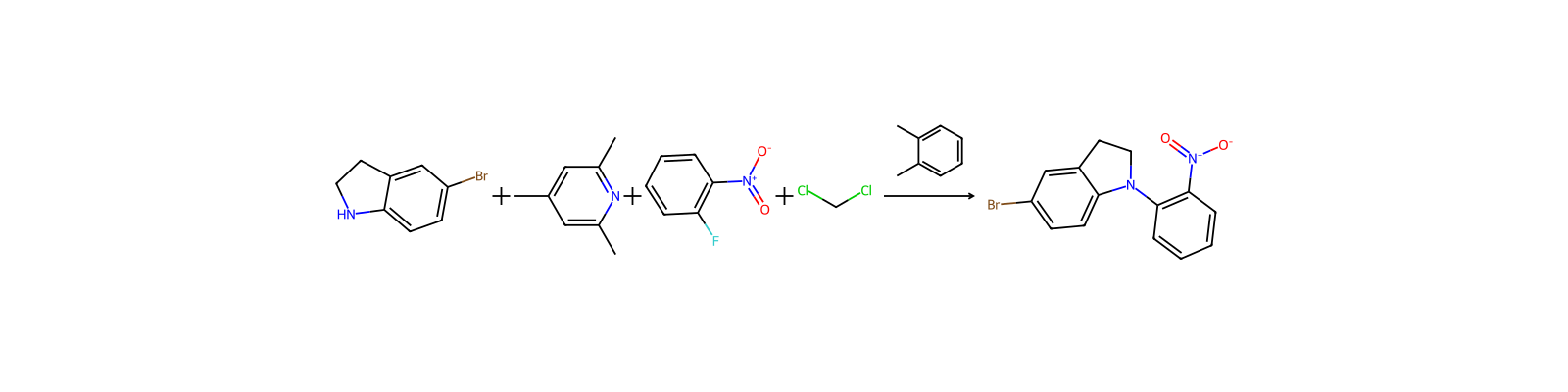
5,638 records



Linked notes
Loading…