Reaction equation
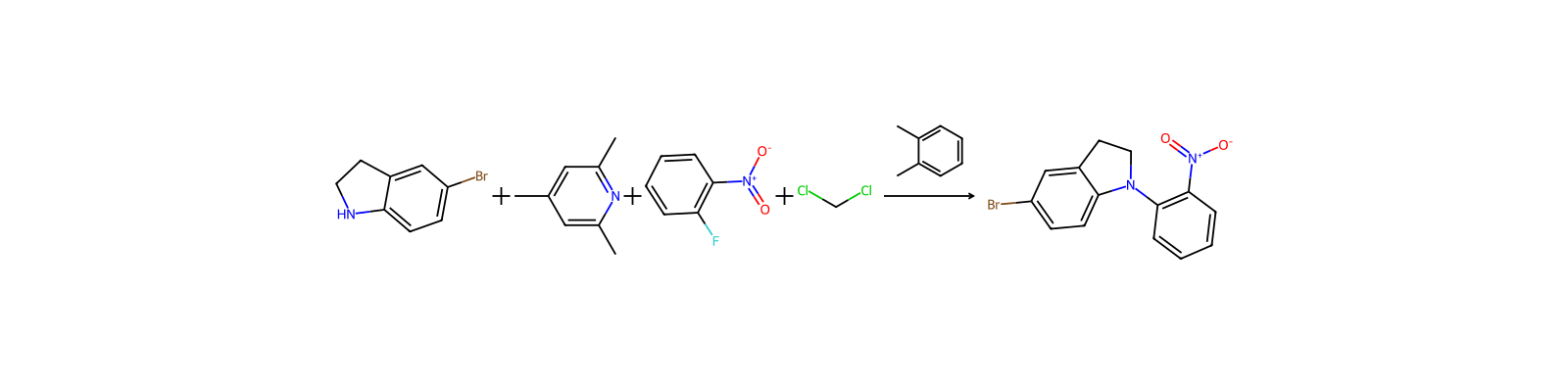
[Br:1][C:2]1[CH:3]=[C:4]2[C:8](=[CH:9][CH:10]=1)[NH:7][CH2:6][CH2:5]2.N1C(C)=CC(C)=CC=1C.F[C:21]1[CH:26]=[CH:25][CH:24]=[CH:23][C:22]=1[N+:27]([O-:29])=[O:28].ClCCl>C1(C)C(C)=CC=CC=1>[Br:1][C:2]1[CH:3]=[C:4]2[C:8](=[CH:9][CH:10]=1)[N:7]([C:21]1[CH:26]=[CH:25][CH:24]=[CH:23][C:22]=1[N+:27]([O-:29])=[O:28])[CH2:6][CH2:5]2Participants





Procedure
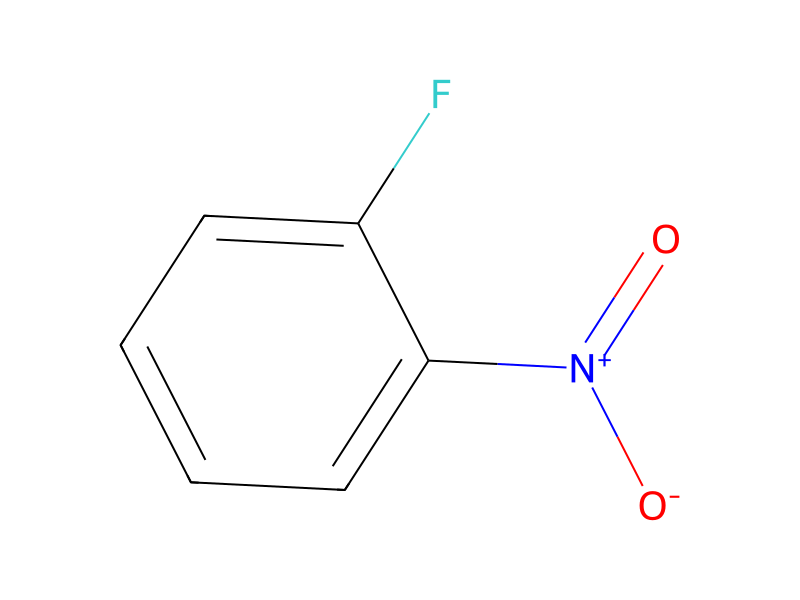
5-Bromoindoline (4.0 g, 0.02 mole), collidine (3.6 g, 0.03 mole), and o-fluoronitrobenzene (2.8 g, 0.02 mole) in xylene (25 ml) were heated at 185° C. (oil bath temperature) for 24 hours. The mixture was cooled to room temperature and poured into dichloromethane. The dichloromethane solution was washed with 1N hydrochloric acid (3 times, 150 ml), brine (200 ml), dried over anhydrous magnesium sulfate and filtered. The solvent was evaporated. Crystallization of the residue was induced by stirring in ether (15 ml) followed by hexane (200 ml), then chilling in the refrigerator overnight. The solid was filtered and washed with hexane and dried to yield 3.5 g (55%) of product. Recrystallization from 2-propanol yielded the analytical sample, mp 12°-114° C.
Workup
- washThe dichloromethane solution was washed with 1N hydrochloric acid (3 times, 150 ml), brine (200 ml)
- dry with materialdried over anhydrous magnesium sulfate
- filtrationfiltered
- customThe solvent was evaporated
- customCrystallization of the residue
- temperaturechilling in the refrigerator overnight
- filtrationThe solid was filtered
- washwashed with hexane
- customdried
Sources & evidence
- ORD record
- ord-5d5026eae7df4acdbb2617c4f3ddf508
- Source dataset
- uspto-grants-1988_02
- Patent number
- US04723007
Linked notes
Loading…